
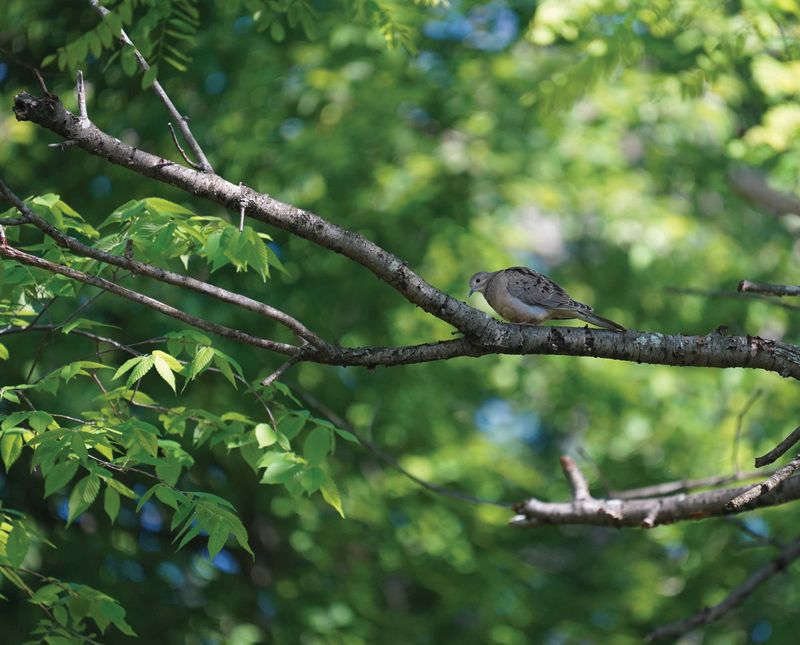
Mourning doves are a familiar sight in California yards, cooing from fence posts and walking the ground in search of seeds. Many homeowners wonder whether the right plants could bring more of these birds in, and whether visiting doves might help clean up weed seeds along the way.
The honest answer is more nuanced than a simple yes, but it still points toward a practical yard design worth understanding. A yard that pairs mature woody cover with nearby open ground may suit mourning dove behavior well, and any seed eating that happens there is a modest, unplanned bonus rather than a reliable gardening service.
Build an open-edged habitat, not a guaranteed dove magnet
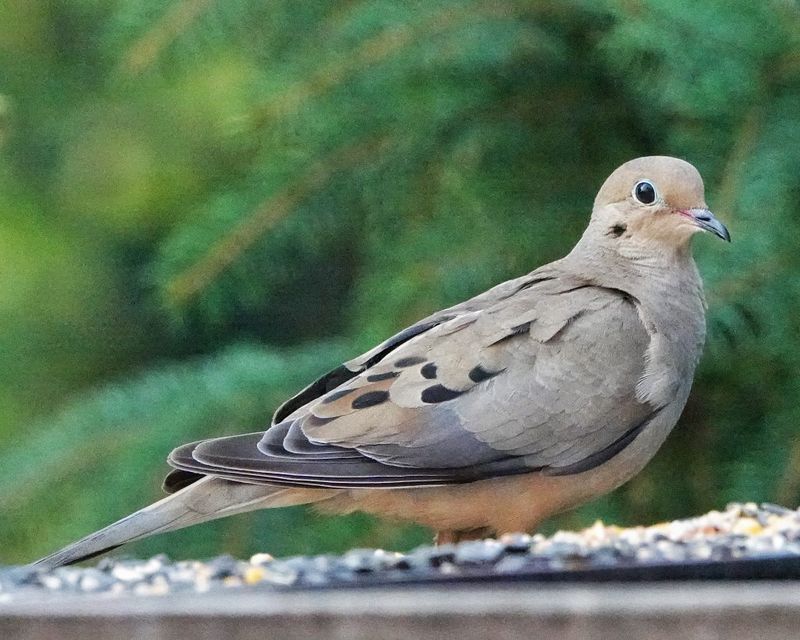
Mourning doves in California are not looking for a manicured garden or a dense jungle of plants. What pulls them toward a yard is something closer to a woodland edge: a tree or substantial shrub where they can nest and perch, positioned beside a relatively open stretch of ground where they can walk and pick up fallen seeds.
Cornell Lab of Ornithology’s mourning dove life history describes the species as a ground feeder that favors open or semi-open habitat over dense, closed forest cover.
A completely bare yard offers little protection and no nesting opportunity. A yard packed with thick, layered vegetation may feel sheltered but can actually work against the doves, since they need walkable open ground to forage effectively.
The practical middle ground is a loose edge: one or two mature plants for structure, with clear space at ground level nearby.
The U.S. Forest Service Fire Effects Information System account for mourning doves confirms that the species uses woodland-grassland edges and similar transitional zones.
California’s wildlife habitat data echoes this, noting that doves use a mix of woody cover and open feeding areas rather than either extreme. If doves do visit and forage in your yard, they may consume some fallen weed seeds in the process, but that seed eating is incidental.
No study has measured a reduction in weed pressure in residential gardens as a result of adding nesting cover, so the design goal should be habitat, not weed management.
What woody cover can offer mourning doves
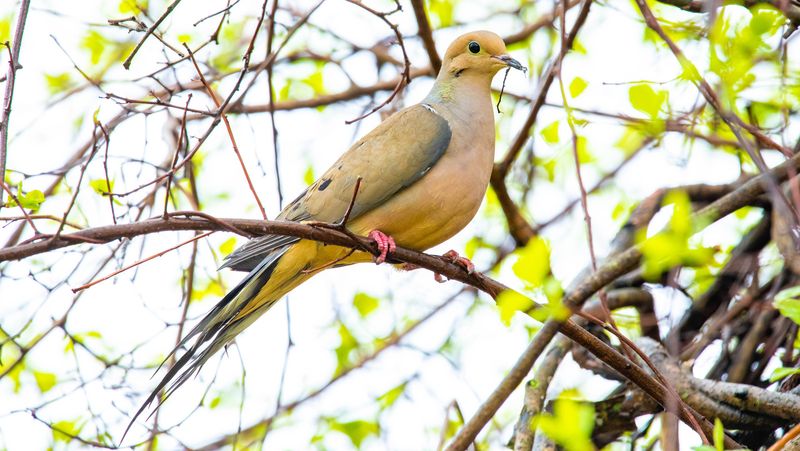
Mourning doves are flexible about where they nest, which is actually useful information for homeowners. Rather than one magic shrub, what matters is a combination of physical features: mature branching structure, horizontal limbs or forks, reasonable foliage density, and a location that gives the bird a clear view of the surrounding area.
Cornell Lab documents conifers, deciduous trees, orchard trees, mesquite, cottonwood, dense shrubs, and even vines as documented nesting and perching habitats across the species’ range.
None of those plant types guarantees a nest. Doves also weigh factors like the proximity of open feeding areas, available perch points, predator pressure, and the overall structure of the surrounding landscape before committing to a site.
A study on perch sites and mourning dove nest distribution found that natural perch availability meaningfully influenced where nests appeared in shrubby habitat, which suggests that a single isolated plant with no nearby perch structure may be less attractive than a yard with connected woody elements.
California’s extended breeding season adds a practical note. California Department of Fish and Wildlife habitat data indicates that mourning doves in California may breed during much of the year depending on weather conditions, not just in a narrow spring window.
That means a yard with suitable cover could support nesting activity across multiple seasons rather than just a few weeks. Readers should not assume a nest found in summer or fall is unusual or out of season.
The seed-eating connection is narrower than the headline
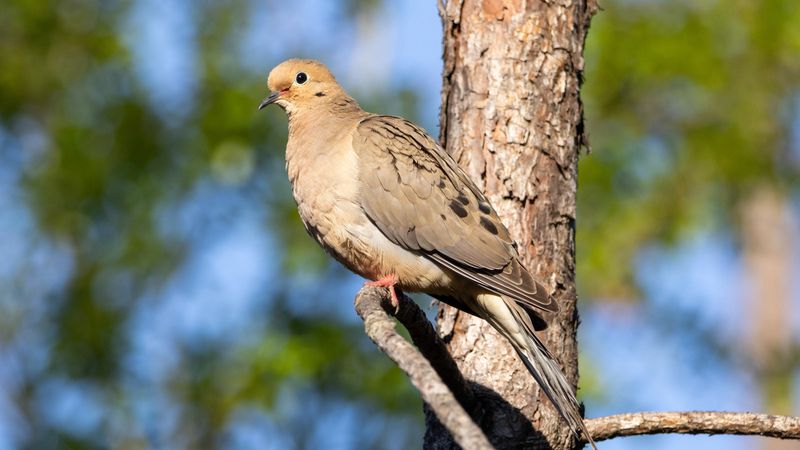
Seeds make up roughly 99 percent of the mourning dove’s diet. That fact sounds like a strong argument for calling them weed eaters, but the connection between what doves eat and what disappears from a garden bed is more limited than it first appears.
Cornell Lab’s life history account describes a diet that includes cultivated grains, wild grasses, weeds, herbs, and occasional berries, with seeds consistently dominating.
California food-habit records add some regional detail. A California food-habits study documented by OEHHA recorded mourning doves consuming turkey mullein, buckthorn weed, milk thistle, red maids, California poppy, chickweed, miner’s lettuce, pigweed, lamb’s quarter, and water grass, among other plant seeds.
These are crop-content records from several California regions, gathered through stomach analysis, and they do confirm that California doves eat seeds from plants many gardeners consider weeds.
The important qualification is what those records do not show. They are not measurements of how many weed seeds disappeared from a given yard, and they do not establish that a visiting dove will seek out and consume every problematic weed in a homeowner’s beds.
Doves eat accessible fallen seed from the ground surface; they do not hunt through planted beds looking for weeds to target. The principal California food-habits study also dates to 1962, so it reflects historical crop contents rather than current residential-yard feeding patterns.
Any seed consumption that happens in a backyard setting should be understood as an opportunistic behavior tied to what seeds happen to be available at ground level, not a purposeful gardening contribution.
Why doves cannot replace weed management
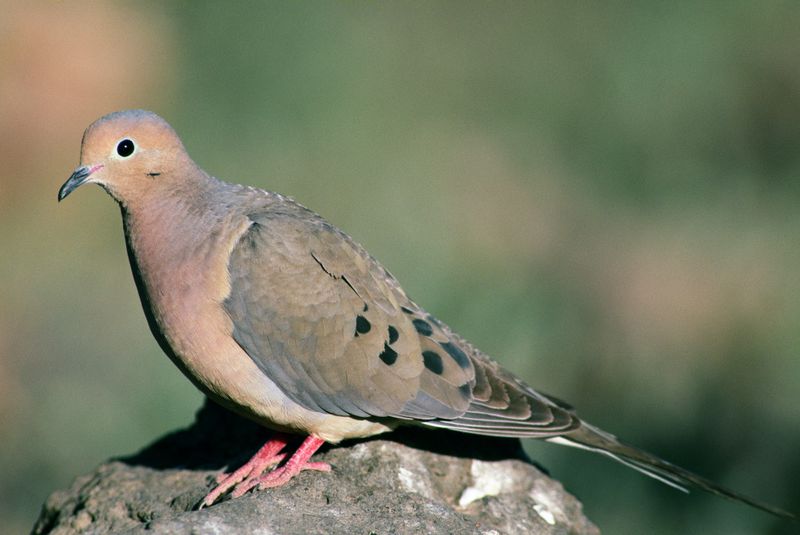
A clear line separates what mourning doves actually do from what some gardeners hope they might do. Doves eat accessible seeds at or near the soil surface; they generally peck or push aside light surface litter rather than scratch through soil the way chickens do.
The Forest Service’s species account confirms this surface-feeding behavior, which means doves are not reaching buried weed seeds, uprooting established weeds, or working through a planted bed in any systematic way.
The research picture also has a structural gap. Studies on mourning dove nesting habitat examine where doves nest and what influences site selection.
Separately, California food-habit records document what doves eat. Neither line of research measures whether adding nesting cover to a residential yard produces fewer weed seeds in garden beds.
Connecting those two findings and concluding that nesting cover causes weed reduction is a logical step the evidence does not support.
A Georgia study on Benghal dayflower adds another useful caution. That Weed Science study found that some Benghal dayflower seeds survived passage through mourning dove digestive systems and remained viable, which means a dove can sometimes disperse a weed rather than eliminate it.
That result applies specifically to Benghal dayflower in Georgia and should not be stretched to cover all California weeds, but it directly challenges the idea that doves are universally helpful weed eaters. Homeowners should treat doves as welcome visitors that may incidentally consume some fallen seeds, while continuing ordinary weed management practices.
Shape a California-friendly dove corner
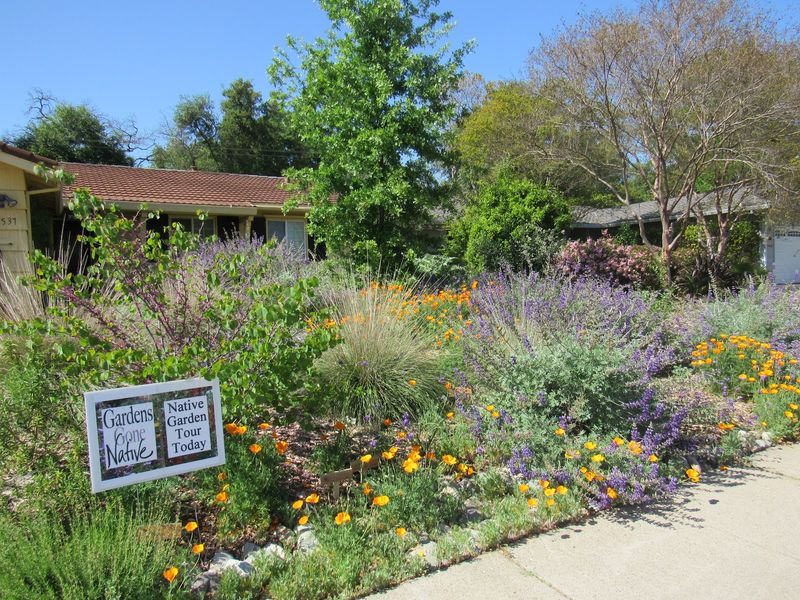
Putting together a yard section that may attract mourning doves does not require a full landscape renovation. The working concept is a corner or edge that gives the birds what they use: a mature tree or substantial shrub for nesting and perching, with a relatively uncluttered open area on the ground nearby.
Cornell Lab’s life history guidance links mourning dove ground feeding to open, walkable spaces rather than densely planted beds, so resist the instinct to fill every square foot beneath a tree with low shrubs or thick mulch layers.
Plant selection should follow local conditions rather than a single statewide list. California spans many climate zones with different rainfall patterns, soil drainage, sun exposure, and water availability, and a plant that thrives in coastal Marin may struggle in an inland Riverside yard.
Calscape’s native plant gardening guide recommends matching plant choices to the specific site conditions of the homeowner’s location rather than relying on broad regional recommendations.
UC Agriculture and Natural Resources guidance on native shrubs notes that California-native evergreen shrubs can provide year-round shelter and structure for birds generally, though documented mourning-dove use of specific shrub species varies. Use native shrubs as general wildlife habitat structure rather than as a guaranteed dove draw.
The Forest Service account is clear that the useful combination is protective woody cover plus accessible open ground, not dense planting alone.
Ordinary weed management should continue. Allowing a few selected habitat plants with wildlife value to remain is reasonable, but letting invasive or highly seed-producing weeds mature and spread creates a different problem.
The goal is a tidy edge with structure, not an unmanaged patch.
Skip the feeder shortcut and protect the habitat
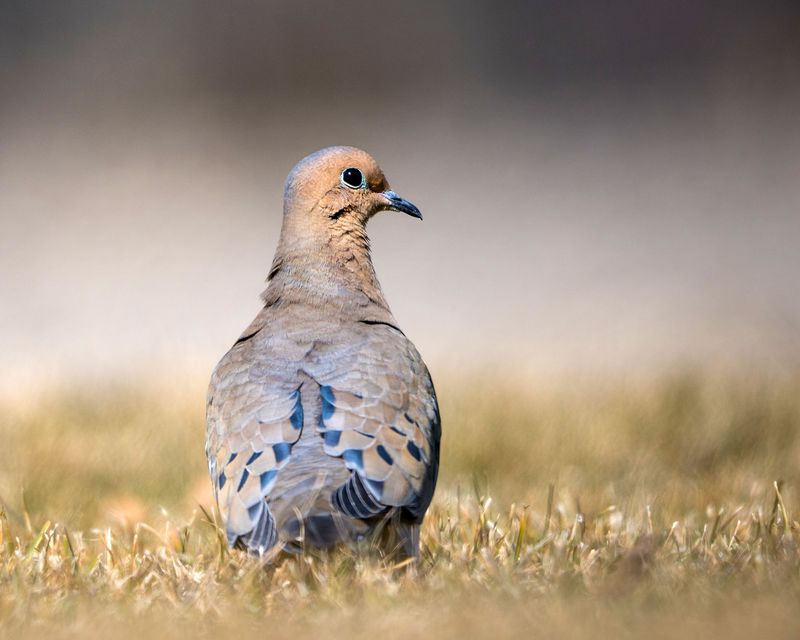
Putting out a feeder or scattering seed on the ground can seem like the fastest way to bring mourning doves in, but habitat planting is the safer long-term approach. Ground feeding in particular carries real risks.
Cornell Wildlife Health Lab’s avian trichomonosis fact sheet explains that mourning doves are susceptible to this disease, which can spread through contaminated food and water at shared feeding sites. Ground feeding also tends to attract rodents and can draw in predators that make the yard less safe for the birds you are trying to support.
California State Parks guidance on wildlife feeding discourages the practice for similar reasons, noting that supplemental feeding can create dependency and introduce disease vectors. If a feeder is used, keeping it clean, elevated, and stocked with fresh seed is essential, but habitat structure remains a more reliable and lower-risk way to support resident birds.
Fire safety is a separate but equally important consideration for California homeowners. Dense woody plantings that might offer excellent bird cover can also create fuel hazards in fire-prone areas.
Local defensible-space requirements, fuel-management rules, and irrigation restrictions vary by jurisdiction and should be checked before planting any new trees or shrubs near structures. No single plant list applies safely across every California fire zone.
If mourning doves do nest in your yard, federal law applies. U.S.
Fish and Wildlife Service guidance on bird nests states that active nests of migratory birds are protected under the Migratory Bird Treaty Act once eggs, chicks, or dependent young are present. Do not move or remove an active nest; consult USFWS guidance for the limited exceptions and next steps if a nest location becomes a concern.
Create habitat first and treat seed eating as incidental
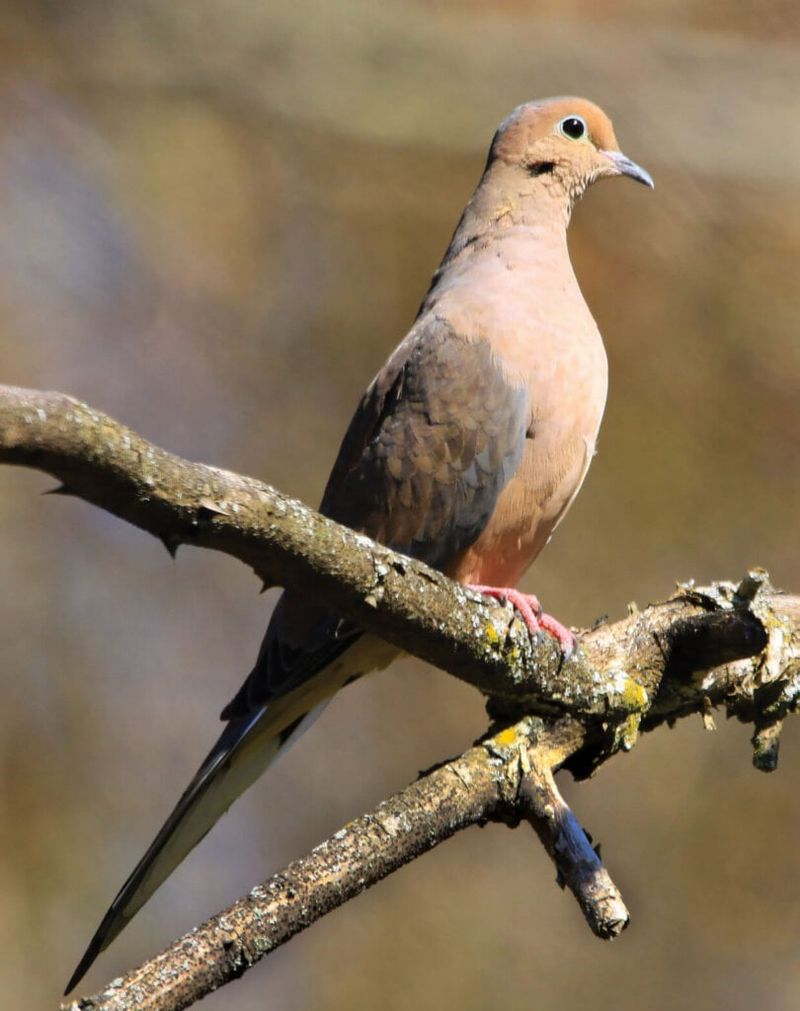
The clearest takeaway from the available evidence is straightforward: woody cover beside open feeding ground can make a California yard more compatible with mourning dove activity, and birds that visit may consume some accessible fallen weed seeds in the process. That possible seed consumption is worth knowing about, but it is not a service you can plan around or measure.
Cornell Lab’s life history documentation and California food-habit records together support the habitat design approach, but neither source establishes that doves reduce weed pressure in gardens.
Build the habitat because mourning doves are worth having around on their own terms: they are well-adapted to California conditions, they are active across a long breeding season, and a yard that suits them tends to be one that also suits other seed-eating and ground-foraging birds. The Forest Service species account reinforces that the combination of woody structure and open ground is what drives dove use of a site, not any single plant choice.
Keep up your regular weed management, follow local fire-safe planting requirements, and let the doves do what they naturally do. A yard designed for habitat tends to stay healthier than one designed around an unproven pest-control promise, and that is a more durable reason to plant with wildlife in mind.