
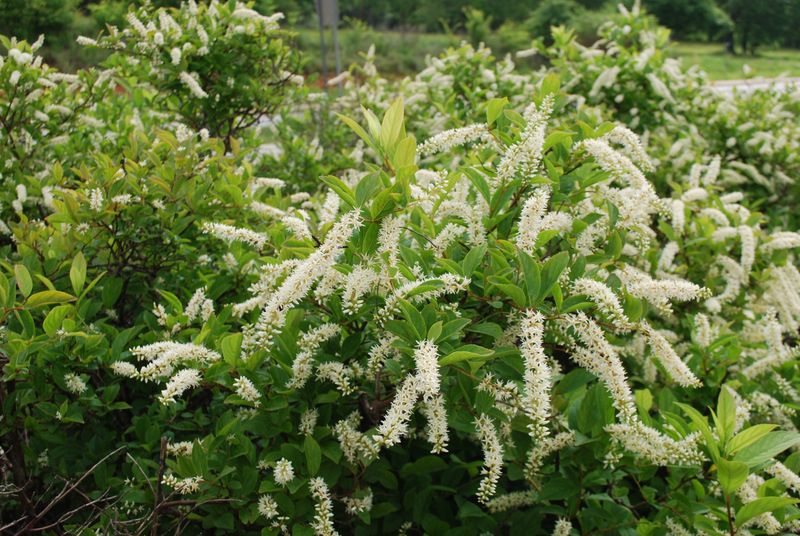
Azaleas are gorgeous in spring, but plant them where the afternoon sun pounds down and they scorch by July. If you have a hot, sunny spot in your North Carolina yard, you need shrubs built for that punishment.
The good news is that our native plants already handle Piedmont heat, coastal wind, and mountain sun without begging for shade. Even better, these tough choices feed birds, bees, and butterflies while keeping your weekends free of fussy plant care.
1. Inkberry Holly
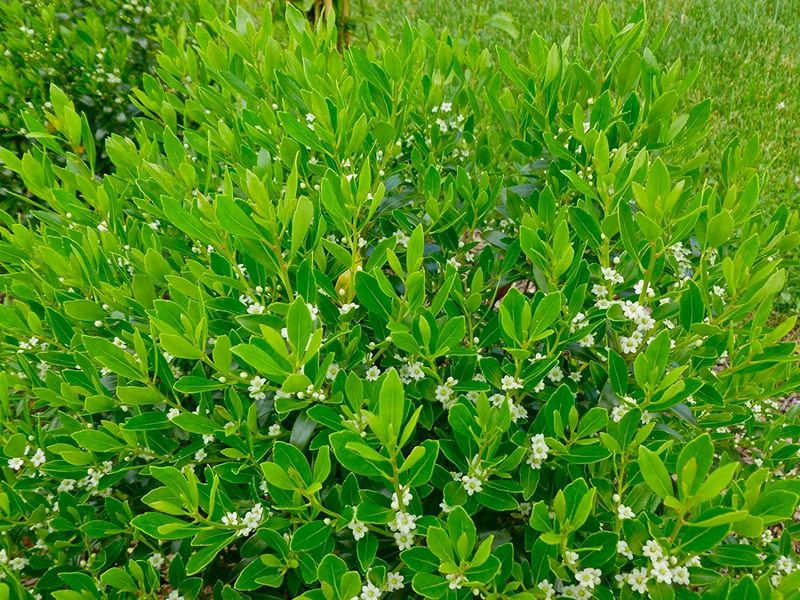
Picture a low, tidy green mound that never drops its leaves and never asks for a drink once it settles in. Inkberry holly earns that reputation across the coastal plain and Piedmont, where it takes blazing sun without a single scorched leaf.
Unlike a fried azalea, this evergreen keeps its color through summer heat and winter cold. The small black berries feed songbirds and overwintering birds when other food gets scarce, so you support native wildlife just by leaving it alone.
It works beautifully as a low hedge along a sunny walkway or foundation, giving you the neat, clipped look of boxwood without the disease problems. Native bees visit the tiny spring flowers, too.
Fun bit: early Americans once used the leaves to brew a tea-like drink, which is how one relative earned the name yaupon. Give inkberry moist-to-average soil and a full day of sun, and it will hold its shape with almost no effort from you.
2. Virginia Sweetspire
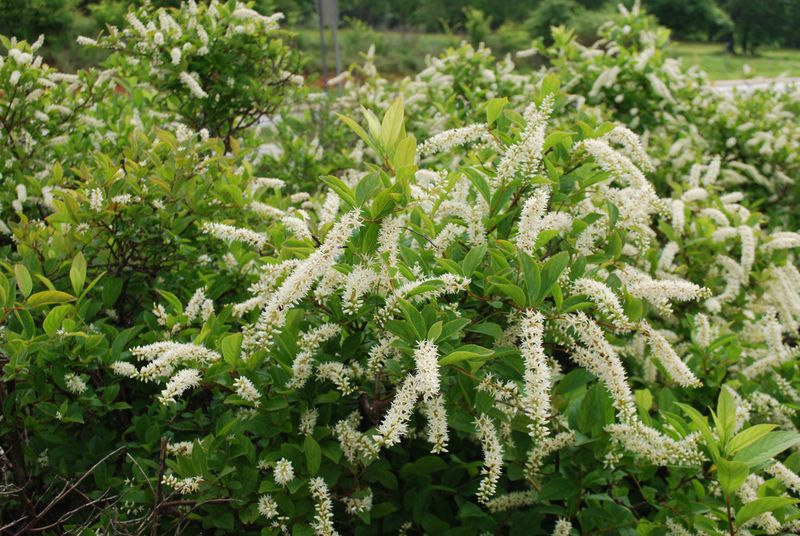
Come early summer, this shrub throws out drooping white flower spikes that look like little bottlebrushes dipped in sugar. Bees and butterflies swarm them, making Virginia sweetspire one of the busiest pollinator stops in a sunny bed.
What makes it special is how flexible it is. It shrugs off full sun on a bank that bakes, yet it also tolerates soggy spots where azaleas would rot, so it fills the tricky in-between areas of a Carolina yard.
The real payoff comes in fall, when the leaves turn brilliant red and orange and hang on late into the season. You get spring-into-summer blooms and a fiery autumn finish from a single low-effort plant.
Use it to hold a slope, edge a rain garden, or soften a hot fence line. Give it room to spread by suckers if you want a naturalized colony, or prune it back to keep a rounded shape.
3. Sweet Pepperbush
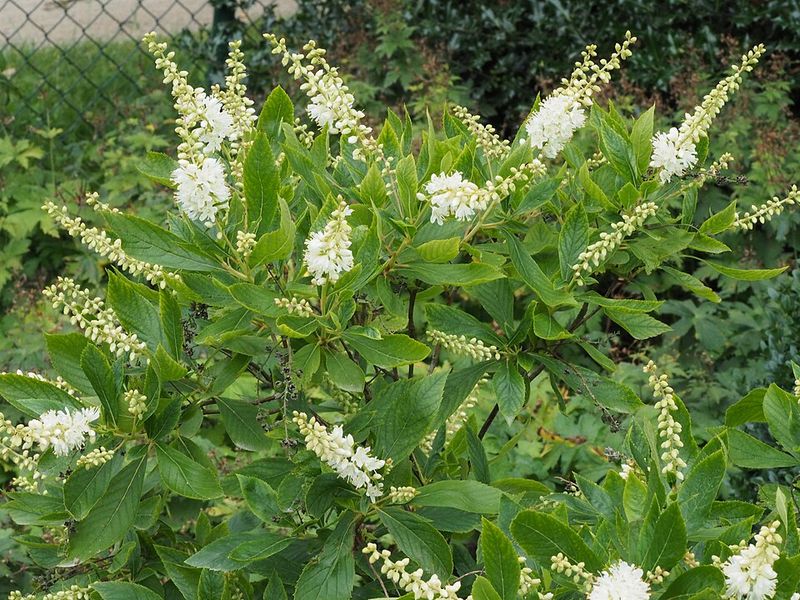
If you have ever wished your yard smelled as good as it looked, sweet pepperbush delivers. In the sticky heat of July and August, when most shrubs have quit blooming, it opens spicy-sweet white flower spikes that perfume the whole area.
That midsummer timing is exactly why it belongs where azaleas have already fizzled out. It keeps a hot, sunny corner alive with color and scent during the dog days.
Pollinators adore it. Native bees, butterflies, and even hummingbirds work the flowers all day, so a single shrub can turn a plain spot into a wildlife hangout.
Sweet pepperbush handles full sun in the coastal plain and Piedmont as long as the soil stays somewhat moist, and it takes wet feet better than most. Its clean habit and late bloom make it a smart swap for tired, sun-stressed shrubs near a patio where you will actually smell it.
4. Yaupon Holly
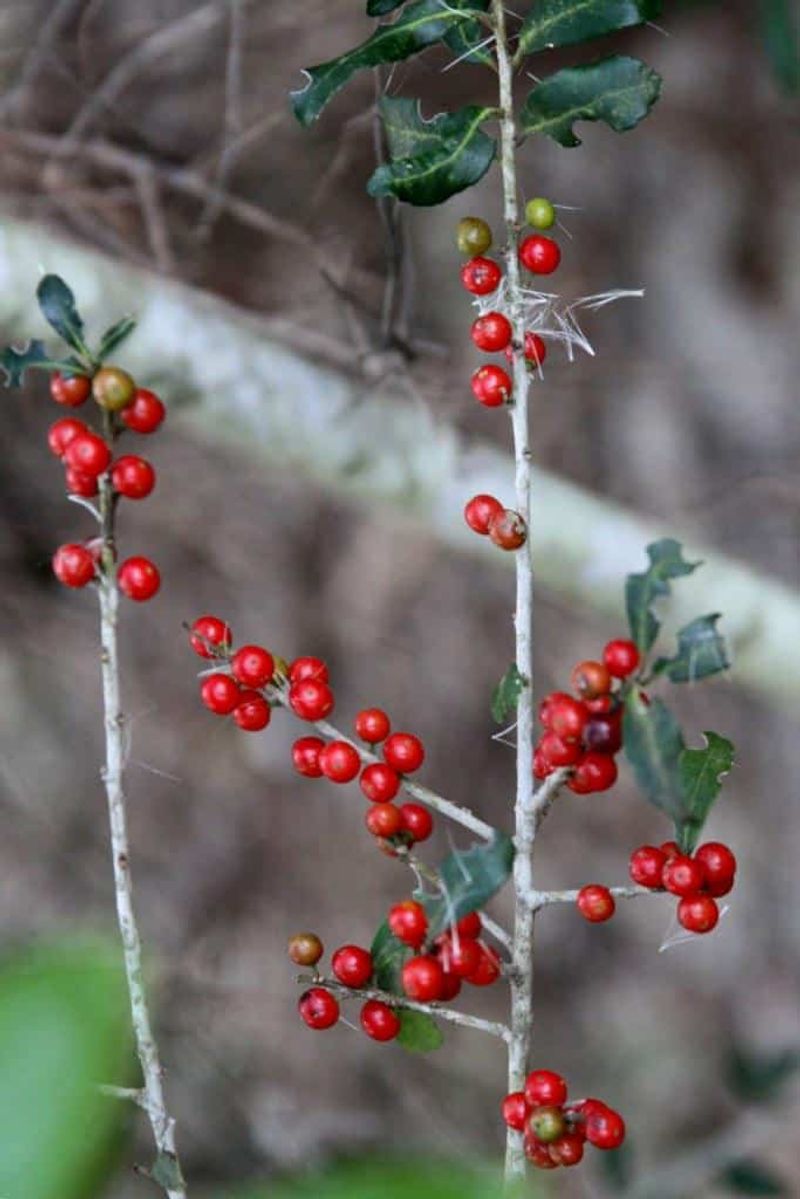
Tough as nails and native from the coast inland, yaupon holly barely notices drought, salt spray, poor soil, or relentless afternoon sun. That bulletproof nature makes it the shrub you plant and forget.
The bright red berries light up through fall and winter, feeding cedar waxwings, mockingbirds, and other birds when the yard is otherwise bare. Watching a flock strip the berries on a cold morning is a small piece of backyard theater.
Yaupon is also endlessly adaptable in the landscape. Leave it loose and natural, shape it into a hedge, or choose a dwarf form for a compact mound near the door.
Here is a fun piece of history: yaupon is the only caffeine-producing plant native to North America, and Indigenous peoples brewed its leaves for a stimulating tea. Plant a berry-bearing female shrub in a hot, dry spot and you get evergreen structure, bird food, and a genuine conversation starter.
5. Oakleaf Hydrangea
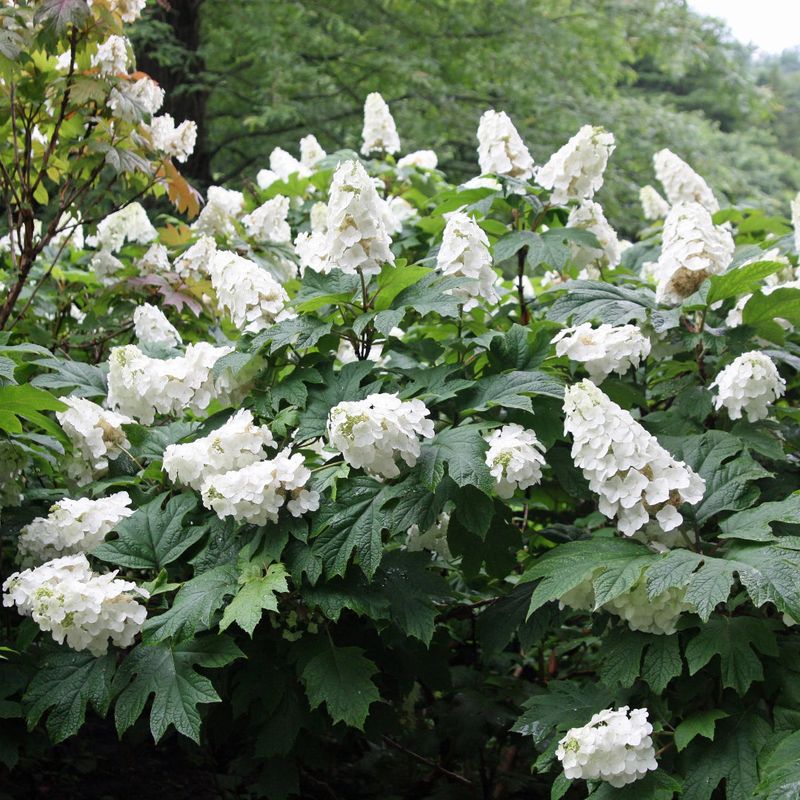
Forget the fussy blue mophead hydrangeas that wilt every afternoon. Oakleaf hydrangea is a native that actually takes more sun, holding up in bright Piedmont light where its cousins flop.
Big cone-shaped flower clusters open creamy white in early summer, then fade to soft pink and rosy tan as the weeks pass. The bold, oak-shaped leaves give the plant a dramatic, sculptural look even between blooms.
Then autumn arrives and the foliage turns deep wine red and burgundy, one of the finest fall color shows any native shrub offers. The peeling cinnamon bark keeps things interesting all winter after the leaves drop.
Give it morning-to-midday sun with some relief in the hottest coastal areas, and average soil that drains. It rewards that easy care with four seasons of interest, making it a workhorse for a foundation bed or a shrub border that needs a centerpiece.
6. American Beautyberry
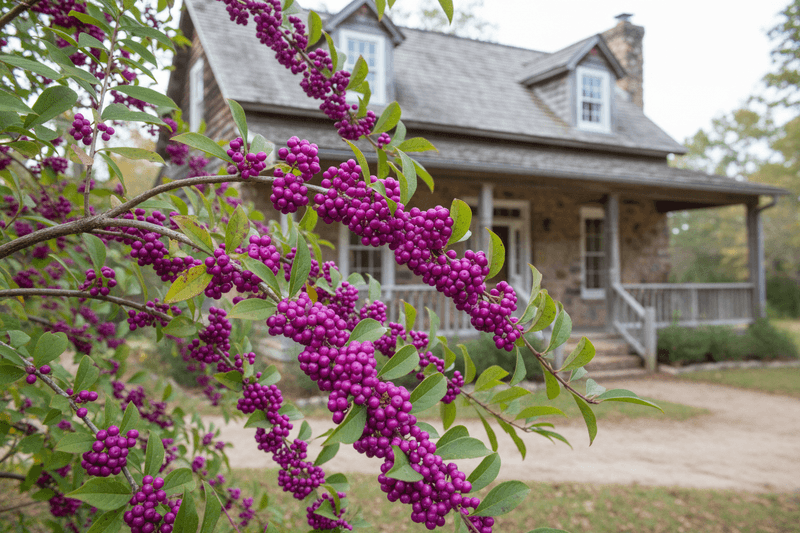
Nothing else in the fall garden matches the electric purple of beautyberry. Come late summer, tight clusters of magenta berries wrap around the stems like beaded bracelets, stopping visitors in their tracks.
Those berries are a feast for mockingbirds, cardinals, and thrushes, and the shrub feeds them straight through fall. Watching birds strip the branches is a reliable reason to keep one within view of the kitchen window.
There is a bonus that fits the protective-steward mindset perfectly: the crushed leaves have long been used as a folk mosquito repellent, and researchers have looked into the compounds behind that reputation. It may help make a hot backyard corner a little more pleasant on a buggy evening.
Beautyberry loves full sun in the Piedmont and coastal plain and asks for almost nothing in return. Cut it back hard in late winter and it comes roaring back, loaded with fresh growth and another round of those unforgettable purple jewels.
7. Buttonbush
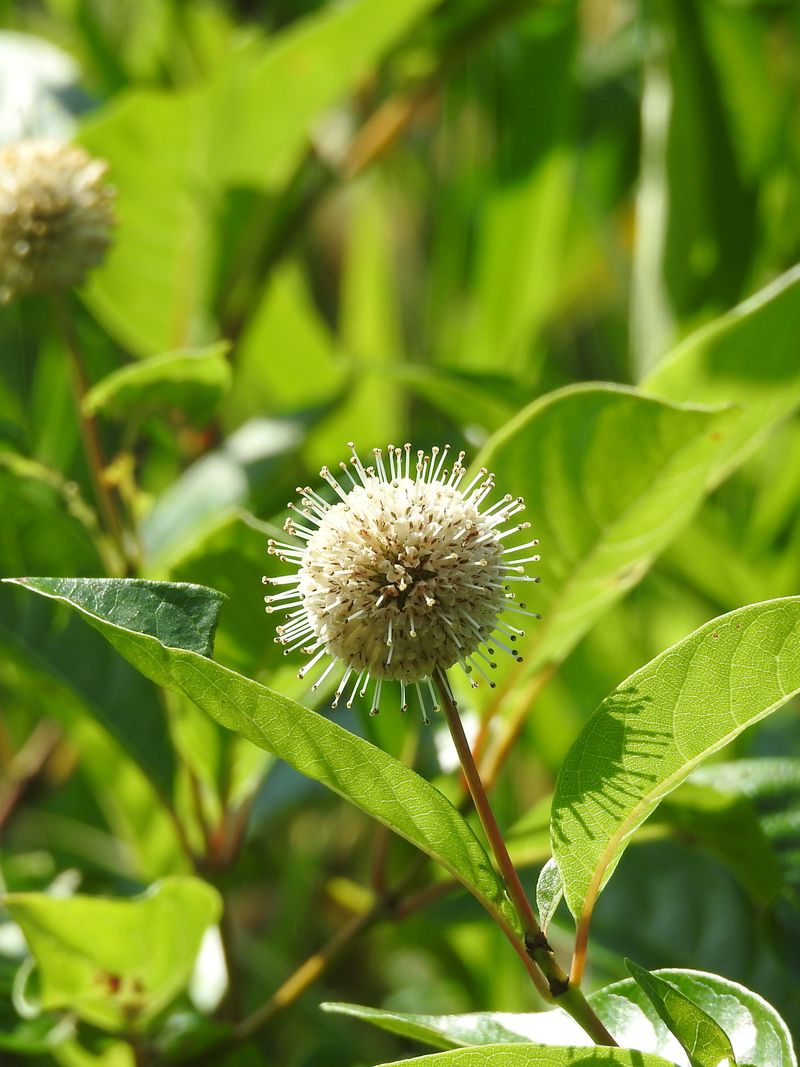
Round white flowers shaped like little spiky spheres explode across buttonbush in midsummer, looking like something from a coral reef stuck on a shrub. Butterflies and native bees can barely resist them.
What sets buttonbush apart is its love of wet, sunny ground. Got a low spot, a pond edge, a drainage swale, or a rain garden that stays soggy and bakes in the sun?
This is the native that thrives there while other shrubs sulk.
The blooms turn into reddish-brown seed balls that ducks and other waterfowl eat, and the flowers themselves are a magnet for pollinators during the hottest stretch of the year. Hummingbirds stop by, too.
Buttonbush works hard for wildlife while solving a wet-and-sunny problem most gardeners struggle with. Plant it where you can enjoy the constant flutter of visitors, and let it grow into a loose, casual form along the water.
8. Wax Myrtle
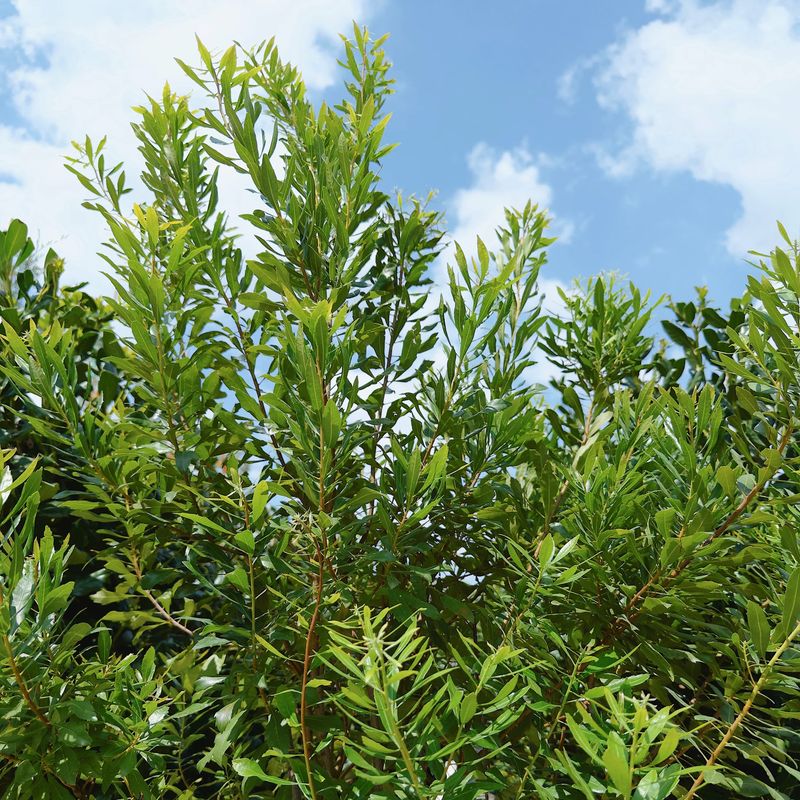
When you need a fast, forgiving privacy screen, wax myrtle answers the call. This vigorous evergreen shoots up quickly and shrugs off drought, salt, poor soil, and full sun across the coastal plain and Piedmont.
Brush against the narrow leaves and they release a clean, spicy scent. Colonial settlers boiled the waxy blue berries to make fragrant bayberry candles, a bit of history you can smell for yourself.
Those berries are also prime winter food for yellow-rumped warblers and other birds, and the dense growth gives them safe cover to nest and hide from hawks. You get a living wall that shelters wildlife instead of a lifeless fence.
Wax myrtle grows tall and loose if you let it, or you can shear it into a tighter hedge. Either way, it screens out a road, a neighbor, or an ugly view in a single hot, sunny season with almost no coddling from you.
9. New Jersey Tea
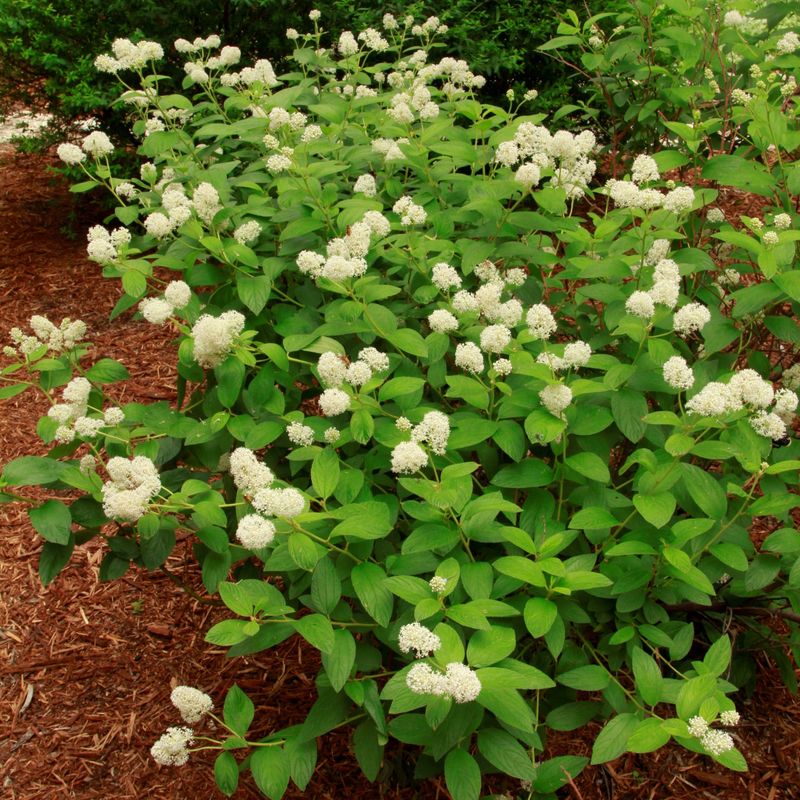
Small but mighty describes New Jersey tea to a tee. This compact native tops out around three feet, making it perfect for the front of a hot, dry border where bigger shrubs would crowd things out.
In early summer it puffs out fluffy white flower clusters that hum with tiny native bees, butterflies, and beneficial insects. It is a specialist host plant for several butterfly species, so it earns its keep for pollinators far beyond its modest size.
Its secret weapon is a deep, tough root system that lets it laugh at drought and thrive in lean, sandy, or rocky soil. Once established, it wants nothing to do with a watering can, even in a full-sun Piedmont bed.
The name comes from the Revolutionary War era, when colonists steeped the dried leaves as a substitute for taxed British tea. Tuck it into a sunny pollinator patch and it delivers big habitat value from a small, no-fuss footprint.