
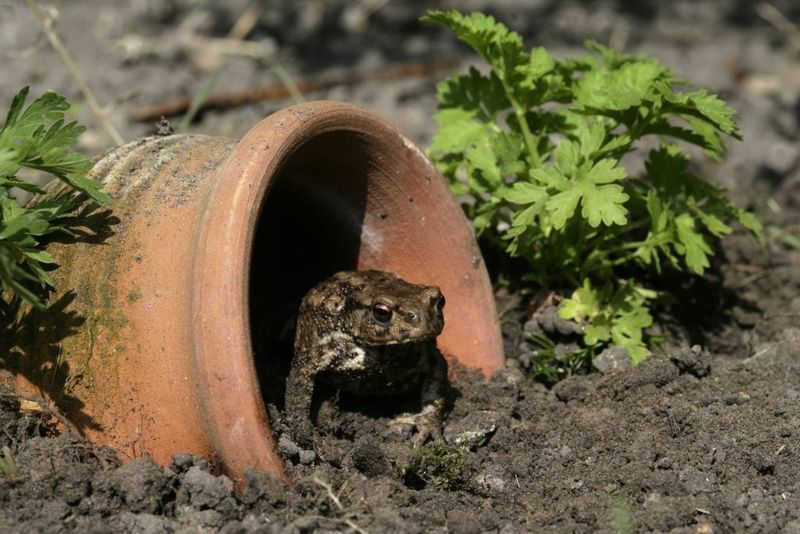
Spotting a chunky, warty toad near your garden beds on a warm Central Texas evening is one of those small wildlife moments that actually matters to your plants. Native toads eat insects, slugs, and other soft-bodied invertebrates, so a resident toad can be a low-cost, low-effort addition to your pest-management routine.
The catch is that no toad can promise to wipe out your slug or cutworm population on its own, and making your yard hospitable takes more than dropping a clay pot in the corner. This guide explains what a toad can realistically do, how to set up habitat that gives one a reason to stay, and why your own monitoring and physical controls still matter.
A toad may help your garden, but it cannot promise pest control
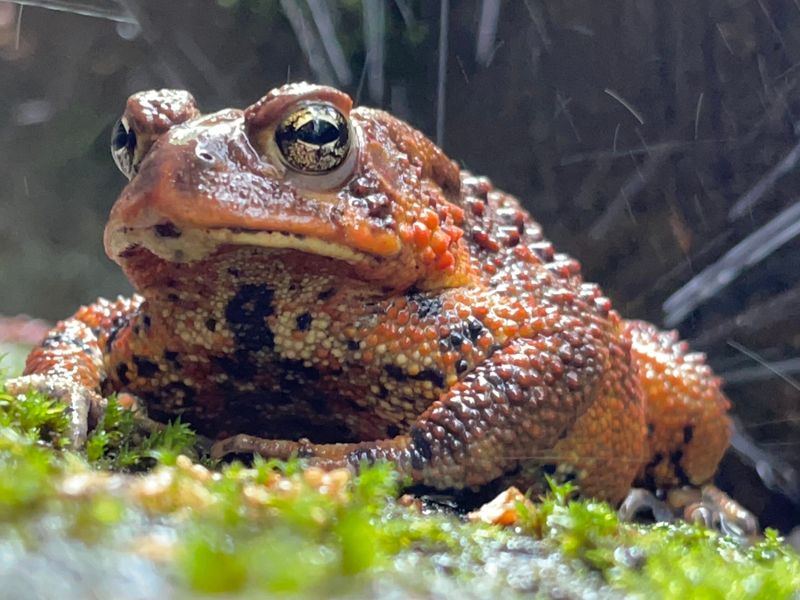
Native toads are generalist predators, which means they eat whatever live prey they can catch and swallow. That menu includes beetles, moths, ants, grubs, and yes, slugs and other soft-bodied pests that gardeners in Central Texas fight every season.
USGS amphibian research confirms that adult amphibians commonly consume insects and invertebrates, making a resident toad a genuinely useful member of a garden’s natural pest-control community.
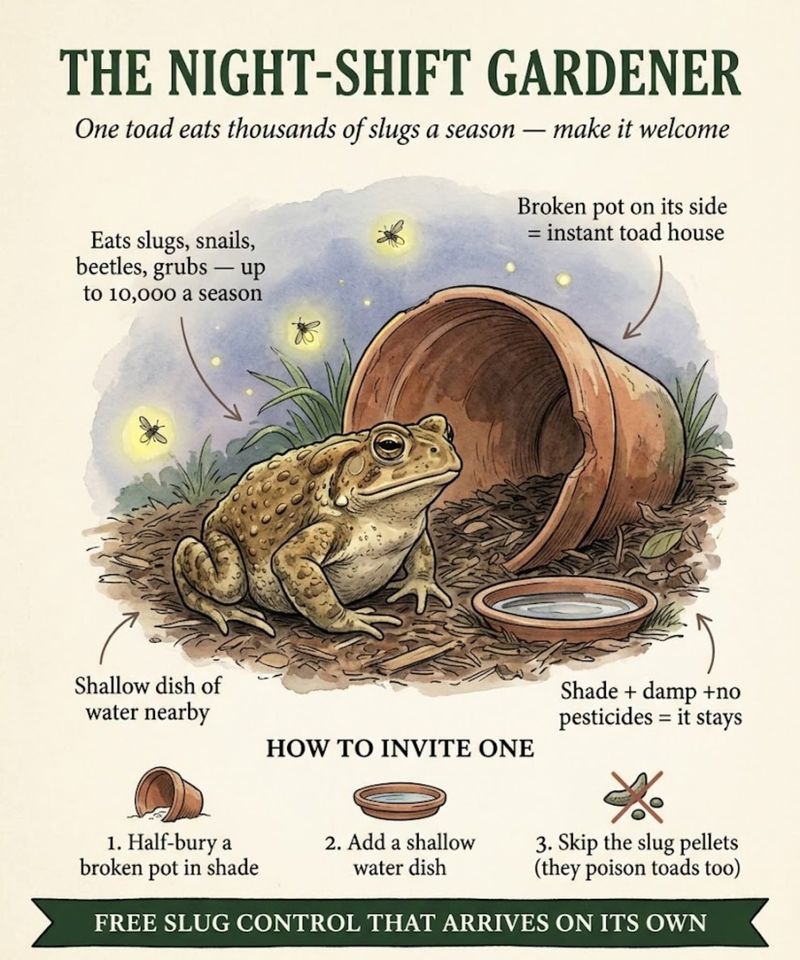
That said, the popular claim that a single toad devours thousands of slugs and cutworms per season does not hold up to scrutiny. A 2026 study on American toad diets in vegetable agroecosystems found that toad diets can be dominated by ants and beetles, including predatory beetles that themselves suppress garden pests.
The researchers specifically noted uncertainty about whether toads produce meaningful crop-protection benefits, and the study did not establish reduced crop damage or a reliable seasonal pest count.
A toad’s diet shifts with prey availability, body size, weather, and the season. On any given night, a toad foraging through your beds might eat a slug, a ground beetle, a moth, or a combination of all three.
Treating it as a precision slug-and-cutworm weapon overstates what the animal actually does.
The honest framing is this: a native toad that already lives near your Central Texas yard can contribute to natural pest suppression and make your garden livelier and more ecologically balanced. Welcoming one is worthwhile.
Counting on it to keep pest numbers below damaging levels without any monitoring or physical controls is a plan that will let you down.
Why a toad and garden pests may meet after dark
Toads are creatures of the night, and that habit puts them in exactly the right place at the right time to encounter common garden pests. Penn State Extension’s guide to garden toads notes that toads are most active after dark and become noticeably more active when conditions are damp or humid, which are the same conditions that draw slugs out of hiding.
Slugs thrive in cool, moist, nighttime environments. After a Central Texas thunderstorm or a thorough evening watering, slugs emerge from under boards, dense mulch, and low foliage to feed on seedlings and tender leaves.
A toad foraging those same areas during the same hours will encounter them naturally, with no effort required from the gardener.
Cutworms follow a similar pattern. Larvae are most active at night, cutting through plant stems at or just below the soil surface.
A toad moving across bare soil near transplants after dusk is hunting in cutworm territory, though it will take whatever prey crosses its path rather than targeting any single species.
Central Texas adds another layer to this picture. During the warmer months, nighttime humidity can stay high long after the sun sets, especially following afternoon storms or irrigation.
That extended window of damp conditions stretches the overlap between toad foraging time and pest activity. After a summer rain, stepping outside with a flashlight near your beds may reveal a toad already at work, but the same observation also shows you where slugs are active, which is useful information for your own monitoring whether a toad is present or not.
Create the shaded habitat that can welcome a local toad
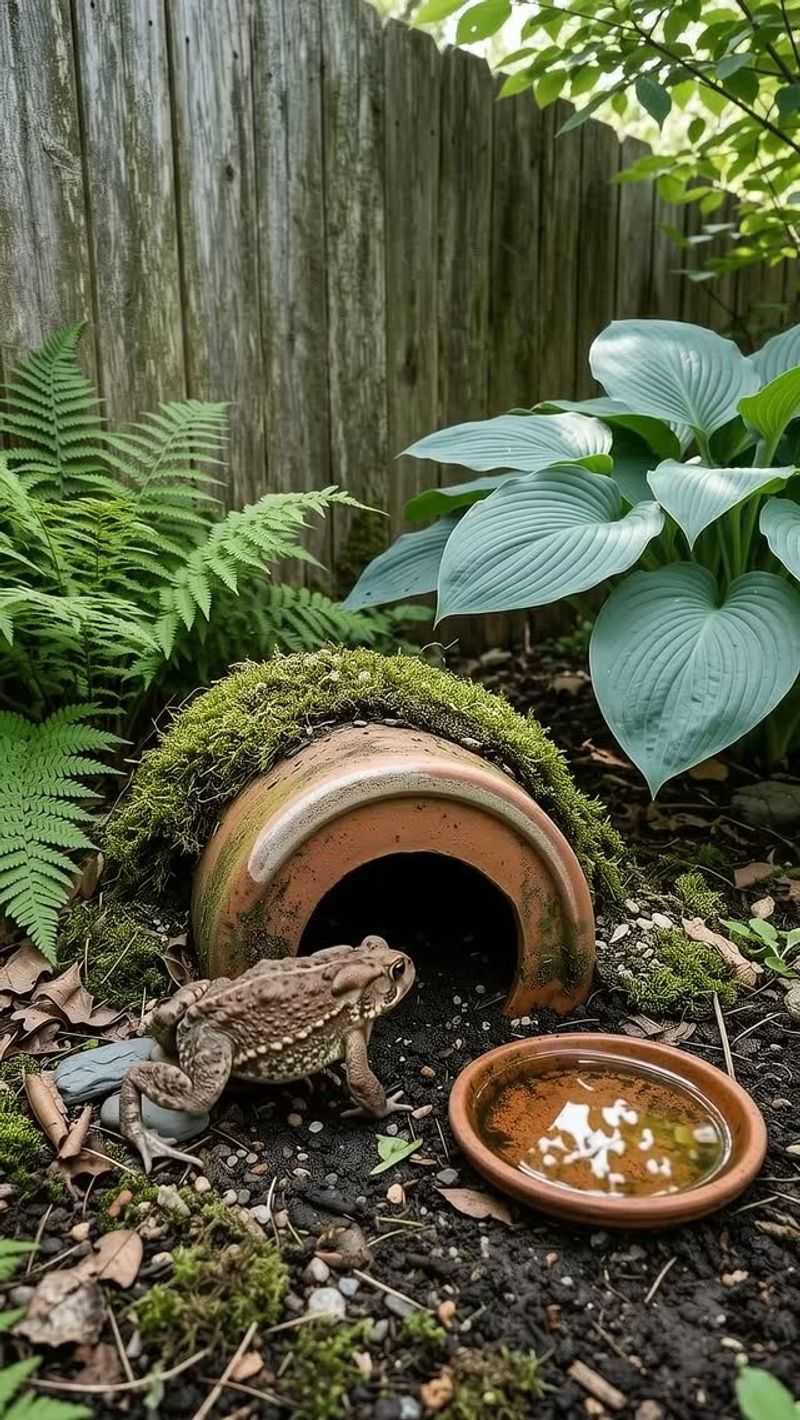
A single overturned clay pot does not make a toad habitat. What actually draws a native toad to stay in your yard is a combination of features that together mimic the shaded, moist, prey-rich environments where toads naturally spend their days.
Texas Parks and Wildlife Department guidance on helping local wildlife specifically recommends small moist areas, shallow water, cover objects, and native vegetation as the foundation for attracting frogs and toads to a home garden.
Start with the ground layer. Leaf litter, a layer of mulch, flat rocks, a small log, or a cluster of low native plants all give a toad places to shelter during the heat of the day.
In Central Texas, where summer afternoons regularly push past 100 degrees, daytime refuge from heat and desiccation is not optional for an amphibian. A toad without shade and moisture will move on or die.
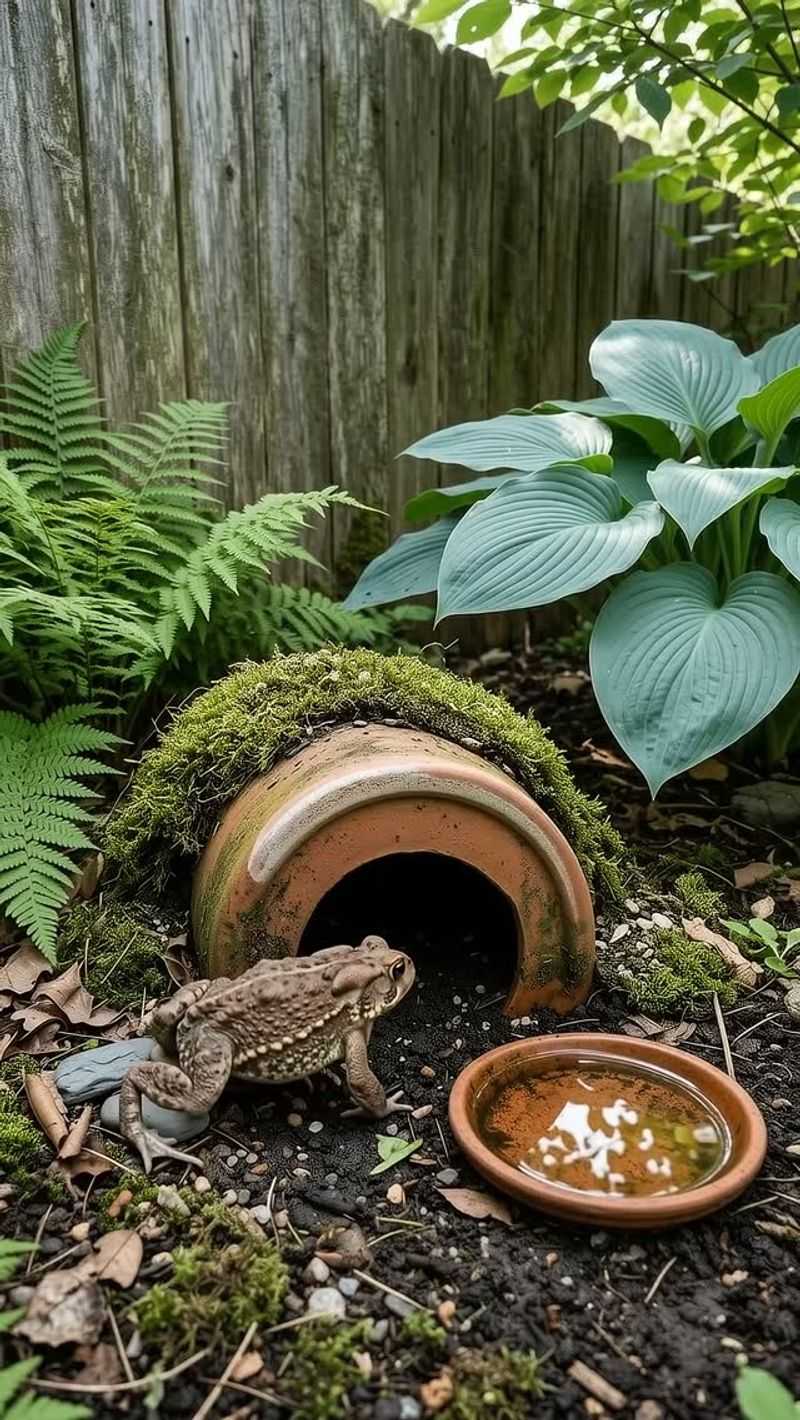
Add a simple shelter structure near that ground cover. An overturned terracotta pot with a notch or chip at the rim for an entrance works well and is easy to find.
Position it in the shadiest part of the bed, tilted slightly so the entrance faces away from prevailing afternoon sun. Penn State Extension’s toad habitat guidance suggests placing the shelter near a garden edge where prey is plentiful, which makes practical sense because a toad will not range far from a safe retreat.
Native plants strengthen the whole setup by supporting the insects and invertebrates that a toad depends on for food. TPWD Texas Wildscapes tips encourage gardeners to use native vegetation to support the full food web rather than just the top predator.
None of these features guarantee a toad will arrive; they create conditions that make your yard a reasonable choice for one that is already in the neighborhood.
Offer clean, shallow water without creating a trap
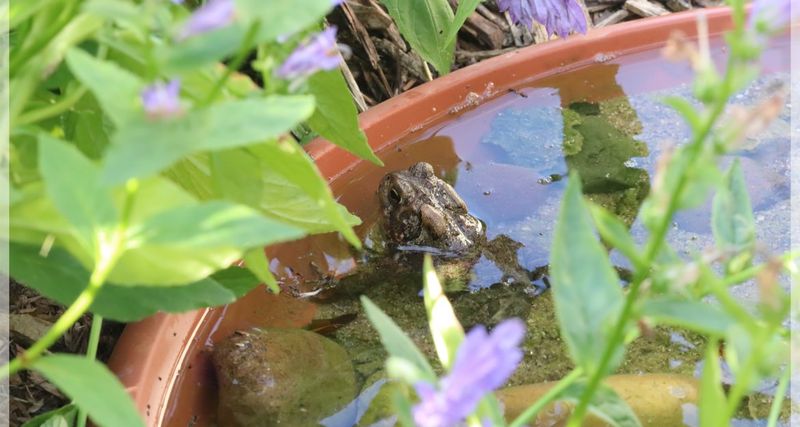
Amphibians need water to keep their permeable skin moist, and in a Central Texas summer, desiccation is a real threat during dry stretches between rains. A shallow dish of clean water placed in a shaded spot can serve as a drinking and cooling station without turning your habitat project into a pond construction job.
TPWD’s wildlife help guidance notes that even shallow watering areas can help amphibians avoid drying out during dry conditions, which makes this one of the simplest and most practical additions a Central Texas gardener can make. A plain terracotta saucer, a low-sided ceramic dish, or even a repurposed plant tray works fine.
The key is keeping the water level low enough that a small toad can easily climb out.
Place a flat rock or a couple of smooth stones inside the dish so the animal has a stable platform to rest on and a clear path to exit. Change the water every two to three days to prevent mosquito larvae from developing and to keep the source clean.
Stagnant or contaminated water is not a benefit to any wildlife.
Position the dish close to your shelter and ground cover rather than out in the open, because a toad is unlikely to cross a wide expanse of exposed soil to reach water. Shade is also important: a dish sitting in full afternoon sun will heat up quickly and evaporate fast, which defeats the purpose.
This feature can help during dry periods, but providing water does not guarantee a toad will take up residence or stay through the whole season.
Protect the amphibian from unnecessary pesticide exposure
Toads have thin, permeable skin that absorbs substances from their environment far more readily than the scales of a reptile or the fur of a mammal. That biological fact makes pesticide choices around toad habitat genuinely consequential.
Exposure can happen through direct skin contact with a treated surface, through drinking or sitting in contaminated water, through eating prey that has been exposed to a chemical, through spray drift that lands on a shelter or a moist soil surface, or through runoff that carries residues into a water dish or puddle.
The EPA’s technical overview of ecological risk assessment evaluates pesticide risks to both terrestrial and aquatic amphibians and confirms that chemicals can affect amphibians and other non-target wildlife through multiple exposure routes. Not every product carries the same risk profile, so the goal is not to avoid all pest treatments forever but to minimize unnecessary use and to keep applications away from the areas where a toad shelters, drinks, and forages.
In practical terms, that means skipping routine preventive sprays in beds where you are trying to attract wildlife. If treatment becomes necessary, read the product label carefully, apply only to the targeted area, avoid spraying near water sources or shelter structures, and time the application to reduce drift.
Early morning or calm evening conditions typically reduce the chance that spray moves beyond the intended zone. EPA research on pesticide uptake in frogs underscores that even indirect routes of exposure can be significant for amphibians.
Building a toad habitat while routinely soaking the surrounding soil and plants with broad-spectrum insecticides works against itself. The habitat improvements create an invitation; the pesticide exposure turns it into a hazard.
Reducing unnecessary chemical use is not just good for a visiting toad – it also protects the predatory insects and other organisms that make up the food web the toad depends on.
Use monitoring and physical controls when plants show damage
Finding a toad in the garden is encouraging, but it is not a reason to stop checking your plants. Slug damage and cutworm activity can escalate quickly, especially during the warm, humid stretches that Central Texas sees through late spring and summer, and waiting for a toad to solve an active outbreak is a strategy that tends to end with dead seedlings.
For slugs, confirm the pest before treating. University of Minnesota Extension’s slug guide points to three reliable diagnostic clues: slime trails on soil or plant surfaces, irregular holes in leaves or seedlings, and nighttime feeding activity visible with a flashlight.
Once you have confirmed slugs, combine monitoring with physical controls. Removing boards, dense debris, and unnecessary mulch from around seedlings reduces daytime hiding spots.
Hand-picking slugs after dark is effective on a small scale. UC IPM’s snail and slug management page treats natural predators as one component of an integrated approach, not a standalone fix, which is the right frame for thinking about a garden toad as well.
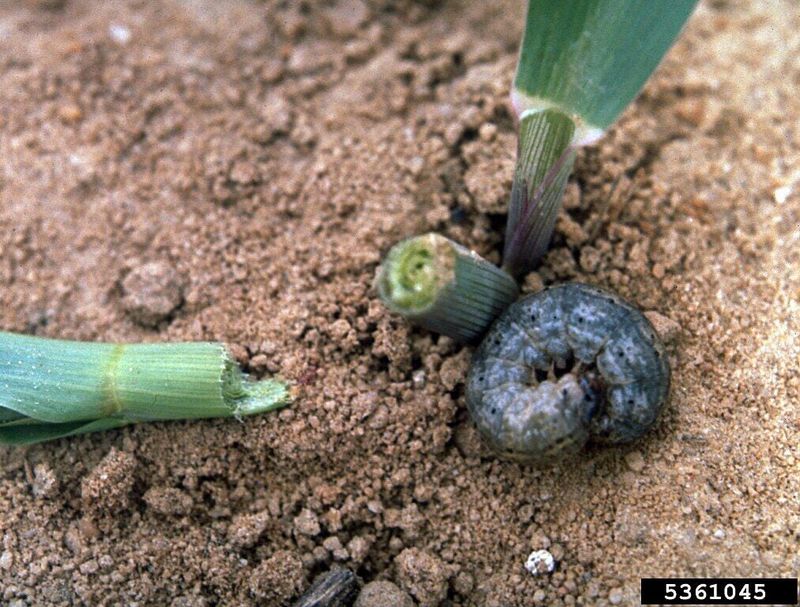
Cutworm damage looks different: stems of transplants cut cleanly at or just below soil level, often with the plant toppled over and the larva nowhere visible in daylight. University of Minnesota Extension’s cutworm resource recommends inspecting soil near damaged plants after dusk, hand-picking larvae you find, and placing cardboard or foil collars around vulnerable transplants at planting time.
Those collars physically block most cutworm species from reaching stems and, according to the same source, make pesticide treatment unnecessary in most home gardens.
UC IPM’s cutworm guidance reinforces that cultural controls, timing, and barriers are the first line of defense. A toad foraging nearby adds a natural layer to that system, but the physical controls work whether or not a toad is present, which makes them the more reliable foundation for protecting your plants.
Identify local toads and leave wild animals where they belong
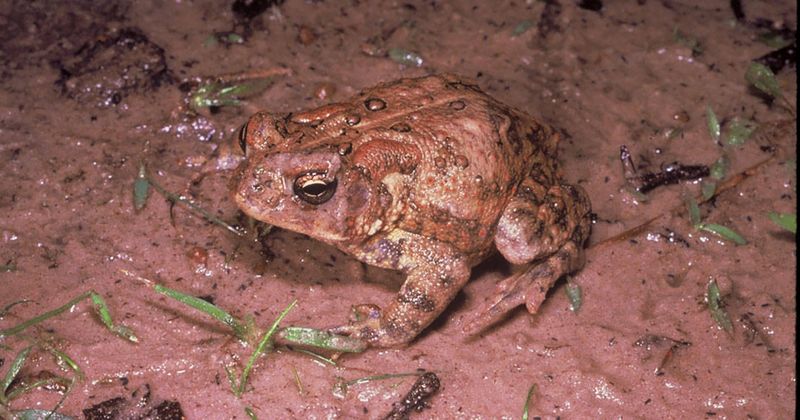
Buying toads online, collecting them from a creek, or moving one from a neighbor’s yard into your garden sounds like a shortcut to free pest control, but it creates real problems. Moving amphibians can spread disease between populations.
USGS amphibian disease research documents how fungal and viral pathogens have contributed to population declines across North America, and relocated animals can carry pathogens into areas where local toads have no prior exposure.
Beyond disease, a relocated toad may simply try to return to its original territory, leaving your garden empty anyway. Ask Extension’s toad pest-control guidance specifically advises against collecting or purchasing wild toads for garden use, noting that the practice can harm the animals and disrupt local populations.
In Texas, capture of wild amphibians is regulated. TPWD’s nongame and protected species regulations and the rules governing frogging in Texas both apply to amphibian collection, and collecting a protected or endangered species can result in legal consequences.
The Houston toad is a specific and serious case. TPWD’s Houston toad species page describes it as a federally endangered habitat specialist found in parts of east-central Texas, including Bastrop and surrounding counties.
It depends on specific sandy woodland soils and shallow breeding water. Treating it as an ordinary garden toad to pick up and move is both ecologically harmful and legally prohibited.
One more identification note worth keeping in mind: in Florida, the invasive cane toad can be confused with native species and poses a serious risk to dogs and cats that bite or mouth them. UF/IFAS guidance on cane toads in Florida is detailed and worth reading if you garden there.
In Texas, the primary safety messages are different: confirm species identity before handling any toad, avoid touching your face after contact, and never handle a toad if you have insect repellent or pesticide residue on your hands.
Welcome the helper without making it the whole pest plan
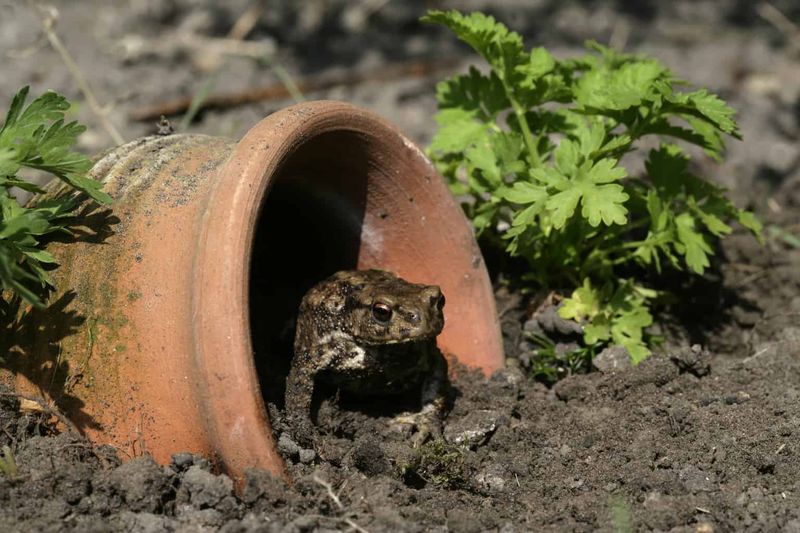
Pulling the pieces together is straightforward. Preserve or add shaded ground cover – leaf litter, mulch, flat rocks, or low native plants – and pair it with a simple shelter like an overturned clay pot positioned in a cool, shaded corner of your beds.
Set a shallow, clean water dish nearby and refresh it every few days. TPWD’s wildlife habitat guidance frames these features as the foundation for making Central Texas yards hospitable to native frogs and toads.
Keep monitoring your plants regardless of whether a toad shows up. Check for slug slime trails and seedling damage after damp evenings, and inspect soil near transplants after dusk during cutworm season.
University of Minnesota Extension’s slug management guidance and their cutworm resource both treat predators as one useful layer in a broader system, not a replacement for hands-on management. Reduce unnecessary pesticide use around toad habitat to protect both the animal and the food web it depends on.
A native toad that finds your yard hospitable may remove a meaningful number of invertebrate pests over the course of a season, and it will do so quietly, at no cost, and entirely on its own schedule. The best gardens tend to work that way – many small pieces contributing to a system that is more resilient than any single fix.