
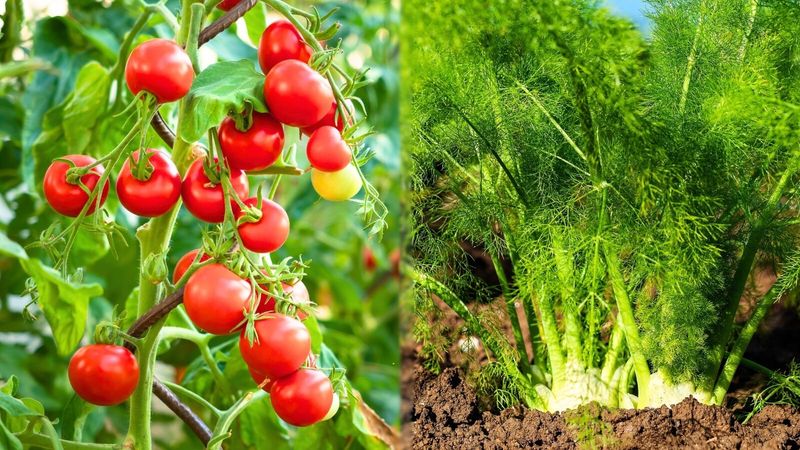
Tomatoes are the star of most Southern summer gardens, but a few neighbors can quietly sabotage your crop before you even notice. Some steal nutrients, some spread disease, and some just crowd your plants until the fruit suffers.
Knowing what to keep away from your tomato bed can save you a whole season of frustration. Here are the vegetables you should never tuck in right beside your tomatoes.
1. Cabbage
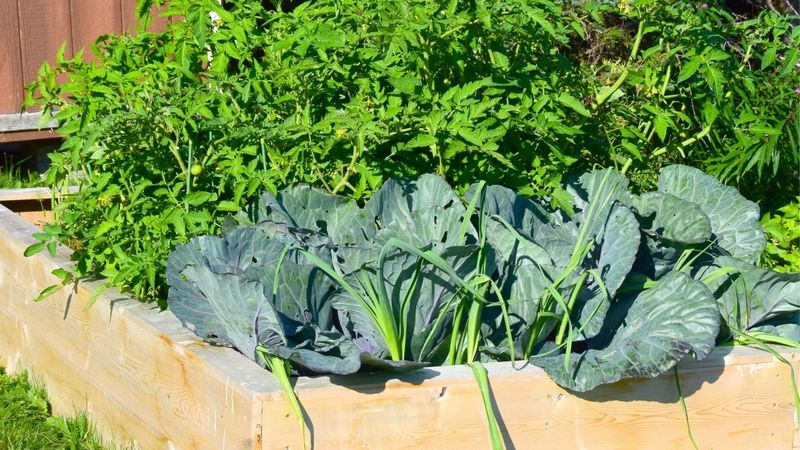
Cabbage looks harmless enough, but it plays a rough game underground. As a heavy feeder, it pulls nitrogen and other nutrients out of the soil at a fast clip, leaving your tomatoes fighting for scraps.
When the two share a bed, tomatoes often show the strain first. You may notice slower growth, smaller fruit, and leaves that look a little pale even when you are watering and feeding regularly.
The whole cabbage family, including broccoli, cauliflower, and kale, tends to behave the same way. They thrive in cooler weather too, which puts them on a different schedule than your heat-loving tomatoes down in Florida and Texas.
If you love growing both, give them separate beds or plant cabbage well before tomato season heats up. A few feet of distance can make a real difference in how much fruit you pull off each vine.
Keeping these greedy feeders apart lets your tomatoes claim the nutrients they need to set heavy, flavorful clusters instead of struggling in the shadow of a hungry neighbor.
2. Corn
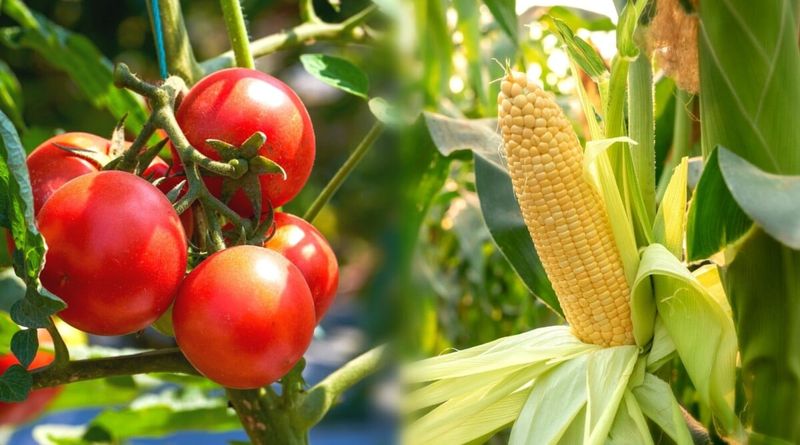
Picture a wall of corn towering over your tomato patch, and you can already guess the problem. Those tall stalks throw shade, and tomatoes crave every bit of sunlight they can soak up.
Less sun usually means fewer flowers, and fewer flowers means a lighter harvest. In the long, bright growing seasons across the South, robbing your tomatoes of that light is a quick way to shrink your yield.
Shade is not the only issue. Corn and tomatoes share a common enemy in the corn earworm, which is the very same pest known as the tomato fruitworm.
Plant them side by side and you may hand that hungry caterpillar a two-course meal.
Corn is also a big nitrogen user, so it competes for the same food your tomatoes rely on to fuel fruit production.
Give corn its own sunny corner far from the tomato bed. Your tomatoes will get the full sun they love, and you will avoid inviting a shared pest that can chew through both crops in a single season.
3. Potatoes
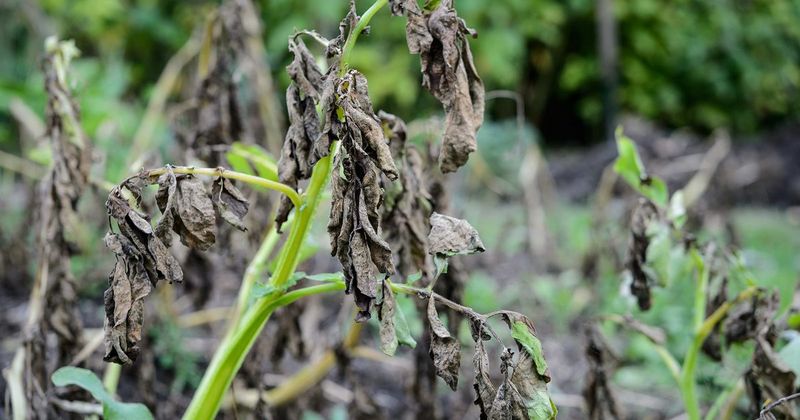
Here is a sneaky one that catches even seasoned gardeners off guard. Potatoes and tomatoes are cousins, both members of the nightshade family, and that family tie is exactly the trouble.
Because they are so closely related, they can trade diseases with ease. Early blight and late blight move fast between the two, and once one plant is infected, the other often follows within days.
Digging potatoes can make things worse. When you disturb the soil to harvest tubers, you risk nicking tomato roots and stirring up fungal spores that may settle right onto nearby tomato leaves.
Both crops also lean heavily on the same nutrients, so they end up competing instead of coexisting peacefully.
Keep these relatives on opposite sides of the garden, and never plant tomatoes where potatoes grew the year before. Rotating their spots each season can reduce the chance of blight taking hold.
A little separation keeps a single outbreak from wiping out two crops at once, which is a heartbreak no gardener wants to live through in the middle of a promising summer.
4. Fennel
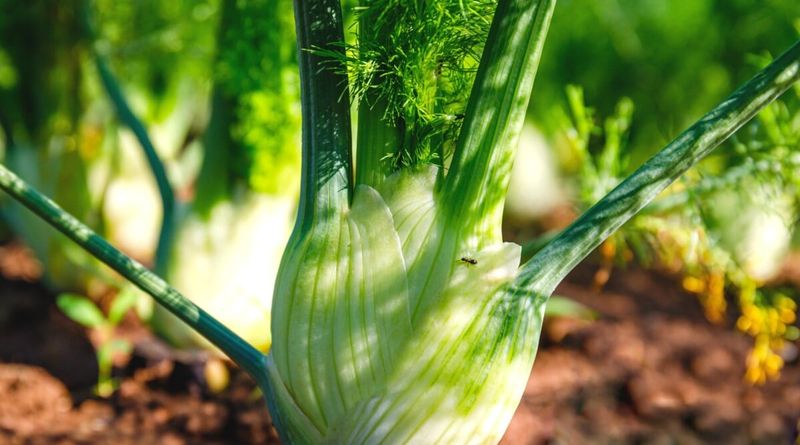
Fennel is the loner of the vegetable world, and it does not play nicely with almost anything. That feathery, licorice-scented plant releases chemicals from its roots that can slow or stunt the growth of neighbors.
Tomatoes are especially sensitive to this behavior. Planted too close, they may grow sluggishly, set fewer fruit, and never quite reach the vigor you were hoping for.
This root-based chemical warfare is called allelopathy, and fennel is one of the more notorious offenders in the garden. It is the kind of trouble you cannot see happening, which makes it easy to blame the weather or your watering instead.
The safest move is simple. Give fennel its own container or a bed set well apart from your tomatoes and most other crops.
Many gardeners in Texas and Florida just grow it in a pot on the patio, where it can do its thing without harming anyone.
Keeping fennel isolated protects not only your tomatoes but bush beans, peppers, and other veggies too. Sometimes the kindest thing you can do for the whole garden is let a difficult plant live alone.
5. Broccoli
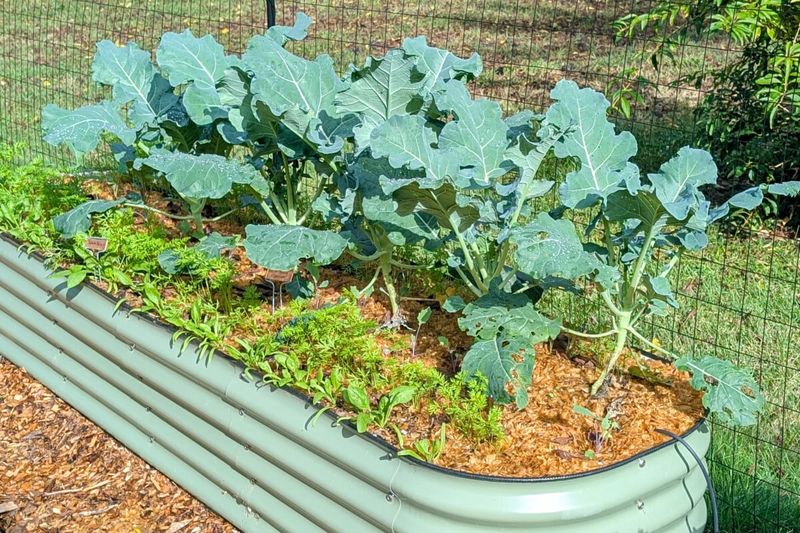
Broccoli earns its spot on this list for one simple reason: it is a bottomless pit when it comes to soil nutrients. To form those big, tight heads, it demands a steady flow of nitrogen, calcium, and other minerals.
Plant it beside tomatoes and the two will tug at the same buffet. Tomatoes often lose that battle, showing up with weaker stems and smaller harvests than you expected.
Calcium competition is the part that stings most. When tomatoes run short on calcium, they develop blossom end rot, that dark sunken spot on the bottom of the fruit that ruins an otherwise perfect tomato.
Broccoli also likes cooler temperatures, so it thrives on a schedule that clashes with tomatoes reaching their peak in summer heat.
The fix is to give broccoli a bed of its own, enriched with plenty of compost, and keep it clear of your tomato rows.
Separating these two heavy feeders means each one gets the nutrition it needs. Your tomatoes can hold onto their calcium, dodge that frustrating rot, and reward you with clean, ripe fruit all season long.
6. Dill (Mature)
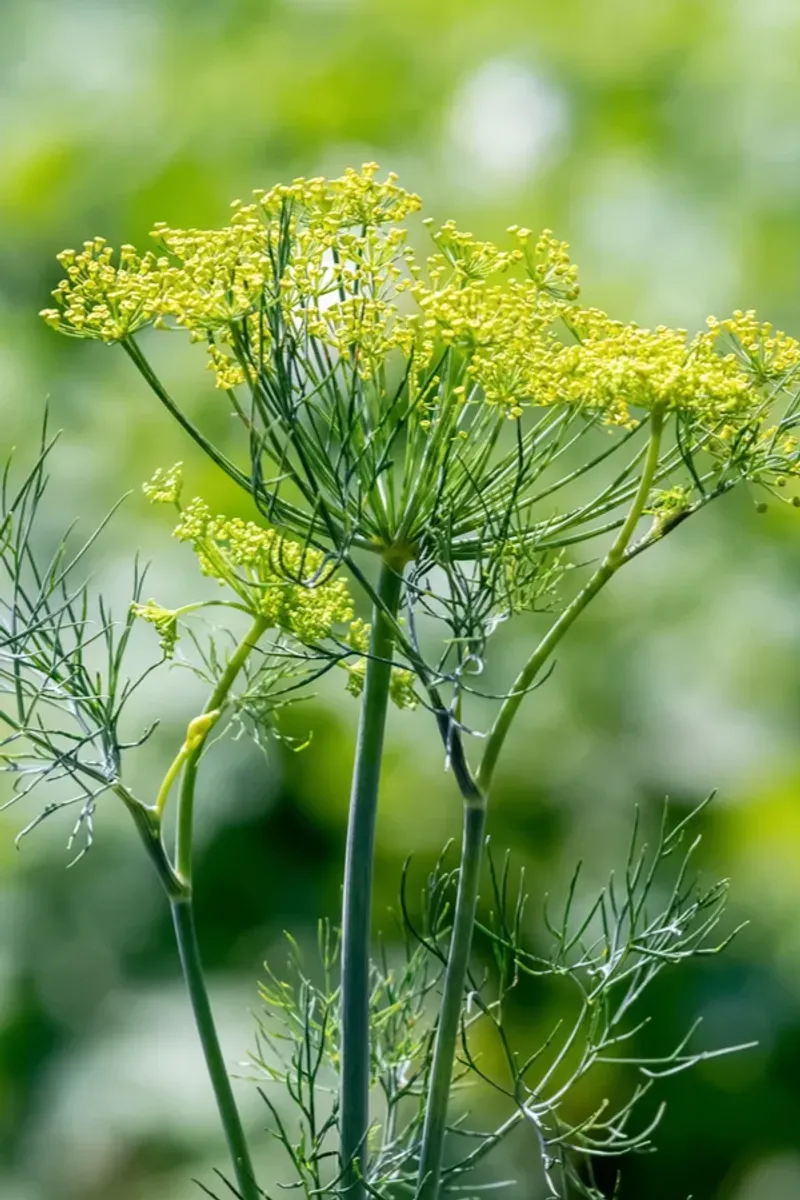
Dill has a split personality in the garden, and timing is everything. Young dill can actually help tomatoes by drawing in beneficial insects that hunt down pests.
Once dill matures and starts to flower, though, the friendship falls apart fast. Older dill releases compounds that can stunt tomato growth, turning a former helper into a quiet rival.
Mature dill also grows tall and bushy, casting shade and hogging space that your sprawling tomatoes would rather have for themselves. In the crowded conditions many Southern gardeners work with, that competition adds up quickly.
The real risk is forgetting to pull it in time. Dill bolts and flowers before you know it, especially in warm weather, so a plant you tucked in as a helper can quietly turn on your tomatoes.
If you want the early benefits, harvest dill young and often, and remove it well before it goes to seed.
Better yet, plant it a good distance away so it can flower freely without touching your tomato patch. That way you enjoy fresh dill for cooking while keeping your tomatoes safe from its late-season mischief.
7. Eggplant
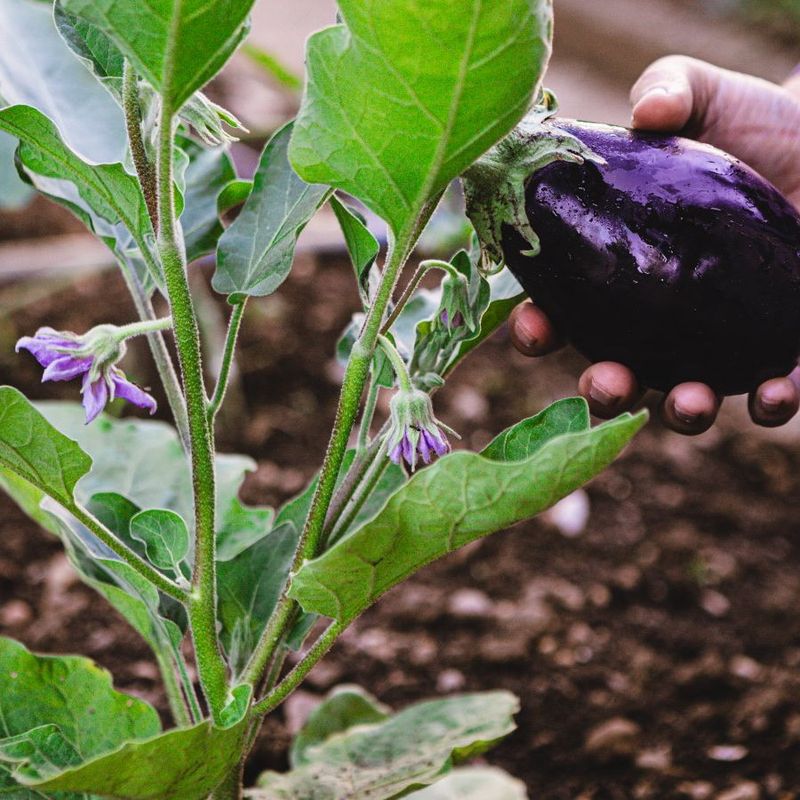
Eggplant seems like a natural tomato buddy since both love heat and sunshine, but that closeness is exactly the catch. Like potatoes, eggplant belongs to the nightshade family, so the two share the same lineup of diseases and pests.
Verticillium wilt and early blight jump between them without hesitation. One sick plant can pass its trouble down the whole row before you spot a single yellow leaf.
Pests pile on too. Flea beetles, hornworms, and aphids all adore both crops, so planting them together sets up an all-you-can-eat buffet that pest populations explode around.
Both are hungry feeders as well, competing for the rich soil and steady nutrients each one needs to fruit heavily through a long Southern summer.
You do not have to give up either crop. Just space them well apart and rotate where each nightshade grows from one year to the next.
Keeping eggplant and tomatoes in separate zones slows the spread of shared diseases and keeps pest numbers in check. That little bit of planning can protect two of your favorite summer harvests from crashing together at the worst possible moment.