
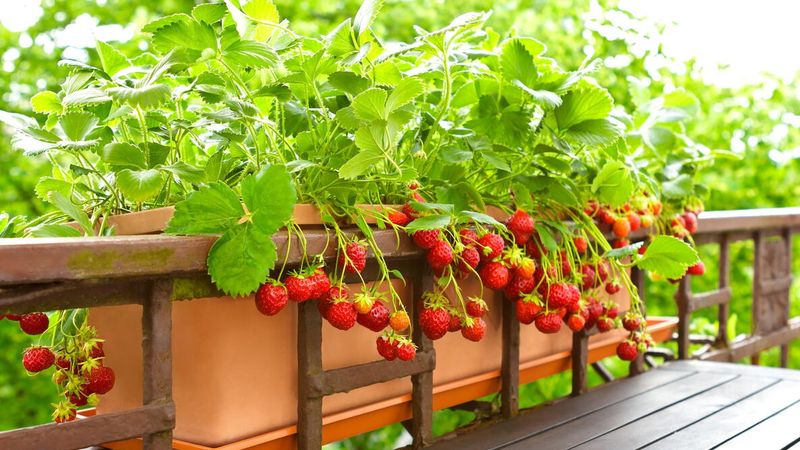
A sunny Florida patio can grow more than flowers and herbs. With the right plants, a few large pots can give you sweet berries, fresh citrus, and even tropical fruit.
Containers also let you control the soil and move tender plants when cold weather arrives. These nine picks offer different harvests, so you can choose what fits your space and your part of Florida.
1. Key Lime
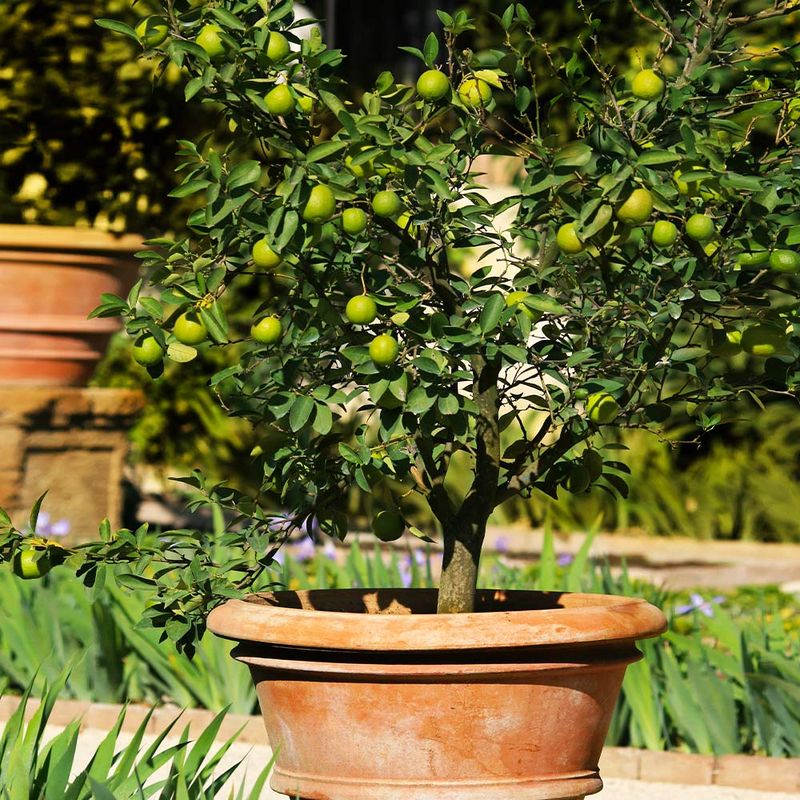
A few homegrown limes can turn an ordinary dinner into something that tastes like vacation. Key lime earns its patio space with fragrant flowers, useful fruit, and a naturally smaller size than many other citrus trees.
Start with a healthy nursery tree and a container around 15 to 20 gallons, moving up as it grows. Use well-drained potting mix rather than Florida yard sand, and give the tree at least six hours of direct sun.
Water thoroughly when the upper inch or two of mix feels dry, then let excess water escape. Feed with a citrus fertilizer labeled for containers, following its directions, because repeated watering washes nutrients out of pots.
Key lime is best suited to warm parts of Central and South Florida, but a movable pot makes it possible farther north with winter protection. Bring it into a bright, protected location before freezing weather, and remember that many plants have sharp thorns.
Buy citrus from a reputable Florida nursery and watch for citrus greening symptoms, including uneven yellow blotches on leaves. A pot does not prevent that disease, but regular checks help you catch problems early.
2. Kumquat
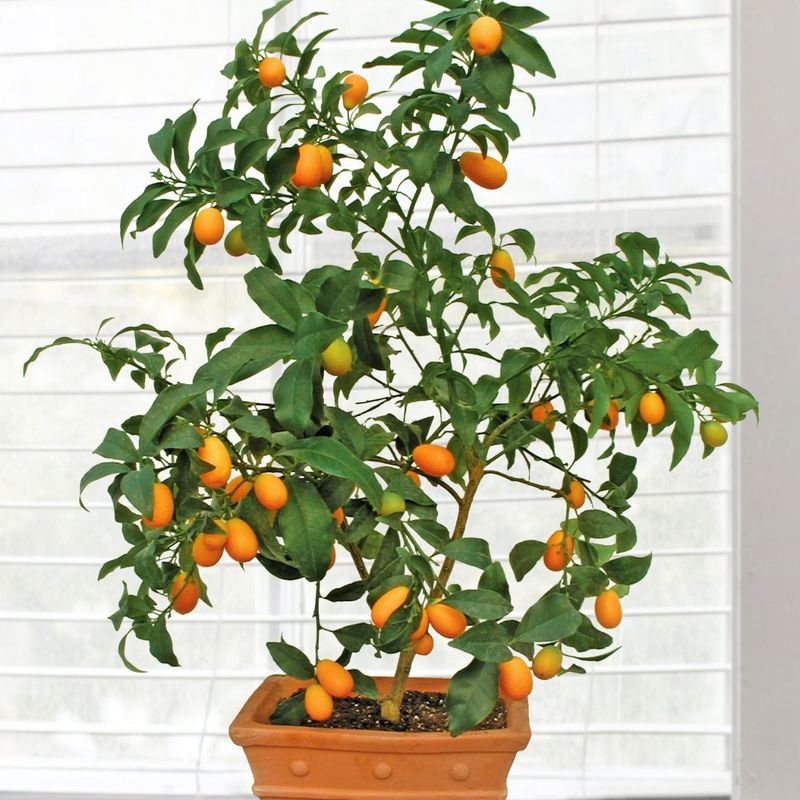
Pop one ripe fruit into your mouth, peel and all, and kumquat suddenly makes sense. Its sweet skin and tart center offer a snack that needs no cutting board, while the orange fruit makes a patio tree look dressed for company.
Nagami is a familiar choice with oval fruit, while Meiwa is often favored for a sweeter flavor. Choose a grafted nursery plant, and begin with a sturdy container that leaves room for roots without surrounding a tiny root ball with too much wet mix.
A mature patio tree commonly needs a pot around 15 to 25 gallons. Full sun encourages flowering and fruiting, and a well-drained potting mix helps keep roots healthy during Florida’s rainy stretches.
Kumquats handle cold better than Key limes, making them appealing in North and Central Florida. However, roots in containers are more exposed than roots in the ground, so protect the pot during hard freezes.
Harvest when the fruit develops full color and tastes good, rather than relying on color alone. Prune lightly after harvest, removing dead growth and shoots below the graft, instead of repeatedly shearing away potential fruiting wood.
3. Fig
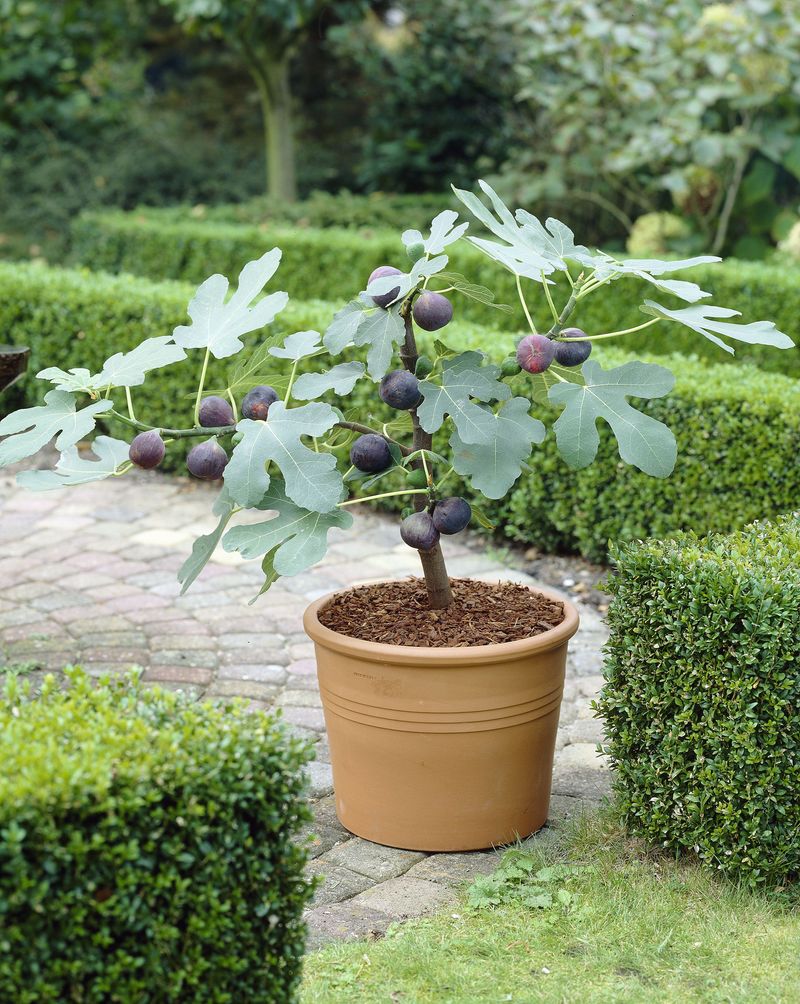
Soft, sun-warmed figs are a treat that grocery stores rarely deliver at their best. Growing your own lets you pick them fully ripe, and a container can also reduce exposure to root-knot nematodes that trouble figs in Florida soil.
Celeste and Brown Turkey are familiar Florida choices that do not require a second tree for pollination. Start with a rooted nursery plant in a generous container, usually 15 to 25 gallons as it develops, and place it where sunlight reaches it for most of the day.
Keep moisture fairly steady while fruit is growing. Letting the mix become bone-dry can cause stress and fruit drop, while constantly soggy roots create a different set of problems.
Florida’s humidity can bring fig rust, a leaf disease that may cause early leaf drop. Remove fallen leaves, allow air to move around the plant, and avoid crowding it into a damp patio corner.
Pick figs when they soften and droop slightly at the neck, since they will not sweeten much after harvest. Birds enjoy that same ripe stage, so properly secured wildlife-safe netting may help you keep a share of the crop.
4. Southern Highbush Blueberry
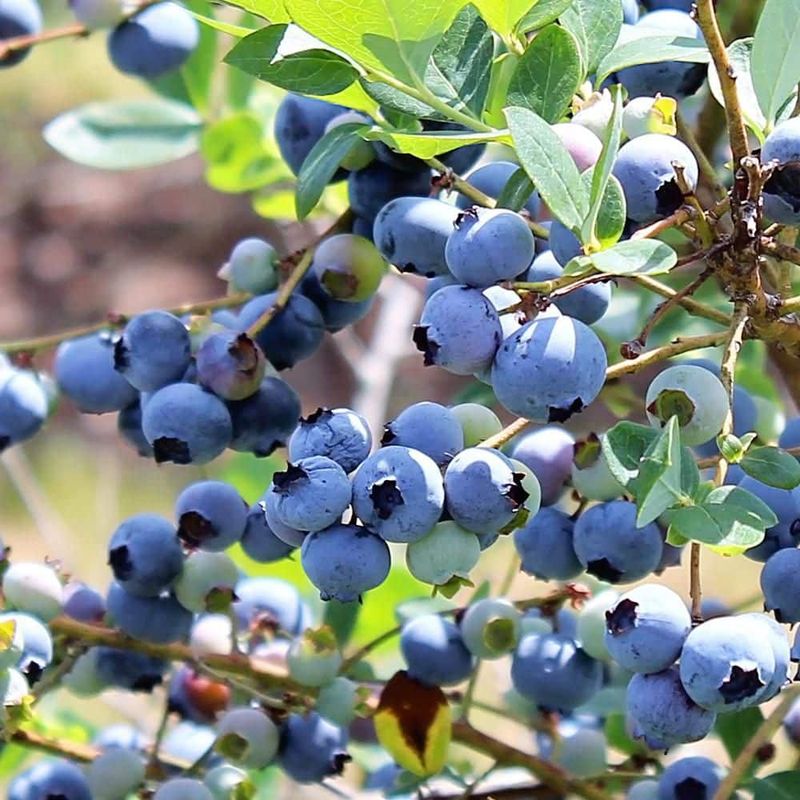
Blueberries are the pick for gardeners who like to wander outside and collect breakfast one handful at a time. Containers are especially useful here because these shrubs need acidic growing conditions that ordinary potting mixes may not provide.
Choose low-chill southern highbush varieties suited to your part of Florida. Emerald and Jewel are established examples for parts of North and Central Florida, but ask your county Extension office about local performance before buying, especially in South Florida.
Grow two compatible varieties with overlapping bloom periods for better pollination and more reliable crops. Each shrub needs its own roomy container, often around 15 to 20 gallons, filled with an acidic, pine-bark-based medium.
Aim for a root-zone pH around 4.5 to 5.5, and use fertilizer intended for acid-loving plants at the labeled rate. If your irrigation water is alkaline, test it, since repeated watering can gradually raise the mix’s pH.
Blueberry roots are shallow and dislike drying out, but drainage remains essential. Give plants ample sun, leave flowers accessible to bees, and wait until berries are fully blue and release easily before picking for the best flavor.
5. Strawberry
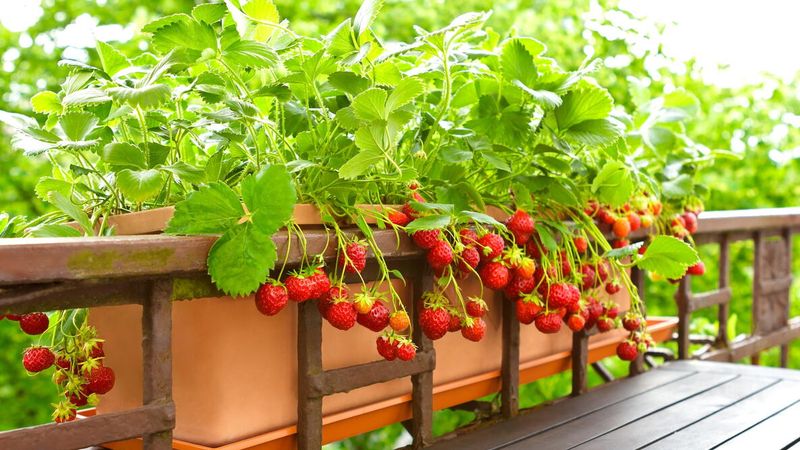
While much of the country waits for spring, Florida gardeners can be picking strawberries during the cooler months. That reversed schedule makes them a handy choice for patios that feel too hot for tender crops in midsummer.
In much of Florida, strawberries are planted in fall and grown as a cool-season annual crop. The exact planting window varies by region, so follow your county Extension calendar rather than a seed packet written for northern gardens.
Look for Florida-adapted plants, such as Florida Brilliance or Sweet Sensation, from a reliable supplier. A wide container at least 8 to 12 inches deep works well, provided plants have room between them and drainage holes stay open.
Set each crown at the soil surface, with roots covered but the growing center exposed. Give the plants six or more hours of sun, and water the mix rather than repeatedly soaking flowers and fruit.
A thin layer of clean straw helps keep berries off damp soil. Harvest fully red fruit often, remove spoiled berries promptly, and inspect leaf undersides for mites during dry weather.
Expect a seasonal crop, not a permanent fruit shrub. Replacing tired plants the following fall is often more practical than nursing them through Florida’s long, humid summer.
6. Pineapple
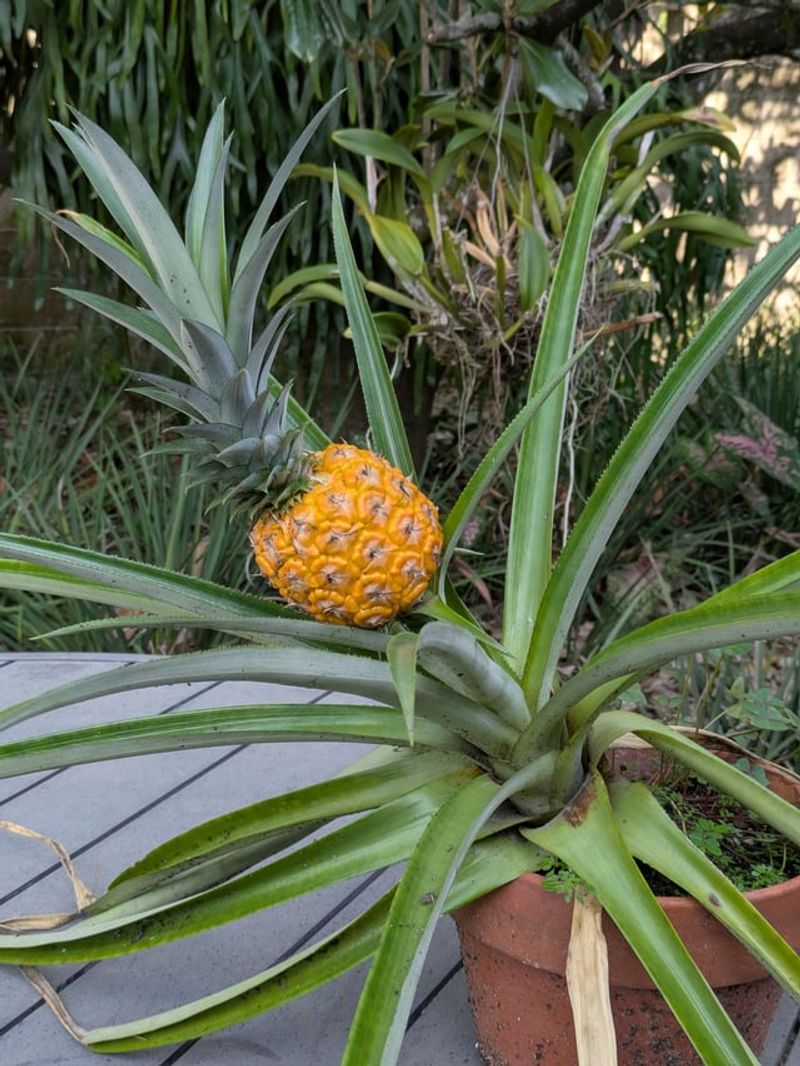
One dramatic pineapple rising above a rosette of leaves can make a small patio feel tropical. This is the slow-and-steady choice on the list: each main plant produces one fruit, not a basketful all at once.
A rooted crown, slip, or sucker can grow in a container of roughly 5 to 7 gallons. Use a freely draining mix, keep the plant in strong light, and leave enough space that its pointed leaves do not brush people walking past.
Pineapples tolerate dry spells better than many fruit plants, but they still need water for healthy growth. Let the surface of the mix dry somewhat between waterings, and never leave the pot standing in a saucer full of rainwater.
Patience matters because fruiting commonly takes around 18 to 24 months, sometimes longer depending on the starting material and growing conditions. After harvest, side shoots can continue the planting and eventually produce their own fruit.
South Florida offers the easiest outdoor conditions, while gardeners farther north should protect plants from cold and freezing temperatures. Pick when the fruit develops a ripe aroma and appropriate color for its variety, because harvested pineapple does not become sweeter on the counter.
7. Dwarf Mango
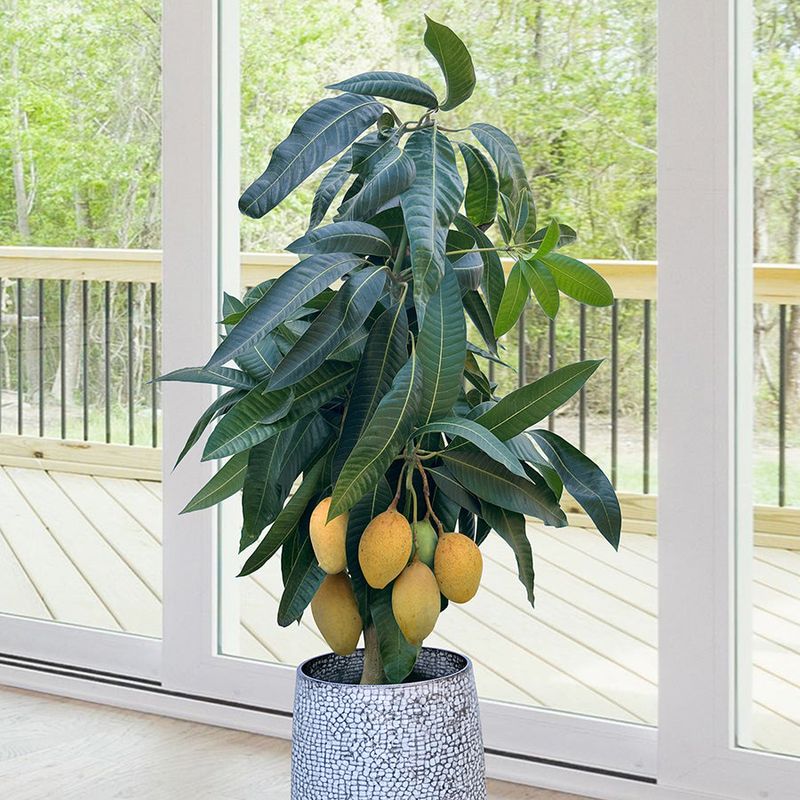
A mango tree does not have to tower over the roof to earn its keep. Compact varieties bring that rich tropical flavor within reach, although they still need a much larger pot and more pruning than a strawberry plant.
Pickering is a popular compact choice for container growing. Buy a grafted tree rather than starting from a grocery-store seed, since seedlings may grow large and produce fruit unlike the mango you enjoyed.
Plan for a container around 20 to 30 gallons as the tree matures, with room to increase the size later if needed. Set it in full sun, use a stable base, and check that your patio or balcony can safely support the wet pot’s weight.
Prune selectively after harvest to keep the canopy manageable. Heavy or poorly timed pruning can remove growth that would otherwise flower, so avoid treating the tree like a clipped hedge.
Mangoes are most dependable outdoors in South Florida and warm, protected coastal locations. Central Florida growers need a realistic cold-protection plan, while North Florida winters make this a more demanding project.
Humidity and rain during flowering can reduce fruit set or encourage disease. Expect a modest container harvest, not the output of a mature landscape tree, and shelter the plant before severe storms.
8. Acerola
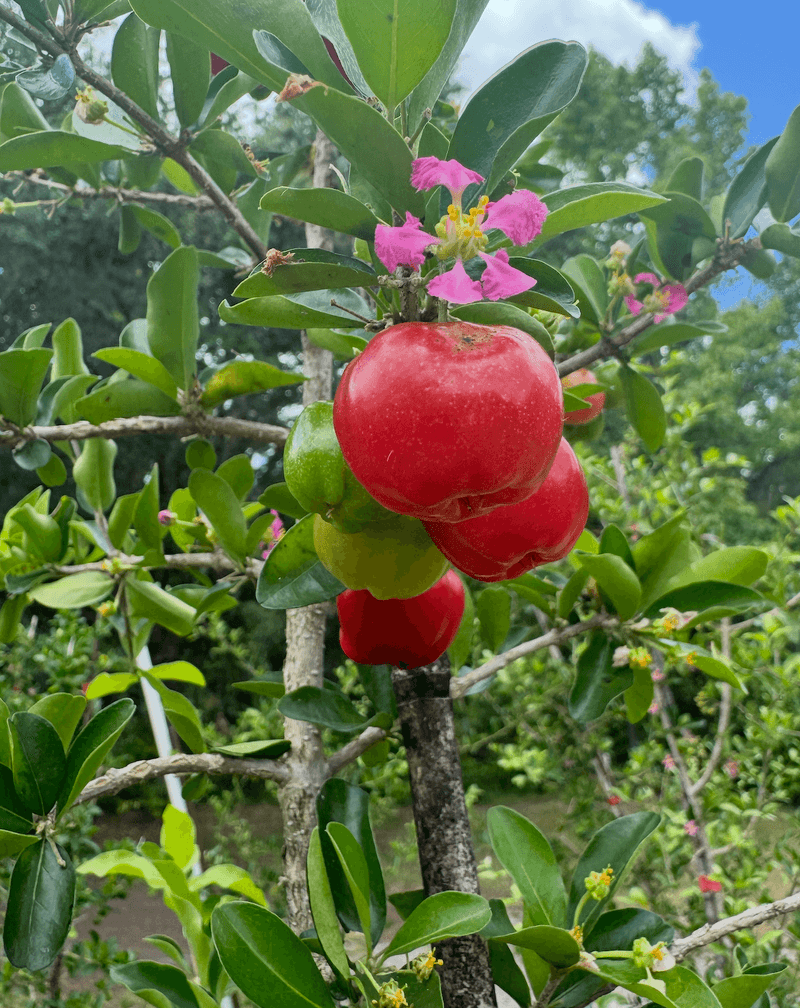
Bright red fruit and small pink flowers give acerola a cheerful look even before harvest. Also called Barbados cherry, this tropical shrub can produce several flushes of fruit during warm weather rather than one short annual crop.
Its soft, tart fruit is especially useful for juice, smoothies, and preserves. Pick it ripe and use it quickly, because acerola bruises easily and does not keep like an apple or citrus fruit.
Choose a named fruiting selection from a reputable nursery when possible. Start in a well-drained container and work toward roughly 15 to 25 gallons as the shrub grows, using light pruning to maintain an open, reachable shape.
Full sun usually gives the strongest production, though the plant can tolerate some light shade. Water consistently during flowering and fruit development, without allowing the root ball to sit in saturated mix after afternoon storms.
Warm South Florida patios offer the best fit. In Central Florida, keep the pot movable and protect it when cold weather threatens; freezing temperatures can seriously damage the plant.
Flowers attract visiting insects, so avoid spraying open blooms. Harvest frequently as fruit turns red, and remove fallen fruit to keep the patio cleaner and less inviting to pests.
9. Thornless Blackberry
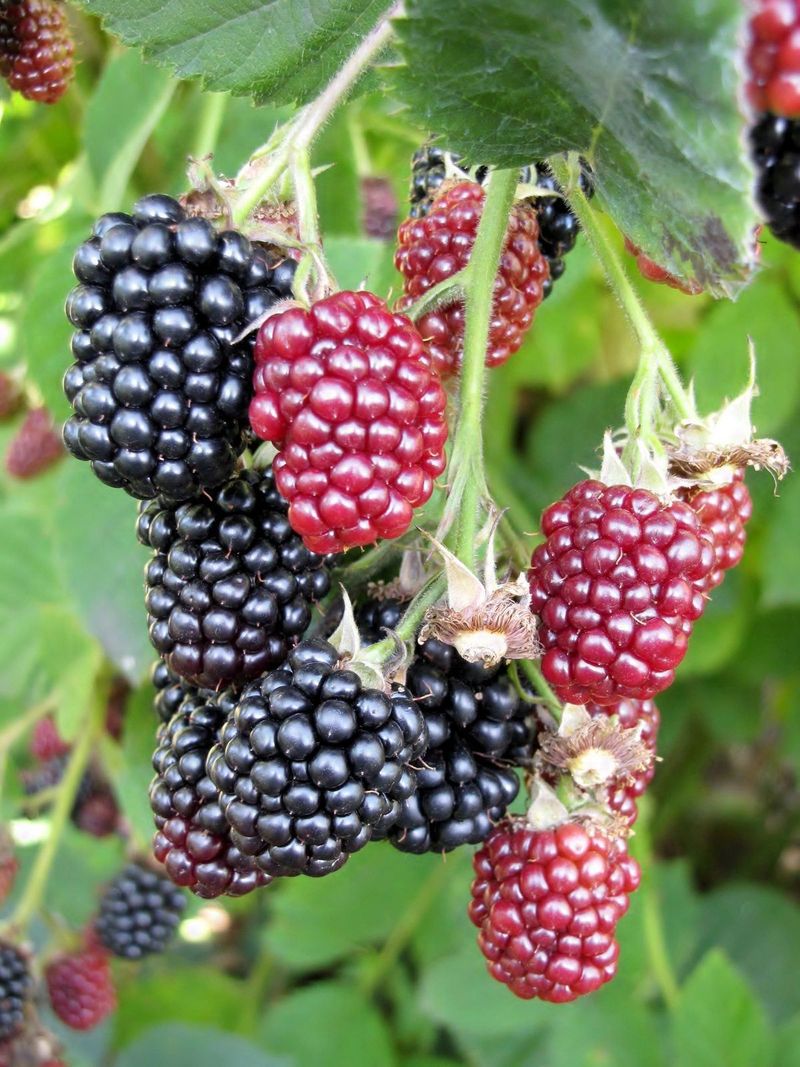
A narrow trellis can turn an unused patio edge into a berry-picking station. Thornless blackberries offer generous clusters without the scratched hands associated with wild brambles, making harvest easier in a small space.
North Florida is the strongest fit for many available varieties because winter chill helps support their fruiting cycle. Natchez is one option worth discussing with a local nursery or Extension office, but do not assume it will crop reliably in warm South Florida.
Give one plant a large container, roughly 20 gallons or more, and a firmly secured support. Position it in full sun with enough clearance that long canes will not block a door or snag someone passing by.
Many common varieties fruit on canes that grew the previous year. After those canes finish producing, remove them near the base while keeping healthy new canes for the next crop.
Steady moisture is especially helpful while berries swell, since dry containers can lead to smaller fruit. Pick when berries are fully black, plump, and easy to release, rather than when they first change color.
Container growing helps keep the planting organized, but it does not eliminate pruning or pest checks. Secure the trellis before stormy weather, and keep fallen berries cleared away from the seating area.