
Fig trees are tough, but a single bad pruning cut can wipe out a whole summer of sweet fruit. Many Southern gardeners grab the loppers at the wrong time or snip the very branches that were about to bear.
The good news is that most of these slip-ups are easy to spot and even easier to avoid once you know what to look for. Here are the pruning mistakes that most often leave fig lovers in Texas, Florida, and across the South staring at a fruitless tree.
1. Pruning at the Wrong Time of Year
Picture a warm February afternoon in Houston. You feel the itch to tidy up the yard, so you grab your shears and start snipping the fig. It feels productive, but timing is everything with these trees.
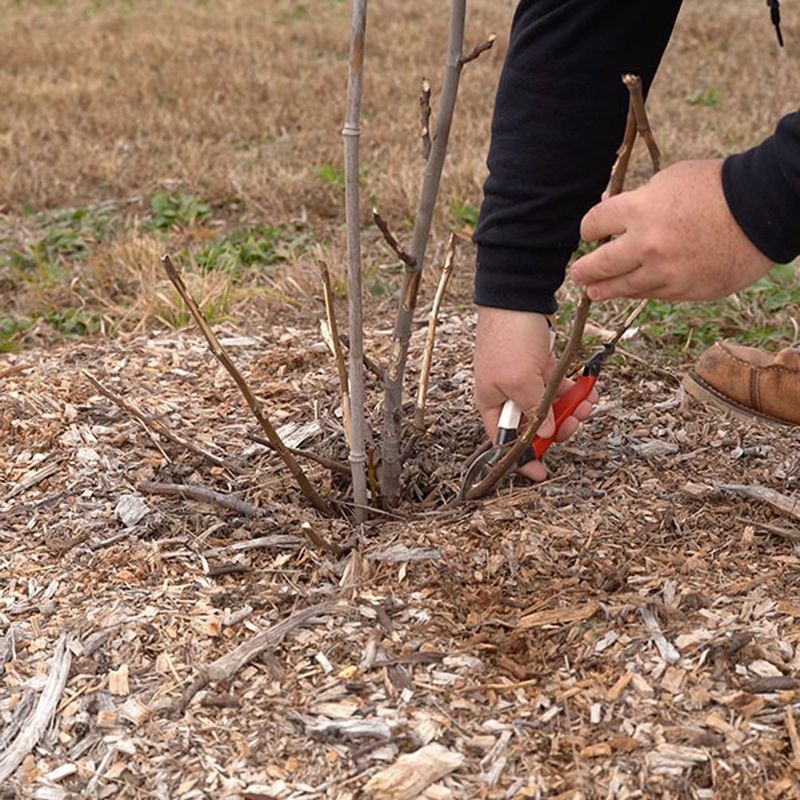
The best window for most Southern figs is late winter, while the tree is still dormant and before new buds swell. In much of Texas and the Gulf Coast, that usually means January through mid-February.
In South Florida, where figs may never fully go dormant, aim for the coolest, slowest-growth stretch of the year.
Cutting in fall is a common trap. Fresh cuts can push tender new growth right before a cold snap, and that growth may get burned back by frost.
Pruning in late spring causes a different headache, since you may remove leafy shoots already carrying tiny fruit.
Summer pruning is not always forbidden, though. Light tip pinching on vigorous shoots can encourage branching, and removing a broken limb is fine anytime.
Just save the major shaping for that quiet dormant season.
A simple habit helps here. Mark a reminder on your calendar for late winter, and your fig will likely reward the patience with a fuller crop.
2. Cutting Off the Breba Crop Wood
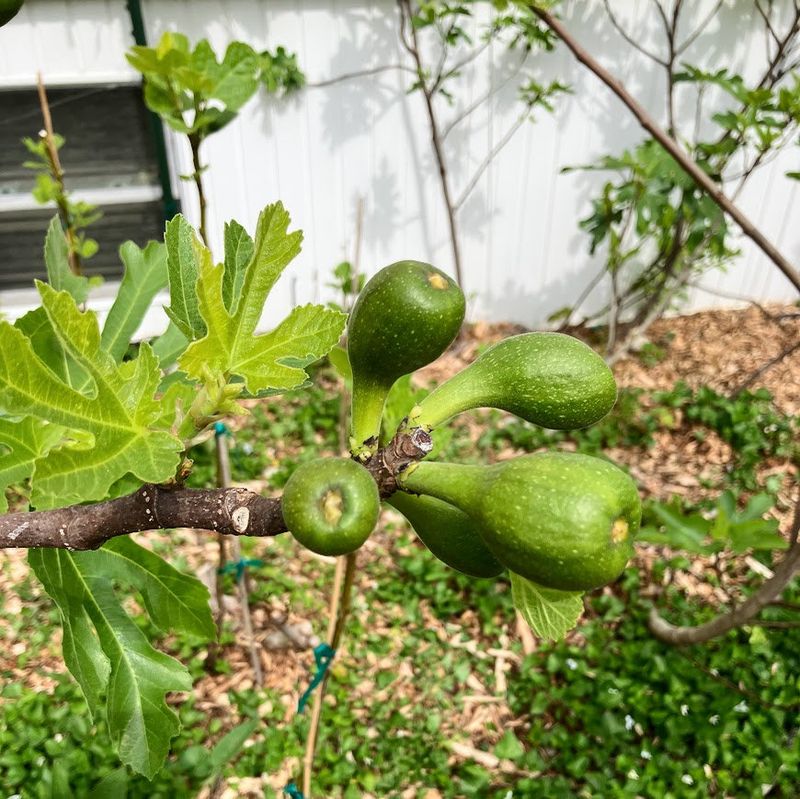
Some fig varieties get two shots at fruit each year, and plenty of gardeners accidentally throw one away. That first early crop is called the breba crop.
It forms on last year’s wood, the older brown branches left from the previous season.
Varieties like Brown Turkey, Celeste, and Desert King can produce brebas, especially in warmer parts of the South. If you shear the whole tree back hard every winter, those older shoots disappear, and so do the early figs that would have ripened in late spring or early summer.
Fun fact: the word breba comes from Spanish, and Mediterranean growers have prized these early figs for centuries. They tend to be larger and juicier than the main crop, though often fewer in number.
Before cutting, take a minute to look for small, pea-sized buds near the branch tips. Those are often breba figs waiting for warm weather.
Leave a good share of that older wood in place.
Not sure which variety you have? Prune lightly for a year and watch where fruit appears.
That one season of observation can save you from removing your earliest harvest year after year.
3. Taking Off Too Much at Once
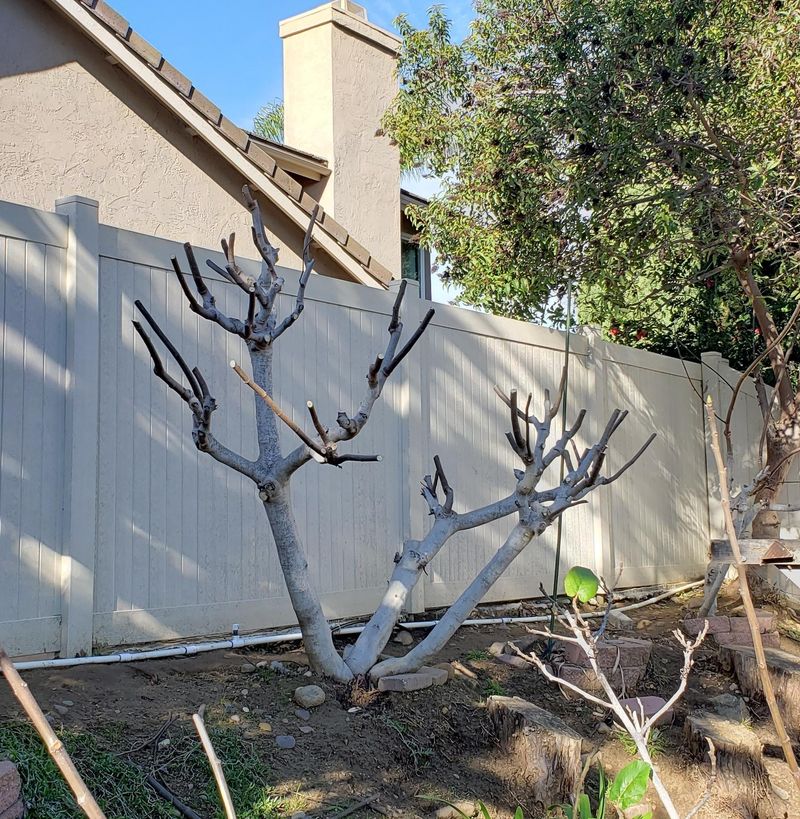
Ever seen a fig that looks like a coat rack after pruning day? Heavy cuts like that may feel decisive, but they often backfire.
When you remove a large chunk of the canopy, the tree responds by pushing a flush of leafy shoots to replace what it lost. Energy that could have gone into fruit goes into rebuilding instead.
The result can be a big, green, nearly fruitless summer.
A good rule many experienced growers follow is to remove no more than about one-quarter to one-third of the tree in a single year. If your fig has gotten wildly overgrown, spread the cleanup across two or three winters.
Slow and steady usually wins.
Hard cuts also expose more bark to strong Southern sun. Branches that were shaded for years can sunscald in a Texas July, leaving cracked, damaged bark that invites borers and disease.
Think of pruning as a conversation with the tree, not a single shouting match. Make your most important cuts first, step back, and look again.
Often you will find that a few well-chosen removals open things up far better than a full buzz cut ever could.
4. Leaving Ugly Stubs Behind
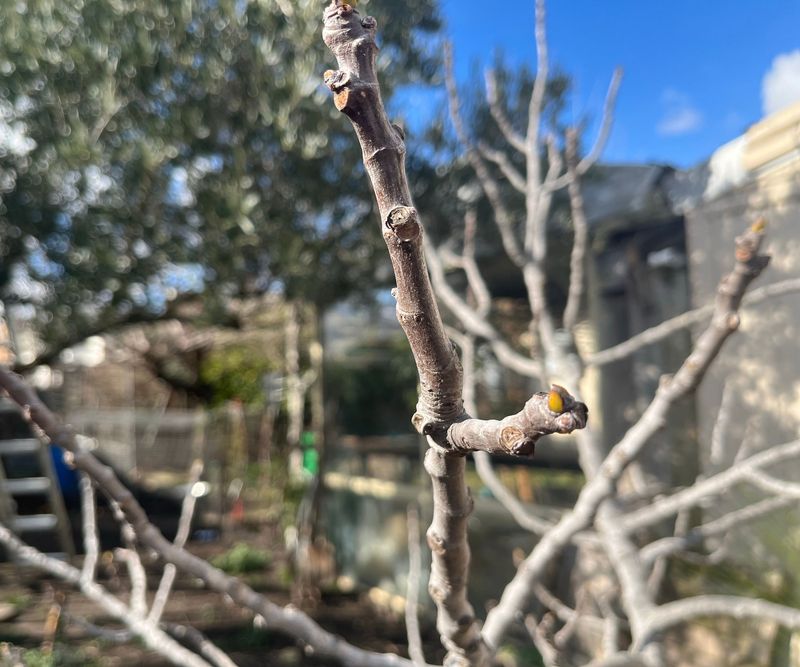
Here is a small detail with a big payoff. Where you place each cut matters almost as much as which branch you remove.
Leaving a long stub, say two or three inches of bare branch, is one of the sneakiest mistakes out there. Stubs rarely heal well.
They tend to die back, turn soft, and become an open door for rot and wood-boring insects that love Southern humidity.
Instead, look for the branch collar. That is the slightly swollen ring where a branch meets a larger limb or the trunk.
Cut just outside that collar, without slicing into it. The tree can then seal the wound naturally over time.
On the flip side, avoid flush cuts that shave right against the trunk. Those remove the collar entirely and can leave a larger wound that struggles to close.
When shortening a branch instead of removing it, cut about a quarter inch above an outward-facing bud, angled slightly. New growth will then head out rather than crowding the center.
Skip the wound paint, too. Research suggests most sealants do little to help and may trap moisture underneath.
Clean, well-placed cuts usually do the job best on their own.
5. Using Dull or Dirty Tools
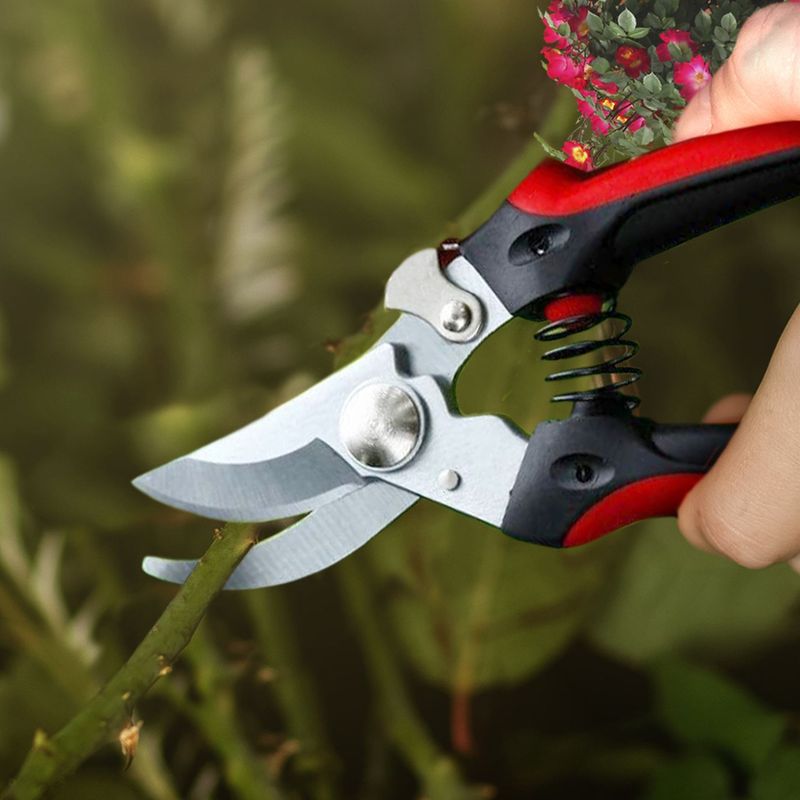
Honestly, the tool in your hand might be the culprit nobody suspects. A dull blade crushes and tears fig wood instead of slicing it cleanly.
Ragged cuts heal slowly. Torn bark peels back, moisture collects, and fungal problems can set in, especially across the humid Gulf states where spores thrive most of the year.
A sharp bypass pruner makes a crisp cut the tree can close much more easily.
Cleanliness counts just as much. If you just trimmed a diseased shrub and then move straight to your fig, you may carry problems right along with you.
Wiping blades with rubbing alcohol or a diluted household disinfectant between plants can reduce that risk.
Pick the right size tool for each job:
Bypass hand pruners work well for branches up to about three-quarters of an inch. Loppers handle thicker growth up to roughly an inch and a half.
Anything larger calls for a small pruning saw.
One more tip from folks who learned the hard way: fig sap is milky and can irritate skin. Wear gloves and long sleeves while you work, and give your tools a quick wipe afterward, since the sticky latex gums up blades fast.
6. Ignoring Suckers at the Base
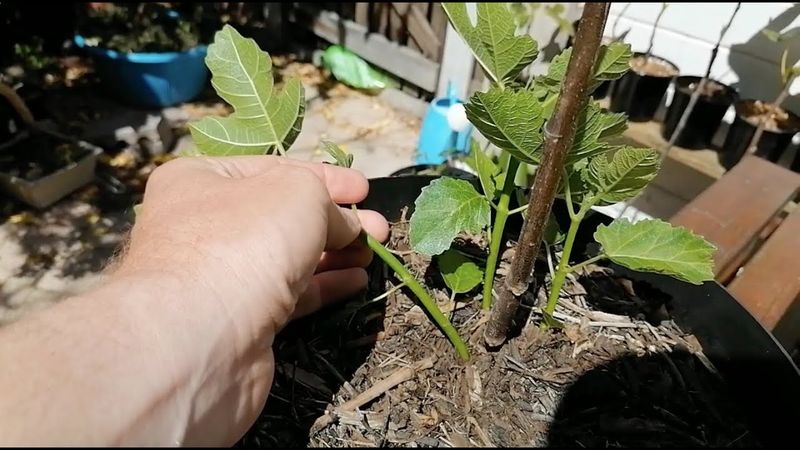
Figs are enthusiastic growers, and nowhere is that clearer than at ground level. Those straight, fast shoots popping up around the trunk are called suckers, and they can quietly steal the show.
Left alone, suckers turn a tidy tree into a dense thicket within a couple of seasons. They compete for water and nutrients, crowd the main framework, and shade out lower branches.
Your harvest may shrink while the bush just keeps getting wider.
Now, some Southern growers intentionally keep figs as multi-stemmed shrubs, which is perfectly fine. The key is choosing which stems stay.
Pick three to five strong, well-spaced trunks and remove the rest.
Cut suckers as close to their point of origin as you can, even pulling back a little soil to reach them. Snipping them at the surface often leads to two or three new shoots in their place.
Here is a bonus. Healthy suckers with a few roots attached can be dug up and potted to start new fig trees.
Neighbors and friends at church or work tend to love a free fig. Checking for suckers a few times during the growing season keeps them manageable instead of overwhelming.
7. Rushing to Prune After Freeze Damage
Remember the deep freezes that swept across Texas in recent winters? Plenty of fig owners walked outside the next week, saw blackened branches, and sawed everything to the ground.
That instinct is understandable, but waiting usually pays off. Freeze damage is hard to judge right away.
Branches that look dead in February may still be alive under the bark and leaf out just fine by April.
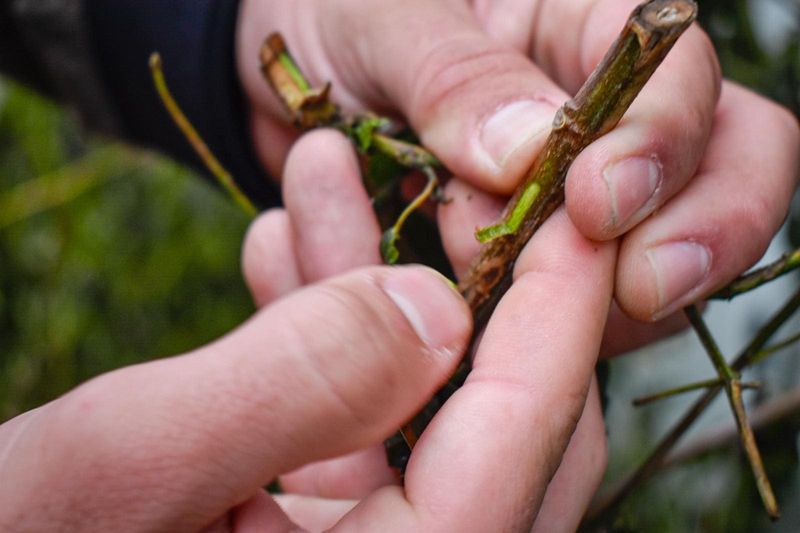
A simple scratch test can help. Gently scrape a small spot of bark with your thumbnail.
Green, moist tissue underneath means the wood is alive. Brown and dry means that section likely died.
The smartest approach is patience. Let the tree push new buds in spring, then cut back to just above healthy growth.
You will keep much more productive wood than a panicked early chop would allow.
Even when a fig freezes to the ground, the roots are often still alive. Many varieties, especially cold-hardy types like Celeste and Chicago Hardy, can resprout vigorously from the base.
Some even fruit the same year on new growth.
So when winter hits hard, put the saw away for a while. Spring will tell you what really needs to go.
8. Letting the Tree Grow Too Tall to Harvest
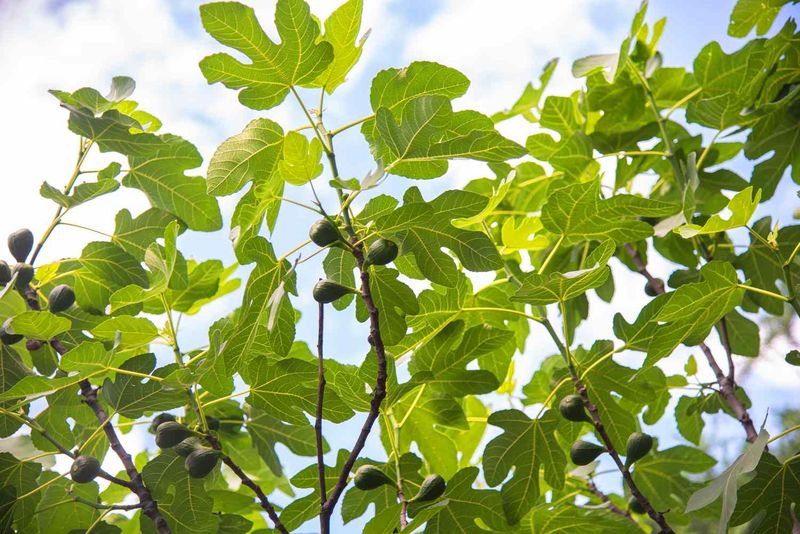
Nothing stings quite like watching mockingbirds feast on ripe figs twelve feet above your head. A tree that grows too tall turns harvest day into a ladder adventure, or a total loss.
Figs left unpruned in the long Southern growing season can easily reach fifteen to twenty feet. Much of the fruit then ripens out of reach, where birds, squirrels, and beetles get first pick.
Netting a giant tree is nearly impossible, too.
Keeping height in check is mostly about steady, modest cuts. Each winter, shorten the tallest upright branches back to a lower side branch that points outward.
Many home growers like to keep their figs around six to ten feet, a height you can manage from the ground or a short step stool.
A shorter tree also makes protection easier. Bird netting, reflective tape, or even old mesh bags slipped over clusters may help reduce fruit losses when the canopy stays within arm’s reach.
Avoid topping, which means chopping every branch at the same height. That creates a broom of weak, crowded shoots.
Thoughtful reduction cuts keep the tree shapely, productive, and much friendlier for the person doing the picking.
9. Skipping the Crowded Center Cleanup
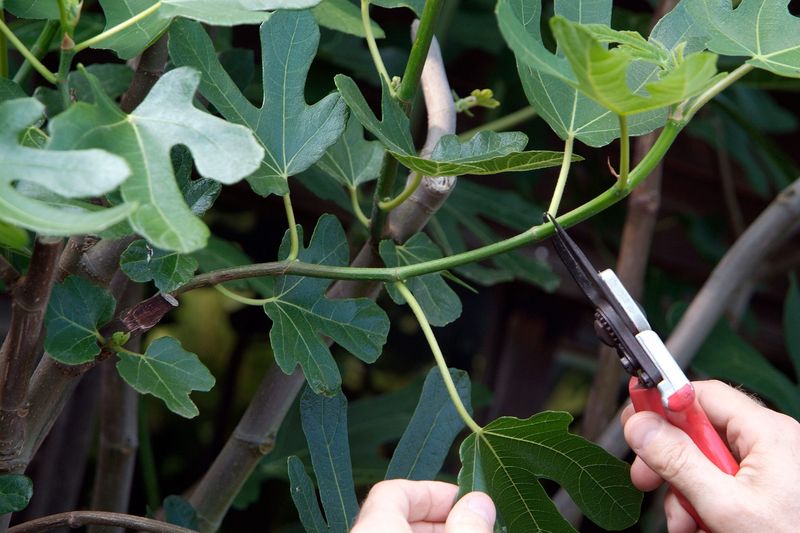
Step inside the canopy of a neglected fig and you will notice it right away: shade, crossing branches, and that sticky, stale air. A crowded center may seem harmless, but it often costs you fruit and leaf health.
Figs ripen best with good sunlight reaching the interior. When branches tangle together, inner fruit may stay small or fail to sweeten.
Poor airflow also gives fungal problems like fig rust a cozy home, and rust is a frequent visitor in humid Florida and Gulf Coast summers.
Opening things up is straightforward. Remove branches that cross or rub against each other, picking the weaker one to cut.
Take out shoots growing straight into the middle of the tree. Clear away any dead, diseased, or damaged wood first, since those cuts are always worth making.
Aim for a vase-like shape with an open center, so light can filter through to every main limb. Picture being able to toss a ball gently through the canopy.
Better airflow cannot guarantee a disease-free season, but it can reduce how long leaves stay wet after rain and morning dew. Pair that with raking fallen leaves, and your fig gets a real head start.