
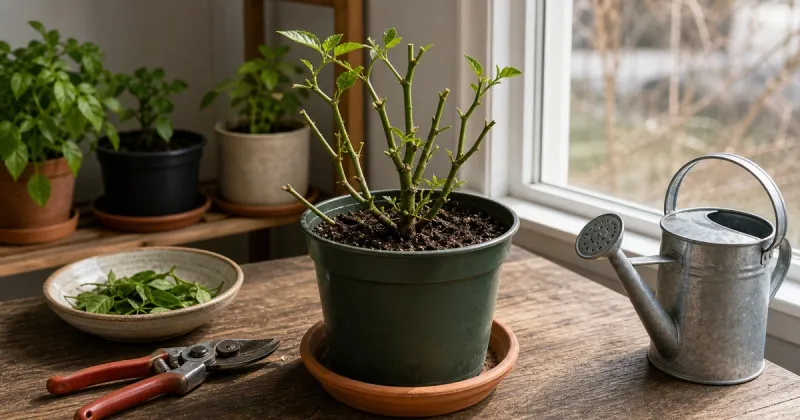
A pepper plant loaded with fruit in October can feel like a waste to lose when the first hard freeze rolls in. Instead of letting cold end its life, you can try moving it indoors for the winter.
A mature plant that survives may restart growth sooner than a tiny seedling. Here is how Southern gardeners can decide, prepare, and choose a winter-care method.
Overwintering may give peppers a head start—but it cannot promise an earlier harvest
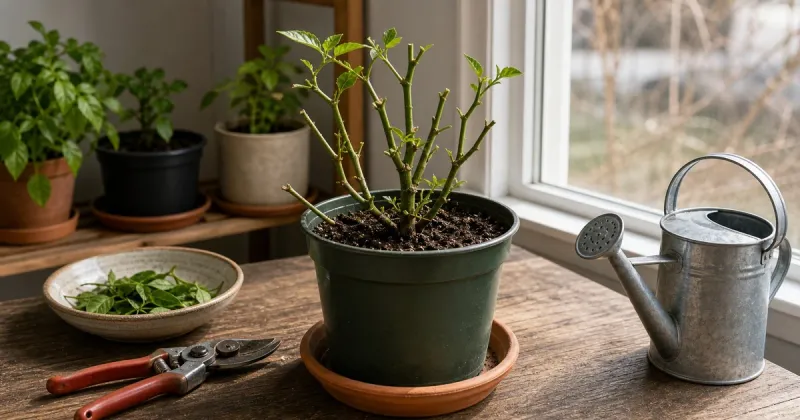
A pepper that has already spent a season building roots and branches has a lead over a seedling started in spring. If it survives winter, it may wake up and fruit sooner.
That is the appeal of overwintering.
The famous claim is fruiting up to a month earlier. That figure comes from a UC Master Gardener article built on gardener reports and the author’s own experience, not a controlled comparison.
Treat it as a possible bonus, not a forecast for your plant.
Results also swing with plant health, variety, indoor space, and pests. Oregon State Extension describes overwintering as not a one-size-fits-all practice.
Earlier fruit also does not mean a bigger total harvest.
Think of this as a worthwhile experiment with a healthy, favorite plant. Some plants will make it through and some will not, and that is a normal outcome.
Use local cold risk—not a calendar date—to decide when to move a pepper
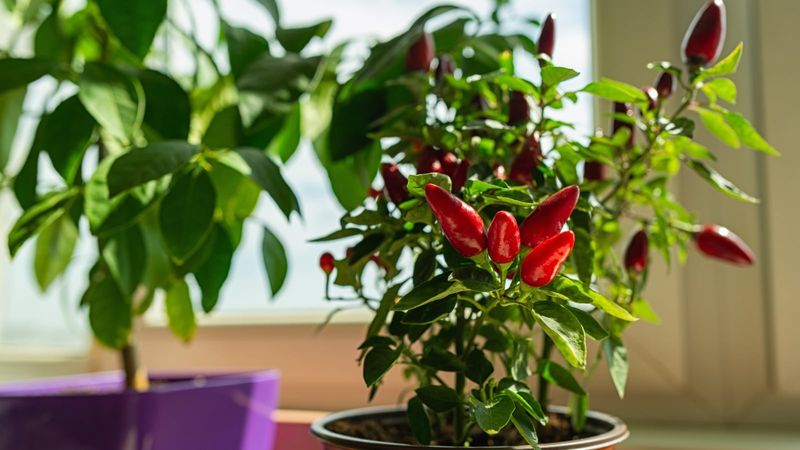
Peppers do not tolerate frost, and UC IPM guidance treats cold as a threat to the crop. If your plant is in the ground, plan to dig and pot it before damaging cold reaches your area.
Extension advice points to the first frost as the trigger.
That trigger lands at very different times across the South. North Texas may see a freeze weeks before the Gulf Coast, and the Florida Panhandle gets colder than the southern peninsula.
Watch your own forecast instead of a shared date.
In frost-free or mild spots, some plants may not need to come inside at all. UF/IFAS notes peppers are a warm-season crop, and conditions vary by location.
One Franklin County agent reported unsuccessful attempts with one specialty pepper in the Panhandle, though conditions may differ elsewhere.
Ask yourself if the plant is healthy and worth the work. Digging adds stress, so a weak or diseased plant may not repay the effort.
Prune, dig, and pot the plant without treating transplanting as risk-free
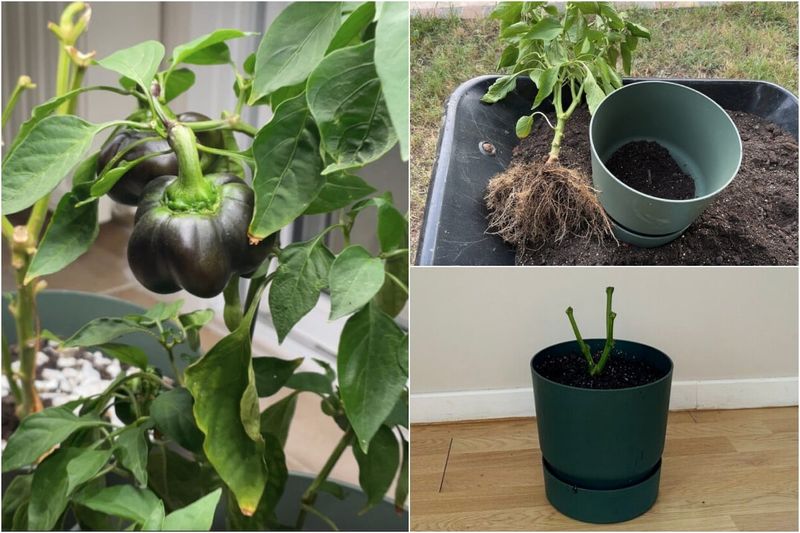
Here is one method to try, from University of Maryland Extension. Work in order so the plant loses as little as possible.
First, cut the main stem about 6 to 8 inches above the lowest lateral branches. Next, shorten those lateral branches to roughly 6 to 8 inches.
Then dig the plant, taking care with the roots.
Shake off the soil and trim the roots so the plant fits a container. Pot it in a soilless growing medium, which helps limit soil pests and disease coming inside.
The stated goal is to keep the plant alive until spring, not to make it fruit through winter. Digging and root trimming do disturb the plant, so some may sulk, drop leaves, or fail.
Clean pruners and a container with drainage holes give it a better chance.
Inspect and isolate the pepper before bringing it near houseplants
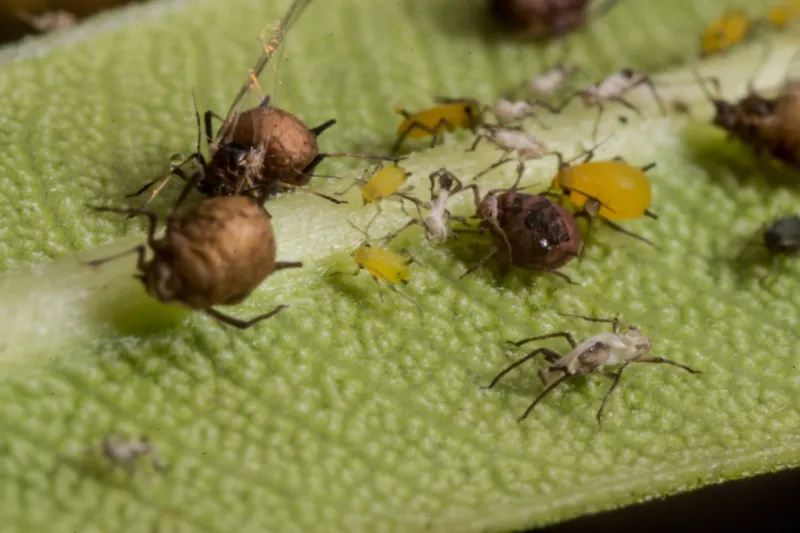
An outdoor plant can carry hitchhikers like aphids, mites, or whiteflies. Look closely at stems and the undersides of leaves before it crosses your threshold.
Rinse the foliage and remove badly affected material.
Then keep it away from your houseplants while you watch for trouble. Ask Extension advises a three-week quarantine if pests are a concern.
Penn State gives general indoor-plant guidance of three to four weeks.
Treat those windows as guidance, not a guarantee. A sticky leaf, tiny webbing, or a cloud of specks when you shake a branch are clues to keep it isolated longer.
If you reach for a pesticide, use only a product labeled for both your plant and the pest you found, and follow the label directions.
Cool, sparse care keeps a dormant pepper alive—not fruiting
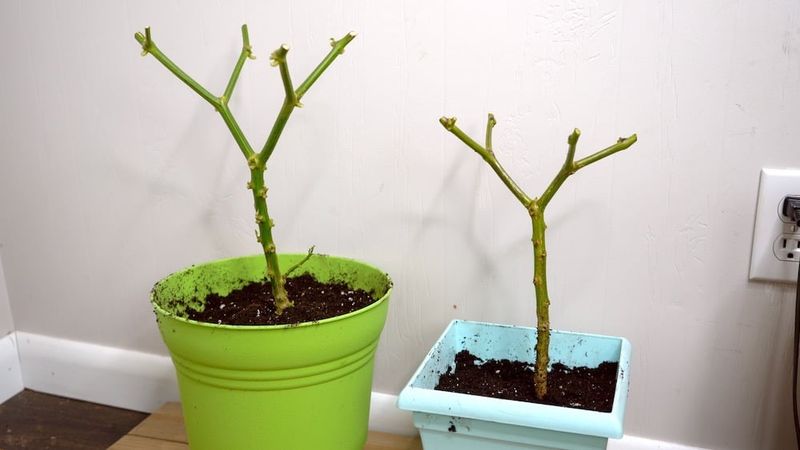
Dormant storage is the low-effort route. The pruned plant rests in a cool spot and simply stays alive until spring.
Water sparingly. Ask Extension advises giving just enough to keep the plant from drying out, not enough to keep the pot wet.
Soggy soil around resting roots invites rot.
Oregon State describes peppers held in stasis at 40 to 55°F, with a grow light used for container plants in a garage. Your space may differ, so let the plant’s response guide you.
Shriveled stems suggest too dry, while mushy ones suggest too wet.
Do not expect peppers from this method. A dormant plant is aiming for survival and spring recovery, and any fruit will come after growth resumes outdoors.
Active indoor growth requires warmth and artificial light
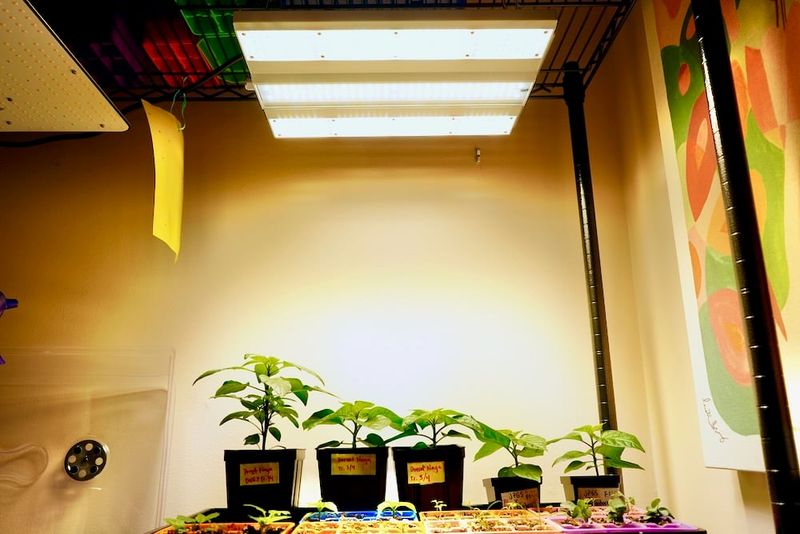
Some gardeners want more than survival. They want the plant to keep growing, and maybe flowering, all winter.
That is a different job from dormant storage.
Ask Extension says a pepper kept actively growing needs about 70°F in the daytime, nights above 50°F, and artificial light. A bright window alone often falls short in winter.
This route takes more space, electricity, and attention. It also does not guarantee fruit, even when conditions look right.
Indoor flowers may need help with pollination, such as gently shaking or brushing them.
Active care is optional. If your home is crowded or you would rather skip the setup, cool storage is a fair choice.
Pick the method that fits your space and time.
Return the pepper outdoors gradually when spring conditions suit it
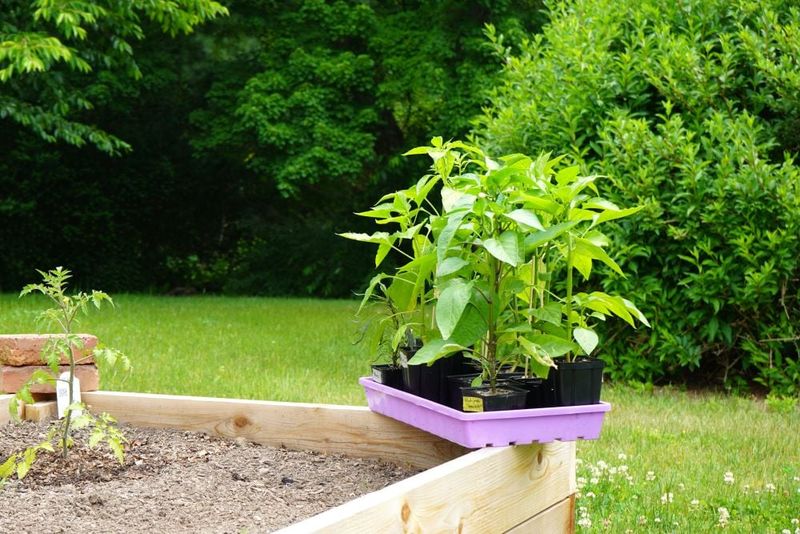
When new growth appears and spring warms up, resist the urge to set the plant straight into full sun. Leaves grown indoors can scorch quickly outside.
Start with a few hours in shade or filtered light, then lengthen the time and brighten the spot over a week or two. Bring it in if a late cold snap threatens.
Your local last-frost timing matters more than any region-wide date.
Peppers settle in best with what UF/IFAS describes: full sun, soil that stays moist but not wet, and warm-season conditions. The same guidance says to choose varieties suited to your local climate.
Once settled, expect a steady comeback rather than an instant burst. The plant has already done its hardest work.