
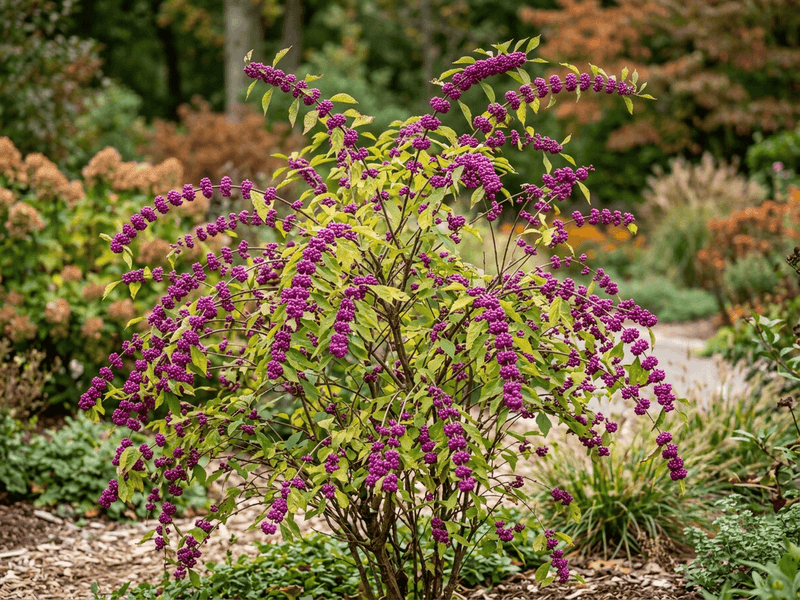
Few native shrubs put on a show like American beautyberry, with clusters of glossy purple fruit that wrap its stems in fall. Winter is a good time to think about adding one beside a Central Texas fence.
A few facts about light, size, water, and wildlife will help you set honest expectations. Here is what to know before you dig.
Winter planting can start the shrub without guaranteeing autumn berries
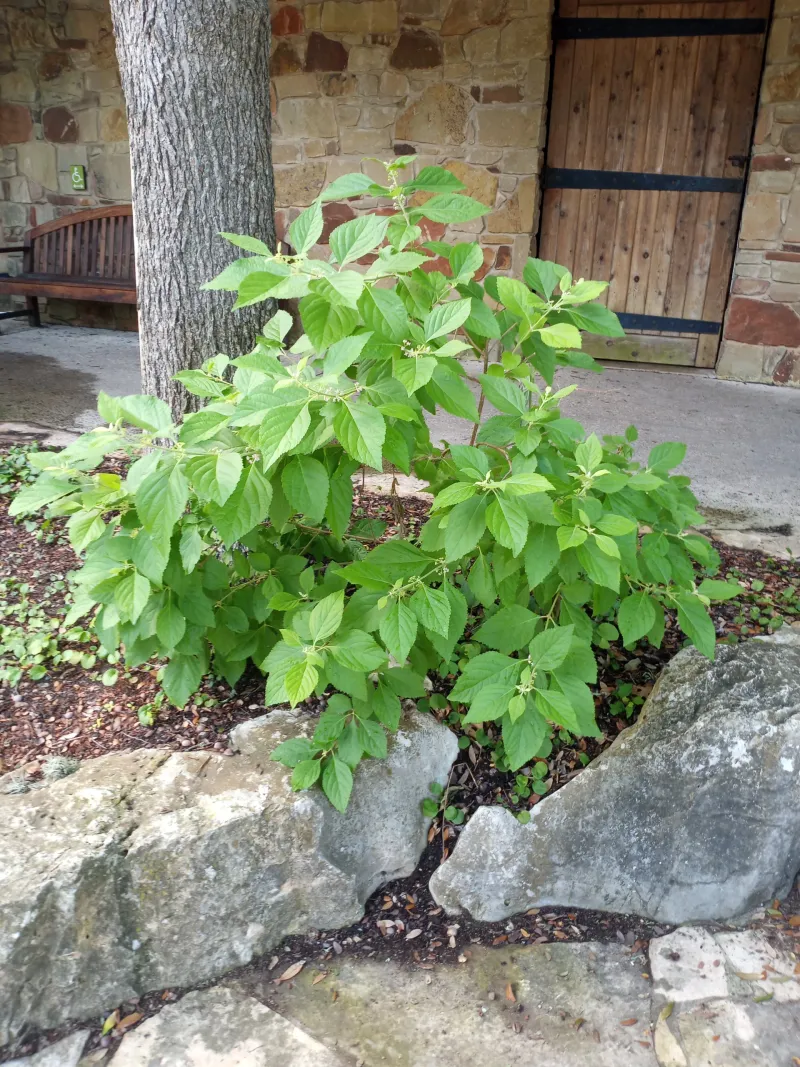
Yes, you can plant a container-grown American beautyberry in winter in Central Texas. Texas Superstar guidance says container plants can go in the ground anytime as long as they are watered until established.
The key phrase is until established, because a shrub that dries out in its first months can struggle no matter what the calendar says.
Winter has some real appeal. The shrub is deciduous, so it will look like a bundle of bare sticks when you bring it home, and that is normal.
Cooler weather gives the roots time to settle in before the stress of a Texas summer arrives.
Planting time is not the same as fruiting time, though. Nothing in the cited guidance promises berries the first autumn after a winter planting.
Fruit depends on how well the plant grows and on the conditions it gets, including light, moisture, and the weather that year.
A fair way to think about it: you are starting a shrub that may reward you with purple fruit as it grows, not buying a guaranteed first-year display. Some young plants will fruit lightly, and some may spend their first season building roots and stems.
Either result is part of getting a woody plant settled.
If you want color the first fall, plan a backup. A pot of fall-blooming perennials near the fence can fill the gap while the beautyberry gets its footing.
Then let the shrub earn its place over a few seasons.
Filtered light and dependable moisture suit Central Texas conditions
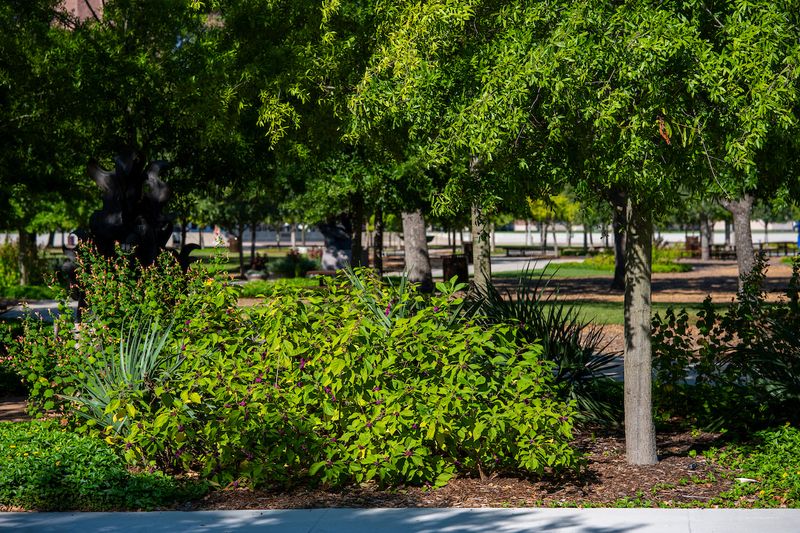
Walk your fence line at three different times of day before you choose a spot. Notice where the afternoon sun hits hardest and where trees or buildings throw shade.
That quick survey tells you more than any plant tag.
Texas Superstar reports that beautyberry tolerates full sun to partial shade, but sunnier sites may need more water. The City of Austin plant guide stresses dependable moisture and deep soil.
In dry Central Texas summers, partial shade or filtered sun is often the easier path.
Think about the difference between the species and your yard. Beautyberry is native to the eastern half of Texas and can perform across many Texas conditions.
That does not mean it is equally happy everywhere. A west-facing fence baking in reflected heat with thin, rocky soil is a harder test than a spot under high tree canopy.
Look for clues. If other plants along that fence wilt every August, a beautyberry there will likely need extra help.
If the soil stays slightly damp after a rain and the spot gets morning sun, you are in better shape.
Local sources note that too much sun or too little water can cause problems. If your only open spot is hot and exposed, plan on regular watering, or consider choosing a different location in the yard.
One beautyberry is a shrub, not a continuous fence line
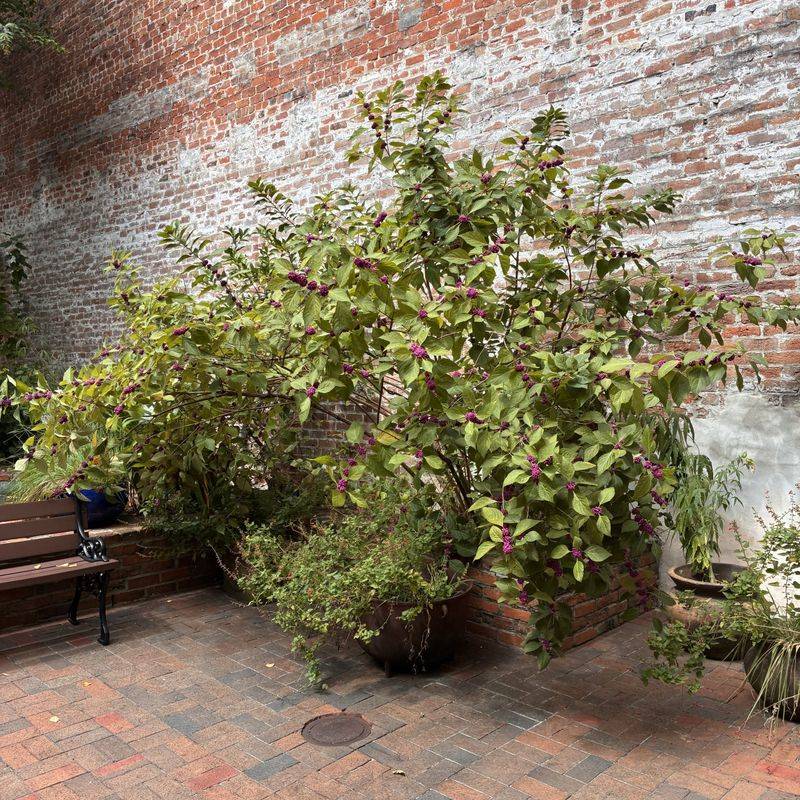
Picture a purple-berried hedge running the length of your fence, then adjust the picture. Texas Superstar lists an established size of about 5 feet tall and 5 feet wide.
One plant fills a section of fence, not the whole thing.
The shape matters too. Beautyberry grows open and arching, with long stems that bend outward.
Texas AgriLife guidance says to allow room for it and not to shear it. It is not a naturally formal hedge, so expect a relaxed, loose look.
Measure before you buy. A 20-foot fence would take several plants if you want a longer planting, and each one needs room for its mature spread.
The sources do not give a spacing number, so use the roughly five-foot width as your guide and leave space rather than crowding.
If you only have room for one, that works well. A single shrub can be a focal point, with a bench, a birdbath, or a mix of other natives on either side.
The arching stems will lean toward open light, so give them a little air.
Also keep walkways and gates in mind. Stems that reach out over a path can be annoying by midsummer.
Placing the trunk a bit back from the fence line leaves space for that arching habit.
Keep a new planting watered while it establishes
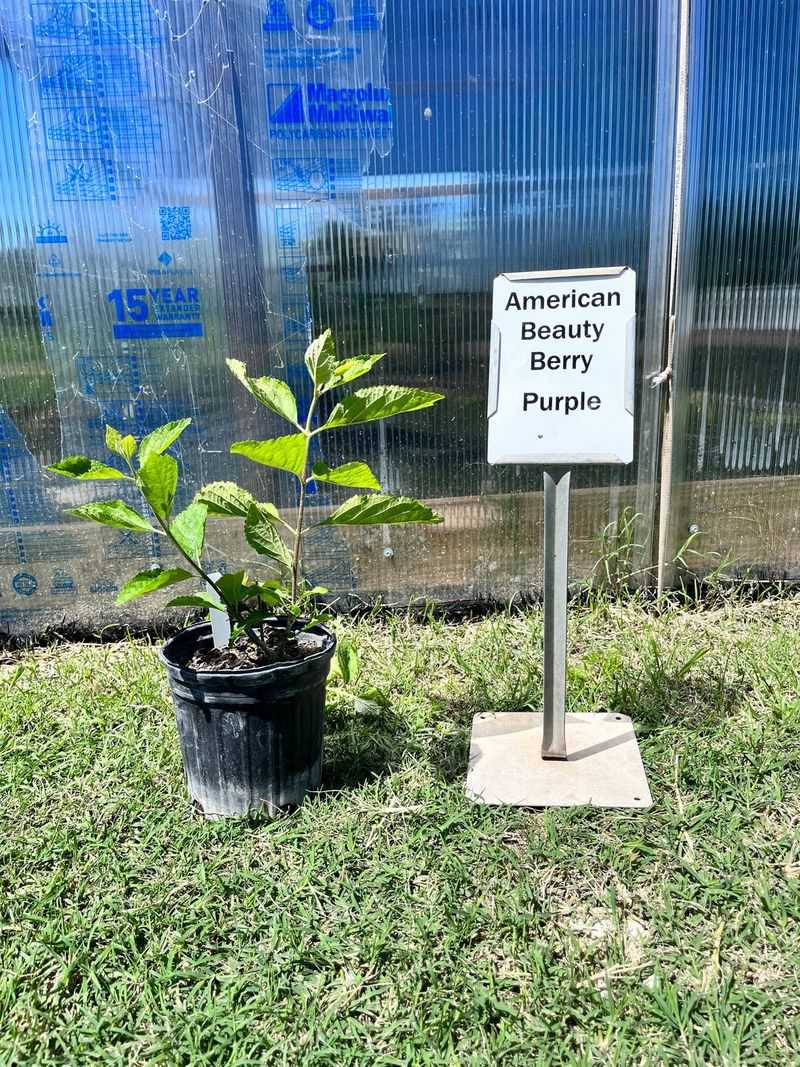
The first season is when your attention counts most. Texas Superstar says to water a newly planted container shrub until it is established.
After that, it describes the plant as relatively drought tolerant, while noting that it prefers moist sites or partial shade in drier locations.
That second part is easy to miss. Drought tolerant describes a settled plant, not a young one.
A shrub planted a few months ago has a small root system and cannot be left to fend for itself through a dry spell.
Watch the leaves. Beautyberry can wilt during dry stretches, and the City of Austin guide points to its need for dependable moisture.
Drooping leaves in the afternoon heat are a signal to check the soil with a finger a few inches down.
The sources do not give a set watering schedule, so let the plant and the weather guide you. Rainy weeks may need nothing.
A hot, windy week may need a deep soak. A sunny, exposed fence spot will usually need more checking than a shaded one.
A layer of mulch over the root zone helps hold moisture. Keep it back from the stem so it does not stay wet against the bark.
Once the shrub holds up through dry weather without wilting, you can ease off.
When do the berries appear—and which birds may eat them?
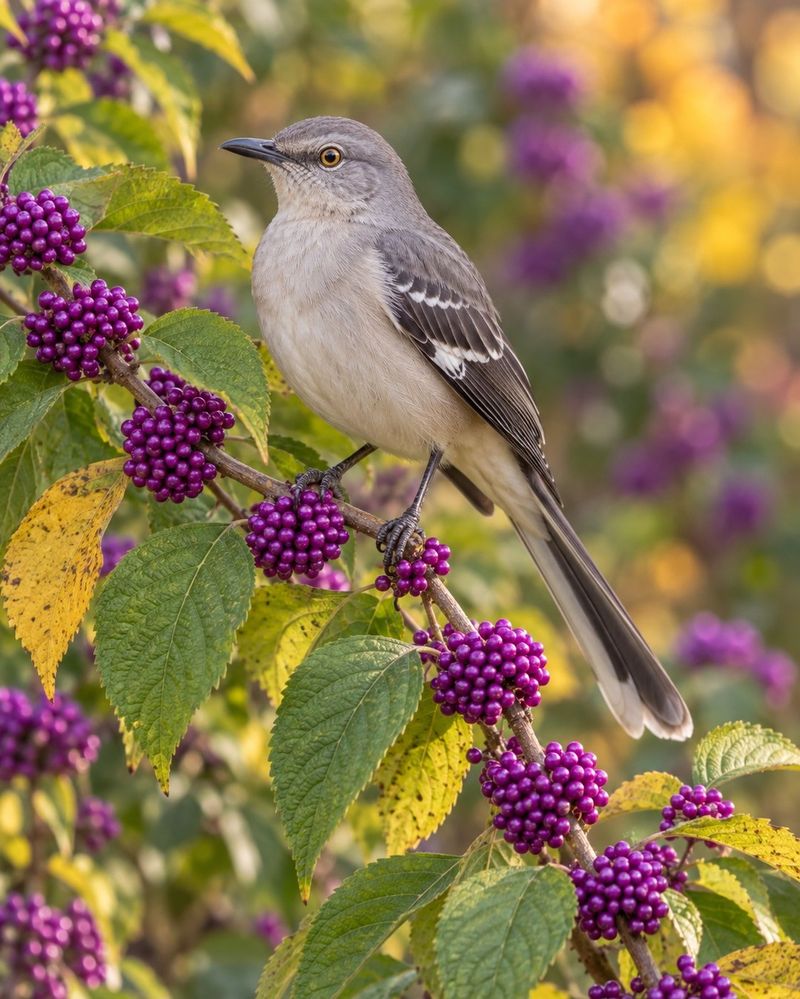
Beautyberry works on a seasonal clock. It is deciduous, and its small flowers open on new growth, as noted by North Carolina State Extension.
The vivid purple fruit generally ripens from late summer into fall, according to the USDA NRCS fact sheet.
Birds are part of the story, but with limits. The North Carolina source names American robins and brown thrashers among the birds that eat the fruit.
A U.S. Army Corps of Engineers wildlife manual also lists mockingbirds.
Those are documented fruit-eaters, which means they may visit, not that they will. The sources record birds eating the berries.
They do not describe mockingbirds guarding the shrub or showing up on a set schedule each year. Which birds arrive depends on your neighborhood, the other food nearby, and the season.
The same goes for how long the color lasts. Fruit may stay on into winter if wildlife does not eat it first, as the U.S.
Forest Service describes. If birds find your shrub early, the branches may be bare sooner than you hoped.
So enjoy the berries when they come. Keep a pair of binoculars handy by a window, and treat any bird visit as a bonus.
If the fruit hangs on past the first cold snap, that is a pleasant extra.
One caution if you are tempted to taste them: the fruit of correctly identified American beautyberry is described as edible but bland. Do not assume other purple berries are safe.
Prune before spring growth if berries are the goal
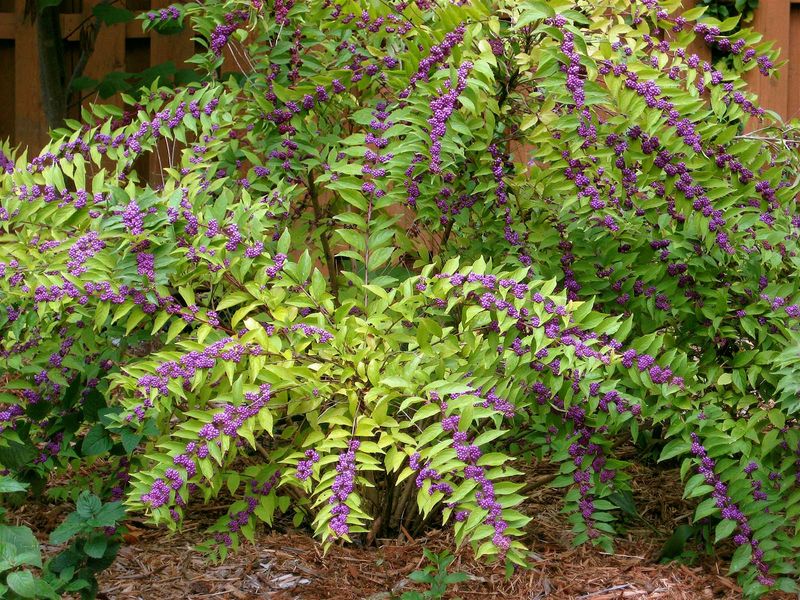
Late winter is pruning time. Wait until the worst freezes have passed, then trim in late winter or early spring, before new growth starts.
Texas Superstar guidance supports pruning at this point, and the timing matches how the plant works.
Flowers and fruit form on new growth. Pruning before the buds break can encourage vigorous new stems, and those stems are where the berries come from.
Cutting later, after growth is underway, risks removing the very wood that would carry the fruit.
Go easy with the shears. Texas AgriLife guidance says to allow room and not shear the plant.
Shearing into a tight ball fights the shrub’s open, arching form and removes the graceful stems that carry the clusters.
A practical approach is to use hand pruners. Take out dead or damaged stems and shorten a few long ones to keep the shrub inside its space.
Step back after each cut and look at the overall outline.
For a first-year plant, little pruning may be needed. Let it fill out, and save larger cuts for once it has settled in and you know how much room it takes.
Choose beautyberry for potential seasonal value, not a guaranteed display
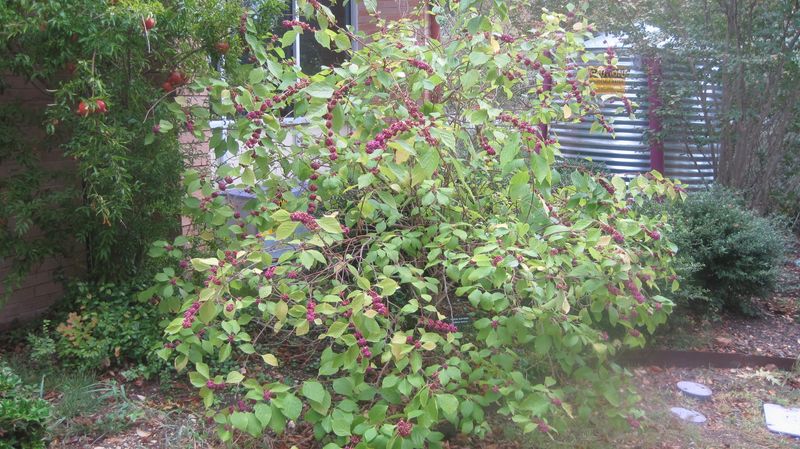
Beautyberry fits a gardener who has room for a five-foot spread and will water it through its first seasons. Winter planting can begin the process, as Texas Superstar allows for container plants.
Berries the next autumn are possible, not promised.
The same goes for wildlife. North Carolina State Extension and a wildlife manual show birds eating the fruit, yet no visit is assured.
Plant it for the chance, and let the birds decide the rest.