
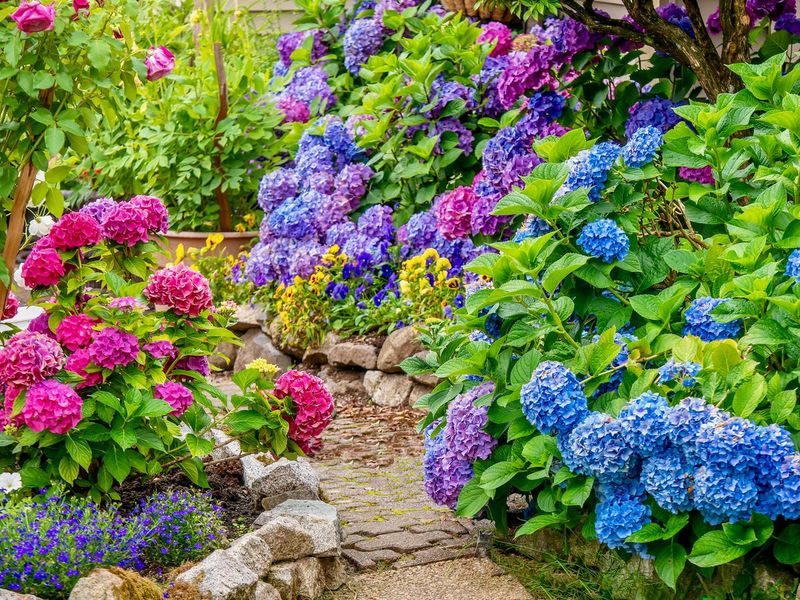
Hydrangeas look amazing on the nursery shelf, all puffy blooms and rich green leaves. But once you get them home and California’s long, dry summer hits, they wilt, brown, and start begging for water you probably shouldn’t be spending.
The good news is there are gorgeous flowering shrubs built for our Mediterranean climate that bloom hard, feed pollinators, and shrug off the August heat. Here are seven tough, beautiful options that give you the color you wanted without the constant watering guilt.
1. California Lilac (Ceanothus)
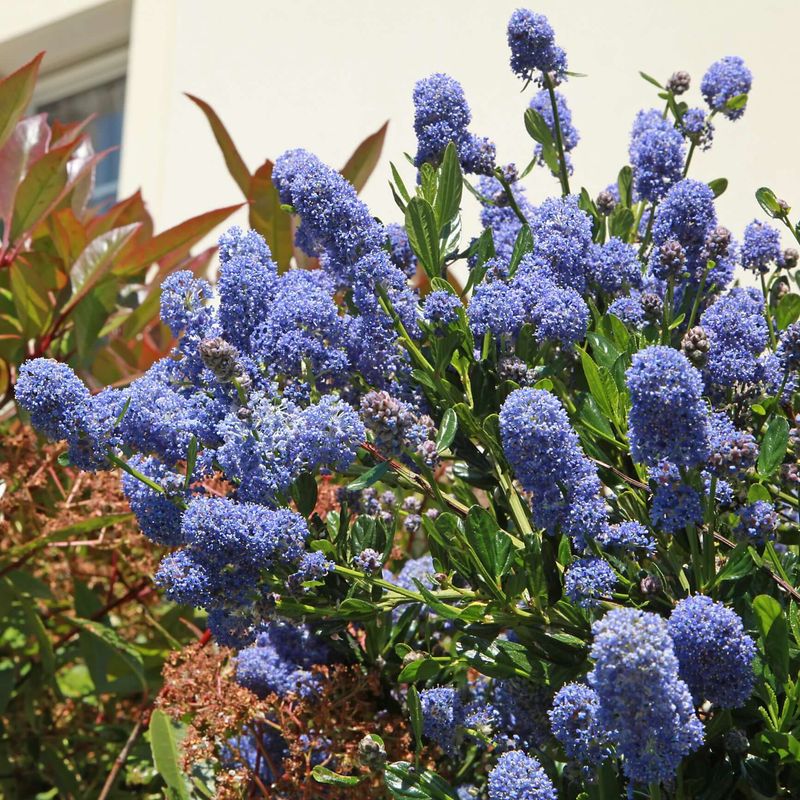
Picture a shrub so blue it looks like someone dropped a piece of the sky into your yard. That is Ceanothus, and once it settles in, it barely asks for a drink.
Native to California, it thrives on our wet winters and bone-dry summers, which is exactly the opposite of what a hydrangea wants. The spring bloom explodes in clouds of blue or purple flowers that native bees and butterflies swarm.
Plant it in full sun with fast-draining soil and resist the urge to pamper it. Overwatering in summer is the fastest way to kill a happy Ceanothus, so let it go dry between the rare drinks it needs.
It works beautifully on hillsides and slopes where you want erosion control and low upkeep. Give it room to spread, since some varieties reach six feet wide and hate being crowded.
2. Cleveland Sage (Salvia clevelandii)
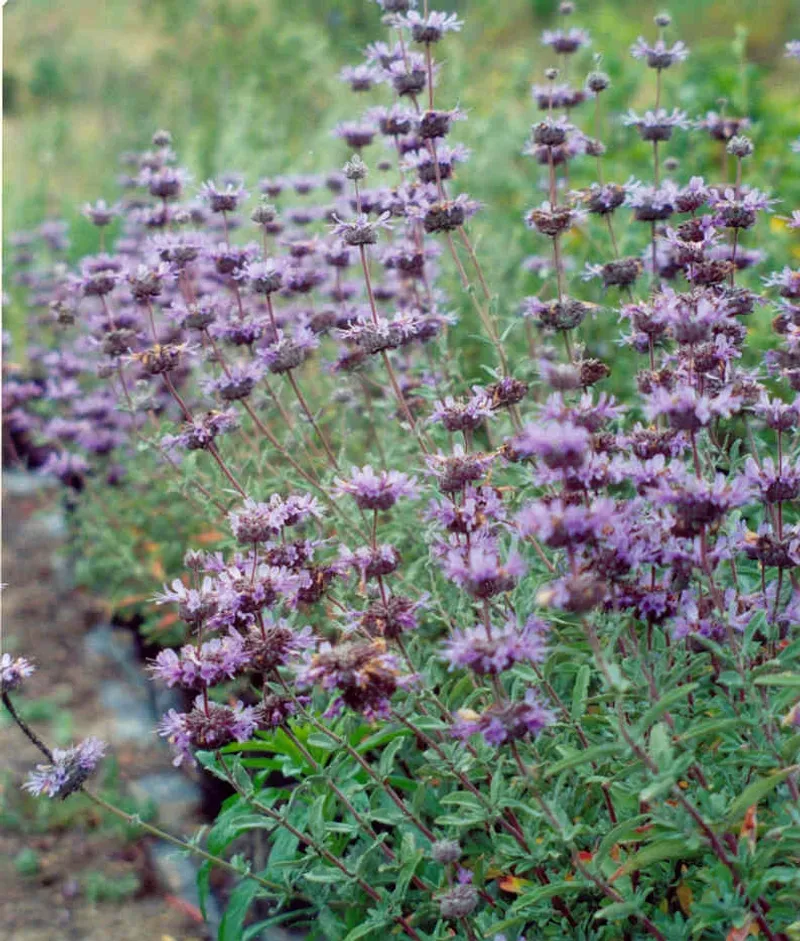
Brush against Cleveland sage on a warm afternoon and your whole yard suddenly smells like a herb garden crossed with a perfume counter. The fragrance alone earns it a spot.
Stacked whorls of violet-blue flowers rise on tall stems from late spring into summer, and hummingbirds treat them like a personal buffet. Native bees pile on too, making this one of the best pollinator picks on the list.
It laughs at drought once established and actually prefers being left alone. Water it deeply but rarely, and skip the rich fertilizer that would make it floppy.
Shear it lightly after flowering to keep the shape tidy and encourage a fuller mound the next year. In a water-wise front bed, it reads as both ornamental and genuinely useful for wildlife.
3. Flannel Bush (Fremontodendron)
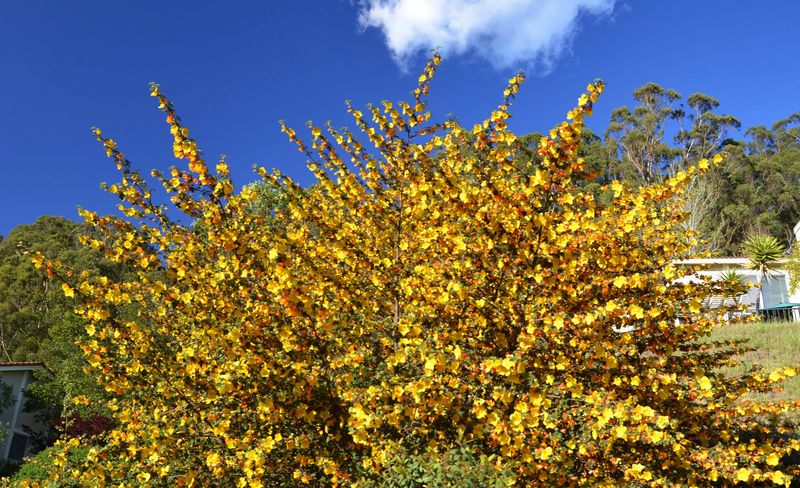
Few native shrubs put on a show like Fremontodendron in full bloom, when it practically glows with saucer-sized golden flowers from top to bottom. Neighbors will slow down to look.
Fun fact: this California native is so drought-adapted that summer irrigation can actually rot its roots and kill it. It wants a dry, sunny slope and almost total neglect once it takes hold.
The trade-off is size and speed. It can shoot up to twenty feet, so give it space and plant it where its leggy base can hide behind lower plants.
Wear gloves when you handle it, since the fuzzy leaves and stems can irritate skin. For fire-conscious hillside gardeners who want drama with zero watering, it is hard to beat.
4. Toyon (Heteromeles arbutifolia)
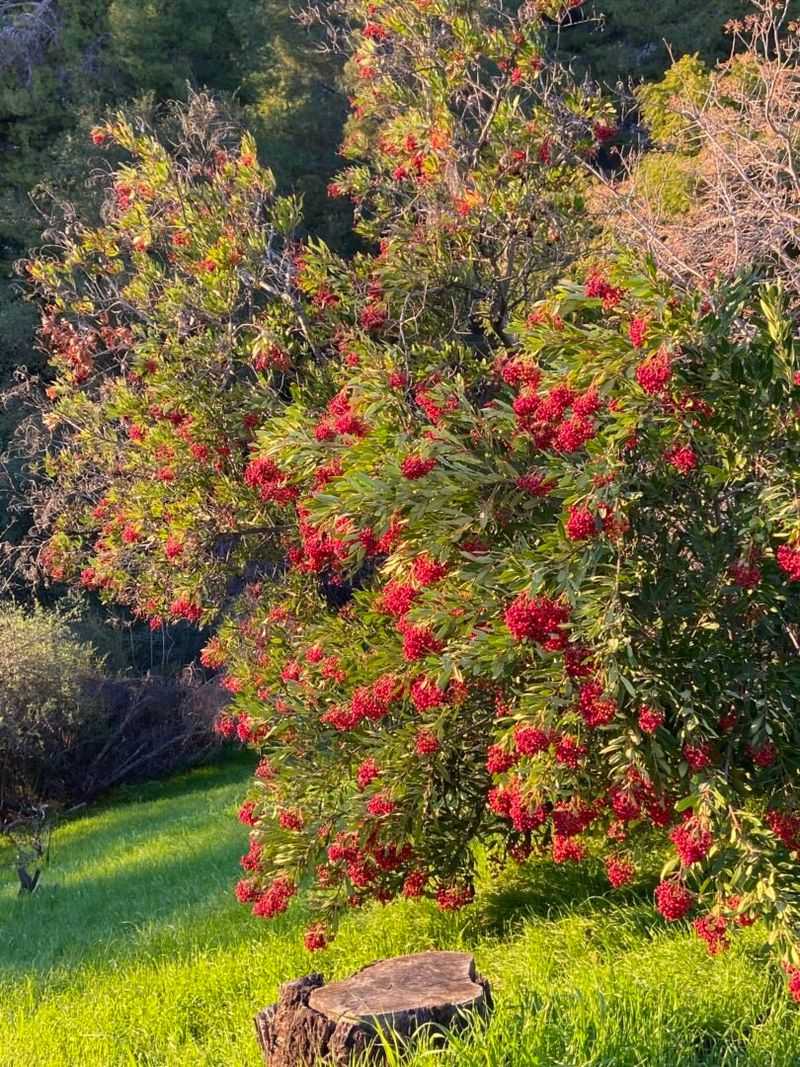
The city of Hollywood may have taken its name from Toyon, the shrub whose bright red winter berries once blanketed those hills. History and holiday color in one plant is a nice bonus.
Creamy white flower clusters arrive in summer, then ripen into vivid red berries that mockingbirds, robins, and cedar waxwings devour through winter. If you want a yard that feeds birds year-round, this is a workhorse.
Evergreen and tough, it handles drought, poor soil, and heat without complaint. It also tolerates a bit of shade, making it flexible for spots where sun-lovers struggle.
Left alone it becomes a large shrub or small tree, but it takes pruning well if you want a hedge. Its thick, leathery leaves make it a solid choice near defensible-space zones too.
5. Bush Anemone (Carpenteria californica)
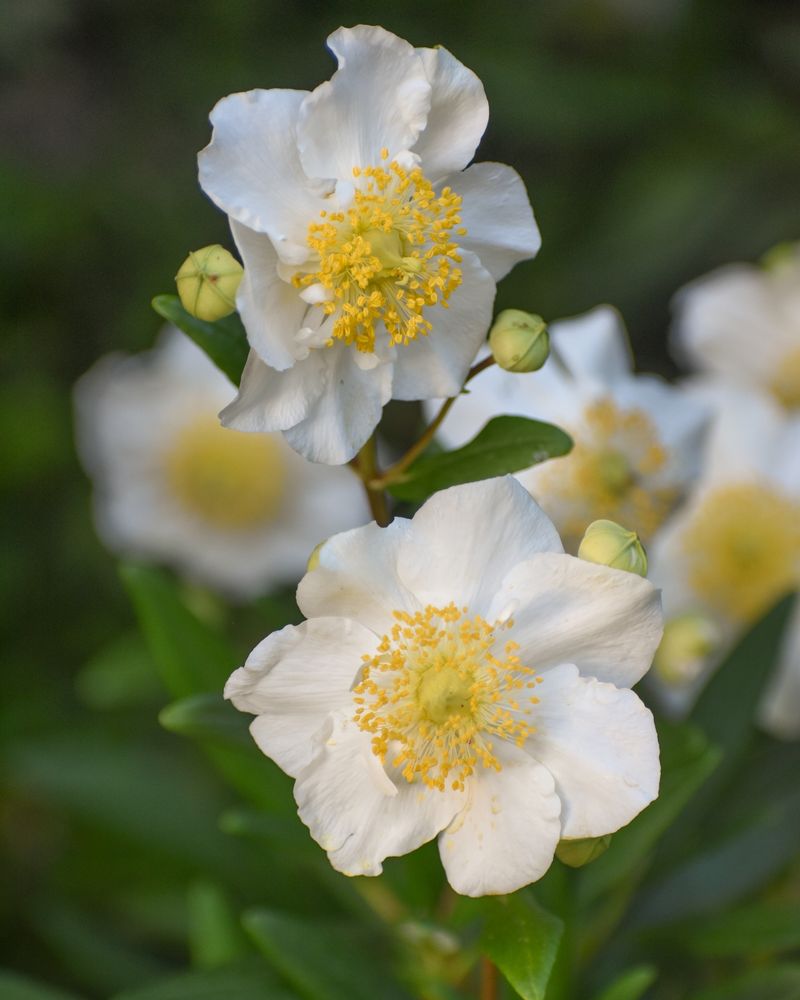
If you loved the clean white blooms of a hydrangea but want something that survives our summers, Carpenteria is the answer you have been hunting for. Its flowers look like fried eggs in the best possible way, pure white petals around a burst of yellow.
Rare in the wild and found only in California, it brings a touch of the exotic to a home garden while staying entirely regional. Blooms roll out in late spring and early summer with a light, sweet scent.
Unlike most tough natives, it appreciates a little afternoon shade and slightly more moisture, making it a great fit for east-facing beds. Still, once rooted it needs far less water than any hydrangea.
Keep it in well-drained soil and give it a light trim to shape after flowering. It rewards a semi-shady corner with elegance most desert-tough plants cannot match.
6. Sticky Monkey Flower (Diplacus aurantiacus)
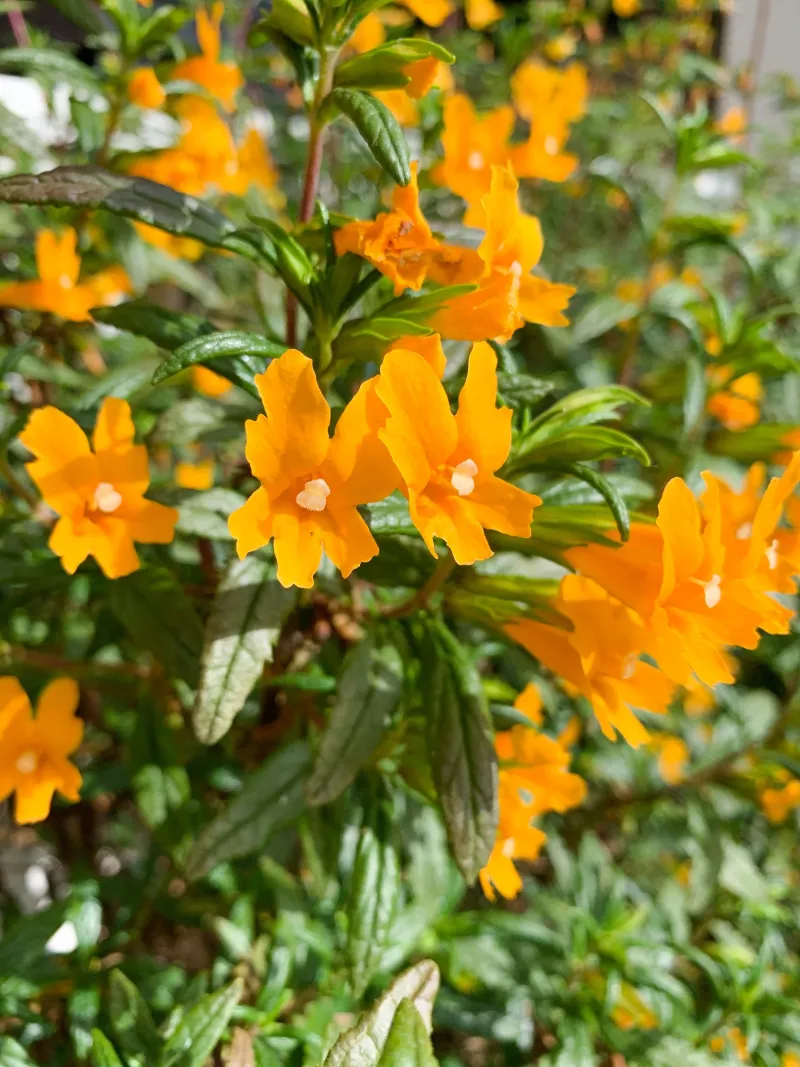
Small but relentless, sticky monkey flower pumps out orange, apricot, and peach trumpet blooms for months while barely sipping water. It is the overachiever of the group.
Hummingbirds and native bees adore the tubular flowers, and the long bloom window means your yard stays lively well past when hydrangeas would have crisped. The color range now includes reds and creams thanks to garden selections.
Compact and low, it slots easily into borders, rock gardens, and slopes without crowding neighbors. It handles heat, thin soil, and drought like a champ.
Give it full sun to part shade and a light shearing when it looks tired to spark a fresh flush. For a splash of warm color that keeps going through summer, this little shrub delivers.
7. Woolly Blue Curls (Trichostema lanatum)
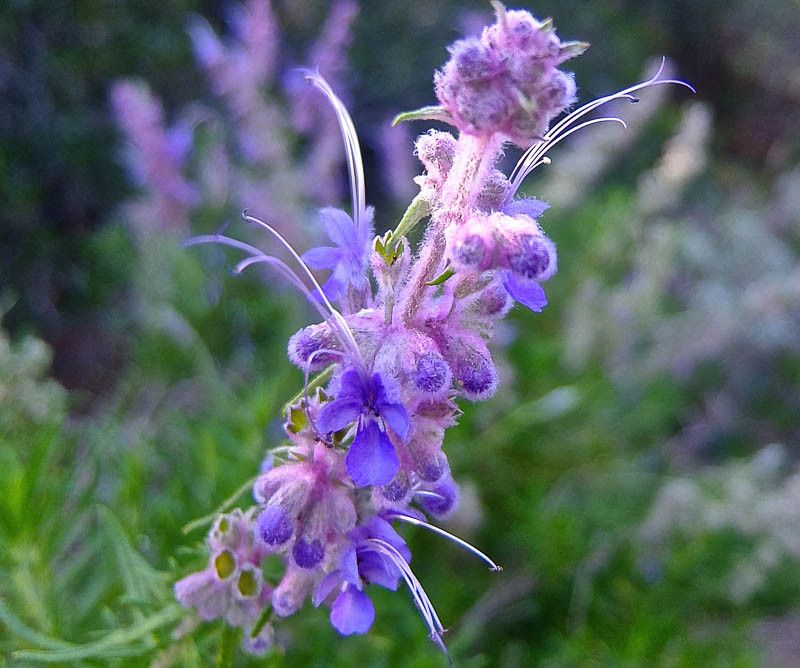
Nothing else in the garden looks quite like woolly blue curls, with its fuzzy, arching flower spikes in electric shades of violet and blue. It is a genuine conversation starter.
The narrow leaves release a piney, resinous scent when brushed, and the blooms draw bees and hummingbirds in steady traffic. Flowering can stretch across much of the warm season in the right spot.
Here is the catch: it despises summer water and demands sharp drainage, so plant it lean and mean and then forget about it. Coddling is what kills this one, not neglect.
Full sun and gritty soil on a slope suit it perfectly. For gardeners who want a striking, unmistakably Californian shrub that thrives on being ignored, woolly blue curls is a bold, rewarding pick.