
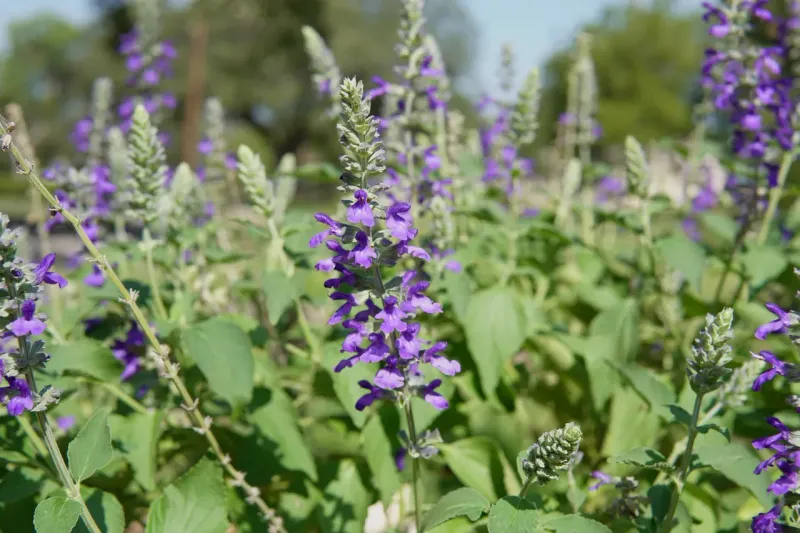
Fall is the secret planting season in Texas, when cooler air and warm soil give new roots a head start before summer heat arrives. Purple flowers bring bold color to beds and borders, and native kinds already know how to handle our heat, droughts, and tough soils.
Plant them once this fall and they can come back year after year with very little fuss. Here are nine purple Texas natives worth adding to your yard right now.
1. Gregg’s Mistflower
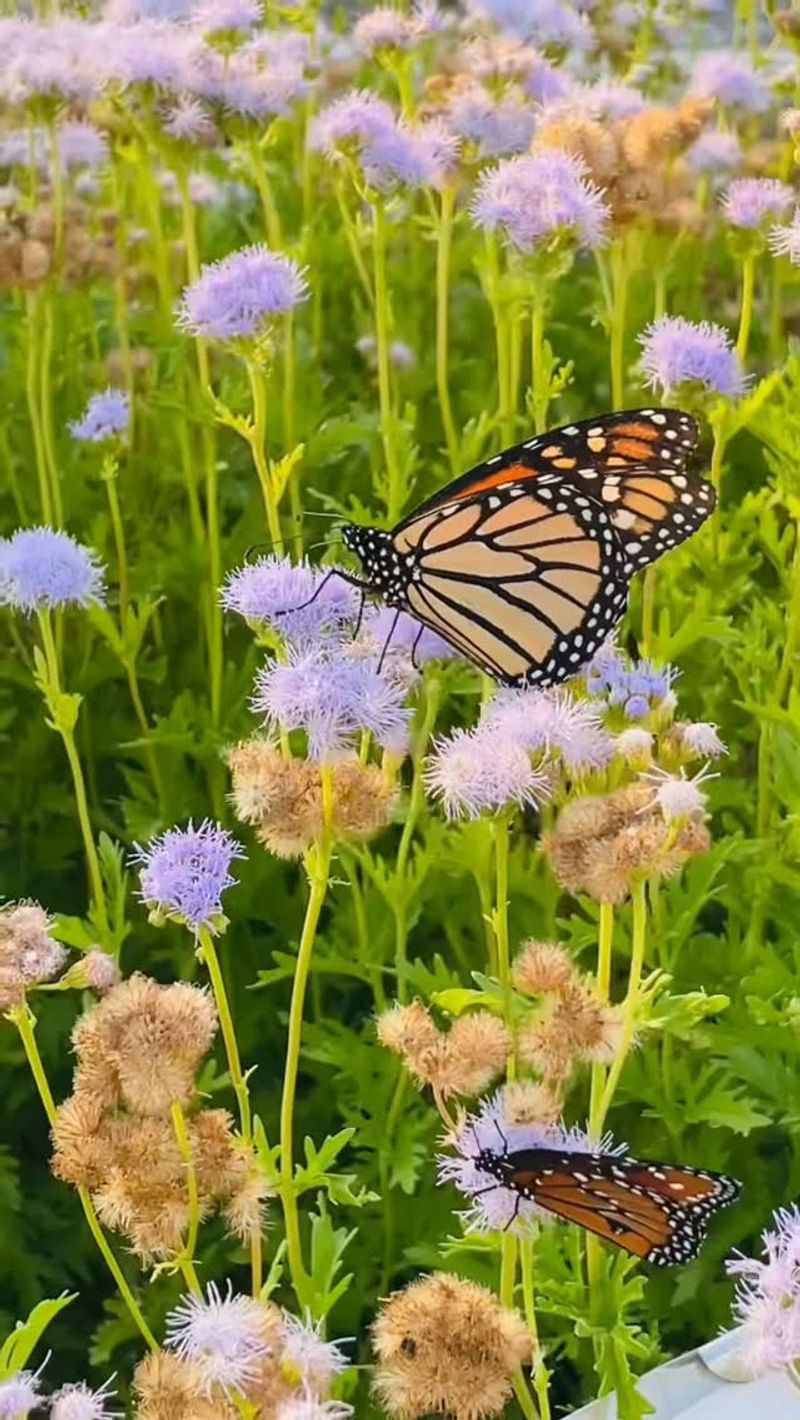
Picture a cloud of lavender fuzz swarming with queen butterflies in October, and you have Gregg’s mistflower at its peak. Gardeners in Central and South Texas often call it a butterfly magnet, and that nickname is earned.
The plant spreads by underground runners, filling a sunny patch with soft, ferny leaves. It handles alkaline soil and dry spells once settled, and it usually dies back in a hard freeze before popping up again in spring.
Give it room near a walkway or patio where you can watch the visitors. A light trim in midsummer can keep it tidy and may encourage another strong flush of blooms for fall migration.
2. Purple Coneflower
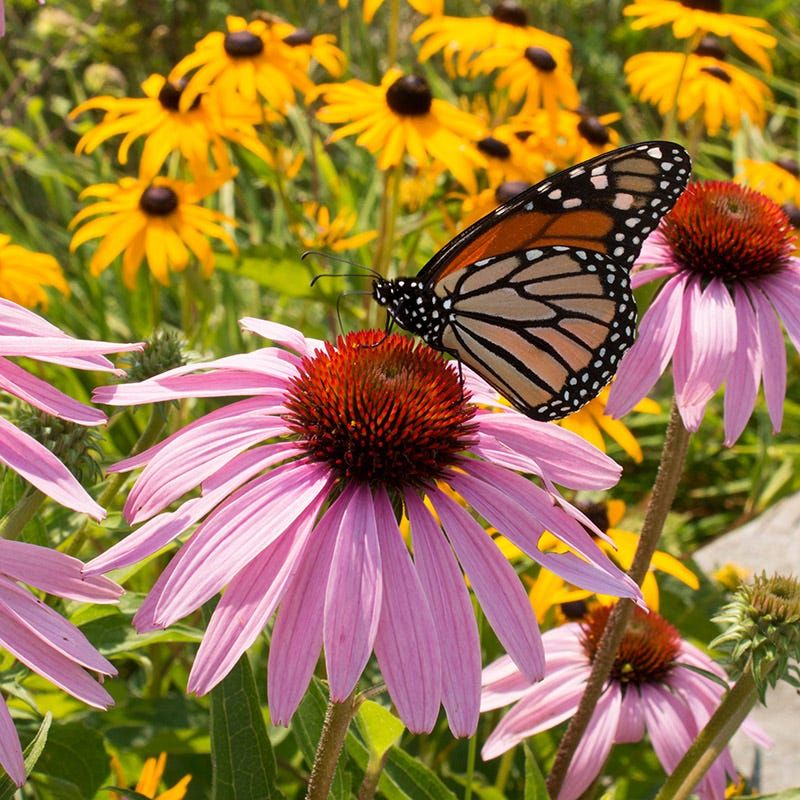
Few flowers look as cheerful in a heat wave as purple coneflower. Its pinkish-purple petals droop around a spiky orange center that bees and butterflies can’t seem to resist.
Native to the eastern half of Texas, Echinacea purpurea likes full sun to light afternoon shade and soil that drains well. Heavy clay can be a problem, so mix in compost or plant on a slight mound if your yard stays soggy after storms.
Leave the seed heads standing after bloom. Goldfinches and other small birds often pick at them through winter, turning a spent flower into a free bird feeder.
3. Fall Aster
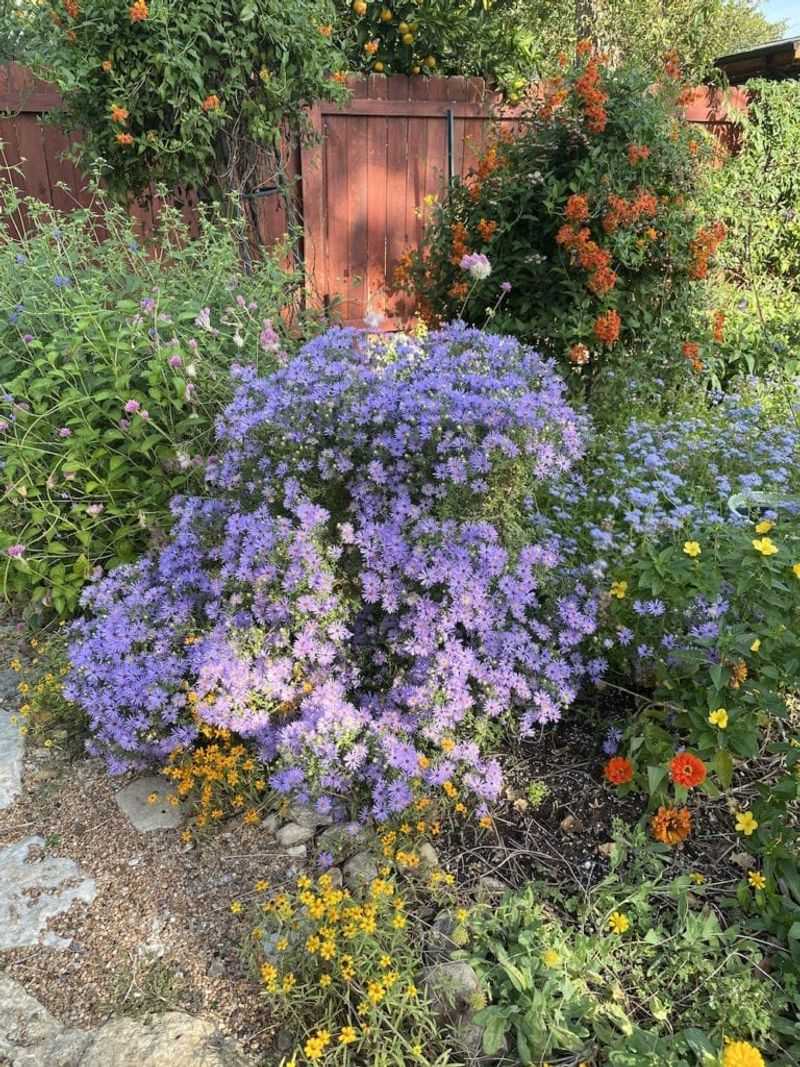
Most of the year, fall aster sits quietly as a low green mound. Then October arrives, and the whole plant explodes into hundreds of tiny purple daisies almost overnight.
Symphyotrichum oblongifolium is one of the toughest picks on this list. It shrugs off rocky soil, limited water, and blazing sun, making it a smart choice for yards under city watering limits.
For a fuller, rounder shape, pinch the tips back a few times before July. Pair it with orange or yellow fall bloomers and you get a late-season show that late-flying pollinators truly need.
4. Prairie Verbena
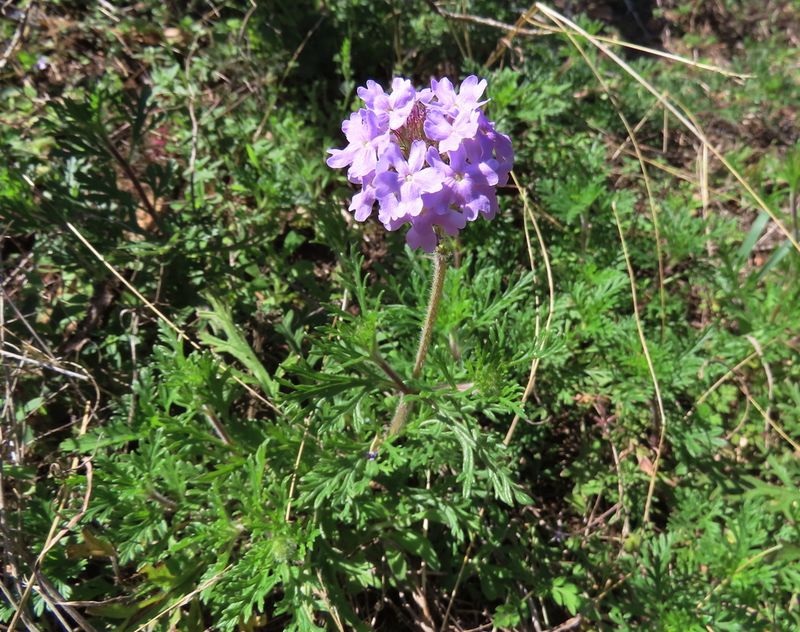
Drive Texas back roads in spring and you may spot purple patches hugging the ground. Much of that color comes from prairie verbena, a scrappy spreader with ferny leaves.
Glandularia bipinnatifida works well as a groundcover along dry edges, rock gardens, and hot slopes where grass struggles. It blooms heavily in spring and often keeps going off and on into fall.
Good drainage is the main rule here. Soggy roots can lead to rot, but a sunny, lean spot usually suits it just fine.
5. Gayfeather
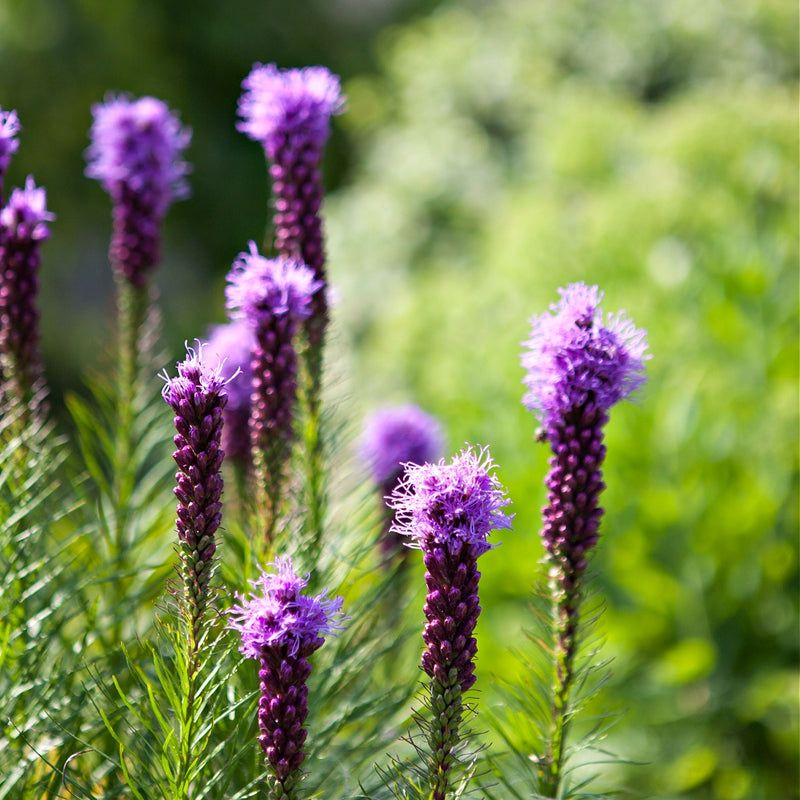
Here’s a fun quirk: gayfeather spikes bloom from the top down, the opposite of most flowering stalks. That upside-down habit makes each wand look like a purple feather duster.
Several Liatris species grow wild across Texas, and they grow from corms or deep roots that help them ride out drought. Fall planting gives those roots time to settle before spring growth.
Tuck a few among native grasses for strong vertical lines. Butterflies love them, and the cut spikes last nicely in a vase too.
6. Rock Rose
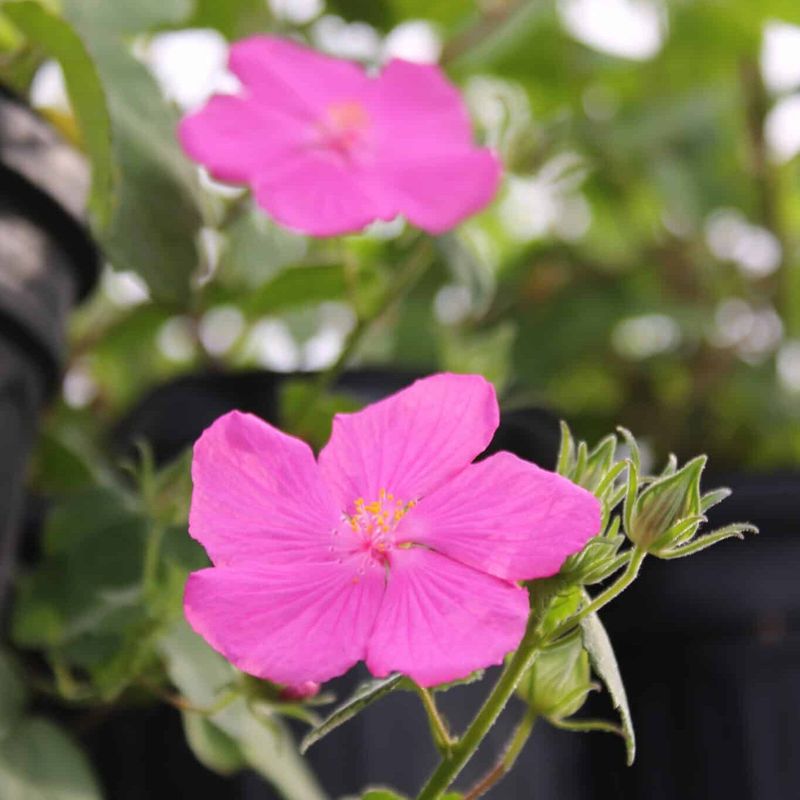
Shade can be hard to fill with color, especially in Texas. Rock rose steps in with small hibiscus-like flowers in a rosy purple-pink, opening from spring until frost.
Pavonia lasiopetala is a small shrubby perennial that handles sun or dappled shade under live oaks. It grows fast, reseeds lightly, and asks for little water once established.
Cut it back by about a third in late winter to keep it from looking leggy. The new growth will fill out quickly when warm weather returns.
7. Mealy Blue Sage
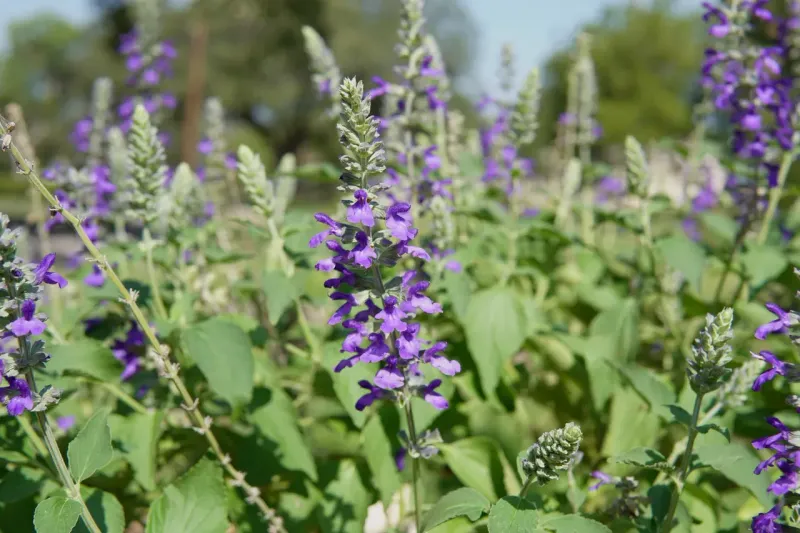
Hummingbirds, bees, and butterflies all line up for mealy blue sage. Its slim violet-blue spikes rise above gray-green leaves from spring well into fall.
Salvia farinacea grows wild on Texas prairies and limestone hills, so it handles heat and dry soil better than many nursery annuals. Deer usually leave it alone, a big plus for Hill Country yards.
Snip off faded spikes during summer to keep fresh blooms coming. A row along a sunny driveway can make a low-water border that looks great for months.
8. Winecup
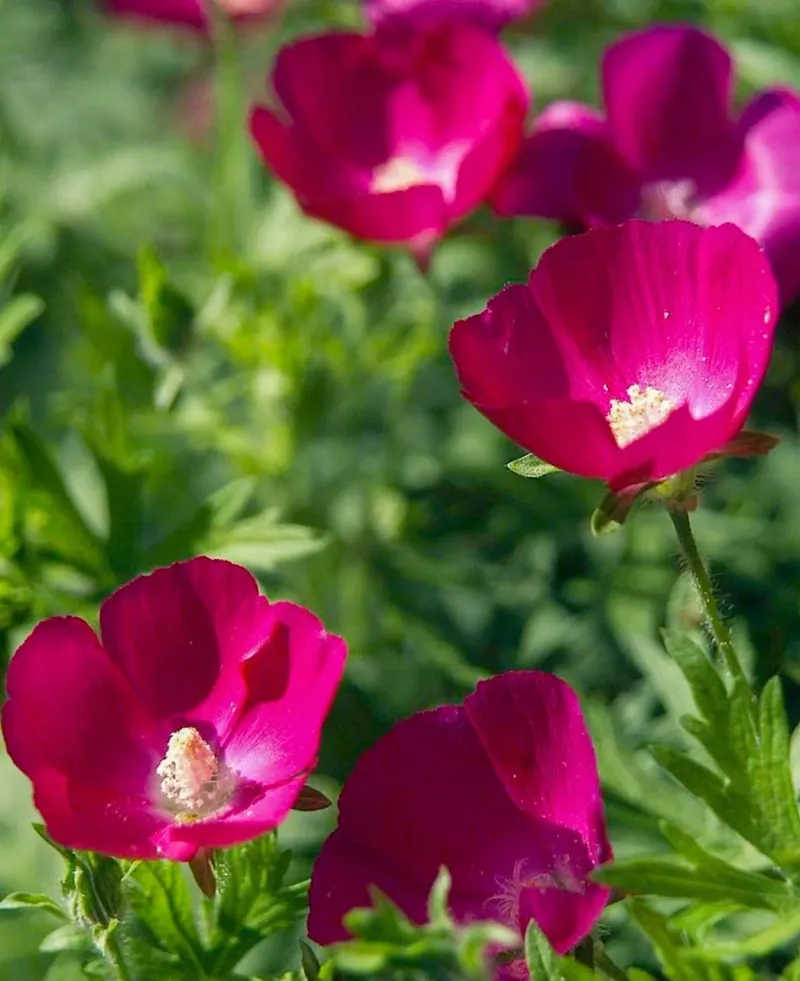
Deep wine-colored cups opening in the morning sun give this wildflower its name. Each bloom closes at night, almost like it’s tucking itself in.
Callirhoe involucrata sprawls along the ground from a thick taproot. That taproot is the secret to its toughness, but it also means you should plant it where it can stay, since it doesn’t like being moved.
Fall is a good time to start it from small plants or seed. Expect the biggest show in spring, with a few bonus blooms when cooler weather returns.
9. Texas Purple Spike
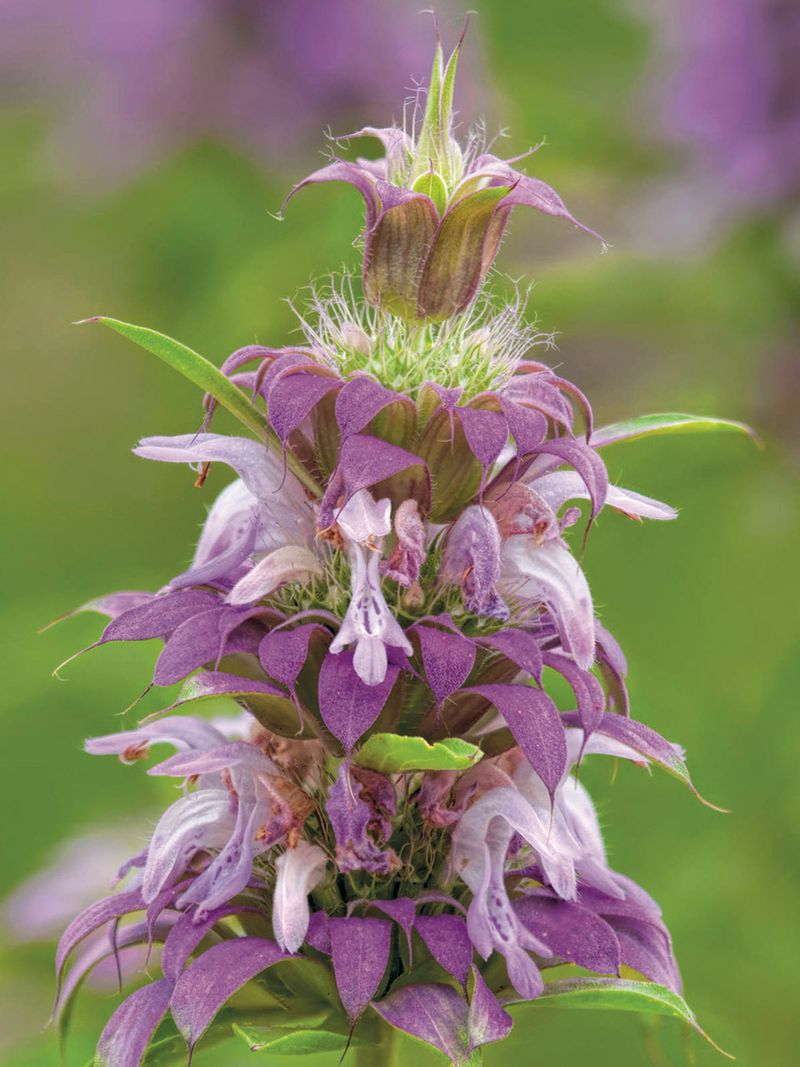
Lemon horsemint, sometimes called purple horsemint, brings something the others don’t: a tiered flower that looks like stacked lavender pom-poms. Crush a leaf and you’ll smell a citrusy, herbal scent.
Monarda citriodora is often grown as a short-lived perennial or reseeding annual, so it keeps coming back by dropping seed each year. Sow it in fall, and it can form spring drifts with almost no help.
Bees especially love it. Let some plants go to seed in summer, and next year’s patch may be even bigger.