
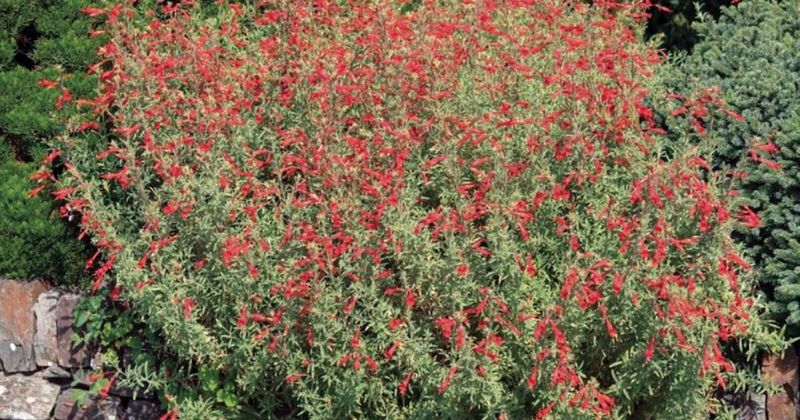
A single shrub with fiery red-orange blooms can make your yard a much more welcoming place for hummingbirds during the toughest stretch of a Texas summer. Flame acanthus, known scientifically as Anisacanthus quadrifidus var. wrightii, thrives in the punishing heat that sends most garden plants into retreat. Understanding what this plant can realistically do, and what it cannot do on its own, helps you set up a yard that genuinely supports these birds rather than just hoping they show up.
Meet the Texas-native flame acanthus shrub
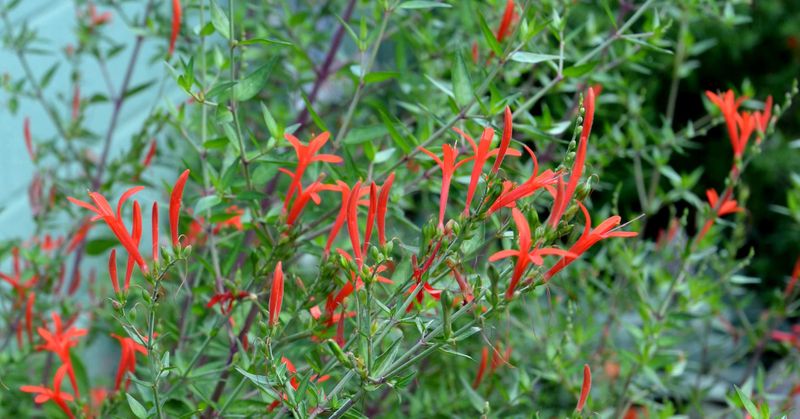
Flame acanthus carries a lot of names. You may see it labeled hummingbird bush or Wright’s desert honeysuckle at a Texas nursery, but its scientific name, Anisacanthus quadrifidus var. wrightii, is the clearest way to confirm you are buying the Texas-native form rather than a related species or cultivar with a similar common name. That distinction matters because performance, cold hardiness, and regional suitability can differ across plants sold under the same casual label.
The shrub earns its popularity through its flowers. From roughly midsummer through the first frost, it pushes out clusters of slender, tubular blooms in a hot red-orange color that stands out sharply against the plant’s fine-textured green foliage. Those narrow tubes are well matched to a hummingbird’s bill, and the blooms keep coming through conditions that shut down most other flowering plants in a Texas landscape.
Texas A&M AgriLife Extension’s native and adapted plants guidance identifies flame acanthus as native to the Edwards Plateau, which covers the Hill Country and surrounding region in central Texas. That means the plant is genuinely native to a specific part of the state, not to every corner of it. Gardeners in Houston, Amarillo, or the Rio Grande Valley may still grow it successfully, but they should treat it as an adapted plant in their region rather than assuming identical performance.
As a summer nectar source in hot, dry Texas landscapes, flame acanthus is a strong candidate worth serious consideration. Call it a promising starting plant, a high-value addition, or a well-suited native for the right site, but resist the impulse to treat one specimen as a complete hummingbird garden. The shrub does one thing very well: it blooms through heat that would stop almost anything else, and it does so with relatively little fuss once it is properly established.
Summer bloom helps, but Texas hummingbirds keep different schedules
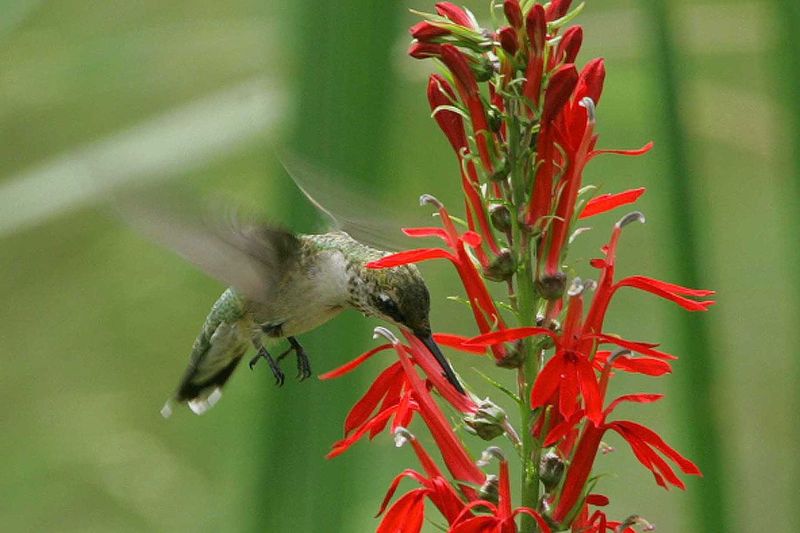
Flame acanthus blooms through the hottest weeks of a Texas summer, which sounds like a perfect match for hummingbird needs. The reality is more layered. Hummingbird presence across Texas follows several overlapping schedules that vary by species, region, and season, and no single plant’s bloom window lines up neatly with all of them.
Texas Parks and Wildlife’s profile of the ruby-throated hummingbird notes that this species is the most common hummingbird in eastern Texas, but its presence is not uniform across the year. Spring migration for ruby-throated hummingbirds typically runs from late March through mid-May, meaning many birds have already moved north through much of Texas before flame acanthus hits its peak summer bloom.
Fall migration tells a different story. Large numbers of ruby-throated hummingbirds funnel toward the Texas Gulf Coast before crossing the Gulf of Mexico, and that concentration creates one of the most dramatic hummingbird-watching events in North America. TPWD migration timing data shows that fall movement can extend from late summer well into October, which overlaps more directly with flame acanthus flowering in many parts of the state.
Texas also hosts resident and wintering hummingbirds beyond the ruby-throated, including black-chinned, buff-bellied, and several western species that appear with varying regularity depending on where you live. A gardener in the Trans-Pecos sees a very different set of visitors than someone in the Pineywoods or along the coast. Summer bloom from flame acanthus adds real nectar value during the heat season, but whether that nectar meets a hummingbird depends heavily on which birds are in your area and when they are moving through.
Planting flame acanthus is a practical way to keep something flowering when few other plants will cooperate with the Texas heat. Framing it as one piece of a longer seasonal effort, rather than a guaranteed magnet, keeps expectations grounded in how Texas hummingbirds actually travel.
Choose a site that supports strong summer growth
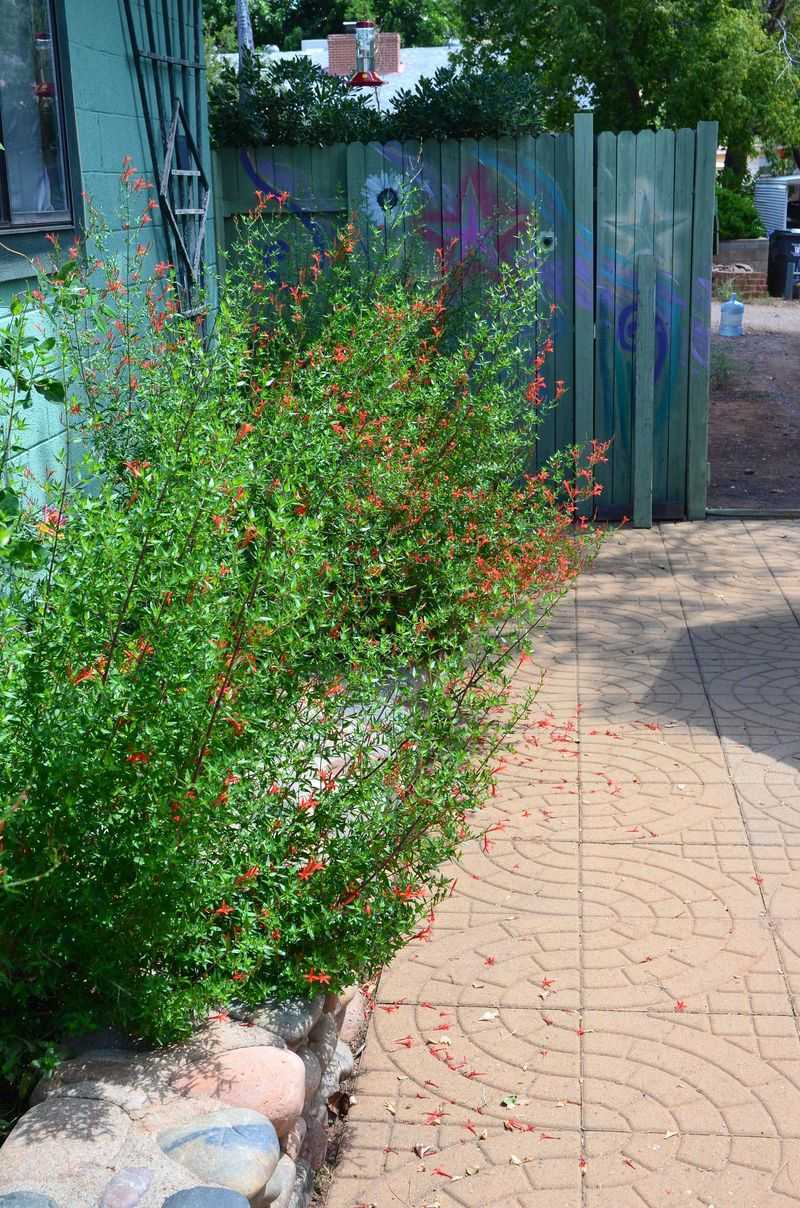
Where you put flame acanthus shapes nearly everything about how it performs. Full sun is the sweet spot, giving the plant the energy it needs to push out new growth and flowers through the summer. Part shade is workable, particularly in areas where afternoon sun is especially brutal, but expect fewer blooms as light decreases. Shade beyond that threshold tends to produce a leggy, underperforming shrub that rarely shows off its best flowering.
Soil drainage matters at least as much as sunlight. Flame acanthus is adapted to the rocky, thin soils of the Edwards Plateau, which drain quickly and never stay soggy. Heavy clay soils that hold water around the roots can cause problems, especially during wet spells. Amending a clay planting bed with coarse sand or decomposed granite, or choosing a raised bed or sloped site, gives roots the sharp drainage this plant prefers.
Plan for a mature size of roughly 3 to 5 feet tall and wide, though conditions in your specific yard will influence that range. Give the plant room to spread without crowding, and position it where its blooms are visible from a window or seating area so you can actually watch for hummingbirds when they arrive. Reflected heat from a south- or west-facing wall does not intimidate flame acanthus the way it would most ornamentals, making it a practical choice for spots where other plants struggle.
Gardeners outside the Edwards Plateau should check regional performance before assuming the plant will behave identically in their landscape. The Texas A&M Earth-Kind Plant Selector helps match plants to local heat, soil, and water conditions across different Texas regions, which is a smarter starting point than assuming that any Texas-associated plant performs the same from the Panhandle to the Gulf Coast. Siting flame acanthus correctly from the beginning avoids the frustration of a plant that survives but never really thrives.
Treat drought tolerance as an established-plant trait
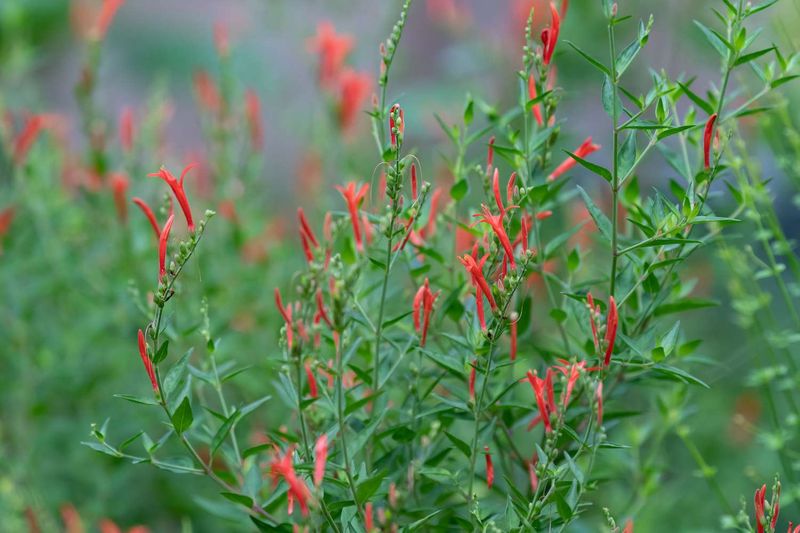
“Drought tolerant” is one of the most misapplied phrases in Texas gardening. For flame acanthus, it describes what the plant can handle once its roots have had time to spread into the surrounding soil, not a property that kicks in the moment you pull it out of a nursery container. A newly planted shrub sitting in triple-digit Texas heat without supplemental water is under serious stress, and that stress can set back establishment, reduce flowering, or kill the plant outright.
Water new flame acanthus regularly through its first growing season. Deep, infrequent watering encourages roots to reach down rather than staying near the surface, which builds the drought resilience the plant is known for. A general rule is to water thoroughly every few days during hot, dry weather in the first summer, then stretch intervals as the plant shows signs of vigorous new growth. Mulching around the base helps retain soil moisture and moderates root-zone temperature during the most punishing weeks.
Texas Master Gardener plant guidance lists flame acanthus as blooming from June through October, but that window reflects established plants in favorable conditions. Winter damage, an unusually dry spring, or pruning at the wrong time can all push back or reduce flowering. The shrub is known for emerging late in spring, sometimes frustratingly late, so resist pulling it out before you have given it a fair chance to break dormancy.
Early spring is the right time for shearing or cutting the plant back hard if it has grown out of shape or suffered freeze damage. That pruning encourages fresh growth from the base and often results in a tidier, more floriferous plant by summer. Texas A&M’s native plant documentation confirms its characterization as very drought tolerant, but that label applies most reliably to established plants in well-drained soil with adequate light. Even a well-adapted shrub can reduce flowering during a prolonged drought, so occasional deep watering during extended dry spells keeps the blooms coming through summer.
Observed use does not prove hummingbird preference
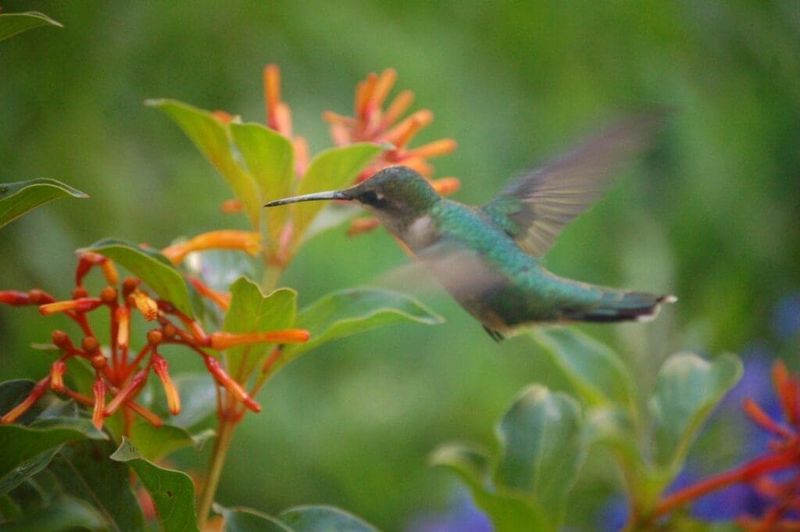
Hummingbird gardening forums and plant tags often present flame acanthus as a proven hummingbird favorite, and the bird-use data behind that reputation is real but limited in what it actually tells us. The Texas Hummingbird Roundup, a statewide volunteer observation program run by Texas Parks and Wildlife, collected years of data on which plants observers saw hummingbirds visiting. Flame acanthus appeared on the list alongside autumn sage, Turk’s cap, coral honeysuckle, cuphea, trumpet vine, and several others.
The Hummingbird Roundup final report explicitly states that its observations cannot establish plant preference because volunteers did not record how many plants of each species were available or how abundant those plants were across the observation sites. A hummingbird visiting flame acanthus frequently in one neighborhood may simply reflect that flame acanthus is the most common flowering plant in that area, not that the bird prefers it over other options.
What the data does confirm is that hummingbirds use flame acanthus when it is available and blooming. That is meaningful and worth acting on. A shrub that produces abundant nectar through hot conditions and that birds have been documented visiting is a sensible addition to any Texas garden where the climate and site conditions support it.
Local bird presence plays a larger role in whether you see hummingbirds than any individual plant choice. If ruby-throated hummingbirds are not moving through your part of Texas during the bloom window, or if resident birds have not established a circuit in your neighborhood, even the most nectar-rich garden may go unvisited for stretches. Weather, competition from other nectar sources, and the overall habitat quality of your yard and the surrounding area all factor into whether birds show up and how often they return. Flame acanthus can contribute meaningfully to those conditions without being the single variable that determines the outcome.
Use flame acanthus as one layer of a living habitat
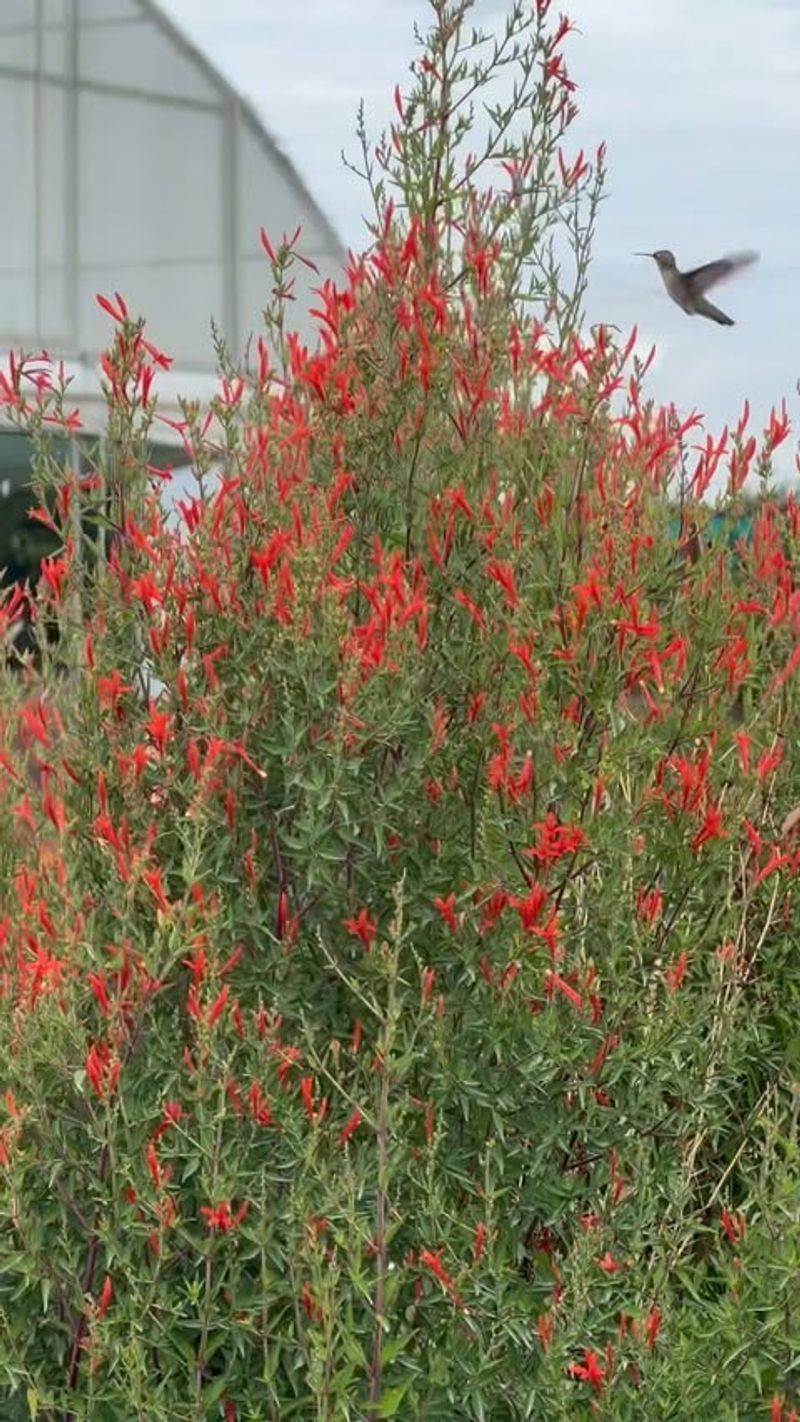
A single flame acanthus specimen produces nectar, but a yard that hummingbirds return to reliably offers more than one food source. Staggering bloom times across several plants means that when one species finishes or takes a pause during extreme heat, another is ready to pick up the slack. Texas Parks and Wildlife’s hummingbird garden guidance recommends exactly this approach, listing autumn sage, Turk’s cap, lantana, trumpet vine, yellow bells, crossvine, and coral honeysuckle alongside flame acanthus as plants worth combining for overlapping seasonal coverage.
Turk’s cap, Malvaviscus arboreus var. drummondii, deserves special attention as a companion plant. Texas Parks and Wildlife magazine’s coverage of Turk’s cap notes that it can begin flowering as early as April or May and may bloom intermittently through summer, making it a useful bridge between spring and the peak heat season. Its standout quality for many Texas gardeners is that it flowers reliably in shade, which opens up spots in the landscape where flame acanthus would underperform.
Nectar is only part of what hummingbirds need from a yard. These birds eat small insects and spiders to meet their protein requirements, and a garden that relies heavily on broad-spectrum pesticides may be stripping out that food supply even while offering abundant flowers. Audubon’s guidance on hummingbird-friendly yards recommends reducing or eliminating pesticide use in areas where hummingbirds feed, along with providing perches, shelter from predators and weather, and a reliable water source.
Perches matter more than many gardeners realize. Hummingbirds spend a surprising amount of time sitting still, surveying territory and resting between feeding bouts. A dead branch, a thin wire, or an exposed twig near the garden gives them a place to do that. Shelter from dense shrubs or small trees lets birds escape heat and predators.
Combine those elements with overlapping nectar plants and an insect-friendly approach to pest management, and flame acanthus becomes one productive layer of a yard that genuinely functions as habitat.
Make the practical decision without making a promise
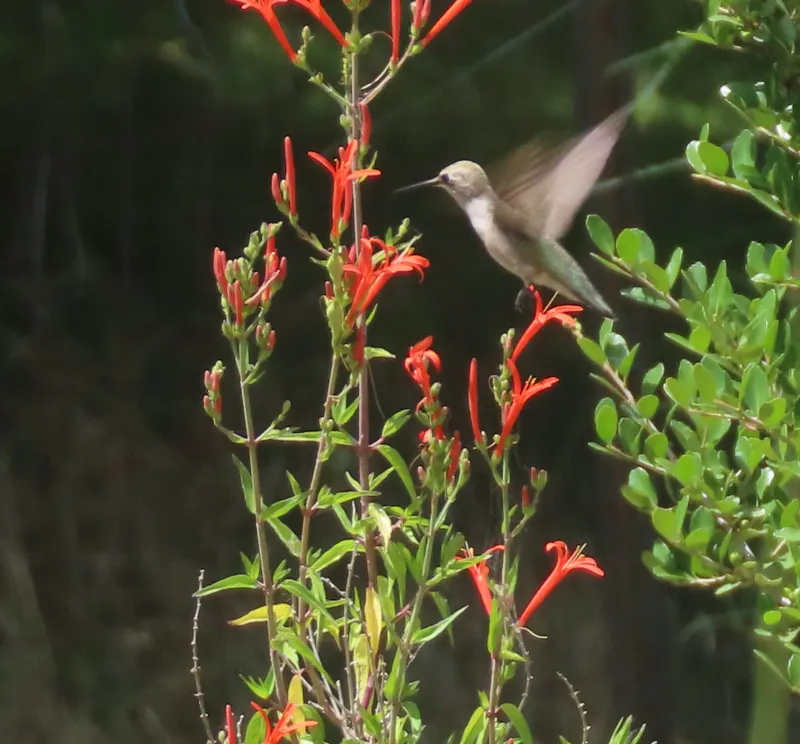
Choosing flame acanthus for a Texas garden is a reasonable, well-supported decision for the right site. Buy the correctly identified Anisacanthus quadrifidus var. wrightii from a reputable Texas native plant nursery, confirm that your site offers full sun to part shade and sharp drainage, and commit to consistent establishment watering through the first summer. Texas A&M’s native plant documentation backs its heat tolerance and summer performance, and those qualities are real once the plant is properly rooted in.
Pair it with other nectar sources that cover spring, late summer, and fall so that your yard offers something through a longer seasonal window. Add insect-friendly practices, a water source, and some perching spots to give visiting birds reasons to linger. TPWD’s hummingbird garden recommendations consistently point toward this multi-element approach rather than relying on any single plant to carry the whole effort.
What flame acanthus cannot do is guarantee that hummingbirds will visit your yard or turn it into a regular stop on their circuit. The Hummingbird Roundup data confirms that birds use it, not that they seek it out above all other options. Local bird populations, migration patterns, surrounding habitat, weather, and the overall richness of your garden all determine whether hummingbirds show up and how often they come back.
A realistic expectation looks like this: a well-sited, established flame acanthus blooming through a Texas summer improves your yard’s value as hummingbird habitat and raises the odds that passing or resident birds will stop. That is a genuinely useful outcome, even without a guarantee attached to it. The most rewarding hummingbird gardens are built on a solid foundation of native plants and ecological thinking, and flame acanthus is a strong place to start.