
Red cardinals against a green Florida backyard make anyone look twice. Many homeowners wonder if a single native tree could bring them closer.
Parsley hawthorn is one Florida native that offers fruit and cover for songbirds, but it comes with some real limits. Here is what it can do, where it fits, and how to plant it this fall.
Parsley Hawthorn Is One Florida-Native Option
Garden centers and plant lists use the word hawthorn loosely, and that causes trouble. Hawthorn is a whole genus, and its species differ in size, fruit, thorniness, and how well they suit Florida.
Some hawthorn species and cultivars are not even native to North America, so the botanical name matters. Parsley hawthorn, Crataegus marshallii, is the one worth a closer look here.
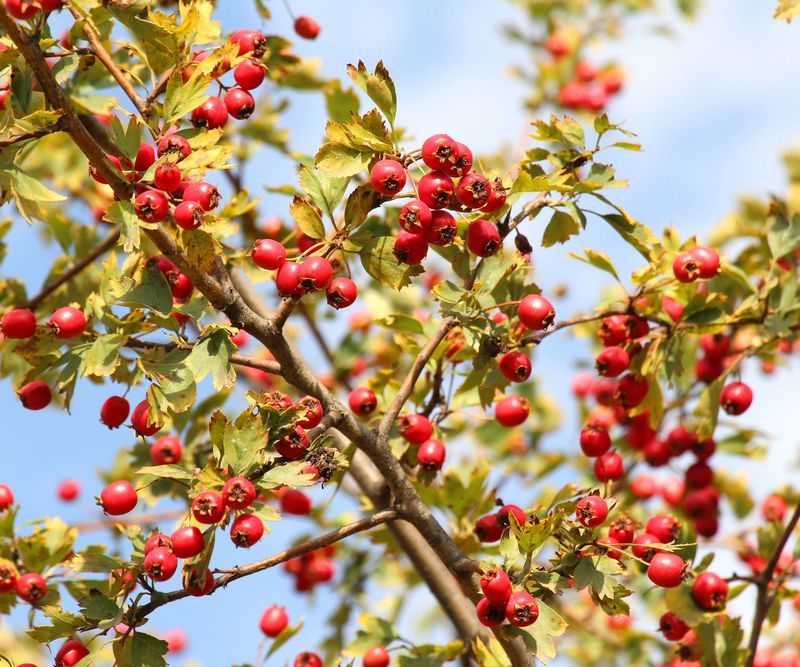
According to UF/IFAS, parsley hawthorn is a small southeastern native tree that can reach about 20 feet. Its red fruit ripens in autumn and can hang on into winter, which makes it a visible feature in the cooler months.
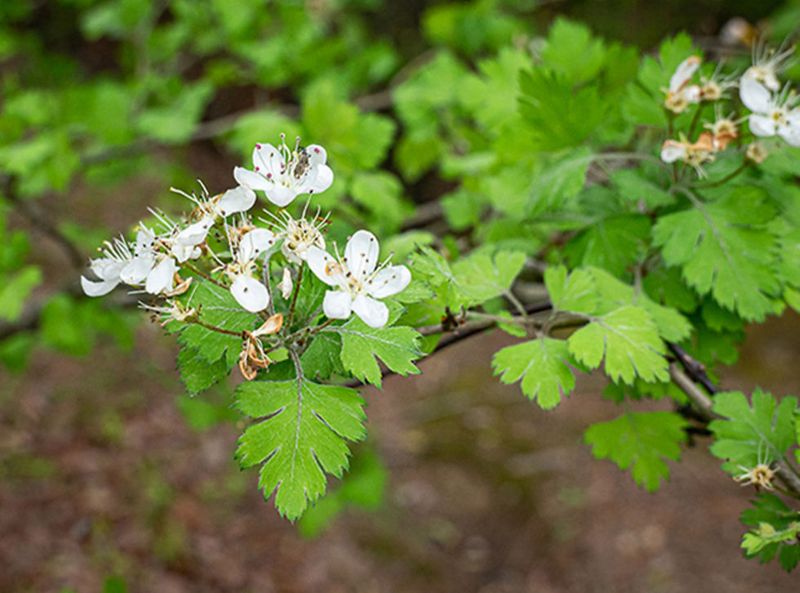
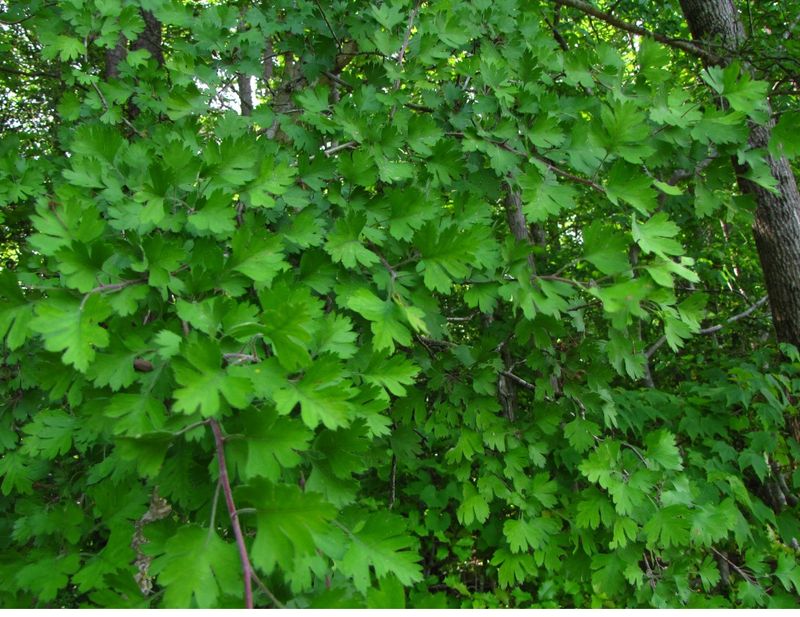
The leaves are deeply lobed, which gives the tree its parsley-like name.
Keep the expectations modest. Parsley hawthorn is one possible native choice for the right site, not the single best tree for cardinals.
Florida has many native fruiting trees and shrubs, and cardinals eat a varied diet. Before buying, check the plant tag for Crataegus marshallii and confirm the species with the nursery, since UF/IFAS Leon County Extension notes that hawthorns vary quite a bit from one kind to another.
Fruit and Branches Can Support Birds
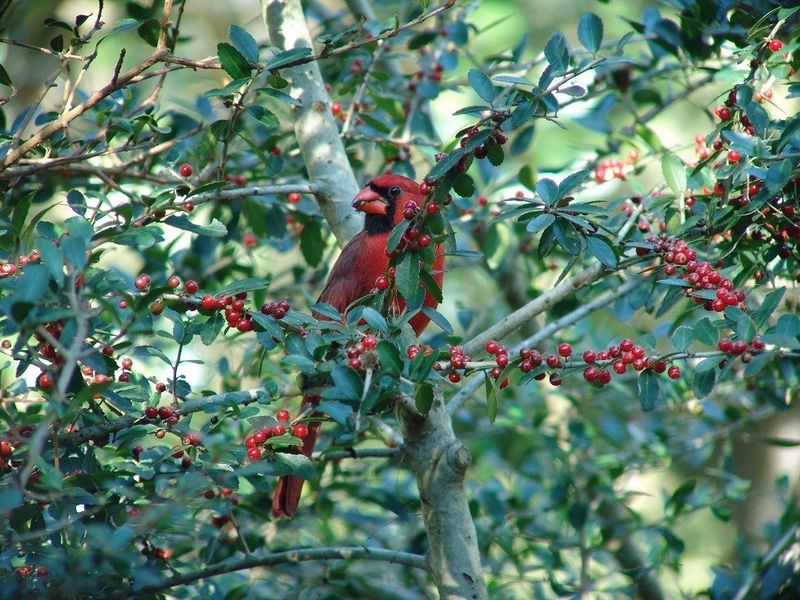
Winter is lean for many backyard birds, and that is where this tree earns its keep. UF/IFAS reports that songbirds use parsley hawthorn fruit, especially in winter, and that many songbirds use the tree for shelter and nesting.
That is a statement about songbirds in general, not about cardinals in particular.
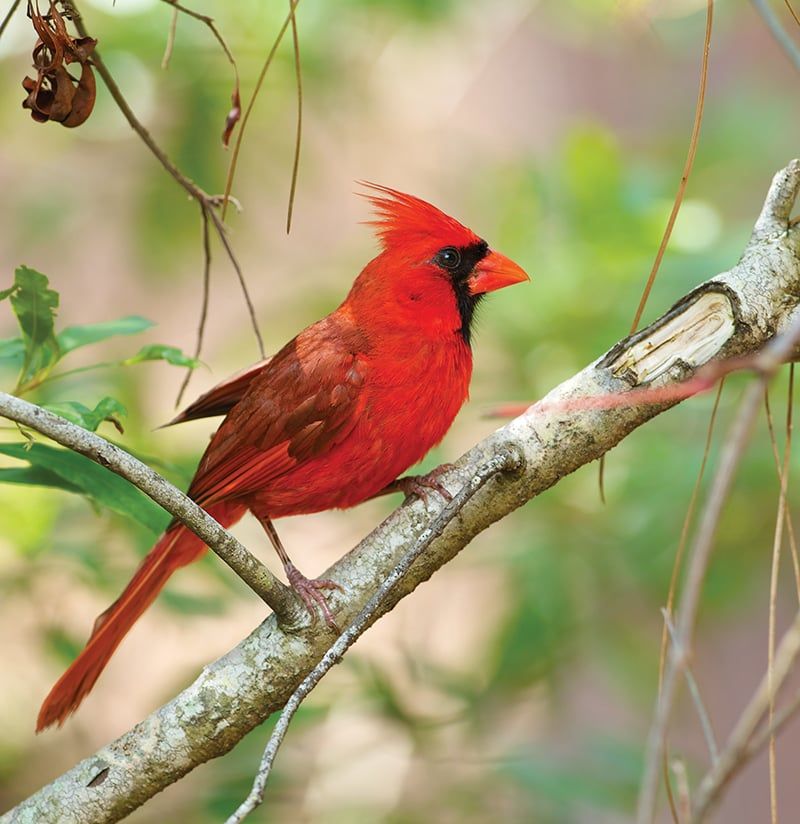
Cardinals have habits that line up with those features. Audubon notes that cardinals eat berries and wild fruits, often forage on the ground or in low bushes, and usually nest in dense shrubs, vines, or low trees.
A small tree with fruit and tangled branches fits that picture on paper.
Still, a good fit is not a promise. No source shows that cardinals depend on parsley hawthorn fruit, or that planting one brings more of them to a yard.
Think of the tree as one more piece of habitat. Cardinals also respond to shrubs, seed sources, water, and the quiet of a yard with plenty of cover, so the tree works best as part of a layered planting rather than a lone attraction.
Check the Site Before You Plant
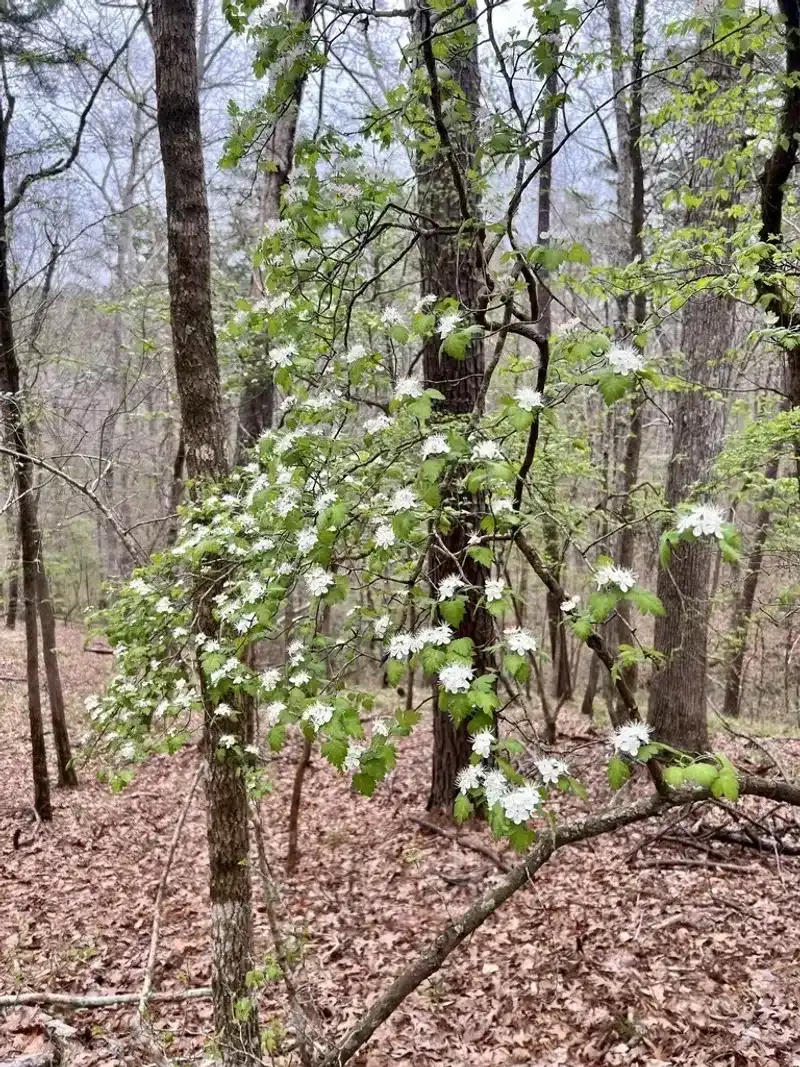
Walk your yard before you shop. UF/IFAS places parsley hawthorn in open to partly shaded areas along moist floodplain edges, riverbanks, and wet woodlands.
If you have a low corner that stays damp after rain, a pond edge, or a swale, that is the kind of spot to picture.
A dry, sandy ridge is a different story. The source describes moist habitats and does not show that the tree will thrive in every dry, sandy Florida yard.
Native does not mean it fits everywhere. If your soil drains fast and rarely stays wet, ask a local extension office whether another native suits the spot better.
Then think about thorns. Parsley hawthorn has thorny stems, and UF/IFAS Leon County Extension warns that hawthorn thorns can be substantial.
Keep the tree away from paths, play areas, mailboxes, and any place people brush past. A back corner of the yard, with room for about 20 feet of height, is a safer home.
You can read the full habitat description in the UF/IFAS parsley hawthorn profile before you decide.
Fall Planting Supports Establishment, Not Instant Results
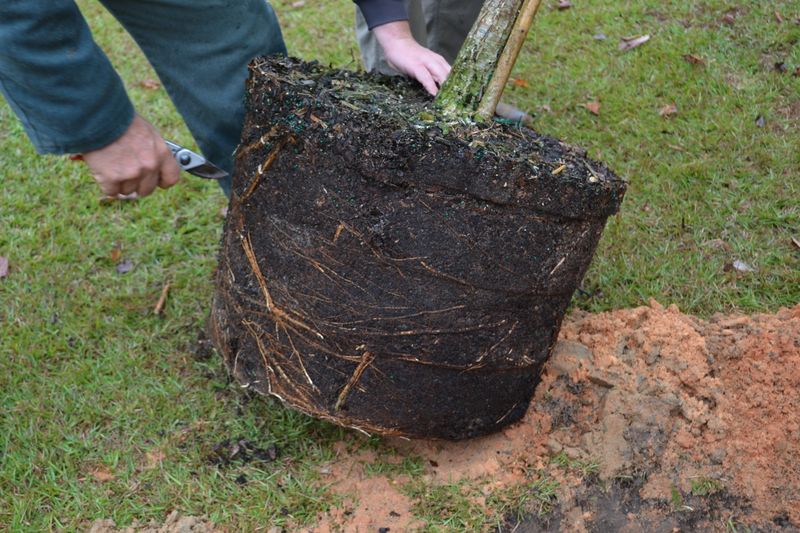
Autumn gives a new tree a head start. UF/IFAS Duval County Extension says fall planting lets trees settle in before spring drought and summer heat arrive.
Roots can grow while the weather is milder.
The same guidance lays out simple steps. Plant slightly high, so the top of the root ball sits a bit above the surrounding soil.
Check the roots and correct any that circle the pot, since those can keep strangling the tree as it grows. Then water during establishment so the roots have steady moisture while they spread.
Here is the catch. These steps help the tree get established, and that is all they do.
Fall planting does not guarantee the tree survives, bears fruit that season, or draws birds. Parsley hawthorn also likes moist ground, as the UF/IFAS profile describes, so match the site first and keep up the watering through the first dry spells.
Treat the planting as groundwork. Mulch the area, mark the tree so mowers steer clear, and check it after dry stretches.
Treat Bird Benefits as a Longer-Term Possibility
A nursery tree is young, and young trees take time. The sources do not say when parsley hawthorn first bears fruit, so any timeline would be a guess.
You may wait several seasons before you see much fruit, and the tree will not do much for birds on day one.
As it grows, it can offer food and cover. UF/IFAS describes songbird use of its fruit and branches, so the potential is real once the tree matures.
Cardinal presence, though, depends on more than one species. Audubon notes that cardinals eat a varied diet and use dense shrubs, vines, and low trees for nesting.
So build around the tree. Add native shrubs and keep some tangled growth low to the ground, since cardinals forage low.
Skip heavy pesticide use and keep cats indoors if you can. Nobody can promise daily sightings or a measured rise in visits from planting this tree, but a yard with more food and cover gives birds more reasons to stop by.
Choose It for the Yard You Have
Here is a simple rule: consider parsley hawthorn if you have a moist, open or partly shaded spot, room for a tree around 20 feet tall, and a place for thorny branches away from foot traffic. It can offer fruit and cover for songbirds, and its features suit some cardinal habits, according to Audubon.
If your yard is dry and sandy, look to other natives instead.
A tree can open the door, but the birds decide who walks through it.