
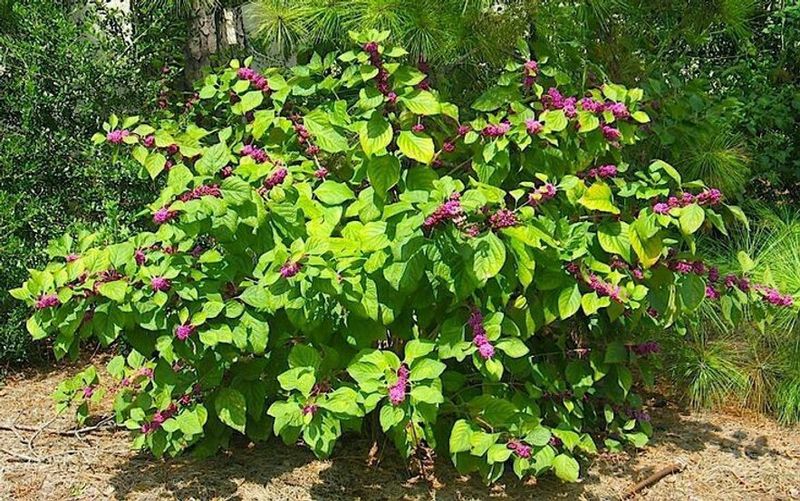
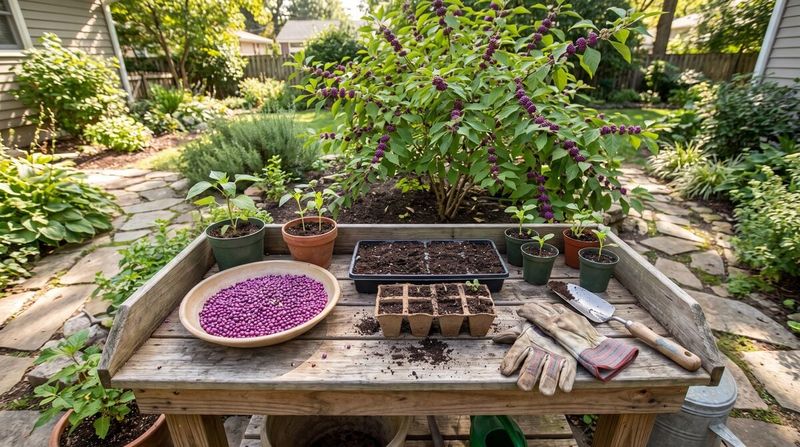
American beautyberry is a native North Carolina shrub that produces clusters of brilliant purple fruit every fall, drawing songbirds and small mammals to wooded yard edges across the Piedmont and Coastal Plain. Some gardeners have heard it called a tick-repelling shrub, and there is real science behind that claim, but the full story is more complicated than the headline suggests. Planting it this fall is a genuinely good idea for wildlife and yard structure, but knowing exactly what it can and cannot do will help you get the most out of it.
Reframe the claim around American beautyberry
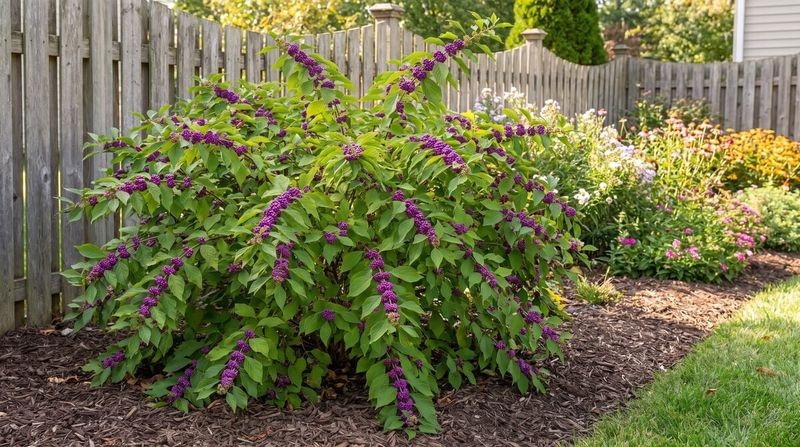
American beautyberry, Callicarpa americana, is the plant at the center of the tick-repellency conversation, and sorting out what is actually known about it starts with getting the species right. This is not Japanese beautyberry (Callicarpa japonica) or a generic garden variety. NC State Extension’s native plants guidance identifies American beautyberry as native to North Carolina, suited to the Piedmont and Coastal Plain, and a genuinely useful choice for a wildlife-friendly yard edge.
The shrub grows roughly 3 to 8 feet tall and 3 to 6 feet wide, with long, arching branches that give it a loose, open silhouette rather than the tidy, clipped look of a formal hedge. According to the NC State Extension Gardener Plant Toolbox profile for beautyberry, it thrives in full sun to partial shade and produces clusters of bright purple fruit along its stems each fall. Those berries are eaten by songbirds, white-tailed deer, and small mammals, making it a productive addition to a wildlife planting rather than just a decorative one.
What beautyberry is not is a pest-proof wall or a set-it-and-forget-it solution. Calling it a tick barrier implies a level of field-tested protection that the available research does not support for a living, planted shrub. The more accurate promise, and still a worthwhile one, is that a well-placed row of beautyberry provides native wildlife habitat along a managed yard edge, requires routine establishment care for the first year or two, and gives North Carolina homeowners a native plant with real ecological value. That is a strong enough reason to plant it without overstating what it does to ticks.
Laboratory repellency does not create a living tick barrier

The tick-repellency claim traces back to a specific piece of research, and reading it carefully changes how you should think about planting beautyberry for pest protection. A 2007 study published in the Journal of Medical Entomology identified two terpenoid compounds, callicarpenal and intermedeol, isolated from beautyberry leaves. Researchers applied these extracted compounds to cloth and released ticks onto a treated fingertip in a controlled laboratory setting. They were not testing a shrub growing in a yard, crushed leaves scattered along a property line, or a planted hedge of any kind.
The results were notable under those controlled conditions, particularly for blacklegged tick nymphs, where callicarpenal repelled about 98 percent of tested individuals at the concentration used. Against lone star tick nymphs, the same compound performed much less consistently and required a higher dose to show any meaningful effect. That distinction matters for North Carolina homeowners because both species are present in the state. North Carolina tick-borne disease surveillance data confirms that lone star ticks are active across much of the state, including the Piedmont and Coastal Plain, so a compound with inconsistent results against that species cannot be described as a general tick repellent for the region.
The gap between a laboratory cloth assay and a real yard is wide. Isolated compounds applied at a measured concentration on treated fabric behave very differently from whatever trace chemistry a growing shrub releases into the surrounding air and soil. No published study tested whether planting a row of beautyberry, brushing against its leaves, or placing crushed foliage near a lawn edge reduced tick encounters in a residential setting. Beautyberry is worth planting for its wildlife value and its native credentials, but treating the laboratory finding as proof of yard-level tick control stretches the science past its actual limits.
Choose a bright, manageable wooded-edge site
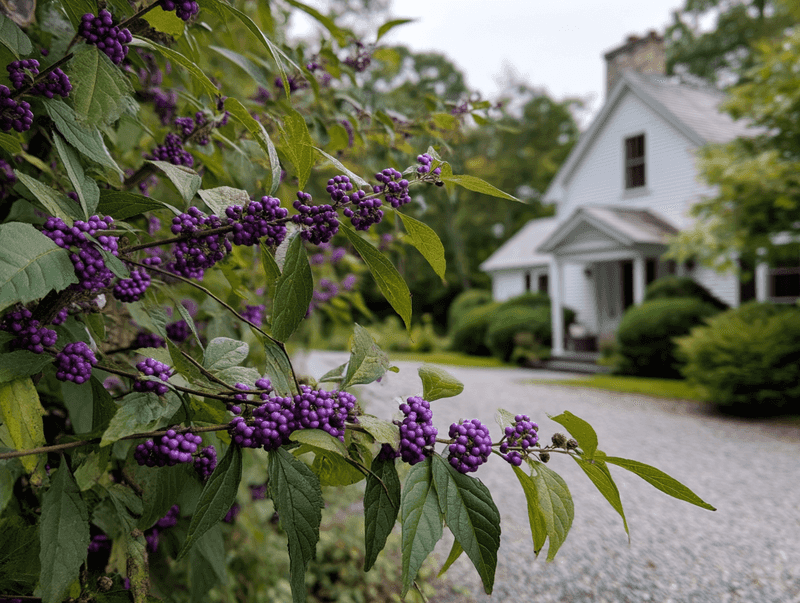
Picking the right spot for beautyberry is about more than light levels. The shrub performs best in full sun to partial shade, and NC State’s beautyberry profile notes that deep shade tends to limit its growth and fruit production. A site along a wooded edge where it receives direct morning sun and some afternoon shade is close to ideal across much of the North Carolina Piedmont and Coastal Plain. Avoid spots where standing water collects after rain, since the shrub does best with reasonably good drainage.
The arching habit of a mature plant, which can reach 3 to 6 feet wide, means it needs room to spread without immediately crowding a walkway, play area, or deck. NC State’s woody ornamentals guidance emphasizes giving shrubs adequate space at planting so they can develop naturally rather than requiring constant corrective pruning. Planting too close to a frequently used lawn area also creates a management problem: an unmanaged, densely vegetated strip right next to where children play or adults sit is not a tick-reduction strategy.
CDC guidance on tick prevention recommends keeping play equipment, decks, and patios away from lawn edges and wooded areas, and clearing brush around homes and lawn perimeters. Beautyberry fits well as one component of a maintained transition zone, but that zone should stay managed, not become a dense, neglected strip of vegetation. Position the planting where you can still mow the lawn edge nearby, remove leaf litter each season, and access the shrubs for watering and weed control during the first couple of years. A bright, accessible site is a better choice than a shaded, hard-to-reach one, both for the plant and for the yard practices that actually support reduced tick exposure.
Use late fall to support root establishment
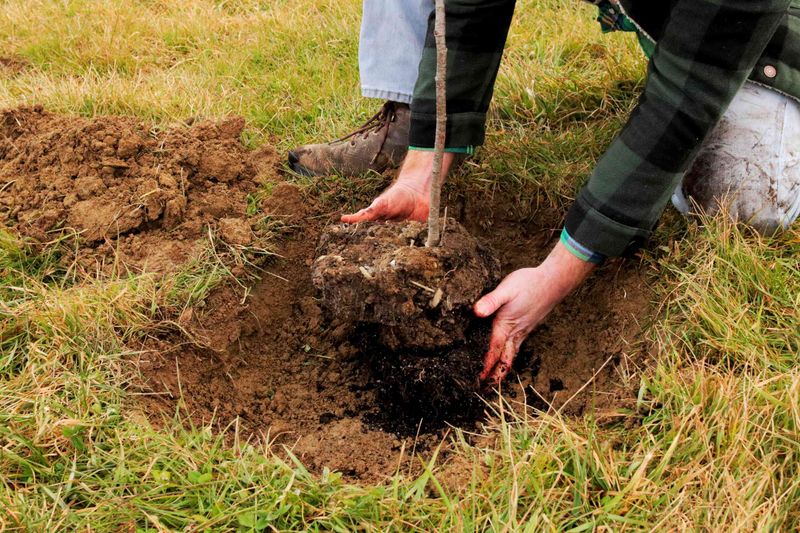
Late fall is a practical planting window for container-grown woody plants in North Carolina, and beautyberry is a good candidate for it. Once air temperatures drop and the shrub has begun to go dormant, the top of the plant is under far less stress than it would be in summer heat. Roots, however, can keep growing in the soil as long as the ground stays workable, which in the Piedmont and Coastal Plain often means well into November and sometimes December. That root growth during a relatively low-stress period is the main reason NC State’s woody ornamentals handbook recommends late fall or early spring for most container-grown shrubs.
Bed preparation matters more than most gardeners expect. When you are planting a row of shrubs rather than a single specimen, preparing the entire planting bed is more effective than amending individual holes in isolation. For compacted soil, NC State recommends incorporating 1 to 3 inches of well-aged organic matter into the top 12 inches of the bed. That improvement helps drainage, encourages root spread, and gives the plants a more consistent growing environment across the whole row.
For the individual planting hole, dig it no deeper than the root ball and at least two to three times wider. A wide, shallow hole lets roots spread outward into loosened soil rather than circling in a tight column. Set the plant at the same depth it was growing in the container, or very slightly above grade if your soil drains slowly. Placing the crown even a half-inch too deep in heavy clay can cause problems over time.
Once the plant is positioned and backfilled, water thoroughly to settle the soil around the roots and eliminate air pockets. That first deep watering is not optional, even if rain is in the forecast, because surface moisture does not always penetrate to the full root zone of a newly set plant.
Plan spacing for an open border, not an instant screen
Spacing beautyberry for a massed planting comes down to a straightforward tradeoff between speed and cost. Based on the shrub’s listed mature width of 3 to 6 feet, a practical planning estimate for a border row is roughly 3 to 5 feet on center. That range is an editorial inference from NC State’s published mature-width data, not a prescribed spacing formula from a published planting guide, so treat it as a starting point rather than a hard rule.
Tighter spacing, say 3 feet on center, means the plants will begin to touch sooner and visual gaps will close faster. The downside is that more plants competing for water and nutrients in the same stretch of bed increases your establishment workload and your upfront cost. NC State’s planting guidance notes that spacing depends on plant size and growth rate, and that crowded plants often require more corrective attention later. Wider spacing at 4 to 5 feet on center costs less up front and reduces establishment competition, but it also means visible gaps in the border for a longer period.
Either way, expect an open, arching line of shrubs rather than a tight wall. Beautyberry has a loose, spreading habit that does not lend itself to a clipped, formal look, and no published source documents a fall-planted beautyberry row knitting into a dense border by the following spring. NC State’s woody ornamentals handbook provides mature dimensions and establishment guidance, but it does not promise a specific timeline for visual closure. A realistic frame is that your border will look progressively more established over two to three growing seasons, with the pace depending on plant size at purchase, spacing, light, soil quality, and how consistently you water during the first year or two.
Water, weed, and mulch during establishment
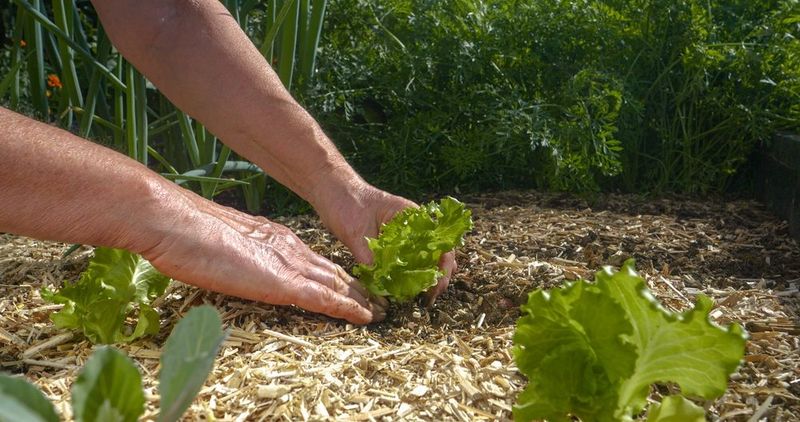
Calling beautyberry low effort is only fair once it is fully established, and that point is at least a full growing season away from planting day. NC State’s native plants handbook is clear that even native species need consistent attention after planting, and that watering during the first few weeks is especially critical. A newly planted shrub has a limited root system and cannot pull moisture from the surrounding soil the way an established plant can, so dry spells that a mature beautyberry would shrug off can set back or kill a first-year plant.
As a general target, plan to water regularly through the first three months or until the plant shows signs of active new growth and begins drawing on soil moisture on its own. Adjust that schedule based on rainfall, your soil type, and whether a drought stretches into fall or winter. NC State’s planting and lawn guidance recommends regular irrigation for newly established plants and notes that weed control is particularly important during the first year or two, when young shrubs are most vulnerable to competition for water and nutrients. Weeds that go unchecked in a new bed can slow establishment noticeably.
Mulch helps with both of those challenges at once. Apply roughly 2 to 3 inches of organic mulch, such as shredded hardwood or pine bark, over the root zone of each plant after planting. NC State’s woody ornamentals guidance recommends keeping at least 6 inches of clearance between the mulch and the stems or crown of the shrub. Piling mulch directly against the base holds moisture against the bark, which can encourage rot and pest problems over time.
A proper mulch ring conserves soil moisture, moderates soil temperature, and suppresses weed germination, which together reduce how often you need to water and weed during that critical first season.
Protect spring growth by postponing heavy pruning
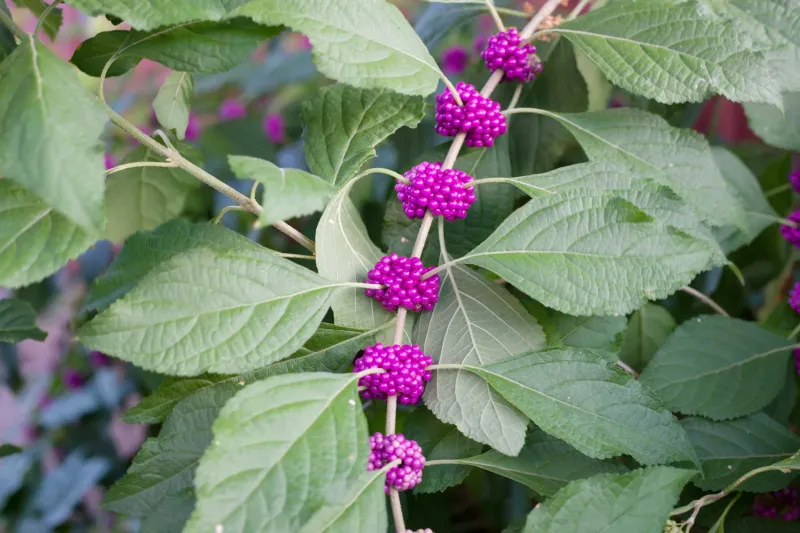
Reaching for the loppers right after planting is a common impulse, especially when a shrub looks straggly or uneven coming out of a container. With beautyberry, that impulse is worth resisting. The shrub flowers and fruits on new growth produced each season, which means any branch you cut in fall is a branch that will not contribute to next year’s berry display. Beyond the fruit loss, NC State’s beautyberry profile recommends late-winter pruning to about 1 foot above the ground when rejuvenation pruning is needed, not fall cutting.
The timing matters for another reason. NC State’s general pruning guidance warns that pruning in late summer or fall can stimulate a flush of tender new growth that has no time to harden off before cold weather arrives. That soft growth is vulnerable to frost damage, which can set back an already newly planted shrub. Allowing the plant to go dormant on its own schedule, without a pruning stimulus pushing it to push out new tissue, gives it a better chance of coming through its first winter with its root and stem structure intact.
There is also a wildlife consideration worth keeping in mind. Beautyberry is deciduous, so it will drop its leaves in fall regardless of what you do, but the dried berry clusters often persist on bare stems into winter and continue to feed birds after the foliage is gone. Cutting the plant back in fall removes that food source. Letting the shrub stand through winter, then doing any needed pruning in late February or early March before new growth begins, preserves both the wildlife value and the plant’s natural energy cycle.
The open, bare-stemmed look of a dormant beautyberry is not a sign that something is wrong; it is simply what a healthy deciduous shrub looks like from November through March in North Carolina.
Combine beautyberry with recommended exposure-reduction practices
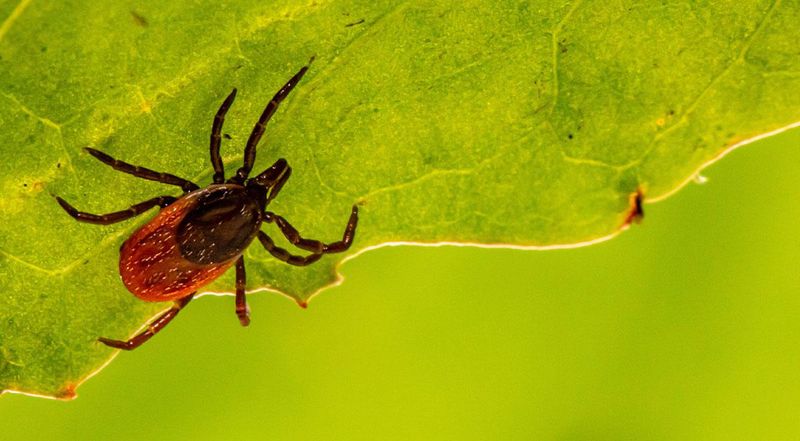
Beautyberry earns its place in a North Carolina yard on its wildlife merits alone, but it is worth being direct about what it adds and does not add to a tick-management strategy. The shrub is not a substitute for the practices that actually reduce potential tick exposure around a home. CDC guidance on tick prevention focuses on removing leaf litter and brush near the home, mowing regularly, keeping play areas and patios away from wooded edges, and installing a three-foot barrier of wood chips or gravel between the lawn and any wooded or brushy area. Those are the recommended measures, and they target the conditions ticks need to survive and move through a yard.
That three-foot wood-chip or gravel buffer is a nonliving structure, not a shrub row. The CDC Tick Management Handbook describes it as a physical transition that ticks are reluctant to cross because it is dry, exposed, and structurally different from the leaf-litter habitat they prefer. A row of beautyberry, however well maintained, is not the same thing and should not be presented as a functional replacement for that buffer.
Residential field evidence for yard-based tick-control measures is also less definitive than CDC recommendations sometimes imply. A residential yard study published in the Journal of Medical Entomology found only partial support for several commonly recommended measures and detected no observable barrier effect in its dataset, partly because so few properties in the study had installed barriers. That does not mean the measures are useless, but it does mean that no single practice, including planting a native shrub row, should be treated as a guaranteed solution.
For practical protection, combine the beautyberry planting with tick checks after outdoor time, long sleeves and pants when working near the wooded edge, and EPA-registered repellents used according to label directions. Do not crush beautyberry leaves and apply them to skin, clothing, children, or pets. The laboratory research did not establish a safe formulation, dose, or duration for any homemade topical use, and it did not test disease-protection outcomes. Beautyberry’s documented value is as a productive native shrub that feeds birds and wildlife along a managed yard edge.
That is a real and lasting contribution, even if it is not the tick-proof wall the original premise promised.