

Knock Out roses look tough, and they are, but the weeks before winter still matter. A few simple choices in late fall can save your shrubs from stress and save you from mistakes that are hard to undo.
Feeding, watering, mulching, and pruning each have a right season. Here is how to handle them without overdoing it.
Prepare the shrub, not a promised bloom display
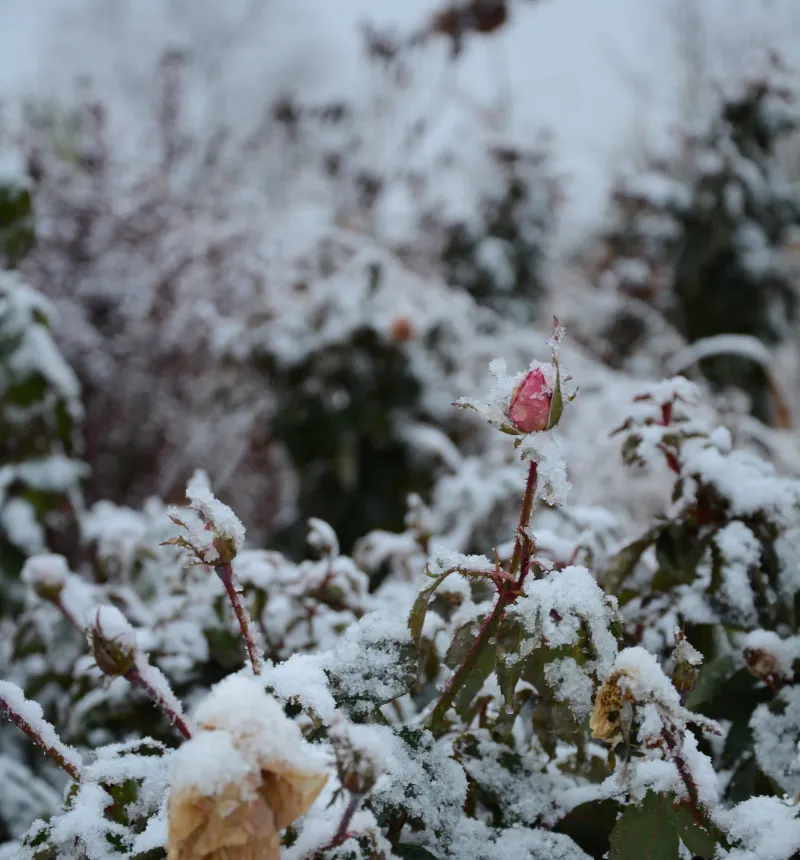
Winter care for a Knock Out rose is modest. Think of it as avoiding preventable stress, not as a trick that produces a dramatic spring show.
Nothing you do in November can promise a huge flush of flowers in April.
That is because flowering depends on many things. Maryland Extension lists weather stress, shade, too much fertilizer, and poor pruning among the reasons roses bloom poorly.
Sunlight, plant health, and how you cared for the shrub all summer count just as much as winter prep.
The good news is that Knock Outs are easygoing. NC State describes them as repeat bloomers that need less pruning than many roses, mostly to control size.
That means your fall to-do list can stay short.
The advice here is for established shrubs planted in the ground in a landscape bed. A rose planted this year, a rose in a container, or one on a windy hilltop in the mountains may need extra attention.
Piedmont, coastal, and mountain yards all see different winters, so adjust to what your site does.
With that goal in mind, you can treat the next five steps as sensible habits rather than a bloom formula.
Let routine feeding end as growth slows
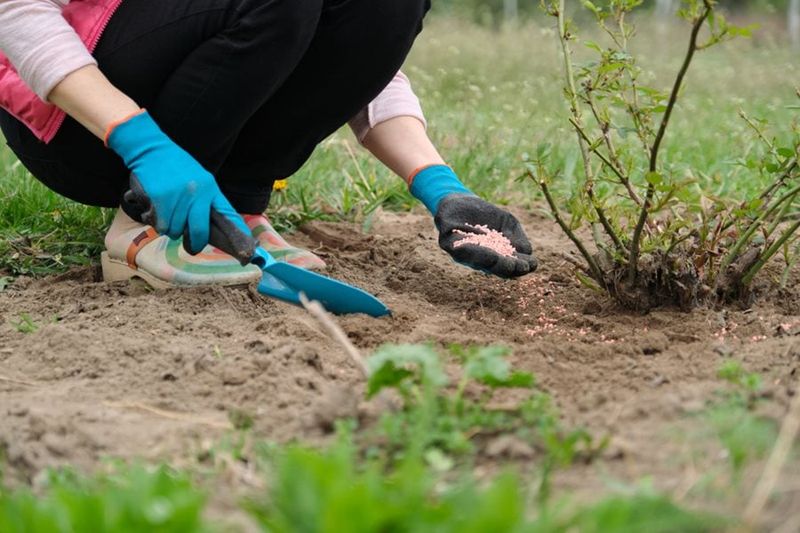
Fertilizer pushes tender new growth, and that is the last thing a rose needs when cold nights are coming. Soft new shoots can get damaged by freezing weather.
So as growth slows, let routine feeding wind down instead of topping off one more time.
Sources do not agree on one calendar date. A University of Maryland guide says not to fertilize roses after early August, and Oregon State advises stopping in late summer.
A Guilford County Extension article describes an early October final feeding as its own practice.
So there is no single North Carolina cutoff to memorize. A gardener on the coast with a long, warm fall is not in the same spot as one in the mountains where frost arrives early.
Look at how fast your plant is still growing and how your season has gone.
If you are unsure, a soil test tells you what the bed actually needs, so you are not guessing. Skip any late nitrogen meant to force growth before winter.
If your shrub looks healthy and is slowing down on its own, it is fine to simply stop.
Water only when fall soil is dry

A frost forecast is not the signal to water. Dry soil is.
Before you pull out the hose, push a finger or trowel a few inches into the ground near the roots and see how it feels.
Plants that go into winter dry can handle harsh conditions less well. NC State guidance on preparing nursery plants describes the benefit of watering before a hard freeze.
Keep in mind that advice covers nursery plants in general, not a set routine for Knock Out roses.
For a home landscape, the practical version is simple. If the root zone is dry after a rain-free stretch, give it a slow, thorough soaking.
If the soil is damp, leave it alone.
Soggy ground causes its own trouble. The NC State woody ornamentals handbook is a good reference for caring for shrubs, and standing water around roots is something to avoid, especially in heavy clay.
A dry autumn is the situation where this matters most. In a wet fall, your rain gauge may do the work for you.
Keep mulch over the roots, not against the canes
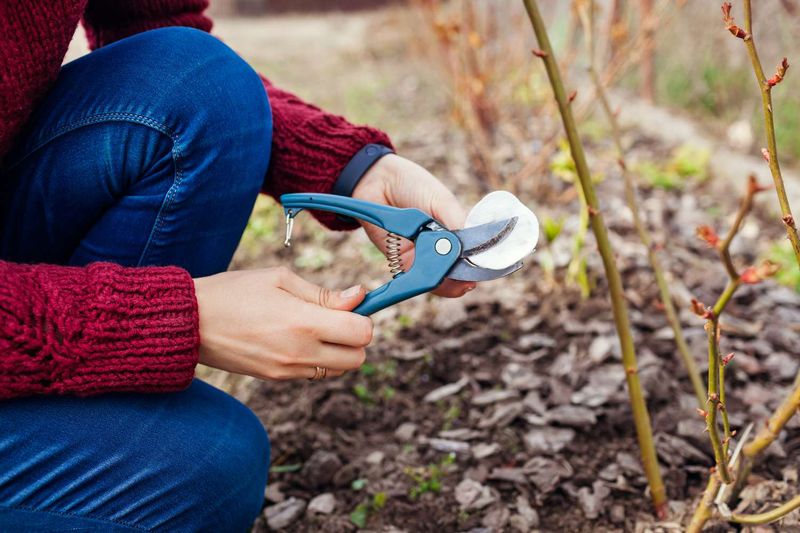
Mulch is one of the easiest things you can do for a rose bed. A layer of 2 to 3 inches of organic material such as shredded bark or pine straw over the root area helps hold soil moisture and moderates temperature swings.
NC State’s handbook recommends that depth for woody ornamentals and advises keeping mulch about 6 inches from stems. Deep mulch piled close to the base can lead to decay and attract rodents or voles.
Pull the mulch back from the canes so the crown stays visible. Spread it outward across the root zone instead.
If last year’s layer has settled, rake it up and top off only what is needed.
You may see the Knock Out brand talk about extra winter protection. Its winter care page suggests 2 to 3 inches around in-ground roses for harsh-winter areas, particularly zone 4 and below.
Burlap and heavy covering are aimed at those climates.
Most established North Carolina shrubs do not need that. A plain, moderate layer is enough, with a little more attention for new plantings or very exposed spots.
Save major pruning for late winter or early spring
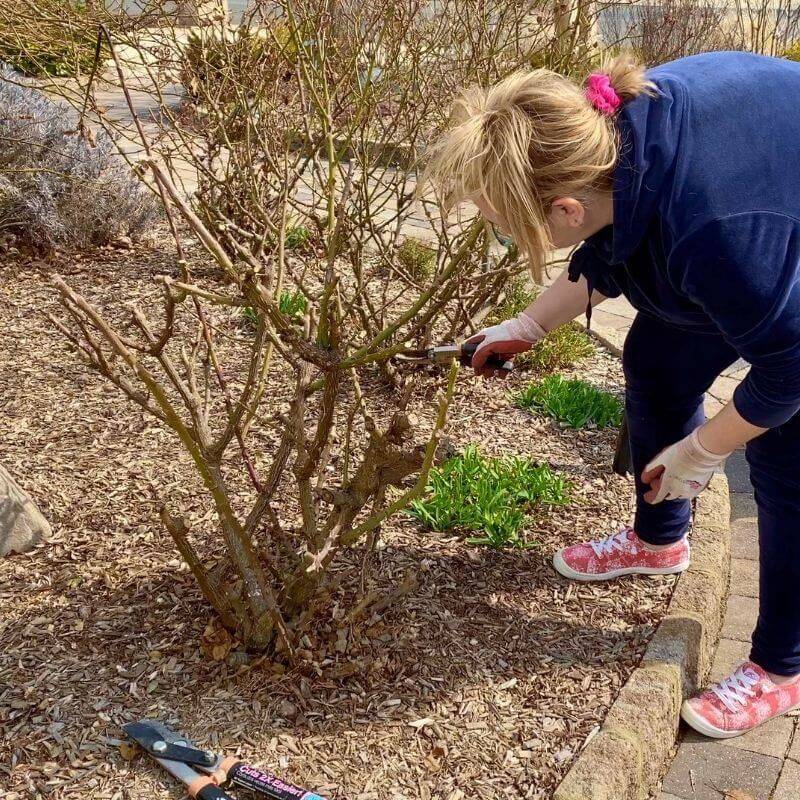
Hold the big cuts until the end of winter. The Knock Out brand recommends major pruning in late winter or early spring, timed to when new shoots begin to appear.
Cutting hard in fall is not necessary.
These roses are low-maintenance in this department. NC State notes they need less pruning than many roses, mostly to manage size.
If your shrub is happy at its current size, you may not need to cut much at all.
If you want to keep a standard plant compact, the brand’s FAQs point to cutting to about 12 inches for a finished size of 3 to 4 feet. Treat that as a size option, not a winter protection step and not a promise of a bigger flush.
In the meantime, a small amount of fall cleanup is fine. Snip out dead or broken wood as you spot it, and leave the rest of the shape alone until you see swelling buds in late winter.
Clear problem debris and keep the plan simple

If blackspot or other leaf trouble showed up this year, rake up fallen leaves and rose debris. The Guilford County Extension article advises removing fallen leaves and debris, and bagging them is smarter than composting diseased material.
Here is the short checklist for the season:
Let routine feeding end as growth slows. Check the soil before you water.
Keep 2 to 3 inches of mulch over the roots and off the canes. Wait to do major pruning, since the brand points to late winter or early spring.
Remember that weather, shade, and care shape flowering all year, so none of this guarantees a heavy bloom. It is restrained care for a tough shrub, and a plant that sails through winter calmly is a good thing in itself.