
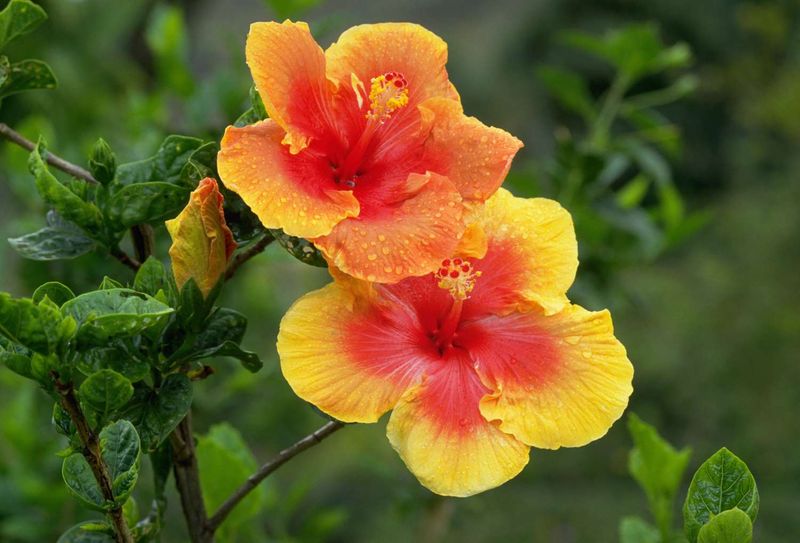
Tropical hibiscus is one of the most popular flowering shrubs in Florida yards, and its big, bright blooms are hard to beat. Cooler weather can change how the plant grows, so a few smart habits matter.
No single fall chore can promise a spring full of flowers, but good timing for feeding, pruning, and cold protection helps. Here is what Florida gardeners can do, and what to skip, as the season shifts.
Identify your hibiscus and assess your local cold risk
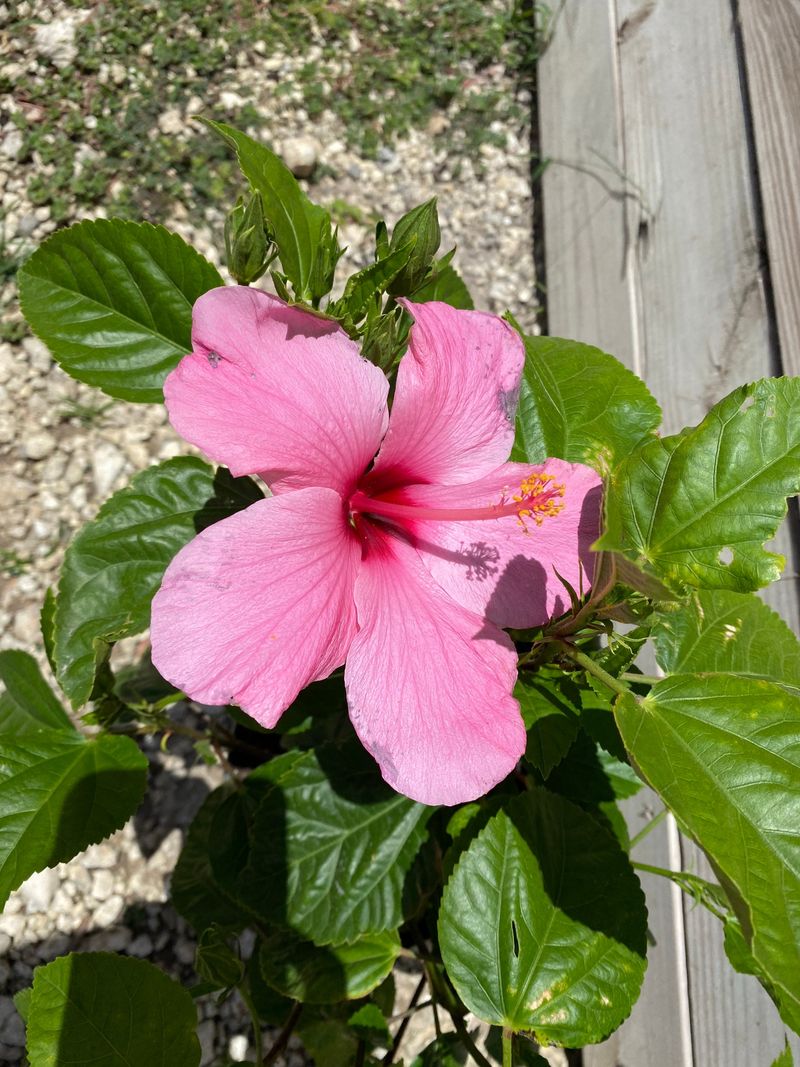
Not every hibiscus in Florida is the same plant. This guide is about tropical hibiscus (Hibiscus rosa-sinensis), the shrub with glossy leaves and large flowers in red, orange, pink, yellow, and peach.
Florida-native hibiscus, such as marsh hibiscus, and other species behave differently in winter, so their care is not identical.
Tropical hibiscus is cold-sensitive. UF/IFAS Gardening Solutions notes that it may show yellowing and leaf drop during cold waves.
In North Florida, plants may freeze to the ground, and they usually return from their roots.
Cold trouble does not start at freezing. UF/IFAS cold protection guidance explains that tropical plants may suffer chilling injury below 50°F.
Freezing weather is more typical in north and central Florida, while below-freezing temperatures are rare in south Florida.
That means a calendar date or a so-called first cold night is a poor deadline. Your local forecast and your plant’s spot matter far more.
A hibiscus tucked against a south-facing wall near the house faces a different night than one in an open lawn or a pot on a breezy patio.
Start by checking the plant tag or asking your nursery which hibiscus you have. Then note where each plant sits, and keep an eye on the overnight lows in your own area.
Use fertilizer cautiously as cooler weather approaches
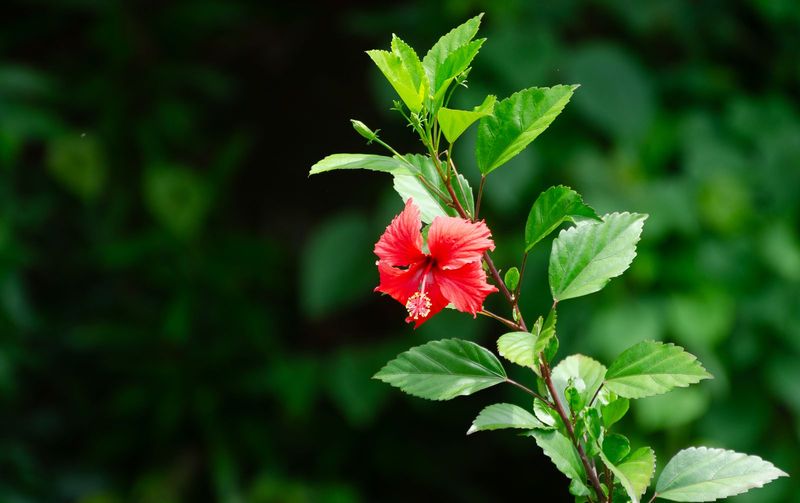
Feeding is where advice gets confusing, so let’s sort it out. Fertilizer pushes soft, tender growth, and that growth is the first to suffer when chilly air arrives.
UF/IFAS cold-weather guidance advises against fertilizing cold-sensitive landscape plants in late fall or winter for that reason.
Regional advice adds detail. UF/IFAS Extension Miami-Dade suggests reducing fertilizer in October and November, or avoiding nitrogen, to limit new growth on ornamental plants in production.
That is regional nursery guidance, so it is not a rule for every backyard in the state.
Older advice differs too. An archived UF/IFAS hibiscus publication describes three or four applications a year, including one in early winter.
Treat none of these sources as a universal homeowner cutoff.
Instead, weigh a few things. Consider your region, whether the plant is still actively growing, and what the product label says.
Gardeners in colder parts of the state have more reason to hold back than those in the warmest pockets of South Florida.
Also check your local rules, because Florida fertilizer ordinances vary by county and city. The UF/IFAS fertilizer ordinance map is a good starting point, but confirm details with your local government.
Finally, do not feed just to chase flowers. Extra fertilizer can favor leafy growth over blooms, so more food is not a shortcut to more color.
Time major pruning for new growth, not fall cleanup
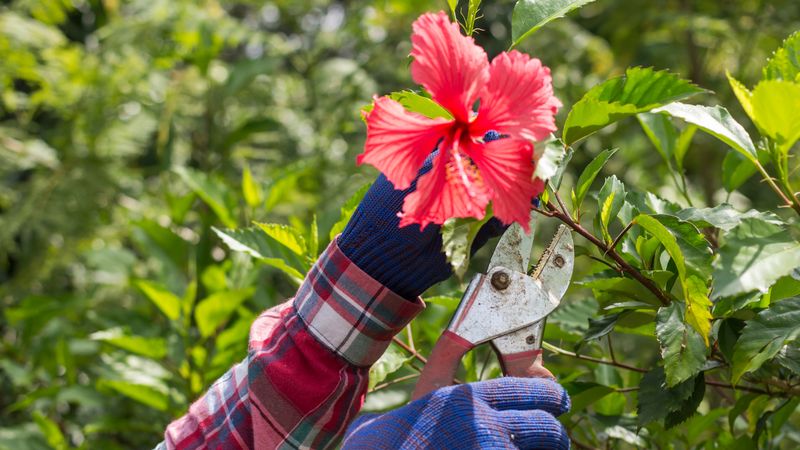
Hibiscus makes its flowers on new growth. That single fact explains why pruning timing matters.
Cut hard in fall, and you remove wood that would otherwise carry on, while also nudging the plant to push soft shoots just as cooler nights arrive.
The UF/IFAS pruning reference places plants that flower on current-season growth, hibiscus included, at dormancy or just before spring growth. For most Florida yards, that points to late winter or early spring, once the worst of the cold has passed in your area.
So a heavy fall haircut is a poor plan if you hope to boost blooms. Still, be fair to the facts.
Nothing shows that fall cleanup alone decides whether spring flowers will be sparse, so there is no need to panic if you skipped it.
A few light jobs are fine anytime. Snip off a broken branch after a storm, or tidy a stem that is rubbing against a fence.
Save the big shaping cuts for the start of the growing season.
Here is an easy marker. When you see fresh leaf buds swelling along the stems and your forecast looks settled, grab the pruners then.
Let the forecast guide cold protection
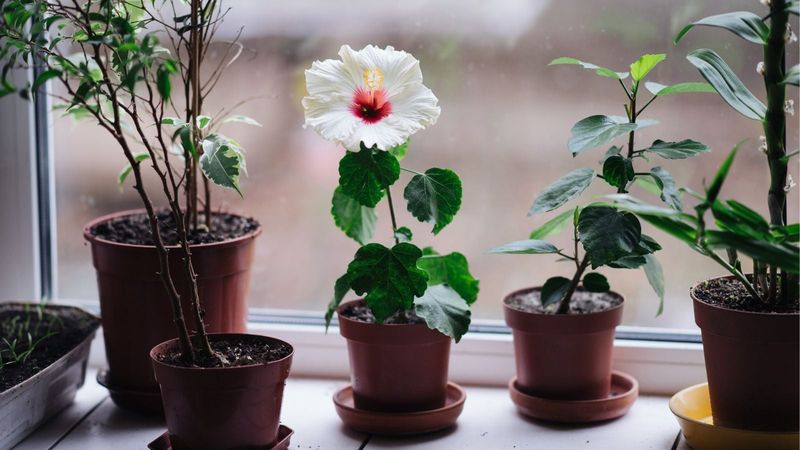
Cold protection works best when it follows the forecast. Watch your local overnight lows rather than the date.
UF/IFAS notes that tropical plants may be chilled below 50°F, that freezing weather is more typical in north and central Florida, and that below-freezing temperatures are rare in south Florida.
For potted hibiscus, the easiest fix is a move. Slide containers to a warmer, sheltered spot, such as a porch, a garage with a window, or the south side of the house.
UF/IFAS Gardening Solutions recommends this for tender potted plants when it is possible.
Plants in the ground may need a cover. Use frost cloth or a blanket that reaches the ground, because the soil holds heat that the cover can trap.
Take it off after temperatures rise above freezing so the plant does not sit under a stuffy wrap.
Skip the sprinkler as a quick fix. Ordinary irrigation is not freeze protection.
Overhead irrigation protects plants only when the system is designed for that use and runs continuously as specified, and a typical home setup may waste water or build damaging ice.
Keep a short checklist by the door: check the forecast, move the pots, cover the in-ground plants, and uncover them when it warms. Your plant will thank you.
Wait for signs of recovery before pruning cold damage
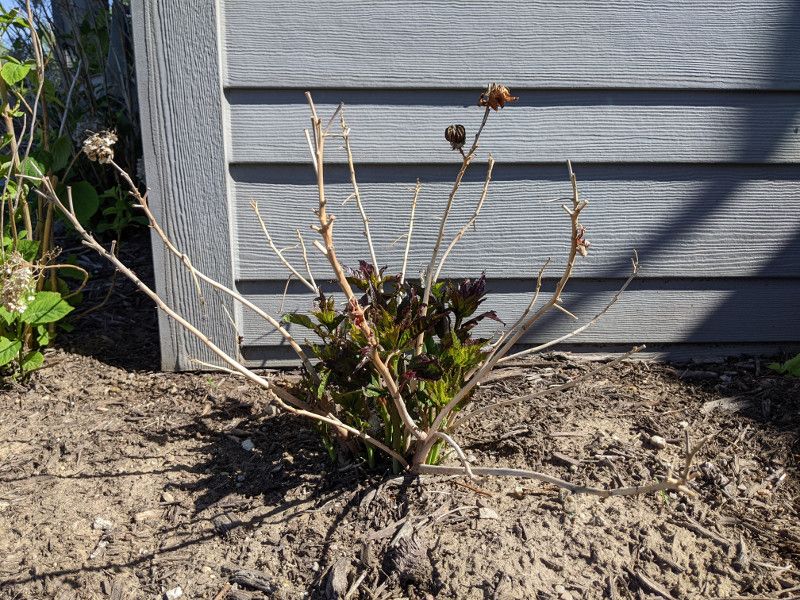
A hibiscus that looks wrecked after a cold night is tempting to cut back right away. Resist that urge.
The damage may take time to show, and the browned leaves and stems you see can actually offer some insulation to what is underneath.
UF/IFAS guidance advises delaying pruning if possible until new growth makes it easier to tell live wood from damaged wood. Patience also keeps you from cutting off stems that were fine all along.
While you wait, watch for clues. Look for fresh green buds along the stems or sprouts near the base.
A gentle scratch on a twig can show green tissue under the bark, which means that stem is still alive.
Once new growth appears, trim back to just above healthy buds and remove stems that stay bare and brittle. In North Florida, where plants may freeze to the ground, look for shoots coming up from the roots.
Waiting is good care, but it is not a promise. It helps you make better cuts, and it does not ensure any particular flowering result.
Seasonal care supports the plant but cannot guarantee blooms
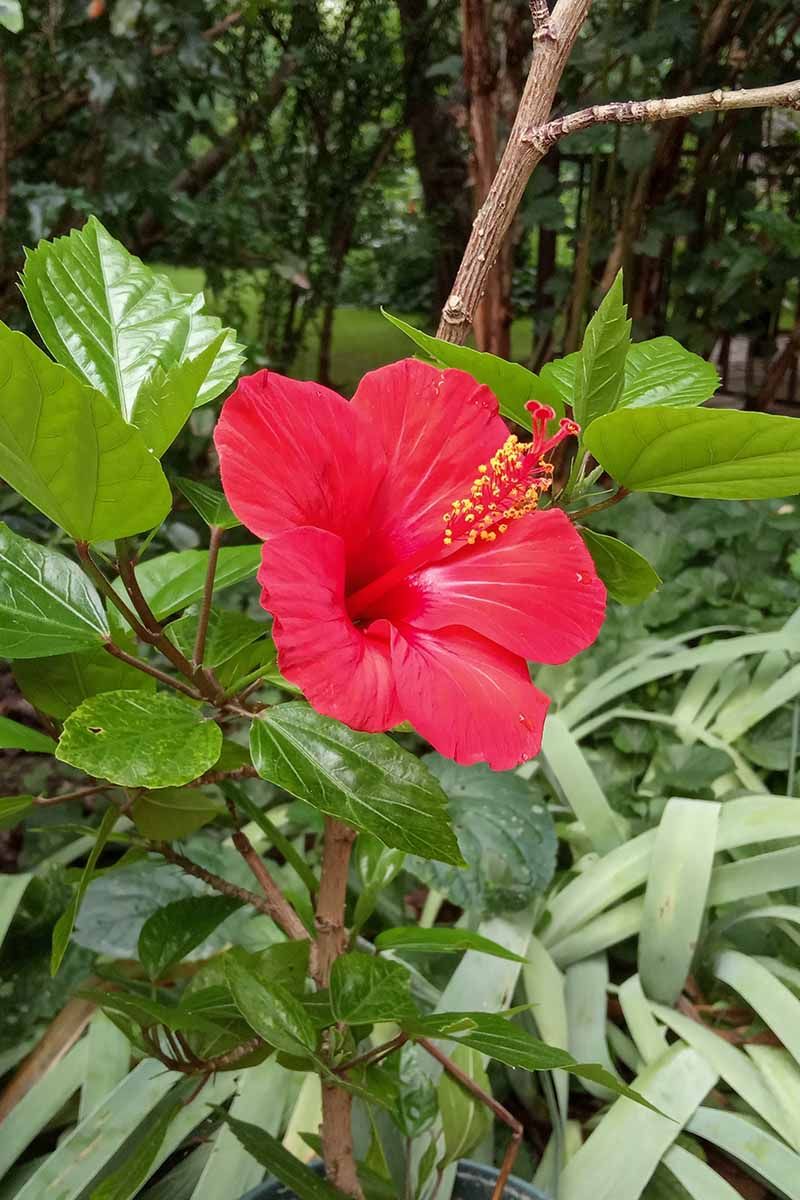
Good seasonal habits look like this: hold back on late-season feeding where cold is a real risk, save major pruning for the start of the growing season, and let local forecasts decide when to cover or move plants. Both UF/IFAS cold-weather advice and the UF/IFAS pruning reference back that approach.
None of it is a spring bloom guarantee. A hibiscus is a living plant, not a vending machine.
Treat it kindly, and it often rewards you.