
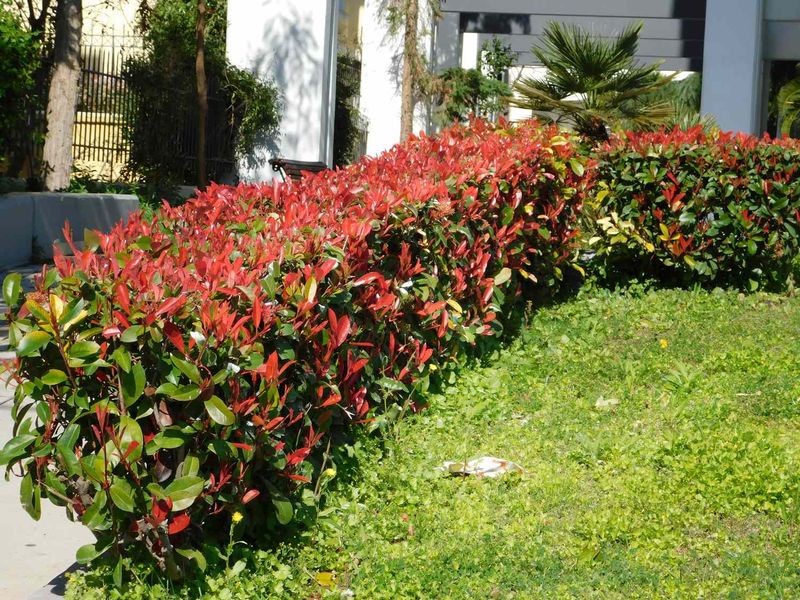
A tidy row of red tip photinia along the property line looks great until the leaves start spotting and dropping. Entomosporium leaf spot is a common reason homeowners start looking for another hedge.
Two North Carolina natives, yaupon holly and wax myrtle, are often suggested as replacements. Here is how to judge the disease risk, and whether either shrub fits your yard.
Photinia leaf spot is a hedge risk, not proof of statewide decline
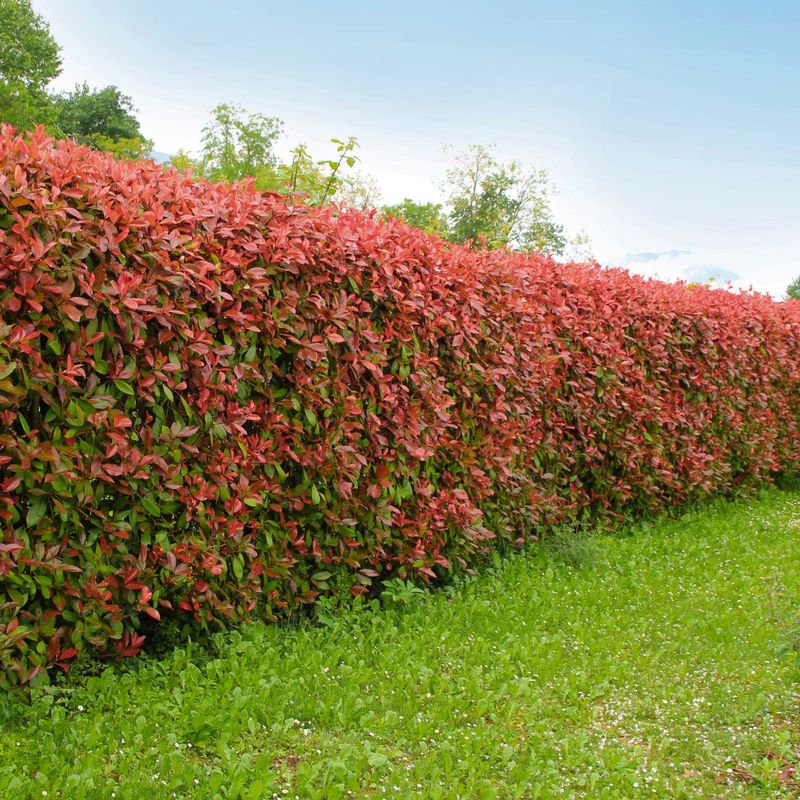
Red tip photinia is a popular privacy plant, but it comes with a known weak spot. NC State Extension lists red tip photinia among the plants affected by Entomosporium leaf spot, and notes that leaf drop can be severe.
That is a maintenance risk, not a verdict. The sources reviewed show that photinia is susceptible and that infections can get serious.
They do not show that hedges across North Carolina are all dying, or that every hedge faces yearly dieback.
Outcomes vary from yard to yard. Weather, spacing, airflow, and how the hedge is watered all play a role.
University of Maryland Extension describes the disease as hard to manage once it is established, and a severe infection can eventually kill a plant. That is possible, though, not guaranteed.
So the practical questions are simple. If you already have a photinia hedge, what can you do to lower disease pressure?
And if you are planting new, how do you judge other choices such as yaupon holly or wax myrtle? The next sections take those in order.
Recognize the disease pattern and conditions that favor infection
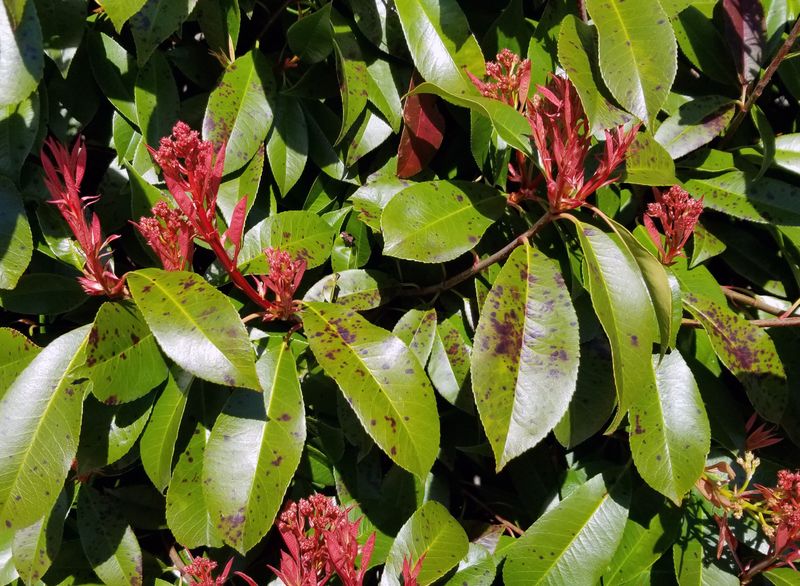
Walk up to a suspect hedge and look at individual leaves. Entomosporium leaf spot typically starts as small reddish spots.
As the disease progresses, the lesions can develop gray centers and run together into larger blotches, as University of Maryland Extension describes.
Weather matters as much as the leaves themselves. Spores move by rain splash, and overhead irrigation can spread them the same way.
The UC Statewide IPM Program notes that wet weather coinciding with new growth favors infection, since tender young leaves are the easiest targets.
That timing explains why a rainy spring, right when the bright red new shoots appear, can be rough on a photinia hedge. A sprinkler that soaks the foliage can recreate the same conditions on a dry day.
A few spots do not mean a doomed hedge. Severity varies, and a lightly spotted plant may look very different from one losing leaves in bunches.
Note where the spotting begins, how fast it spreads, and whether it follows wet spells. Those clues help you decide how much effort the hedge deserves.
Reduce disease pressure without promising a cure

Some steps can help an affected hedge, though none will rescue one that is badly infected. Start with cleanup.
Removing infected fallen leaves cuts down the spores waiting to reinfect new growth, and Virginia Tech Extension lists sanitation among its cultural recommendations.
Next, change how you water. A soaker hose or drip line delivers water at soil level and keeps leaves dry, which matters because splashing water spreads spores.
Go easy on pruning and feeding too. Frequent shearing and summer fertilizer push out tender new leaves, the growth the fungus likes best.
Be realistic about results. Sanitation lowers the amount of disease around, but it is not a cure for an established, heavily affected hedge.
Fungicides come up often. They are preventive, not a fix for symptoms already on the leaves, and repeat applications may be needed, according to University of Maryland Extension.
Rules and recommendations change, so check current local Extension guidance and read the product label before buying anything. A general overview of the disease is also available from UC IPM.
Check regional fit, mature size, and fire exposure first

Before comparing shrubs, check the basics. NC State Extension advises considering environmental requirements and mature size when choosing and spacing plants, as outlined in its landscape design chapter.
Region comes first. NC State’s profiles list yaupon holly and wax myrtle for the Coastal and Piedmont regions, not the Mountains.
Wax myrtle may be only semi-evergreen in colder areas and can brown or drop leaves after severe cold.
Then think about size. Both shrubs can grow far taller than many people expect, so measure the space between your fence, utility lines, and neighbor’s yard before you buy.
Finally, consider fire. NC State flags both shrubs as highly flammable and advises against planting them within the home’s defensible space.
Keep them well away from the house, decks, and other structures.
If your lot is in the mountains, very cold, or tight on room, neither shrub may be the right answer.
Yaupon holly can suit a clipped screen where its size fits

Yaupon holly is a native evergreen that NC State lists for hedge and privacy-screen use in Coastal and Piedmont sites. Plan for a plant roughly 10 to 20 feet tall and 8 to 12 feet wide, according to the NC State Plant Toolbox.
It is adaptable. It tolerates a range of soils, sun through deep shade, drought, salt spray, and occasional flooding, which makes it handy on tricky lots.
You can shear it into a formal shape, but give it room. Yaupon can send up suckers and form thickets unless you remove them, so a clipped row needs occasional attention at the base.
Fruit only appears when a female plant is pollinated by a compatible male. It is not needed for screening, and NC State identifies the fruit as poisonous to humans at low severity, which is worth knowing if children play nearby.
One correction to the popular claim: yaupon is not listed as a host of Entomosporium, but that does not make it disease-proof. NC State names leaf spot, leaf rot, tar spot, and powdery mildew as potential problems.
Wax myrtle offers a larger screen with a cold-weather caveat
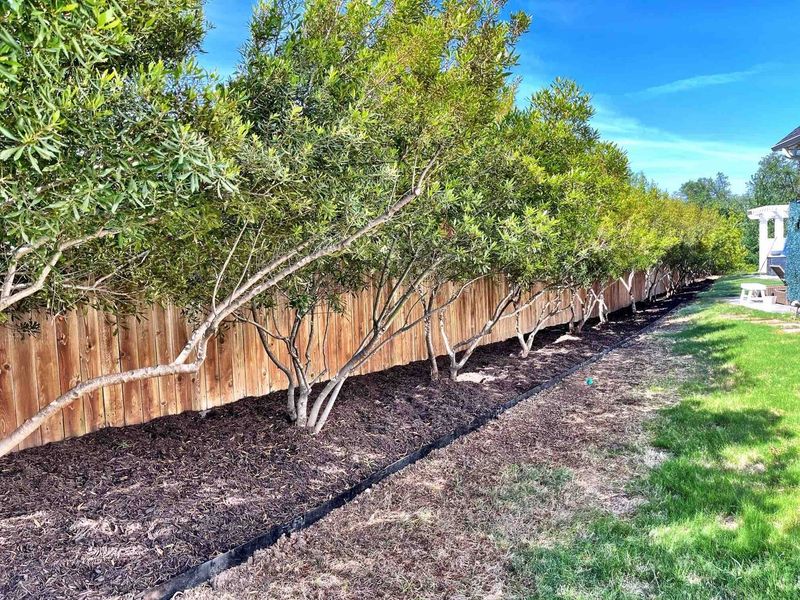
If you have lots of room, wax myrtle is a bigger option. The NC State Plant Toolbox lists it as a native hedge and privacy plant, generally 20 to 25 feet tall and 8 to 10 feet wide, though often smaller.
Once established, it tolerates varied moisture conditions, and it handles salt spray. That flexibility is why it shows up in both wet spots and coastal plantings.
Expect a looser look than a clipped hedge. Wax myrtle can sucker and spread, so it may wander beyond the spot where you planted it.
Cold is the main caveat. NC State lists it for Coastal and Piedmont regions, and notes it may be only semi-evergreen in colder areas.
After severe cold, leaves can brown or drop, so you may not get dense foliage every winter.
As with yaupon, absence from the Entomosporium host list is not immunity. NC State names anthracnose and leaf mosaic as possible wax myrtle problems.
Choose for the site, not a promise of immunity
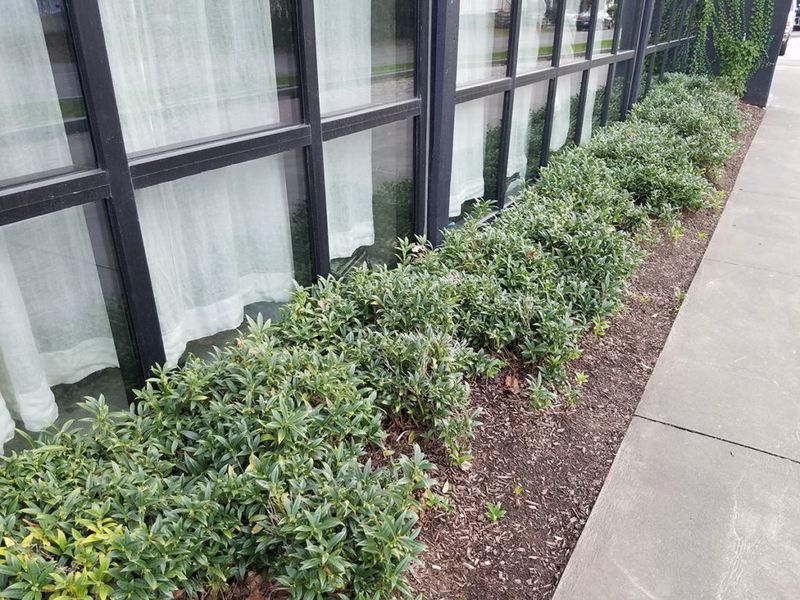
Lay the two shrubs side by side against your property. Yaupon runs roughly 10 to 20 feet tall and can be sheared, though it may thicket.
Wax myrtle is generally taller and narrower, with a looser habit that can spread by suckers. Check each profile for yaupon and wax myrtle against your region, soil, and light.
Then space for mature size, following NC State’s landscape design guidance, and keep both well away from the house.
Finally, keep expectations honest. Plants outside the Entomosporium host list can still get other leaf spots or diseases.
The best hedge is the one that fits the ground it stands on.