
Annual beds can look great for a few weeks, then they ask for more water, more fertilizer, and more replanting. In Florida, that can feel like a losing game by late summer.
Native flowers are a smarter swap because many handle sandy soil, heat, and seasonal rain with less fuss. These seven choices keep color going into fall while giving butterflies, bees, and hummingbirds a reason to visit.
1. Blanketflower
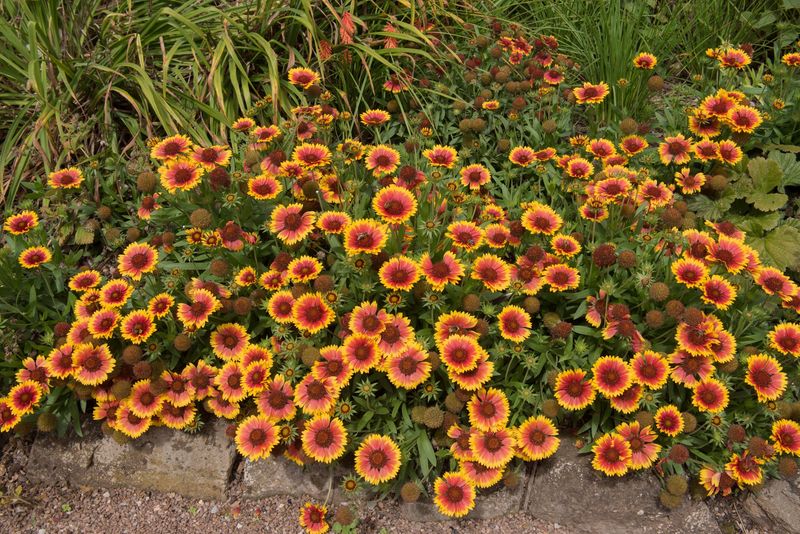
A patch of blanketflower can make an old annual bed look cheerful almost overnight. Its red, orange, and yellow blooms have that beach-town brightness Florida gardens wear so well, and the plants keep pushing flowers through warm fall weather when many bedding annuals start looking tired.
Blanketflower earns its spot because it is one of the easiest native swaps for gardeners who want color without babying the bed. It likes full sun, handles sandy soil, and usually performs best when you do not overwater or overfeed it.
In a Florida yard, that is a real advantage.
Use it along driveways, mailbox beds, curb strips, or sunny borders where reflected heat can be rough on thirstier plants. Deadheading can tidy the look and encourage more flowers, but leaving some seed heads also helps birds and lets the plant reseed in friendly spots.
If your annual bed has been costing you water and weekend time, blanketflower is the bold, low-drama replacement to try first.
2. Beach sunflower
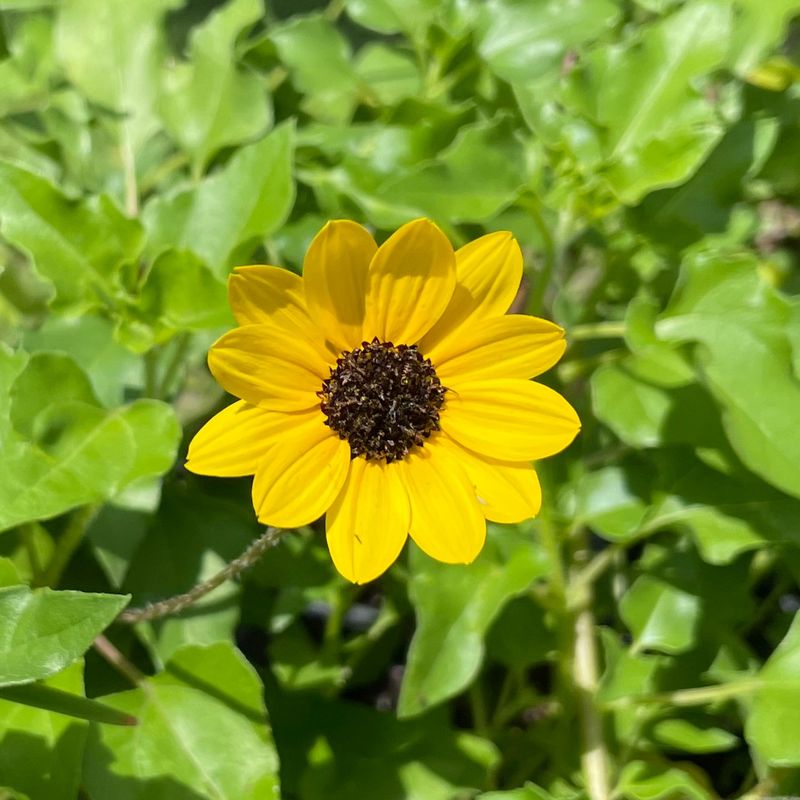
Low, sunny, and a little wild at the edges, beach sunflower feels like Florida in plant form. It spreads into a bright living carpet, which makes it especially useful where annuals used to leave bare gaps after a hard rain or a missed watering.
Beach sunflower is different from the others on this list because it works almost like a flowering groundcover. In full sun and well-drained soil, it can knit together the front of a bed, soften a walkway, or cover a hot strip near the street.
The golden blooms keep appearing through much of the warm season and often continue into fall in many Florida gardens.
Give it room, because happy plants can wander. That is a gift in large, informal beds, but along crisp edging you may want to trim runners now and then.
Butterflies and native bees visit the flowers, while the dense growth helps shade sandy soil and reduce weed openings.
For homeowners replacing a thirsty annual border, beach sunflower offers the fastest visual payoff. Instead of buying flats every season, you can build a sunny ribbon of color that looks relaxed, coastal, and practical.
3. Tropical sage
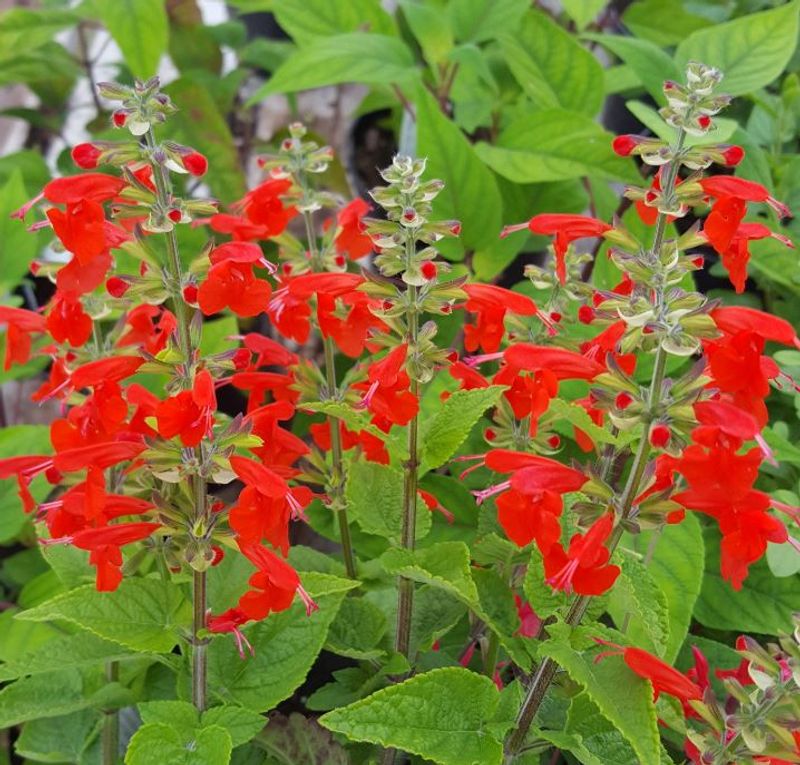
Hummingbirds seem to find tropical sage before some gardeners even notice it is blooming. Slender stems carry red, pink, or white flowers that bring a light, airy look to beds that once depended on dense blocks of annual color.
Tropical sage stands out because it handles a bit more flexibility than many hot-color flowers. It can grow in full sun, but it also performs in part shade, especially in bright areas near patios, fences, and young trees.
That makes it useful for Florida yards where one bed may shift from morning sun to afternoon shade.
Once established, it is not the kind of plant that wants soggy treatment. Average, well-drained soil suits it, and in sandy spots a light layer of mulch helps keep roots more even between rains.
Cut it back if stems get leggy, and fresh growth usually follows.
Wildlife value is the big reason to trade annual salvia lookalikes for the native version. Hummingbirds, butterflies, and bees use the blooms, so the bed becomes more than decoration.
It becomes a small feeding station that still looks neat enough for the front yard.
4. Blue porterweed
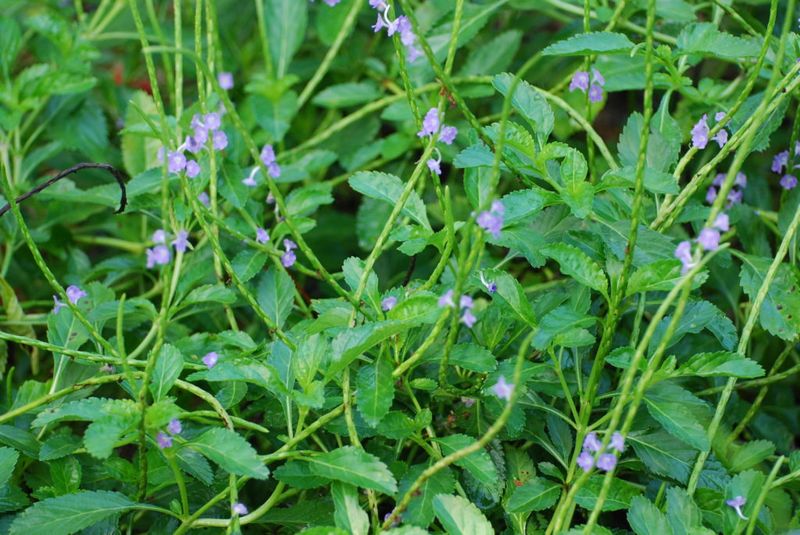
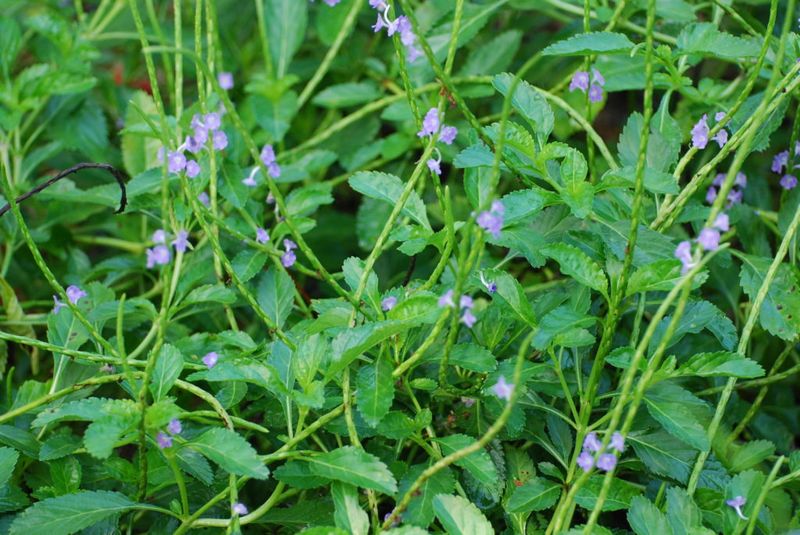
At first glance, blue porterweed looks modest, then the butterflies arrive and change the whole mood of the bed. Tiny blue-purple flowers open along thin spikes, creating a steady nectar stop rather than one big showy flush.
Blue porterweed belongs on this list because it brings movement. Skippers, sulphurs, and other butterflies often work the flower spikes one by one, making a formerly static annual bed feel alive.
In warm parts of Florida, it can bloom for a long stretch, including fall, as long as weather stays friendly.
Plant it in sun to part sun and give it well-drained soil. It can fit near patios, along a back border, or in a pollinator strip where you want a softer texture next to bolder flowers like blanketflower or coreopsis.
A light trim can keep it bushier and prevent the bed from looking too loose.
Florida gardeners should choose the native blue porterweed, Stachytarpheta jamaicensis, rather than larger ornamental porterweeds that may not behave the same way. That detail matters if your goal is a Florida-grounded, wildlife-aware planting.
The payoff is a bed that uses less pampering and offers steady butterfly activity into the fall season.
5. Firebush
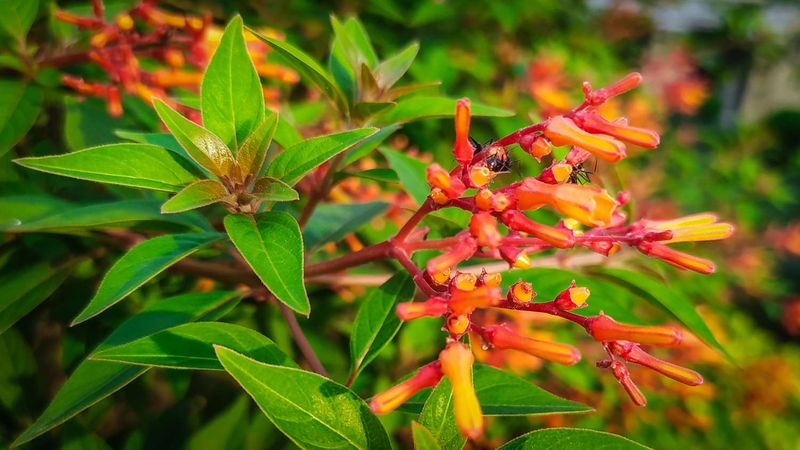
If your annual bed always needed something taller in the back, firebush may be the missing piece. Orange-red tubular flowers glow against green leaves and bring the kind of tropical color people expect from Florida landscaping.
Firebush is the shrub-sized choice in this lineup, so it does a job smaller flowers cannot. It can anchor a corner, screen a utility area, or create a colorful backdrop behind lower native blooms.
In much of Florida, it flowers heavily during warm months and often keeps going into fall, especially before cold weather slows it down.
Pollinators are a major part of its appeal. Hummingbirds visit the tubular blooms, butterflies use the nectar, and birds may feed on the small dark fruits.
That makes firebush a strong pick for gardeners who want curb appeal and backyard habitat in the same plant.
Give it sun to part sun and enough room to reach its natural size. In colder parts of North Florida, it may die back after freezes and return from the roots, while South and Central Florida gardeners often see a larger shrub.
For a thirsty annual bed that always looked flat, firebush adds height, color, and wildlife value with one smart native swap.
6. Leavenworth’s tickseed
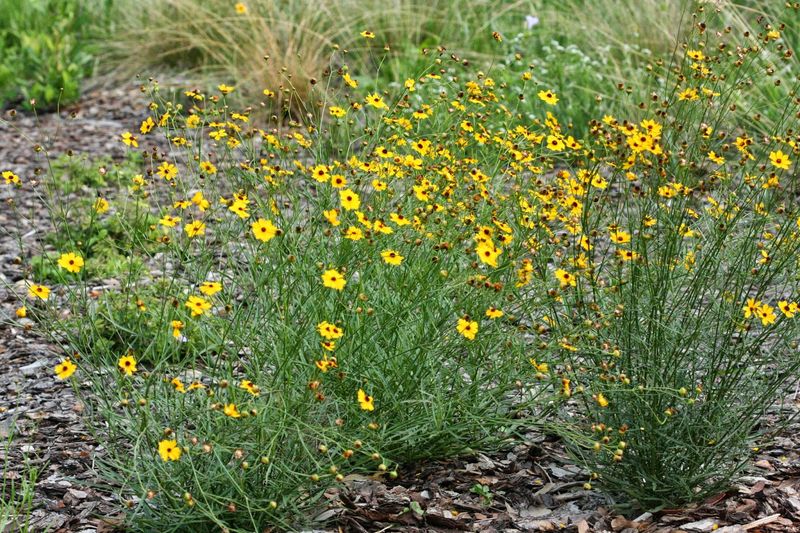
Florida’s state wildflower does not need a fancy sales pitch. Leavenworth’s tickseed brings clear yellow blooms on fine stems, giving sunny beds a meadow-like sparkle without the stiff look of many annual plantings.
Its special strength is volume. When planted in groups, tickseed can turn a plain strip of sandy soil into a soft yellow drift that feels natural but still intentional.
It is especially appealing in cottage-style front yards, pollinator beds, and open areas where you want color that does not look overly formal.
Full sun is best, and drainage matters. Like many Florida natives, it is better suited to lean, sandy conditions than to rich, constantly wet soil.
Too much fertilizer can push leafy growth at the expense of flowers, so resist the urge to treat it like a heavy-feeding annual.
After blooming, seed heads can support small wildlife and may help the planting renew itself. Some gardeners cut back lightly to freshen the bed, while others let it lean into a more natural look.
For fall color with a true Florida identity, Leavenworth’s tickseed gives you a bright, native alternative to marigolds, zinnias, or other short-lived bedding plants.
7. Spotted beebalm
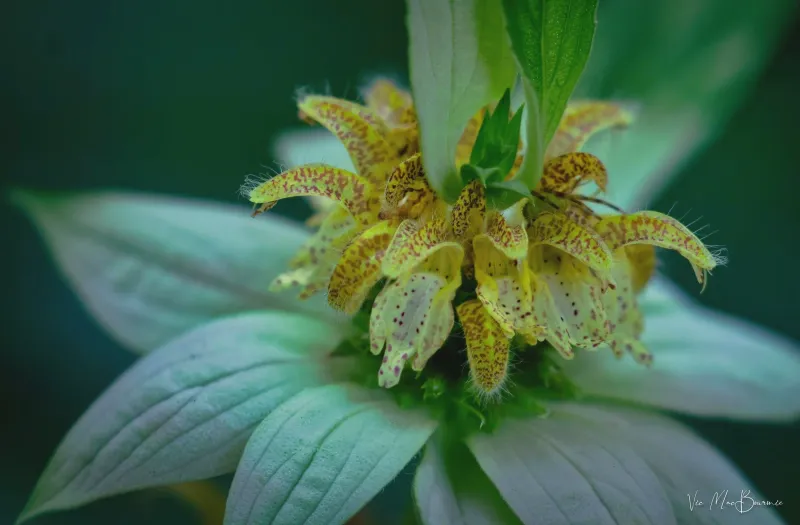
Spotted beebalm looks a little quirky, in the best possible way. Instead of one big obvious flower, it shows off stacked pale bracts and spotted tubular blooms that make people stop and look closer.
That unusual form is exactly why it deserves a place in a former annual bed. Spotted beebalm adds texture, height, and a slightly wild personality that pairs beautifully with simpler daisy-shaped flowers.
It is also highly attractive to bees and other pollinators, giving the bed a busy, useful purpose during the fall transition.
Dry, sandy sites are often a headache for annuals, but spotted beebalm is well matched to lean conditions once established. Plant it in full sun to light shade, avoid soggy soil, and do not bury it under heavy mulch.
It can look most natural when planted in small groups rather than lined up like soldiers.
Use it where you want a pollinator-friendly bed with more character than a standard color block. Near a walkway, the flower details are easy to appreciate up close.
Mixed with blanketflower, tickseed, or beach sunflower, spotted beebalm helps turn a water-hungry annual patch into a Florida native planting with color, scent, and ecological purpose.