
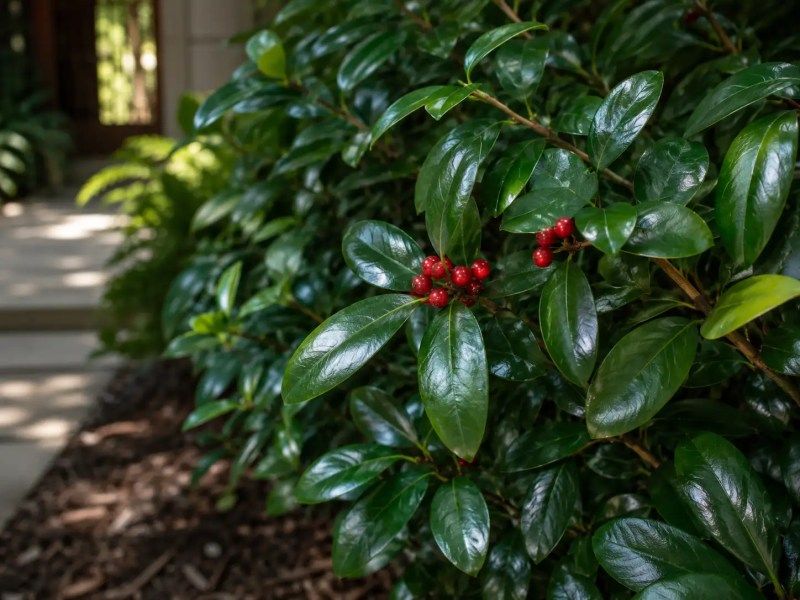
Boxwood can look tidy at first, but Florida heat, sandy soil, storms, and pest pressure often make it harder than it should be. The good news is that several Florida natives can give you that same full, shaped look with less fuss.
Many also feed birds, shelter pollinators, or handle tough weather better. Here are seven native shrubs that can help keep borders, entries, and foundation beds looking finished through fall.
1. Simpson’s Stopper
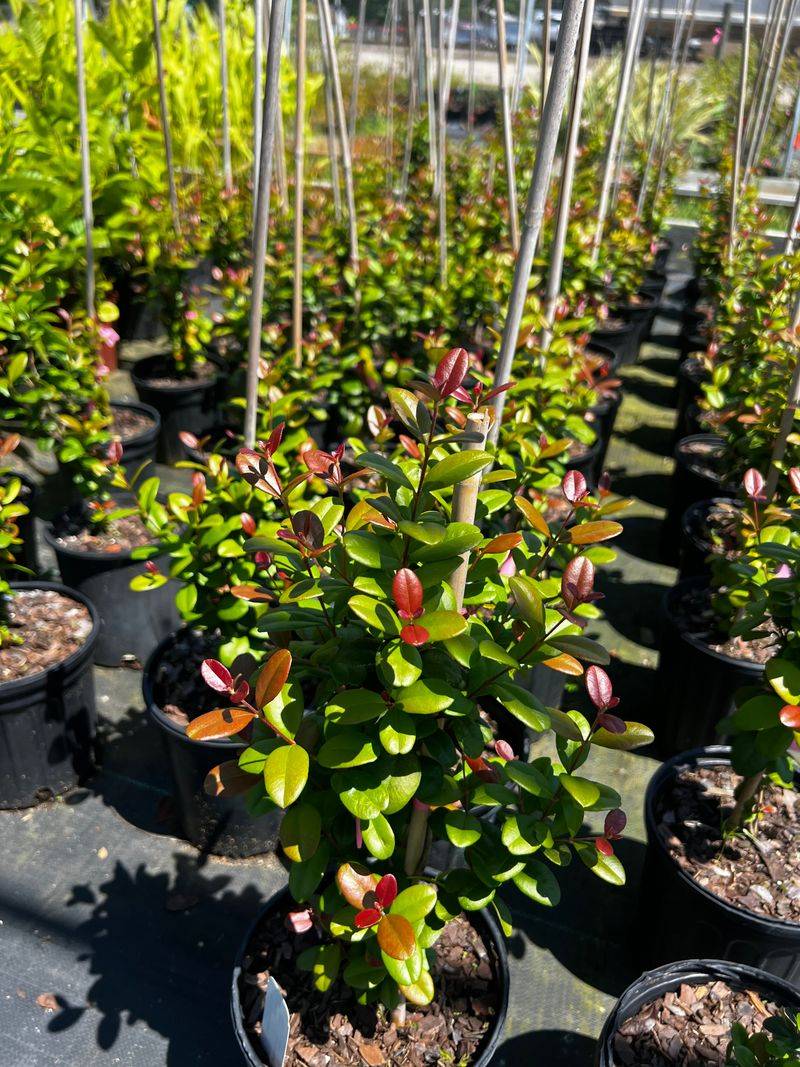
Some shrubs earn a front-yard spot by looking polished without acting needy, and Simpson’s stopper does exactly that. Its small, glossy leaves give it a boxwood-like neatness, but the plant feels more relaxed and Florida-friendly.
For homeowners who want a full hedge through fall, this native is one of the easiest swaps to picture. It can be clipped into a formal shape or allowed to grow into a softer screen, which makes it useful beside entries, along driveways, or around patios where a stiff hedge would feel too heavy.
Small white flowers can appear in warm months, followed by red to orange berries that birds notice quickly. That wildlife value gives Simpson’s stopper a real edge over boxwood, especially in yards where curb appeal and habitat both matter.
Plant it in sun to part shade and give it room to mature, since it can become a large shrub or small tree if left untrimmed. In sandy Florida soil, mulch helps hold moisture while roots get settled, but once established, it is known for handling dry spells better than many high-maintenance hedge choices.
2. Walter’s Viburnum
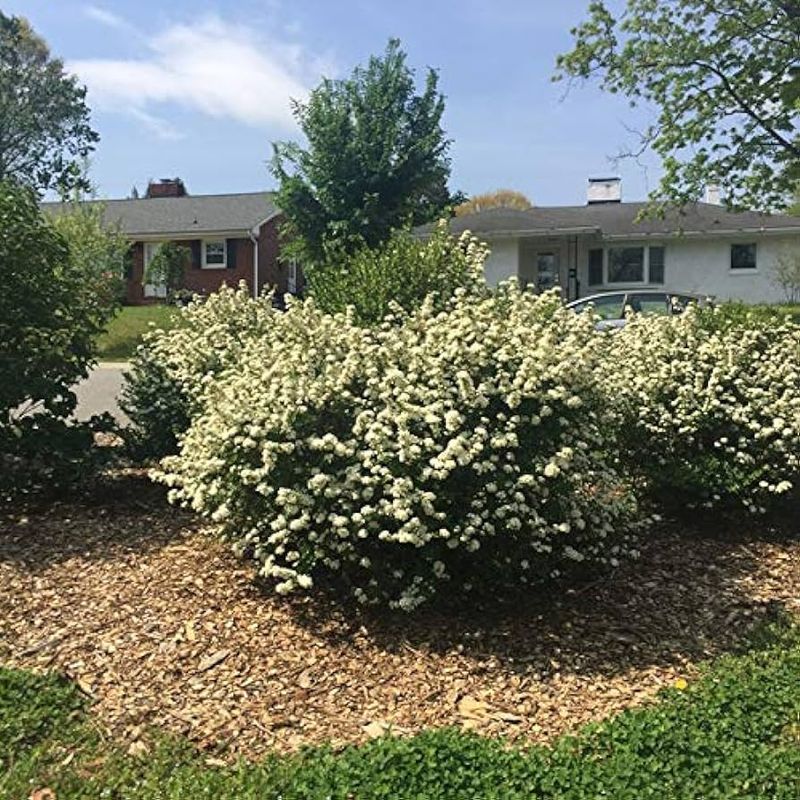
A clipped row of Walter’s viburnum can fool the eye from the curb, because it delivers the clean, dense look many gardeners want from boxwood. The difference is that it belongs in Florida landscapes and has a stronger local track record.
Small leaves and tight branching make it especially good for hedges, privacy edges, and foundation plantings. Dwarf selections are useful when you need a lower border, while larger forms can create a taller green backdrop that still looks refined.
Spring brings clusters of white flowers, and wildlife gets more from this shrub than it ever would from a plain boxwood line. Birds may visit for fruit, and the flowers can support beneficial insects at a time when many yards need more life, not less.
Walter’s viburnum is a smart choice for gardeners who like structure but do not want to fight Florida at every turn. It prefers moist to average soil and can handle sun or part shade, though a little afternoon relief is welcome in hotter inland spots.
Give it sensible spacing instead of packing plants too tightly on day one. A hedge that has room to breathe is easier to keep healthy through humid weather and still stays leafy into fall.
3. Yaupon Holly
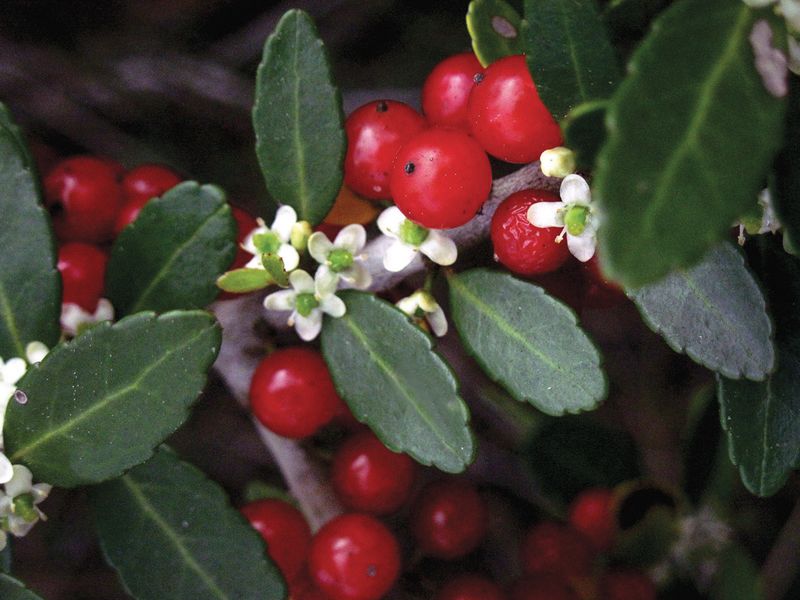
There is a reason yaupon holly shows up in so many Southern landscapes: it looks tidy, takes pruning well, and does not panic when the weather turns hot. For a boxwood replacement with a little more backbone, it is hard to ignore.
The small leaves create a fine texture that works in formal beds, clipped borders, and rounded accent shrubs. Dwarf forms stay compact and suit walkway edges, while standard forms can grow into screening shrubs or small trees.
Female plants can produce bright red berries if a male plant is nearby, and those berries bring a cheerful fall and winter look. Birds also make use of them, which turns a basic hedge into part of the backyard food web.
Yaupon holly tolerates sandy soil once established and handles pruning better than many native shrubs. That makes it a good fit for gardeners who want a crisp shape but do not want to baby a plant every week.
One helpful detail: avoid shearing every plant into a hard green block. Light, selective trimming keeps the natural branching attractive while still giving the entry or border a clean, cared-for finish.
4. Cocoplum
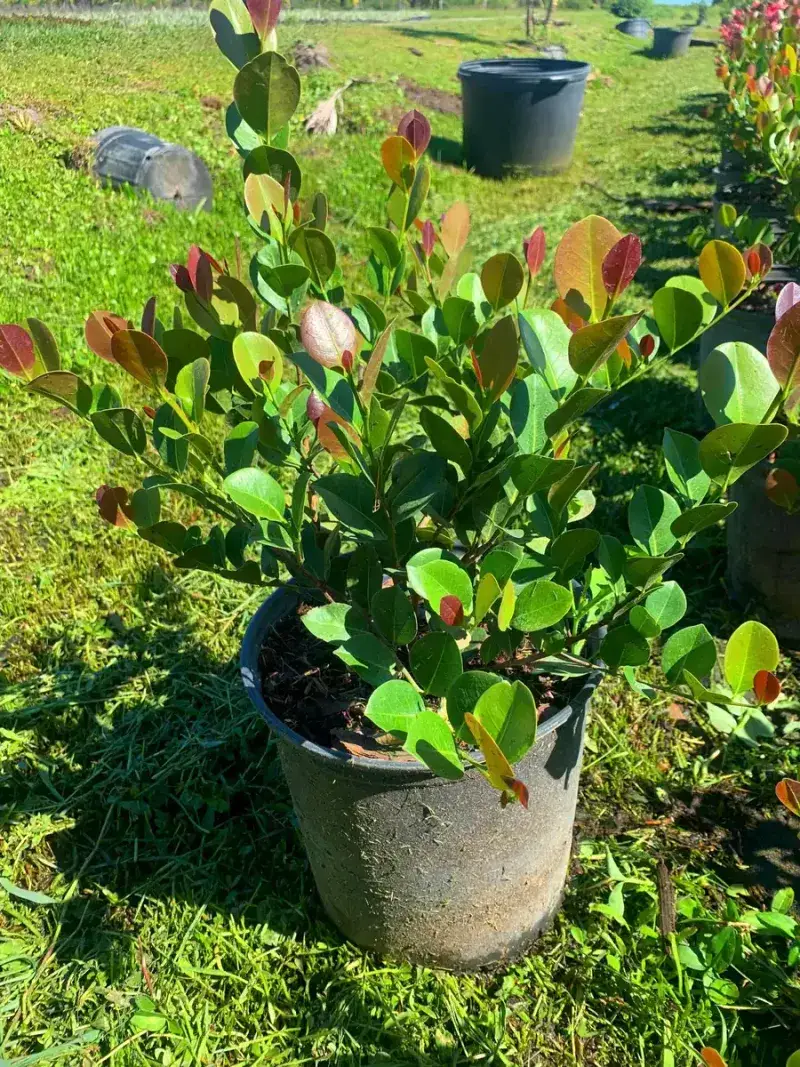
In South Florida, cocoplum brings a lush, coastal look that boxwood can never quite manage. The rounded leaves are bigger and bolder, so the effect is less formal, but the plant fills space beautifully.
New growth often has a bronze or reddish tint, which adds color without needing flowers. That feature makes cocoplum useful near patios, pool cages, and street-facing beds where you want the planting to look alive even between bloom cycles.
As a hedge, it can be kept lower or allowed to become a substantial screen. It is especially valuable in warm coastal counties because it tolerates salt spray better than many common landscape shrubs.
Small white flowers and plum-like fruits can appear, and wildlife may benefit from both. The fruit is edible for people too, though most homeowners grow cocoplum for its handsome foliage and easy screening power.
This is not the best native for every Florida yard, especially colder northern areas where freezes can injure it. In the right zone, though, it is a strong boxwood substitute for gardeners who want fullness, shine, and a more tropical Florida personality through fall.
5. Inkberry
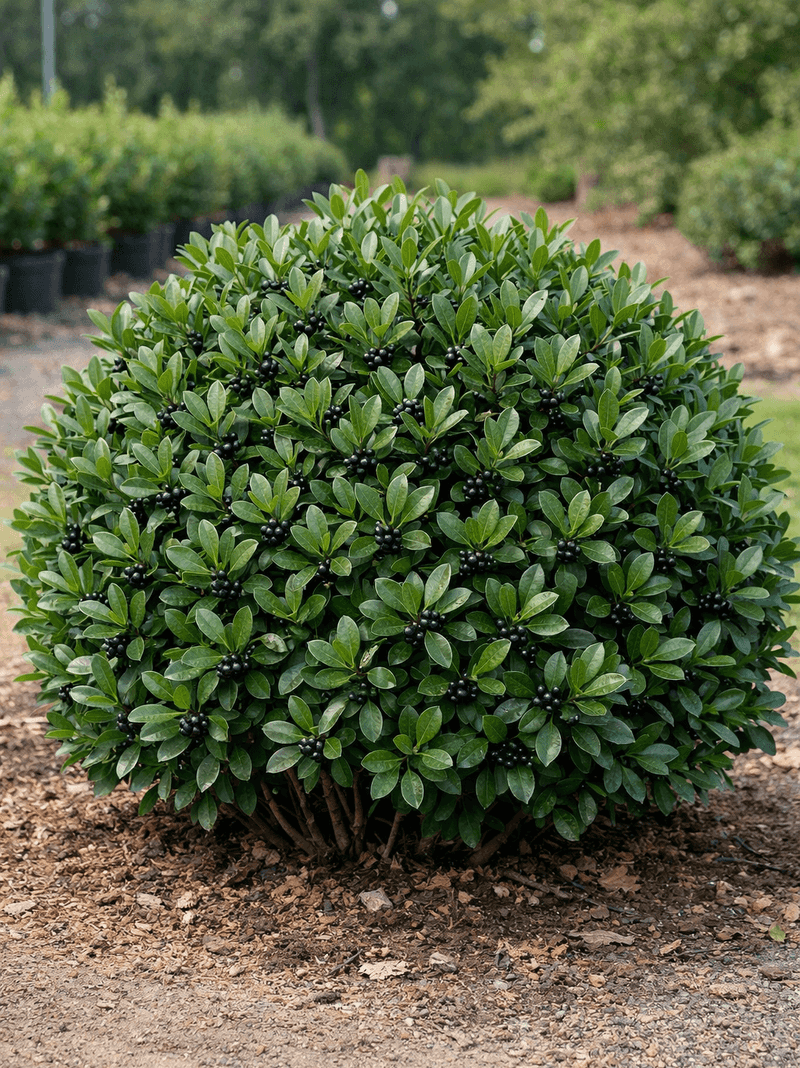
Not every boxwood replacement needs to look formal from across the street. Inkberry has a looser, coastal charm, yet it can still form a full green mass where a low hedge or border is needed.
Florida gardeners often deal with dry, sandy stretches one month and soggy pockets the next. Inkberry is useful because it can handle challenging sites, including wetter soils in some landscapes, while still offering evergreen cover.
Its leaves are small and dark green, giving the shrub a finer texture than many broadleaf natives. Black berries add quiet seasonal interest and can support birds, though the show is more subtle than a red-berried holly.
Use inkberry where you want a natural edge, not a rigid clipped wall. It works well near rain gardens, low spots, informal foundation beds, and property edges where a softer native planting feels right.
For the best results, avoid letting it become crowded by faster, taller plants. A little room and occasional shaping can keep it leafy from base to tip, which is the real goal when replacing tired boxwood with something better suited to Florida.
6. Wild Coffee
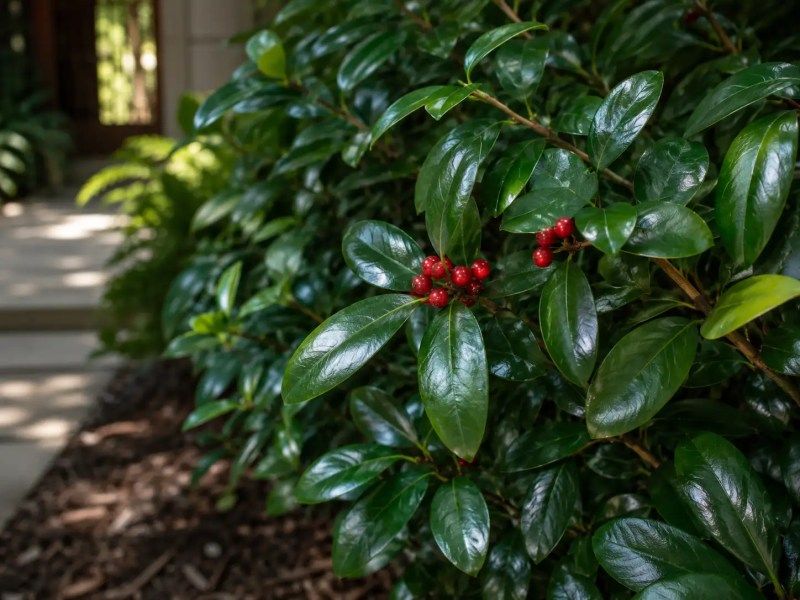
Shade beside a porch or under live oaks can make boxwood sulk, but wild coffee often looks right at home there. Its glossy leaves bring a rich, finished look to darker beds where many hedge plants thin out.
Wild coffee is especially helpful for gardeners who want a full shrub without sharp formality. It has a rounded, leafy shape that softens foundations, fills gaps near fences, and makes shaded walkways feel more planted and intentional.
Small white flowers are followed by red berries, which add a bright pop against the deep green foliage. Birds may visit for the fruit, and pollinators can use the flowers, giving this shrub more backyard value than a simple ornamental filler.
Despite the name, this is not the coffee plant used for your morning cup. The common name comes from the berry-like fruits, which resemble coffee cherries, but the plant is best appreciated as a native understory shrub.
Give wild coffee protection from hard freezes in colder parts of North Florida, or use it more confidently in Central and South Florida. In the right spot, it can stay handsome into fall with very little drama, especially when mulch keeps the root zone cooler and more even.
7. Firebush
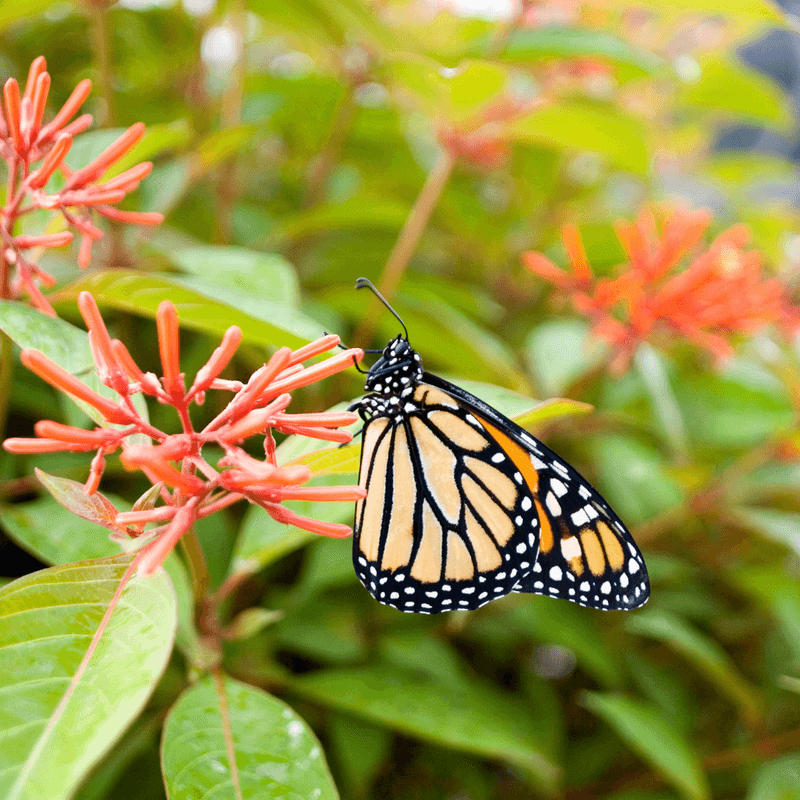
If your idea of replacing boxwood includes more color and hummingbirds, firebush is the lively choice on this list. It does not mimic boxwood’s formal look, but it replaces that plain green block with movement, flowers, and strong fall presence.
Orange-red tubular blooms can continue for a long season in warm parts of Florida, often carrying interest well into fall. Hummingbirds, butterflies, and other pollinators are frequent visitors, so a firebush border can make a yard feel active instead of static.
Use it where you have space for a rounded, informal shrub rather than a tight clipped hedge. It shines in sunny foundation corners, backyard habitat beds, fence lines, and mixed borders where color matters as much as structure.
Firebush can grow quickly during warm weather, which is helpful when you need a bed to look filled-in fast. Light pruning can guide its shape, but heavy shearing removes the relaxed character and can reduce flowers.
Cold snaps may knock it back in northern parts of the state, yet established plants often return from the roots. For Central and South Florida gardeners, it is a standout native when the goal is a fuller fall garden with real wildlife payoff.