
Roseate spoonbills do not visit a yard just because it has flowers. They look for shallow water, muddy edges, tiny fish, insects, and safe places to feed.
Most Florida yards are too dry and clipped to feel useful to them. Add the right wetland-edge natives, though, and your pond, swale, canal bank, or rain garden starts looking much more like spoonbill country.
1. Pickerelweed
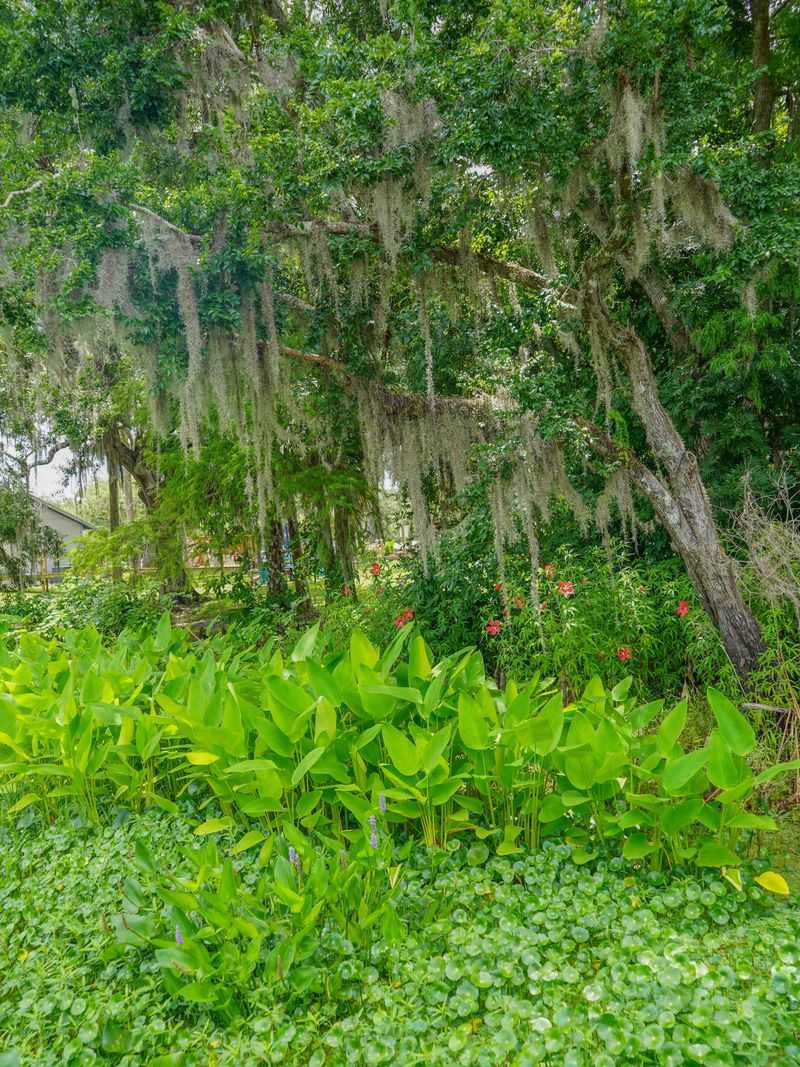
A flash of purple at the waterline can do more than dress up a soggy corner. Pickerelweed is one of the easiest native plants for turning a plain pond edge, ditch, or rain garden into living habitat with real food value.
Its upright leaves grow from shallow water or wet soil, making it a strong choice for Florida yards with retention ponds, low swales, or seasonally flooded edges. The purple flower spikes attract bees, butterflies, and other insects, while the plant’s stems and roots give small aquatic creatures places to hide.
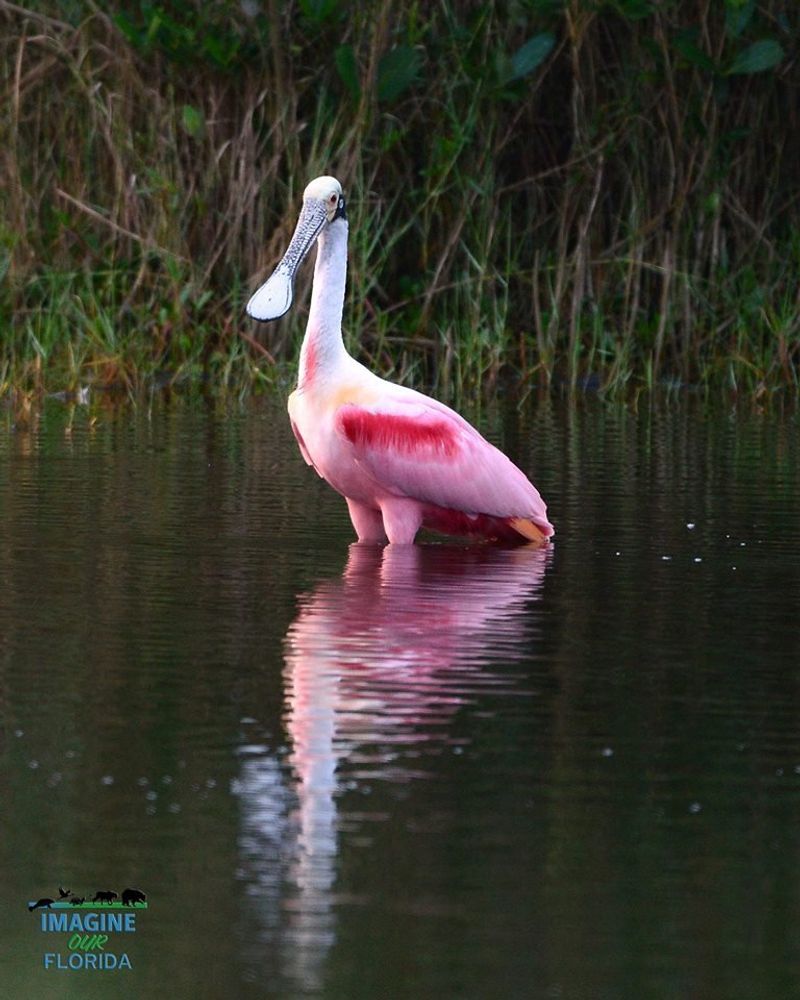
That matters for roseate spoonbills because they feed by sweeping their flattened bills through shallow water for small fish, shrimp, aquatic insects, and other tiny prey. Pickerelweed does not magically summon spoonbills, but it helps build the kind of edge where prey can gather.
Plant it where the soil stays moist or where the crown can sit in a few inches of water. In sandy Florida soil, it performs best where water naturally lingers instead of on a dry slope.
Gardeners also like pickerelweed because it looks tidy compared with many wild wetland plants. Cut back browned stems when needed, divide thick clumps if they spread too far, and let it form a soft, useful border along the water.
2. Duck Potato
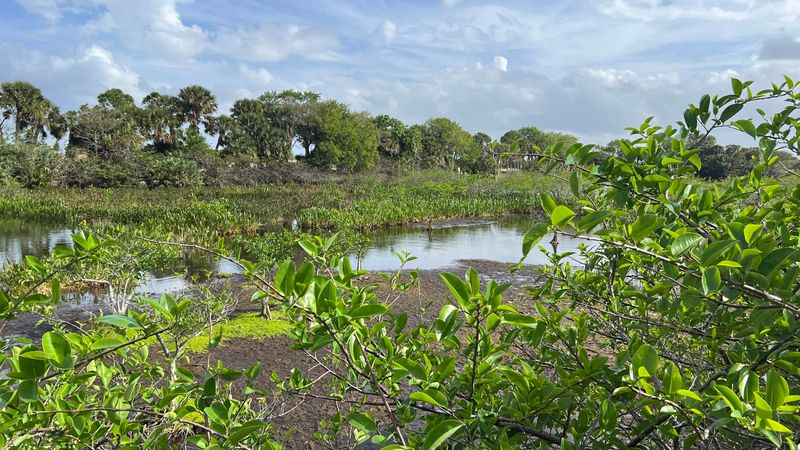
Muddy toes are exactly the point with duck potato. If a part of your yard stays wet long after a storm, this native can make that awkward spot look intentional instead of forgotten.
Duck potato, also called arrowhead, has bold arrow-shaped leaves and white blooms that rise above shallow water. It fits pond shelves, drainage ditches, marshy edges, and rain gardens that hold moisture after Florida downpours.
What makes it different from pickerelweed is its open, sculptural shape and its strong value for wetland wildlife. The underwater and muddy-zone growth creates cover for small aquatic animals, and those small creatures help support the feeding chain that spoonbills depend on.
Roseate spoonbills prefer to feed in shallow water, often just deep enough to cover their feet. A duck potato patch along a gently sloped bank can help create a more natural transition from lawn to water, especially when paired with other wet-edge natives.
Give it sun to part sun and consistently wet soil. In a lined backyard pond, set plants in aquatic baskets near the edge so they can root without taking over the whole shelf.
Duck potato can spread where conditions are ideal, so treat it like a useful colony plant. In the right spot, that spreading habit is a benefit because bare mud becomes habitat instead of an erosion problem.
3. Soft Rush
Clean lines are not usually the first thing people expect from a wetland plant. Soft rush proves otherwise with upright green stems that look almost architectural along a pond, swale, or low backyard basin.
This native is useful where homeowners want wildlife value without a wild-looking mess. It forms clumps instead of broad, leafy mounds, so it can fit neatly beside patios, boardwalks, pool-cage views, or visible front-yard drainage areas.
Soft rush shines at stabilizing wet soil. Florida storms can chew away sandy pond banks and send mulch floating into the street, but rushes help hold the edge together while slowing runoff.
For spoonbill-friendly habitat, that steady shoreline is more important than it looks. When runoff slows down, sediment drops out, water stays a little calmer, and tiny aquatic prey have more protected edges to use.
Plant soft rush in wet soil, shallow water, or rain gardens that flood and drain. It tolerates sun and some part shade, and once established in the right moisture zone, it asks for very little attention.
Use it in repeating groups rather than one lonely clump. A rhythm of soft rush along a water edge creates cover, texture, and a more natural feeding corridor for wading birds that pass through the neighborhood.
4. Blue Flag Iris
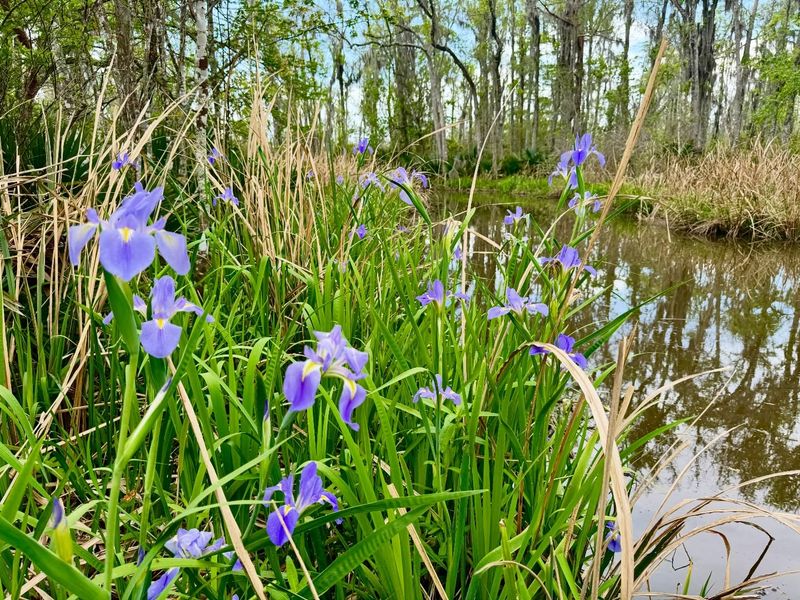
Every wet edge deserves at least one plant that makes neighbors ask what it is. Blue flag iris brings that moment with violet-blue flowers that feel showy enough for a garden bed but tough enough for wet Florida soil.
Unlike some purely functional shoreline plants, blue flag iris earns its place as a curb-appeal plant. Its sword-like leaves stay handsome for much of the year, and the spring blooms add color right when many homeowners are refreshing visible beds.
Place it along pond margins, wet ditches, rain gardens, or the lower side of a downspout garden where moisture collects. It handles damp soil well, but it should not be treated like a dry-land iris in a hot, sandy bed.
Its wildlife role is quieter than its flowers. The clumps help break up bare edges, reduce erosion, and support the insects and small organisms that gather in healthy wetland margins.
Roseate spoonbills are not coming for the iris bloom itself. They are responding to the whole shallow-water system, including calm edges, living roots, and prey-rich mud.
Blue flag iris is a smart pick when you want your spoonbill-minded planting to still look polished. Mix it with rushes or pickerelweed for a design that feels both intentional and natural.
5. Spatterdock
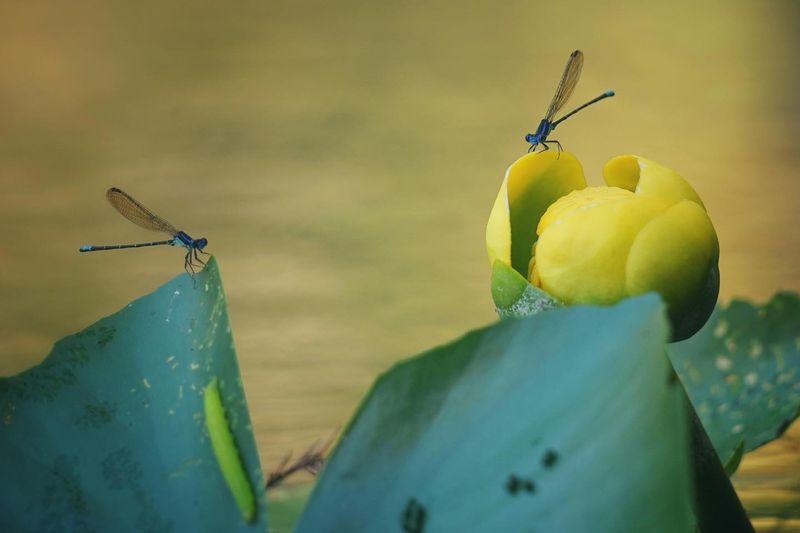
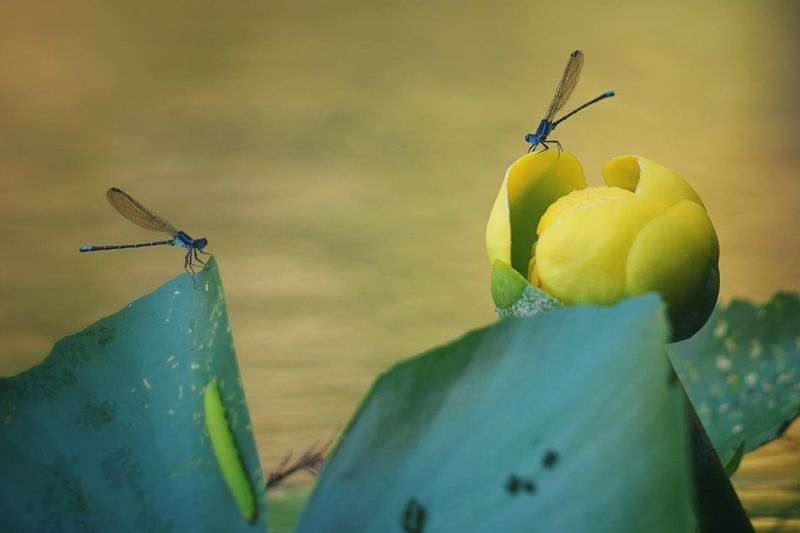
Not every spoonbill-friendly plant stands on the bank. Spatterdock spreads its floating leaves across shallow water, giving a backyard pond a more natural, old-Florida look.
Also known as yellow pond lily, this native is best for ponds, lakeside yards, and larger water gardens where it has room. Its yellow, cup-like flowers are unusual and charming, while the floating leaves shade the water below.
That shade can be useful in Florida’s long warm season because shallow water heats quickly. Cooler, more sheltered water can support small fish, tadpoles, aquatic insects, and other creatures that belong in a functioning pond edge.
For roseate spoonbills, open shallow feeding areas still matter, so spatterdock should not cover every bit of water. Think of it as a patch plant, not a blanket.
Use it where water remains present and where you can manage its spread if needed. It is not the right plant for a tiny decorative fountain, but it can be excellent along the shallow shelf of a natural pond.
Spatterdock adds a layer that bank plants cannot provide. When paired with shoreline natives, it helps turn a flat water feature into a layered habitat with surface cover, edge cover, and open feeding space.
6. Fakahatchee Grass
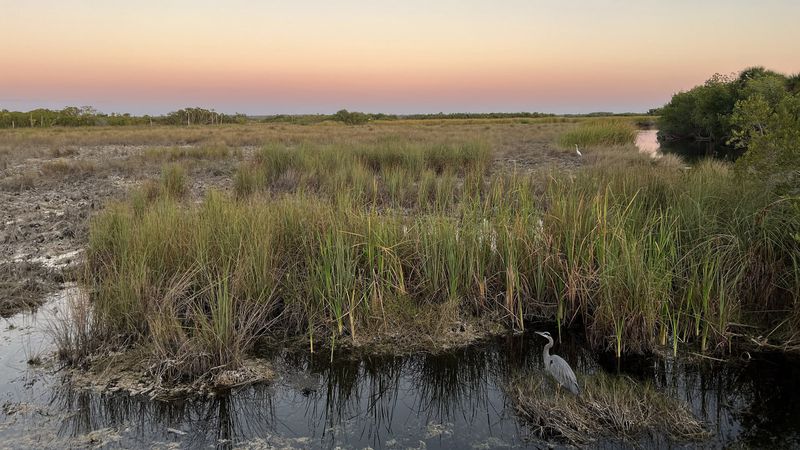
Big, bold, and very Florida, Fakahatchee grass is the plant to choose when a wet edge needs backbone. It can make a retention pond or canal bank look designed instead of leftover.
This native grass forms large clumps with arching blades that move beautifully in a breeze. It works especially well on the upper wetland edge, where soil may be moist after rain but not always standing in water.
Fakahatchee grass is different from the smaller rushes because it brings height, screening, and structure. Use it to soften a fence line near a pond, hide an unattractive drainage feature, or create a planted buffer between lawn and water.
That buffer is useful for wildlife because it catches runoff before it reaches the pond. Fertilizer, grass clippings, and loose sandy soil can all reduce water quality, so a planted strip helps protect the shallow feeding zone spoonbills need.
Give it room. Mature clumps can become wide, so place them where they will not block a walkway or crowd a small patio.
Once established, Fakahatchee grass is a low-fuss choice for many Florida landscapes. Cut back tired foliage when needed, avoid overwatering in dry upland beds, and let it anchor the wilder edge of the garden.
7. Swamp Milkweed
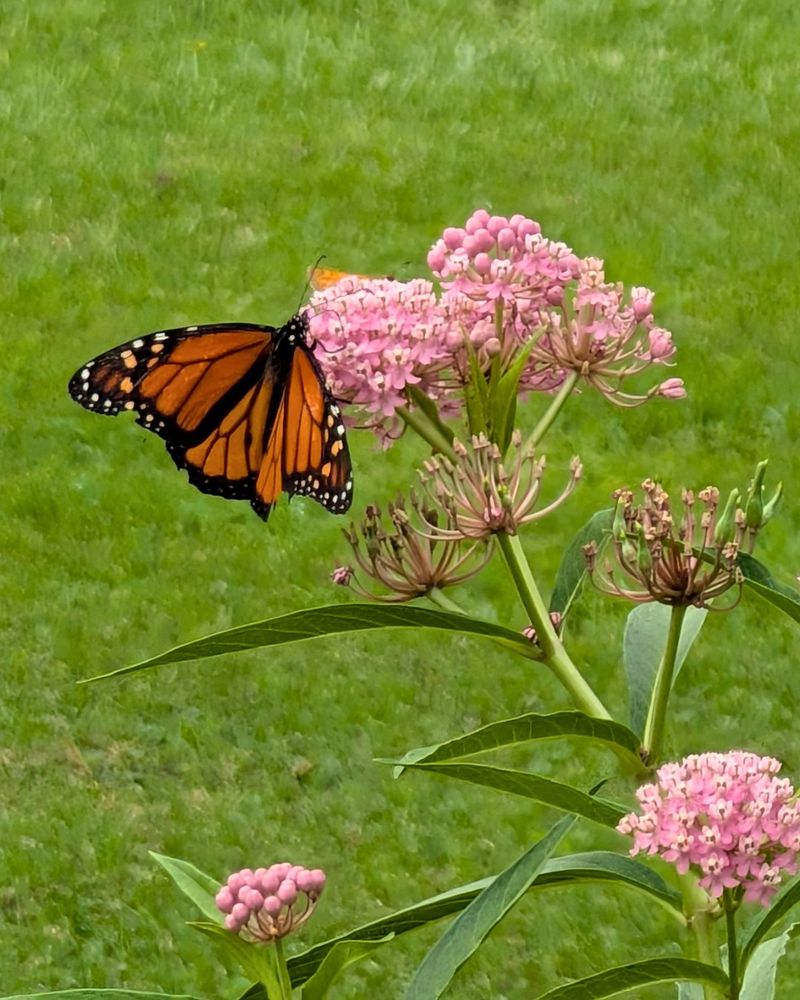
A spoonbill garden can still be a butterfly garden. Swamp milkweed brings pink flower clusters to moist soil while feeding monarch caterpillars, which makes it one of the most rewarding natives for a sunny rain garden.
Its special role is connecting the wetland edge to the pollinator world. While roseate spoonbills depend on aquatic prey, a healthy yard also needs insects, flowers, and seasonal seedheads that support a broader food web.
Swamp milkweed prefers moisture, especially compared with many milkweeds that struggle in wet ground. Plant it in a rain garden, along a damp pond shoulder, or in a low bed that catches roof runoff.
In Florida, pay attention to local growing conditions and choose native milkweed sources when possible. Avoid planting it where irrigation keeps foliage constantly soggy without good air movement, since crowded wet leaves can invite disease.
The plant may die back or look tired at certain times of year, and that is normal. Cut stems back when appropriate, but leave enough habitat in the garden so beneficial insects are not constantly removed.
Swamp milkweed will not be the plant a spoonbill probes with its bill. Its value is in making the whole wet-edge planting livelier, more insect-rich, and more ecologically balanced.
8. Buttonbush
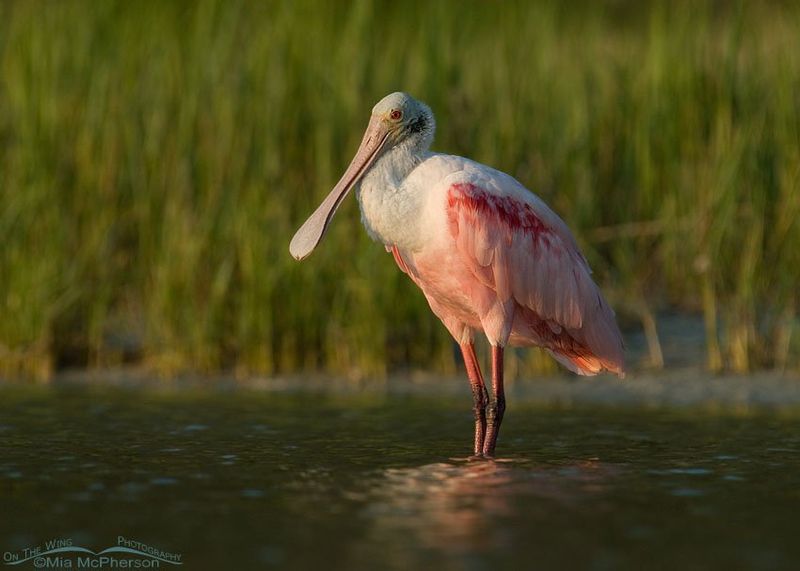
Round white blooms that look like tiny pincushions make buttonbush hard to forget. Better yet, this native shrub can handle the damp spots where many ordinary landscape shrubs sulk.
Buttonbush is ideal for the back edge of a pond, a broad swale, or a wet corner that needs height. It offers nectar for butterflies, bees, and other pollinators, then adds seeds that birds may use later in the season.
Its difference on this list is vertical habitat. While rushes, irises, and pickerelweed fill the low edge, buttonbush builds a taller layer that gives the planting depth and a more natural shoreline feel.
That layered look matters in a Florida yard because it reduces the hard line between turf and water. A clipped lawn that runs straight to a pond gives spoonbills little reason to linger, but a mixed edge suggests shelter and food activity.
Plant buttonbush where soil stays moist or periodically floods. It can grow into a sizable shrub, so avoid squeezing it into a narrow foundation bed or a tiny pond corner.
Prune lightly for shape after flowering if needed. In a roomy wet area, its loose form is part of the charm and helps the garden feel less like a drainage fix and more like a small backyard wetland.
9. Saltmarsh Cordgrass
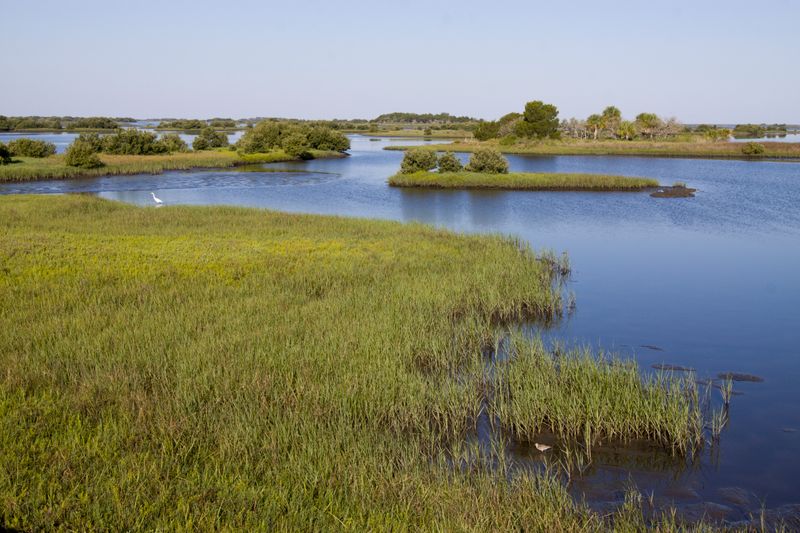
Coastal yards play by different rules, and saltmarsh cordgrass understands them. If your Florida property borders brackish water, a tidal creek, or a salty low area, many freshwater favorites may not be the best fit.
Saltmarsh cordgrass is built for wet, salty edges. It forms dense stands that help stabilize shorelines, buffer wave action, and trap sediment, which is especially useful in storm-prone coastal landscapes.
This plant earns its place because roseate spoonbills often use coastal marshes, mangrove edges, lagoons, and brackish shallows. A yard near that kind of water can feel more inviting when the edge resembles a living marsh instead of a mowed drop-off.
Use saltmarsh cordgrass only where conditions match. It is not a general-purpose plant for a dry inland bed, and it is not meant to replace every shoreline plant in a freshwater pond.
In the right site, it can reduce erosion while creating cover for small fish, crabs, shrimp, and other marsh creatures. Those are exactly the kinds of prey-rich shallows that wading birds investigate.
Before planting on tidal or regulated shorelines, check local rules and restoration guidance. For coastal homeowners, the payoff is practical as well as beautiful: a tougher edge, better habitat, and a yard that fits its Florida setting.