
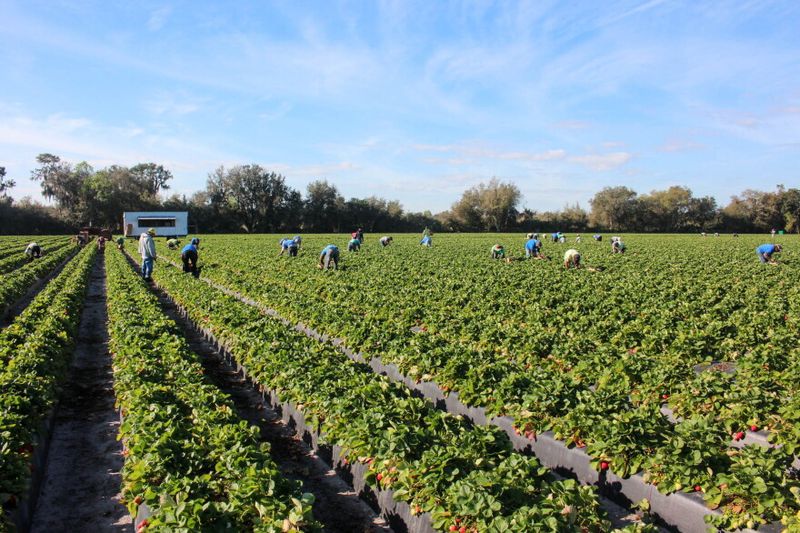
You planted strawberries in fall, and now green runners are creeping across the soil while flowers are nowhere to be seen. It looks like the plants are doing something wrong, but that is not always the case.
Runners are just something you noticed, and the real story depends on your variety, your weather, and your local calendar. Here is how to read the signs and what to do next.
Runners alone do not show that a strawberry plant is failing
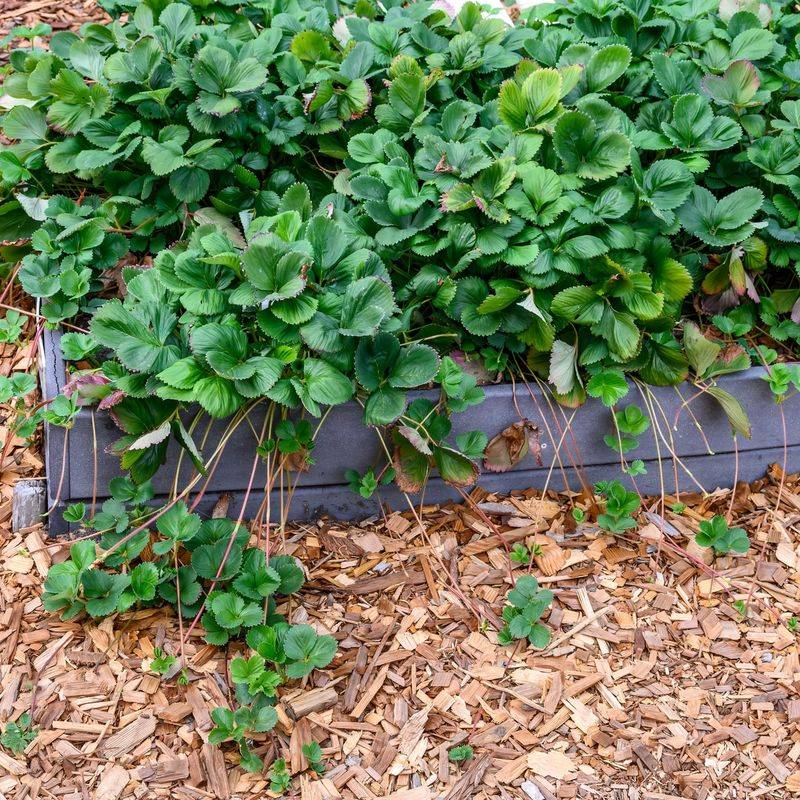
Seeing runners on a plant that has not bloomed can feel alarming. Still, a runner is only a sign of what the plant is doing right now.
By itself, it does not prove your transplant has failed.
Strawberries do not flower all the time. Flowering and runner production both respond to the variety you planted and the conditions it is growing in, as laid out in the Texas A&M AgriLife production guide.
A plant can send out runners while it is simply outside its flowering window.
Look at the parts that matter more. Are the leaves green and the crown firm?
Is new growth appearing from the center? Those are better signs of a settled plant than a flower count.
The Southern Regional Strawberry Plasticulture Production Guide treats flowering as something tied to cultivar and season, so patience is often part of the answer.
Runners did not steal the blooms, and they did not replace them. They are a clue to keep in mind while you sort out the rest.
Cultivar and season shape when strawberries flower
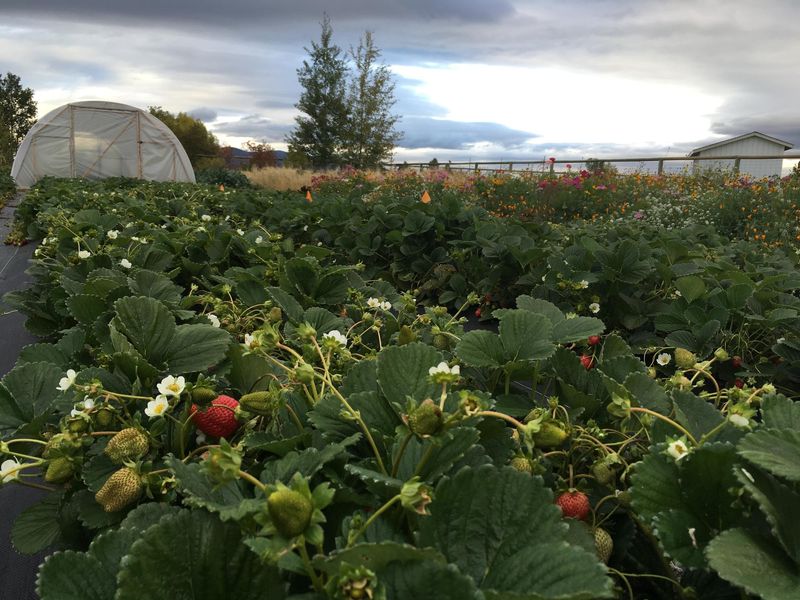
Strawberry types fall into three broad groups: short-day, long-day (often sold as everbearing), and day-neutral. Texas A&M describes these categories in its Texas strawberry production guide, and each group differs in how it flowers and how many runners it makes.
Day length and temperature both play a part. Short days and cooler weather set some types up for flowering, while warm spells can favor leafy growth or hold flowering back, depending on the variety.
No single temperature or day-length number works for every cultivar, so be wary of any one-size rule.
UF/IFAS gives general growing conditions for most varieties in its Florida home garden guide, which is a helpful starting point rather than a promise for every plant.
Check the plant tag or your order receipt to find your variety. If you cannot track it down, accept that timing is a bit uncertain and watch how your plants behave through the season.
Texas and Florida have different fall-to-flower patterns
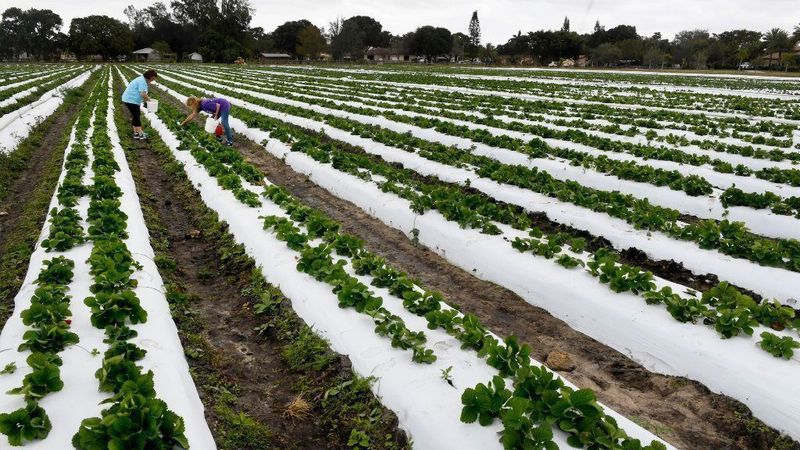
Planting in fall does not mean flowers in fall, and the two states show different patterns. In Texas, short-day varieties form flower buds in autumn under short days, then bloom as temperatures rise, according to Texas A&M AgriLife.
Florida home gardens follow another rhythm. UF/IFAS notes that plants are typically set out from late September to early November, with flowering and fruiting generally beginning in November.
Treat both as regional patterns, not promises. Your cultivar, planting date, exact location, and the year’s weather can shift the timing.
A warm fall in South Texas will not look like a cool one in the Panhandle, and North Florida differs from the southern peninsula.
Rather than lean on one calendar for both states, check with your county extension office. Local agents know when strawberries in your area usually bloom and can tell you if your plants are on track.
Let new plants establish before trimming unwanted runners
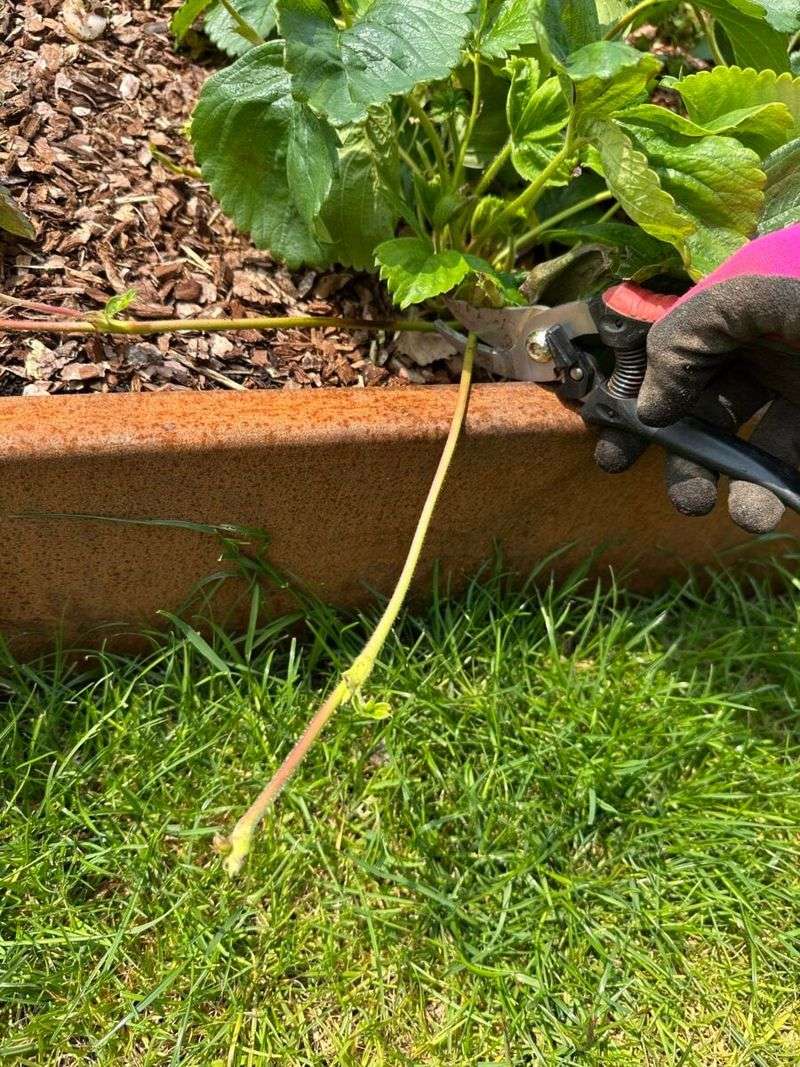
Timing matters more than speed here. Newly transplanted strawberries need time to put down roots before you start trimming anything.
NC State Extension advises waiting about three to four weeks after transplanting, with a follow-up removal around six weeks if needed.
Those numbers come from southeastern production guidance. They are a useful reference, not a fixed schedule for every Texas or Florida yard.
When the time comes, pinch or snip unwanted runners with scissors or hand pruners. Cut the runner itself and leave the crown and leaves untouched.
Why bother? Removing runners may reduce competition and support root and crown development, a goal also reflected in the Southern Regional production guide.
It is an establishment step, though. Trimming cannot reliably make flowers show up sooner, so think of it as helping the plant settle in rather than a bloom switch.
Keep selected runners when you need daughter plants
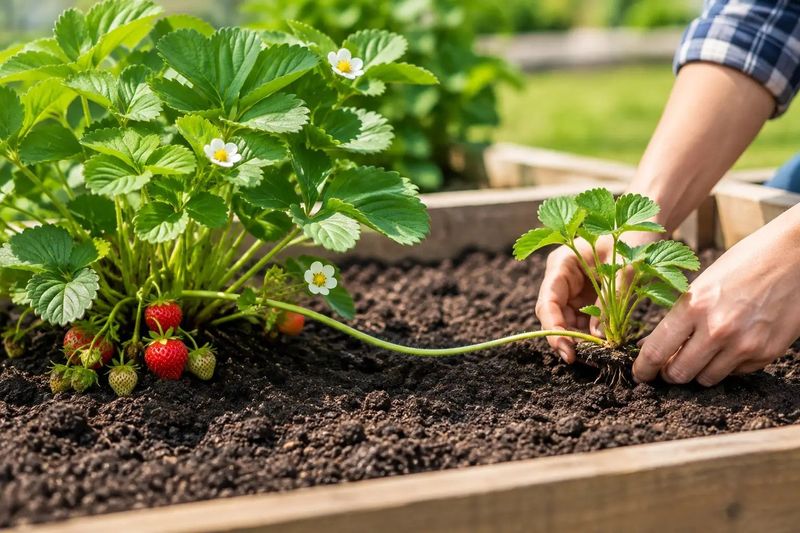
Your goal decides which runners go. If you want a compact planting, or fruit from your original plants, remove the unwanted runners as they form.
If you are hoping to fill a matted bed or make replacement plants, keep a few. Daughter plants can add to planting density and future yield, and UC IPM suggests allowing a few first-year runners for replacements and removing the rest as they appear.
So removing every runner is not the right call for everyone. Pick the strongest few, pin them to the soil, and snip off the extras.
Yield effects also vary. A 1988 field study by Pritts and Worden, published in the Journal of the American Society for Horticultural Science, found results that depended on the cultivar.
Runner removal lowered cumulative plot yields for the cultivars tested, partly because fewer daughter plants remained. Those trials were in the northeastern U.S., so they do not predict what your Southern backyard will produce.
Check growing conditions before reaching for fertilizer
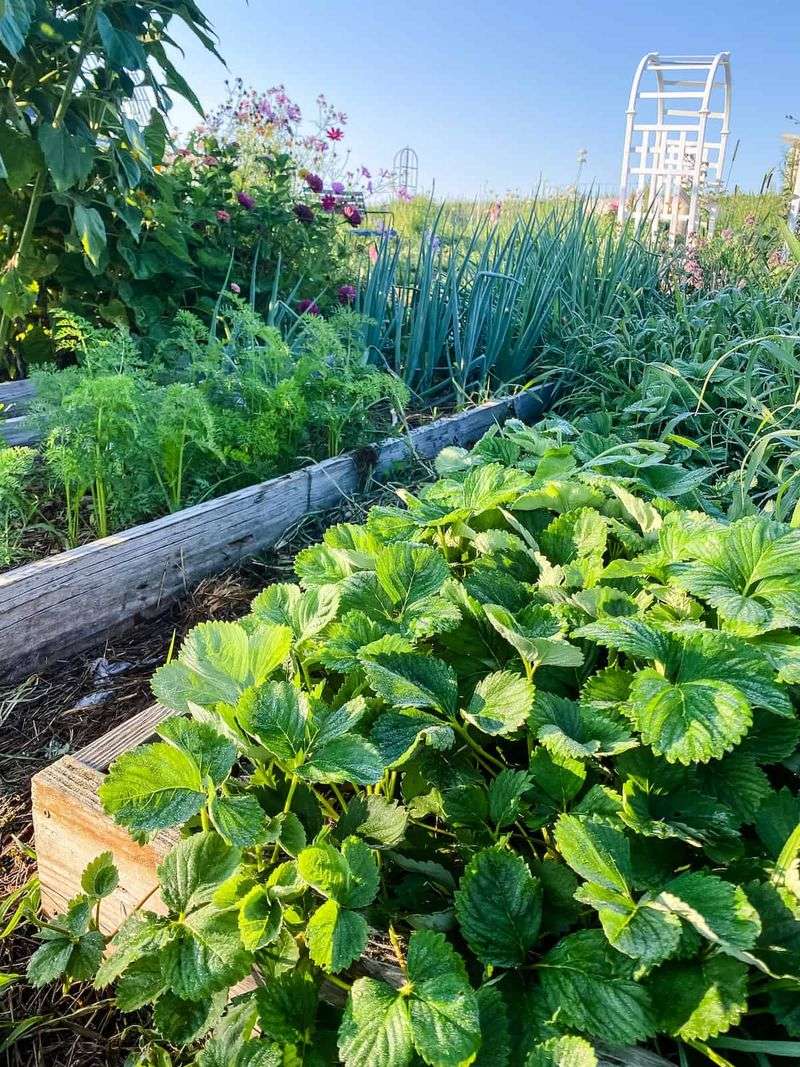
Before you buy a bag of fertilizer, walk out and look at the bed. Strawberries need light and drainage first.
UF/IFAS recommends at least eight hours of direct sun and well-drained soil for Florida home strawberries, as described in its home garden guide.
Check whether a tree or fence now shades the bed for part of the day. Then see if water pools after a rain.
Fixing either problem usually does more than any feed.
Extra nitrogen is not a reliable way to force blooms. NC State Extension notes that too much fall nitrogen can push top growth at the expense of the root starch reserves plants need for vigorous spring growth and flowering.
Instead of guessing at a dose, get a soil test and follow your local extension recommendations.
Trimming unwanted runners may help plants settle in, but it cannot promise bloom timing or a spring harvest. Good sun, drainage, and patience are the quiet work behind most berries.