
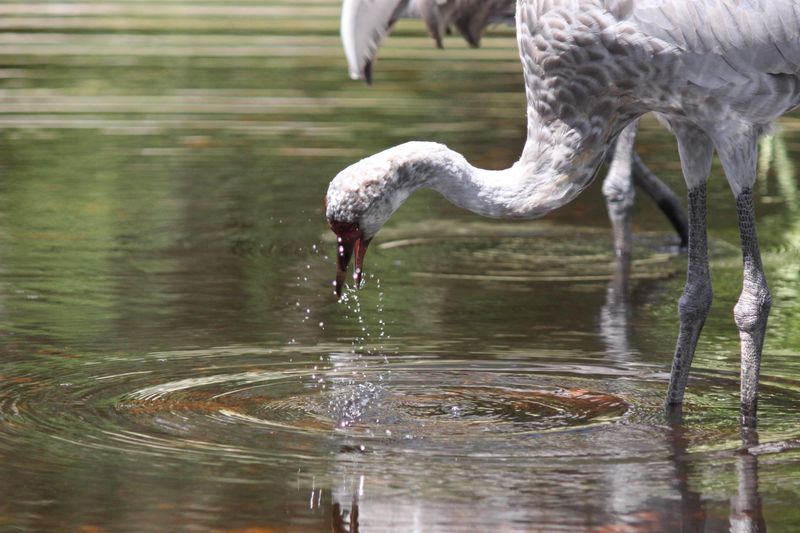
A pair of sandhill cranes walking across the lawn can stop a whole morning in its tracks. In Florida, these tall gray birds often return to yards that feel safe, open, and easy to move through.
Homeowners cannot own or tame them, but they can understand what makes a yard more crane-friendly. The right features also make the landscape cleaner, calmer, and more useful for other wildlife.
1. Wide Open Lawn Space With Clear Sightlines
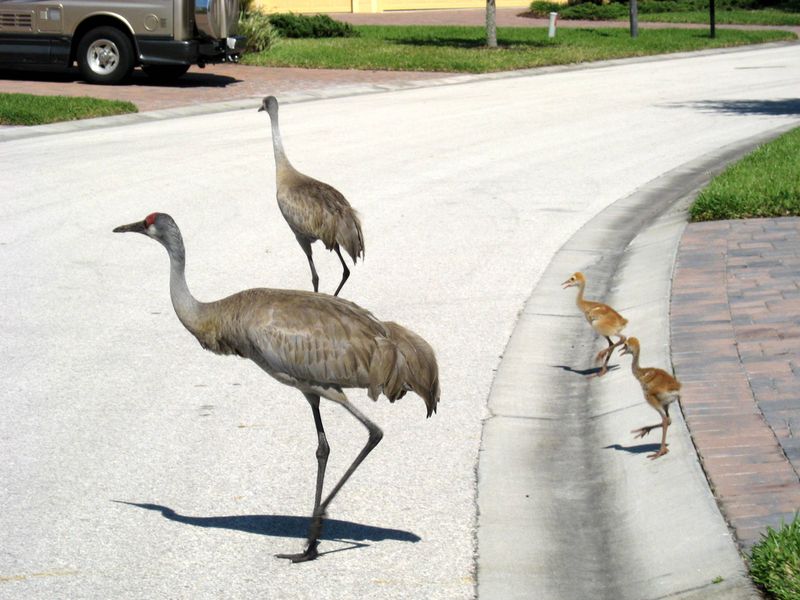
A sandhill crane likes to see what is coming before it settles in. Wide, open lawn space gives these long-legged birds room to walk, forage, turn around, and keep watch for people, dogs, and predators.
Florida yards with large open areas can feel especially inviting when the center stays uncluttered. Too many decorations, dense plantings, garden stakes, and low wires can make the space harder for cranes to navigate.
A simple lawn bordered by shrubs or beds often works better than a busy yard full of obstacles.
Open does not have to mean bare or boring. Keep the walking area broad, then place native plants around the edges where they add color, soften the view, and support insects.
In sandy Florida soil, low-maintenance border plants such as muhly grass, firebush, coontie, or Simpson’s stopper can give the yard shape without turning the main crane pathway into a maze.
For homeowners, the payoff is practical too. A cleaner layout is easier to mow, easier to inspect after storms, and better for watching wildlife from the porch or kitchen window.
2. Shallow Water Nearby or a Damp Low Spot
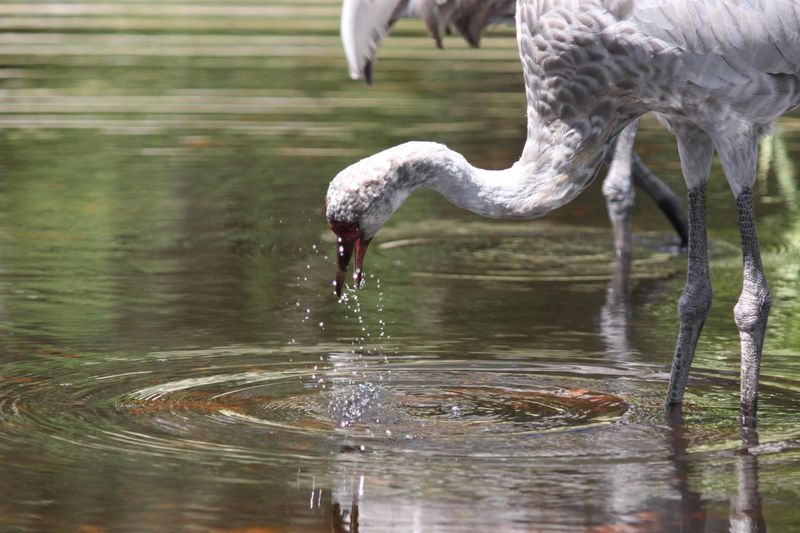
Nothing catches a crane’s attention quite like a damp patch after rain. Sandhill cranes feed in wet prairies, marsh edges, pastures, and shallow freshwater areas, so a yard near a pond, swale, lake, retention basin, or seasonal low spot can fit their daily routine.
The goal is not to build a deep pond just for cranes. In many Florida neighborhoods, stormwater features and low areas already exist, and cranes simply learn which yards connect safely to them.
A shallow edge with gentle slopes is more useful than a steep, hard drop-off.
Homeowners can make wet areas more wildlife-aware by avoiding chemical-heavy runoff and planting moisture-tolerant natives where practical. Pickerelweed, duck potato, soft rush, and blue flag iris can help dress up pond edges while giving small insects and aquatic life a place to live.
Always check local rules and UF-IFAS guidance before changing shoreline plantings, especially around community ponds.
A damp corner can look intentional instead of messy when it is edged neatly and planted with the right species. For cranes, that small wet zone may offer drinking, probing, and bug-hunting opportunities during Florida’s long warm season.
3. A Yard Free of Loose Dogs and Sudden Chasing
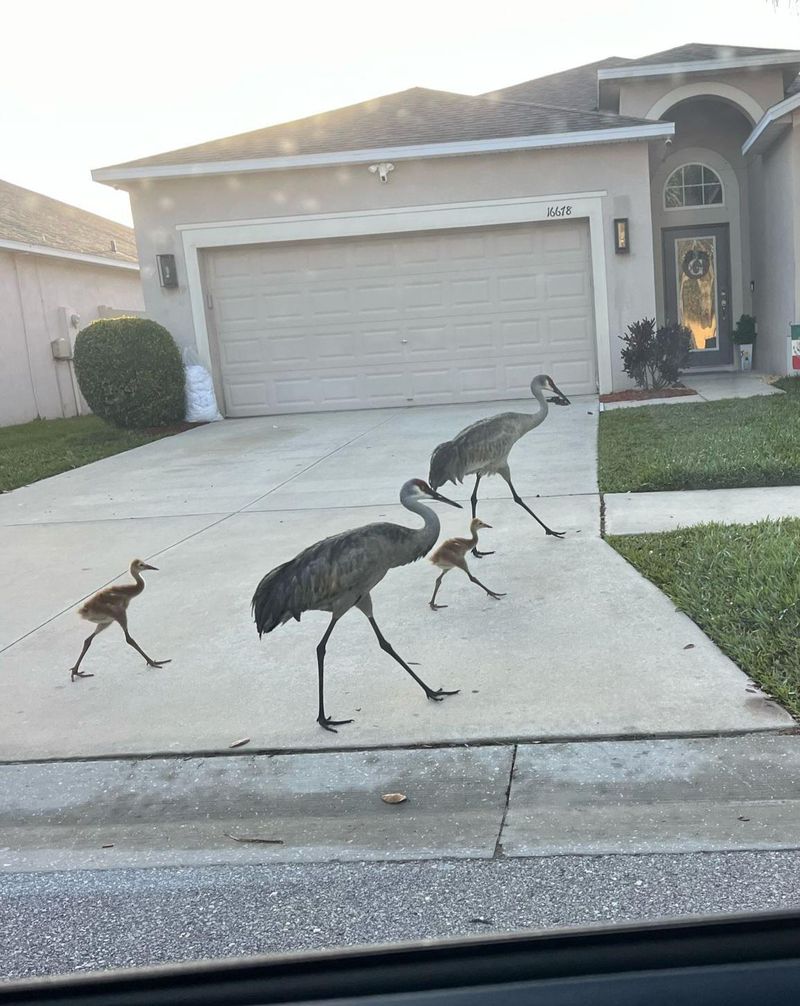
The fastest way to teach cranes to avoid a yard is to let a dog rush them. Sandhill cranes may look confident, but they depend on safe escape routes and predictable surroundings when they choose where to feed or rest.
In Florida neighborhoods where cranes wander between homes, leash habits matter. A dog barking from inside the house is one thing, but a loose dog sprinting across the lawn can scatter birds and put both animals at risk.
Cranes have sharp bills and strong legs, so close encounters are not safe for pets either.
A crane-friendly yard does not require keeping dogs indoors all day. It means using leashes, fences, or supervised outdoor time when cranes are present.
Teaching children to watch quietly from a distance also helps the birds move through without stress.
That calm routine pays off beyond cranes. Herons, ibises, rabbits, butterflies, and other backyard visitors are more likely to linger when the yard is not full of sudden chasing.
For the homeowner, it creates a more peaceful outdoor space and lowers the chance of an upsetting wildlife conflict right outside the front door.
4. Native Plants That Bring Insects and Small Prey
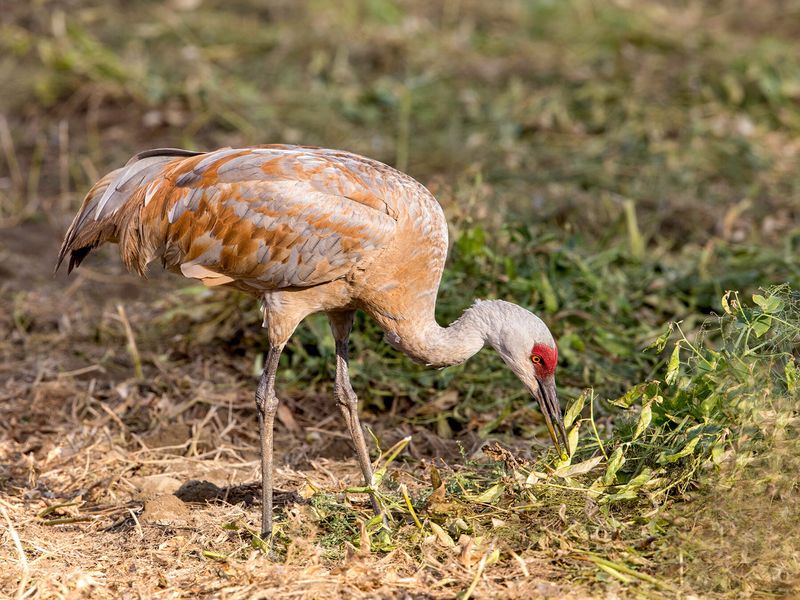
A crane’s grocery list is wider than many people expect. Sandhill cranes eat insects, seeds, berries, roots, small reptiles, and other small animals, so yards with healthy native plant life can become better foraging stops.
The key difference here is food web value. A clipped lawn with little plant diversity may look tidy, but it usually supports fewer insects.
Native plants, especially those suited to local soil and rainfall, can bring life back into the edges of a yard without demanding constant care.
Florida gardeners can lean on UF-IFAS and local native plant society resources for region-appropriate choices. Firebush attracts pollinators, coontie supports atala butterflies in parts of Florida, muhly grass handles sandy soil well once established, and beautyberry offers purple fruit that many birds notice.
These plants are not crane bait, but they help create the kind of living landscape cranes often investigate.
Keep the design practical by grouping plants in beds instead of scattering them everywhere. Leave open walking lanes, avoid thorny thickets in the main path, and mulch lightly with materials that fit Florida conditions.
A yard that feeds insects can look polished while still working like habitat.
5. No Handouts, Just Natural Foraging
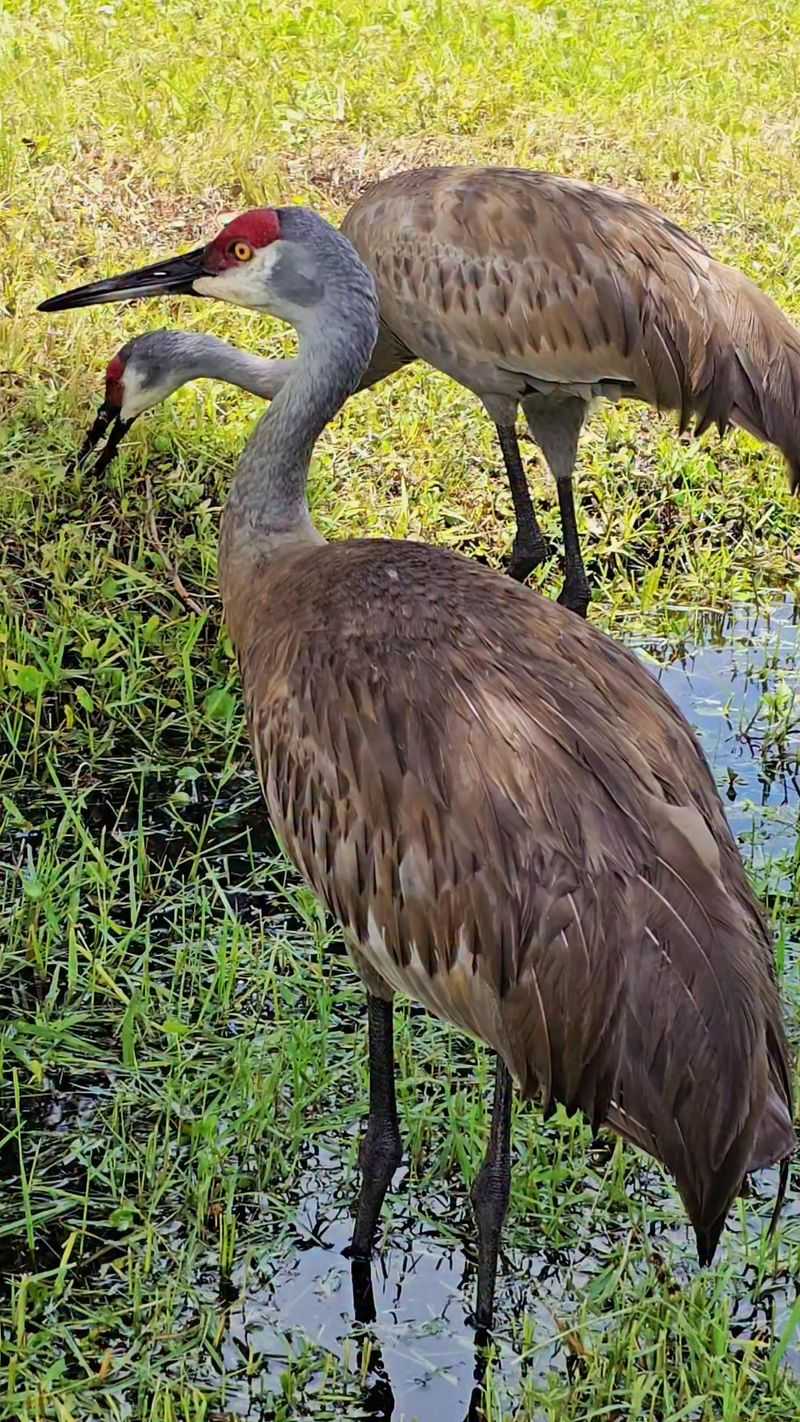
Feeding cranes may feel kind, but it can turn a beautiful visit into a neighborhood problem. Florida sandhill cranes can become too comfortable around people when they are offered bread, seed, pet food, or scraps.
Natural foraging is much safer. When cranes search the grass, probe damp soil, and pick through leaf litter, they stay active and behave more like wild birds.
Handouts can lead them toward roads, porches, garages, and doorways, where accidents and conflicts become more likely.
There is also a legal and ethical side. Florida wildlife agencies discourage feeding sandhill cranes because it can harm the birds and increase risky behavior.
Bread and processed food do not give them the balanced diet they find in natural spaces.
A better approach is to improve the yard without turning it into a feeding station. Keep native beds healthy, reduce unnecessary pesticide use, manage pet food indoors, and clean up spilled birdseed if cranes begin gathering near feeders.
The reward is a visit that feels wild, not trained.
Think of it like hosting from a distance. You provide a safe landscape, and the cranes decide whether to stop by.
6. Low Chemical Use and Healthier Soil Life
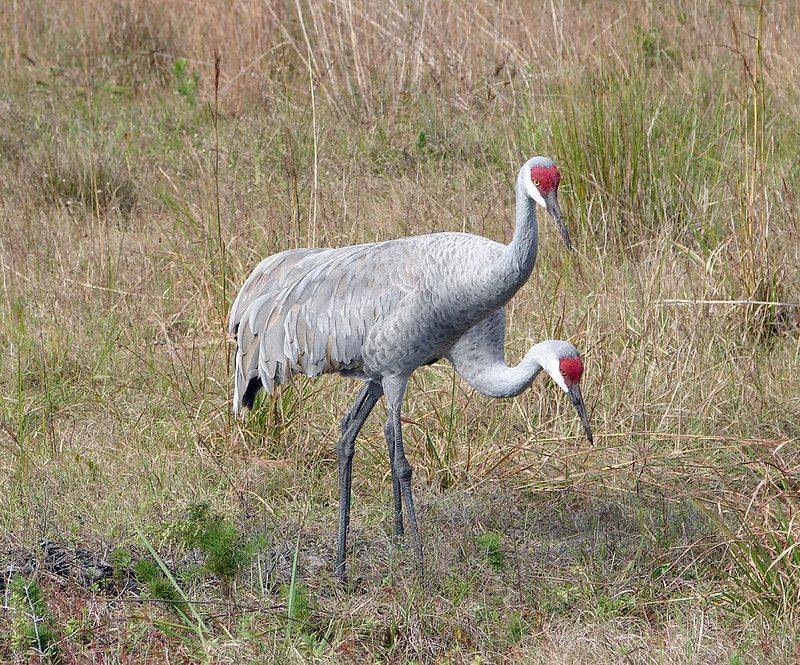
Under the grass, a crane may find more than most people ever notice. Worms, beetles, grubs, small frogs, and other soil-level life can make a yard worth inspecting, especially after rain softens Florida’s sandy ground.
Heavy routine chemical use can reduce the small creatures that cranes and other wildlife rely on. It can also send runoff toward ponds, swales, and drainage areas during downpours.
In a state where sudden storms and flooding are part of yard care, what goes on the lawn does not always stay there.
A more wildlife-aware plan starts with using pesticides only when truly needed and following the label exactly. Integrated pest management, often recommended by extension experts, focuses on identifying the real problem before spraying.
Sometimes better mowing height, proper irrigation, hand removal, or choosing tougher plants solves the issue with less impact.
Florida gardeners can also build soil health with compost in beds, mulch around shrubs, and plants that tolerate sandy conditions without constant rescue. Healthier soil supports roots, insects, and microbes, which can make the whole yard more resilient.
For cranes, low-chemical yards may offer safer foraging. For homeowners, the same approach can mean fewer inputs, fewer mystery lawn problems, and a landscape that handles heat and rain with less drama.
7. Quiet Edges for Nesting Season Distance
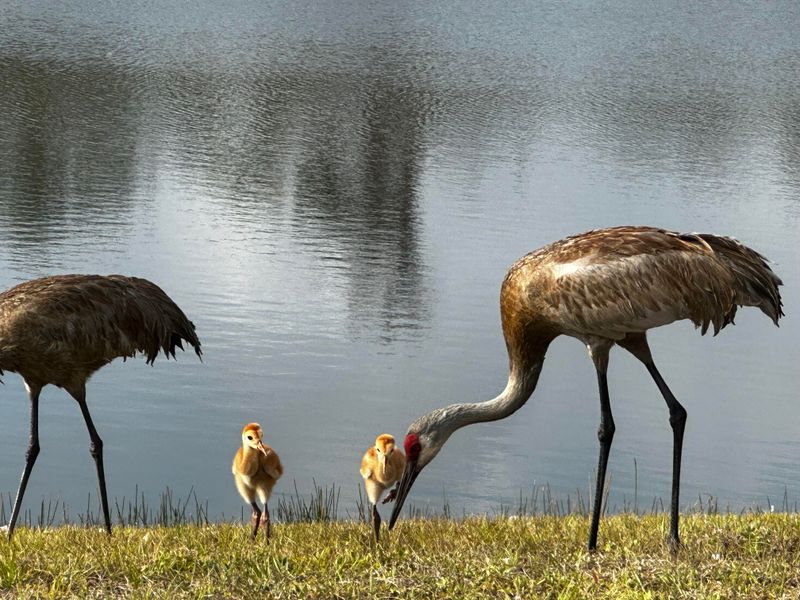
Spring in Florida can bring a special kind of crane drama: fluffy colts trailing behind their parents. During nesting season, sandhill cranes become more protective, and yards near wetlands or open grassy areas may fall inside their regular family route.
The feature that matters here is respectful space. A quiet edge near a pond, marsh, pasture, or preserve can help cranes pass through with less pressure from people.
They do not need a crowd, a camera inches away, or a child trying to follow the babies.
Homeowners can make the yard safer by keeping outdoor traffic predictable when crane families appear. Watch from the porch or window, keep pets controlled, and give the birds a clear way out.
If cranes nest nearby, avoid disturbing the area and contact local wildlife authorities or extension resources if there is a safety concern.
Landscape choices can support that calm buffer. Place seating, play equipment, and busy gathering spots away from wetland edges when possible.
Use native shrubs to frame views without blocking movement, and keep paths open enough that birds do not feel trapped.
A quiet edge is not about surrendering the yard. It is about sharing the boundary wisely, especially during the weeks when young cranes are learning where to walk, feed, and stay safe.