
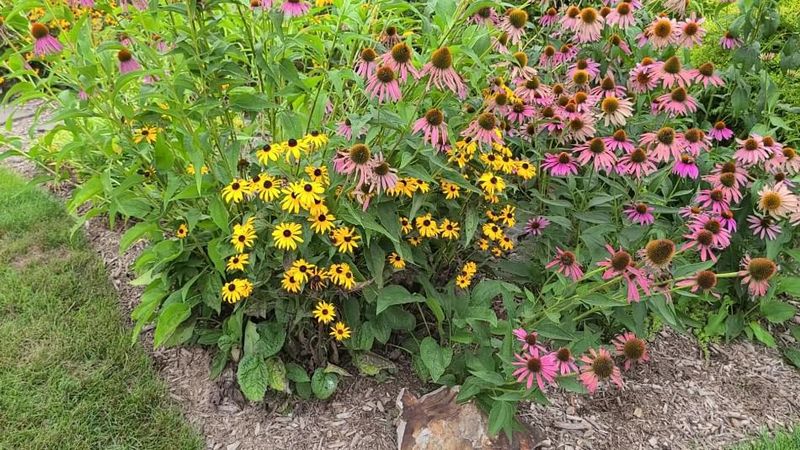
Those brown, spiky seed heads on your coneflowers are not leftovers. They hold seeds you can gather and plant yourself.
Saving them costs almost nothing, and fall is the moment to act. Here is how to try growing more eastern purple coneflower while still leaving food for the birds.
Start with the right coneflower
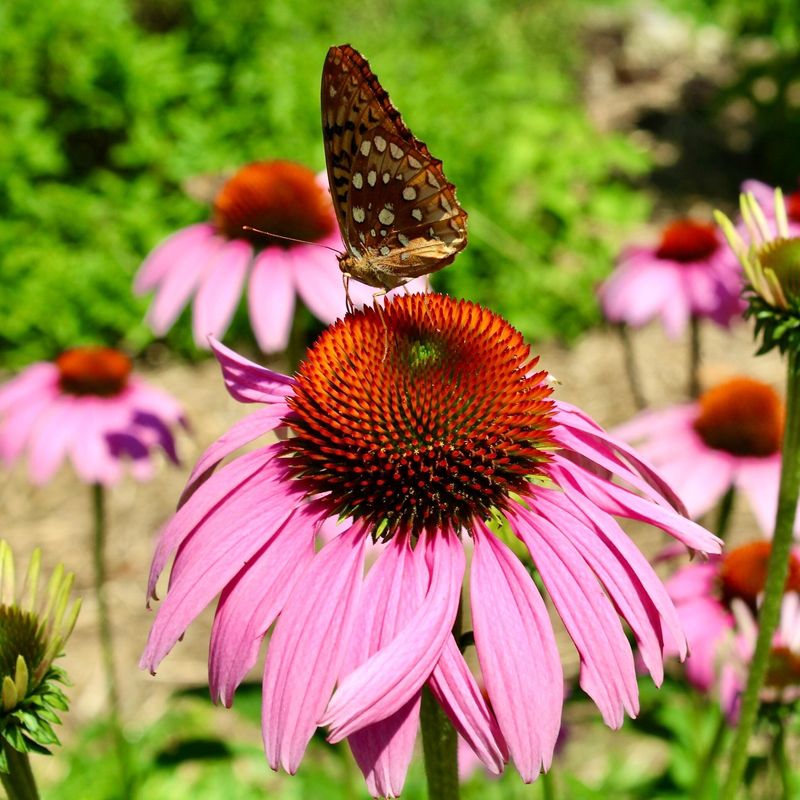
Plenty of plants get called coneflower, so start by naming the one this guide covers. Eastern purple coneflower, Echinacea purpurea, is a perennial with pink to purple petals that droop around a spiky, orange-brown center.
The steps below are written for this species, not for every plant with cone in its name.
According to NC State Extension, this coneflower is easy to grow from seed and can reseed itself in gardens. That is what makes seed saving worth a try in a home yard.
Native status takes some careful wording. NC State Extension lists the species as a North Carolina native.
The state flora account, though, describes its range as mainly the Low Mountains and upper Piedmont, notes that many eastern records may be garden escapes, and says its status is uncertain in parts of the state. So it is not fair to call it native or common everywhere in North Carolina.
Because wild plants can be scarce, this guide is about plants growing in your own beds. If yours came from a nursery, it may be a named cultivar or hybrid, which matters later when you look at what your seedlings turn out to be.
Check the plant tag if you still have it, and look at the flowers now so you know what you are starting with.
Check whether the seed head is ready
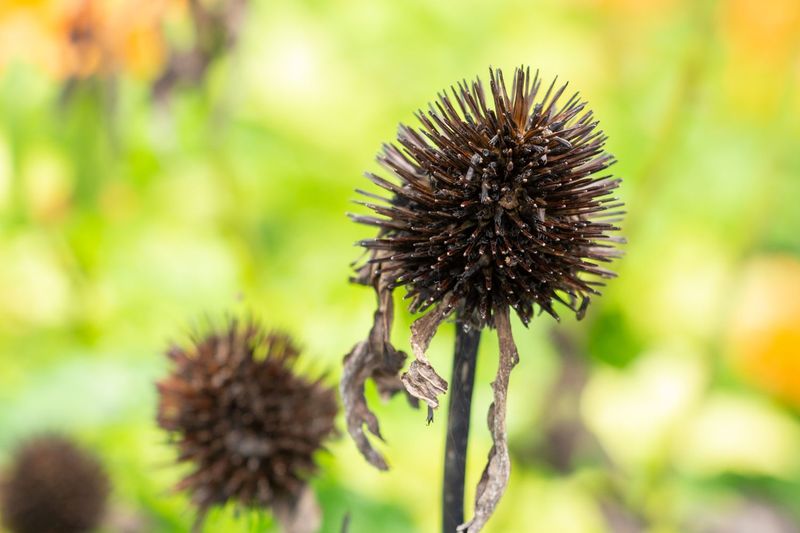
Forget the calendar and walk out to the plants. The best sign that seed is ready is a head that has dried out and turned brown or tan.
Rutgers Cooperative Extension uses that color change as the sign of ripening, and it lists late summer to early fall as the general collection window for this species.
That window is a rough guide, not a deadline. North Carolina records of this plant, kept in the state flora database, show flowering mostly through August and fruiting from May into October.
A mountain garden and a coastal plain yard will not be ready on the same day, and a hot dry year can shift things too.
Try a simple test. Look at the head: is the center dark, dry, and hard, with petals long gone?
Press it gently with a gloved finger. A green or soft head still needs more time on the plant.
If a rainy spell has left heads damp, wait for a dry day. Checking every few days for a couple of weeks works better than picking one date, and you can harvest a few heads at a time as they finish.
Collect and dry the seed heads carefully
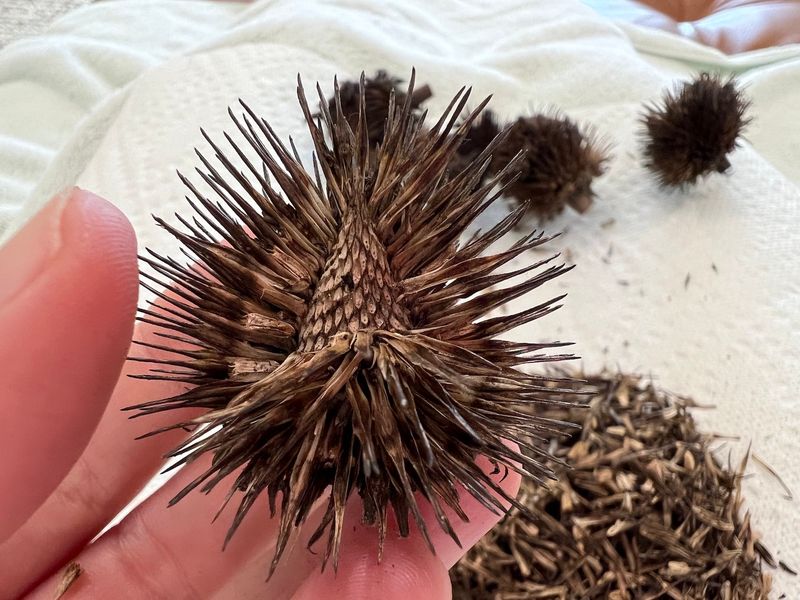
Wait until the morning dew has dried, then cut ripe heads with clean pruners. Wear gloves, since the dried heads are spiky.
Rutgers recommends gloves for combing seed from dried purple coneflower heads.
Drop the heads into a paper bag rather than a plastic one. Plastic can hold moisture and cause rot, while paper lets the heads finish drying.
Write the plant name and the date on the bag so you know what is inside when you come back to it in a few weeks.
Store the bag somewhere dry and out of direct sun, such as a garage shelf or a spare room. Give it a shake now and then.
When the heads feel dry and crisp, crush them gently to free the seeds, a step also described in a University of California seed-saving guide. Rub them over a bowl and pick out the biggest pieces of chaff.
Do not worry about getting every scrap out.
One rule matters here: collect only from plants you own or have permission to harvest. Skip roadsides, parks, and wild stands.
Sow outdoors in fall

Sowing outdoors takes the least effort. Pick a sunny spot, pull the weeds, and loosen the top of the soil so seed can touch bare ground.
Rake it smooth.
Scatter the seed and cover it lightly. USDA guidance gives a sowing depth of 1/8 to 1/4 inch, which is barely a dusting of soil.
Water it in, and mark the spot with a stake or label so you do not mistake seedlings for weeds next spring.
Fall sowing works partly because it lets seed sit through natural winter weather. North Carolina Cooperative Extension describes fall sowing of native perennials as a way to copy the conditions those plants would meet on their own.
Treat it as a trial. Some seeds may sprout in spring, and some may not.
Birds may eat a few, and heavy rain can wash seed around. To spread the odds, sow in a couple of spots, or save part of your seed to try again later.
Winter may help, but germination varies
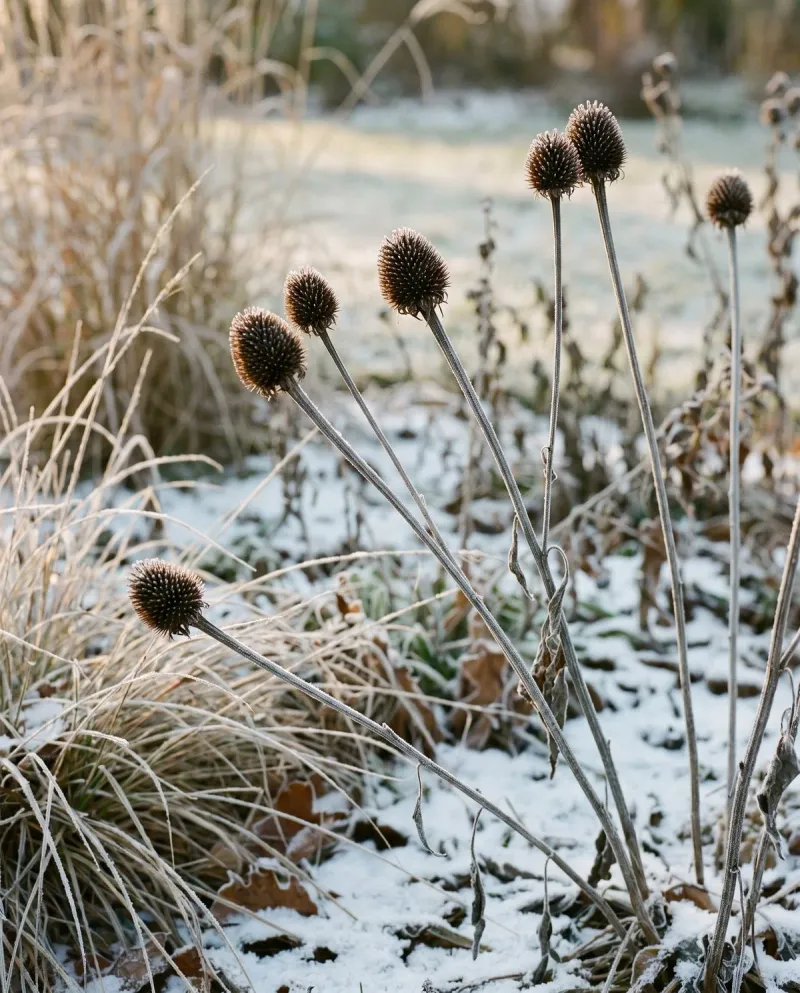
Gardeners often hear that coneflower seed needs a cold spell. The truth sits in the middle.
USDA says cold stratification is not required for this plant but can improve germination.
Researchers tested it. In a peer-reviewed study of Echinacea seed, four weeks of cold, moist conditions improved both the percentage of seeds that sprouted and how fast they did so in the seed lots tested.
What does that mean for your backyard? Winter outdoors may give your seed a boost, but it is not a guarantee.
Seed from one plant can behave differently from another, and age, storage, and weather all play a part.
So there is no single rule to follow. If you would rather not wait for winter, you can chill seed in the refrigerator in damp sand, but that is optional.
Most home gardeners can simply sow in fall, be patient through spring, and accept whatever comes up as a bonus.
Leave some seed heads for wildlife
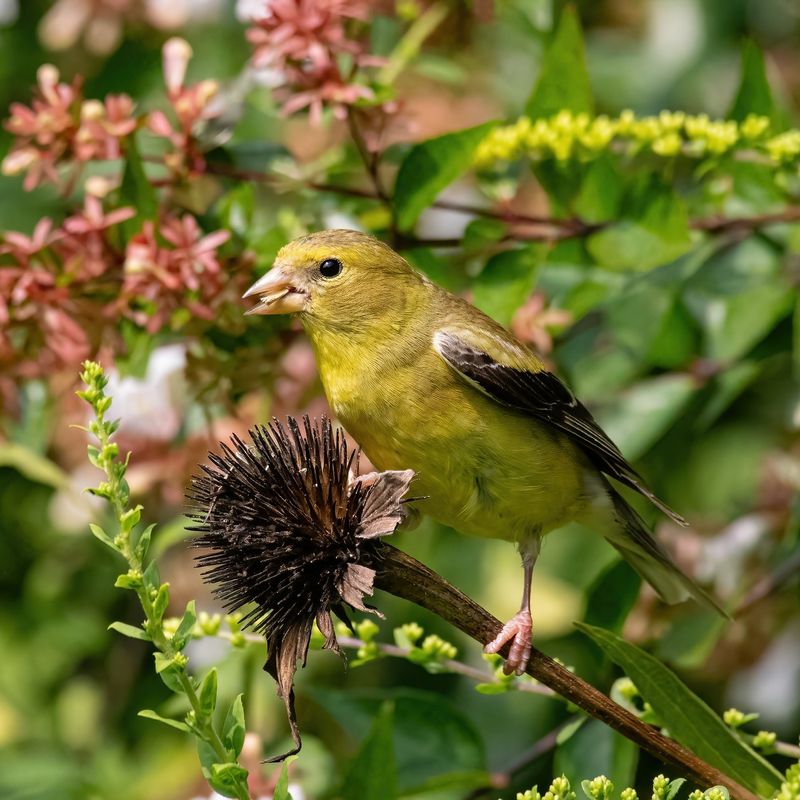
You do not need every seed. NC State Extension notes that goldfinches and other songbirds eat the seeds and suggests leaving some flower heads for them.
Watching a goldfinch cling to a dry head in October is a reward of its own.
Standing stems help too. The same source says dead stems are used by stem-nesting bees, so consider waiting until spring to cut back at least part of the patch.
Take a share for sowing, and leave the rest.
A good rule of thumb is to harvest from a few heads and leave the others standing. Pick from plants that look healthy, and keep your collecting to your own cultivated plants or ones where the owner has said yes.
Permission matters. Rutgers advises getting permission before collecting on private or public land.
The state flora account also describes the species as significantly rare in North Carolina, so wild stands should be left alone.
Expect seedlings, not exact copies
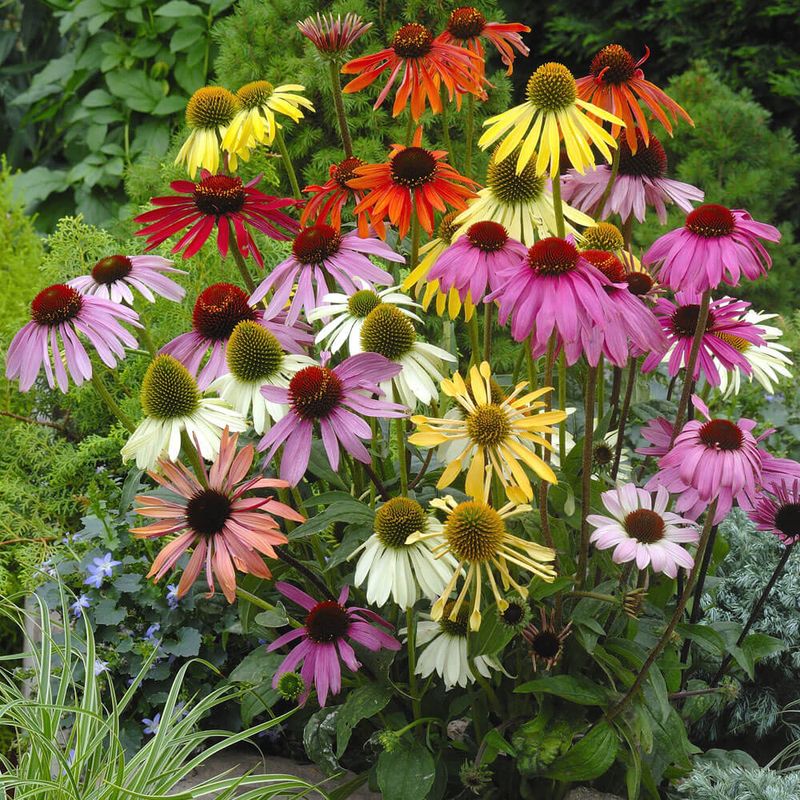
Picture next summer: a few small seedlings, and maybe a flower that looks a bit different from its parent. That is normal.
Illinois Extension explains that Echinacea readily hybridizes, so seedlings can show different traits, especially when the parent is a cultivar or hybrid or other coneflowers grow nearby.
Seed can help refill a planting, but no one can promise it will. Germination is uncertain, and young plants may not establish.
Individual plants do not last forever either; the same Illinois source says single plants may last only two to three years, though seed can replenish a patch.
That fits what NC State Extension says about the plant, which is easy to grow from seed and can reseed in gardens. It also matches USDA’s note that the seed’s winter exposure can help without being a sure thing.
So keep it modest. Gather a small handful, sow it this fall, and see what spring brings.
A seedling that surprises you is just the garden making its own choice.