
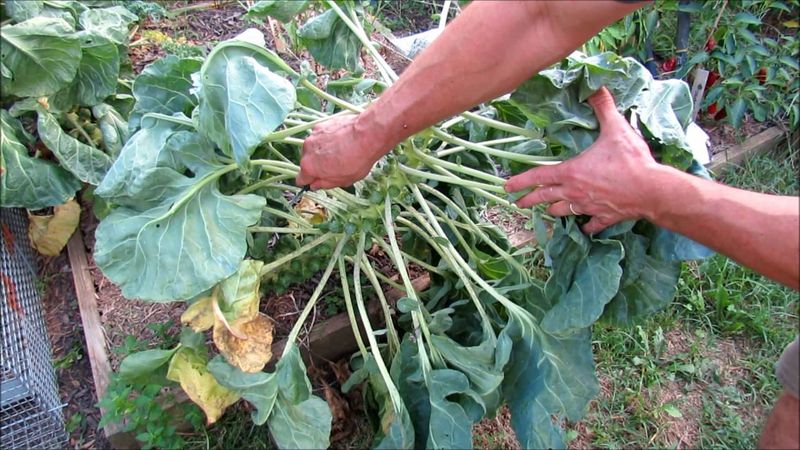
Loose, floppy Brussels sprouts can make any Southern gardener wonder if something went wrong. You may have heard that snapping off the top of the plant will fix it.
The real answer depends on how far along your plant is and what it has been through this season. Here is how to decide, and what else may be behind those loose sprouts.
Does topping rescue loose sprouts?
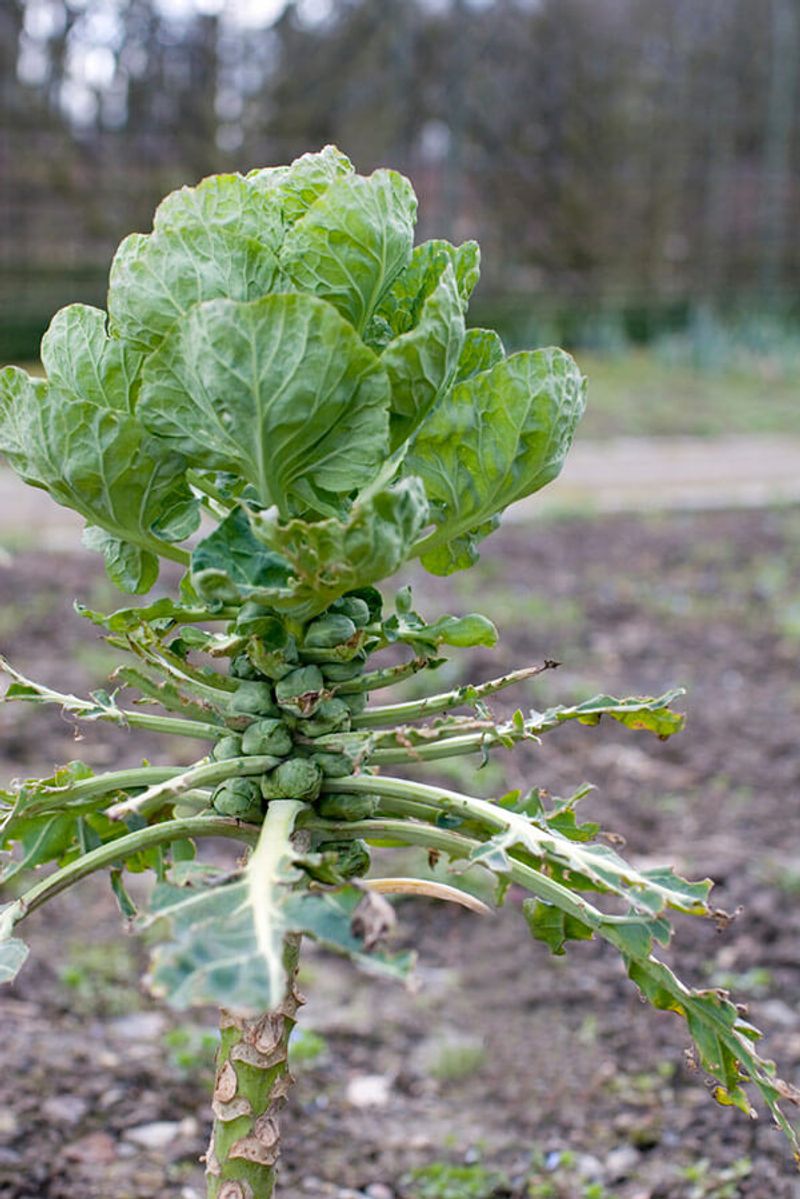
Short answer: probably not. Topping means removing the plant’s terminal growing point, and it may help sprouts develop more evenly or ripen closer together when the plant is at the right stage.
It is not a proven fix for sprouts that are already loose, and it will not rescue a plant that stalled for other reasons.
In a University of New Hampshire variety and topping study, results depended on the cultivar and on when plants were topped. Topping too far ahead of harvest could lower yield or marketability, because the plant sent energy into new stalk growth instead of the sprouts.
So think of topping as an optional tool, not a rescue move. Whether it makes sense depends on how your plant is developing and what growing conditions it has faced.
The sections below walk through the signs to check, how to make the cut, and the problems that topping cannot solve.
Check the lower sprouts before you cut
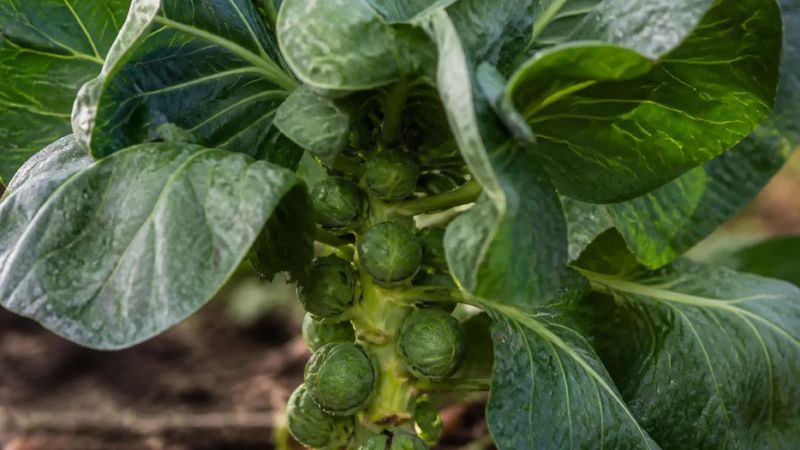
A calendar will not tell you when your plant is ready, but the lowest sprouts will. Walk out to the garden and look at the base of the stalk, where sprouts form first.
Their size is the best clue to where the plant is in its growth.
Iowa State Extension suggests removing the growing point when the lower sprouts are about one-half to three-quarters of an inch across. That is a size cue you can check with a ruler.
The University of New Hampshire report takes a different approach. Its guidance is to wait until the lower sprouts begin to reach marketable size and to top roughly 30 to 60 days before harvest.
These are two separate reference points from two different sources, not one guaranteed schedule. Use them as a way to read your own plant.
If the lower sprouts are still tiny, waiting costs you little.
Remove the growing point and keep healthy leaves
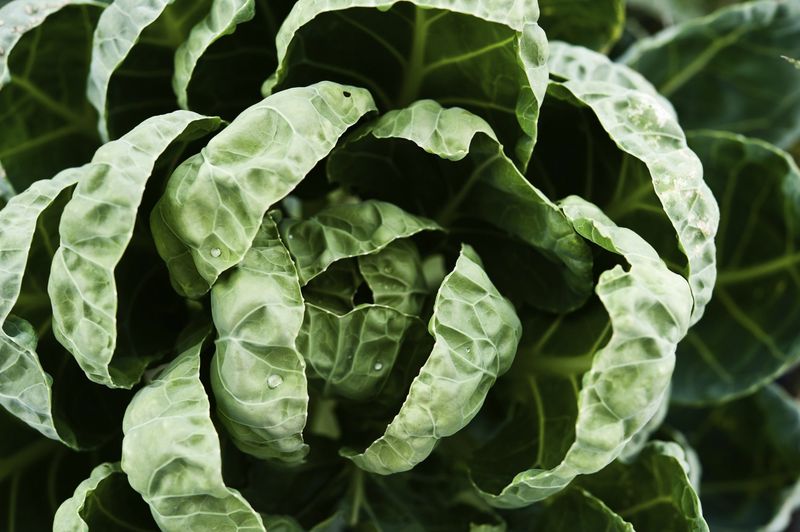
Once the plant looks ready, the job itself is small. Find the center of the crown at the very top of the stalk and pinch or snip off just that growing tip.
You are removing the terminal growing point only.
Leave the leaves alone. Healthy leaves feed the plant as the sprouts keep developing, and Iowa State Extension advises against stripping the lower leaves for that reason.
Yellowed or damaged leaves can be removed, but green ones are doing real work.
Be careful that “snapping off the top” does not turn into cutting back a big portion of the stalk. University of Illinois Extension describes the practice as removing the growing point, and the exact timing varies by source and goal.
Use clean fingers or sharp snips, and do the cut on a dry day. Afterward, keep watering and watch the sprouts.
Topping may help with uniformity, but it does not promise tighter sprouts.
Heat and uneven moisture can keep sprouts loose
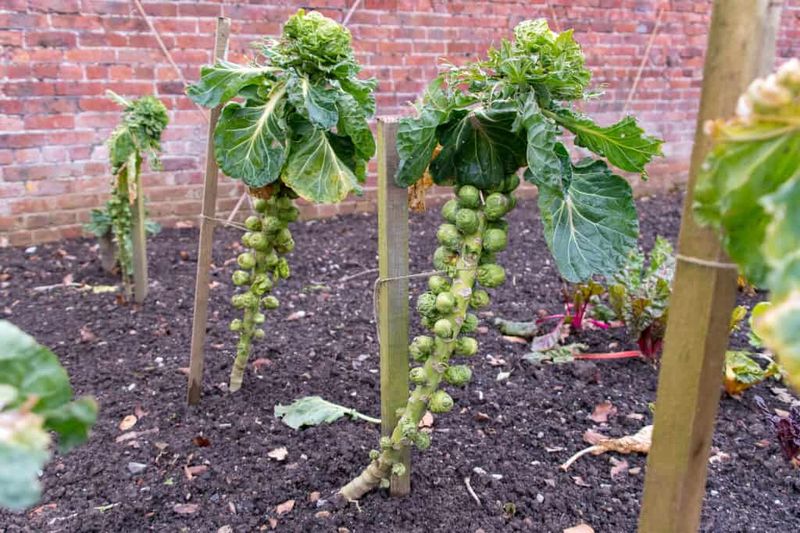
Sometimes the cut is not the problem at all. Brussels sprouts are a cool-season crop, and warm weather can lead to loose, elongated sprouts, as described in University of Delaware guidance on cole crops affected by heat and uneven moisture.
A plant that grew through a hot stretch may carry that effect no matter what you do at the top.
Water matters too. Minnesota Extension links inadequate moisture to loose, poorly developed sprouts, and UF/IFAS describes cool weather as necessary for solid sprouts.
Fertilizer is less settled. Utah State Extension warns that feeding during sprout formation may contribute to loose sprouts, while the Royal Horticultural Society does not point to excess nitrogen as a cause.
Experts disagree, so treat it as an open question.
Since several factors can overlap, no single one can be named as the certain cause in your garden. Steady watering and cool-season timing in future plantings are sensible places to focus.
Mid-October is not a Southern-wide rule
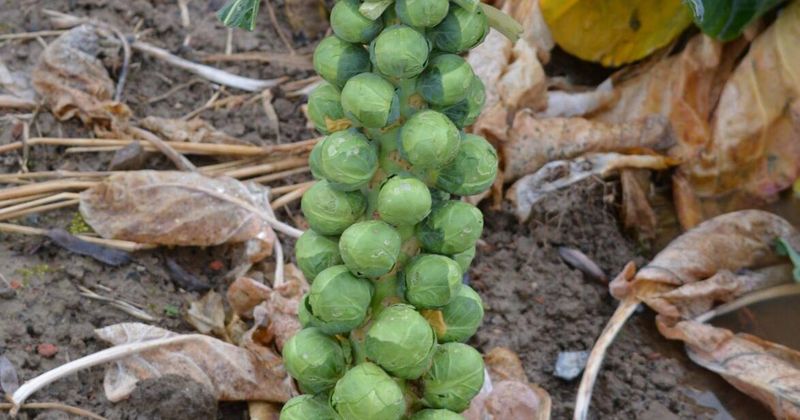
Fall in Texas does not look like fall in Florida, and neither state runs on one calendar. Texas A&M’s regional fall planting table runs from July 15 in Texas Region I to November 1 in Region V.
Plants set out that far apart will not reach the same stage in the same week.
Florida is just as varied. The UF/IFAS cole crop handbook gives planting windows that differ by region, with October through January listed for South Florida, for example.
Now compare that with the topping research. The New Hampshire work behind that study was done in a much colder climate, so its timing should not be copied straight into a Southern garden.
A practical next step is to jot down your own planting date and check the lowest sprouts every week or so. Your plant’s development, not a date on a page from another region, should be your cue.
Harvest firm sprouts as they mature
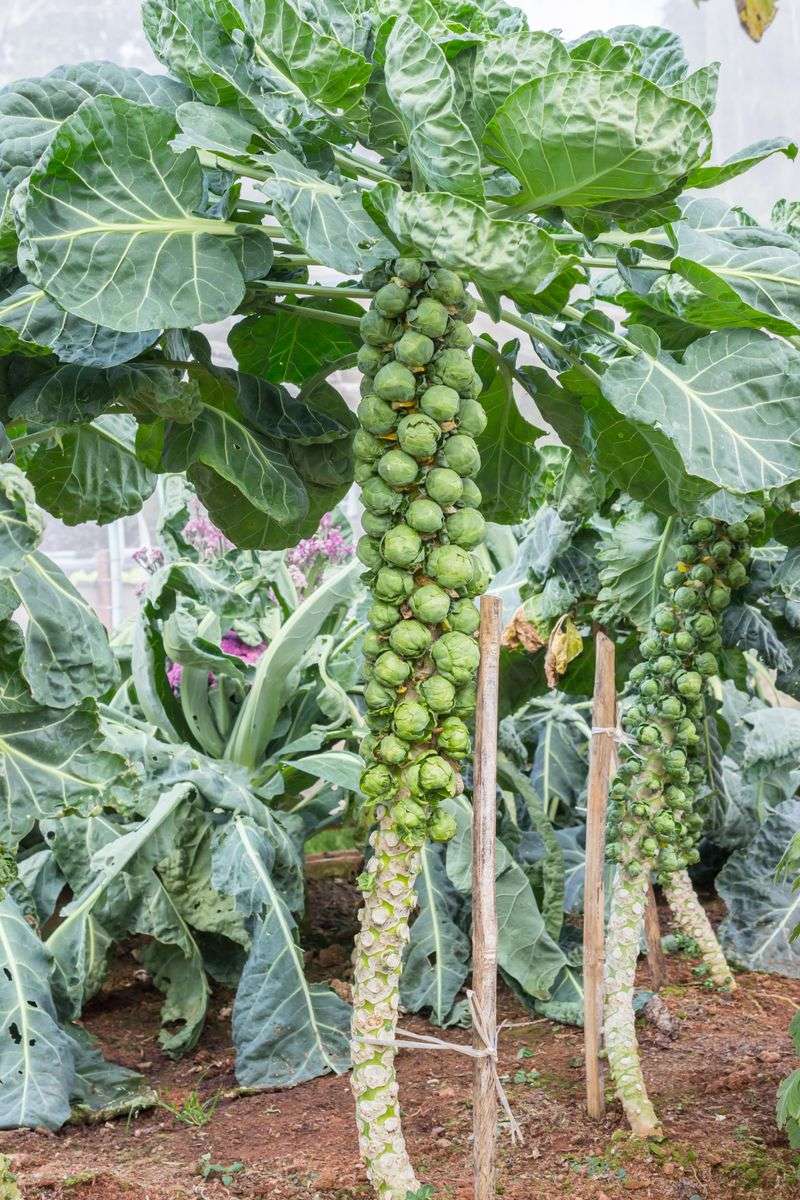
Ready sprouts are easy to spot once you know what to look for. They feel firm and compact, and they are typically about 1 to 1.5 inches across, according to University of Maryland Extension.
The lower sprouts mature first, and you can pick them as they fill out instead of waiting for the whole stalk.
Leave the leaves in place while you harvest, as Iowa State Extension advises, since they keep supporting growth higher up the stalk.
Cold weather can be a helpful signal, but it is not the only one. UF/IFAS and Clemson Extension describe the crop’s cool tolerance, yet UC Davis documents freeze injury to harvested sprouts.
Hardy does not mean immune.
Consider topping only when the plant is at a suitable stage and you want a more synchronized harvest. A plant is never beyond help, but it also never owes you a cut.