
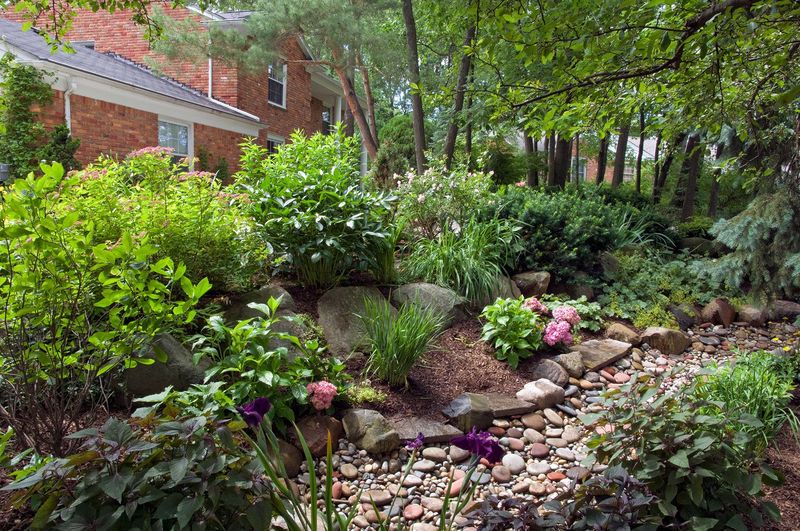
Warm Central Texas nights used to glow with tiny blinking lanterns, but many yards have gone dark over the years. The good news is that fireflies respond fast when you give them the moist soil, tall grass, and darkness they need to survive our brutal summers.
You do not need a big budget or a huge lot to bring them back. These small, doable habits can turn your yard into a summer light show again.
1. Turn Off or Dim Your Outdoor Lights
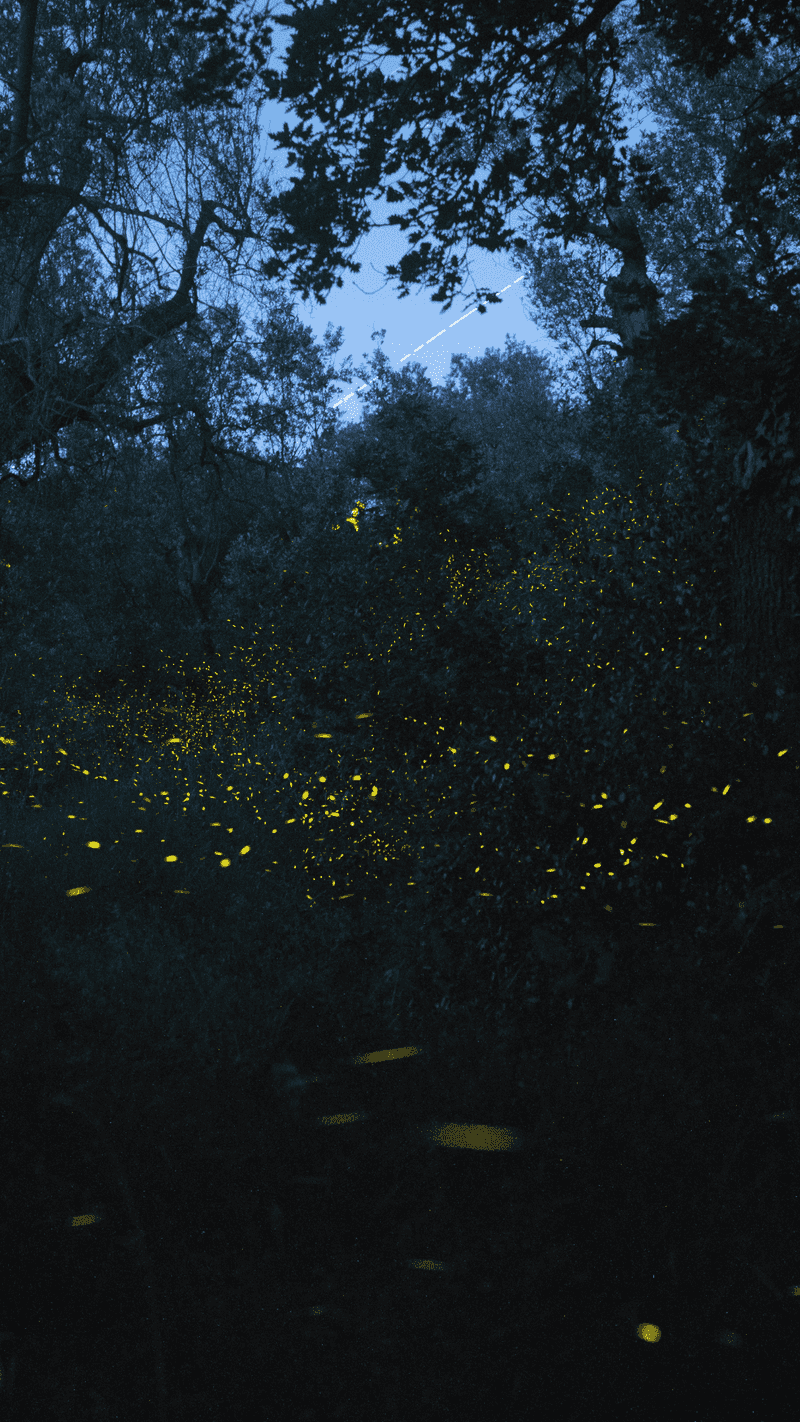
Fireflies talk to each other with light. When your porch, patio, and security lights blaze all night, that glow drowns out the flashing signals males and females use to find a mate.
In a bright yard, the bugs basically cannot see each other.
Try flipping off the back porch light during the peak flashing hours, usually the first hour or two after sunset in late spring and early summer. If you need some light for safety, switch to warm amber bulbs and point them down at the ground instead of out across the yard.
Motion sensors are a great trick because the light only clicks on when you actually need it.
Even neighbors’ floodlights spilling over the fence can hurt, so a few well-placed shrubs or a section of fence can block that stray glare. Give your yard real darkness and you will be amazed how quickly the blinking returns.
2. Let a Patch of Grass Grow Tall
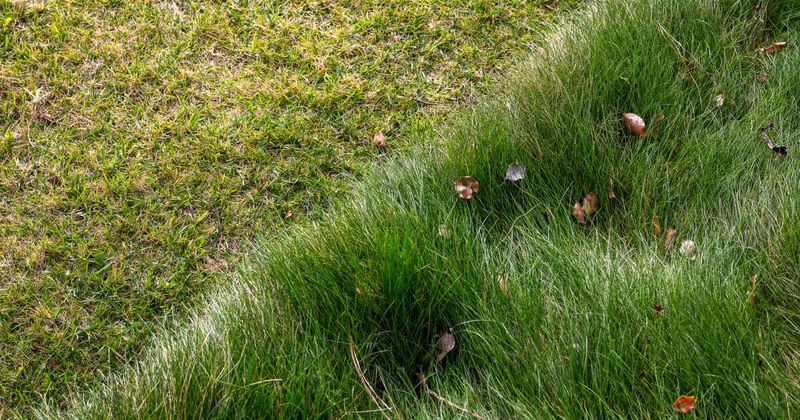
Firefly larvae spend most of their life on the ground, and they need cover to hide from the harsh Texas sun and hungry birds. A buzz-cut lawn leaves them exposed and baking.
Tall grass keeps the soil cooler and holds moisture, which is exactly what these young hunters want.
You do not have to give up your whole lawn. Pick a corner, an area along the fence, or a strip near a flower bed and simply stop mowing it.
Let native grasses like little bluestem or buffalograss shoot up and go a bit wild.
That taller zone becomes a safe nursery where larvae feed on snails, slugs, and soft insects for months before they ever glow as adults. Think of it as a firefly hatchery hiding in plain sight.
3. Keep One Damp, Shady Corner
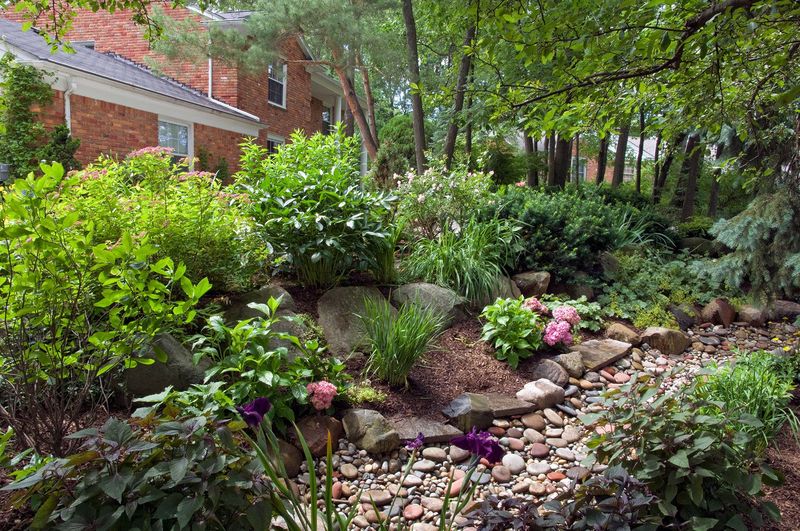
Here is something most folks never guess: firefly larvae are practically obsessed with moisture. During triple-digit summers and water-restriction weeks, dry ground can wipe out a whole generation before they ever light up.
You can help by keeping one low, shady spot slightly damp. A drip line, a soaker hose on a timer, or even routing your AC condensate drip into a mulched bed can hold just enough humidity.
Under a tree canopy or on the north side of the house works well because those spots dry out slower.
Add a shallow rain garden or a low swale where runoff collects, and you create a moist microclimate the larvae love. Just a little steady dampness in one corner does far more than watering the whole yard.
4. Stop Spraying Broad Pesticides
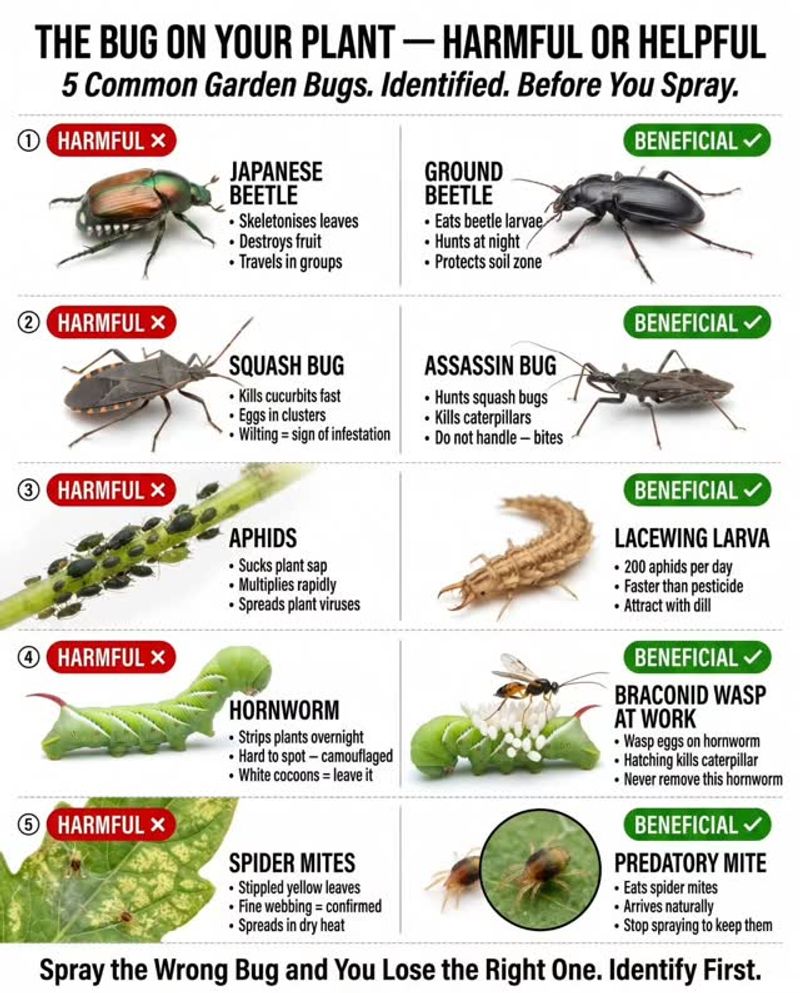
Reach for the bug spray to knock out mosquitoes and you may be knocking out your fireflies too. Broad lawn and mosquito treatments do not read labels, so they kill the good glowing bugs right along with the pests.
Worse, they wipe out the snails and slugs that firefly larvae eat.
Swap the blanket spraying for targeted fixes. Dump standing water to cut mosquito breeding, use mosquito dunks in ponds and buckets, and spot-treat only the trouble areas instead of fogging the entire yard.
Chemical grub controls and heavy fertilizers can hurt larvae hiding in the soil, so go easy there as well. A yard that skips the constant chemical bath may keep far more fireflies alive to flash another night.
5. Pile Up Leaf Litter and Mulch
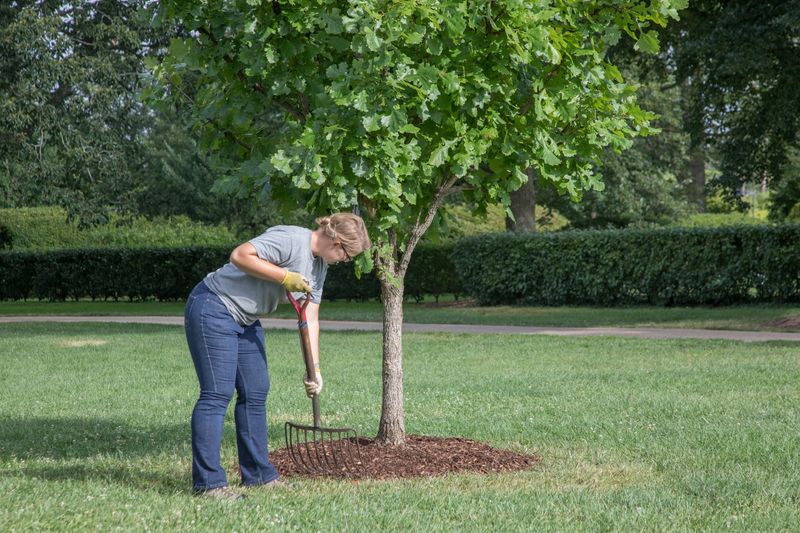
That urge to rake every leaf into a bag might be the reason your yard went dark. Leaf litter is prime real estate for firefly larvae, giving them damp shelter and a buffet of tiny prey.
A tidy, bare lawn is basically a food desert for them.
Leave the fallen leaves under trees and along beds, or rake them into a designated mulch zone instead of hauling them away. A few inches of leaf litter or natural wood mulch keeps the ground cool and moist through the worst of the heat.
Bonus points for the leaves that gather around your oaks and pecans, since native trees drop the kind of litter local fireflies grew up with. Messy corners, it turns out, are the most alive.
6. Plant Native Trees and Shrubs for Cover

Fireflies favor yards with layers, from low grass to tall shady canopy, because that structure holds humidity and blocks harsh light. Bare, sunbaked lots offer them nothing.
Native plants build that shelter while also surviving our heat and water limits.
Work in Texas natives like cedar elm, Texas persimmon, American beautyberry, or a stand of native grasses and wildflowers. Their roots hold moisture in the soil and their canopies throw the cool shade larvae need to make it through July.
As a happy side effect, that same layered habitat pulls in birds, butterflies, and other beneficial critters. Build the ecosystem and the fireflies show up as part of the package.
7. Be Patient and Skip the Harsh Landscaping
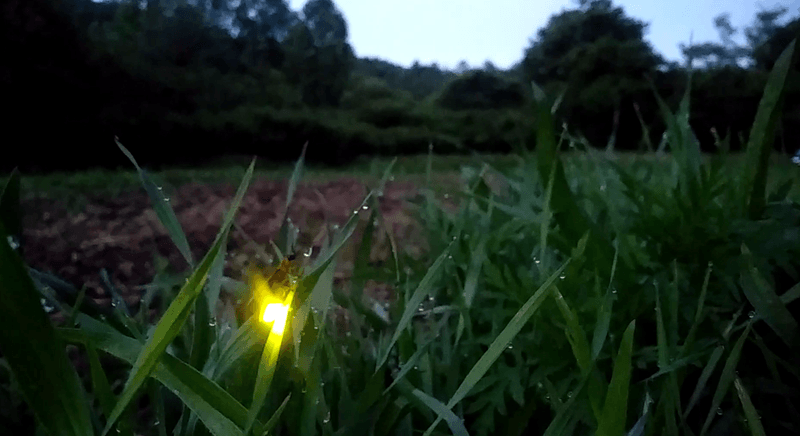
The hardest habit of all might just be doing less. Fireflies take one to two years to grow from egg to blinking adult, so a yard you fix this spring may not truly light up until next summer or the one after.
Give it time and the payoff builds.
Resist the urge to till, over-edge, or scrape the ground bare every season, because heavy disturbance destroys larvae right where they live. A calmer, more natural yard beats a manicured one for this kind of wildlife.
Keep the darkness, the damp corner, the tall grass, and the leaf litter going year after year, and each summer should glow a little brighter than the last. A softer touch on the landscaping is what lets the magic settle in and stay.