
Boxwood has been the go-to front-yard shrub for so long that most North Carolina yards look nearly identical. The trouble is, boxwood does little for local birds and pollinators, and it can suffer from blight and hungry deer.
There are native shrubs that hold their shape, feed backyard wildlife, and shrug off our humid Piedmont summers without much fussing. Here are ten homegrown picks that look sharp all year and do right by the land at the same time.
1. Inkberry Holly
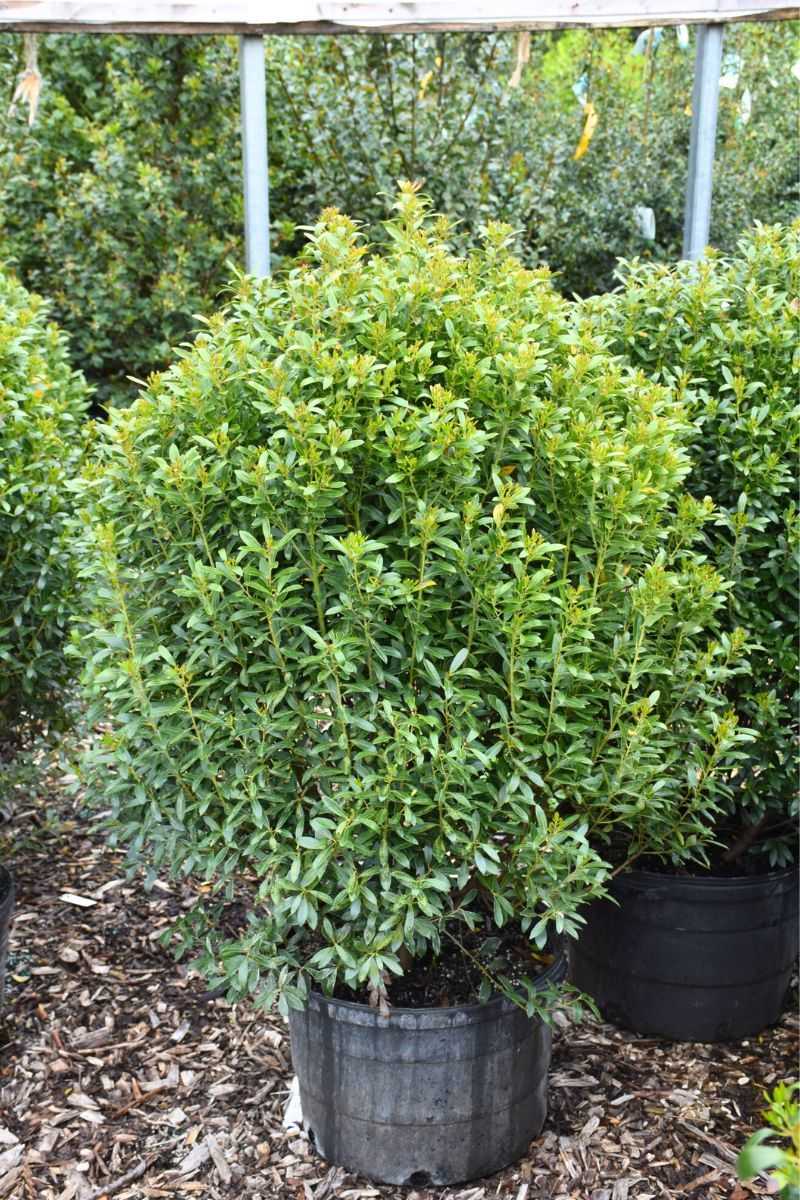
If you want the tidy, rounded look of boxwood without the disease headaches, inkberry holly is the closest native match you will find. Its small, glossy leaves stay green through every North Carolina winter, and it takes a shearing just as cleanly as any clipped hedge.
Female plants produce tiny black berries that songbirds pick at through the cold months. That alone gives it a leg up on boxwood, which offers birds nothing.
Inkberry loves the moist, slightly acidic soils common across the coastal plain and Piedmont, so it settles in fast. Look for compact varieties like Gem Box if you want a low, formal edge near the walkway.
Give it a spot with morning sun and average water, and it will hold its shape for years with barely any effort.
2. Dwarf Yaupon Holly
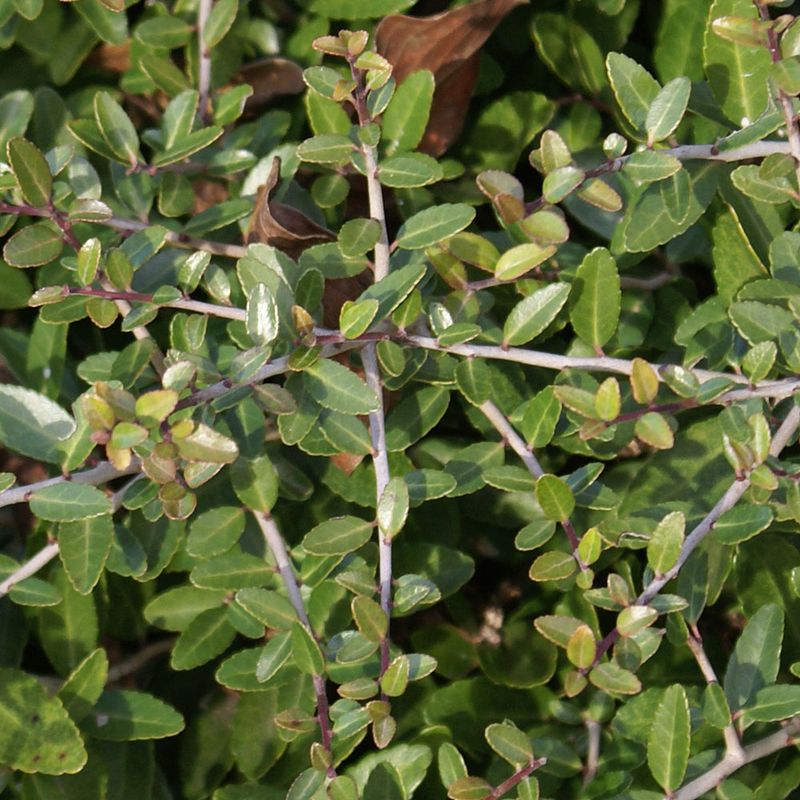
Tough as nails and happy in heat, dwarf yaupon holly might be the most forgiving evergreen a busy homeowner can plant. It handles drought, salt spray along the coast, and clay soil in the Piedmont without complaint.
The tiny leaves and dense growth make it a natural stand-in for boxwood in low borders and foundation beds. You can shear it into a crisp mound or let it soften into a loose shape.
Here is a fun bit of history: yaupon is the only native North American plant that contains caffeine, and Indigenous peoples brewed its leaves into a tea for centuries. In your yard, it does quieter work, giving cover to small birds and staying green while everything else fades.
It asks for full sun and almost nothing else once established.
3. Virginia Sweetspire
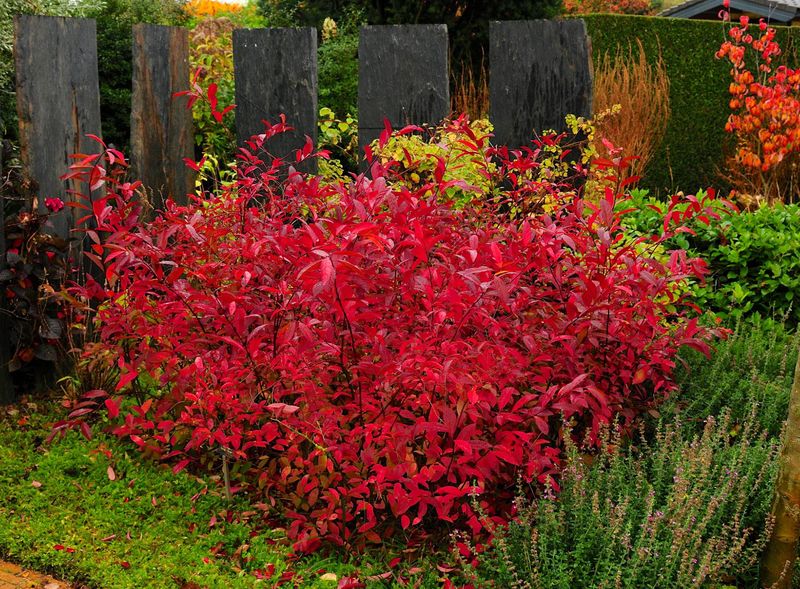
Come late spring, Virginia sweetspire drips with fragrant white flower spikes that bees and butterflies can’t resist. Then in fall, the foliage turns fiery shades of red and burgundy that linger well into the cooler weeks.
That two-season show puts it far ahead of a plain green boxwood. Varieties like Little Henry stay compact and rounded, perfect for framing a front entry.
Sweetspire is easygoing about wet spots, so it works where drainage is poor and other shrubs sulk. It spreads gently to fill a bed, which cuts down on mulching and weeding over time.
Plant it in sun to part shade, and you get pollinator traffic in spring plus real color when most yards go dull.
4. Dwarf Wax Myrtle
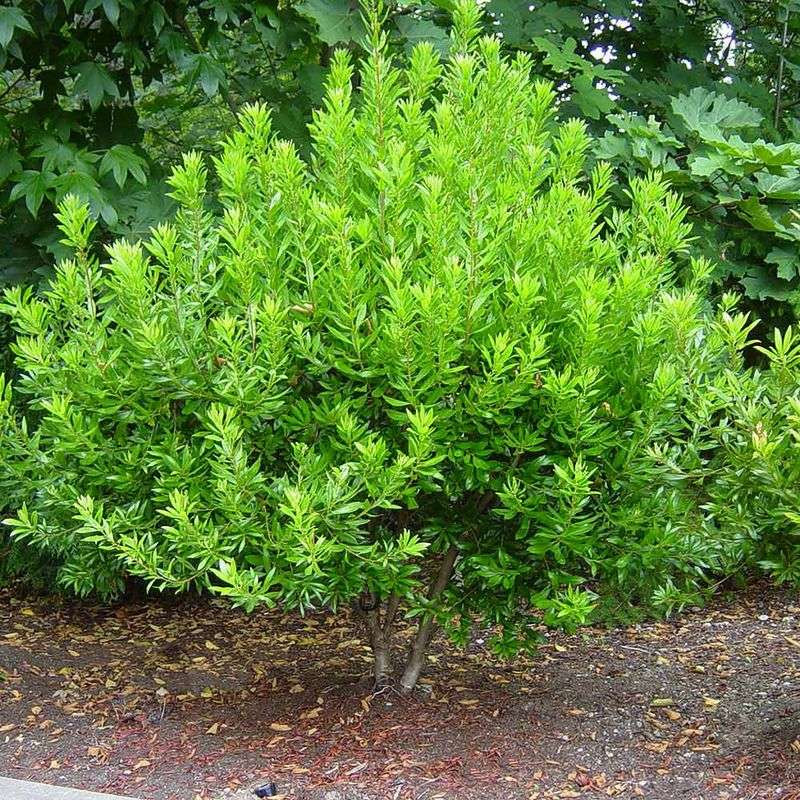
Brush against a wax myrtle and you get a clean, spicy scent from its leaves, a small pleasure boxwood never delivers. The dwarf form gives you that same aromatic foliage in a rounded, manageable size for the front of the house.
Coastal gardeners especially love this one because it laughs off salt, wind, and sandy soil. It also fixes nitrogen, meaning it feeds itself and asks little from you.
Female plants carry waxy blue-gray berries that yellow-rumped warblers depend on in winter. Beyond feeding birds, the dense growth may help screen a porch or soften a property line.
Give it sun or light shade and average moisture, and it grows fast enough to fill in within a couple of seasons.
5. Oakleaf Hydrangea
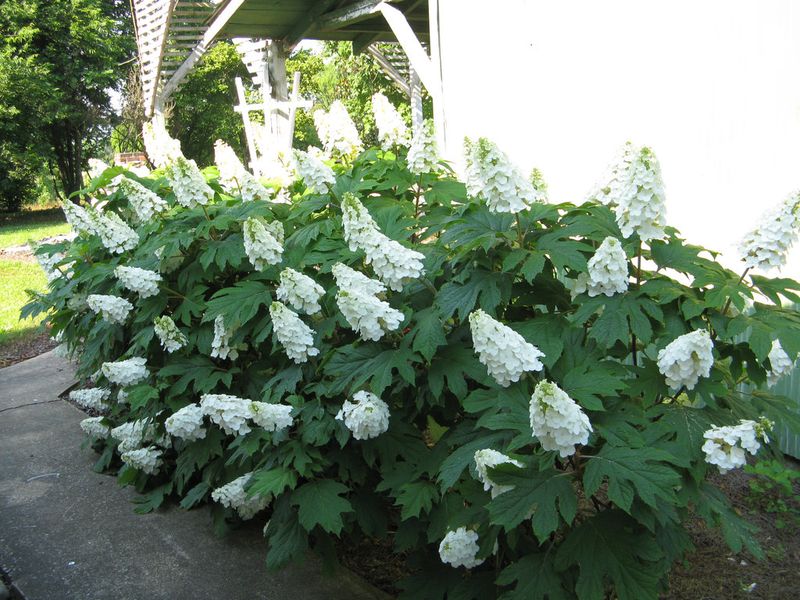
Big, bold, and impossible to ignore, oakleaf hydrangea earns a front-yard spot with cone-shaped white blooms that fade to dusty pink. The leaves, shaped like giant oak leaves, turn deep wine-red in fall and cling on longer than most.
Even in winter the peeling cinnamon bark gives the shrub structure, so it never looks like a dead stick. That four-season interest runs circles around a static evergreen.
Native to the Southeast, it thrives in the dappled shade you often find under tall pines and hardwoods across the Piedmont. Pollinators work the flowers all summer.
Plant it where it has room to grow to a rounded five or six feet, water it through its first year, and it rewards you for decades.
6. Dwarf Fothergilla
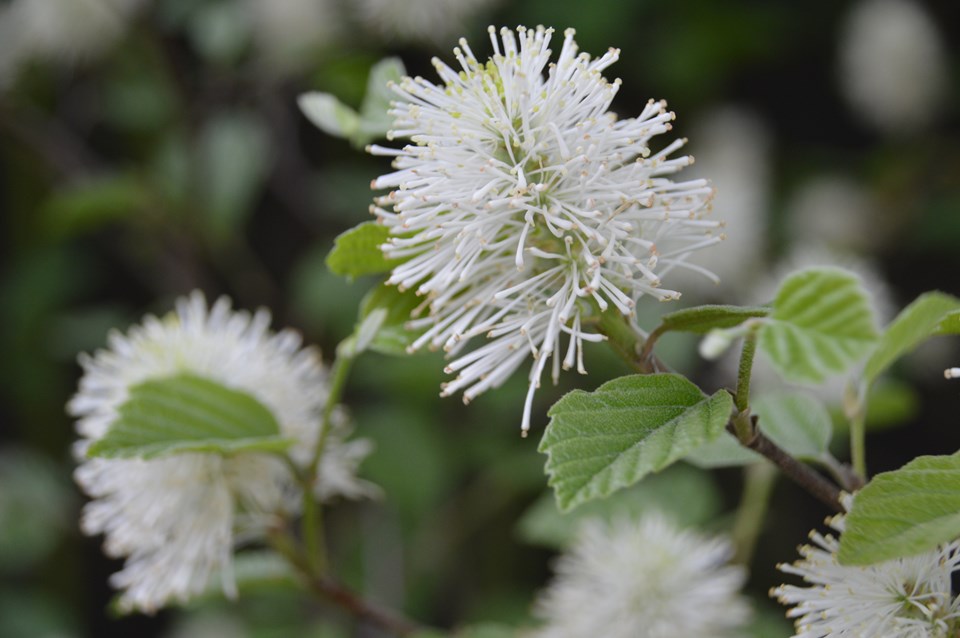
Few native shrubs pull off a spring show quite like dwarf fothergilla, which erupts in fluffy white bottlebrush blooms that smell faintly of honey. The flowers arrive before most trees have leafed out, giving early bees a welcome meal.
Summer brings clean blue-green leaves, and autumn sets them ablaze in a mix of yellow, orange, and red on the same plant. Three seasons of interest from one tidy, rounded mound is a hard deal to beat.
It stays small, usually two to three feet, so it slides easily into a foundation bed where boxwood used to sit. Fothergilla likes acidic, well-drained soil and a spot with sun to part shade.
Once it’s rooted in, upkeep is close to zero.
7. American Beautyberry
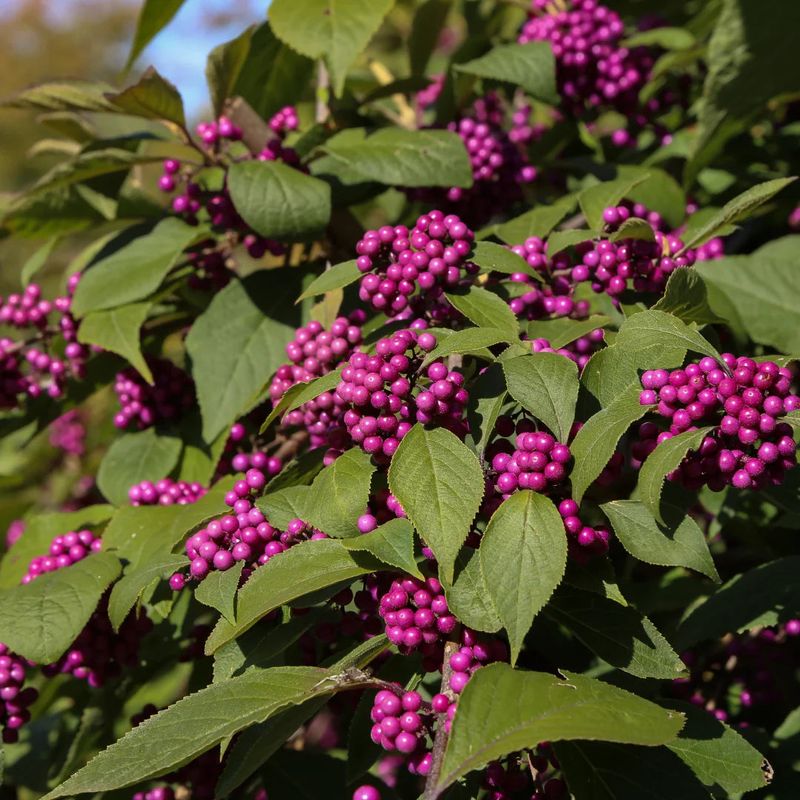
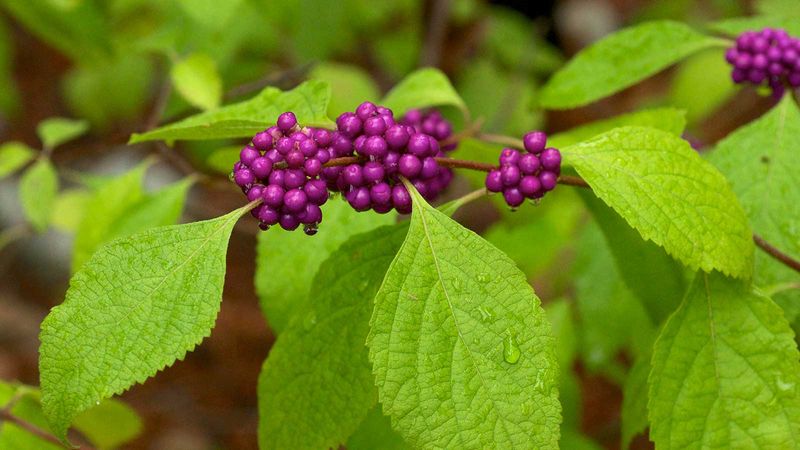
Nothing stops passersby like the electric purple berries that ring beautyberry’s stems in early fall. The color is almost unreal, and it lasts for weeks while birds slowly work through the crop.
Mockingbirds, cardinals, and thrashers all feast on the fruit, making this shrub a genuine wildlife magnet. There’s a bonus for families, too: crushed beautyberry leaves contain compounds that may help repel mosquitoes, a trick country folks in the South have used for generations.
It grows loose and arching, so a light prune in late winter keeps it neat near the walk. Beautyberry is unfussy about soil and handles Piedmont clay fine.
Plant it in sun to part shade for the heaviest berry set, and enjoy a front yard that changes dramatically with the seasons.
8. Mountain Laurel
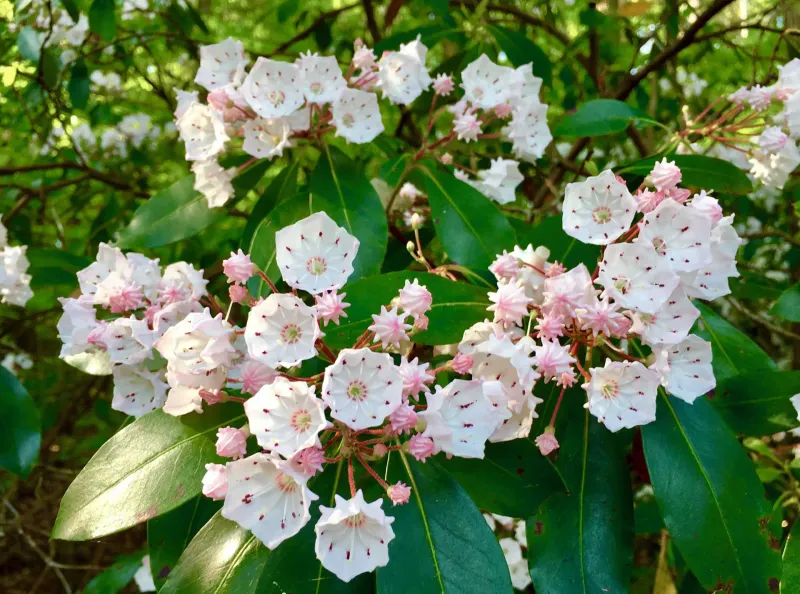
A signature of the Blue Ridge, mountain laurel brings intricate pink and white cup-shaped blooms that look almost hand-painted. It stays evergreen through winter, so it keeps its polish long after the flowers fade in late spring.
For homeowners in the mountains and upper Piedmont, this native fits shady, wooded lots where boxwood struggles. The glossy leaves and rounded habit give a refined, natural structure without any shearing.
It does best in cool, acidic, well-drained soil with some afternoon shade, mimicking its forest home. Pollinators find the flowers irresistible, and the dense growth offers birds shelter.
Give it good drainage and patience, since it grows slowly, and you get one of the most elegant evergreens the state has to offer.
9. Sweet Pepperbush
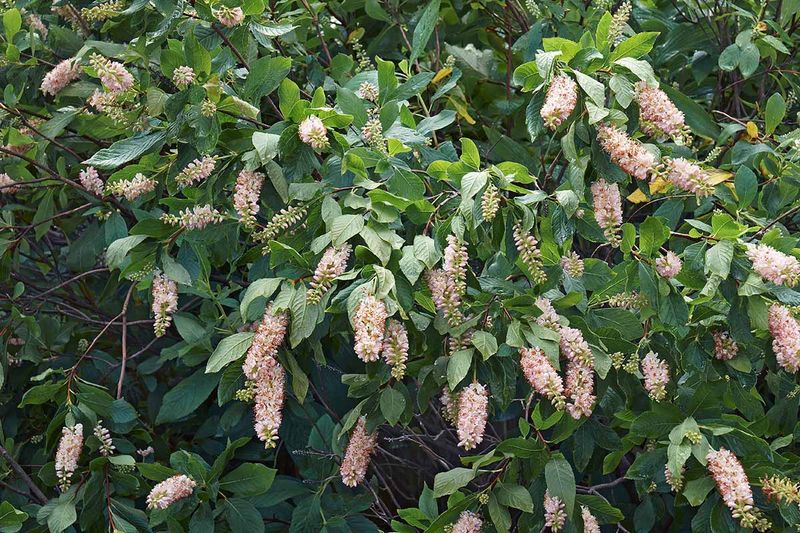
On a still summer evening, sweet pepperbush perfumes the whole yard with its spicy-sweet flower spikes. Butterflies and bees swarm the blooms through July and August, exactly when many other shrubs have quit flowering.
That mid-summer nectar makes it a valuable pollinator stop when food gets scarce. The upright white flower clusters also read as fresh and clean against a home’s exterior.
Pepperbush thrives in damp, shady corners where boxwood would rot, so it solves problem spots along the coastal plain and Piedmont. In fall the foliage turns a warm golden yellow.
It suckers gently into a full colony over time, giving you an easy, self-renewing screen with almost no maintenance beyond an occasional cleanup.
10. Southern Wax Myrtle Hedge Alternative: Anise Shrub
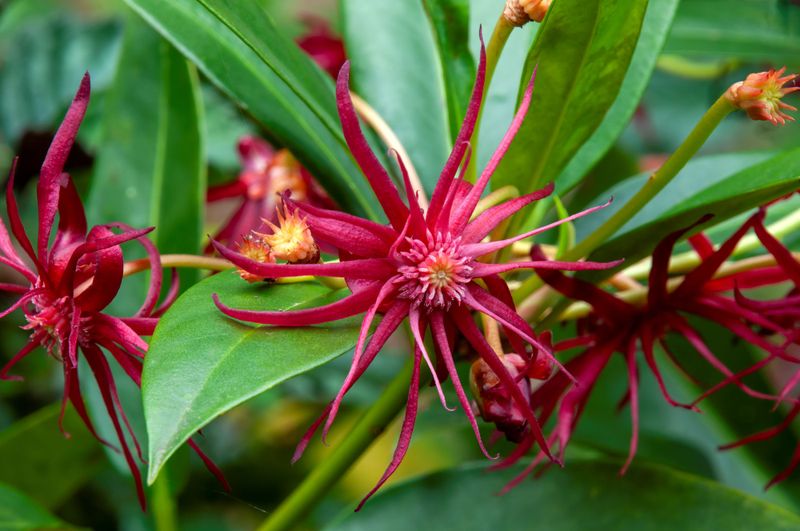
For a shady front bed that needs a bold evergreen, Florida anise fills the gap with a lush wall of glossy, aromatic foliage. Crush a leaf and you catch a licorice scent that deer tend to leave alone, a real plus in browse-heavy neighborhoods.
Small star-shaped red or yellow flowers appear in spring, tucked among the leaves for a subtle surprise. The dense growth makes an excellent informal hedge or screen where boxwood would burn in full sun.
Native to the Deep South and hardy across much of North Carolina, it prefers moist, rich soil and shade to part shade. It holds its rich green color all year and needs little pruning to look full.
If you have a dim spot that’s stumped you before, this is the fix.