
Burning bush looks pretty in fall, but it spreads into North Carolina woods and does almost nothing for local birds. The good news is that native shrubs give you the same easy hedge along your fence line while packing berries and cover that songbirds actually use.
If you want a low-effort yard that looks great and does right by NC wildlife, these swaps are worth making this weekend. Here are nine native shrubs that turn your fence line into a bird buffet.
1. American Beautyberry
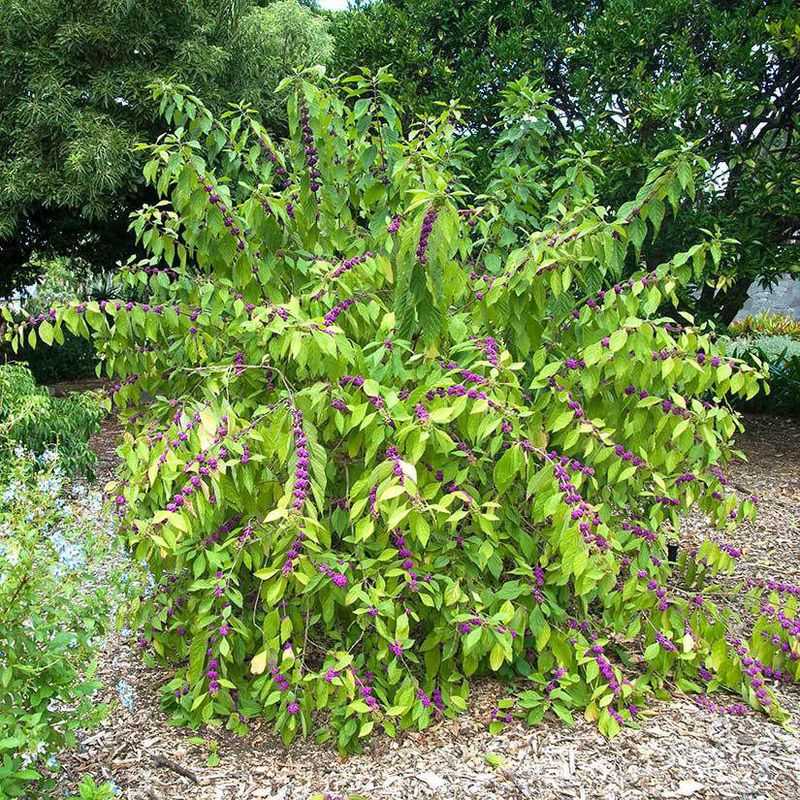
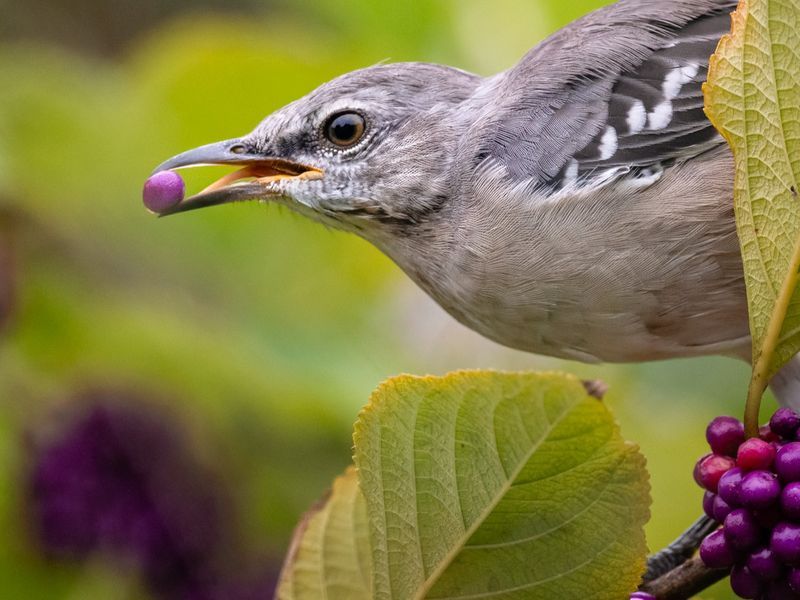
Nothing else in the yard glows quite like a beautyberry loaded with clusters of electric-purple fruit in late summer. Songbirds like mockingbirds, cardinals, and towhees strip the branches clean as the weather cools.
Beautyberry thrives in NC Piedmont and coastal plain soils and shrugs off heat and part shade. It grows fast and loose, so a light late-winter cut keeps it tidy against a fence.
Bonus for the pest-worried homeowner: crushed beautyberry leaves have a long folk history as a mosquito rub, and researchers have looked into compounds in them that may help deter biting insects. Plant a few along the fence line and you get color, birds, and a little backyard defense in one shrub.
2. Winterberry Holly
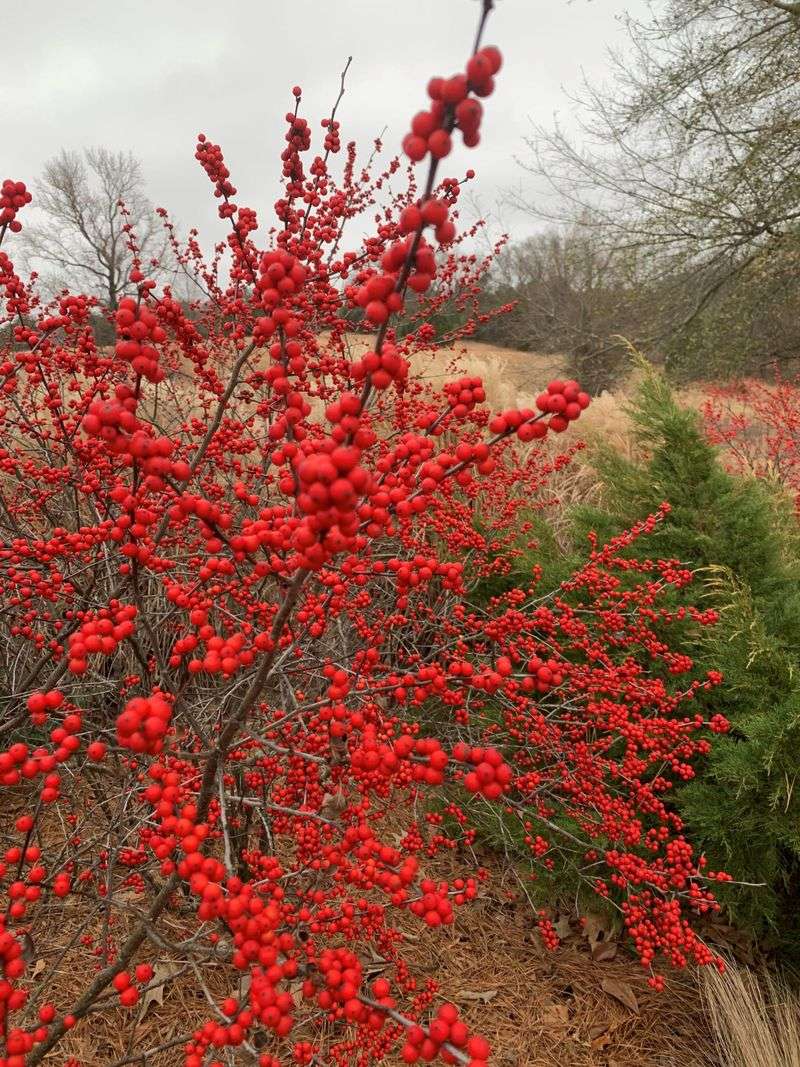
When most of the yard has gone brown for winter, winterberry lights up the fence line with fire-engine red berries clinging to bare stems. Robins, bluebirds, and cedar waxwings flock to it when other food gets scarce.
Unlike evergreen hollies, this one drops its leaves so the fruit really pops against a winter sky. It loves the damp, low spots in your yard where other shrubs sulk, making it a great fix for that soggy corner.
One thing to plan for: you need a male plant nearby to pollinate the berry-producing females. Tuck one male among several females and you will get a jaw-dropping show that carries wildlife straight through the cold months.
3. Eastern Red Cedar
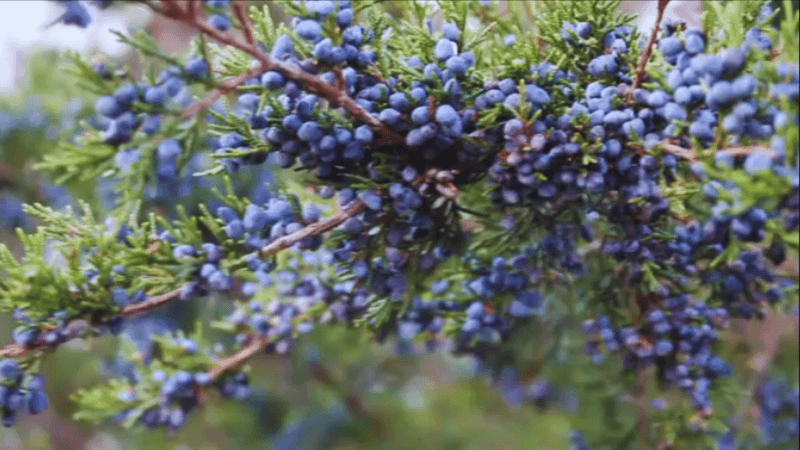
Want a living fence that never quits? Eastern red cedar grows into a dense evergreen wall that blocks wind, screens neighbors, and stays green all year long.
The name gives it away, but there is a fun twist: cedar waxwings got their name partly from their love of these little blue-gray cones. Bluebirds, mockingbirds, and dozens of other species shelter and feed in the thick branches, especially in winter storms.
Cedar handles poor, dry, rocky soil across the Piedmont and mountains without complaint. Give it room to spread and it becomes one of the toughest, most wildlife-packed anchors you can plant along a boundary.
4. Arrowwood Viburnum
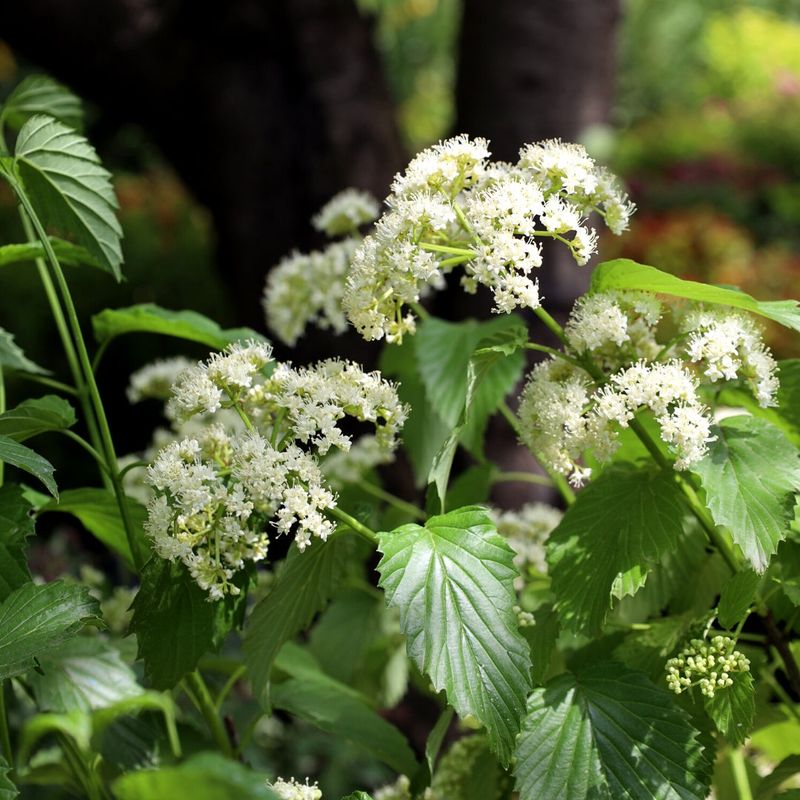
Arrowwood earns its keep three seasons running: creamy flower clusters in spring, blue-black berries in late summer, and burgundy leaves in fall. That means something is always happening along your fence.
The berries are a magnet for thrushes, catbirds, and bluebirds, while the spring blooms pull in native pollinators. It forms a rounded, well-behaved hedge that does not sprawl into a mess.
Native peoples once used its straight young shoots for arrow shafts, which is exactly how the shrub got its name. Adaptable to sun or part shade and most NC soils, it is about as fuss-free as a productive native shrub gets.
5. Elderberry
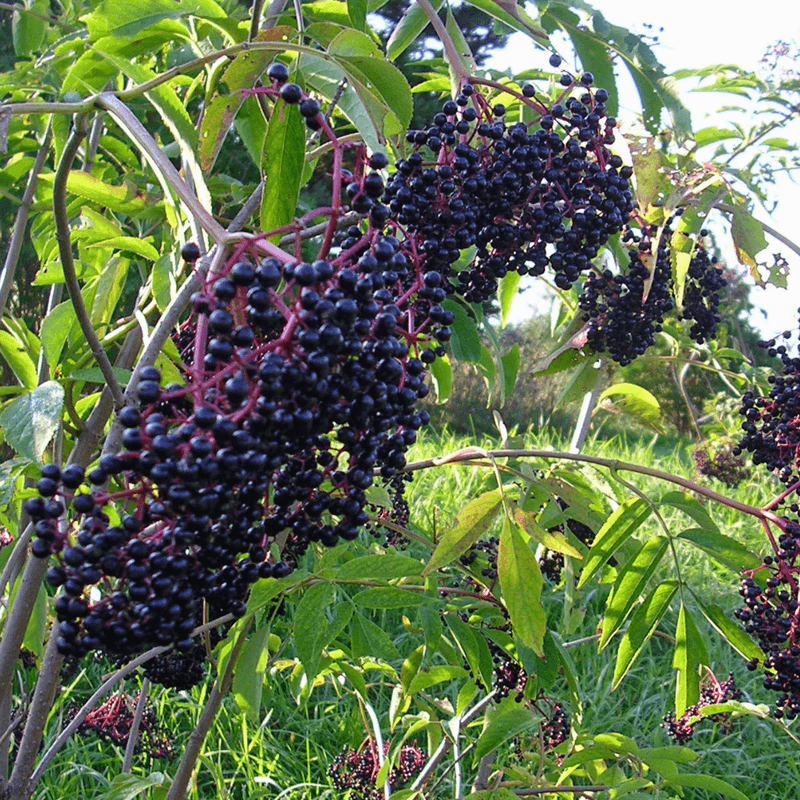
Few shrubs feed as many mouths as elderberry, whose drooping clusters of dark purple fruit ripen in mid to late summer. Catbirds, cardinals, and more than a dozen other birds swarm the branches to gorge.
People love it too. The berries make jam, syrup, and wine once cooked, so you may end up sharing the harvest with the birds.
Elderberry grows fast and enjoys moist ground, filling in a fence line quickly where you want cover in a hurry. Cut it back hard every couple of years and it comes back thicker, bushier, and even more loaded with fruit.
6. Northern Bayberry
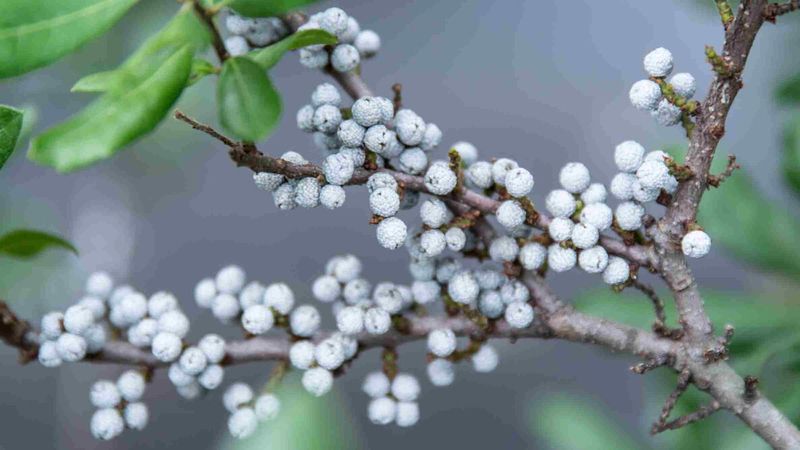
Tough as nails and happy in sandy, salty ground, bayberry is a coastal plain hero that also does well inland. Its waxy gray berries are a rare high-fat winter food that keeps birds like yellow-rumped warblers going when temperatures drop.
Crush a leaf and you get that clean, spicy bayberry scent, the same one behind old-fashioned candles. The semi-evergreen foliage holds late into the season, giving birds cover as well as food.
It fixes its own nitrogen, so it actually improves poor soil rather than needing rich dirt. For a fence line in a dry, sandy, or salt-sprayed spot, few natives shrug off the conditions this gracefully.
7. Serviceberry
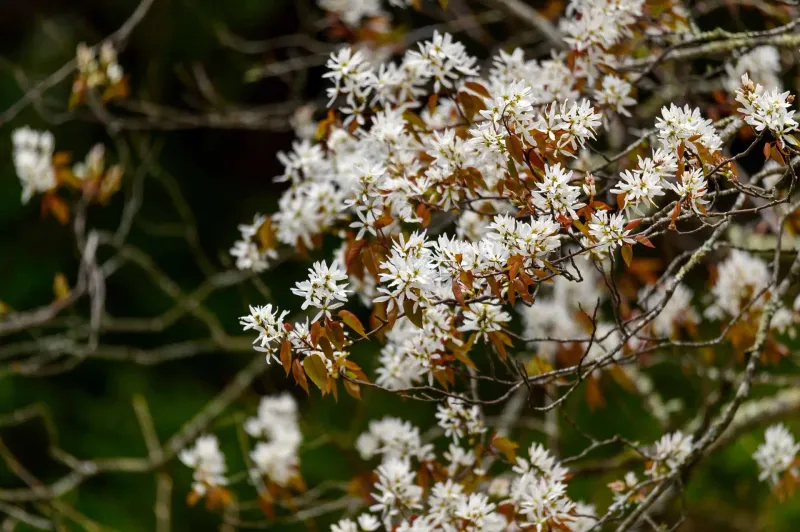
Spring kicks off with a cloud of white blossoms, and by early summer serviceberry hands you sweet red-purple fruit that tastes a bit like blueberry. The catch is that robins, waxwings, and orioles usually beat you to it.
Old-timers say it bloomed around the time traveling preachers could finally reach the mountains for services, which is where the name comes from. Fall brings orange-red foliage, so it pulls its weight in every season.
It works as a large shrub or small multi-trunk tree, making it a graceful, non-boring anchor for a fence corner. Plant one where you can watch the summer bird traffic from a window.
8. Inkberry Holly
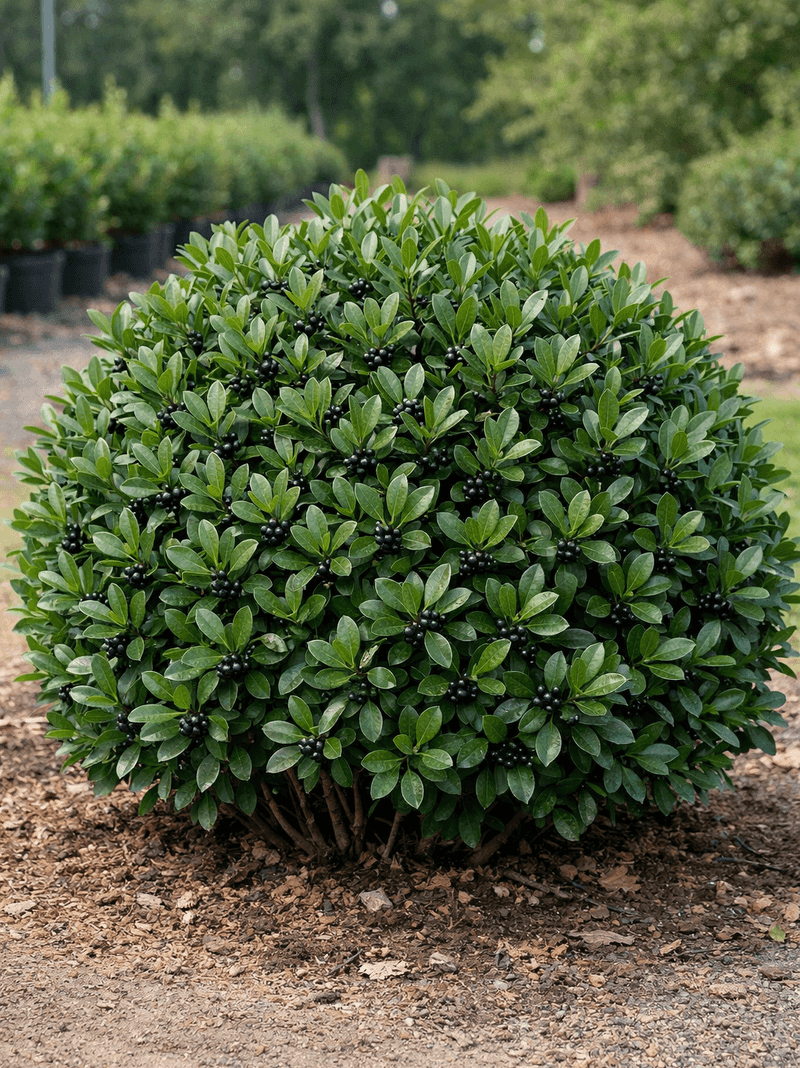
For folks who liked the neat, evergreen look of burning bush but want something better, inkberry is the swap. It keeps its small glossy leaves year-round and shapes into a clean, low hedge with minimal effort.
The dark berries that give it its name feed bluebirds, mockingbirds, and other songbirds through fall and winter. Because it is native, it also supports the insects that nesting birds need to raise their young.
Inkberry handles wet spots and part shade and stays tidy without constant pruning. If you want the polished, low-effort fence line without the invasive baggage, this is your evergreen workhorse.
9. Chokeberry (Aronia)
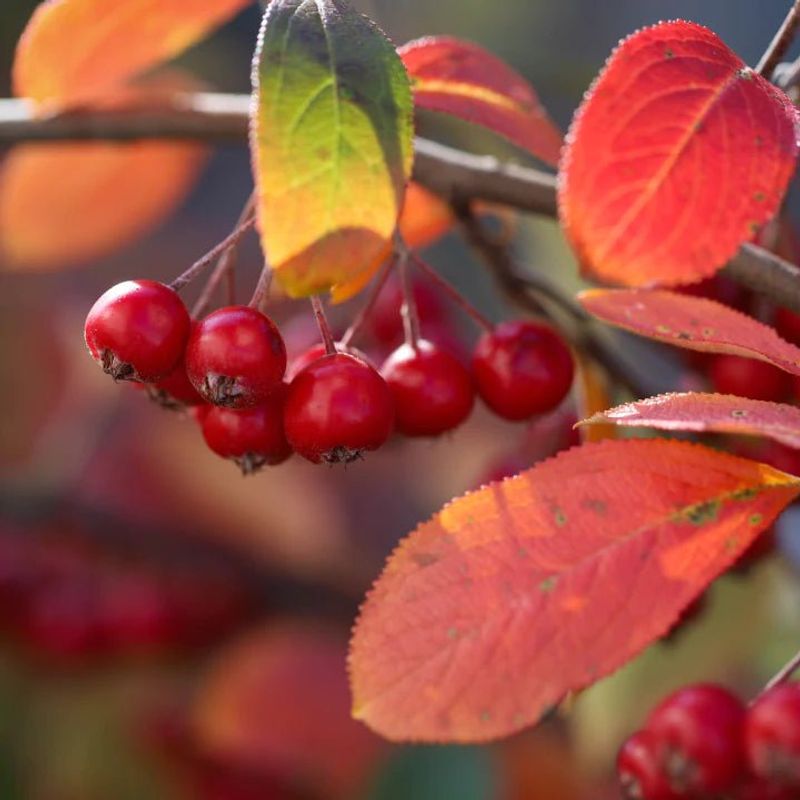
If you want the blazing red fall color that made burning bush popular, chokeberry delivers it and then some. The leaves turn deep crimson while glossy dark berries hang on into winter.
Those berries are packed with antioxidants and cling to the branches long after softer fruit is gone, giving late-winter birds a reliable meal. White spring flowers feed pollinators earlier in the year.
Aronia tolerates a wide range of NC soils, wet or dry, sun or part shade, and rarely needs babying. Swap it in for that flaming burning bush and you get the same autumn drama with a shrub that actually earns its place in the landscape.