
Every August, North Carolina gardeners find the same grim surprise: lamb’s ear that looked silver and lush in May has turned brown, mushy, or spotty by midsummer. The woolly leaves that made it charming in spring are the same leaves that hold moisture and invite trouble during a humid Southern summer.
There is a low native plant that thrives in the same sunny, dry spots where lamb’s ear struggles, and it has been growing in North Carolina woodlands and meadow edges all along. Knowing which plant to reach for, and how to set it up right, can save you from repeating that late-summer disappointment.
Why Lamb’s Ear Can Struggle in a Humid Summer
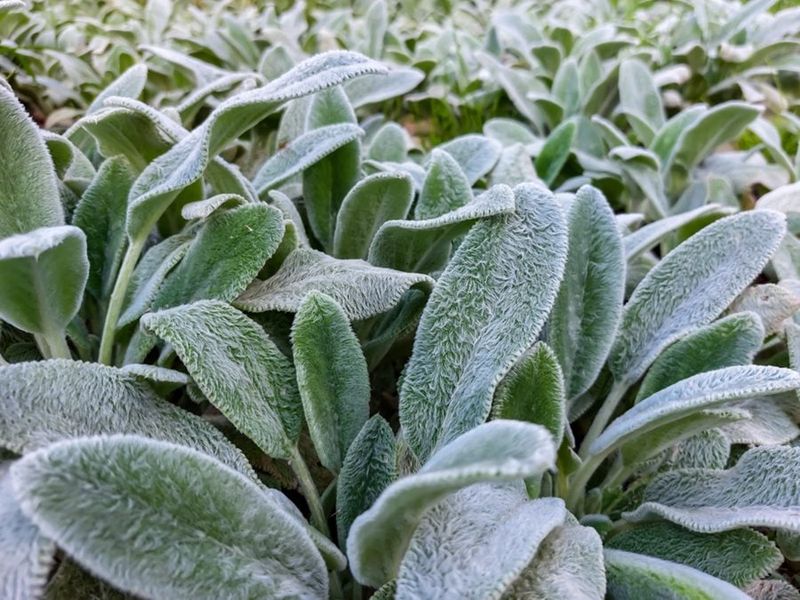
Lamb’s ear (Stachys byzantina) originally comes from Turkey, Armenia, and Iran, which means it evolved in climates with hot, dry summers and relatively low humidity. North Carolina is a different world.
The Piedmont and coastal plain can stack weeks of muggy, wet weather through July and August, and that combination of warmth and moisture is exactly what puts lamb’s ear at risk.
The woolly texture that makes the plant so appealing is also its liability. Those dense, feltlike hairs trap water against the leaf surface and hold it there.
When foliage stays wet for extended periods, the conditions favor fungal diseases including leaf spot and crown rot. Missouri Botanical Garden’s plant profile notes that lamb’s ear can experience rot and leaf problems in humid conditions, and that the plant may show summer dieback even in relatively well-drained spots.
Texas Tech’s landscape resources echo similar concerns, pointing out that wet foliage and poor air circulation around the dense mat of leaves can lead to decline. Their lamb’s ear fact sheet identifies excess moisture as the primary cultural problem to manage.
None of this means every lamb’s ear planting in North Carolina collapses by Labor Day. A raised bed with fast-draining gritty soil and strong air movement can carry the plant through summer in reasonable shape.
The risk is real, though, and it rises sharply when the bed holds moisture, when overhead irrigation wets the foliage regularly, or when plants are crowded. For gardeners who have watched lamb’s ear fail at the same spot two or three seasons running, the site is likely telling them something.
Switching to a plant better suited to humid Southern summers is a more practical fix than adjusting the watering schedule.
Plantain-Leaved Pussytoes Fits the Low Silver-Edge Job
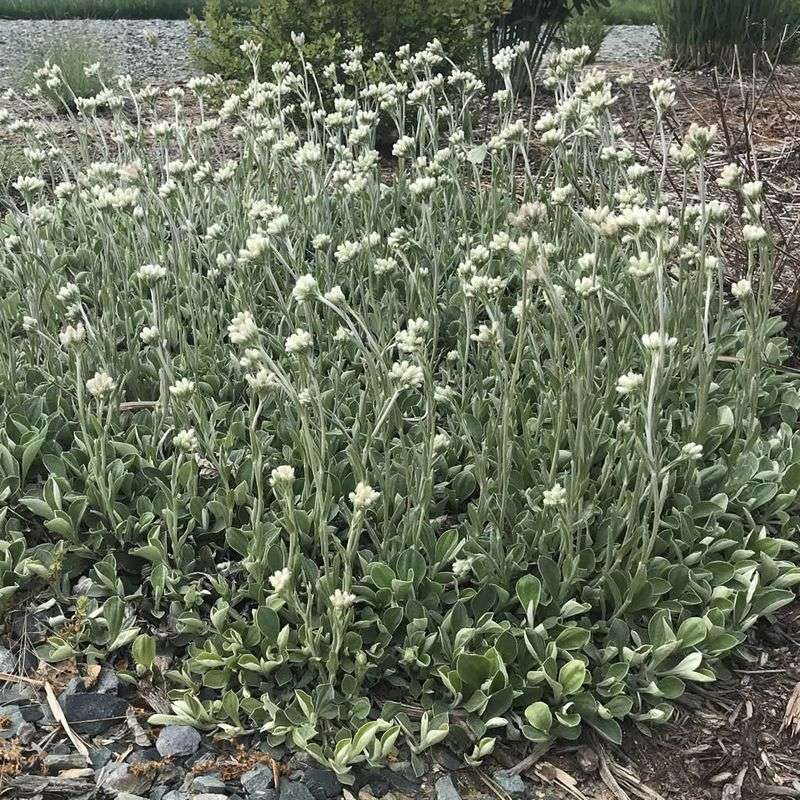
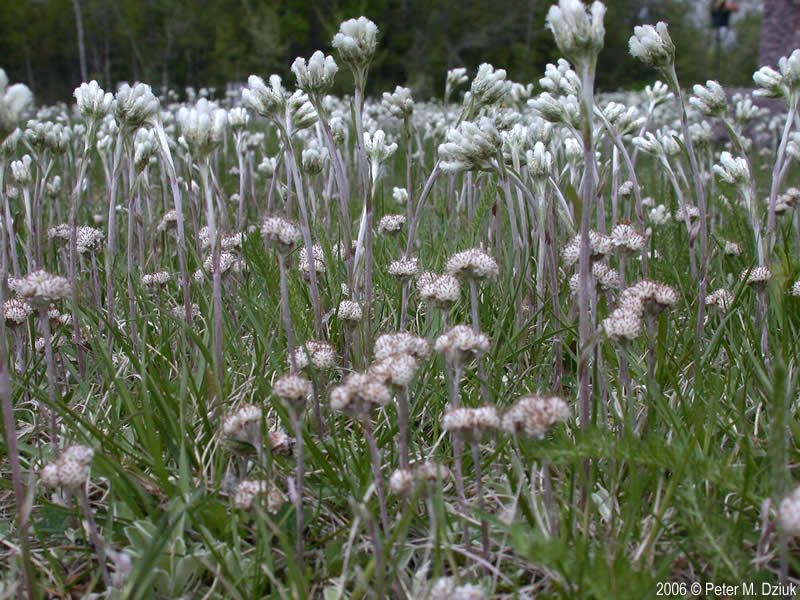
Plantain-leaved pussytoes (Antennaria plantaginifolia) is a native perennial that grows across North Carolina from the mountains to the coastal plain. It forms a low, spreading mat of gray-green to silver woolly leaves, spreads outward through stolons, and stays close to the ground, making it a natural candidate for the front of a sunny border or the edge of a dry path.
According to NC State Extension’s plant profile, pussytoes prefers lean, rocky or sandy soil with good drainage and performs well in full sun to part shade. NC State reports no significant insect or disease problems and describes the plant as resistant to drought and dry soil.
Those characteristics place it on the opposite end of the spectrum from lamb’s ear’s wet-foliage vulnerabilities.
The connection to border work is direct. Pussytoes can be used along walkways, in rock gardens, at the front of mixed beds, and in small ground-cover areas where a low silver texture ties together taller plants behind it.
It does the same organizational job that lamb’s ear does at the border’s edge, providing a soft, pale foreground that makes darker foliage and flowers behind it read more clearly.
The recommendation to use pussytoes in place of lamb’s ear rests on a site-fit judgment, not a biological guarantee. Pussytoes prefers the dry, lean conditions where lamb’s ear is most likely to struggle, and it comes without the documented wet-foliage risk.
That does not make it immune to every problem. Newly planted specimens can fail in compacted or poorly drained soil just as any plant can.
The case for pussytoes is that its natural preferences align with the conditions that give lamb’s ear the most trouble, making it a lower-risk choice for gardeners whose sites run dry and sunny rather than moist and shaded.
Expect a Lower, Quieter Texture Than Lamb’s Ear
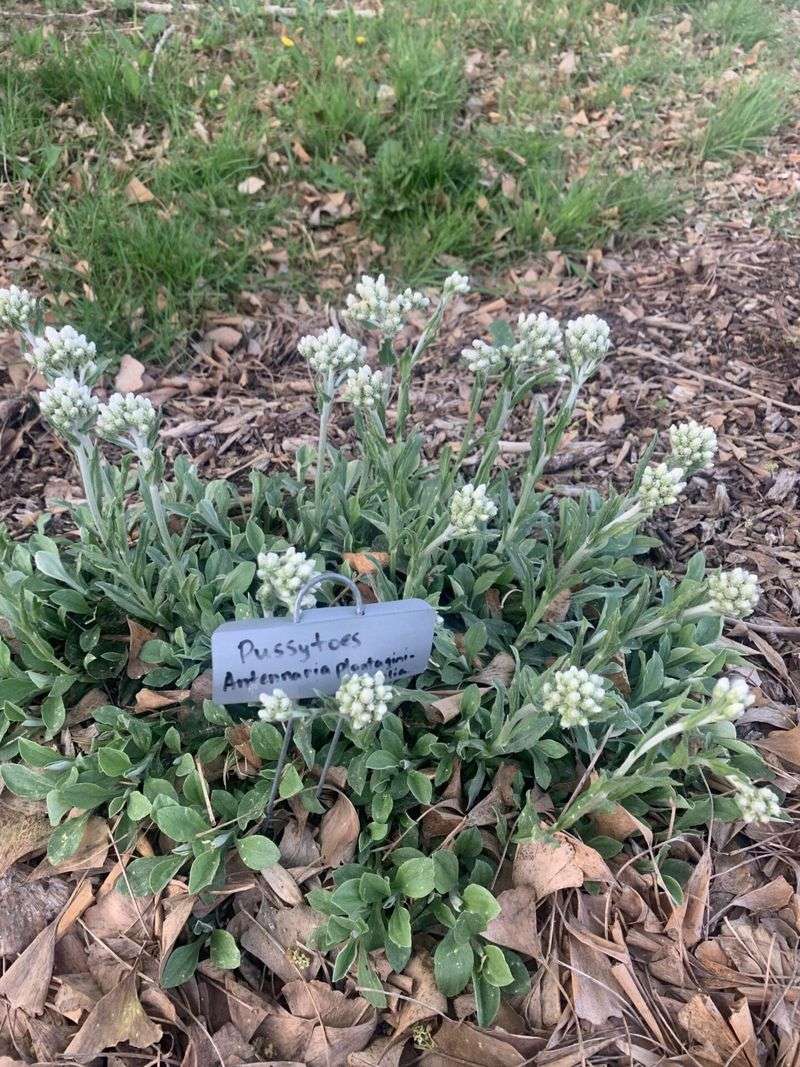
Gardeners who switch to pussytoes expecting a direct swap for lamb’s ear’s bold, shaggy mound will need to recalibrate. Pussytoes grows roughly 4 to 6 inches tall and spreads 1 to 2 feet wide through its stolon network.
The leaves are small, woolly, and gray-green, arranged in low basal rosettes that hug the soil rather than building upward into the substantial cushion that lamb’s ear creates.
That difference in scale matters for border planning. Pussytoes works beautifully as a fine-textured edging plant, a gap filler between stepping stones, or a low ground cover at the base of taller native perennials.
It reads as a subtle silver haze at ground level rather than a statement plant. Rock gardens, dry slopes, and naturalistic path edges are settings where its restrained texture feels right rather than insufficient.
Gardeners who want a silver-foliage native with more visual presence have a separate option to consider: narrow-leaf silkgrass (Pityopsis graminifolia). NC State Extension describes it as an evergreen native with silvery, grass-like leaves that form a clumping, spreading ground cover.
Its flower stems can reach approximately 2.5 feet, and it produces yellow daisy-like blooms in summer and fall, giving it a stronger presence through the warm season. It is taller and more grass-like than either lamb’s ear or pussytoes, so it does not serve as a tight edging plant, but it can anchor a dry sunny foreground with more mass than pussytoes provides.
The two plants serve different design needs. NC State’s narrow-leaf silkgrass profile positions it as a ground cover and wildflower rather than an edger.
Choose pussytoes when you need something low and fine at the very front of a bed. Reach for silkgrass when you want a bolder silver-foliage mass with summer flowers behind that front edge.
Match Pussytoes to Sun and Fast Drainage
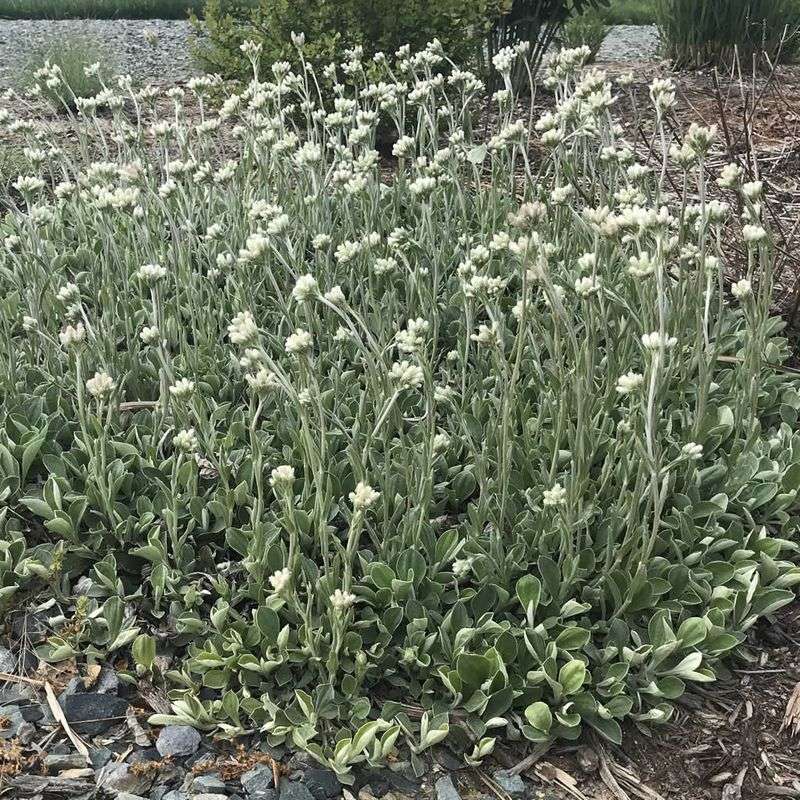
Getting the site right matters more than any other step. Pussytoes performs in full sun to part shade, but it needs soil that drains quickly.
Lean, rocky, or sandy soil is ideal. Rich, heavily amended garden beds or spots that stay damp after rain are the wrong address for this plant, and putting it there is the most reliable way to get the same decline you were trying to avoid with lamb’s ear.
The connection between drainage and disease is straightforward. University of Wisconsin Horticulture’s guide to root and crown rots explains that the pathogens responsible for crown and root rot thrive in wet, saturated soil where oxygen is limited.
When roots sit in standing water or persistently damp ground, they become vulnerable to infection that can move upward into the crown and stems. Improving drainage removes the conditions those pathogens depend on.
Clemson Cooperative Extension’s guidance on crown rot prevention reinforces the same point: the most effective management step is correcting the drainage problem rather than treating symptoms after the fact. For both lamb’s ear and pussytoes, a wet site is the root cause of trouble, not simply a contributing factor.
Before planting pussytoes, check how quickly your border drains after a heavy rain. Water pooling for more than an hour or two signals a drainage problem.
Options for improving it include raising the bed, working coarse sand or grit into the top several inches of soil, or choosing a slope or elevated spot where water naturally moves away. Avoid beds that back up against a foundation or low wall where moisture collects.
Native status does not override soil and drainage requirements. A plant that evolved in rocky, dry woodlands will not suddenly thrive in a compacted clay bed just because it is locally native.
Site conditions are decisive, and matching the plant to the right conditions is what makes the difference between a planting that works and one that repeats the same failure.
What Pussytoes Looks Like by August
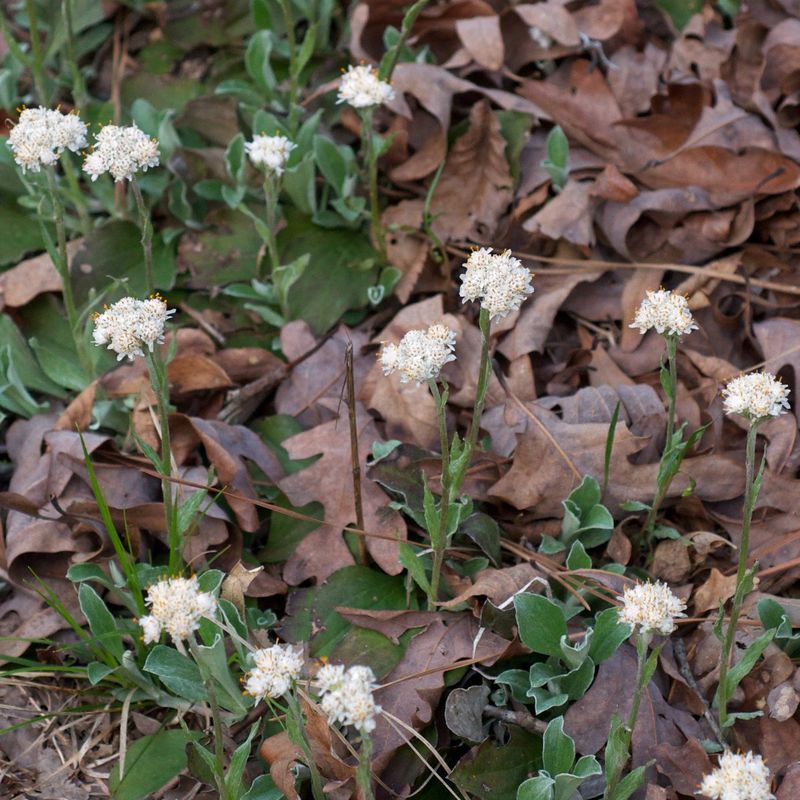
August is the honest test for any border plant in North Carolina, and pussytoes passes it differently than you might expect. The plant blooms in mid-to-late spring, producing small, fuzzy, white to pinkish flower clusters on upright stems for roughly two to three weeks.
After that flush of bloom, the flower stems die back naturally. That dieback is a normal part of the plant’s seasonal cycle, not a sign of disease or failure.
What remains through summer is the basal rosette, the low cluster of woolly gray-green leaves that sits close to the soil. NC State Extension notes that basal leaves can become discolored or withered with age, so an August planting may look quieter and less uniform than a May planting.
The silver-gray mat does not disappear, but it may show some older leaves that have yellowed or dried at the margins.
Framing this accurately matters. The credible benefit of pussytoes over lamb’s ear is not that it stays in perfect, lush condition through August.
The benefit is that it has few reported disease or insect problems, suits dry and lean soil, and does not carry the wet-foliage vulnerability that can rot lamb’s ear out from the crown. A pussytoes planting in the right dry site is more likely to be alive and presentable in August than a lamb’s ear planting in the same humid conditions.
That is a meaningful difference, but it is a site-fit advantage, not a guarantee of peak summer foliage.
Gardeners who want silver foliage that stays consistently attractive and full through the warm season should weigh that expectation against what pussytoes actually delivers. For a low, naturalistic ground cover at a border edge, the summer appearance is acceptable and often fine.
For a formal bed where every plant needs to look its best from May through September, the expectations need to be calibrated before planting.
Water New Plants Without Keeping the Bed Wet
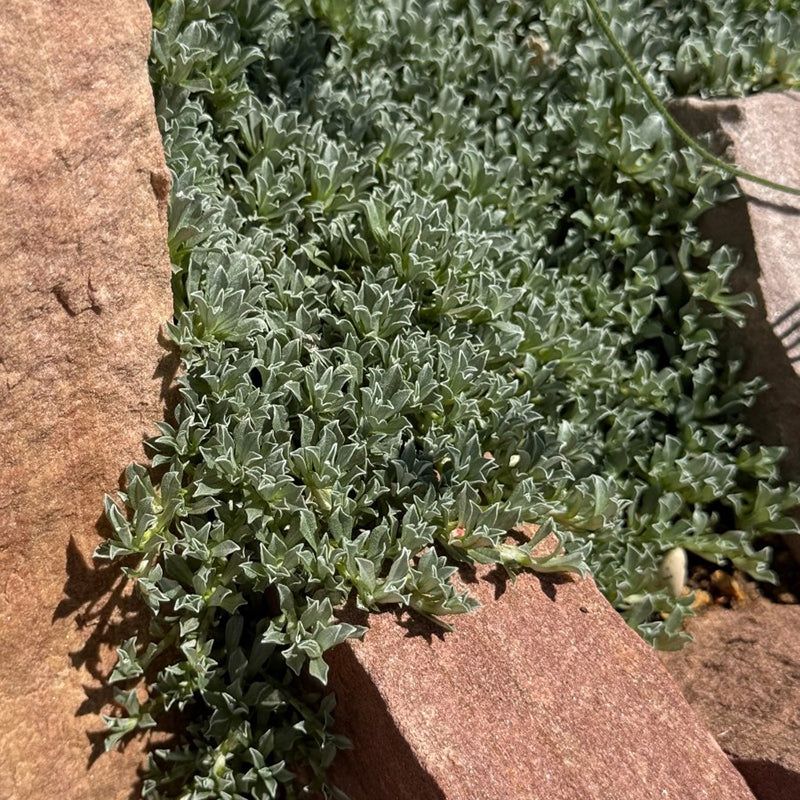
Drought tolerance is a mature plant trait, not a first-week trait. A pussytoes plant fresh from a nursery pot has a limited root system and needs regular watering to get established.
Skipping that early care because the plant is labeled drought-resistant is one of the most common ways to lose a new native planting.
NC State Extension’s native plants handbook recommends keeping new native plantings well-watered for the first few weeks after installation, then adjusting irrigation based on soil type, weather, and site conditions as roots develop. For pussytoes in a dry, sandy bed, that establishment window might be shorter than for a plant in heavier soil, but the first several weeks still require attention.
Once established, the approach changes. Pussytoes in a lean, well-drained site typically needs little supplemental water.
Checking the soil before watering, rather than watering on a fixed schedule, is a better practice. If the top inch or two of soil is dry and the plant shows no stress, it can usually wait.
How you water matters as much as how often. Overhead watering that wets foliage and then leaves it damp in warm, humid air replicates the conditions that create problems for lamb’s ear.
Watering at the base of the plant, using a soaker hose or a slow drip at ground level, keeps the crown and leaves dry while delivering moisture to the root zone. Clemson’s crown rot guidance identifies reducing prolonged foliage wetness as a key preventive measure against the pathogens that cause crown and root decay.
One caution worth stating plainly: if an existing planting is showing rot or decline, adding more water will not fix it. Wet conditions are the problem, not the solution.
Improving drainage, trimming away affected foliage, and letting the soil dry out between waterings are the right responses to a plant showing rot symptoms.
Low Reported Disease Pressure Does Not Mean Disease-Proof
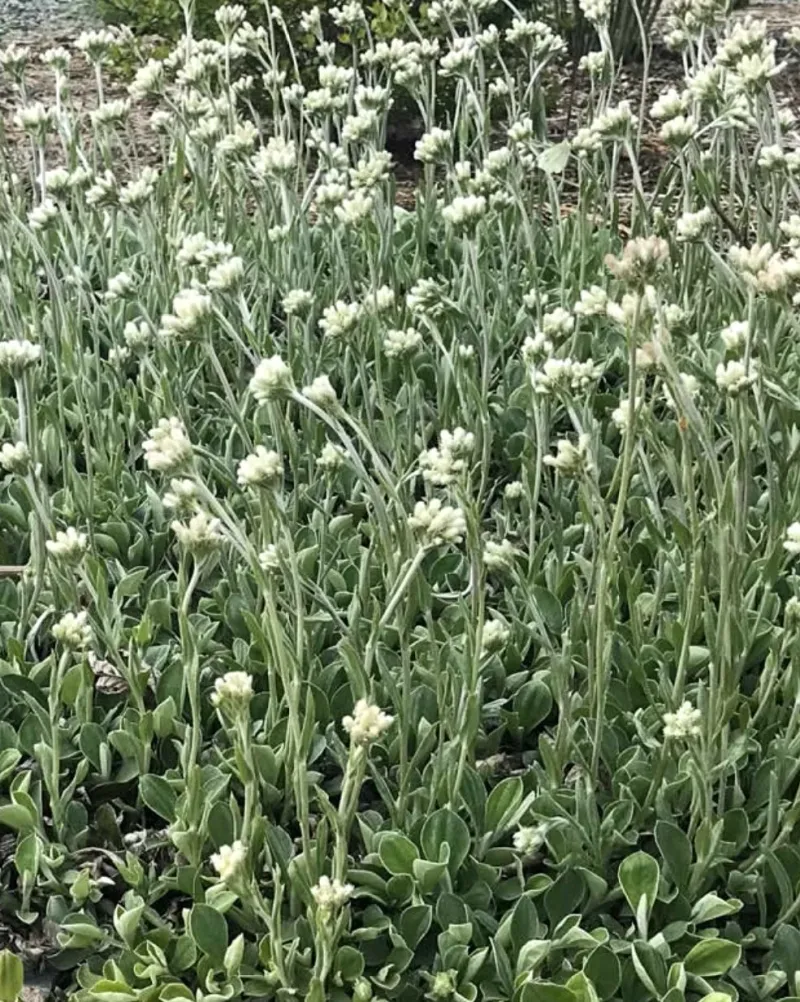
NC State Extension reports no significant insect or disease problems for plantain-leaved pussytoes and describes it as resistant to drought and dry soil. Those are favorable characteristics, and they are part of why pussytoes is a credible alternative to lamb’s ear for a dry, sunny site.
Favorable reported performance in suitable conditions is not the same as immunity from every problem in every setting.
Put in a wet, compacted, or shaded bed, pussytoes can struggle just as any plant can. The low disease pressure NC State describes applies to plants growing in conditions that match the species’ preferences.
Move it outside those conditions and the favorable track record does not automatically follow. The honest frame is that pussytoes is a lower-risk choice for a specific type of site, not a universally trouble-free plant.
NC State’s pussytoes profile also notes the plant’s wildlife value, which adds real secondary benefit beyond the foliage. Pussytoes supports pollinators and serves as a larval host plant for the American lady butterfly, a species that uses several Antennaria plants as caterpillar food sources.
Planting pussytoes in a sunny border edge contributes to local insect and butterfly populations in a way that lamb’s ear, as a nonnative species, does not.
A note on what that wildlife value does not include: pussytoes will not eliminate ticks, mosquitoes, or household pests from your yard. The pollinator and host-plant benefit is real and worth having, but it is specific to the insects that use the plant.
Broader pest management requires different strategies. Planting pussytoes is a good step for a North Carolina border; it is not a substitute for a yard-wide approach to tick or mosquito management.
Choose Narrow-Leaf Silkgrass for More Persistent Silver Foliage
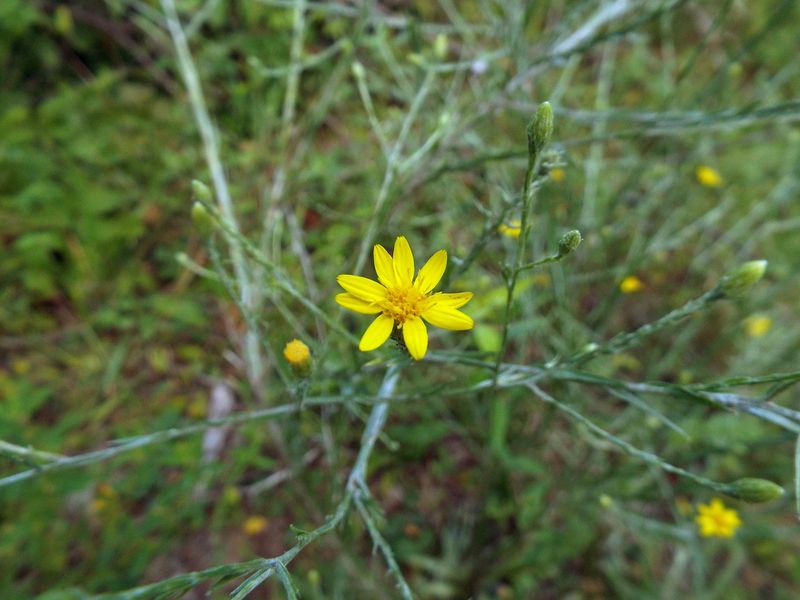
When a gardener’s priority is silver foliage that stays visible and attractive through summer and into fall, narrow-leaf silkgrass (Pityopsis graminifolia) becomes a stronger candidate than pussytoes. NC State Extension describes it as a native, evergreen wildflower with silvery, grass-like leaves that form a spreading clumping ground cover.
Unlike pussytoes, which blooms briefly in spring and then quiets down, silkgrass produces yellow daisy-like flowers in summer and fall, extending its visual contribution through the warmest months.
NC State’s silkgrass profile lists it for the Coastal Plain, Piedmont, and Mountains, and notes that it attracts butterflies, bees, and a specialized native bee associated with Pityopsis species. Its flower stems can reach approximately 2.5 feet, which means it reads more as a foreground wildflower or low textural mass than as a tight edging plant.
Gardeners using it should plan for that height rather than treating it as a direct ground-level substitute for pussytoes or lamb’s ear.
Silkgrass shares pussytoes’ preference for full sun, lean soil, and fast drainage. It performs poorly in rich, damp conditions, so the same site-preparation advice applies.
Sandy or fine-textured, well-drained soil gives it the best chance.
A distribution caveat applies before purchasing. The Vascular Plants of North Carolina account for Pityopsis notes that plants labeled as Pityopsis graminifolia in southeastern North Carolina may represent distinct taxa, and that older records may belong to other Pityopsis species.
The Vascular Plants of North Carolina project documents this taxonomic complexity across the state. Commercially sold plants may not all represent the same local ecotype, so sourcing from a reputable North Carolina native nursery that can confirm regional provenance is worth the extra step.
Make the Choice by Site, Scale, and Summer Expectations
The decision between these two natives comes down to what your site offers and what you want the border to do. Plantain-leaved pussytoes is the right call when you need a very low, fine-textured silver-gray edging plant for a sunny, dry, well-drained North Carolina border.
It is a credible native substitute for the front-of-bed role that lamb’s ear has been filling, with far fewer of the wet-foliage risks that cause late-summer decline in humid conditions.
Narrow-leaf silkgrass fits better when you want more persistent silver foliage, summer-to-fall flowers, and a taller presence in the foreground of a dry bed. Verify the source and regional ecotype before buying, and give it the same lean, well-drained conditions you would give pussytoes.
Either plant still needs proper establishment care and a site that genuinely drains well. The NC State native plants handbook is clear that native status does not replace site preparation or early watering.
The swap from lamb’s ear to either of these natives reduces the risk of repeating a site-specific decline, not eliminating every possible outcome. A plant suited to your soil and sun will always outperform one fighting the wrong conditions, and that straightforward match is what makes the difference here.