
Rock mulch might look tidy, but it soaks up summer heat and cooks the soil right next to your house. Down here in North Carolina, that baking effect can stress your plants and turn your foundation beds into a hot, lifeless strip.
The good news is that swapping rocks for the right native plants keeps roots cool, feeds local pollinators, and cuts down on the mosquito-friendly stagnant spots near your walls. Here are seven North Carolina natives that shade the soil, look great by your front door, and help you do right by the land.
1. Christmas Fern
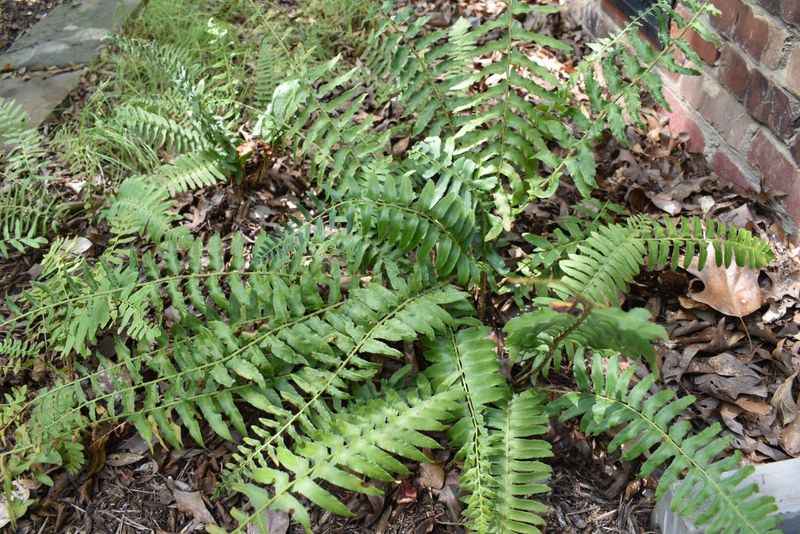
Tuck this evergreen fern along the shady north side of your house and you get year-round green without any of the heat that rocks throw off. The fronds stay put through winter, which is where the plant got its holiday name, since early settlers gathered it for December decorating.
Christmas fern loves the moist, shaded corners of Piedmont and mountain yards where grass struggles anyway. Its low, arching leaves fan out and blanket the soil, holding in moisture and keeping roots several degrees cooler on a scorching July afternoon.
Once it settles in, this fern asks almost nothing of you. No trimming, no fussing, just a slow spread that fills in bare foundation gaps and gives ground beetles and other helpful bugs a cool place to hide.
2. Eastern Bluestar
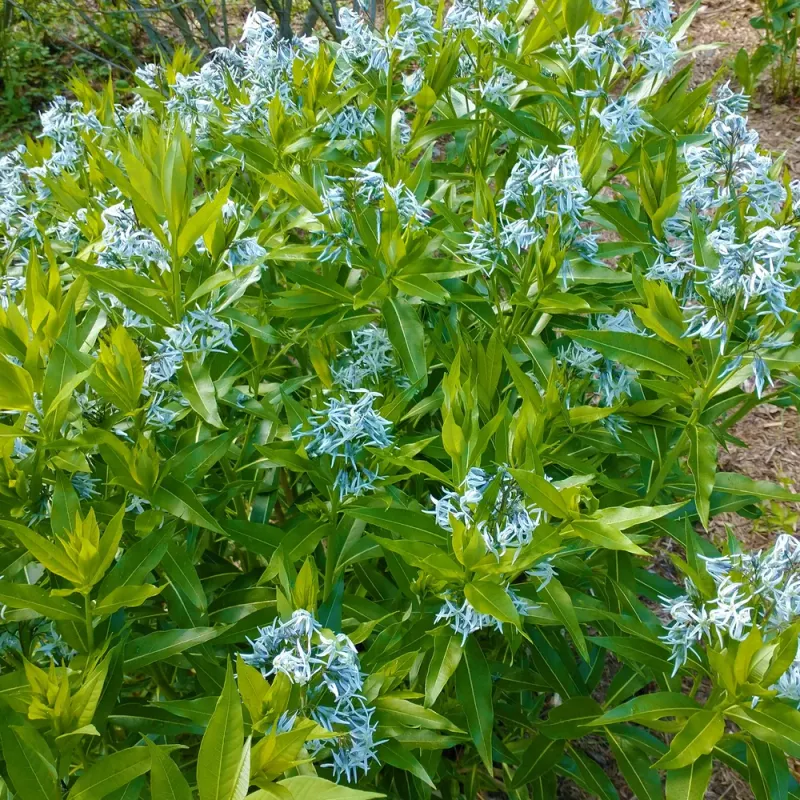
Come spring, Eastern bluestar puts on a show of soft powder-blue flowers that pollinators can’t resist. Then it pulls a second trick in fall, when its feathery foliage turns a glowing golden yellow that lights up a foundation bed.
What makes it a smart pick near the house is the dense, bushy mound it forms. That leafy canopy shades the ground beneath it all summer, so the soil stays soft and cool instead of hardening into a hot crust like it does under rock.
Bluestar handles the clay soils common across the Piedmont and shrugs off heat once established. Plant a few in a row and you get a living hedge that supports butterflies while keeping the bed below noticeably calmer in the peak of summer.
3. Green and Gold
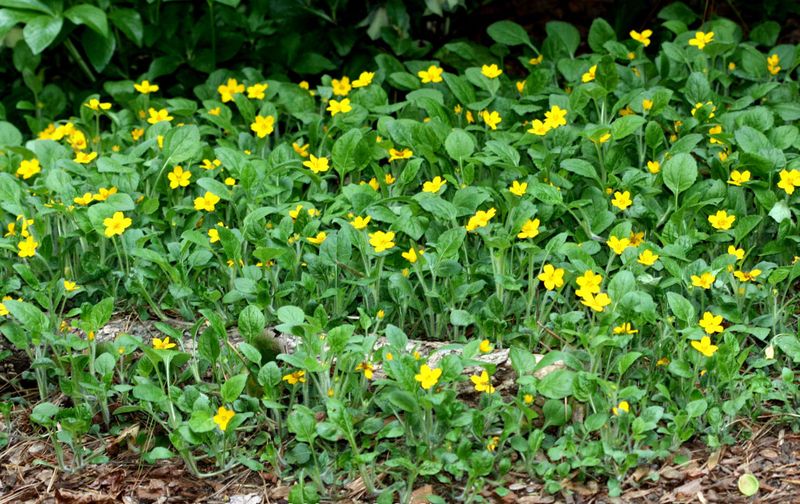
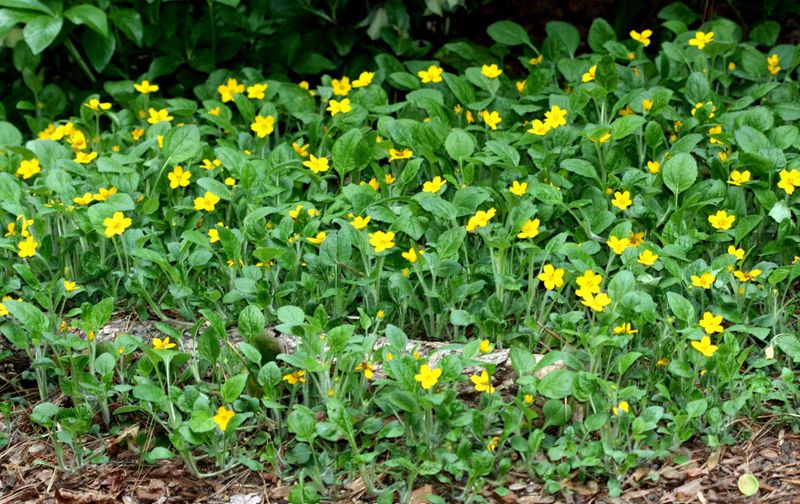
If you want the polar opposite of a hot rock border, green and gold is your plant. It hugs the ground in a low mat of green leaves dotted with cheerful yellow blooms, spreading slowly to carpet every inch of exposed dirt.
That living carpet is the whole point. By covering the soil surface completely, it blocks the sun from baking your roots and cuts way down on the weeds that pop up between rocks.
Native across much of North Carolina, this groundcover thrives in the dappled light near the base of a house. Bees and small native pollinators visit the flowers through spring and again in fall, so you get color, coverage, and cool soil from one easygoing plant.
4. Inkberry Holly
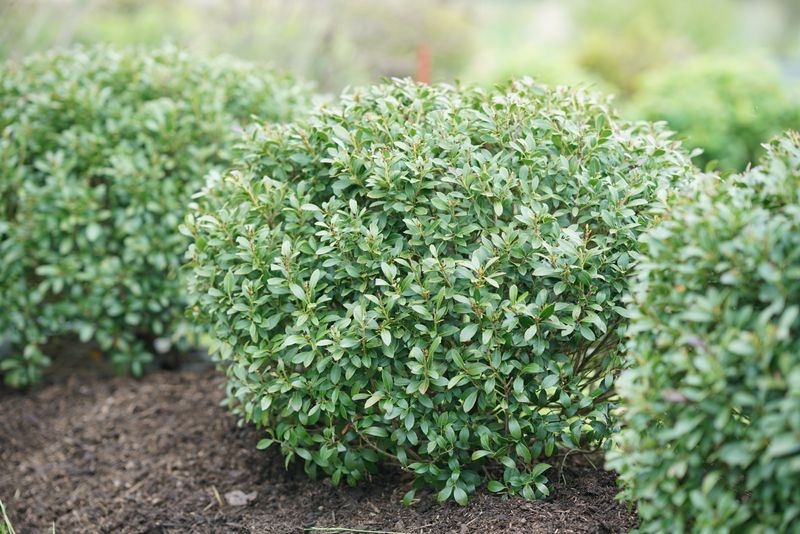
Homeowners who miss the tidy look of a clipped shrub will love inkberry holly, a native cousin to the boxwood that plays a similar role without the invasive baggage. Its small glossy leaves stay green all winter and take a trim beautifully.
Because it grows into a full, rounded shrub, inkberry casts real shade over the soil at its feet. That shade keeps the root zone cool and moist, a huge upgrade over a rock bed that radiates stored heat back onto your foundation every evening.
Female plants produce small dark berries that feed birds through the colder months, another win for backyard wildlife. Give it a spot with decent moisture, since inkberry naturally grows in the low, damp areas of the coastal plain and does best when the ground never dries out completely.
5. Foamflower
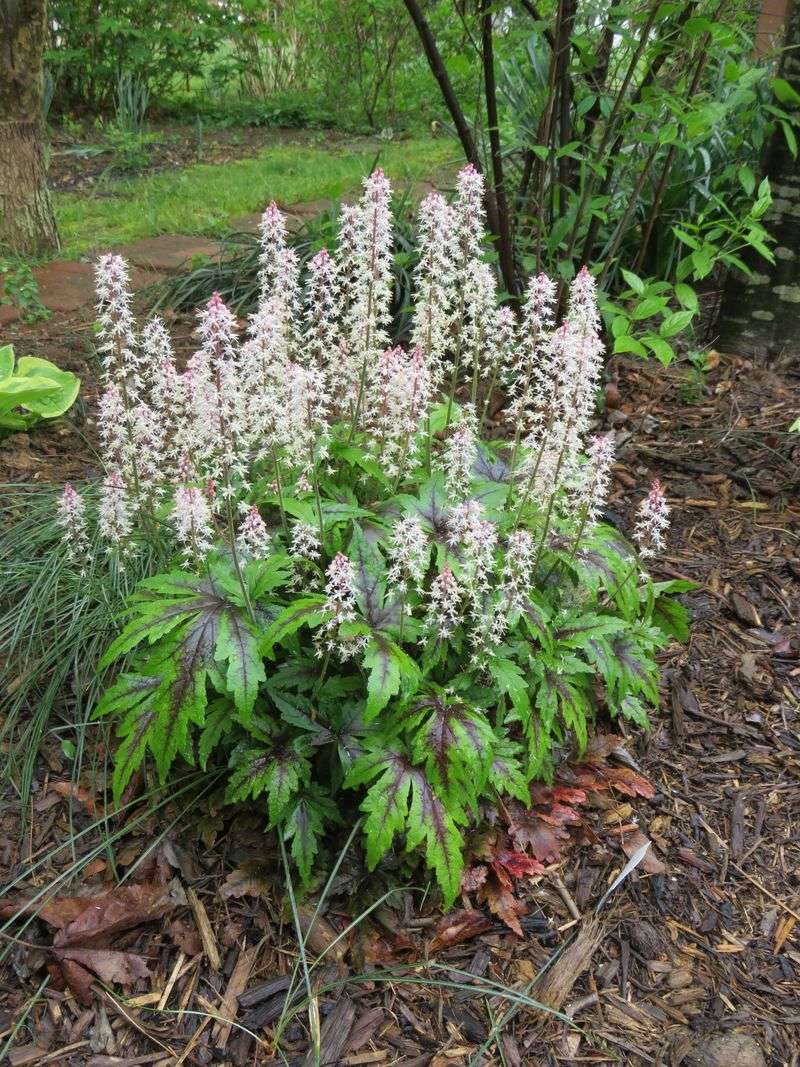
Delicate spikes of frothy white flowers rise above heart-shaped leaves in spring, giving foamflower its bubbly name and a fairy-tale look in a shaded bed. It’s the kind of plant that makes a plain corner by the porch feel intentional.
Underneath all that charm, foamflower is a hardworking ground cover. Its leaves spread outward and overlap, shading the soil and holding moisture right where your other plants need it most during a dry NC summer.
It’s happiest in the same rich, shady woodland conditions you’d find in the mountains and upper Piedmont. Pair it with Christmas fern and green and gold and you build a cool, layered carpet that no rock mulch could ever match for looks or for keeping roots comfortable.
6. Little Bluestem
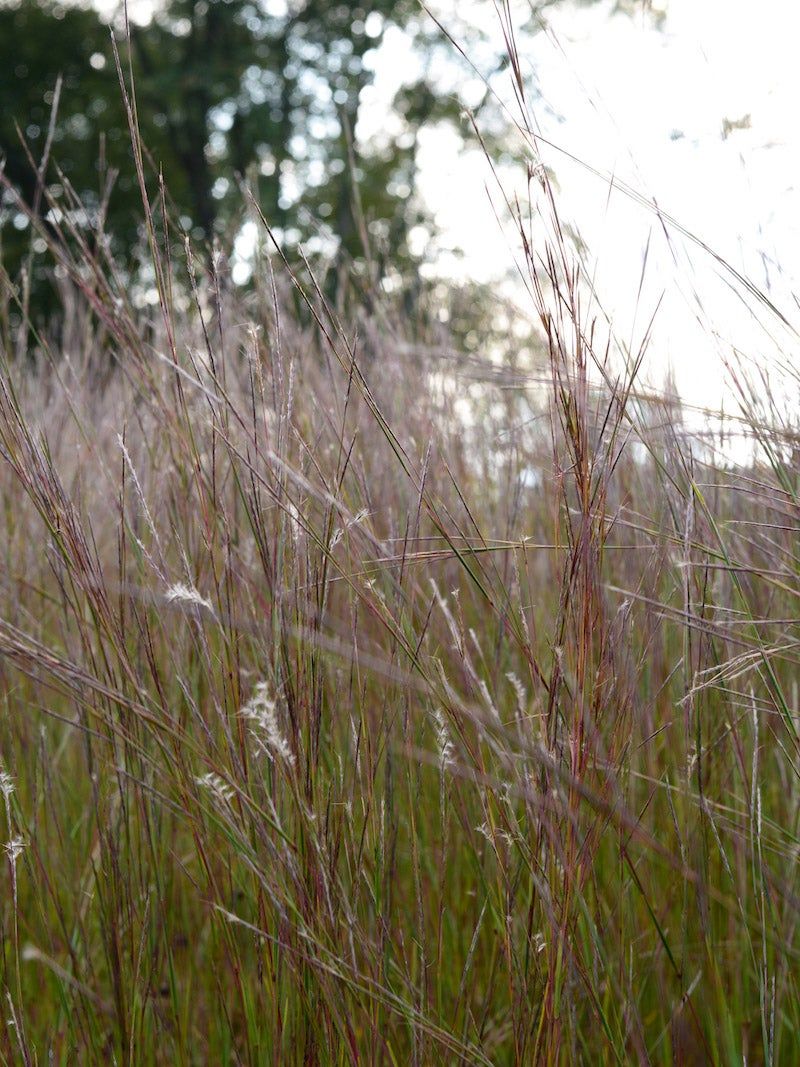
For the hot, sunny side of the house where nothing seems to survive, little bluestem is the tough native that thrives on neglect. This clumping grass turns blue-green in summer and blazes coppery orange through fall and winter.
Its upright bunches create a surprising amount of shade at ground level, and its deep roots pull moisture from far below the surface. That combination keeps the surrounding soil cooler and steadier than the scorched dirt you’d find hiding under a layer of gravel.
Little bluestem also earns its keep as wildlife habitat, offering seeds for songbirds and shelter for beneficial insects. Once it takes hold it needs no watering, no fertilizer, and just one quick cutback in late winter to look sharp again.
7. Wild Ginger
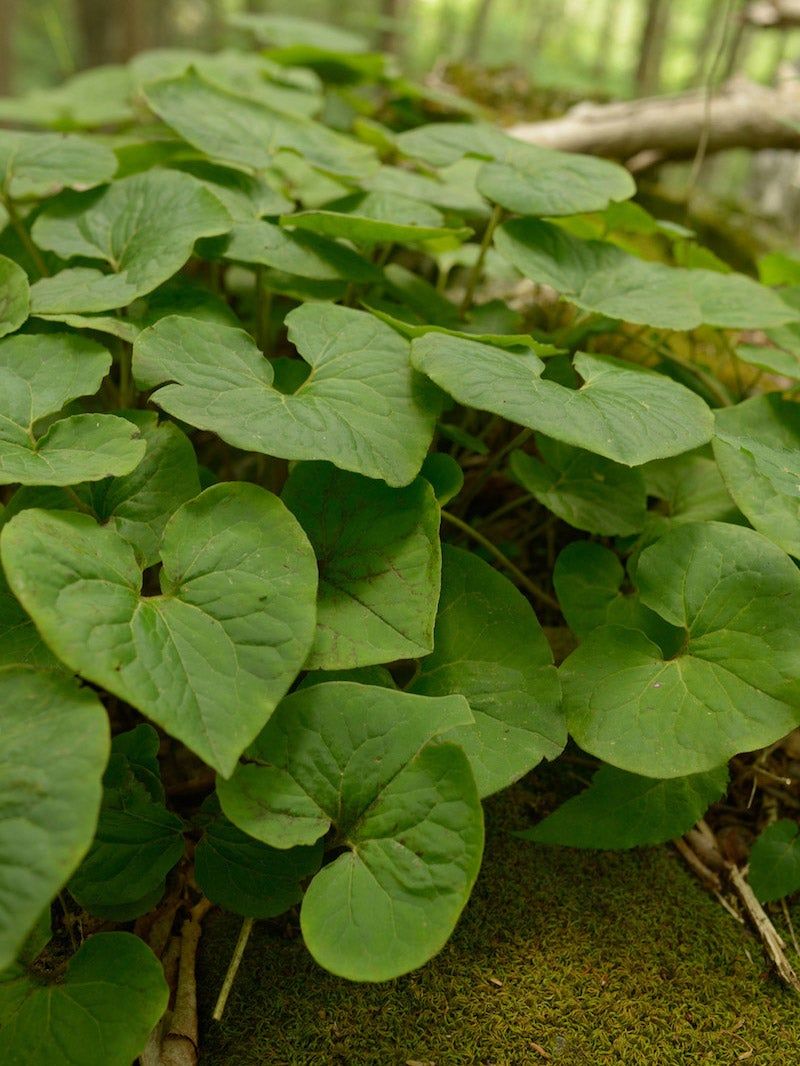
Deep shade where even ferns hesitate is exactly where wild ginger shines. Its big, glossy, heart-shaped leaves lie low and overlap into a thick living blanket across the darkest corners of your foundation.
That dense leaf cover is a soil-cooling machine. It blocks sunlight entirely, traps humidity near the ground, and keeps roots comfortable even on the muggiest August days when rock beds are radiating heat like a stovetop.
The plant hides small maroon flowers down at soil level, a quirky detail most people never notice unless they go looking. Native to shady woodlands throughout North Carolina, wild ginger spreads slowly and steadily, giving you a cool, low-maintenance carpet that quietly does the work rocks never could.