
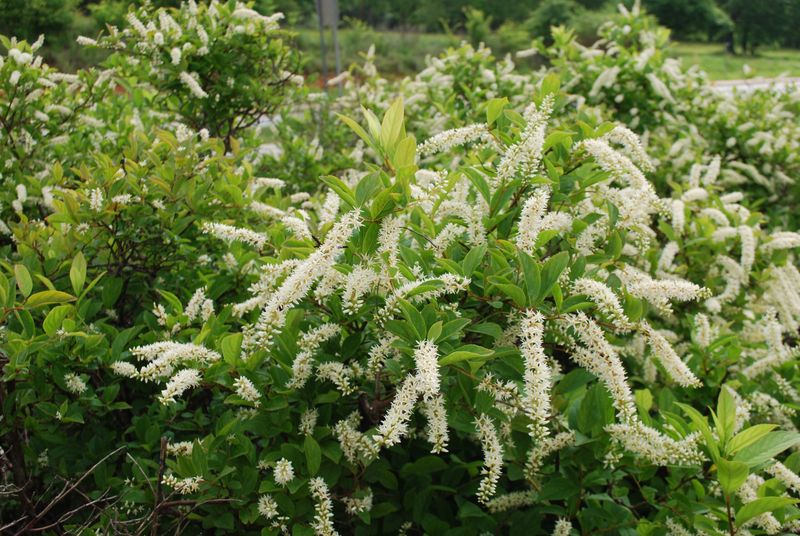
That glossy vinca on your hillside looks tidy, but it creeps into woods, smothers wildflowers, and does a poor job holding soil deep down. North Carolina slopes wash out fast during summer thunderstorms, so the plants you pick really matter.
The good news is that plenty of native plants grip the ground with strong roots, feed local wildlife, and stay where you put them. Here are eight tough natives that can turn a bare or vinca-choked bank into a living, soil-saving slope.
1. Green and Gold (Chrysogonum virginianum)
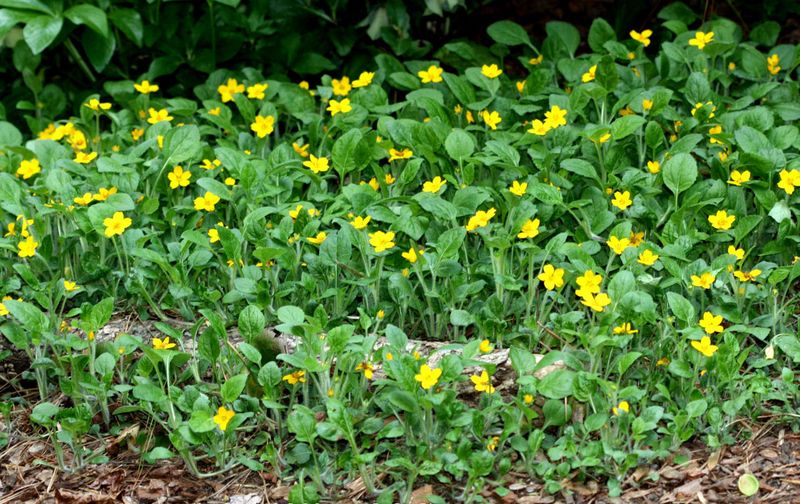
Picture a carpet of tiny yellow stars blooming from March into early summer, right where vinca used to sprawl. Green and gold is one of the friendliest swaps a North Carolina gardener can make, since it forms a low, spreading mat in part shade.
It spreads by short runners that knit the top layer of soil together without racing into the woods. Clumps fill in over two or three seasons, so plant them about 12 to 18 inches apart on your bank.
Small native bees and flies visit the flowers early, when food is scarce. Give it decent drainage, since soggy clay at the bottom of a slope can rot the crowns.
2. Pennsylvania Sedge (Carex pensylvanica)
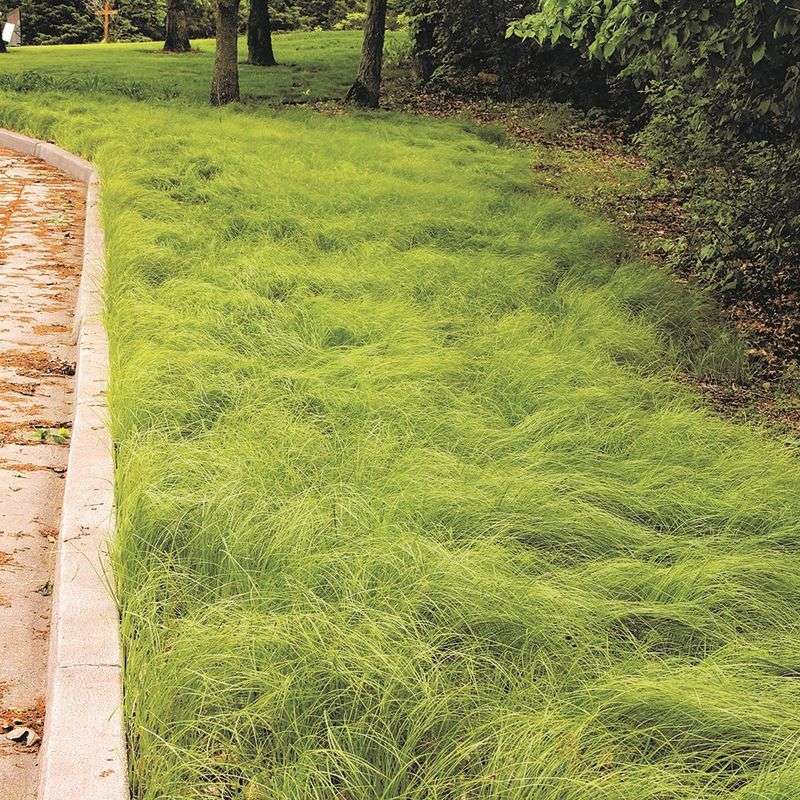
Some homeowners call it the lawn that never needs mowing. Pennsylvania sedge makes soft, hair-fine tufts that look like a relaxed meadow under oaks and pines.
Its dense fibrous roots are the real prize on a slope. They mesh together just below the surface and help hold dry, shady soil where grass gives up and vinca only pretends to help.
Plugs set 10 to 12 inches apart can close in within a couple of years. You can trim it once in late winter if you want a neater look, but it honestly looks fine left alone.
Ground-nesting insects and small critters shelter in the tufts, adding quiet life to your yard.
3. Little Bluestem (Schizachyrium scoparium)
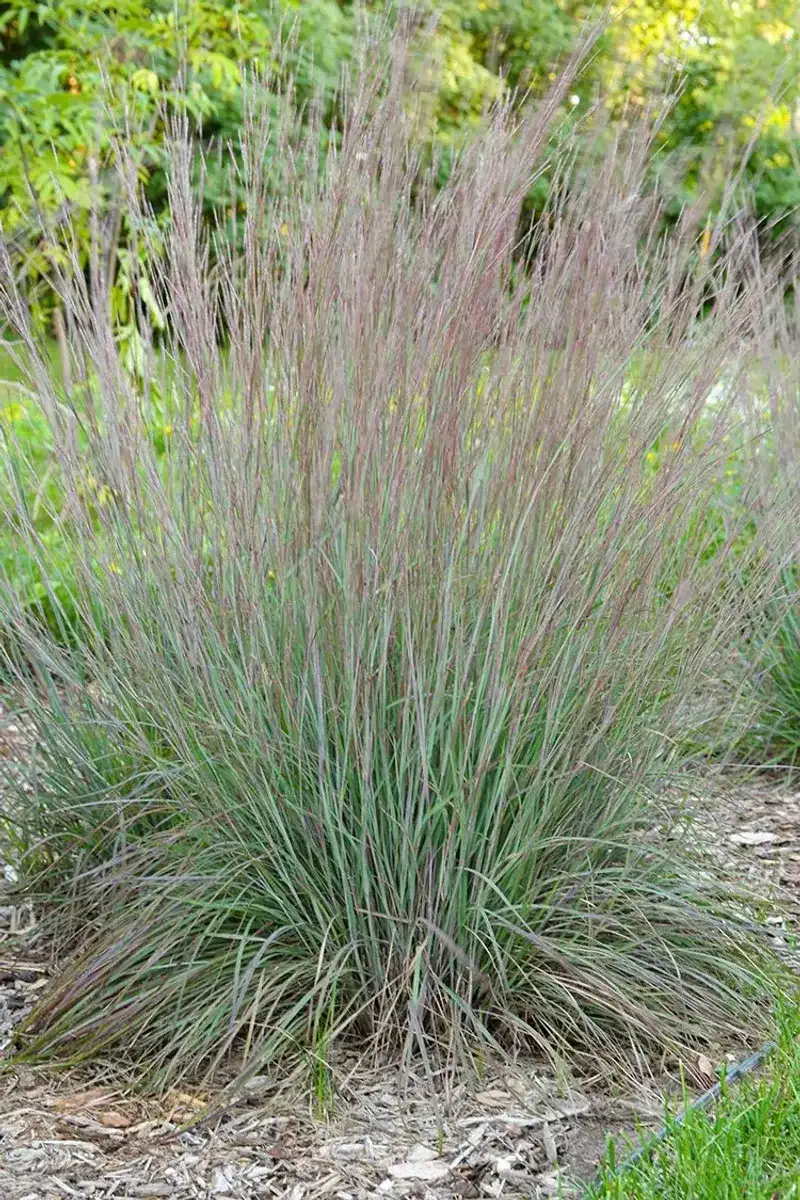
Blue-green in summer, fiery copper in fall, and roots that can reach several feet down. Little bluestem might be the hardest-working plant on a sunny slope.
Those deep roots anchor soil far below where shallow groundcovers reach. It shrugs off heat, drought, and the thin red clay common across the Piedmont and Sandhills.
It stays in neat clumps, so it will not march into your neighbor’s yard. Birds eat the seeds in winter, and several skipper butterflies use it as a caterpillar host.
Leave the stems standing until late winter for color and wildlife cover, then cut back before new growth starts.
4. Christmas Fern (Polystichum acrostichoides)
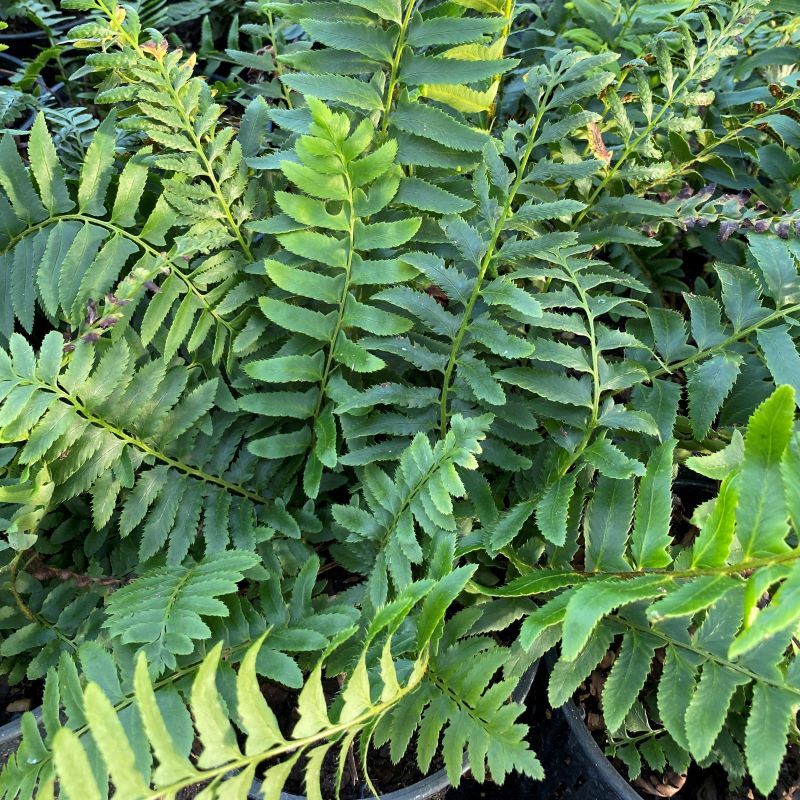
Walk any wooded creek bank in the Blue Ridge and you will likely spot this evergreen fern clinging to steep ground. Christmas fern earned its name by staying green all winter, just when vinca’s appeal is supposed to shine.
Its tough root crowns and clustered fronds catch falling leaves and slow rainwater running downhill. On a shady slope, that combination can reduce washouts better than a thin mat of vinca leaves.
Deer usually leave it alone, which is a big deal in much of North Carolina. Plant it in groups of three or five for a natural look that needs almost no care.
5. Creeping Phlox (Phlox stolonifera)
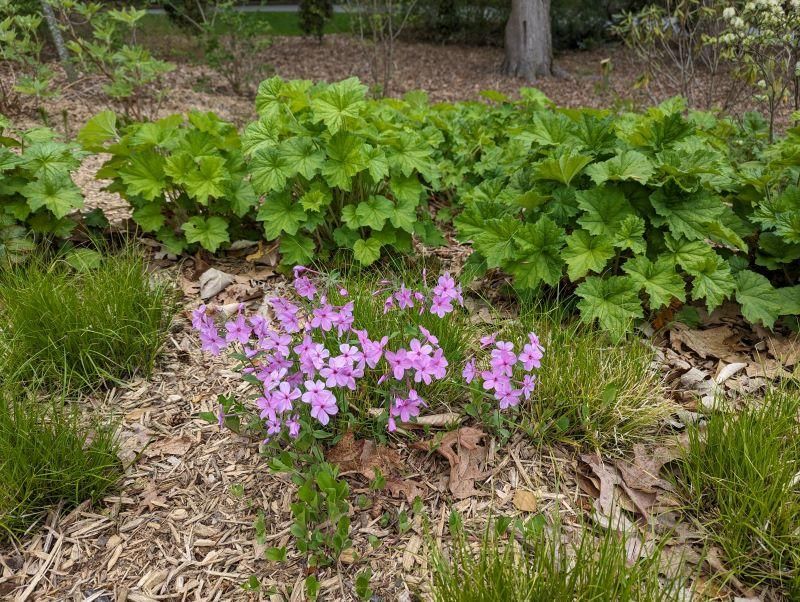
Here is a fun one: creeping phlox is native to the southern Appalachians, including the North Carolina mountains. In April it covers the ground with lavender, pink, or white blooms that pull in early butterflies and bumblebees.
It roots along its creeping stems, forming a loose green mat in part shade. That makes it a pretty stand-in for vinca on gentle banks and at the top of retaining walls.
Do not confuse it with moss phlox, which prefers full sun. Pair creeping phlox with ferns or sedges for deeper root support on steeper spots.
6. Virginia Sweetspire (Itea virginica)
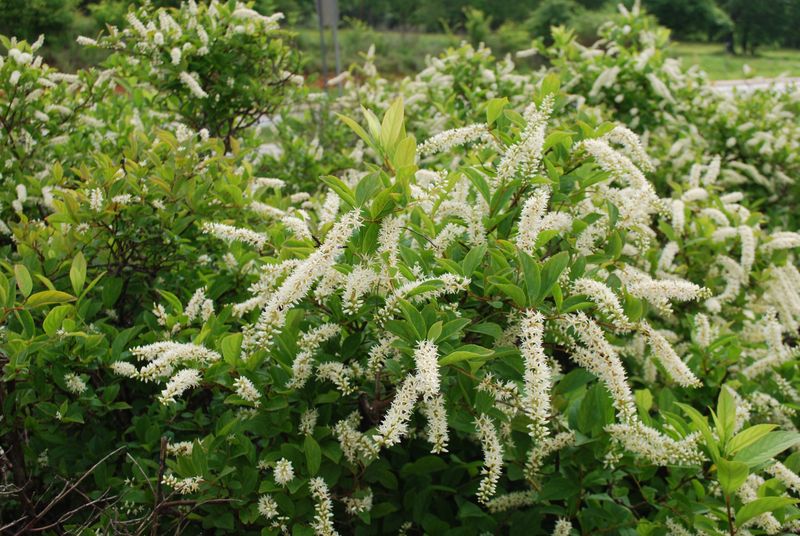
Got a slope that ends in a soggy low spot? Virginia sweetspire handles both, which is rare.
This native shrub spreads slowly by suckers into a thicket about three to four feet tall. Its root network can help hold soil on larger banks where a groundcover alone would struggle.
Fragrant white flower spikes appear in late spring and feed a wide range of pollinators. In fall, the leaves turn wine red and hang on well into winter.
It grows naturally in coastal plain swamps, so it tolerates wet feet, yet it also manages in drier Piedmont yards once settled.
7. Coralberry (Symphoricarpos orbiculatus)
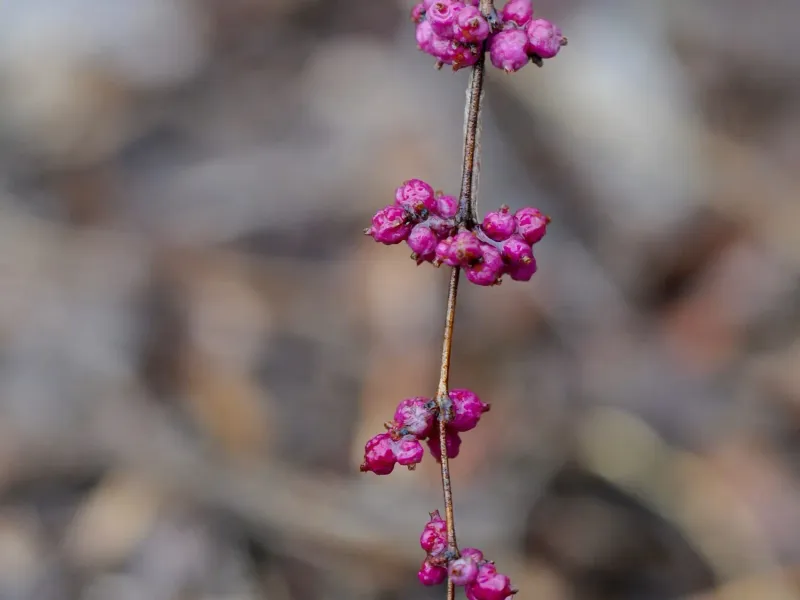
Old farm families sometimes called it buckbrush, and it has held country roadsides in place for generations. Coralberry is a low, arching shrub that roots where its stems touch the ground.
That habit makes it a strong fit for steep, awkward banks you never want to mow. It grows in sun or shade and handles poor, rocky soil.
Tiny summer flowers feed bees, and pink-purple berries last into winter for birds. Be aware it can spread widely on its own slope, so give it room, though it stays a welcome native rather than an invader.
8. Wild Ginger (Asarum canadense)
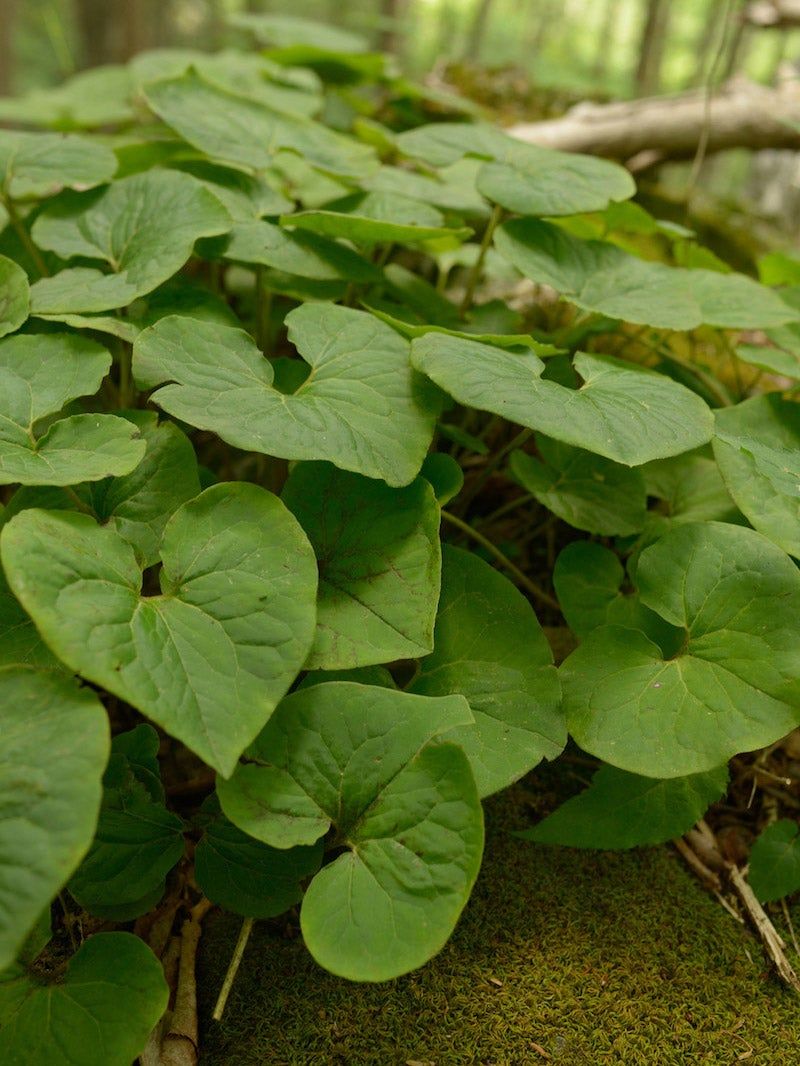
Lift a leaf of wild ginger in spring and you may find a hidden, maroon, jug-shaped flower resting on the soil. Ants help spread its seeds, a neat little partnership happening right under your feet.
Its velvety heart-shaped leaves form a thick patch in rich, moist shade. Spreading rhizomes weave through the top layer of soil, making it a lovely choice for the lower, damper part of a wooded slope.
It is deciduous, so pair it with evergreen Christmas fern for winter coverage. Plant about a foot apart, keep it watered the first summer, and it largely takes care of itself after that.