
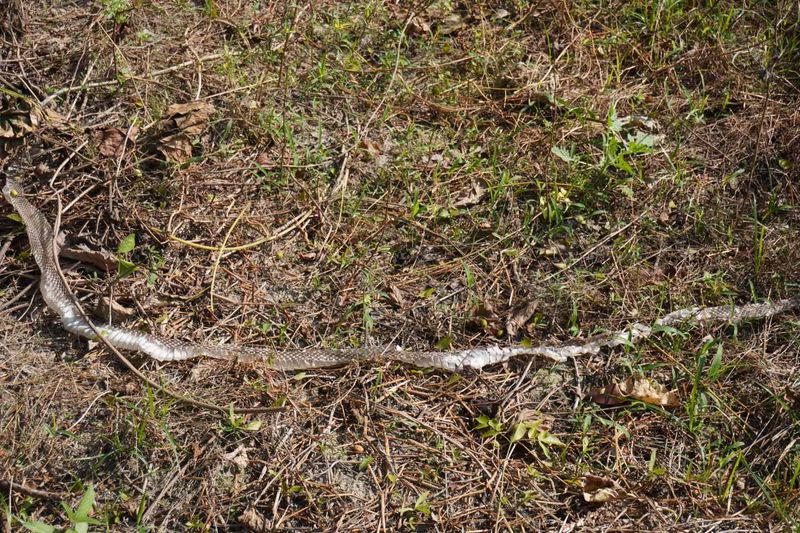
You spot a papery, see-through skin by the AC unit, or a wiggly line in the soft dirt by the garden. Many Southern homeowners walk past clues like these without a second thought.
Some of them say something real about snakes, and some say very little. Here is how to read each sign, and what you can do about it before the cooler months arrive.
A shed skin can signal past presence
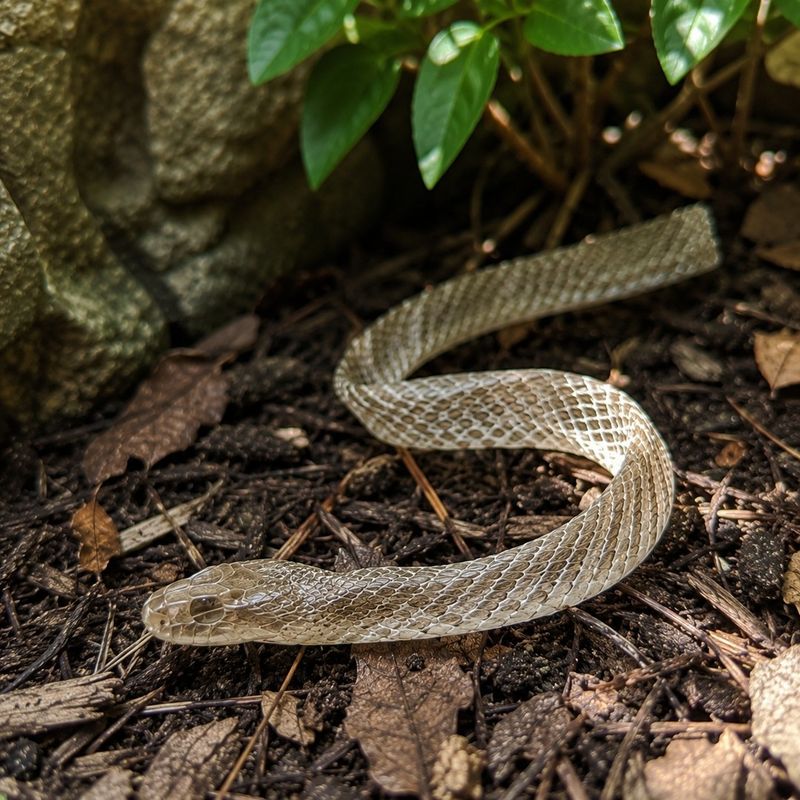
Finding a long, papery skin in the yard is a bit startling, but it has a simple explanation. Snakes shed their skin as part of normal growth and skin renewal, and Iowa DNR explains the shedding process in plain terms.
So a shed is a credible sign that a snake was at that exact spot at some point.
The key word there is “point.” An outdoor shed cannot be reliably dated. It might be from last week, or it might have sat under a shrub for months, softened by rain and sun.
It also does not show that the snake is still around. A snake can shed while passing through, then move on the same day.
Calling a shed skin proof of a resident snake goes further than the clue allows.
What you can do is treat the spot as a place worth a closer look. Check for easy hiding places nearby, such as stacked boards, dense groundcover, or gaps under steps.
Wear gloves when you pick up the skin, or use a tool, and then get on with your day. It is a small, useful hint about one location, not a verdict on your whole yard.
When does a trail suggest a snake?

Not every smooth line in the dirt comes from a snake. Dragged hoses, fallen palm fronds, water runoff, and even wind can leave marks that look similar at a glance.
A vague smooth line on its own is too uncertain to call a snake track.
The more informative pattern is specific. Iowa DNR says a series of S-shaped impressions in mud or sand, away from heavy wind or water disturbance, is probably a snake track.
Look for that repeating curve over a stretch of soft ground.
Even then, keep your conclusions modest. A likely track does not tell you which species made it, and it does not prove the snake still uses your yard.
It only suggests one passed over that patch of ground.
If you want to learn more, take a photo with something for scale, like a coin or a shoe. Come back after a day or two to see whether new marks appear.
Keep your distance from brush and tall grass while you look.
Rodent quiet is not a dependable clue
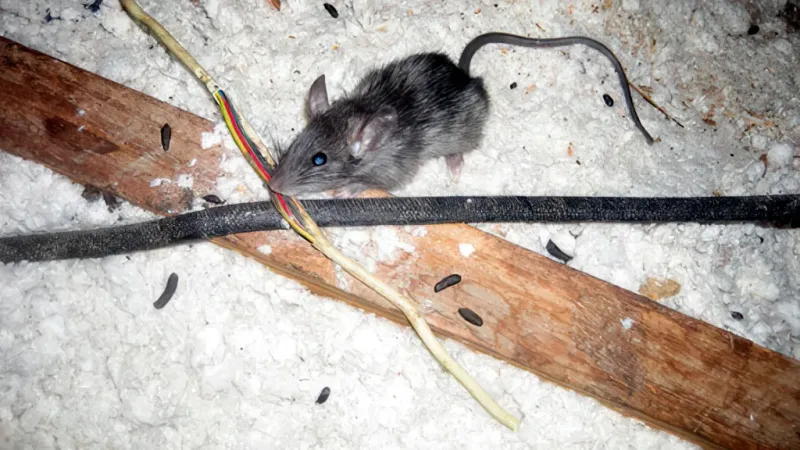
Snakes do eat rodents, so it is tempting to think that a sudden hush in the attic or garage means a snake has moved in. The trouble is that quiet has many possible causes.
Rodents may change routes, find food elsewhere, or simply move around at times you are not listening.
Fewer noises do not diagnose a snake, so skip that guesswork. Look for evidence you can actually see.
UC Statewide IPM Program guidance on rats points to signs such as droppings, gnaw marks, burrows, nests, and runways.
If you find those, the useful next step is cutting off food and shelter. Store pet food and birdseed in sealed containers, and fix gaps where animals can get in.
Rodents can spread germs, and CDC wildlife guidance is a good reminder to avoid touching wild animals and their droppings with bare hands.
Resist the urge to put out poison. Rodenticides can harm pets and wildlife that eat poisoned animals, and they are not a sound way to manage snakes or their prey.
Fall activity depends on species and place
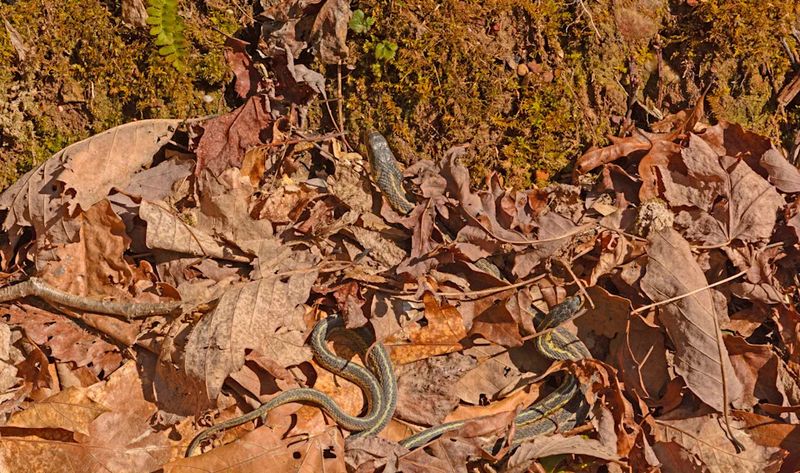
Snake behavior in fall is not one-size-fits-all. CDC/NIOSH notes that snakes tend to be most active in warm weather and around dawn and dusk.
In much of Florida and Texas, warm days can stretch well into autumn.
Timing also varies by kind of snake. Alabama Extension says some species are more active by day as temperatures cool, and some give birth or hatch in late summer or early fall.
That can mean more sightings of small or young snakes.
Local accounts add detail but have limits. A Florida Panhandle Extension account describes fall breeding and weather-related movement in some local species.
That is a regional observation, so it should not be applied to every snake in every part of the South.
The takeaway is that a fall shed or track is not a forecast. It does not mean a snake is settling in for winter.
It simply reminds you that this is still a season for watching your step.
Reduce shelter and food near the house
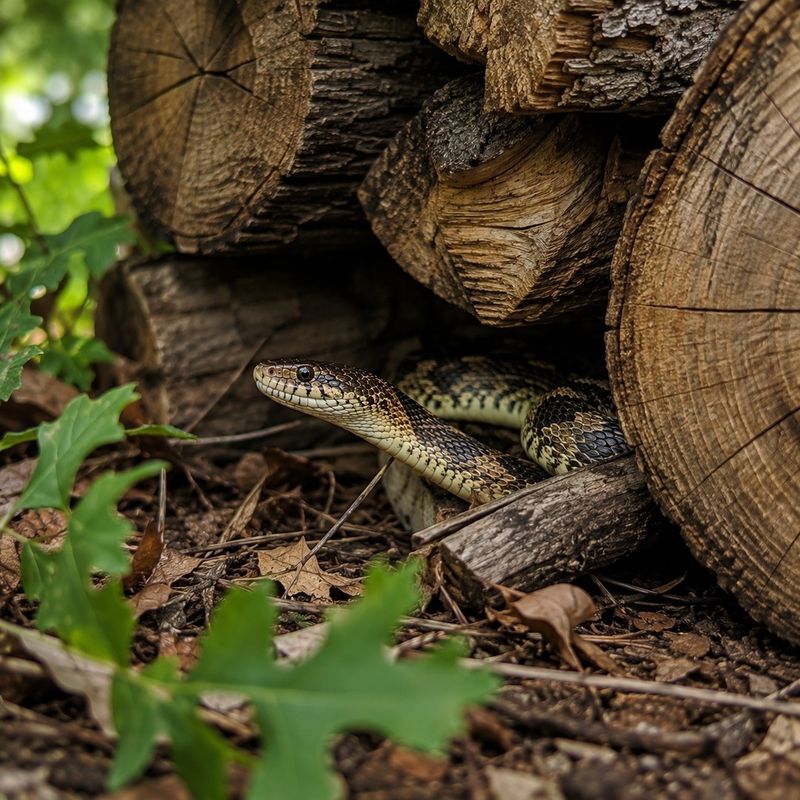
If you want fewer surprises near doors, patios, and play areas, focus on shelter and prey. These steps can reduce encounters, though they will not guarantee that snakes stay away.
Start by clearing brush, rock piles, and tall grass close to the house, and keep the lawn mowed in frequently used spaces. Texas Parks and Wildlife recommends keeping woodpiles and debris at least 18 inches off the ground.
Next, cut down what draws rodents. Secure birdseed, pet food, and trash, and seal gaps in buildings.
UF/IFAS Extension also stresses limiting clutter and hiding places near the dwelling.
Take care while you work. Wear thick gloves and boots, use a rake or long tool to move debris, and never reach blindly into holes, brush, or woodpiles, as CDC/NIOSH guidance suggests.
A fall cleanup weekend is a good time to do all of this at once.
Keep wildlife habitat where it suits your yard

You do not have to choose between a usable yard and a living one. Many homeowners clear hiding places close to the house, then leave a wilder corner farther away.
A leaf-littered border or native planting by the back fence can still shelter lizards, frogs, birds, and harmless snakes.
UF/IFAS Extension frames this as coexistence. Snakes are part of a wildlife-friendly landscape, and the choice of how much cover to keep is yours.
The same guidance cautions against glue traps and rodenticides. They can injure or poison pets and non-target wildlife, so they are poor tools for a yard that others share.
Be wary of shortcuts, too. University Extension guidance says mothballs are not snake repellents and should be used only as their pesticide label directs, since the vapors can be hazardous.
Sulfur and other home remedies have not been shown to work either. Habitat management does more than any powder.
Give snakes space and get help when needed
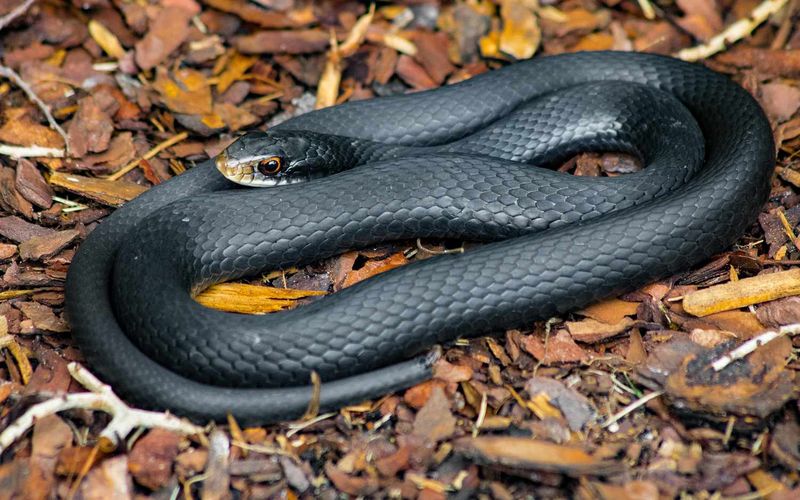
When you see a snake outside, the best move is usually to leave it alone and let it go on its way. Keep children and pets back, and do not walk up to get a better look.
Please do not try to handle it or work out its kind from its head shape, since an untrained eye can easily guess wrong.
If you are unsure what lives near you, CDC wildlife guidance recommends learning which venomous species occur locally and contacting a wildlife professional with concerns. If a snake gets inside the house, call animal control rather than trying to catch or remove it yourself.
A bite is a medical emergency. CDC/NIOSH advises getting immediate medical attention.
Do not try to capture the snake, cut the wound, suck out venom, or apply a tourniquet.
Most snakes you meet are simply passing through. A little distance keeps everyone safe.