

Planting a row of Leyland cypress along a fence has long been a common way to get privacy fast. Southern wax myrtle is a North Carolina native shrub that offers a different kind of screen, with berries for birds and dense cover.
It is not a perfect swap for every yard, and its size, winter looks, and fire rating matter. Here is how to tell whether it fits your fence line.
Southern wax myrtle offers a different kind of privacy screen
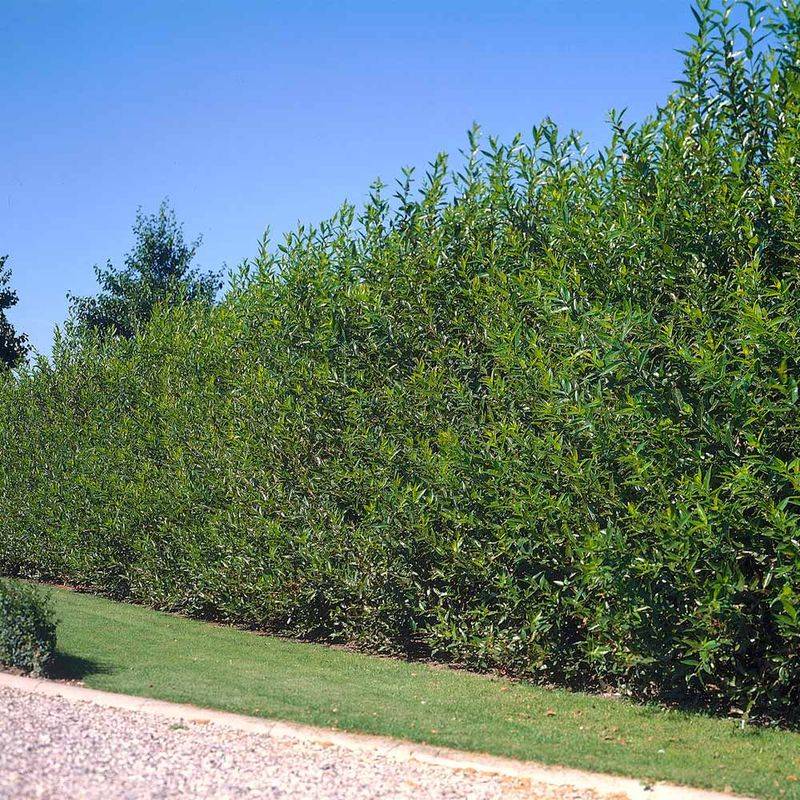
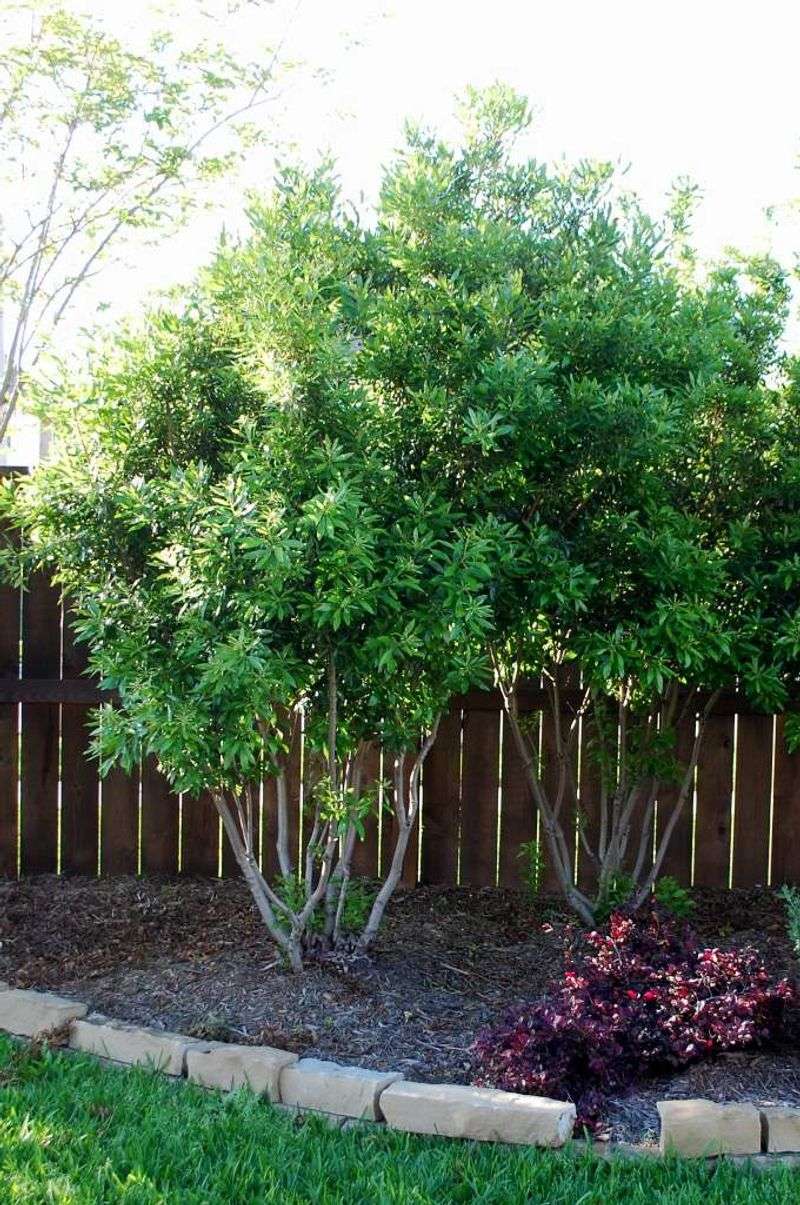
Southern wax myrtle (Morella cerifera, also sold as Myrica cerifera) is a rapid-growing, dense, multi-stemmed shrub or small tree. NC State Extension’s plant profile notes it can work as a screen or privacy hedge.
Its form is very different from Leyland cypress. Wax myrtle has narrow, aromatic, broadleaf foliage and a loose, rounded habit.
NC State describes Leyland cypress as a much taller, fast-growing evergreen tree with a formal, upright look.
Where you live matters. NC State’s native plant guide lists wax myrtle as native to the Coastal Plain and eastern Piedmont, not the mountains.
That makes it a natural candidate for many eastern yards.
No comparison trials show that wax myrtle hides a fence better than Leyland cypress. Think of it as a different option with a softer look and some wildlife perks.
It will suit some fences and yards well, and others poorly.
Leyland cypress brings height and documented risks
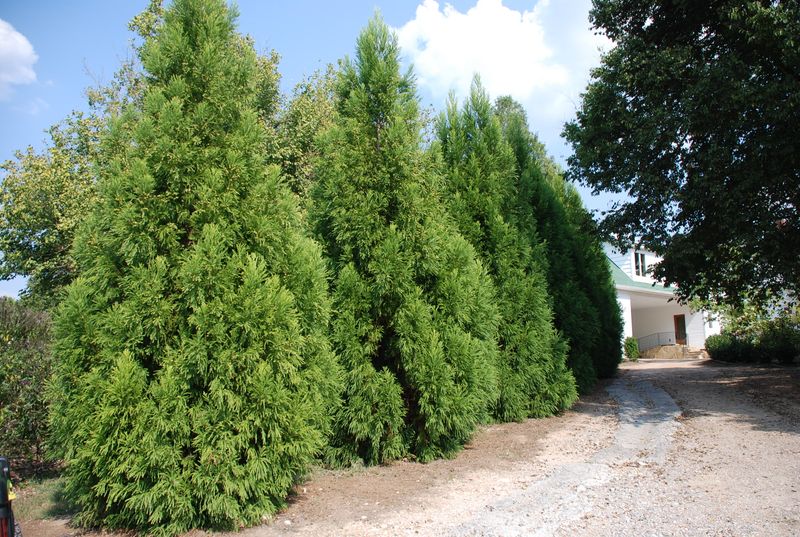
Plenty of homeowners pick Leyland cypress for good reasons. It grows quickly, stays evergreen, and reaches screening height fast.
NC State Extension also lists canker diseases and root rots among its problems and notes that large specimens can topple.
Exposure changes the odds. NC State advises avoiding Leyland cypress where wind, snow, and ice damage are likely.
Open lots and exposed fence lines deserve extra thought, though many plantings never fail.
Growing conditions play a part in disease. University of Maryland Extension links cankers with drought and other stress.
Mississippi State Extension ties root rots to poorly drained or overly wet soil.
A practical check: look at your soil after a heavy rain. If water stands along the fence for days, that is a warning sign for Leyland.
Reading the site first is the best way to lower the risks.
Wax myrtle provides birds with food and cover
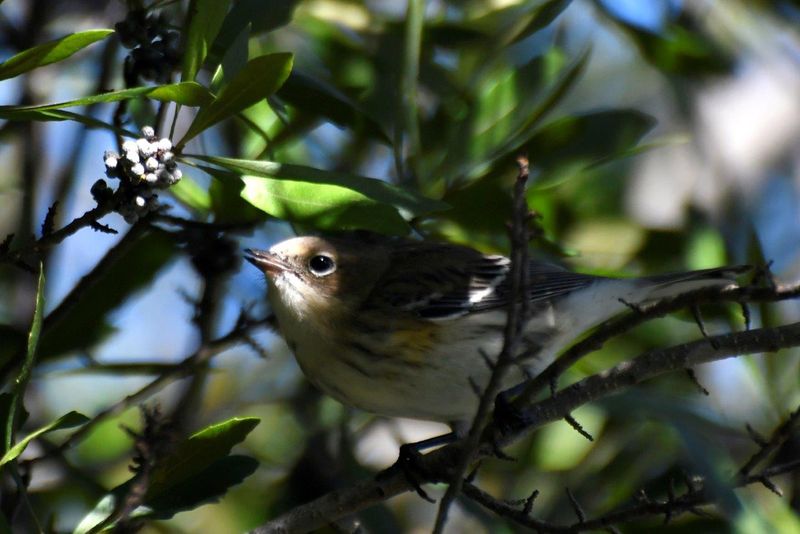
Bird lovers have a reason to look at wax myrtle. Its dense foliage gives wildlife a place to hide and nest, and birds eat its fruit, including yellow-rumped warblers, according to NC State’s plant profile.
The plant also hosts the red-banded hairstreak butterfly.
Berries come with a catch. Male and female plants are usually separate, and only females fruit after pollination.
A single female with no male nearby may give you few or no berries, as the NC Sea Grant coastal landscaping guide helps explain.
If berries matter to you, buy plants you can identify as female and male, or plant a small group and watch which ones fruit.
Keep expectations grounded. The documented benefits are cover, bird food, and butterfly hosting.
Pest control is not one of them, so do not plant it expecting fewer ticks or mosquitoes.
Winter leaf retention depends on conditions and location
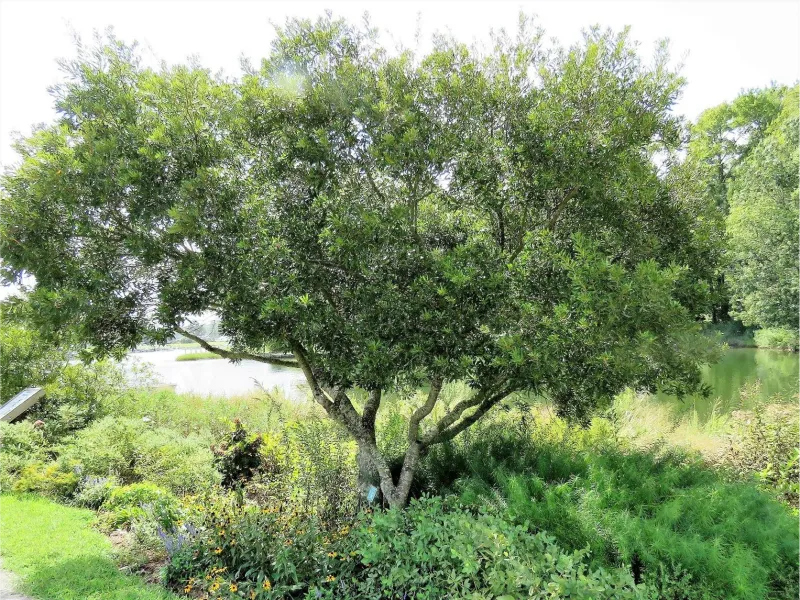
Whether wax myrtle stays green depends on the winter. NC State classifies it as evergreen, deciduous, or semi-evergreen, depending on conditions.
Cold can cause browning or leaf drop.
In a mild coastal winter, you may see a full green screen. After a hard freeze in the eastern Piedmont, expect thinner spots, and a fence may show through for a while.
Planning a backup, like a fence stain you like, is sensible.
The same profile lists hardiness zones 7 to 10, which covers much of eastern North Carolina.
Native range and growing range are not the same thing. NC State’s native plant guide does not list it as native to the mountains, but that does not prove it cannot grow at a given mountain site.
A sheltered, lower-elevation spot might work, so ask a local Extension office before you buy.
Plan for its mature size and keep it outside defensible space

Safety comes first. NC State gives wax myrtle a high flammability rating and advises against planting it within a home’s defensible space.
Place it well away from the house, especially if you live near woods or grassland.
Size is the next question. NC State lists it at roughly 20 to 25 feet tall and 8 to 10 feet wide.
The NC Forest Service lists a similar crown spread. Some other regional sources give smaller landscape sizes.
That is a broad, multi-stemmed plant, not a slim strip planting. Treat the width as a planning number, not a spacing rule.
Measure the room between your fence and any walkway or neighbor before you decide.
On the plus side, it takes full sun to partial shade, handles wet or dry soil once established, and tolerates salt and wind. Those traits are useful on coastal lots.
Help it establish, then manage its natural shape
Timing helps. NC State’s woody ornamentals guidance says woody plants generally need less extra watering when planted in late fall or early spring.
Water after planting, add mulch, and keep it away from the crown or trunk.
Wax myrtle wants steady moisture while it settles in. Once established, it does not automatically need constant irrigation.
Expect some wandering. The plant can sucker and form colonies, so pull or cut unwanted shoots.
Pruning can also remove growth that would bear next season’s fruit, so trim lightly if berries matter.
Here is a simple decision rule. Choose wax myrtle if you are in the Coastal Plain or eastern Piedmont, have room for its spread, want bird food and cover, and can plant it away from the house.
Otherwise, look at other options.
A screen that fits its space will keep looking good for years.