
You walk out to the garden and a row of spinach that looked fine yesterday is lying flat. That sinking feeling is common in fall gardens across Florida and Texas.
Damping-off is one possible reason, but it is not the only one. A few quick checks can help you sort out what is going on and protect the seedlings still standing.
A damaged stem at the soil line is a clue, not a diagnosis
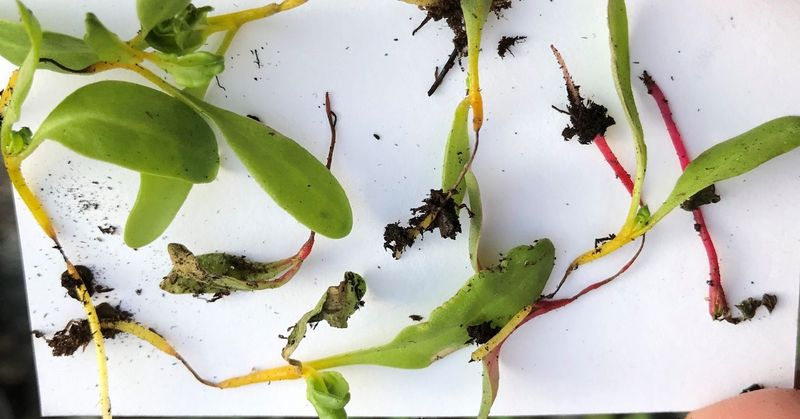
Pick up one fallen seedling and look closely at the stem. A narrowed, soft, water-soaked, brown, or blackened spot at or just below the soil line is consistent with damping-off.
The roots may look rotted too.
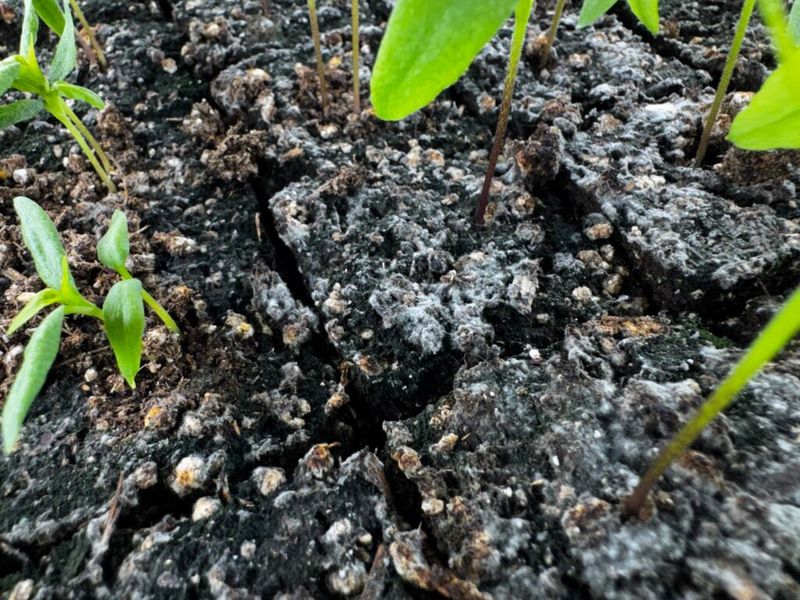
Some seeds never break the surface at all, which can be part of the same problem. In humid conditions, you may also see fuzzy growth on the soil or on the stem.
University of Minnesota Extension describes these signs, and UC IPM spinach guidance describes similar symptoms in spinach.
Here is the catch. These signs point toward a possibility, but they cannot tell you which pathogen is involved, or even whether a pathogen is the cause.
Treat what you see as a clue and keep checking before you settle on an answer.
Check for cut stems and other lookalikes
Before you blame disease, compare how the stem looks. A rotting stem feels soft or mushy and may be discolored.
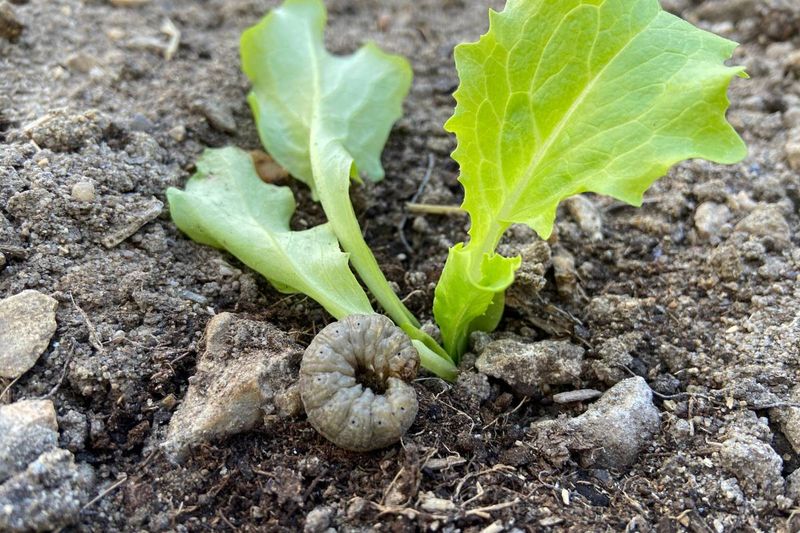
A seedling that looks clipped or severed, as if snipped with scissors, points toward cutworms instead.
Cutworms feed on stems near the soil surface and often hide in the soil during the day. University of Minnesota Extension notes this habit.
Gently dig around a damaged plant and see if a curled caterpillar turns up.
Other problems can fool you too. NC State Extension lists dry soil, hot or cold injury, excess fertilizer or soluble salts, and waterlogged soil as lookalikes.
Think about the pattern, too. If a whole bed failed at once, an environmental or chemical cause such as a fertilizer mishap or a temperature swing is worth considering before a spreading disease.
Damping-off can involve different pathogens and conditions
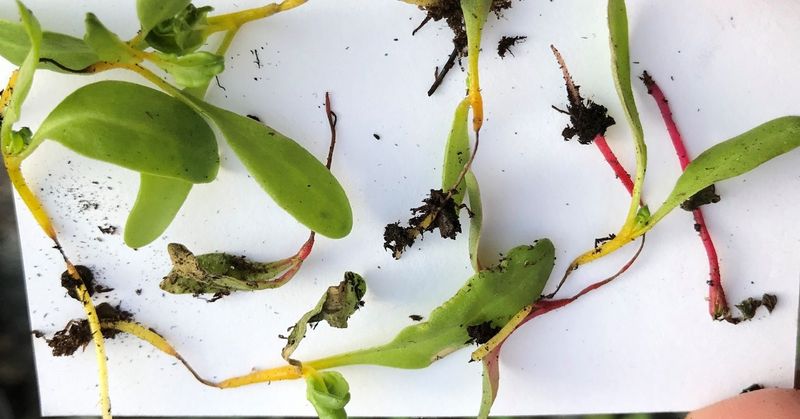
Damping-off is not one disease with one cause. It is a group of problems, and spinach guidance names Fusarium, Pythium, and Rhizoctonia among the pathogens involved.
Their symptoms can look alike on a small seedling.
Wet soil is a risk clue, not proof. UC IPM notes that overwatering can cause symptoms similar to root rot, and excess water can damage roots even when no pathogen is present.
Temperature is not a simple rule either. According to NC State Extension, some of these pathogens favor cool, wet soil, while others can act in warmer conditions.
So fall weather alone is not a safe explanation. A warm Florida October bed and a cooler Texas November bed could both have trouble, for different reasons.
Remove affected seedlings and limit soil movement
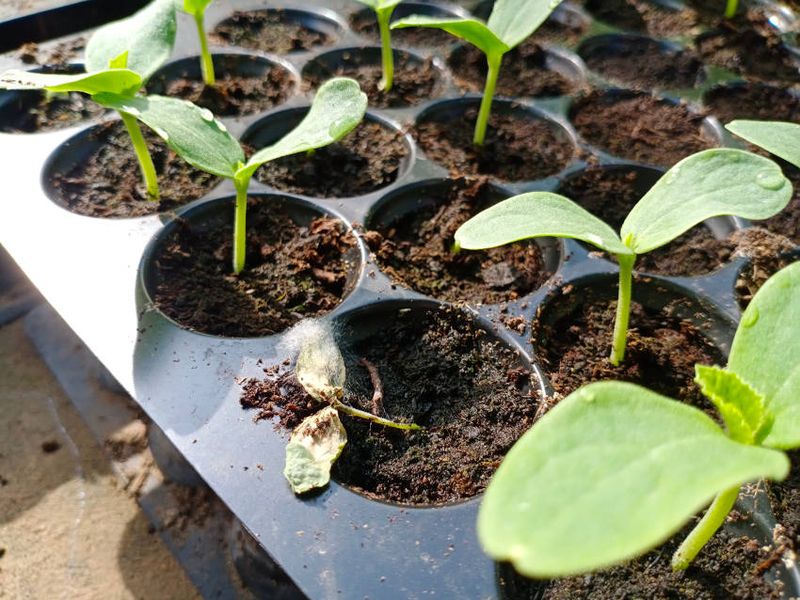
Once a row starts failing, act quickly but calmly. Lift out each collapsed seedling along with the soil immediately around it, and keep that material out of the bed.
Then watch the neighboring seedlings over the next several days.
Utah State University Extension recommends removing affected plants, and UC IPM advises keeping irrigation water and runoff from carrying soil or debris between affected and healthy areas.
In practice, water at the base of plants with a gentle flow, and avoid sending water from the bare patch down toward healthy seedlings. Wipe your trowel before moving on.
Expect limits. NC State Extension notes that infected seedlings rarely recover and damping-off can be hard to control once it starts.
These steps may reduce further losses, but they cannot promise the outbreak will stop.
Keep the seedbed moist without leaving it saturated
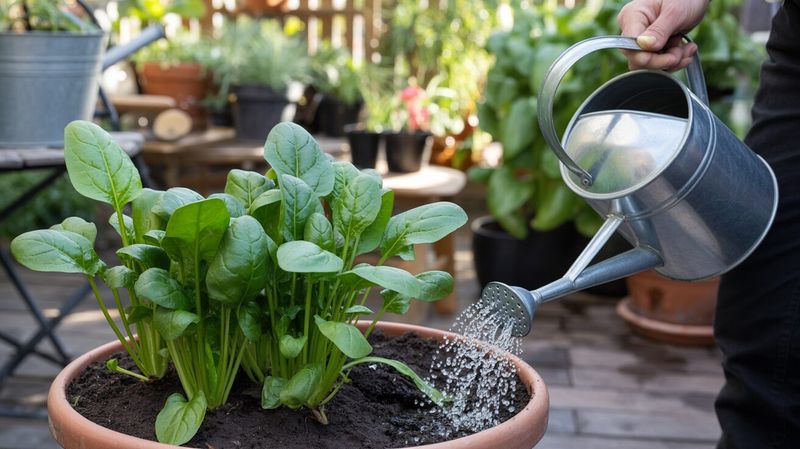
Spinach seeds need steady moisture to sprout, so letting the bed dry out is not the answer. The goal is soil that feels damp, not soggy, with no puddles sitting after irrigation.
Start with drainage. UC IPM emphasizes well-drained soil and irrigation that avoids flooding or prolonged saturation.
Utah State University Extension gives similar advice about avoiding overly wet soil.
There is no single watering schedule that fits every yard. Sandy Florida soil dries faster than heavy Texas clay, so check the top inch with your finger before you water.
Light, shorter watering may suit sandy beds, while clay may need more time between sessions. Raised beds or loosened soil can help water drain.
Better moisture management can lower risk. It may not halt an outbreak that is already underway.
Prepare future sowings with clean supplies and local timing
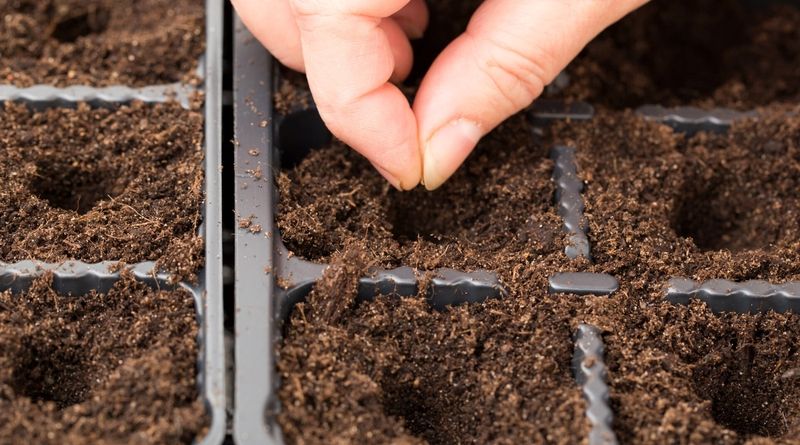
Once the current row is stable, plan the next sowing. Use clean tools, and for indoor starts, use clean or sanitized trays and fresh seed-starting mix, as University of Minnesota Extension suggests.
That advice is for containers, not for sterilizing your outdoor garden bed.
Timing depends on where you live. UF/IFAS lists spinach planting from September to March in north and central Florida and October to February in south Florida.
Texas A&M says to plant after soils cool in late summer or fall. Treat these as regional examples, not one Southern calendar.
Fungicides are not a general home-garden cure, and any product must match its label for crop and site.
Clean habits and sensible watering lower the odds, never to zero. Spinach is quick to sow again, so a lost row is a lesson, not a verdict.