
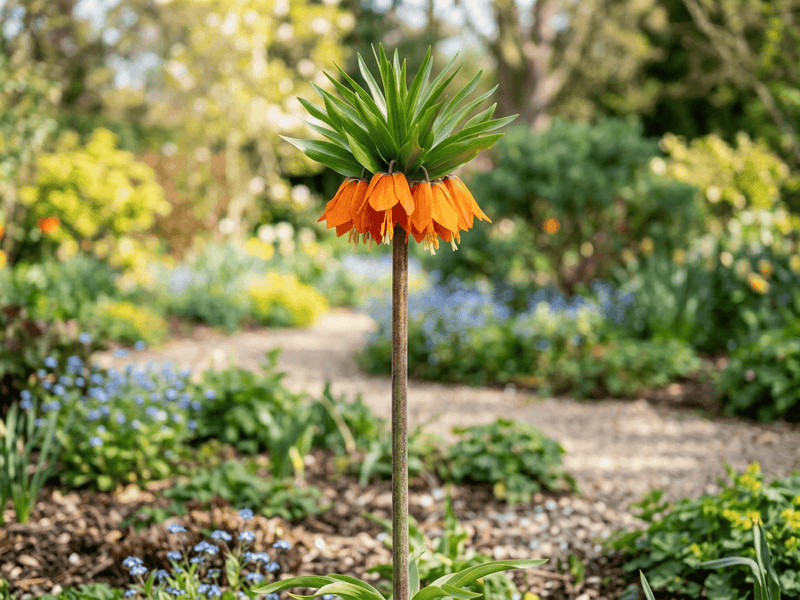
You spend a cool afternoon tucking tulip and crocus bulbs into the ground, and by morning the beds look like a tiny crime scene. Squirrels and chipmunks have sharp noses, and they use them to sniff out fresh soil and tasty bulbs.
The good news is that those same noses can work against them, because certain smells seem to send these diggers looking elsewhere. Here are 16 scents that may help protect your bulbs, plus simple ways to use each one in your own yard.
1. Cayenne Pepper
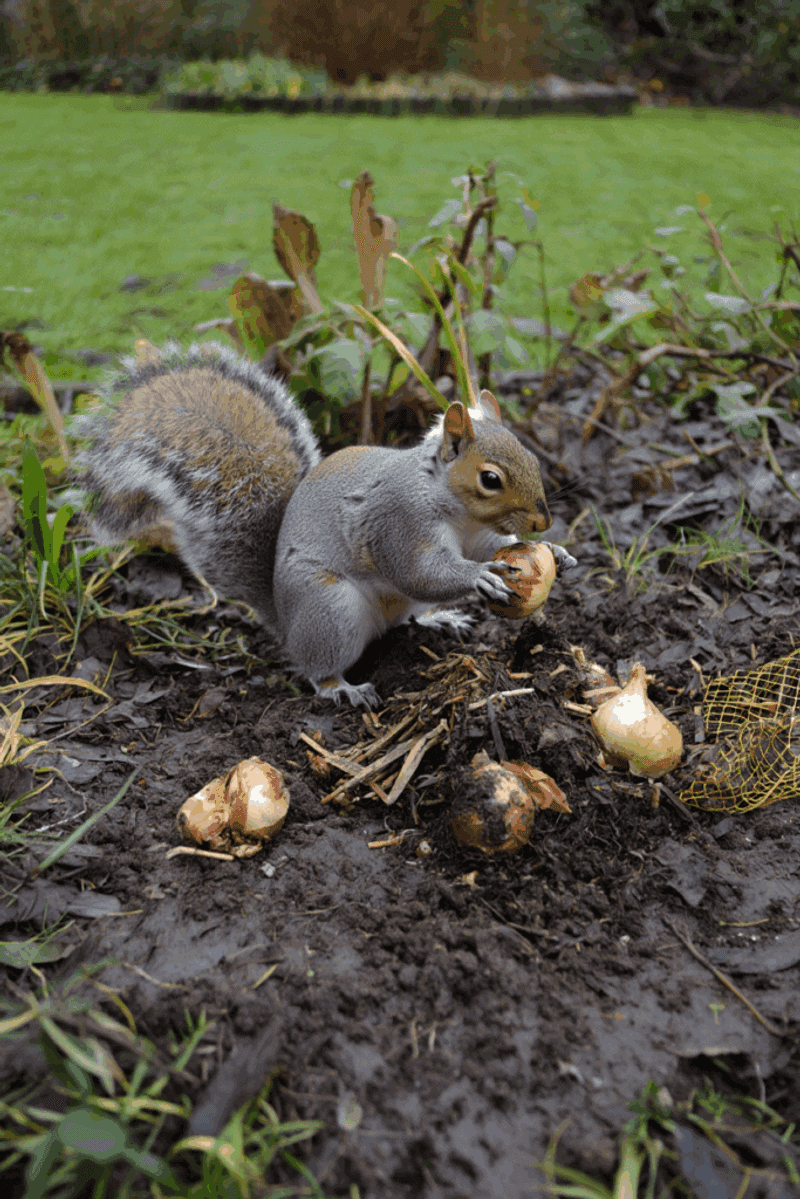
Ask any veteran bulb planter what saved their tulips, and cayenne often comes up first. The heat comes from capsaicin, a compound that irritates the nose and mouth of mammals.
Birds, curiously, can’t feel it at all, so your cardinals stay happy.
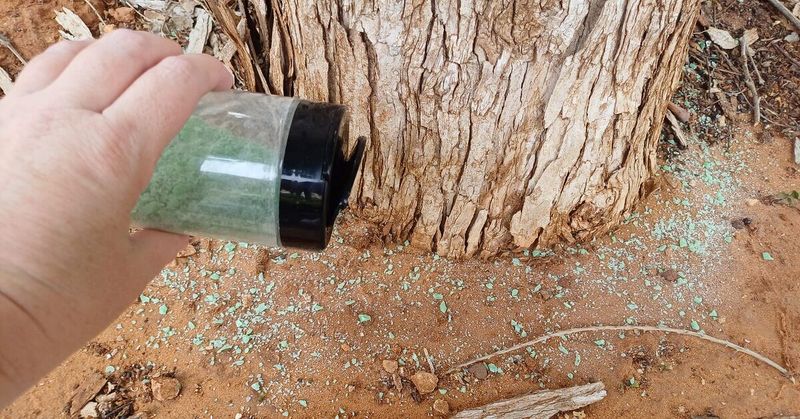
To use it, dust a generous layer of cayenne powder right into the planting hole, then sprinkle more across the soil surface once you backfill. Some gardeners also roll bulbs in a little powder before setting them in place.
The sharp smell may convince a curious squirrel that your bed is not worth the trouble.
Keep in mind that powder washes away quickly. In Texas and Florida, where fall showers and heavy dew are common, plan to reapply after every good rain for the first few weeks.
That early window matters most, because loose, freshly turned soil is what draws diggers in the first place.
Wear gloves and avoid windy days, since cayenne stings eyes badly. A cheap shaker jar makes application quick and tidy.
Once the soil settles and the bulbs root in, critters often lose interest, and you can ease off. It may not stop every determined animal, but it is an affordable first line of defense.
2. Garlic
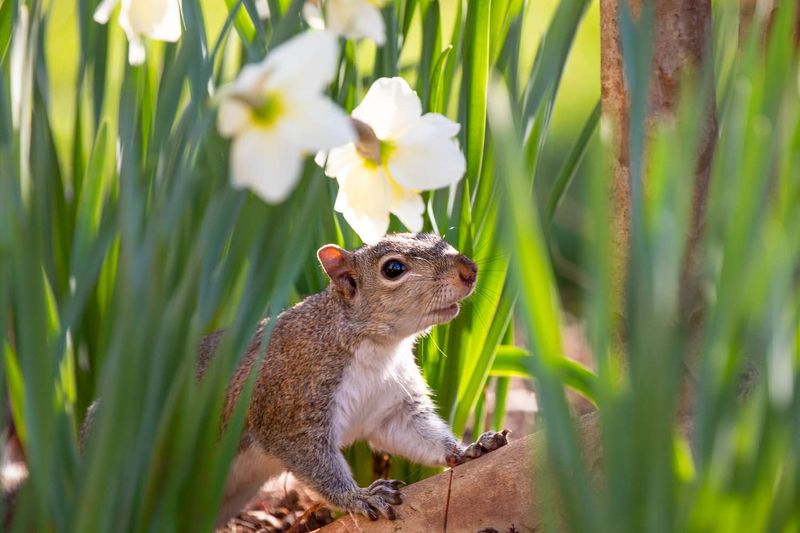
Grandma swore a few cloves of garlic kept the varmints out of her daffodils, and she may have been onto something. Garlic gives off sulfur compounds that many small mammals find overpowering.
For an animal that navigates mostly by scent, a garlicky bed can feel like a wall of noise.
Easy ways to put it to work include tucking a peeled clove next to each bulb at planting time. You can also blend a whole bulb of garlic with a quart of water, let it steep overnight, strain it, and spray the soil surface.
Granular garlic products sold at garden centers are another tidy option.
Bonus: planting actual garlic around your bulb beds in fall does double duty. Southern gardeners can set out softneck garlic in October or November, and it grows happily through mild winters while possibly discouraging diggers.
The smell fades faster than you’d think, so spray every week or so and after rain. Results vary from yard to yard, and a hungry chipmunk may push past it.
Still, garlic is cheap, safe around kids and pets in garden amounts, and pairs nicely with other scents on this list for a layered approach.
3. Peppermint Oil
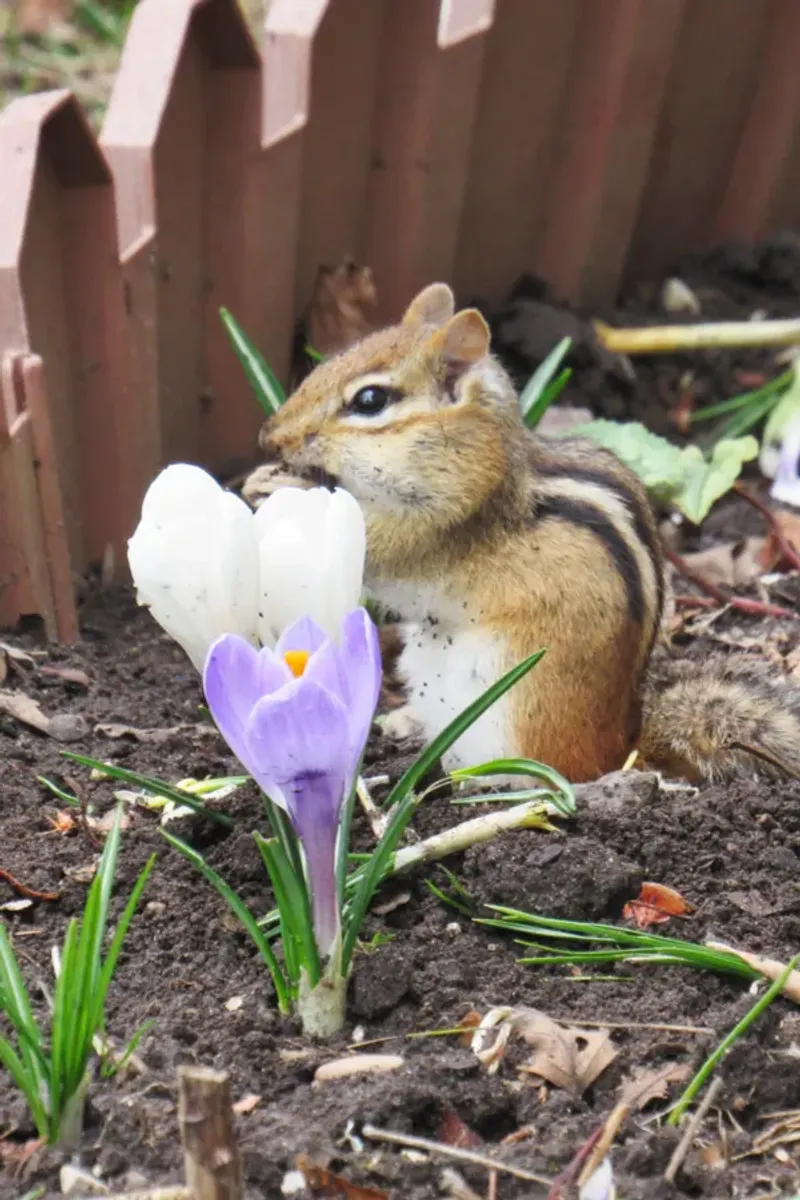
Fresh, bright, and wonderful to us, peppermint is a different story for a chipmunk. The strong menthol scent appears to overwhelm their sensitive noses, which is why it shows up in so many natural rodent sprays.
Mix about 15 drops of pure peppermint oil into a spray bottle of water with a small squirt of dish soap to help it blend. Mist the soil over your bulbs, along bed edges, and near any chipmunk burrows you spot.
Cotton balls soaked in oil and tucked under mulch can also release scent for several days.
One caution worth repeating: concentrated essential oils can be harmful to cats and dogs, so keep bottles and soaked cotton out of reach. Diluted sprays on soil are generally a safer bet than undiluted oil.
Peppermint evaporates quickly in warm weather, which matters in Florida and South Texas where fall can still feel like summer. Reapply every few days early on.
You might also plant actual mint in containers near your beds, since mint spreads aggressively in the ground. It won’t guarantee bulb safety, but your garden will smell lovely while you try.
4. Daffodils
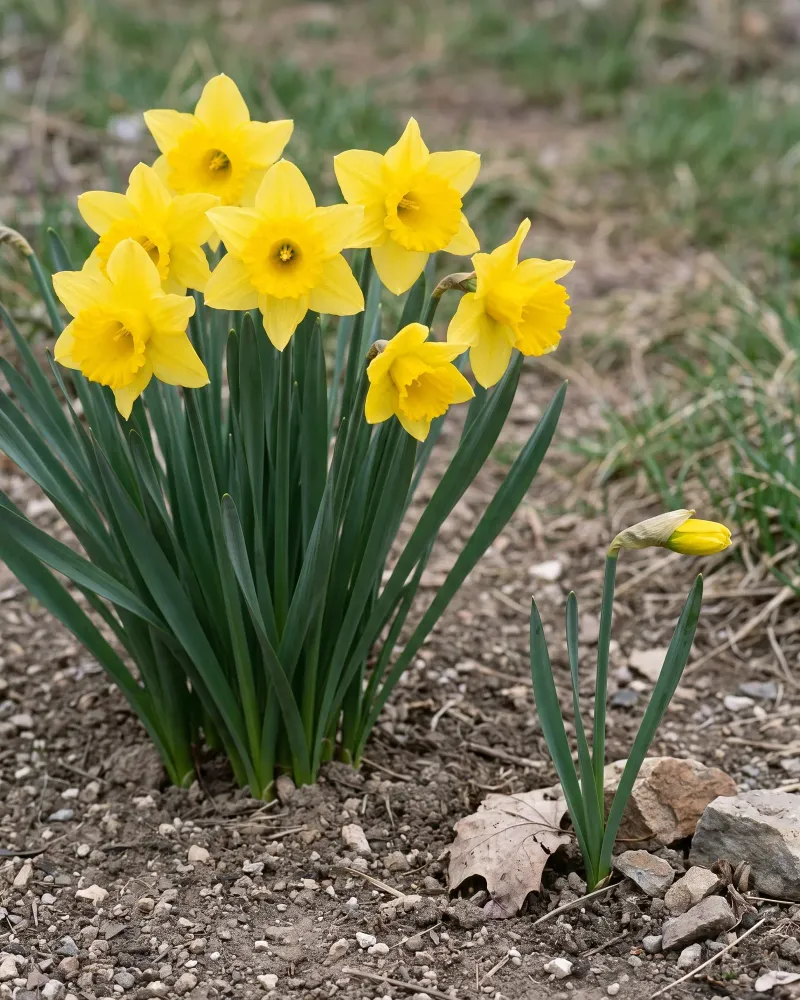
Here’s a trick that works while you sleep: plant bulbs that squirrels hate. Daffodils contain lycorine, a bitter, toxic compound found in every part of the plant, including the bulb.
Animals seem to recognize the smell and taste, and most leave them alone.
Gardeners use this in two ways. First, simply grow more daffodils, since they are among the most critter-resistant spring bulbs around.
Second, interplant them with tastier bulbs like tulips and crocus, circling or layering the favorites with daffodils as a protective ring. Results are mixed, but many folks report fewer disturbed holes.
For Southern gardens, choose varieties suited to mild winters. Paperwhites, Carlton, Ice Follies, and jonquils like Sweetness tend to return reliably in Zones 8 and 9.
In Central Florida and the warmer parts of Texas, paperwhites and tazettas are usually the best performers.
Fun fact: daffodil stems release a sap that can shorten the vase life of other flowers, which is why florists condition them separately. That same chemical defense keeps nibblers away outdoors.
Plant them pointy end up, about three times as deep as the bulb is tall, and enjoy cheerful blooms that pull guard duty too.
5. Blood Meal
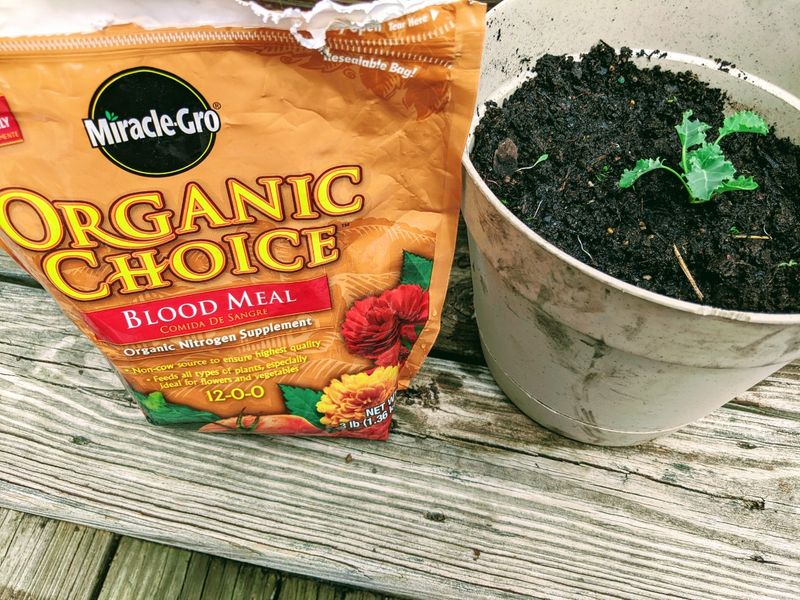
Smell is a warning system in the wild, and few odors say danger quite like blood. Blood meal is a dried slaughterhouse byproduct sold as a nitrogen fertilizer, and its scent may suggest to small prey animals that a predator has been feeding nearby.
Sprinkle a light dusting over the soil after planting, or mix a small amount into the backfill. Many gardeners report fewer squirrel holes in the first couple of weeks, which is exactly when bulbs are most vulnerable.
There are trade-offs, so go easy. Blood meal is very high in nitrogen, and too much can burn roots or push leafy growth at the wrong time.
Bulbs don’t need much feeding at planting, so a thin layer is plenty.
Dogs are the bigger catch. Many find blood meal irresistible and may dig up your beds themselves, which defeats the whole point.
Raccoons and opossums can also be attracted. If you have pets or those nighttime visitors, this one may not suit your yard.
For pet-free gardens, though, it can be a handy deterrent that fertilizes as it fades. Reapply after heavy rain.
6. Predator Urine
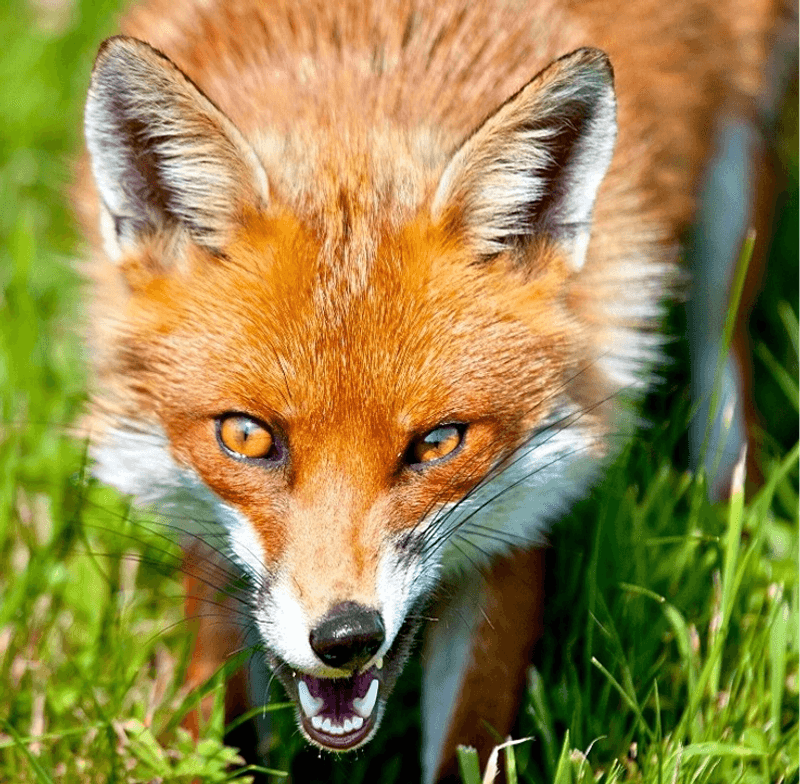
Picture life as a chipmunk: every hawk shadow and fox whiff could mean the end. Predator urine products tap into that hardwired fear.
Fox and coyote scents are the most common choices for squirrels and chipmunks.
These products come as liquids, granules, or scent-soaked pellets. Apply them around the outer edge of bulb beds rather than right on top, creating a perimeter of worry.
Some liquid versions come in small dispensers you can hang or stake near the bed.
Results tend to be best when animals haven’t already claimed your yard as a safe feeding spot. Backyard squirrels that live alongside dogs and people every day may grow used to the smell.
Rotating between fox and coyote scents can help keep them guessing.
The odor is noticeable to humans, especially right after application, so keep it away from patios and windows. Reapply according to label directions, usually every few weeks and after storms.
In Texas suburbs where real coyotes roam, the scent may carry extra weight. It’s not a sure thing, but for stubborn diggers, a little borrowed fear can go a long way.
7. Coffee Grounds
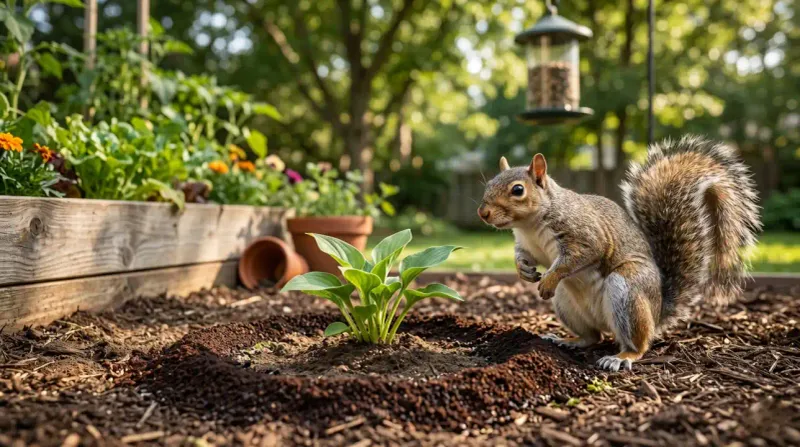
Your morning cup might be doing more than waking you up. Used coffee grounds carry a strong, bitter aroma that some gardeners believe sends squirrels and chipmunks looking elsewhere.
The evidence is mostly anecdotal, but the price is right.
Spread a thin layer of dried grounds over the soil after planting bulbs. Avoid thick mats, which can crust over and block water.
Mixing grounds with mulch or compost helps them break down evenly.
Grounds add a little organic matter as they decompose, which can benefit sandy Florida soils especially. They’re less acidic than many people assume once brewed, so they’re generally safe around bulbs in moderate amounts.
Many local coffee shops give away bags of grounds for free, so ask your favorite barista. That makes this an easy add-on to other strategies like cayenne or garlic.
Freshen the layer every week or two as the smell fades. On its own, coffee may only slow down a determined digger, but layered with other scents, it adds one more reason for critters to skip your beds.
Plus, it’s a great way to recycle something you’d otherwise toss.
8. Alliums
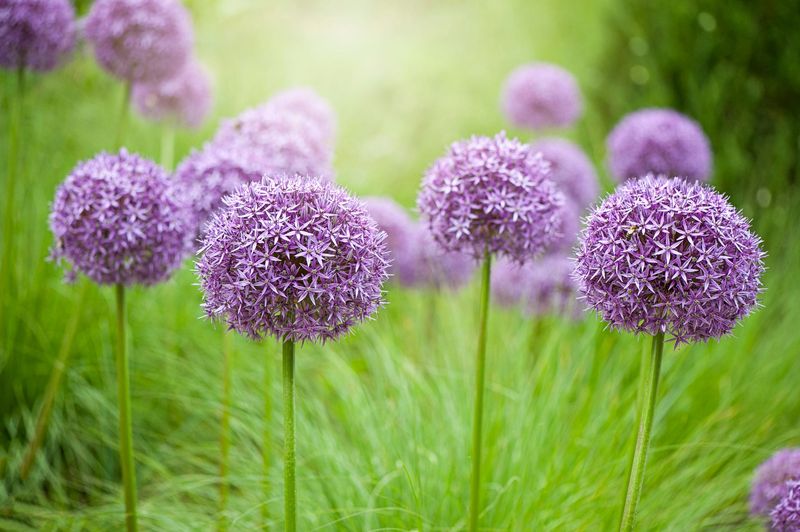
Purple globes on tall stems look like something from a storybook, but alliums are also tough guards. As members of the onion family, ornamental alliums release a sulfur smell when bulbs or leaves are bruised.
Squirrels and chipmunks tend to steer clear.
Plant allium bulbs throughout your beds alongside tulips, crocus, and hyacinths. The goal is to mix their oniony aroma into the soil around more tempting bulbs.
Even if it’s not a perfect shield, many gardeners notice fewer missing bulbs where alliums grow.
Southern gardeners should pick carefully. Large globe types like Globemaster need some winter chill and may struggle in the hottest areas.
Drumstick allium and garlic chives are more forgiving, and society garlic, though not a true allium, offers a similar scent and thrives in Florida and Texas heat.
Did you know? Dried allium heads keep their shape for months and look striking in fall arrangements.
Plant bulbs in fall at about three times their height in depth, in well-drained soil and full sun. You get pollinator-friendly blooms in spring and a natural, onion-scented warning sign for diggers all season.
9. Fritillaria
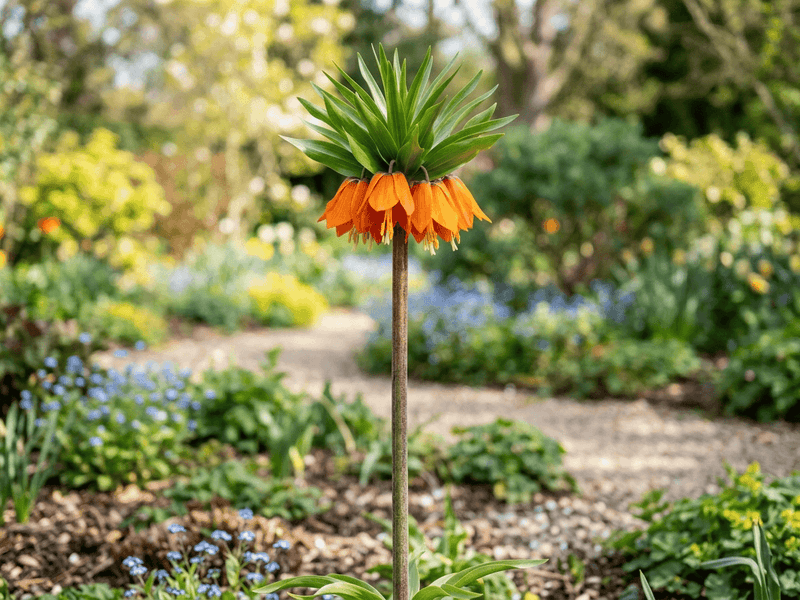
Some flowers whisper, and fritillaria practically shouts. Crown imperial, the showiest species, has bulbs with a musky, skunk-like smell you’ll notice the moment you open the bag.
Gardeners have long planted it to keep rodents away.
The odor is strong enough that many squirrels and chipmunks seem to avoid digging near it. Tuck a few bulbs among your tulips or around bed corners.
Plant them slightly tilted on their sides, since the hollow center can hold water and rot.
Here’s the honest catch for Southern readers: crown imperials prefer colder winters and often fade in Zones 8 through 10. In North Texas or upper parts of the South, they may bloom once or twice.
Guinea hen flower, Fritillaria meleagris, can be a little more adaptable but still likes cool conditions.
Think of fritillaria as a seasonal guard if you live farther south, worth trying as an annual if you love the look. Their dramatic bells and pineapple-like topknot make them conversation starters.
Handle bulbs with gloves, as the smell lingers on skin. Even one season of protection during the critical rooting period can help your other bulbs get established.
10. Vinegar
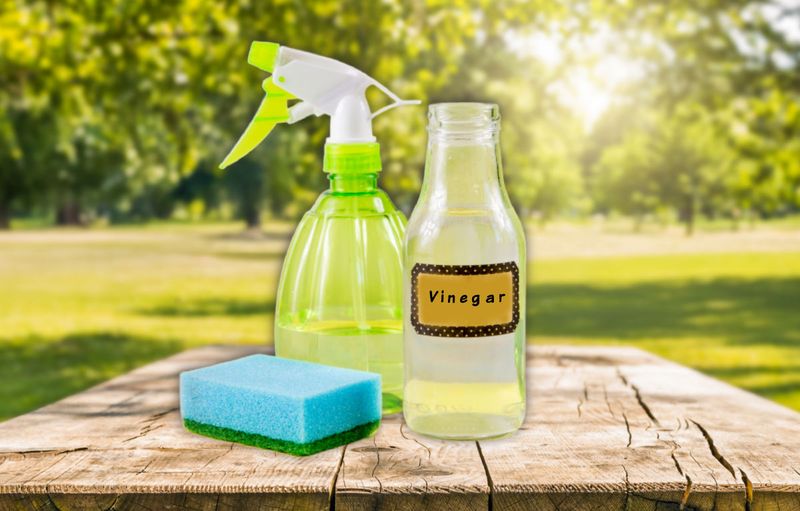
Pantry staples can pull double duty in the garden, and white vinegar is a prime example. Its sharp, acidic smell is unpleasant to many animals and may discourage squirrels and chipmunks from poking around.
The key is to keep vinegar off your plants and soil directly, since it can harm roots and foliage. Instead, soak rags or sponges in vinegar and place them along bed edges, on stones, or in small containers with holes punched in the lids.
This keeps the scent working without risking your bulbs.
Spraying vinegar on hardscape around beds, like pavers or the edges of raised boxes, is another safe trick. Rather than drenching the garden, you’re building a smelly border.
Vinegar evaporates quickly, especially in the warm, breezy days common across Texas in fall. Refresh rags every few days.
Apple cider vinegar works too, though some gardeners think it’s milder. Results vary, and it works best as part of a combo plan.
Still, it’s cheap, easy to find, and safe for most households when used carefully. Just remember that the point is perimeter, not saturation.
11. Castor Oil
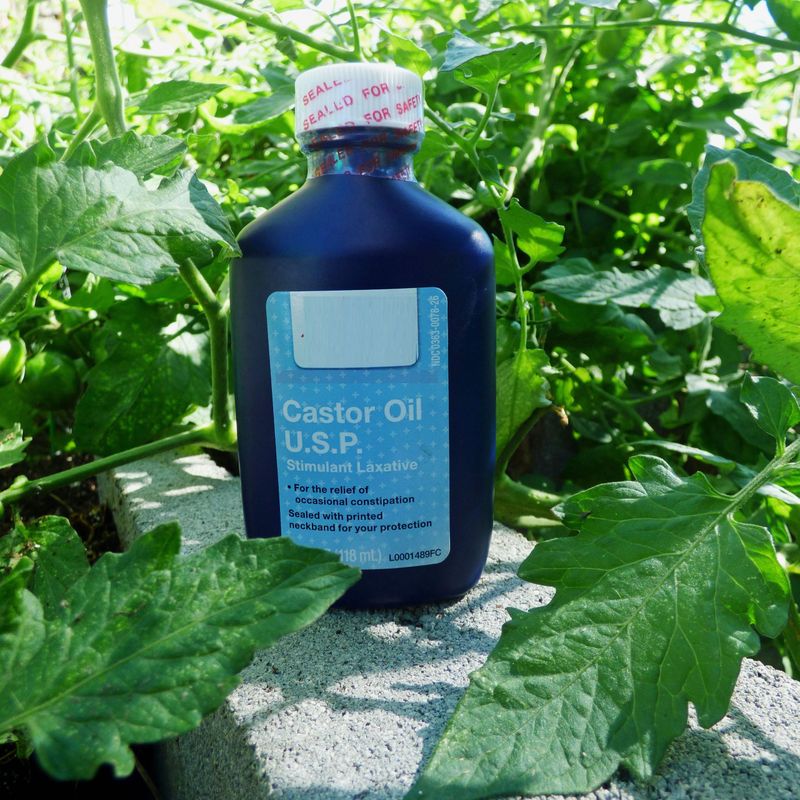
Moles and voles get most of the castor oil headlines, but chipmunks may dislike it too. The oil doesn’t smell strong to us, yet it seems to make soil taste and feel unpleasant to burrowing animals.
Castor oil repellents usually come as concentrates for hose-end sprayers or as granules. Apply over bulb beds and around nearby burrow entrances, then water lightly to help it soak into the top few inches of soil.
That’s where chipmunks do much of their digging.
Because the effect works below the surface, castor oil may last longer than airborne scents like peppermint. Many products suggest reapplying monthly or after very heavy rain.
Its staying power makes it useful during the long Southern fall when animals are actively storing food.
Note that castor oil products are different from castor beans, which are highly toxic and should never be used. Commercial oil repellents are generally considered safe around pets once dry, but always read the label.
Pair castor oil with a surface scent, and you cover both what critters smell and what they feel when they start to dig. It’s a smart, layered strategy for chipmunk-heavy yards.
12. Irish Spring Soap
It sounds like a joke your neighbor made up, but bar soap has a loyal following among gardeners. Irish Spring, with its heavy, perfumey scent, is the most famous version.
Many people swear it sends critters packing.
Grate the bar into shavings and scatter them over the soil or mix into mulch around bulbs. You can also cut bars into cubes, tuck them into mesh bags or old pantyhose, and hang them from stakes near your beds.
Rain will slowly release the fragrance.
Science hasn’t confirmed exactly why it might work, and results are definitely mixed. Some theorize the tallow and strong perfume confuse animals that rely on smell to find food.
Others think the effect fades once squirrels realize nothing bad happens.
Keep soap pieces from piling up directly on bulbs, as heavy residue isn’t great for soil life. Replace shavings every couple of weeks or once the scent fades.
It’s an inexpensive experiment, and your garden will smell freshly showered. If you already keep extra bars under the sink, there’s little reason not to give it a whirl this planting season.
13. Cinnamon
Warm and cozy in a pumpkin pie, cinnamon gets a little sneaky in the garden. Its strong aroma may annoy squirrels and chipmunks, and it carries a second perk many gardeners love.
Cinnamon has mild antifungal properties, which may help reduce rot on bulbs planted in damp soil. That’s handy in humid parts of Florida and the Gulf Coast, where moisture can be just as big a bulb threat as critters.
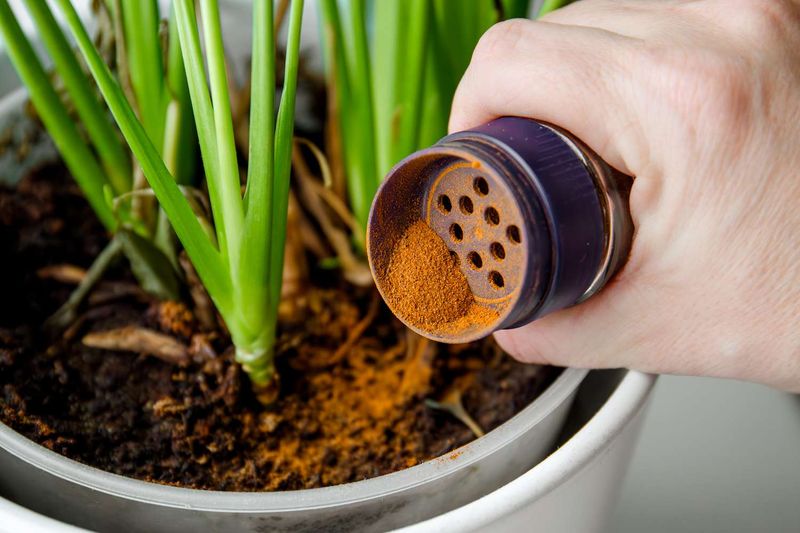
Dust bulbs lightly before planting, then sprinkle more over the soil surface.
Buy it in bulk from a warehouse store or discount grocer, since small spice jars get pricey fast. Ground cinnamon works better than sticks for coverage.
Like any powder, it washes away with rain, so reapply after storms. Combining cinnamon with cayenne makes a spicy-sweet blend that hits the nose two ways.
Honestly, cinnamon alone may not stop a hungry squirrel, but its rot-fighting bonus makes it a smart extra layer at planting time. Your garden will briefly smell like a bakery, which is not a bad side effect for an afternoon of digging in the dirt.
14. Hyacinths
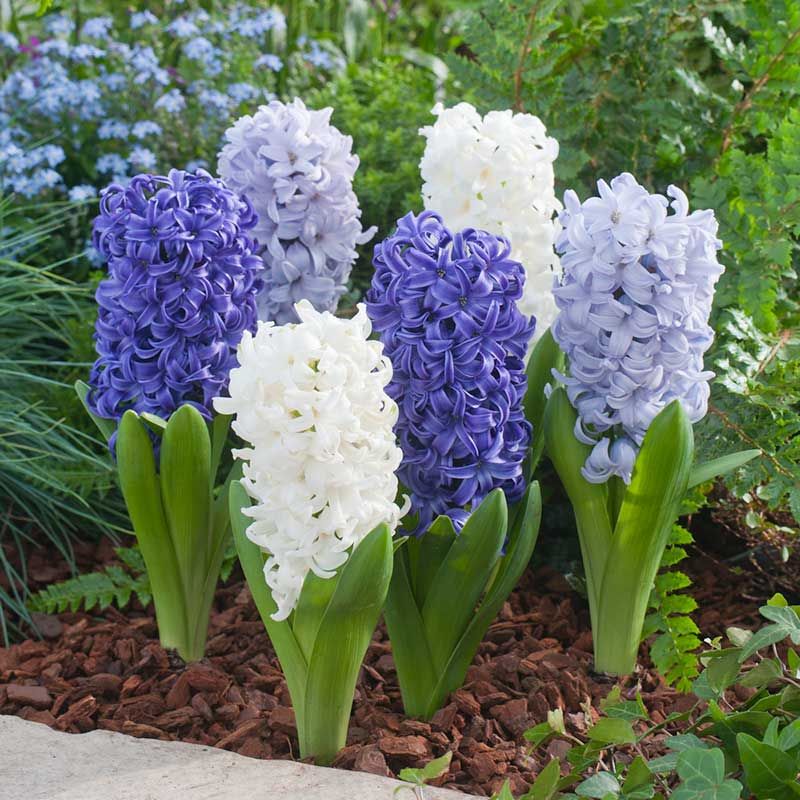
Walk past a blooming hyacinth and you’ll understand why people call it perfume in a pot. That intense scent comes paired with a bulb containing oxalic acid, which can irritate the mouth and skin.
Squirrels and chipmunks usually skip them.
Hyacinths make excellent neighbors for vulnerable bulbs like tulips. Planting them in clusters along walkways or in front of porch beds adds fragrance and may give rodents a reason to move on.
Wear gloves when handling bulbs, since some people get itchy hands.
Southern growers face one challenge: hyacinths need chilling to bloom well. In Zones 8 through 10, buy pre-chilled bulbs, or refrigerate them for 8 to 10 weeks before planting in December or early January.
Keep them away from fruit in the fridge, as ripening apples can damage flower buds.
In warm climates, treat hyacinths as annuals, since rebloom is often weak. They also shine in containers on porches and steps, where curb appeal matters most.
Their color range runs from deep purple to soft peach, so you can match nearly any home. Fragrance plus protection is a pretty sweet deal.
15. Human Hair
Next time you clean out your hairbrush, think twice before tossing it. Human scent signals people nearby, and many wild animals are naturally cautious around us.
Old-time gardeners have tucked hair into beds for generations.
Collect hair from brushes or ask a local barber or salon for clippings, which they’re often happy to give away. Scatter small tufts into planting holes and across the soil, then cover lightly with mulch.
Pet hair from dogs can work similarly, since dog scent may also put squirrels on edge.
As a bonus, hair slowly breaks down and releases nitrogen into the soil. It’s an odd but genuinely free soil amendment.
Be realistic, though. Urban and suburban squirrels around Houston, Dallas, or Orlando live among humans constantly and may not be impressed.
The scent works best in quieter yards where critters are less accustomed to people. Refresh it every few weeks since the smell fades.
It’s an easy, zero-cost addition to your arsenal, and it feels nice to give salon trimmings a second life. Just don’t tell your neighbors where you got the idea if they look puzzled.
16. Bone Meal Swap
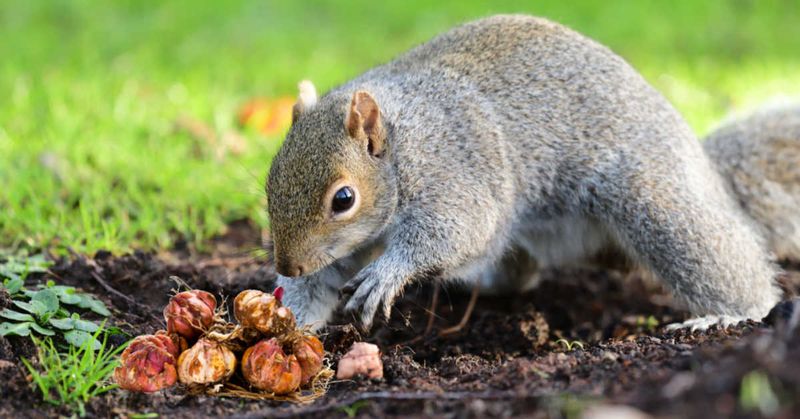
Plot twist for the finale: sometimes the smartest scent move is removing one. Bone meal, the classic bulb fertilizer, smells like food to squirrels, dogs, and raccoons.
Many gardeners unknowingly ring a dinner bell at planting time.
If your beds keep getting dug up overnight, check what you’re putting in the holes. Swapping bone meal for a balanced granular bulb fertilizer, or simply using compost, may cut down the attraction.
Bulbs store most of the energy they need for their first bloom anyway.
Clean up the papery bulb skins and debris left after planting too. Those scraps carry the bulb scent that draws curious noses to fresh soil.
Tamp soil firmly and water well so the bed looks undisturbed.
Once you’ve removed the lure, the deterrent smells on this list can do their job more effectively. Add a layer of chicken wire under mulch for extra insurance, especially in squirrel-heavy neighborhoods.
Pairing physical barriers with repellent scents tends to give the best results. No method is foolproof, but stacking smart choices often means more blooms in spring and fewer mystery holes each morning.
Happy planting.