

When the nights finally cool off, stink bugs start crawling up your siding looking for a warm place to spend the winter. They are not random about it, either, because they follow the same cracks and openings year after year.
If you garden in Texas, Florida, or anywhere across the South, those same bugs probably fed on your tomatoes and peppers all summer. Seal the right spots now, and you can keep far fewer of them from ending up on your ceilings and curtains.
1. Window Frames and Worn Caulk
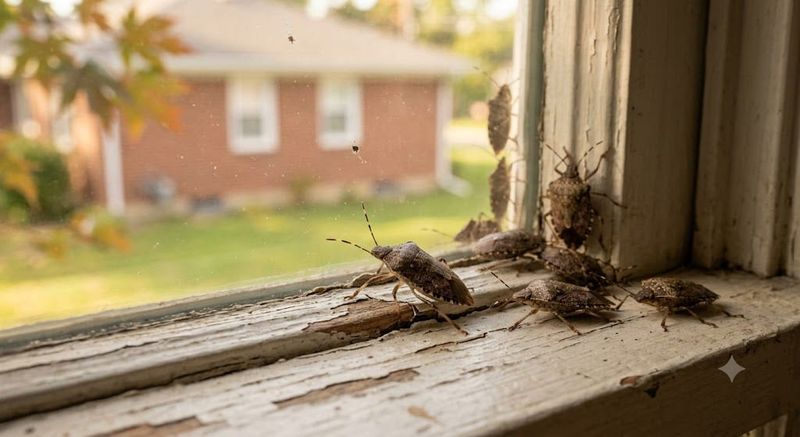
Picture a sunny October afternoon on the south side of your house. Dozens of shield-shaped bugs bask on the warm brick, then slip one by one into a hairline crack beside the window.
That crack is often old caulk that shrank under years of Southern heat.
Caulk breaks down faster in Florida and Texas because of intense sun and big temperature swings. Once it pulls away from the frame, it leaves a gap that a stink bug can easily squeeze through.
Run a fingernail along the seams, and if pieces flake off, it is time to redo them.
Scrape out the loose material with a putty knife, wipe the area clean, and let it dry. Then apply a fresh bead of exterior-grade silicone or siliconized acrylic caulk.
Pick a product labeled for outdoor use and UV resistance so it holds up through the next long summer.
Work on a dry day when temperatures stay above about 40 degrees so the caulk cures properly. Focus first on south- and west-facing windows, since bugs tend to gather where the afternoon sun hits hardest.
A single tube and an hour of work may cut down on a big share of fall invaders.
2. Window and Door Screens
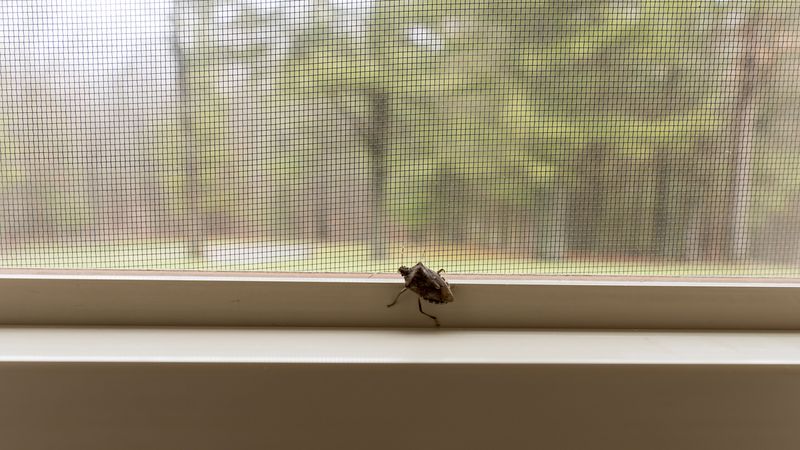
Screens do a great job against mosquitoes, so most of us assume they block everything. Sadly, a tiny tear or a bent frame corner is all a stink bug needs.
Their flat bodies are built for squeezing into tight places.
Walk around your home and check every screen in good light. Look for rips, loose spline along the edges, and frames that no longer sit snug in the window track.
Even a slight bow in an aluminum frame can leave a slot along one side.
Small holes can be fixed with screen patch kits that press on or stick in place. Larger damage usually calls for rescreening, which is a cheap and simple weekend project with a spline roller and a roll of new mesh.
If a frame is bent, replacing it is often easier than trying to straighten it.
Here is a handy detail many people miss. Stink bugs often gather on the outside of screens and then crawl through gaps around the edges when you open windows for those first cool fall breezes.
Give each screen a quick shake or brush-off before opening, and keep the frames fitting tight.
3. Door Sweeps and Thresholds
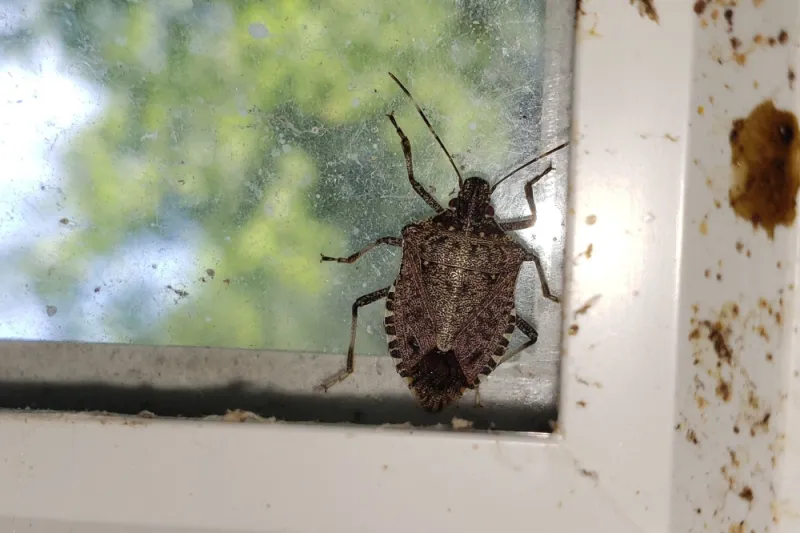
Try this tonight: turn off the lights inside and look at the bottom of your exterior doors. If you see a sliver of porch light glowing underneath, bugs can see it too, and they will walk right in.
Door sweeps wear out quietly. The rubber or bristle strip gets crushed, torn, or stiff, and the threshold below may have shifted.
Garage entry doors and back patio doors are common trouble spots since they get heavy daily use.
Replacing a sweep is usually a ten-minute job with a screwdriver. Choose one that fully touches the threshold when the door closes without making it hard to open.
Many thresholds also have adjustable screws you can turn to raise them slightly and close a gap.
Do not forget the weatherstripping along the sides and top of the door. If it is flattened or cracked, swap it out for new foam or rubber strips.
Sliding glass doors deserve a look as well, because their tracks and pile weatherstrip often have openings at the corners. Tightening these spots may help keep out stink bugs, along with drafts, roaches, and humid air during the rest of the year.
4. Attic, Soffit, and Gable Vents
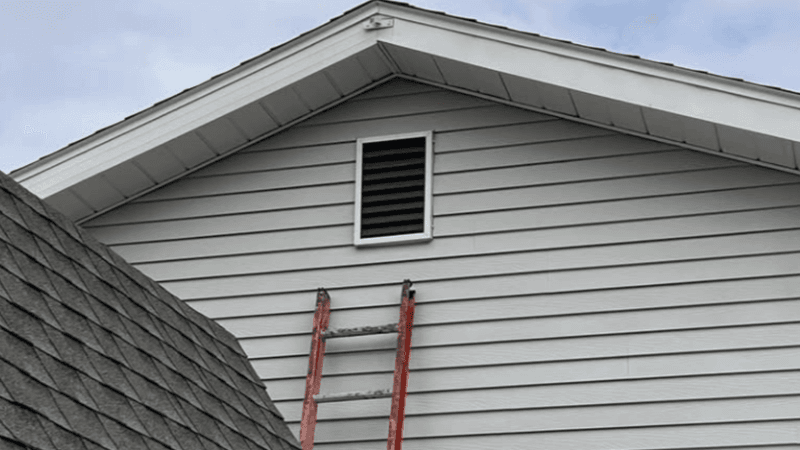
Ever wonder why stink bugs suddenly pop out of ceiling light fixtures in February? Many of them got into the attic through vents months earlier and spent winter tucked in the insulation.
Homes in the South need good attic ventilation to dump summer heat, so you cannot simply close these openings. Instead, the goal is to make them bug-proof.
Gable vents, soffit vents, and ridge vents should all have intact screening behind the louvers.
From a ladder or with binoculars, check for missing or rusted mesh. Older homes sometimes have quarter-inch hardware cloth, which keeps out birds but lets insects pass right through.
Adding fine insect screen, around 1/16 inch, on the inside of the vent can make a real difference without blocking airflow much.
Soffit panels are another sneaky spot. Look for pieces that have sagged or separated from the fascia board, leaving long gaps along the roofline.
Refasten them or seal the seams. If heights make you nervous, this is a smart job to hand off to a handyman or roofer during a routine inspection.
Fixing it once may protect you for many seasons.
5. Utility Line and Pipe Openings
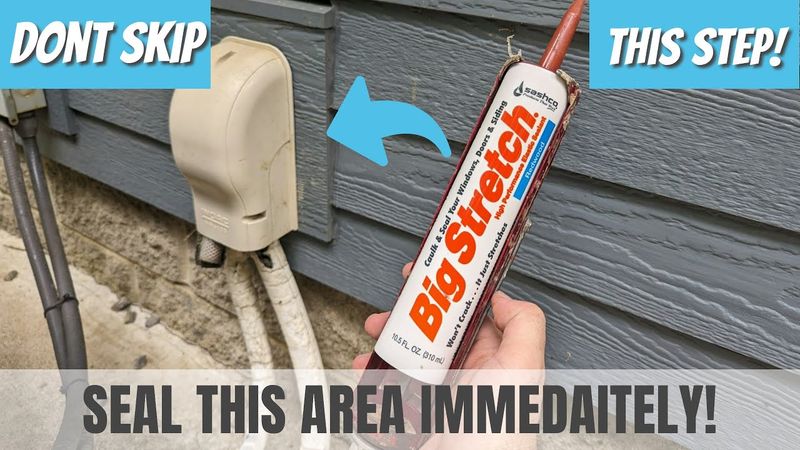
Every wire and pipe that enters your house needed a hole, and builders do not always seal those holes neatly. Over time, foam shrinks and gaps open up around the edges.
Start with the air conditioner lines, which matter a lot in the South since nearly every home has central air. Then check where cable TV, internet, phone, electric service, gas lines, dryer vents, and outdoor faucets come through the wall.
Stink bugs use these openings like hallways straight into wall cavities.
Small gaps under about a quarter inch can be sealed with exterior caulk. Bigger openings often call for low-expansion spray foam, which fills irregular spaces without warping nearby siding.
Some homeowners stuff copper mesh into the hole first, then foam over it for extra staying power against both bugs and rodents.
Dryer vents need special care. Never seal them shut, but make sure the vent flap closes fully and is not stuck open by lint buildup.
A clean, working flap keeps insects out and lowers fire risk too. Spending an afternoon on these entry points can reduce indoor bug sightings and might even trim a little off your cooling bill next summer.
6. Siding Seams and Trim Joints
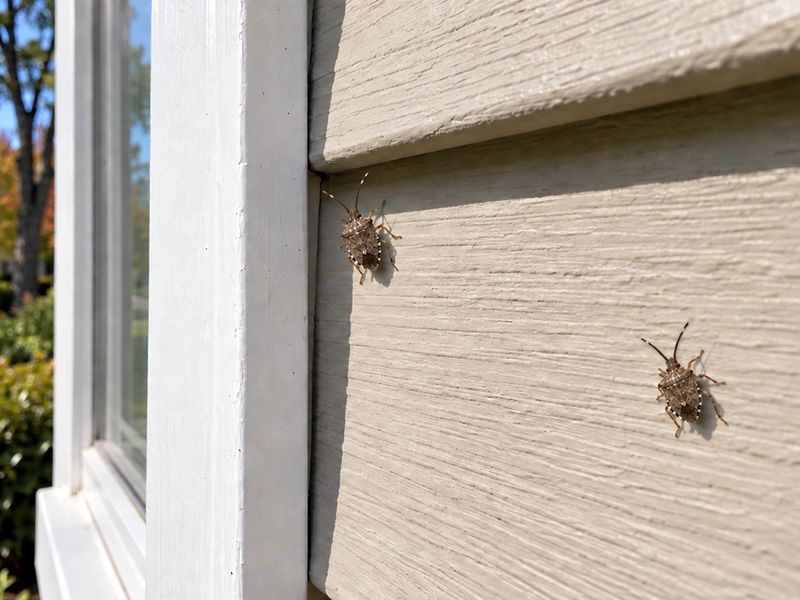
Here is a fun fact: stink bugs release a scent that can help draw others to good shelter spots. That may explain why the same corner of your house seems to attract a crowd every single fall.
Those favorite corners are often siding seams and trim joints. Vinyl siding expands and shrinks with the heat, which can open small slots at corner posts, J-channels around windows, and spots where siding meets the roofline.
Wood and fiber cement siding can have gaps where boards meet trim.
On a warm fall afternoon, watch where bugs gather and disappear. Mark those spots with painter’s tape so you remember them.
Then seal gaps in wood or fiber cement trim with paintable exterior caulk.
Vinyl is trickier because it needs room to move. Avoid caulking the bottom edges of vinyl siding panels, since that can trap moisture.
Focus on the vertical joints around trim and corners, and replace any cracked or loose pieces. Be gentle with expectations here, because no house is perfectly sealed.
Still, closing the hot spots where bugs keep clustering can noticeably lower the numbers making it inside.
7. Chimney and Fireplace Gaps

Plenty of Southern homes have fireplaces that get lit maybe twice a year. That leaves a big, quiet chimney sitting unused, which is exactly the kind of sheltered spot stink bugs love.
Start at the top. A chimney cap with mesh sides can keep bugs, birds, and squirrels out of the flue.
If yours is missing or the mesh has rusted through, replacing it is a worthwhile upgrade. Many caps are sold by flue size, so measure before you buy.
Next, look at the flashing where the chimney meets the roof, plus any mortar joints that have cracked. Gaps there can lead bugs into the attic.
A roofer or chimney sweep can reseal flashing and repoint mortar if the damage is more than a quick caulk fix.
Inside, close the damper tightly whenever the fireplace is not in use. Old dampers may not seal well, so a chimney balloon or top-sealing damper might help block gaps.
Glass fireplace doors add one more layer. Together, these steps can keep your chimney from turning into a winter hotel for unwanted guests.
8. Garden Beds and Outdoor Hiding Spots Near the House

Sealing the house is the main event, but your vegetable garden sets the stage. Stink bugs feed heavily on tomatoes, peppers, okra, and beans through the long Southern growing season.
A big summer population often means more bugs hunting for shelter in fall.
Keep an eye on your crops from midsummer on. Look for the shield-shaped adults and clusters of tiny barrel-shaped eggs under leaves.
Hand-picking them into a jar of soapy water each morning is simple and may help keep numbers lower before they move toward your walls.
Once the fall harvest wraps up, pull spent plants and clear fallen fruit. Leftover debris gives bugs a place to linger right next to your foundation.
Trim back shrubs and vines that touch the siding too, since they act like bridges to the roofline and windows.
Firewood stacks, stored pots, and piles of boards against the house can also shelter overwintering insects. Move them a few feet away.
Pairing a tidier yard with sealed gaps gives you two lines of defense. You probably will not stop every bug, but your garden and living room can both feel a lot less crowded.