
As the nights cool off, brown marmorated stink bugs start hunting for a warm place to spend the winter, and your house looks like a five-star hotel to them. They squeeze through tiny gaps, cluster on sunny walls, and leave a nasty smell when you squash them.
In the garden, they also pierce tomatoes, peppers, and fall crops, leaving cloudy, mushy spots behind. The good news is that a few simple habits can cut down how many get inside and how much damage they do outdoors.
1. Seal Cracks Around Windows and Doors

A stink bug can slip through a crack about as thin as a credit card. That means the tiny gap you never noticed around a window frame may be the main doorway for dozens of bugs every October.
Walk around your house on a sunny afternoon and look closely at window trim, door frames, and spots where siding meets brick. Anywhere you can slide a fingernail into a gap is worth fixing.
A tube of silicone or acrylic latex caulk costs only a few dollars and can seal most small openings in an afternoon.
Pay extra attention to the south and west sides of the house. Stink bugs love those warm walls in fall, so they tend to gather and search for entry points there first.
Doors deserve a quick check too. If daylight shows under the door, a new door sweep may help block that path.
Worn weatherstripping around the frame can also be replaced without much effort.
Sealing will not stop every single bug, but it often reduces the number that end up on your ceilings and curtains. As a bonus, those same repairs can lower heating and cooling bills, which Southern homeowners will appreciate when summer heat returns.
2. Repair Torn Window and Vent Screens
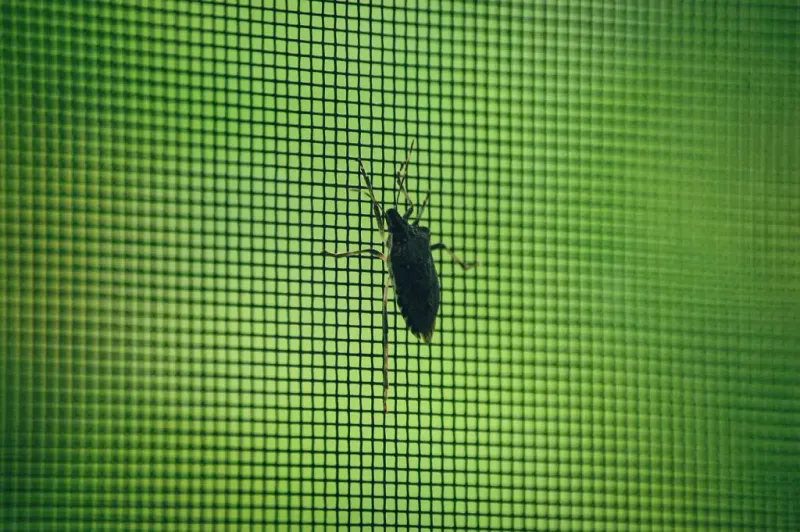
Picture a screen with one small rip near the corner. To you, it looks harmless.
To a stink bug crawling across the window, it is basically an open invitation to come inside.
Fall is the right time to inspect every screen in the house, including the ones on windows you rarely open. Patch kits from the hardware store fix small holes in minutes, and rescreening a whole frame is an easy weekend project for most people.
Do not forget the less obvious screens. Attic vents, soffit vents, crawl space openings, and dryer vents are all favorite entry spots because they lead to quiet, sheltered spaces.
Fine mesh hardware cloth can be fitted over larger vents to make them harder to get through.
Window air conditioning units are another weak spot common in Texas and Florida homes. The foam and accordion panels on the sides often shrink or crack, leaving gaps.
Adding fresh foam strips can help close those openings.
Once the screens are solid, you can still enjoy open windows on mild autumn days. You just give the bugs far fewer chances to follow the breeze indoors.
3. Set a Simple Soapy Water Trap
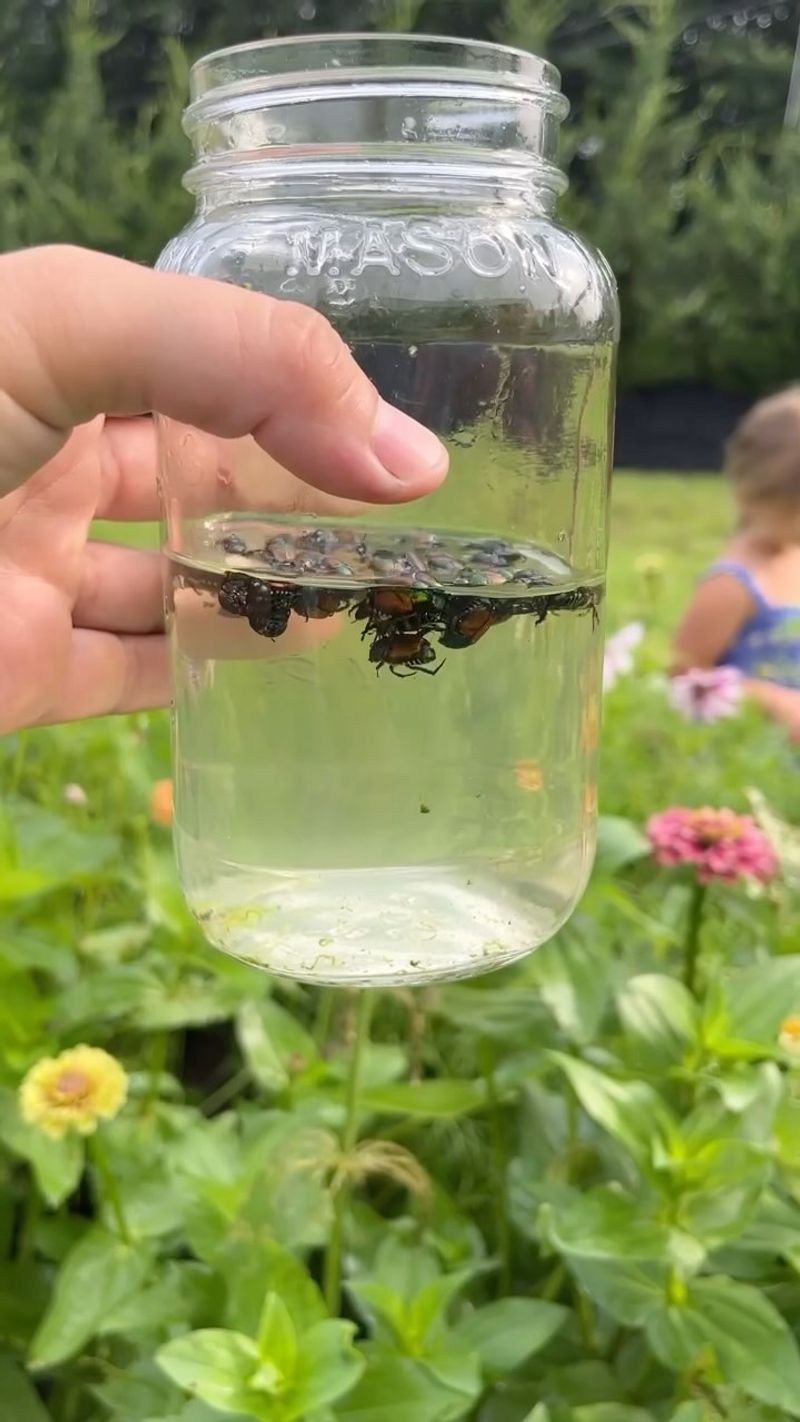
Here is a trick that costs almost nothing. Fill a wide jar or bucket with water, add a good squirt of dish soap, and keep it handy near your garden or doorway.
When you spot a stink bug, hold the container under it and gently tap the bug off the leaf or wall. Stink bugs tend to drop straight down when disturbed, so they usually fall right into the water.
The soap breaks the surface tension, and they cannot climb out.
The big advantage is that you avoid crushing them, which releases that famous smell. You also skip harsh sprays around your vegetables and pollinators.
Early morning is a smart time to go hunting. Bugs move slowly in cool air, so they are easier to catch on tomato plants, pepper stems, and late okra pods.
Indoors, some people place a shallow pan of soapy water under a small lamp at night. Bugs drawn to the light may land and get stuck, though results can vary from house to house.
Check your traps every few days, dump them, and refill. It is low-tech, but steady hand-picking often makes a real dent in local numbers.
4. Protect Fall Crops With Row Covers
Gardeners in the South often get a second shot at tomatoes, peppers, and beans in fall. Sadly, stink bugs are hungry at the same time, and they love to suck juice from those developing fruits.
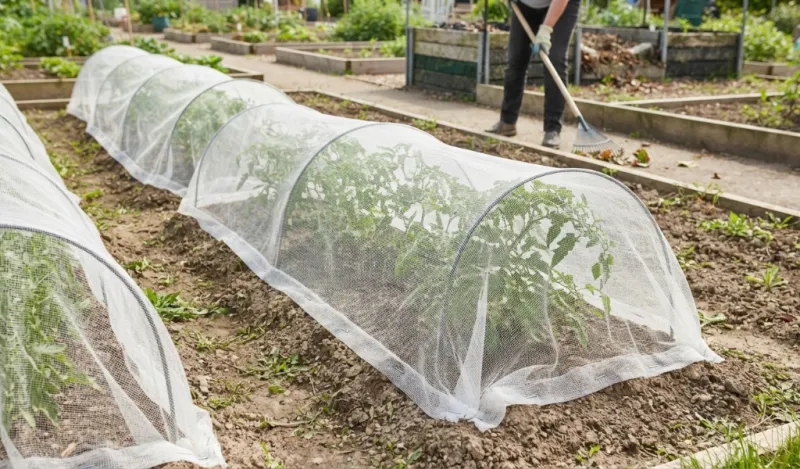
Lightweight floating row cover works like a fine mesh tent. Draped over wire hoops and tucked tight at the edges, it creates a barrier that keeps many insects off your crops while still letting sunlight, air, and rain through.
Timing matters. Cover plants before stink bugs show up in big numbers, and check underneath now and then to make sure none snuck in early.
Crops that need bees to make fruit, such as squash and cucumbers, need a little planning. Lift the cover during blooming hours or hand-pollinate so you still get a harvest.
If you have ever sliced a tomato and found hard, whitish spots under the skin, there is a good chance stink bugs were feeding. Row covers may help prevent that damage and give you cleaner, prettier produce.
Fabric with a light weight is best for warm climates. Heavier frost blankets can trap too much heat on sunny Florida and Texas afternoons.
5. Clean Up Weeds and Garden Debris
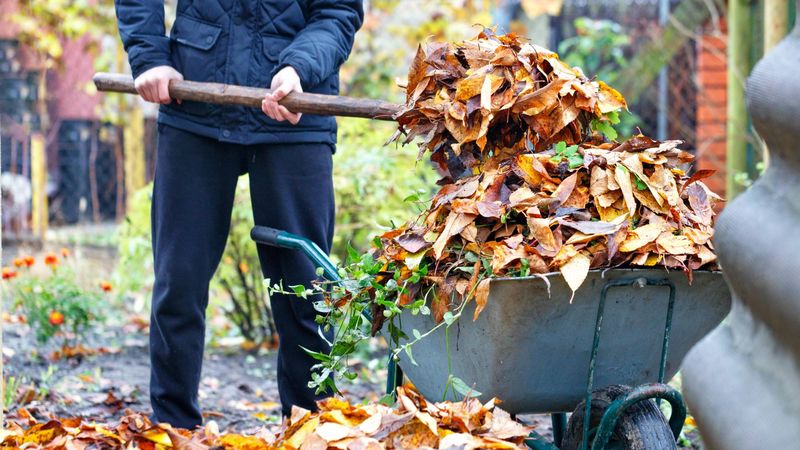
Stink bugs are not picky about where they hang out between meals. Tall weeds, piles of old leaves, and stacks of firewood all offer shady hiding spots right next to your beds and your house.
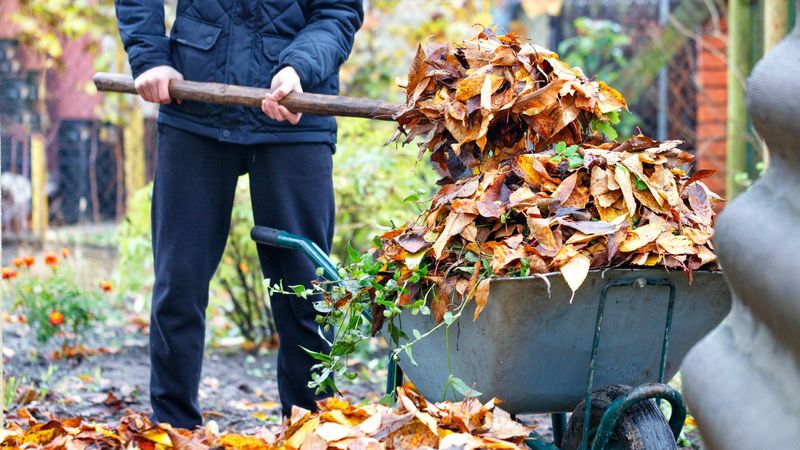
A good fall cleanup takes away a lot of that shelter. Pull weeds along fence lines, clear out spent bean vines and dead tomato plants, and rake up leaf piles that sit against the foundation.
Firewood is a sneaky one. Stack it at least 20 feet from the house and off the ground, and give logs a quick look before carrying them inside.
Some weeds, like wild mustards and pigweed, can actually feed stink bugs and other plant-sucking insects. Removing them may reduce how many bugs build up near your vegetables.
Trim shrubs and vines so they do not touch your siding. Branches resting on walls act like little bridges, letting bugs walk straight to the window frames.
You do not need a bare yard to make progress. Keep mulch neat, leave some habitat farther out for helpful critters, and simply clear the clutter closest to your home and garden.
6. Plant Trap Crops to Lure Bugs Away
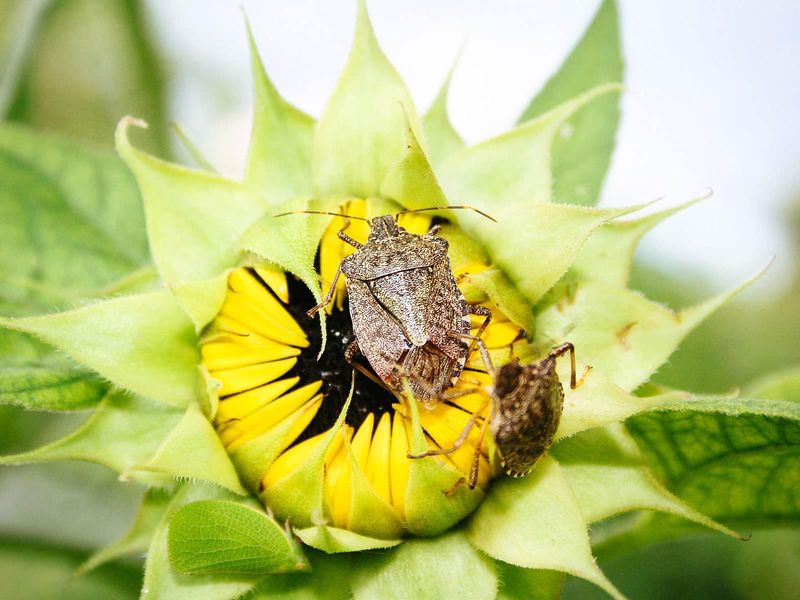
Think of a trap crop as a decoy dinner party. You plant something stink bugs like even more than your tomatoes, then deal with the bugs once they gather there.
Sunflowers, sorghum, and certain mustards are popular choices. Many gardeners place a row along the edge of the vegetable patch so bugs stop there first before moving deeper into the bed.
The trick only works if you follow through. Check the trap plants every few days and knock the bugs into soapy water, or pull and bag heavily infested plants before the insects move on.
Research on trap crops shows mixed but promising results, so treat them as one helpful layer rather than a cure. They often work best combined with row covers and hand-picking.
For Texas and Florida gardens, sunflowers handle heat well and can be planted in late summer to mature as fall crops ripen. Sorghum also shrugs off hot weather and grows quickly.
A nice side effect is that these plants bring color and attract pollinators. Your garden edge looks lively, and your peppers get a bit of breathing room from hungry pests.
7. Vacuum Indoor Bugs the Smart Way
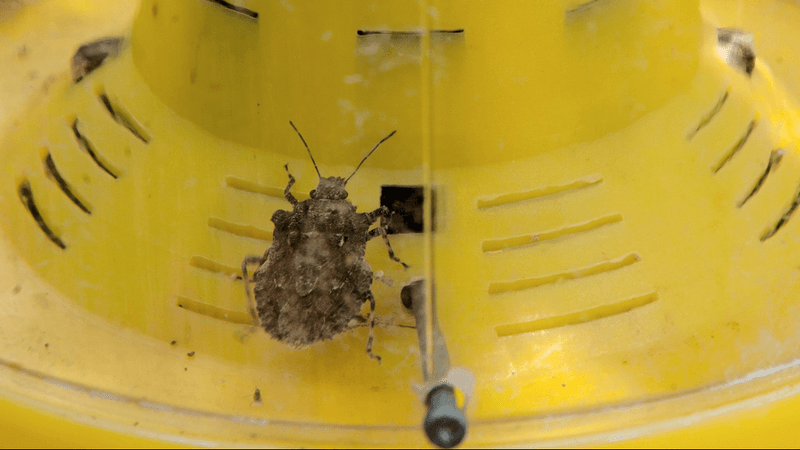
Even with every crack sealed, a few stink bugs will probably show up on your curtains or ceiling fan. Squashing them is tempting, but that releases a sharp odor that can linger for hours.
A vacuum is the cleaner solution. Many folks keep a cheap handheld vacuum or shop vac just for bugs, since the smell can cling to the bag or canister of a regular household vacuum.
One clever hack is to slip a knee-high stocking into the vacuum hose and secure it with a rubber band. Bugs get caught in the stocking, and you can pull it out, tie it shut, and drop it in a bag of soapy water.
Do not just toss live bugs outside. They will often crawl right back to the warm wall they came from.
Check sunny windows, lamp shades, and attic doors, since those are favorite resting spots. Bugs that get in during fall may stay sluggish through winter, then wake up on warm days.
Steady vacuuming will not end the problem by itself, but it keeps things manageable while your sealing and garden steps do the heavy lifting.