
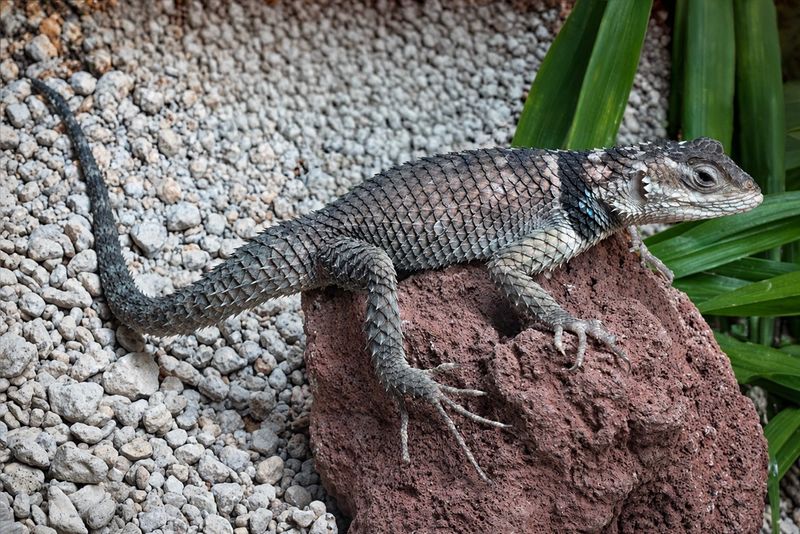
Texas spiny lizards are common, eye-catching residents of Central Texas yards, and plenty of people hope they double as a scorpion patrol. The truth is less tidy, and knowing it can save you from leaning on the wrong tool.
A yard can help local wildlife and still keep a clear, scorpion-wary zone around the house. Here is how to do both without counting on a lizard to do pest control.
Texas spiny lizards are not a proven scorpion patrol
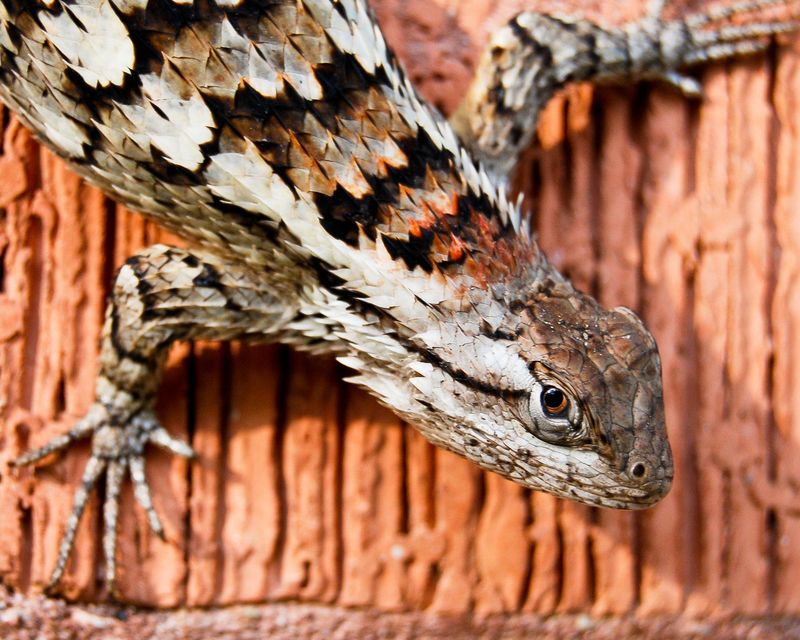
Let’s fix the promise in the original title right away. The sources we found do not show that Texas spiny lizards eat scorpions, and they do not show that any yard setup can keep these lizards hunting scorpions near a house.
That is a big gap, and it matters if you are hoping for a natural pest solution.
What we do know comes from the University of Texas at Austin Biodiversity Center. It describes the Texas spiny lizard as a native, tree-dwelling lizard that eats mostly insects.
Nothing in that description points to scorpions as a regular meal.
Here is the fair way to read that. Not finding evidence is not the same as proving a lizard has never eaten a scorpion.
It just means you cannot plan your home protection around it, and nobody should promise you that.
So this article takes a more honest route. You will learn what these lizards need, which yard features support wildlife in general, and why the ground right beside your house should be handled differently.
A wildlife-friendly yard is a nice thing to have. It is not a scorpion-control method.
You will also get practical steps for living with scorpions in Central Texas, including what to do after a sting. Think of the lizard as a neighbor worth welcoming, and think of scorpion prevention as a separate job that belongs at your foundation, doors, and windows.
Support the lizard’s tree- and fence-oriented habitat
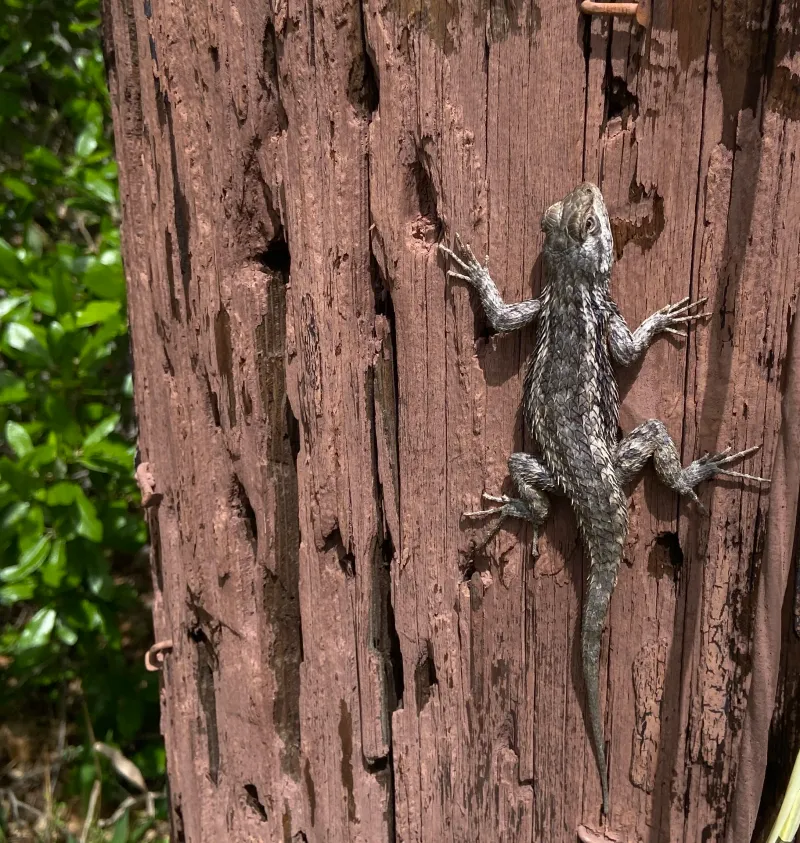
Picture a lizard flattened against a sunny fence rail at noon. That is classic Texas spiny lizard behavior.
According to the UT Austin Biodiversity Center, this species is native, active during the day, and spends much of its time in trees.
A Williamson County wildlife handout adds that these lizards use trees and fences, need warm basking spots, and rely on insects for food. Those are the basics: something to climb, somewhere sunny to warm up, and bugs to eat.
Scorpions run on a different clock. They are nocturnal, while the lizards are out in daylight.
That difference in timing does not prove the two never cross paths, and it does not prove they do. It is simply a reminder not to build a scorpion-patrol story on guesswork.
For your yard, this means keeping suitable trees and sturdy fences where they already make sense. An older tree with rough bark and a sunny fence line offers the kinds of perches the lizard uses.
Keep your expectations modest, though. Holding onto these features supports habitat in a general way.
It does not guarantee a lizard will move in or stay, and no source shows that it will.
Build wildlife habitat away from the home perimeter
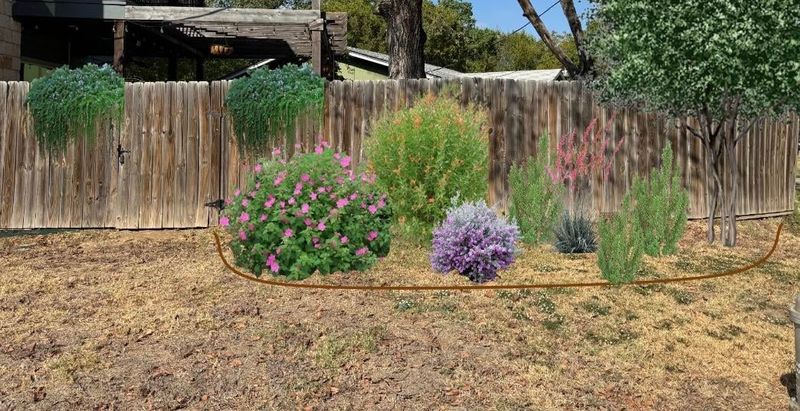
Good wildlife habitat works best when it has a clear location, and the back or side of the yard is usually a better home for it than the foundation. Start by keeping healthy trees and fence perches that lizards can use, as the Williamson County handout describes.
Next, add region-appropriate native plants. Austin Parks and Recreation recommends native plantings and cutting back or eliminating harsh pesticides in wildlife habitat.
A mix of plants tends to support a mix of insects, which is the lizard’s main food.
Keep the claims small here. These are solid wildlife-gardening habits, but the sources do not show they will draw in Texas spiny lizards specifically.
They also do not show that native plants or fewer pesticides reduce scorpions.
A few practical ideas for spots away from the house: a border of native perennials along the back fence, a shade tree in the far corner, and a sunny fence section left uncluttered for basking. Choose plants that handle triple-digit Texas summers so they stay healthy without constant watering.
Then comes the important shift. Whatever you plant out there, the strip right next to your walls plays by different rules, and that is where we head next.
Keep the area beside the house clear
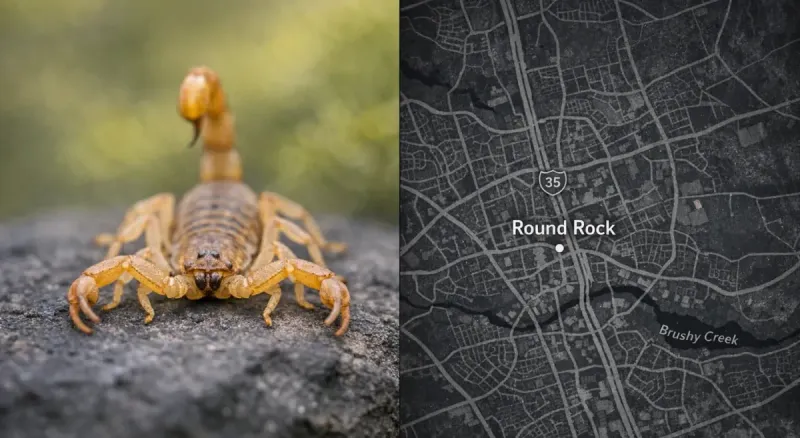
Think of your house as a fortress with a moat of tidy ground. Texas A&M guidance lays out the basics for keeping scorpions from heading indoors, and they are simple to act on this weekend.
Move debris and firewood away from the house. Prune trees and shrubs so they do not touch or hang over the roof or walls.
Mow grass short close to the home so there is less cover next to the foundation.
Then look at the gaps. Seal cracks where pipes and wires enter, check weep holes, and repair torn screens.
A scorpion needs only a small opening, so a slow walk around the house with a flashlight can reveal entry points you never noticed.
None of this means stripping your yard of life. A clear perimeter and a wildlife corner can sit on the same property.
Your oak at the back fence and the native border by the alley do not have to go just because the foundation strip stays bare.
If a tree you love grows close to the house, consider trimming only the limbs that reach the roofline or walls. You keep the shade and the perches, and you remove the bridge.
Treat rocks, bark, and wood as possible scorpion hiding places
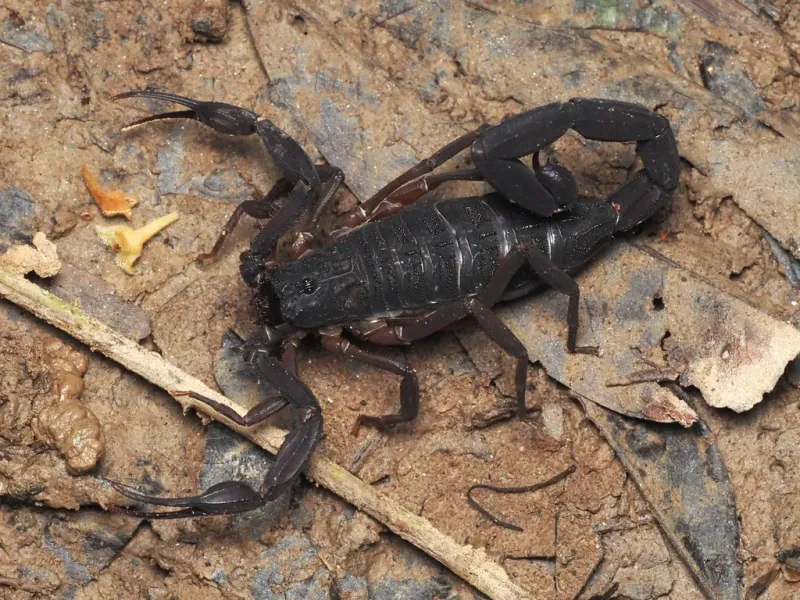
A stack of stones and logs can look like a cozy lizard hotel, but scorpions find it just as appealing. According to Texas A&M AgriLife Extension, scorpions hide in cracks and under rocks, bark, wood, and other debris.
The same publication links striped bark scorpions to dead vegetation, fallen logs, and homes.
That is why rock piles, bark heaps, firewood stacks, and yard debris do not belong beside the foundation, even if the goal is helping wildlife. Reptile-friendly does not mean scorpion-safe.
If you want shelter features in the wildlife part of your yard, keep them well away from the house and be careful when you move or lift anything. Wear gloves and closed-toe shoes, which we cover next.
One more point on variety. Texas has 18 recorded scorpion species, and two are recorded near Austin.
That does not tell you which one lives in your yard or how risky your property is compared with a neighbor’s. It simply means you should not assume one scorpion fits every Central Texas yard.
Take precautions outdoors and respond promptly to a sting
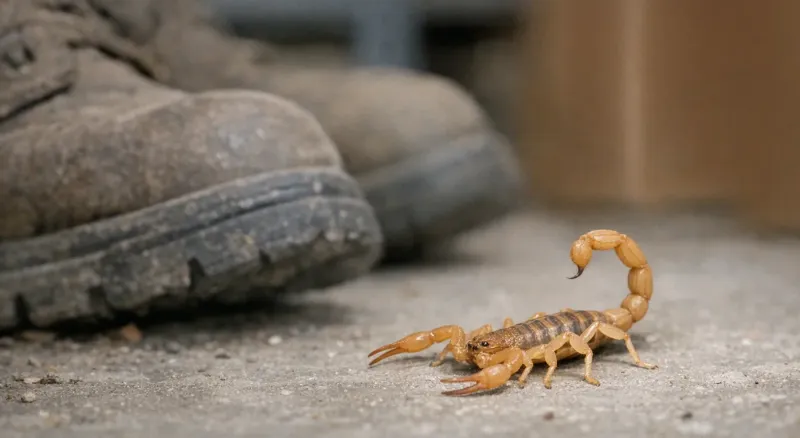
Practical habits beat wishful thinking here. Texas A&M advice includes wearing closed-toe shoes outdoors and gloves for yard work.
Do not pick up a scorpion with your bare hands.
If you need to catch one, Texas A&M’s school IPM guidance recommends long tongs or forceps. That keeps your fingers a safe distance away.
Most Texas stings cause pain and swelling at the spot, but they are not something to shrug off. Texas Parks and Wildlife notes that most are not serious, yet allergic reactions can happen.
After a sting, watch the person closely. Get immediate medical attention for trouble breathing or hives.
Do not wait to see if it passes.
For advice, the Texas Poison Center Network offers 24-hour help at 1-800-222-1222. Save that number in your phone now, before you need it.
Support wildlife without counting on scorpions being eaten
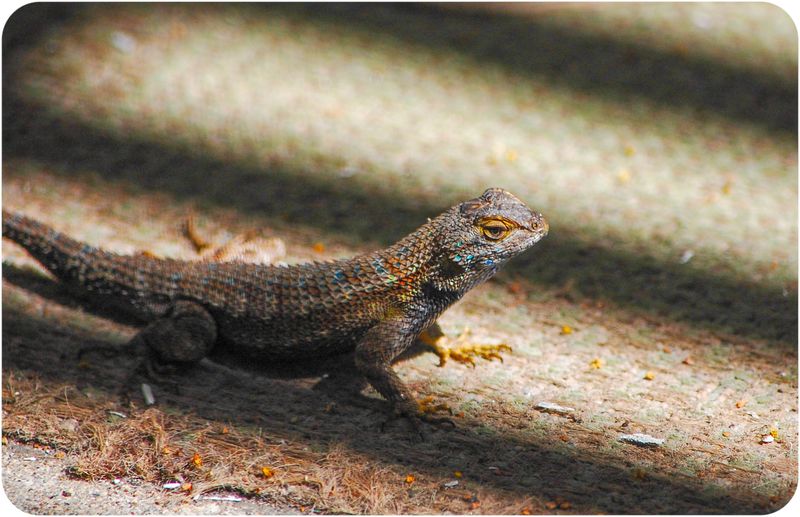
Trees, sunny perches, and native plants can make your yard kinder to wildlife, and Texas spiny lizards are a fine reason to try. The sources do not show that these steps bring the lizards in or cut down scorpions, so keep the two goals separate.
Keep debris and plants away from the walls, and follow the Texas A&M precautions instead of relying on a lizard.
Let the lizard have the fence, and let the foundation stay boring.