
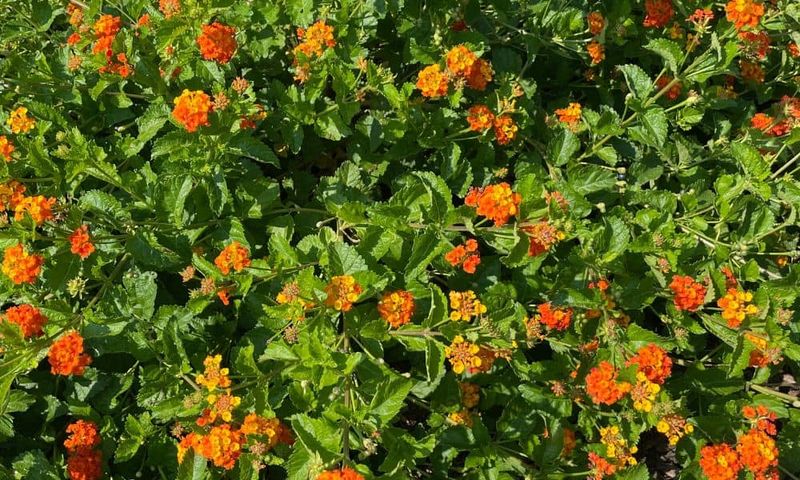
Plenty of Texas gardeners have looked at a sprawling lantana and wondered whether something better could grow in its place. The answer depends almost entirely on which lantana is actually sitting in that bed.
Texas has its own native lantana that genuinely supports local wildlife, while some nonnative ornamental forms can spread beyond the garden and crowd out plants that do more for the ecosystem. Getting the identification right before reaching for a shovel is what separates a smart swap from a costly mistake.
Identify the lantana before you reach for a shovel
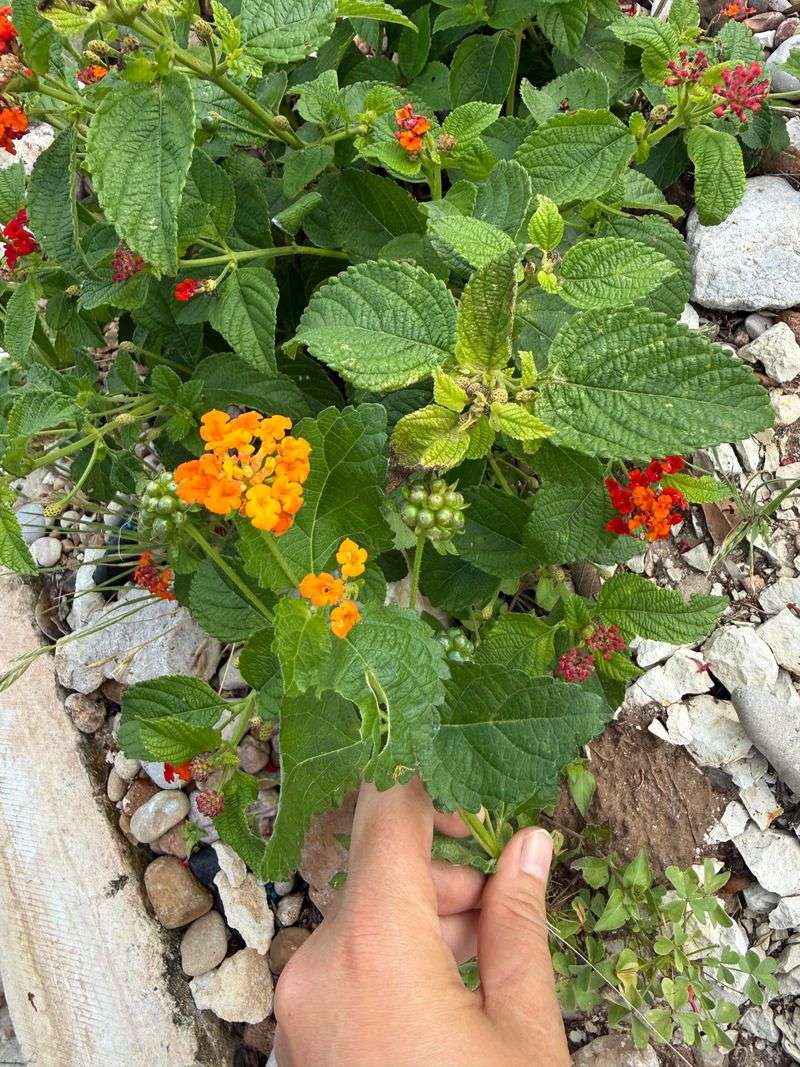
Lantana is not one plant, and treating it like one is where most removal decisions go wrong. The word covers native Texas species, nonnative ornamental introductions, sterile cultivars, and countless hybrids that sit somewhere in between.
Pulling a plant without knowing its botanical name means you could be removing something that belongs in your yard and actively supports local wildlife.
Texas has a native lantana most commonly identified as Lantana urticoidesLantana horrida, sometimes listed as in older references. This is a legitimate Texas shrub with genuine ecological value.
The nonnative ornamentals you are more likely to find at a big-box garden center are often Lantana camaraLantana strigocamara or , and the Native Plant Society of Texas identifies common lantana as a nonnative that can be invasive in parts of Texas and Florida. Those are meaningfully different plants with different consequences for your yard and for the surrounding landscape.
Flower color alone will not tell you which one you have. Cultivated lantanas include a wide range of hybrids and named selections, and the University of Texas Biodiversity Center notes that lantana taxonomy is complicated by hybridization and shifting scientific names.
A yellow-and-orange flower cluster could belong to the native species, a nonnative species, or a sterile garden hybrid that poses no invasive risk at all.
The right first move is to find the botanical name using a reliable source. Texas A&M AgriLife Extension, the Native Plant Society of Texas, or a local native plant nursery can help you confirm what you are growing.
If you are unsure after checking, bring a stem sample with leaves and flowers to your county extension office before you do anything else. Identification is the decision, not removal.
What a diverse native planting can add
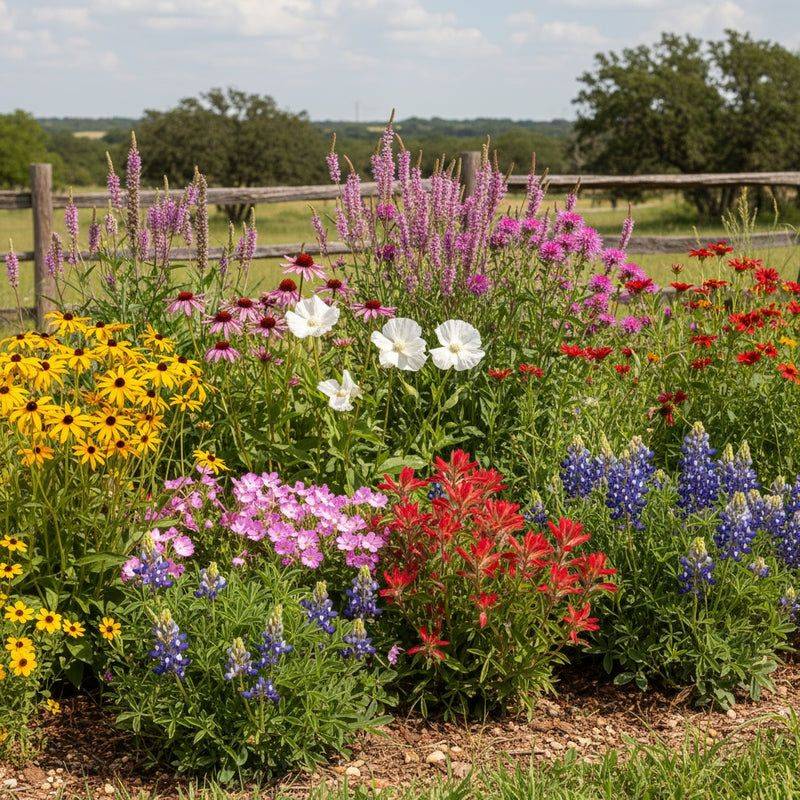
A bed planted with several regionally appropriate Texas natives can do things that a single ornamental shrub cannot. Nectar feeds adult butterflies and bees, but that is only one layer of what a functioning habitat planting provides.
Caterpillars need specific host foliage, birds rely on insects and seeds at different times of year, and shelter plants matter as much as flowering ones for wildlife that needs cover to survive.
A small Texas field comparison found greater insect diversity and abundance on the native ornamentals tested than on the exotic ornamentals, though the USDA Natural Resources Conservation Service study was limited and did not directly pit common lantana against one specific native replacement. That result supports the general direction without proving that any single native automatically outperforms every lantana plant in every yard.
What the evidence does support is that diversity itself matters: more plant species, more bloom times, and more structural layers tend to support more kinds of wildlife.
Texas Parks and Wildlife explains that native plants support wildlife directly through food and shelter and also indirectly by feeding the insects that birds depend on. That indirect pathway is easy to overlook.
A plant that feeds caterpillars may not look dramatic, but those caterpillars become the primary food source for nesting songbirds and their chicks.
Texas A&M recommends combining pollen and nectar plants with larval host plants and planning for successive bloom periods so something is always available across the season. Adult butterflies may visit a wide range of flowers for nectar, but their caterpillars are often specialists that require particular plant species.
A yard with only one flowering shrub, native or not, leaves gaps in that cycle that a diverse planting can close.
Choose a replacement that fits the Texas site
Replacement plant selection works best as a site-fit decision, not a statewide ranking exercise. A plant that thrives in the sandy, well-drained soils of the Hill Country may struggle in the heavy clay of a Houston suburb, and what works beautifully in East Texas may not survive the alkaline caliche of far West Texas.
Start with your specific conditions before picking a species.
Texas native lantana itself is worth reconsidering as a planting choice where site conditions suit it. Texas A&M AgriLife Extension describes Texas lantana as a native shrub that blooms roughly April through October, attracts beneficial pollinators, and serves as the primary food source for the lantana scrub hairstreak butterfly, with a preference for full sun, excellent drainage, and enough room to reach roughly 4 to 6 feet.
If you have confirmed that your existing plant is nonnative and you want to swap it for something native, Texas lantana planted in the right spot is one of the stronger options for heat, drought pressure, and pollinator value.
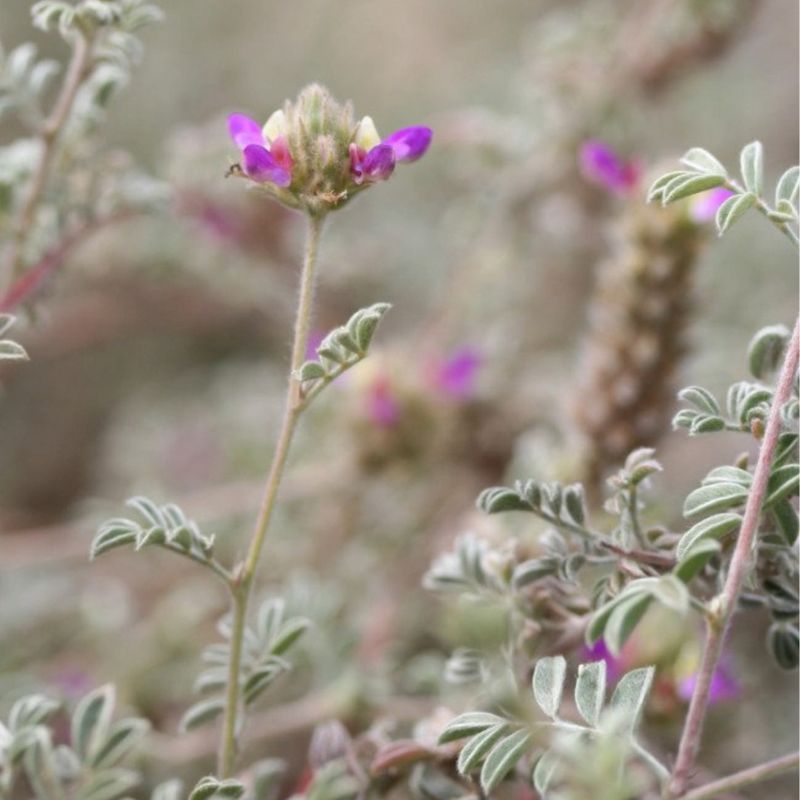
For spots where a lower or more compact plant makes more sense, the Native Plant Society of Texas lists black dalea (Dalea frutescensGlandularia bipinnatifida) and prairie verbena () as native alternatives to common lantana. Black dalea offers fine-textured foliage and purple fall blooms on a shrub that stays more compact than Texas lantana.
Prairie verbena spreads low and produces lavender flower clusters that pollinators visit heavily. Neither is a guaranteed one-for-one replacement for every yard, and both still need to be matched to your ecoregion, soil type, drainage, and available water.
Texas A&M’s South Texas site-preparation guidance emphasizes soil conditions, drainage, and regional climate as the foundation for any native planting. The native label does not override poor drainage, deep shade, or soil that is completely wrong for the species.
When in doubt about site fit, ask your county extension office or a reputable native plant nursery before buying.
Build habitat with several plants and seasons
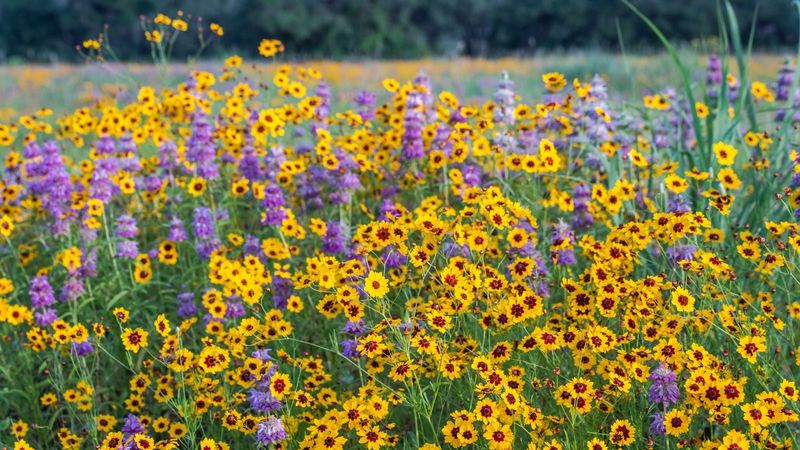
Swapping one shrub for another is a start, but a genuinely useful habitat planting does more. Texas A&M’s pollinator garden guidance recommends combining nectar and pollen plants with larval host plants and planning for successive bloom periods so the yard stays productive across multiple seasons.
That layered approach feeds more kinds of wildlife at more stages of their life cycles than any single plant can.
Adult butterflies are relatively flexible about where they find nectar. Caterpillars are not.
Many specialist butterfly and moth species can only complete their life cycle on specific host plants, so a yard without those hosts loses breeding pairs even if it has plenty of flowers for adults. Mixing host plants into the bed alongside nectar sources is what turns a pretty garden into a functional one.
Texas Parks and Wildlife encourages planting natives that provide food and shelter across seasons, which means thinking beyond summer bloom. Seed heads left standing through fall and winter feed birds when insects are scarce.
Dense shrub structure provides cover for nesting and roosting even when nothing is flowering. A yard that offers all of those things at once supports more species than one that peaks in June and then goes quiet.
When you plan the transition, try to keep some existing vegetation in place while replacement plants establish, especially if the current bed provides any cover or food. Texas Parks and Wildlife’s native pollinator management guidance supports layered planting and continuous resource availability as the goal.
Clearing everything at once and leaving a bare bed can temporarily remove shelter and food at exactly the moment when wildlife has nowhere else to go nearby. Staged removal gives replacement plants time to grow in before the old coverage disappears entirely.
Remove confirmed nonnative lantana carefully
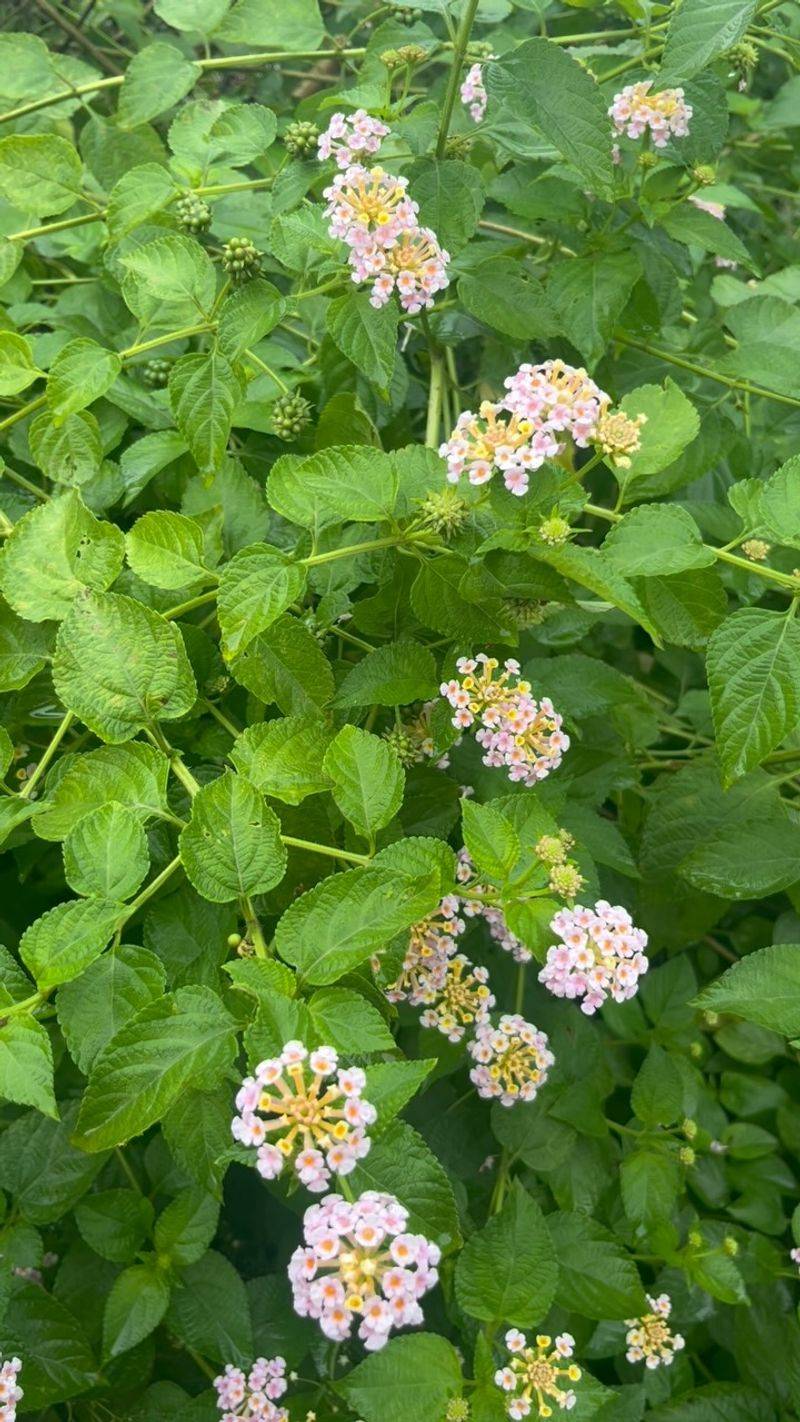
Once you have confirmed that a plant is nonnative and have decided to remove it, the method matters as much as the decision. Cutting lantana to the ground sounds thorough, but the University of Florida IFAS plant assessment notes that aboveground cutting alone can be insufficient for invasive lantana because of strong regrowth potential from the root system.
The crown and as much of the root system as you can access should come out with the plant.
After removal, watch the spot. Regrowth from remaining root fragments is common with established plants, and a single follow-up session several weeks later can prevent a plant you thought was gone from quietly returning.
Consistent monitoring through at least one full growing season is a reasonable standard for a plant that has been in the ground for several years.
Berries require careful handling. UF/IFAS lantana control guidance and the plant assessment both explain that bird-dispersed seeds are a primary way common lantana moves into natural areas and wild spaces.
Any removed material that carries ripe or nearly ripe berries should be bagged in sealed plastic and disposed of in the trash rather than composted or left on the ground where birds can access it. Trimmings without berries can generally be composted if your pile reaches adequate temperatures, but when in doubt, bag it.
Staged removal is worth considering when replacement plants are not yet established. Texas A&M’s pollinator garden guidance supports maintaining continuous habitat resources during transitions.
Removing half the bed this season while the other half stays in place, then finishing the job once your natives have rooted in, keeps pollinators and other wildlife from losing all available food and cover at once. That staged approach takes longer but produces a more stable result.
Establish natives through heat, soil, and drought
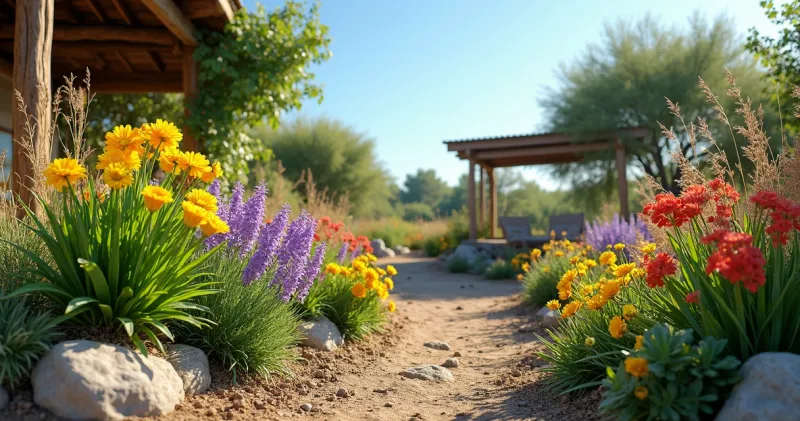
Selecting the right plants is only half the job. Getting them through the first Texas summer requires attention to soil, drainage, and water even when the species you chose is described as drought tolerant.
Drought tolerance describes how a plant performs once it is fully rooted into the site, not how it handles the stress of transplanting into hot, dry ground.
Texas A&M AgriLife’s South Texas site-preparation guidance makes clear that soil conditions and drainage are foundational. A native plant placed in compacted, waterlogged soil will fail regardless of its heat tolerance rating.
Amending heavy clay to improve drainage, or planting in a raised area of the bed if the grade holds water, can make the difference between a plant that establishes and one that rots at the crown.
Establishment watering is not optional for drought-adapted plants. Texas A&M AgriLife Extension’s guidance on Texas lantana specifically notes that overwatering can harm drought-adapted plants, but that warning applies to established plants, not newly transplanted ones.
Most Texas natives need consistent moisture for their first growing season while roots extend into surrounding soil. After that, supplemental water can be reduced significantly depending on the species and the site.
Texas A&M AgriLife Center at Corpus Christi emphasizes selecting plants suited to local soils and climate rather than following a single statewide planting calendar. A species that is reliably easy in the Blackland Prairie may need more care in the Piney Woods or the Trans-Pecos.
Your county extension office or a reputable local nursery can tell you what establishment looks like for your specific ecoregion and help you avoid the most common first-year failures.
Account for toxicity before planting or removing
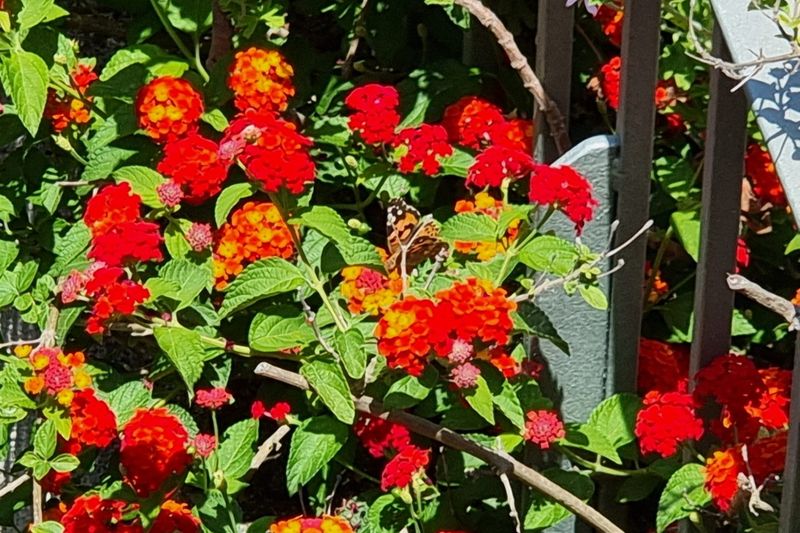
Toxicity in the lantana family is real, but it is not identical across every species, cultivar, or affected animal. Getting the details right matters for the safety of livestock, pets, and children around your yard.
Generalizing one plant’s toxicity profile to every plant labeled lantana can give you a false sense of security about a plant you have not actually identified.
Texas A&M AgriLife Center at Corpus Christi describes Texas native lantana as a hardy plant that provides forage while warning that it is toxic to livestock. That is an important distinction: the native species, which many gardeners might assume is automatically safer because it belongs here, carries a documented livestock toxicity risk.
If you have horses, goats, or cattle with access to your property edges, native Texas lantana near fencing or pasture boundaries deserves the same caution as any other toxic plant.
Common lantana carries a broader documented risk. Texas A&M AgriLife Extension notes toxicity concerns associated with lantana, and UF/IFAS lists common lantana among poisonous landscape plants with risks to people as well as animals.
The ASPCA’s poison control plant list identifies lantana as toxic to dogs, cats, and horses. The green unripe berries are considered the most toxic part, though all plant parts should be treated as hazardous around animals and children who might put things in their mouths.
During removal, bag berries and trimmings promptly and keep pets and children away from the work area. After any suspected ingestion of lantana or unidentified plant material, contact a veterinarian immediately for animals or call Poison Control at 1-800-222-1222 for people.
Do not wait for symptoms to appear before making that call.
Make the swap a continuing habitat plan
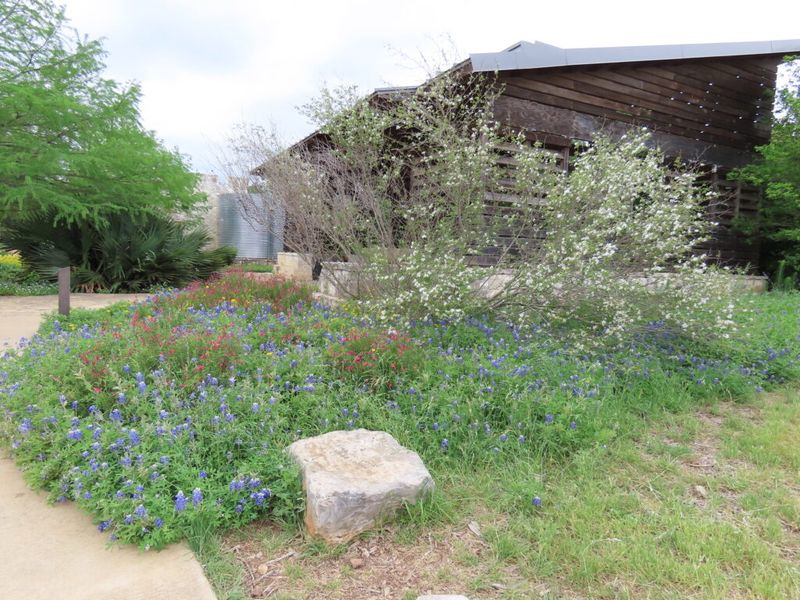
The practical sequence runs in a clear order: identify what you have, decide whether it belongs on your site, and then act based on that finding rather than on a general rule about lantana as a category. Keep confirmed native Texas lantana where it suits the conditions.
Relocate it if the spot is wrong but the plant is worth saving. Remove nonnative or poorly suited ornamental forms only after you are certain of the identification, and do it carefully so the plant does not spread during removal.
Replace what you remove with several locally appropriate natives rather than one, and build in overlapping bloom periods and host plants so the yard stays productive across the full growing season. Texas Parks and Wildlife consistently frames native habitat as a layered, multi-species resource rather than a single-plant solution, and that framing holds whether you are starting from scratch or converting one existing bed.
Texas A&M’s pollinator garden guidance supports the same approach: plan for continuous resources, mix host plants with nectar plants, and let the planting mature over more than one season.
The goal is not to declare every lantana a problem. The goal is a bed that feeds more kinds of wildlife across more of the year than it did before.
A yard that gets there gradually, with careful identification and thoughtful plant choices, will outperform any quick wholesale removal every time.