
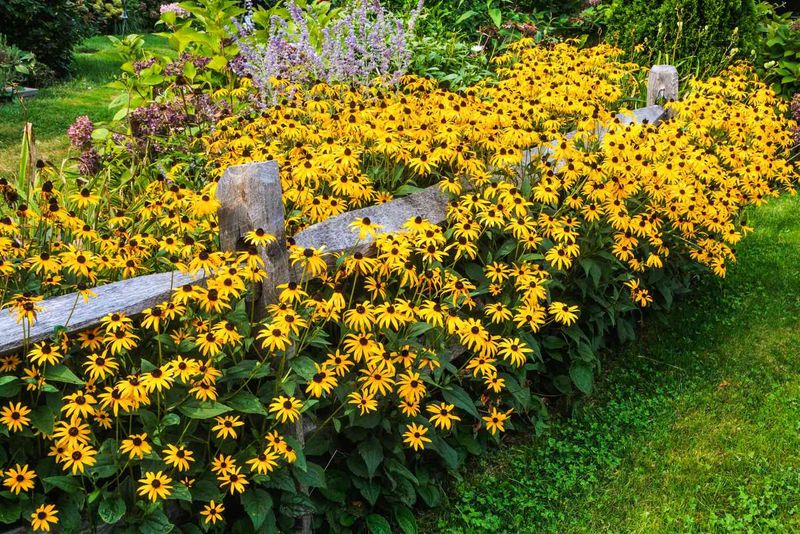
That messy patch of dead flower stalks in your yard might be the best bird feeder you own. Across Texas, winter seed heads feed finches, sparrows, cardinals, and juncos when food is hard to find.
Birds that eat well in January tend to stick around, and many of them nest close by once spring arrives. Here are seven native plants worth leaving alone until the weather warms up.
1. Purple Coneflower
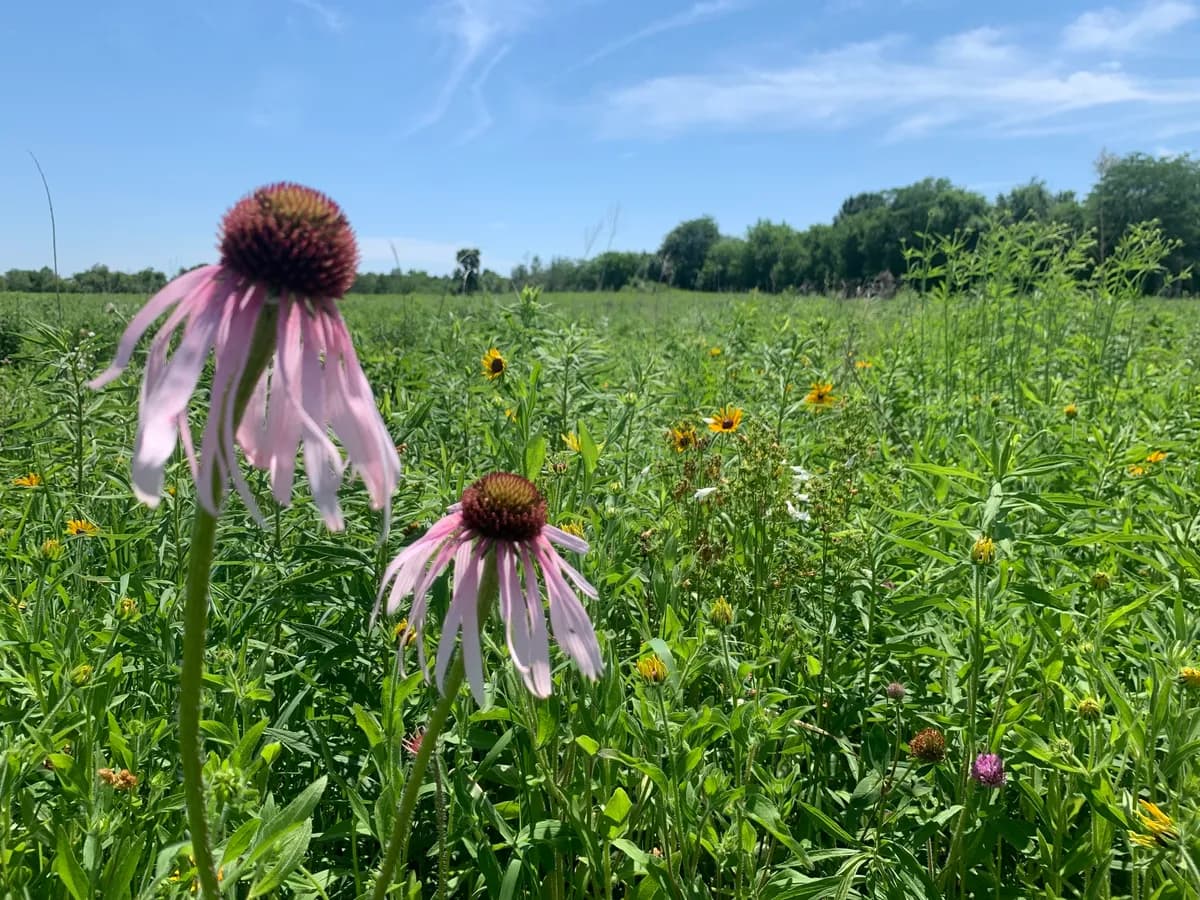
Picture a goldfinch hanging upside down on a spiky brown dome, picking it clean like a kid with a corncob. That scene plays out all winter in yards where coneflowers are left standing.
The dried centers hold dozens of seeds tucked between stiff bracts.
Goldfinches and pine siskins are the main fans here. Their small, pointed beaks pry seeds out of the cone in a way bigger birds just can’t manage.
So you are feeding a specific crowd that might skip a plain tray feeder.
Coneflowers handle alkaline clay better than many folks expect, as long as drainage is decent. Wait until late February or early March to cut the stalks back.
By then, new green leaves will be popping up at the base, and the birds will have had their fill.
2. Maximilian Sunflower
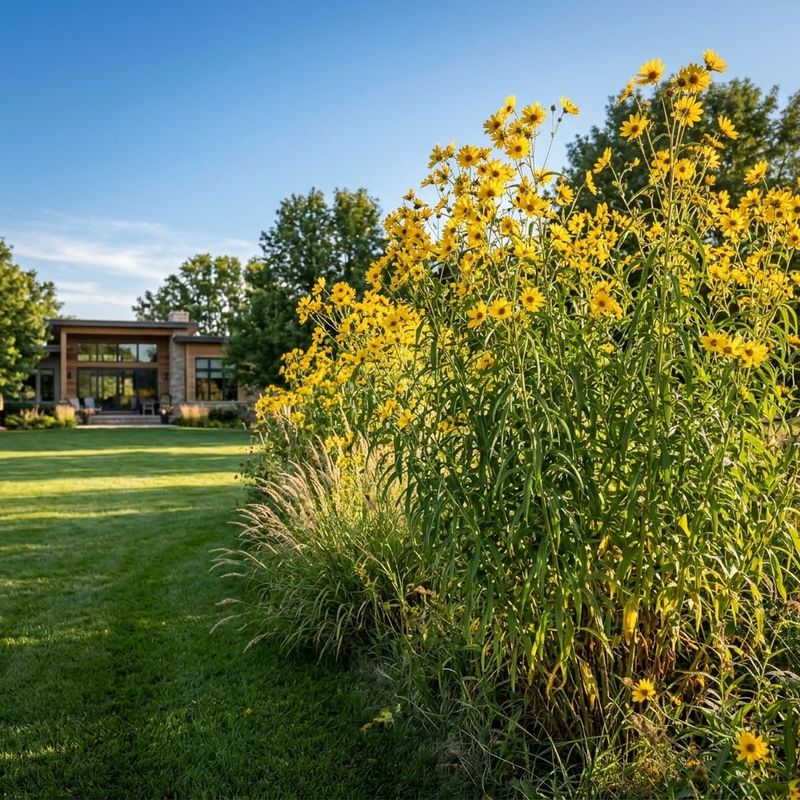
Some plants whisper. Maximilian sunflower shouts from six or eight feet tall, and in fall it is covered with yellow blooms from top to bottom.
When those flowers fade, every one of them becomes a little seed packet.
Cardinals, house finches, chickadees, and titmice all work these stalks once cold fronts roll through. Because the plant is so tall, it also gives birds a safe lookout away from neighborhood cats.
A clump near a fence line can turn into a busy winter hangout.
Fun fact: the plant is named after Prince Maximilian of Wied, a German explorer who traveled the American plains in the 1830s. It spreads by underground roots, so give it room along a back border.
Leave the stalks up through winter, then chop them down before spring growth starts.
3. Little Bluestem
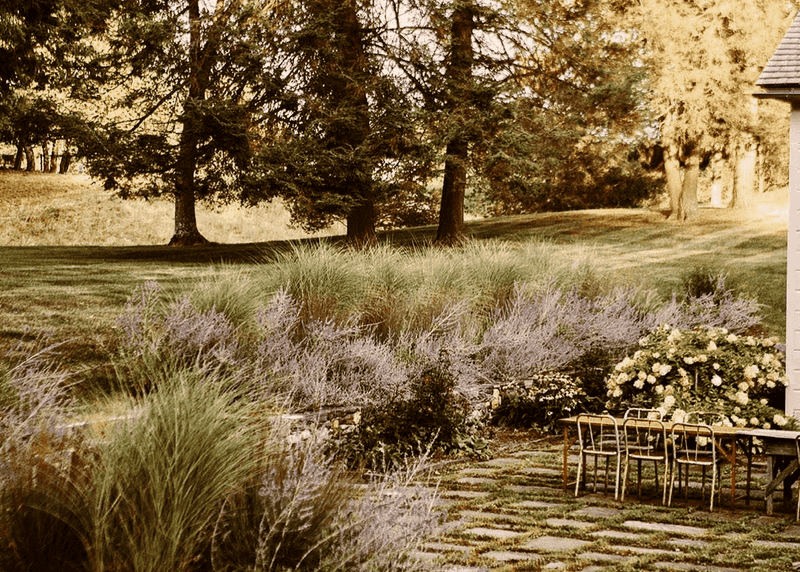
Here is a plant that looks better dead than most plants look alive. Little bluestem turns a warm copper color after the first freeze, and its fluffy seed tufts glow when the sun hits them sideways.
Sparrows love it. Field sparrows, chipping sparrows, and juncos hop around the base and pull seeds from the stems.
The dense clumps also make great cover on windy nights, which matters a lot to a bird that weighs less than half an ounce.
Little bluestem is tough as boots in Texas heat and drought. It works well as a lawn border or a swap for thirsty St. Augustine in a sunny corner.
Trim it to a few inches tall in late winter and it bounces right back.
4. Black-Eyed Susan
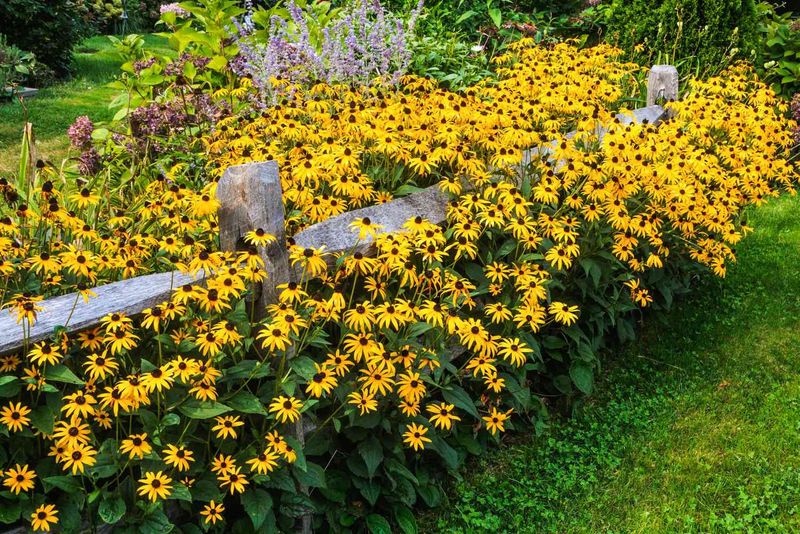
Most of us know black-eyed Susans for those cheerful yellow petals in early summer. Fewer people notice what happens later.
The petals drop, and the dark center dries into a small button packed with tiny seeds.
Chickadees, goldfinches, and sparrows pick at them steadily through winter. The seeds are small, so these stalks suit little birds best.
A loose patch of twenty or thirty plants can keep a flock coming back for weeks.
Black-eyed Susans reseed easily, which means letting heads stand also gives you free plants next year. Whatever the birds miss falls to the ground and sprouts in spring.
That is about as low-effort as gardening gets.
5. Gayfeather
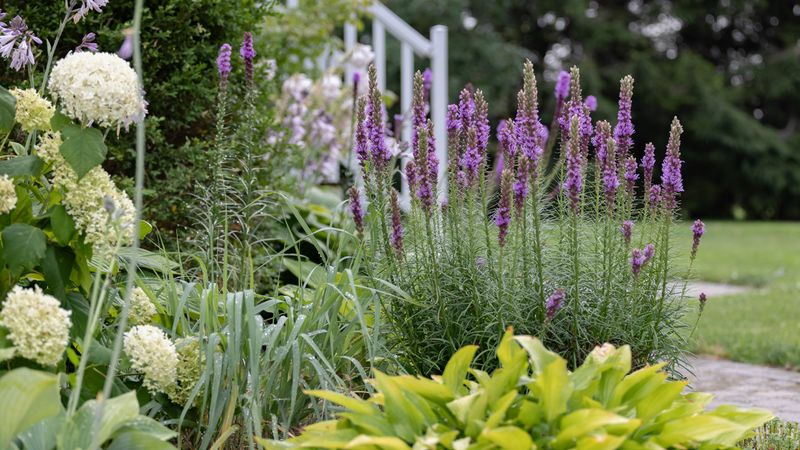
Ever seen a bird cling sideways to a bottlebrush? That is pretty much what a sparrow looks like on a winter gayfeather spike.
The purple flower wands of late summer dry into fuzzy brown columns covered in seeds.
Gayfeather, also called Liatris, grows from a deep taproot or corm, so it laughs off drought. Several kinds are native to Texas, and they do fine in rocky, poor soil where other flowers sulk.
Leaving the spikes standing feeds juncos and sparrows from December into February. The stems are slim, so they don’t look messy at all.
Many homeowners say these dried spikes add a nice vertical shape to an otherwise flat winter bed.
6. Switchgrass
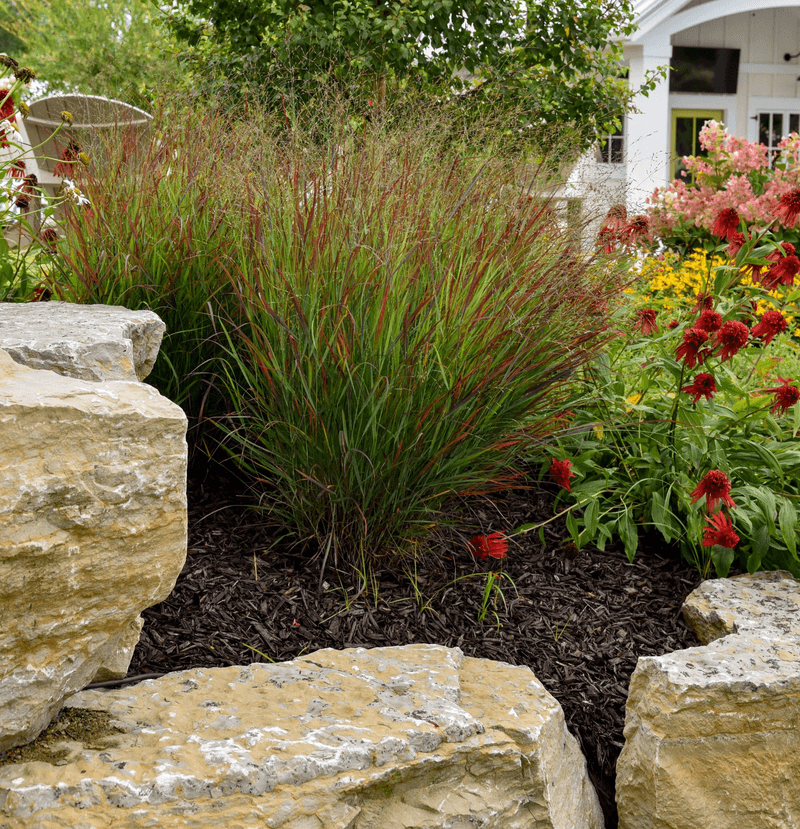
When a blue norther blows through, birds need two things fast: food and shelter. Switchgrass offers both in one tidy package.
Its airy seed sprays sit up high, while the thick base blocks icy wind.
Juncos, white-crowned sparrows, and even quail feed on the small seeds that rain down all winter. Ground-feeding birds especially like it, since much of the seed ends up scattered underneath.
You may spot them scratching around like tiny chickens.
Switchgrass grows three to six feet tall and handles both wet spots and clay. It makes a soft screen along a back fence.
Cut it back in late February, and save a few stems for birds to grab as nesting material once spring hits.
7. Frostweed
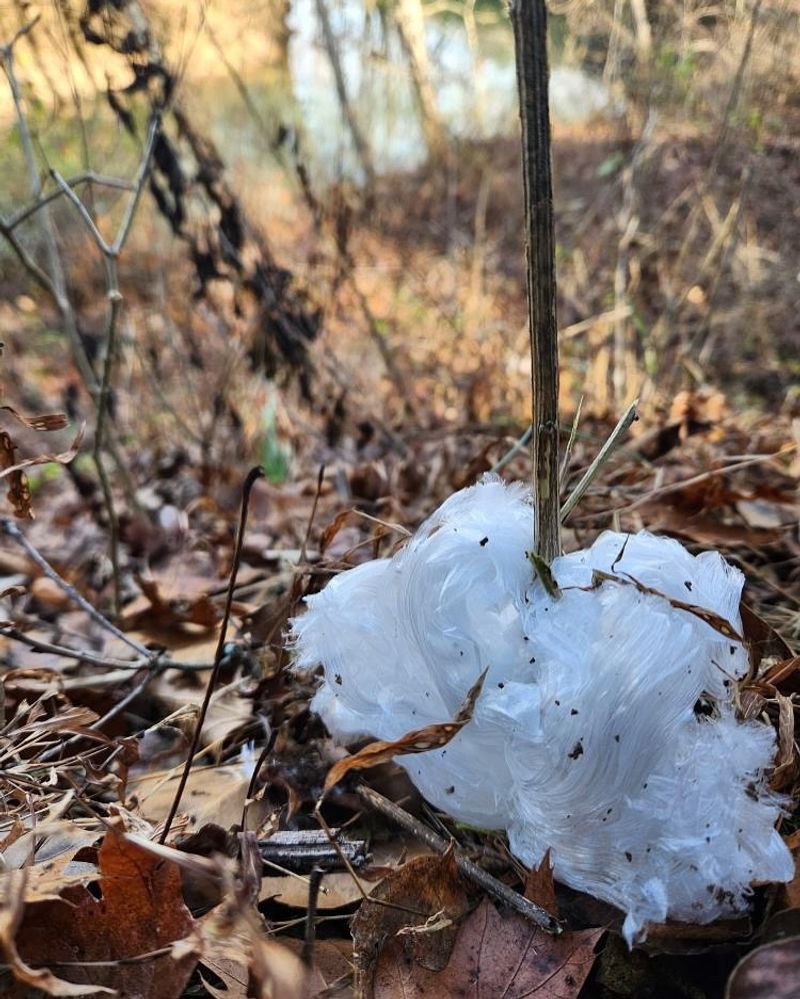
On the first hard freeze, frostweed does something almost magical. Sap pushes out of cracks in the stems and freezes into curly white ribbons of ice.
Texas gardeners who catch it at sunrise usually grab a camera.
The show is fun, but the real prize sits on top. Clusters of small seeds hang on through winter, feeding finches and sparrows in shady spots where sunflowers won’t grow.
In fall, the white blooms also feed migrating monarchs.
Frostweed thrives under oaks and along shady creek edges. It fills a gap most lists ignore: a seed plant for the shade.
Let the stalks stand until spring, then clear them out to make room for fresh growth.
Leave even three or four of these plants alone this winter, and your spring yard will likely sound a whole lot livelier.