
Texas lantana is a tough, sun-loving native shrub that blooms in bursts of orange and yellow across central and southern Texas yards. Its foliage carries a sharp, distinctive scent that has led some gardeners to wonder whether it can keep cockroaches from crossing the foundation.
That idea is worth examining carefully, because the answer changes how you should use this plant and what you should do instead to actually protect your home.
The Texas lantana behind the scent claim
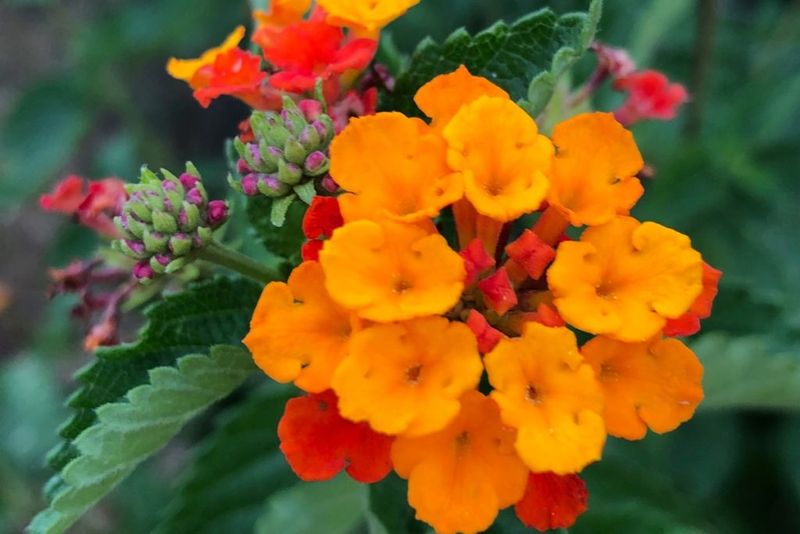
Gardeners across central and southern Texas know this shrub by its vivid flower clusters and the sharp, herbal scent that drifts off its leaves when brushed or crushed. The plant at the center of the cockroach-repellent conversation is Texas lantana, most commonly identified by botanists as Lantana urticoides.
Some Texas horticultural materials, including those from Texas Parks and Wildlife, list it under the name Lantana horrida, though one University of Texas biodiversity source notes that name has been misapplied in Texas literature. Whatever label appears on the tag at your local nursery, the key is confirming it is the Texas native species rather than a substitute.
Texas lantana is native to Texas and parts of the Southwest. Texas A&M AgriLife Extension lists it as a drought-tolerant shrub suited to full sun and well-drained soil, with a mature size that can reach roughly four to six feet under favorable conditions.
It thrives in the kind of rocky, alkaline, or sandy ground that defeats less resilient plants, and it blooms across a long season that stretches well into summer heat. Those characteristics make it a practical choice for low-water landscapes in warm Texas regions.
The flowers do more than look attractive. Texas Parks and Wildlife pollinator guidance recognizes Texas lantana as a plant that supports butterflies, bees, and other beneficial insects.
The Texas Wildlife Management publication includes it among native plants used in regional wildlife and wildscape plantings. This article focuses specifically on this shrub and what the available evidence actually shows about its scent and cockroaches, rather than making a broad claim about aromatic plants in general.
The distinction matters, as the following sections explain.
Why laboratory scent studies do not prove a living-plant barrier
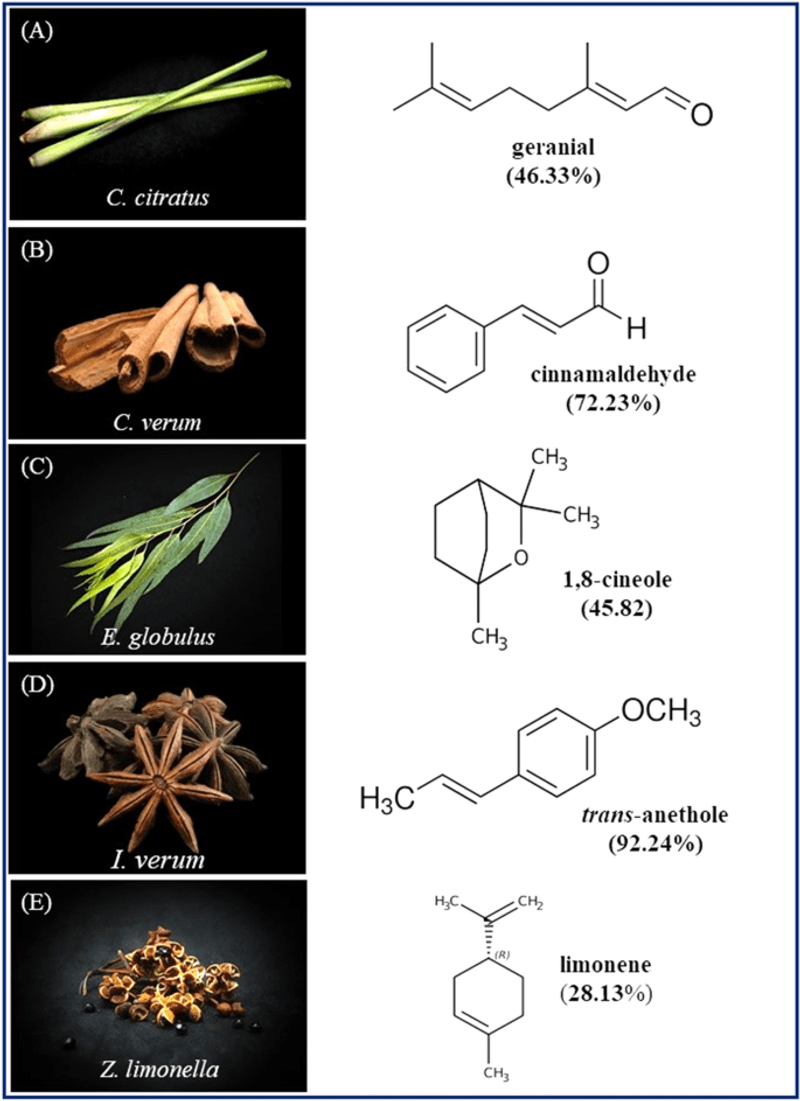
Several published studies show that plant-derived oils and compounds can affect cockroach behavior under controlled conditions. Catnip oil’s active compound nepetalactone repelled German cockroaches in a laboratory choice test.
A separate study found that oregano, rosemary, eucalyptus, mint, and yarrow oils affected brown-banded cockroaches under laboratory conditions. Other research has documented activity from various extracts and purified compounds against American cockroach species.
These findings are real, and they come from credible sources.
What they do not show is that a Texas lantana shrub planted beside your foundation will cause cockroaches to avoid your house. Every one of those studies tested isolated oils, purified compounds, treated surfaces, fumigation chambers, or liquid extracts applied at specific concentrations.
None of them placed a living landscape shrub next to a structure and measured whether cockroaches changed their entry behavior. That is a critical difference.
A multi-oil repellency study against cockroach species illustrates how precisely controlled laboratory conditions must be to produce measurable effects, conditions that simply do not exist in an outdoor foundation bed.
A review published in the Journal of Economic Entomology specifically identifies a major gap between laboratory essential-oil results and real-world household performance. Essential oils are volatile, meaning their concentration in air drops rapidly as they disperse.
Outdoor factors including wind, direct sunlight, rainfall, and temperature fluctuation all break down and dilute airborne compounds far faster than a sealed laboratory chamber allows. The size of a living shrub, the variable rate at which its leaves release scent, and the distance between the plant and a foundation gap add further uncertainty.
Crushing a leaf releases a detectable burst of scent. That is not the same as a continuous, concentration-sufficient airborne barrier radiating from the plant around the clock.
No supplied research establishes that Texas lantana, as a living shrub in a residential landscape, reliably causes cockroaches to avoid a house or a foundation. Treating it that way would mean skipping the measures that actually work.
Plant Texas lantana several feet from the foundation

Placing Texas lantana in your landscape is a reasonable choice for a sunny, low-water yard in southern or central Texas. Where you put it relative to your house wall matters more than most gardeners realize.
Building science guidance on pest-resistant foundation perimeters recommends keeping bushes and tree branches at least three feet from the structure and maintaining a dry, accessible inspection zone next to the wall. That gap allows you to spot pest activity, check for moisture problems, and make repairs without pushing through foliage.
Texas A&M AgriLife Extension suggests spacing Texas lantana plants about four feet apart, which gives each shrub room to spread without crowding. Starting that spacing several feet out from the wall rather than directly against it keeps the planting attractive while preserving the clear zone next to the foundation.
A gravel or bare-soil strip along the base of the wall is easier to inspect and dries out faster after rain than a mulched or planted bed pushed tight against the siding or brick.
Dense plantings, thick mulch, and leaf litter directly against a wall create exactly the kind of sheltered, moist microhabitat that outdoor cockroaches and other pests use for cover. UF/IFAS cockroach management guidance specifically identifies mulch, leaf litter, and plant debris near the foundation as harborage sources that attract outdoor roach species.
A University of Georgia Extension publication on foundation pest management reinforces that frequent irrigation against the wall adds the moisture component that makes those sites even more inviting.
Texas lantana is also drought tolerant once established, so it does not need the heavy watering that would create damp conditions near the house. Placing it in a sunny, well-drained spot several feet from the wall lets it perform as the low-maintenance native shrub it is, without turning the foundation bed into a pest refuge.
No specific spacing guarantees pest prevention, but keeping vegetation away from the structure removes one significant risk factor.
Build a dry inspection band and seal entry points
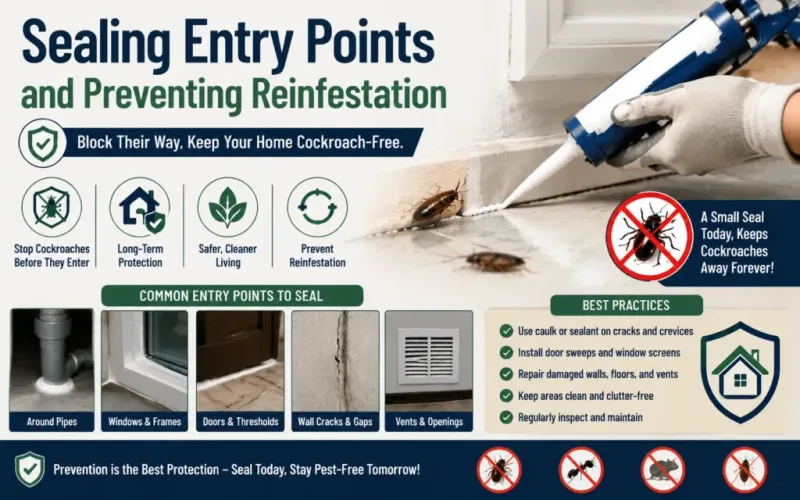
Cockroach management around a Texas home begins at the wall itself, not in the planting bed. Texas A&M cockroach biology and management guidance describes how adult cockroaches can squeeze through gaps as small as roughly 1/16 inch wide.
That means cracks in the foundation, gaps around plumbing and electrical penetrations, spaces under doors, and unsealed utility conduits all serve as entry routes that no landscape plant can block.
A practical foundation checklist starts with a slow walk around the structure at low light, when cockroach activity is easier to spot. Seal cracks in the foundation and siding with an appropriate caulk or foam.
Check where pipes, wires, and conduits enter the wall and fill any gaps with steel wool, caulk, or an appropriately rated filler. Repair dripping outdoor faucets, fix gutters that dump water near the wall, and redirect downspouts so they carry water away from the foundation rather than pooling against it.
Outdoor cockroach species use a wide range of harborage sites beyond the foundation bed. Texas A&M School IPM’s outdoor cockroach action plan lists mulch, leaf litter, potted plants, compost bins, wood piles, irrigation valve boxes, and tree holes as common refuges.
Reducing or relocating those harborage sources near the house lowers the population pressure at the foundation. Move firewood stacks away from the wall, clear leaf accumulation from corners, and lift potted plants off the ground periodically to check underneath.
Species identification matters before selecting a control method. Texas A&M Landscape IPM notes that some outdoor cockroach species occasionally wander inside without establishing a permanent indoor population, while others can become persistent indoor pests requiring different approaches.
Knowing which species you are dealing with helps you choose the right response. Illinois Department of Public Health cockroach guidance reinforces that correct identification is a first step in any effective management plan, because control strategies vary significantly by species and behavior.
Keep the native-plant benefits even without the roach promise
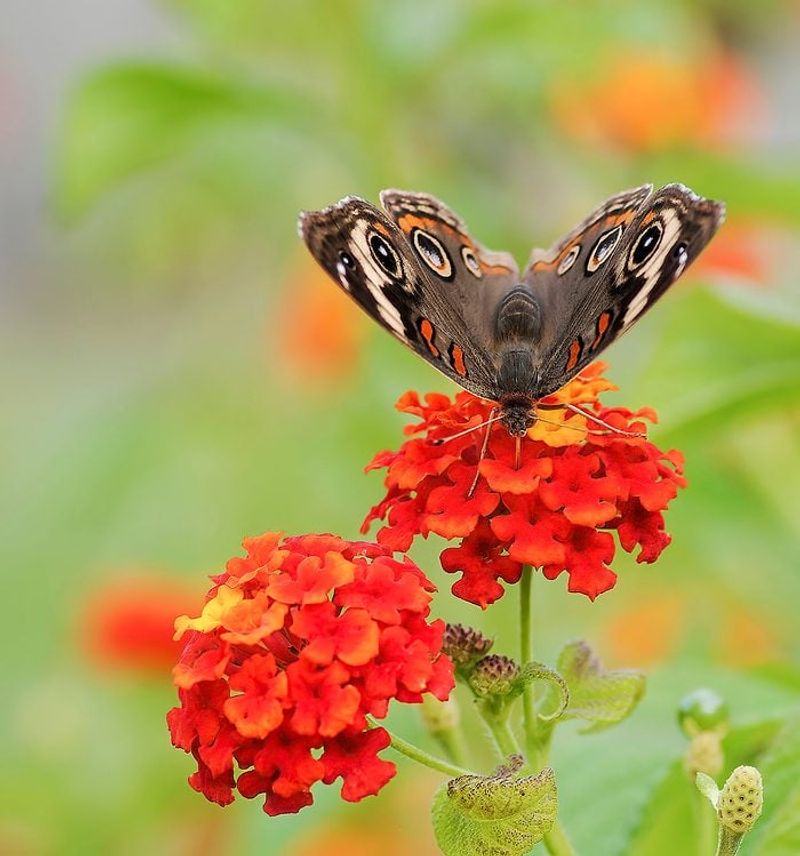
Removing the unsupported pest-barrier claim from Texas lantana does not remove the reasons to grow it. The shrub earns its place in a Texas yard through characteristics that hold up regardless of what it does or does not do to cockroaches.
Heat tolerance is one of the most practical: Texas lantana keeps flowering through stretches of triple-digit summer heat that cause many ornamental shrubs to drop their blooms or go dormant early.
Its value for pollinators is well documented. Texas Parks and Wildlife wildscape tips recommend it as a plant that draws butterflies and bees, and the USDA Natural Resources Conservation Service includes Texas lantana in pollinator planting guidance for the region.
Monarch butterflies, swallowtails, skippers, and native bees all visit the flowers regularly through the warm season. For a Texas homeowner trying to support local wildlife while managing a yard that bakes in summer, that combination of hardiness and habitat value is difficult to match.
The Texas Parks and Wildlife ecoregion planting guide for South Texas Brush Country lists Texas lantana among plants suited to regional wildscape gardens, and the Texas Waters Program bayou planting guide also recognizes its regional fit. Those endorsements reflect the plant’s long-season bloom, drought tolerance, and wildlife contributions, not any pest-management role.
Pollinator value and attractive flowering are legitimate reasons to include Texas lantana in a sunny, warm, well-drained Texas yard. They just do not extend to cockroach control.
Verify the species and assess household safety
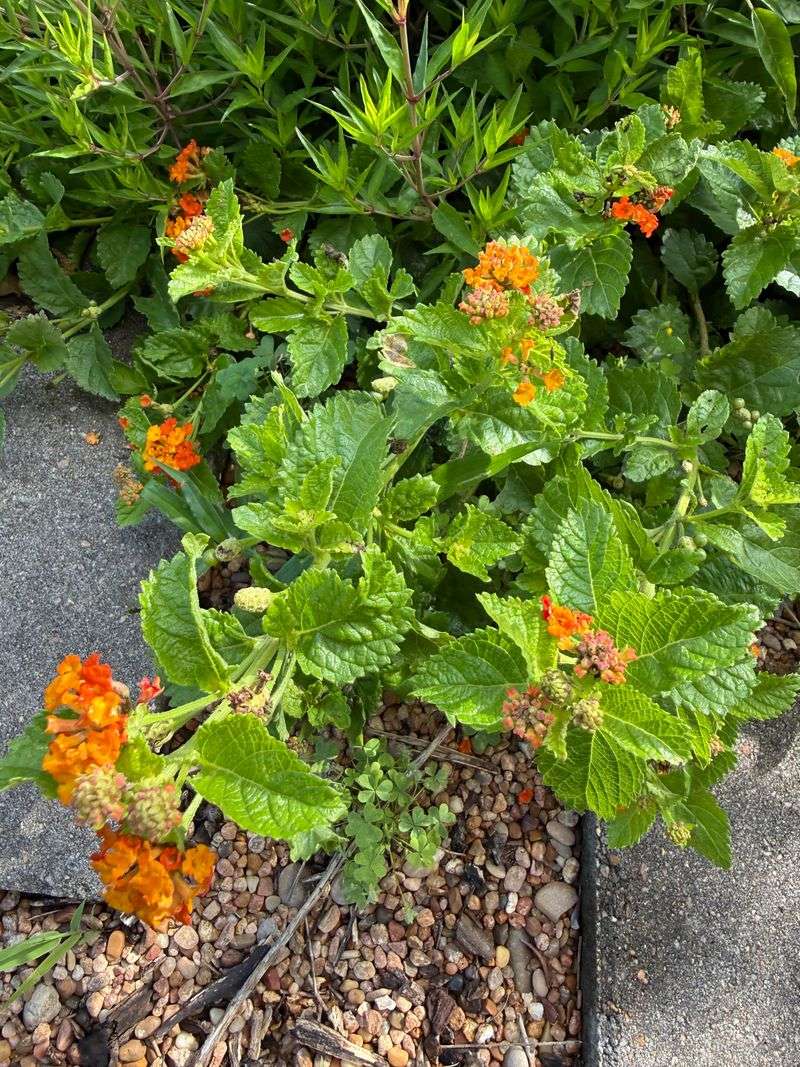
Not every plant sold as lantana at a Texas nursery is the native Texas species. Common lantana, Lantana camara, is a different plant entirely.
NC State Extension’s profile of Lantana camara identifies it as a nonnative species that is considered invasive or potentially invasive in parts of the South. A Texas Parks and Wildlife publication on the Amistad region distinguishes the Texas native from nonnative lantana species.
If you want the native Texas shrub, ask your nursery for the scientific name and confirm it is Lantana urticoides before purchasing.
Regional suitability also varies within Texas. Texas lantana is most appropriate for southern, central, and warmer parts of the state, where winters are mild enough for it to survive and soils tend toward the well-drained, alkaline conditions it prefers.
It is not automatically a good fit for every Texas region, soil type, drainage situation, or microclimate. Check with a local extension office or reputable regional nursery before planting if you are outside its typical range.
The scent is part of what makes this plant distinctive, but it can be an irritant for some people. The University of Texas Biodiversity Center’s Texas lantana feature notes that the strong odor may be unpleasant or irritating to some individuals, and that contact with the foliage can cause a mild skin reaction in certain people.
Wear gloves when pruning or handling the plant, and wash your hands afterward.
Toxicity to pets and livestock is a documented concern that should be taken seriously. The ASPCA Poison Control listing for lantana identifies it as toxic to dogs, cats, and horses.
A University of Georgia Extension bulletin on toxic plants in horse pastures also flags lantana as a livestock hazard. Separately, people, especially children, should not eat the berries or any part of the plant.
The dark berries can look appealing to young children, so place the shrub where access can be supervised and teach children that the berries are not food.
Use integrated pest management for established cockroaches
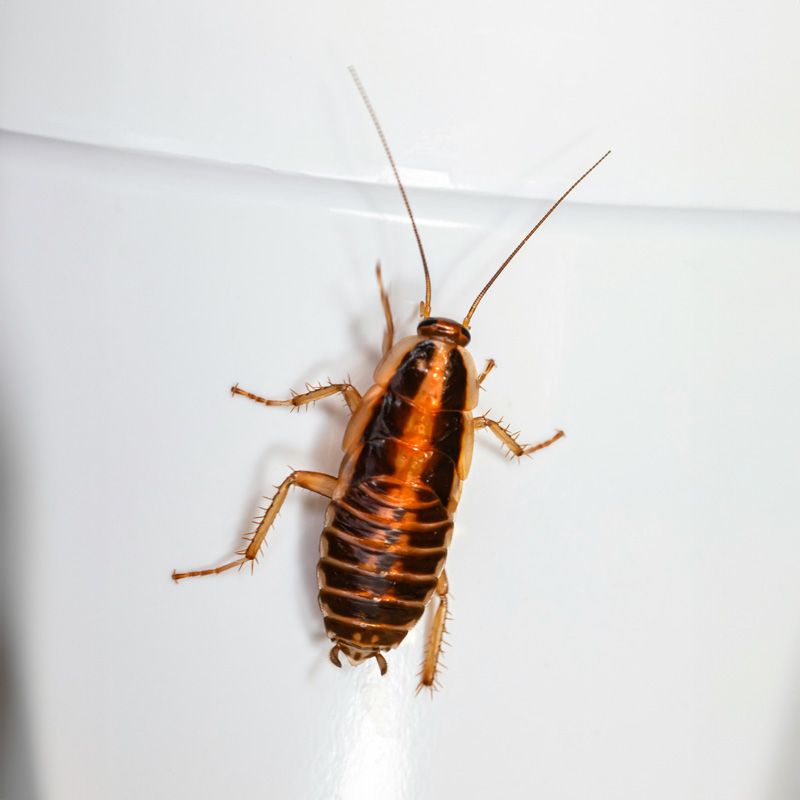
Texas lantana belongs in your landscape plan, not your pest-control plan. For cockroaches that are already active around or inside your home, the reliable path runs through identification, exclusion, moisture and harborage reduction, monitoring, and appropriately labeled treatments when the situation calls for them.
Texas A&M cockroach management guidance and UF/IFAS cockroach control recommendations both point to sticky monitoring traps as a useful first step: they help you confirm which species you have and where activity is concentrated before you choose a treatment.
When a labeled treatment is needed, follow the product label precisely. EPA pesticide labeling guidance makes clear that the label is a legal document and the directions on it are not optional.
Do not substitute homemade essential-oil mixtures for registered products. Essential oils can irritate skin and airways, harm pets and beneficial insects, damage plants, and perform unpredictably in real conditions.
They are not registered pesticides and should not be treated as equivalent to products that have been evaluated for safety and efficacy.
Avoid aerosol foggers and bug bombs entirely. University of Minnesota Extension’s cockroach guidance specifically discourages their use because they do not penetrate harborage sites where cockroaches hide and can create safety hazards.
Persistent indoor cockroach activity that does not respond to basic exclusion and sanitation is a sign that professional pest-control help is warranted. A licensed applicator can identify the species, locate harborage, and apply targeted treatments in ways that a general-purpose consumer product cannot match.
Building science guidance on foundation pest management reinforces that a dry, sealed, accessible perimeter is the structural foundation of any lasting control effort. Texas lantana is a fine native shrub with real landscaping value.
It is not a cockroach barrier, and treating it as one leaves the actual entry points open.