
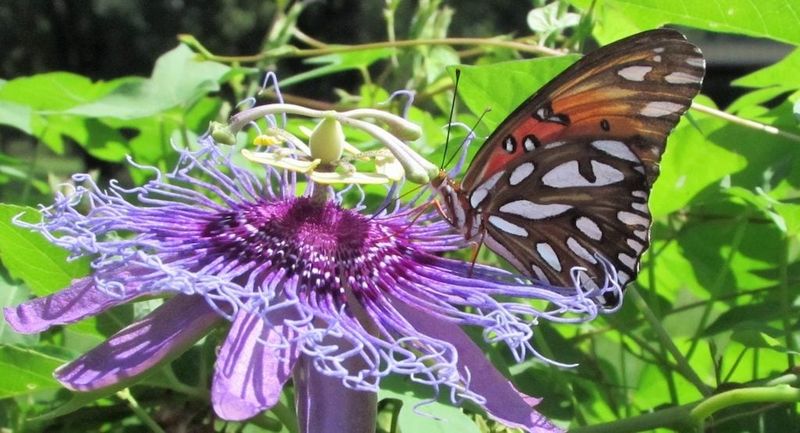
A single vine can turn a plain fence into a butterfly nursery, and in Central Texas, one native plant is especially good at that job. Purple passionflower, also called maypop, is a fast-climbing perennial that can support Gulf fritillary caterpillars through the warm season while shrugging off summer heat once it settles in.
Getting the most from it means knowing exactly which plant to buy, how to site it, and what to expect when the caterpillars arrive.
Meet the maypop behind the butterfly potential
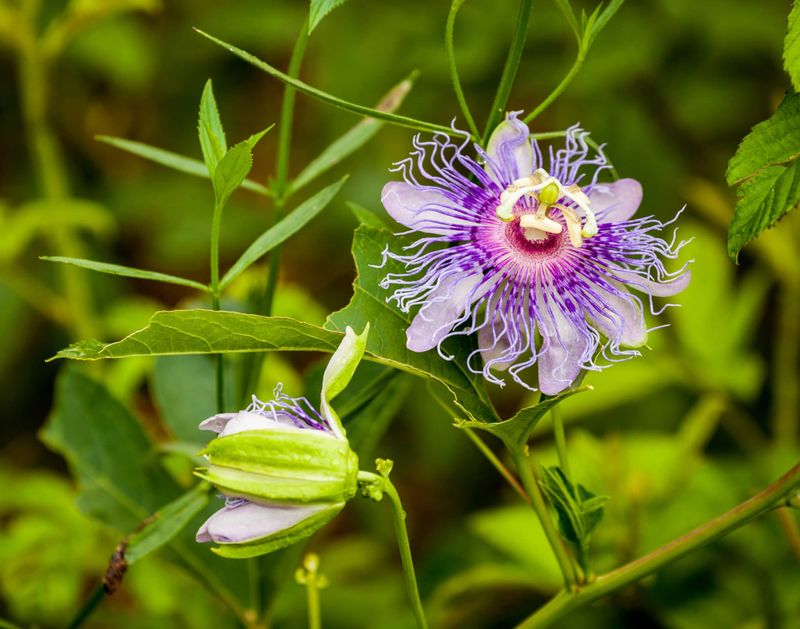
Purple passionflower goes by several names – Passiflora incarnata, purple passion vine, and maypop are the most common – but the botanical name is the one that matters most at the nursery. The Native Plant Society of Texas documents its natural range across the Gulf Coast Prairies and Marshes, the Blackland Prairies, the Western Gulf Coastal Plain, and several Central Texas ecoregions, making it a genuinely regional choice rather than a transplant from somewhere else.
The vine climbs by tendrils, meaning it grabs wire, wood, chain-link, and trellis material on its own without much coaching. Growth during the warm season can be rapid, and a healthy plant can fill a significant stretch of fence by midsummer.
That speed is one of its most appealing traits for gardeners who want coverage quickly.
“Native passionflower” is a phrase that covers more ground than most people realize. Several Passiflora species grow wild in Texas, and nurseries also carry hybrid cultivars and nonnative species that may differ considerably in cold hardiness, wildlife value, and growth habit.
A hybrid may look nearly identical to maypop on the shelf but behave very differently once planted.
Before buying, read the plant tag carefully and confirm the full botanical name: Passiflora incarnata. If a tag says only “passion vine” or “passionflower” without a species name, ask the staff or skip that plant.
The distinction is not pedantic – it directly affects whether the vine will perform as a larval host for Gulf fritillary caterpillars and whether it will return reliably after a Central Texas freeze.
Think of maypop as a vine with genuine regional credentials and documented wildlife value, not a guaranteed outcome. Planted in the right spot with reasonable care, it can provide warm-season fence cover and potential breeding habitat for Gulf fritillaries – a strong promise, though not an unconditional one.
The vine can feed caterpillars, not just attract butterflies
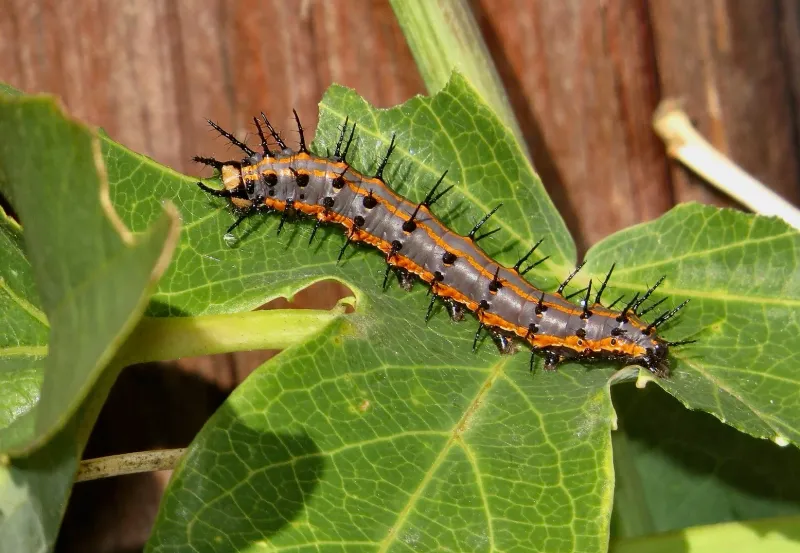
Gulf fritillaries are striking butterflies – vivid orange wings edged in black, with silver spots on the undersides – and their caterpillars are equally bold: bright orange with black spines. What ties them to passionflower is not a casual preference but a biological dependency.
Butterflies and Moths of North America lists Passiflora incarnata and other passion vine species as documented larval host plants for Gulf fritillaries, meaning females seek out these plants specifically to lay eggs.
A host plant and a nectar plant do very different jobs. Maypop handles the egg-to-caterpillar stage: females lay eggs on the foliage, the eggs hatch into caterpillars, and the caterpillars eat the leaves to fuel their growth toward pupation.
Adult Gulf fritillaries, by contrast, feed on flower nectar from entirely different plants – lantana, zinnias, and other warm-season bloomers are reliable favorites in Central Texas.
Planting maypop without any nearby nectar sources is a bit like setting up a nursery with no kitchen. The vine gives caterpillars what they need, but adult butterflies still have to find food somewhere.
A garden that pairs maypop with flowering nectar plants is far more likely to attract and retain Gulf fritillaries across the warm season than one with maypop alone.
Butterfly presence, egg-laying activity, and caterpillar numbers will vary from year to year and yard to yard. A vine that hosted dozens of caterpillars one summer may see far fewer the next, depending on local butterfly populations, weather patterns, and whether females happen to find and select your plant.
One vine on one fence will not guarantee a sustained butterfly population. What it can do is make your property a viable option when Gulf fritillaries are actively moving through Central Texas during the warm months.
Give the fence a strong, sunny place to climb
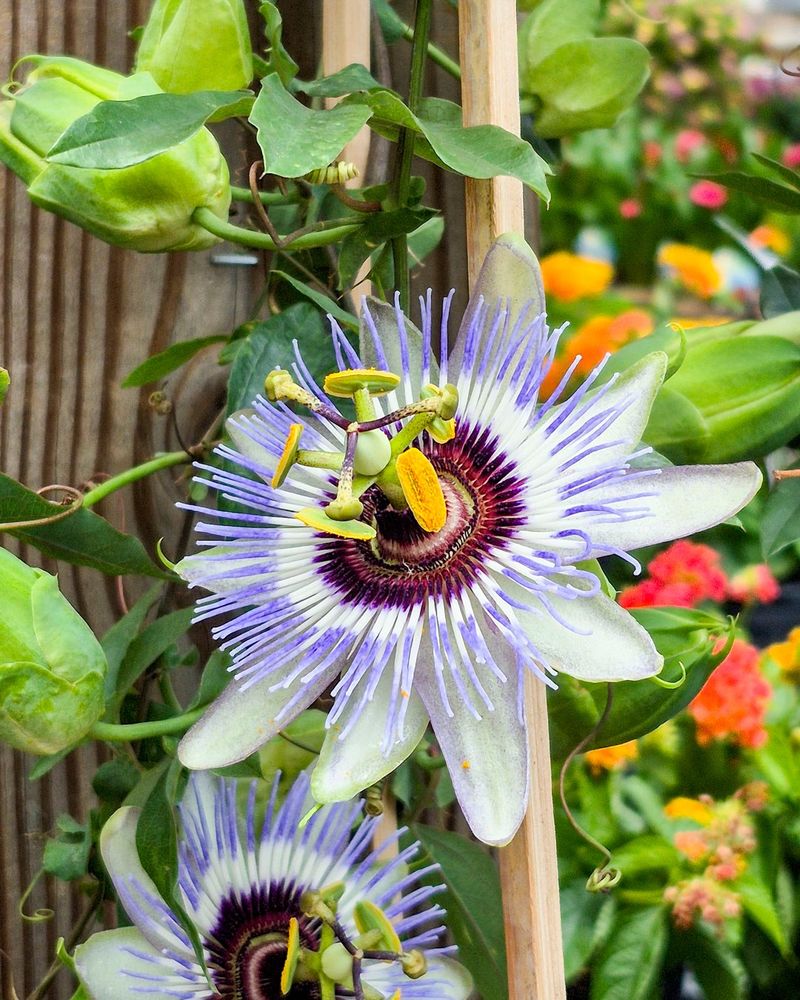
Site selection matters more than most gardeners expect with maypop. Full sun is the preferred condition – at least six hours of direct light per day – though the vine can tolerate part shade.
Reduced sun generally means slower growth, fewer flowers, and potentially less foliage for caterpillars to feed on. In a yard with limited options, part shade is workable, but full sun is where this vine performs best.
Soil drainage is non-negotiable. The City of Austin’s plant guide and the USDA NRCS fact sheet for purple passionflower both indicate that maypop can handle clay and sandy soils, but standing water and consistently soggy ground invite root rot.
If your fence line runs through a low spot that holds water after rain, that section is the wrong place for this vine.
The support structure itself deserves attention. Maypop can spread roughly 6 to 15 feet or more in landscape conditions; some Texas native-plant sources put mature vine length at 10 to 25 feet.
A flimsy trellis or a fence panel that wobbles in wind will not hold up well once the plant puts on real weight. Chain-link, well-secured wooden fencing, and sturdy metal or wood trellises are all reasonable choices.
Lateral spread through root suckers is another planning consideration. The vine does not stay neatly contained to the spot where you plant it – underground runners can send up new shoots several feet away over time.
Leave room on both sides of the planting location, and plan to pull or cut suckers that wander into beds, lawn, or areas where you do not want the plant.
NC State Extension assigns maypop a high flammability rating and advises against planting it within a home’s defensible space. For Central Texas properties near wildfire-prone grasslands or cedar brush, keep the vine away from the immediate perimeter of the structure and any combustible materials stored near the fence.
Heat tolerance still depends on establishment care
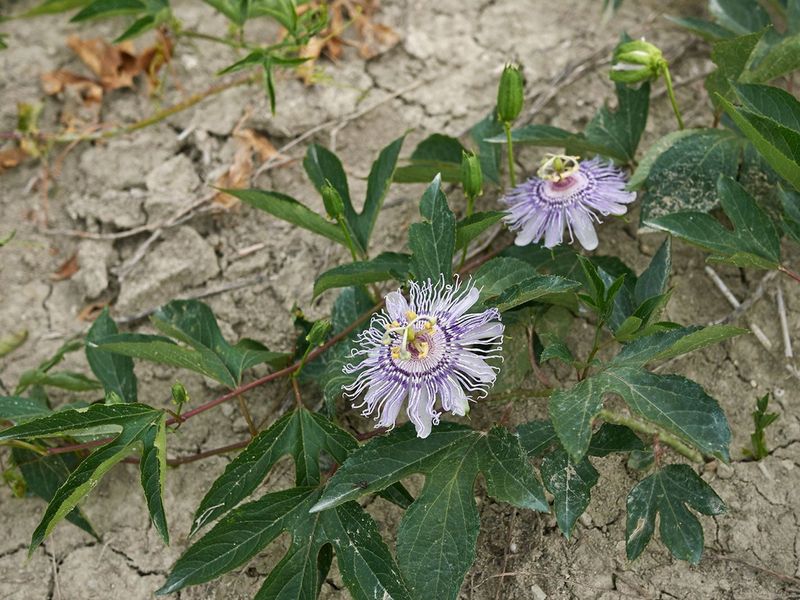
Maypop’s reputation as a tough, heat-tolerant vine is well-earned – once the plant is established. Getting to that point requires consistent attention during the first growing season, and skipping that step is one of the most common reasons new vines fail in Central Texas yards.
Water new plants deeply and regularly from planting through the first full warm season. “Deeply” means soaking the root zone rather than wetting just the surface; shallow watering encourages shallow roots that dry out fast. NC State Extension recommends mulching around the base to moderate soil temperature and reduce moisture loss, which is especially useful along south- or west-facing fences that absorb intense afternoon heat.
A 2- to 3-inch layer of organic mulch kept a few inches away from the vine’s stem will help the root zone hold moisture between waterings and stay cooler than bare soil. In Central Texas, where July and August temperatures regularly exceed 100 degrees, that temperature buffer can make a measurable difference for a plant that is still building its root system.
Established maypop is drought tolerant, but “drought tolerant” has limits. Austin’s official plant guide rates the vine’s water needs as low to medium, while the USDA NRCS fact sheet notes tolerance for occasional dry conditions.
Neither source supports treating the plant as water-free. During a prolonged drought or an extended stretch of triple-digit heat, even established vines can show stress – wilting, leaf drop, or reduced flowering – and a deep supplemental watering may be the right call.
Local watering restrictions, soil depth, and drainage all shape how the vine performs at a specific address. A vine planted in deep Blackland clay over a well-shaded fence will behave differently than one planted in shallow caliche near a south-facing brick wall.
Match your watering routine to the actual conditions at your site rather than to a general rule.
Plan for a summer screen and a winter reset
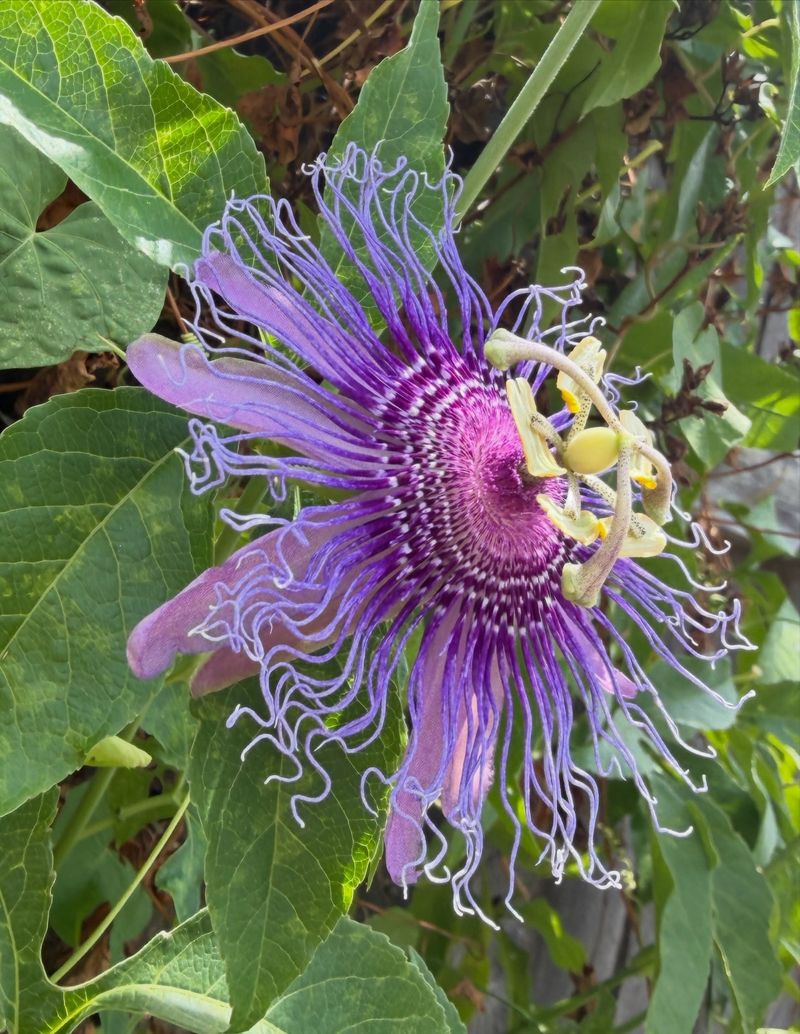
One of the most useful things to understand about maypop before planting it is that the fence coverage it provides is seasonal, not permanent. During the warm growing season, the vine can fill a fence section quickly and produce lush foliage along with its distinctive purple blooms.
After a hard freeze, particularly in the colder parts of Central Texas, the above-ground growth may die back completely to the perennial root system.
Warmer sites – lower elevations, south-facing fences, or yards in the southern portions of the region – may retain more vine structure through mild winters. But gardeners in areas with regular hard freezes should expect to see bare fence posts by late fall and a slow return of green growth from the roots in spring.
That pattern is normal and not a sign that the plant is dead or failing.
Routine management through the growing season keeps the vine productive and contained. Guide new growth onto the fence or trellis as it extends; left unguided, tendrils will grab whatever is nearby, including neighboring shrubs or other fence panels.
Austin’s plant guide recommends pruning to direct growth and removing unwanted root suckers as they appear. Texas A&M AgriLife Extension’s pruning guidance recommends timing major cutbacks during the dormant season for most vines, which in Central Texas generally falls between late winter and early spring before new growth begins.
NC State Extension describes maypop’s spread as vigorous, with root suckers capable of emerging several feet from the original planting. Pulling or cutting those suckers as they appear is ordinary seasonal maintenance, not a crisis response.
The vine is not classified as an invasive species in Central Texas, but it does require a gardener who is willing to stay on top of its lateral ambitions.
Let the caterpillars do their part
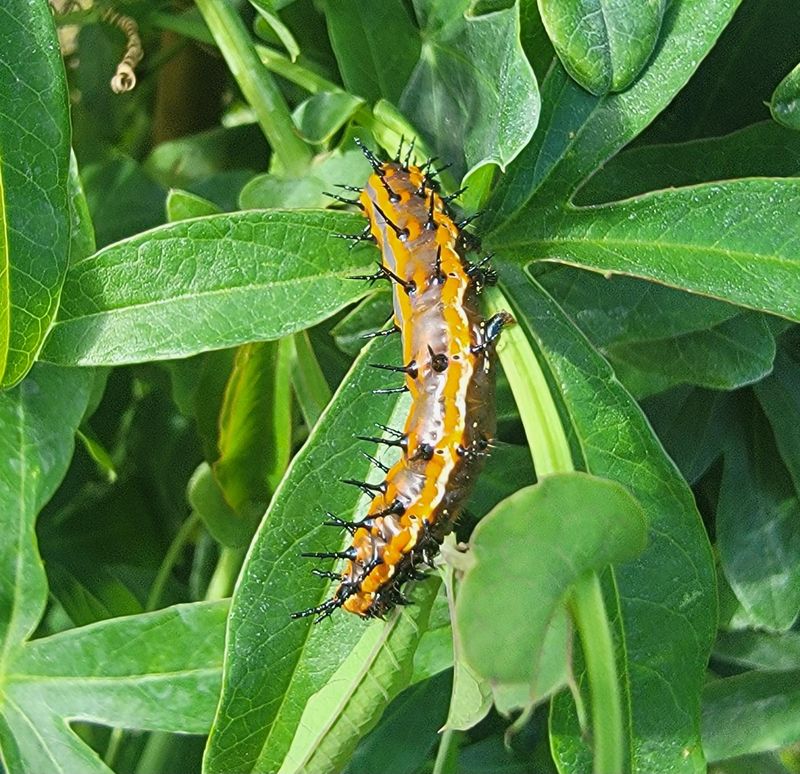
Chewed leaves on a maypop vine are not a problem to solve – they are evidence that the plant is doing exactly what you planted it to do. When Gulf fritillary caterpillars hatch and begin feeding, they can strip sections of foliage quickly, sometimes leaving a section of fence looking bare within a few days.
For gardeners who are not expecting it, that level of damage can look alarming.
University of Minnesota Extension guidance on caterpillars and ornamental plants notes that healthy plants generally tolerate caterpillar feeding without lasting harm, and that most feeding damage is cosmetic rather than fatal to the plant. Maypop is a vigorous grower; a healthy, established vine will typically push out new foliage after caterpillars have moved on to pupation.
The default response to caterpillar feeding on a host plant should be to leave it alone. Intervening with an insecticide – even one marketed as organic or natural – puts the caterpillars at serious risk.
Products containing Bt (Bacillus thuringiensis), neem oil, spinosad, and similar active ingredients can kill butterfly caterpillars and other non-target insects. “Organic” does not mean harmless to the wildlife you are trying to support.
If a genuine pest problem appears on the vine – something other than the expected Gulf fritillary caterpillars – and treatment becomes unavoidable, EPA guidance on pollinator protection and EPA tips for reducing pesticide impacts on wildlife both emphasize reading and following the product label, treating only the affected area, avoiding open blooms where pollinators forage, and applying when bees and butterflies are least active – typically early morning or evening. Those are the minimum precautions, not optional suggestions.
A vine that hosts caterpillars is functioning as intended. Resist the impulse to clean it up before the caterpillars have finished their life cycle.
Build the rest of the butterfly habitat around the vine
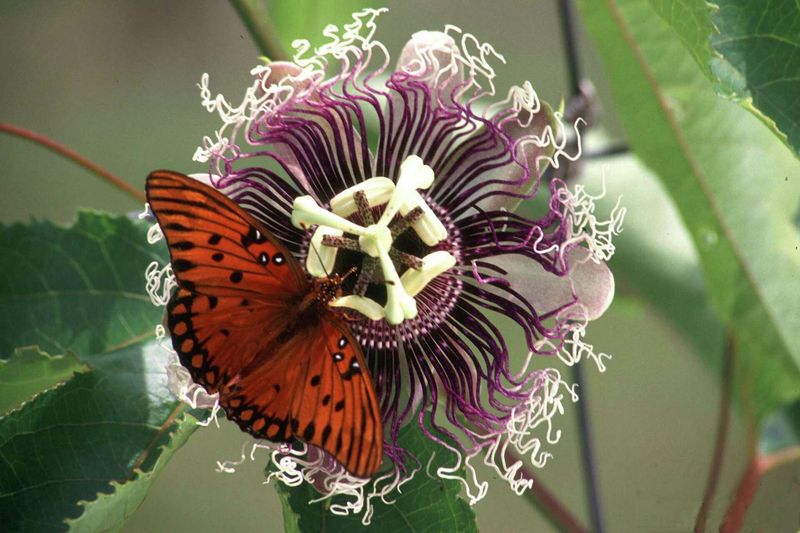
Maypop handles one critical piece of the Gulf fritillary life cycle, but adult butterflies need more than a caterpillar nursery. They need nectar.
Pairing the vine with warm-season flowering plants – lantana, zinnias, and other composites that bloom reliably through Central Texas summers – gives adult Gulf fritillaries a reason to stay in the yard rather than pass through. Butterflies and Moths of North America documents the nectar-feeding habits of adult Gulf fritillaries alongside their host-plant requirements, making it clear that both elements are necessary for a functioning habitat.
The Xerces Society’s butterfly conservation resources reinforce that complete habitat includes host plants, nectar sources, shelter, and low-disturbance conditions – not just one element in isolation. Butterfly presence will still vary from season to season regardless of how well the habitat is assembled.
Texas A&M AgriLife Extension’s Earth-Kind planting guidance reminds gardeners that native plants still require appropriate placement and management; regional origin alone does not guarantee easy, low-input performance at every site. Central Texas yards vary widely in soil depth, drainage, freeze exposure, sun angles, and municipal water restrictions – all of which affect how maypop and its companion plants perform.
NC State Extension’s full profile of Passiflora incarnata summarizes the vine’s strengths and its maintenance demands in one place, and it is worth reading before committing to a planting. Choose maypop when you can provide sturdy support, consistent establishment watering, room for root suckers to emerge and be managed, and honest tolerance for chewed leaves and a bare fence in winter.
Meet those conditions and the vine becomes one of the most productive wildlife investments a Central Texas fence can support.