
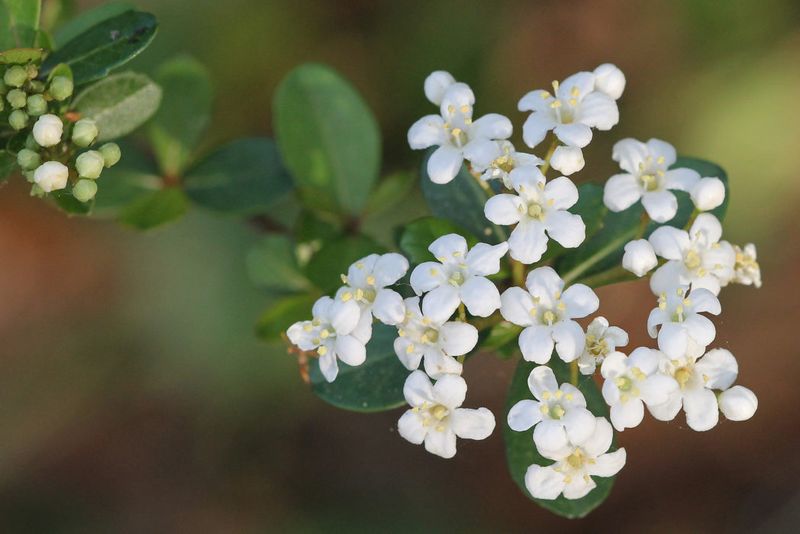
A messy corner can make the whole yard feel harder than it is. In Florida, that spot may be sandy, wet after storms, dry a week later, and full of weeds by the weekend.
Native shrubs can turn it into a cleaner, calmer planting area that works with the weather instead of fighting it. Here are seven choices that bring structure, wildlife value, and less day-to-day fuss.
1. Simpson’s Stopper
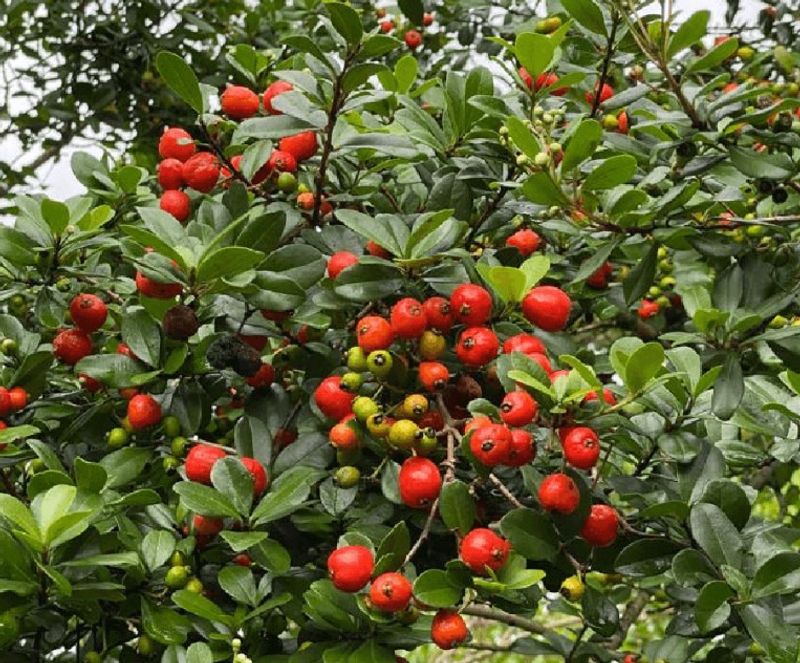
A neglected corner near a fence can look instantly more intentional when Simpson’s stopper moves in. Its small, glossy leaves create a tidy look without the stiff, clipped feeling of a formal hedge.
Florida gardeners like this shrub because it handles many real-yard conditions, including sun, part shade, sandy soil, and salty air in some coastal areas. Once established, it is often easier to live with than thirsty ornamentals that need constant rescuing during dry spells.
The white flowers are small but charming, and the red berries can draw birds, which gives that forgotten spot a little life. It is a smart pick when you want screening, corner structure, or a soft green backdrop for a mailbox bed, side yard, or patio edge.
Give it room to grow instead of planting it too close to a wall. Light pruning can keep it shaped, but the big win is that it already has a naturally polished habit, which helps an overgrown area look managed without weekly trimming.
2. Firebush
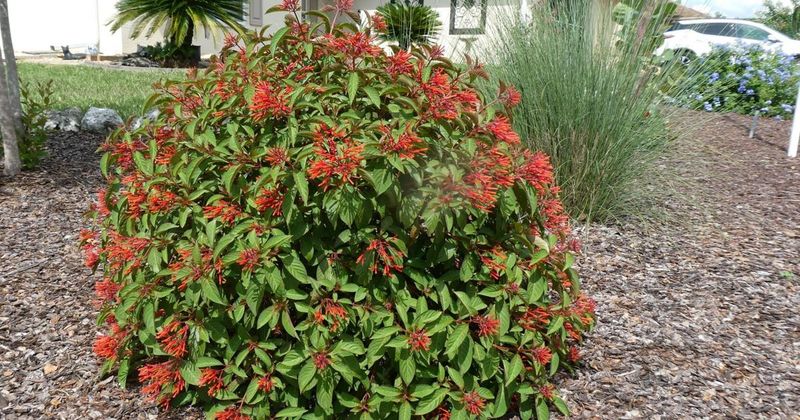
Few shrubs announce, “the wild corner is now a feature,” as quickly as firebush. The orange-red tubular flowers bring color that feels at home in Florida heat, and they are especially useful where a dull patch needs energy fast.
Firebush stands apart from the others on this list because it is a wildlife magnet with a loose, lively shape. Hummingbirds, butterflies, and other pollinators often visit the blooms, so the corner stops feeling like dead space and starts acting like a small habitat pocket.
Use it where you have full sun to light shade and enough space for a relaxed, rounded shrub. In warmer parts of Florida it can grow large, while in colder inland spots it may die back after a freeze and return from the roots.
That fast, leafy growth is helpful if you are trying to cover a bare fence line or soften a utility area. Prune lightly for shape, but avoid turning it into a tight box, because its best look is a little free-spirited and full of flowers.
3. Beautyberry
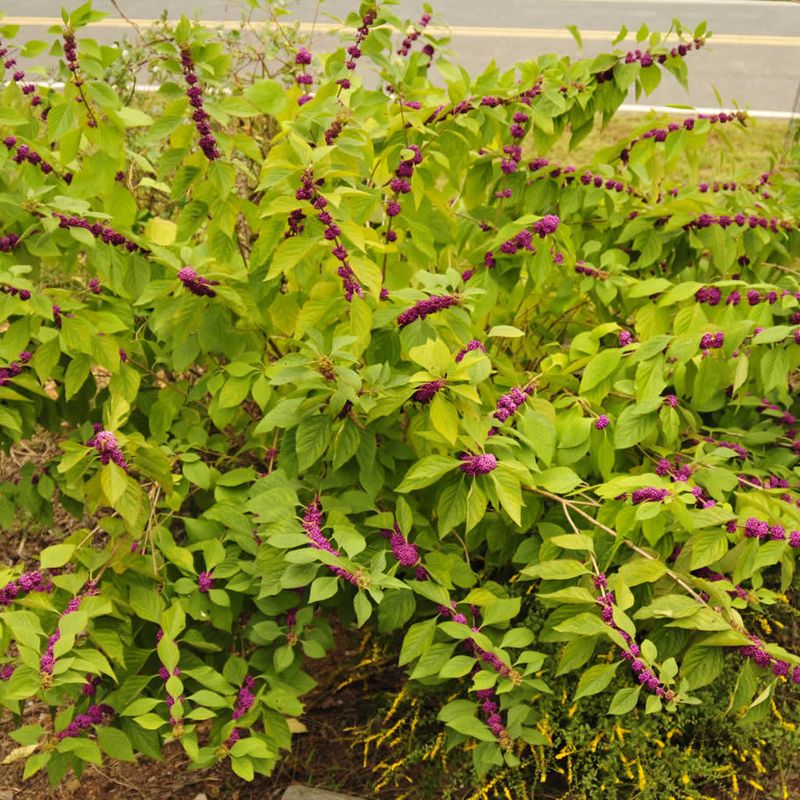
Those purple berry clusters look almost fake the first time you notice them, which is exactly why beautyberry earns its spot. In a shady or partly shady corner that feels plain most of the year, it adds a surprise season that neighbors actually notice.
Beautyberry is not the shrub for a stiff, formal entrance bed. Its charm comes from arching stems, soft green leaves, and berries that hug the branches in bright rings during the season.
For Florida yards, it works well along woodland edges, side fences, and back corners where a natural look makes sense. Birds may feed on the berries, and the shrub can fit nicely into a wildlife-friendly planting without asking for rich soil or pampered care.
Cutting older stems back in late winter can encourage fresh growth and keep the plant from looking too tangled. Pair it with lower native groundcovers or mulch beneath it, so the base stays clean and the graceful branches can do their work without competing with weeds.
4. Coontie
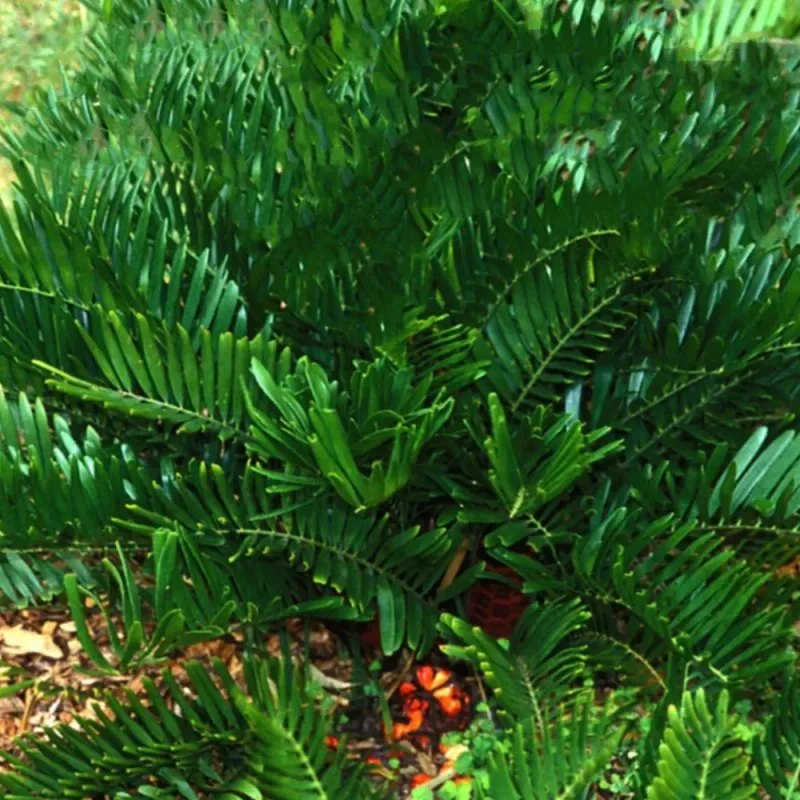
A corner does not always need height to look fixed. Coontie brings low, sculptural texture that can make a messy edge feel designed, especially near walkways, porch steps, pool cages, or foundation beds.
This Florida native is technically a cycad, and its stiff, fern-like leaves give it a look that is both tropical and tidy. Unlike many leafy shrubs, it stays fairly compact, so it is helpful where you need order without blocking a window or crowding a path.
Coontie also has a special wildlife connection as a host plant for the atala butterfly. That makes it a strong choice for gardeners who want native planting to do more than fill space.
Plant it in well-drained soil and avoid overwatering once it is established. It can handle sun or part shade, though the overall look may vary depending on light.
Because coontie grows slowly, it is not the quickest cover-up for a large ugly zone. Its real value is long-term neatness, dependable texture, and a calm green base that helps nearby flowering shrubs look less chaotic.
5. Walter’s Viburnum
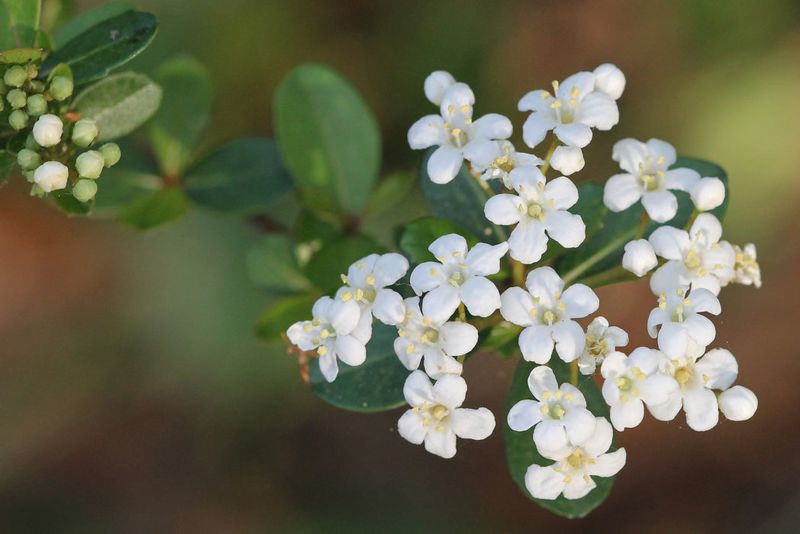
When the problem corner needs a backbone, Walter’s viburnum is the steady one in the group. It can become a dense shrub or small tree, which makes it useful for hiding a fence, softening a shed, or shaping the back of a mixed border.
Spring brings clusters of tiny white flowers that can support pollinators, while the fine-textured leaves keep the plant looking clean through much of the year. Some selections stay more compact, so check the tag or nursery information before choosing one for a tight space.
This shrub is especially helpful in Florida yards where imported hedge plants have become high-maintenance or too thirsty. Walter’s viburnum can handle pruning, but it also works beautifully when allowed to keep a more natural outline.
For an overgrown corner, start by clearing vines and aggressive weeds before planting, then mulch wide to reduce competition. Give the shrub enough room for air movement, especially in humid areas, and water regularly during establishment.
Its main advantage is structure. While flashier shrubs carry the color, Walter’s viburnum supplies the shape that makes the whole corner look planned.
6. Dwarf Yaupon Holly
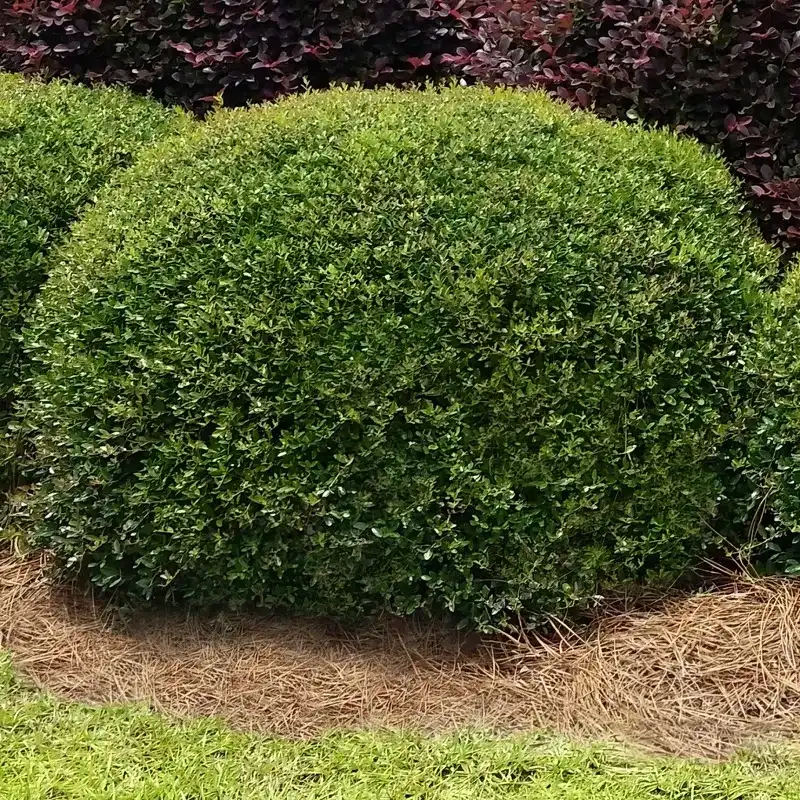
Not every wild corner needs a big native shrub waving in the breeze. Dwarf yaupon holly is the tidy, well-behaved choice for gardeners who want a low mound that looks good near driveways, sidewalks, and front beds.
Its small evergreen leaves create a fine texture that reads as neat from the curb. That makes it different from looser shrubs like beautyberry or firebush, which are better when you want movement and a more natural feel.
Dwarf forms are useful for edging a corner, anchoring a mailbox planting, or replacing a tired row of non-native boxy shrubs. In many Florida landscapes, yaupon holly tolerates heat, sandy soil, and regular pruning once established.
Choose female plants if berries matter to you, though named dwarf selections are often grown mainly for shape. Birds may use yaupon hollies for cover, and the evergreen foliage keeps the bed from looking empty between bloom cycles.
For easiest upkeep, avoid shearing it into hard little cubes every few weeks. A light touch preserves the natural rounded form and keeps that once-ragged corner looking settled instead of overworked.
7. Saw Palmetto
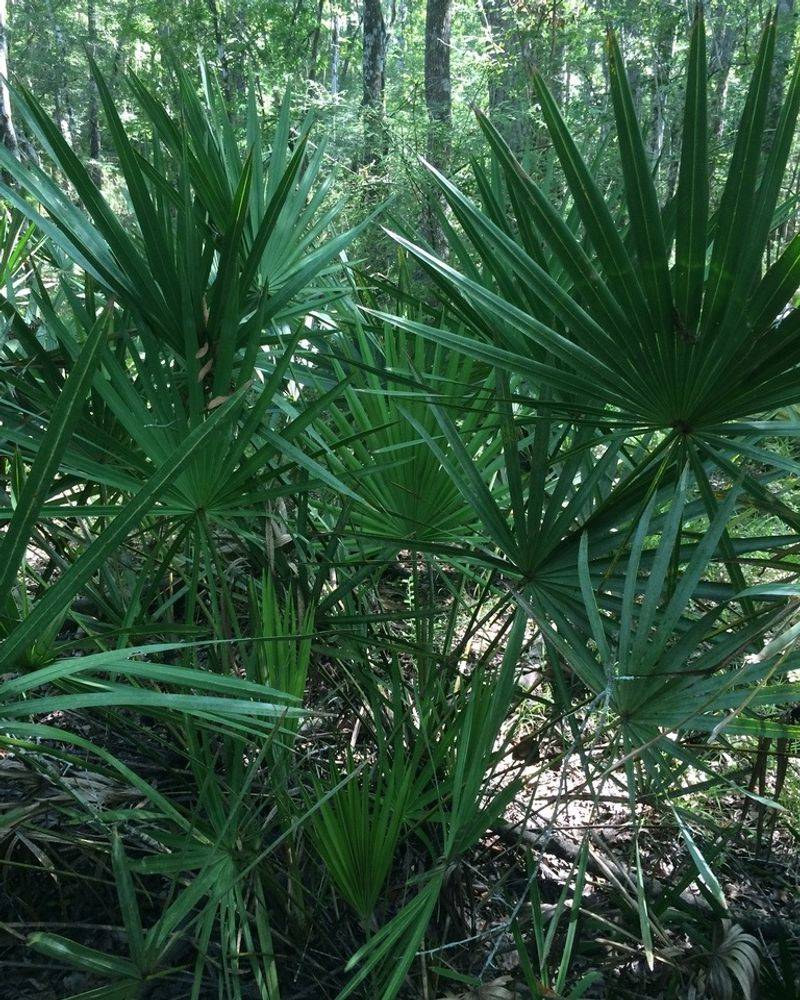
For the hot, sandy corner where delicate plants go to fail, saw palmetto brings a tougher personality. Its fan-shaped fronds look unmistakably Florida, and it can turn a scruffy dry patch into a bold, low-water planting.
Saw palmetto is different from the other shrubs here because it gives strong architectural form without needing flowers to carry the show. Green and silver forms both exist, with silver types offering a striking color contrast in sunny beds.
Use it where there is room, because mature plants can spread wider than many homeowners expect. It is a strong fit for naturalistic corners, coastal-style yards, large side beds, and areas where storm-tough, drought-tolerant structure is more useful than a delicate bloom display.
The plant also provides wildlife value, with flowers and fruits used by various animals. Its sharp leaf stems mean it should not be squeezed against narrow walkways, children’s play areas, or places where pets brush past daily.
If your corner is big, bright, and hard to water, saw palmetto can be the plant that finally makes the space feel intentional. Mulch around it, give it breathing room, and let its rugged Florida character do the heavy lifting.