
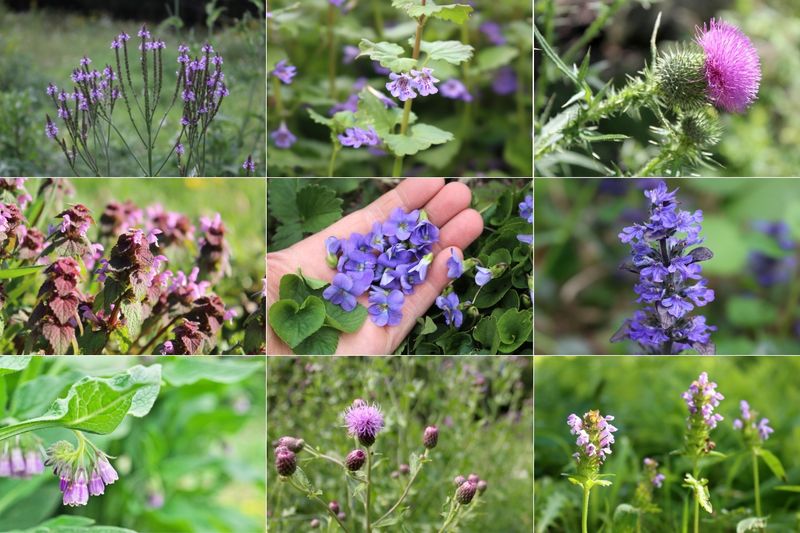
Every spring, tiny purple flowers pop up across Texas lawns, and the instinct for most homeowners is to pull them out before the neighbors notice. Before you grab the gloves, though, it is worth knowing that not every purple-blooming plant is the same thing, and some of them are actually Texas natives that pollinators can use. The keep-or-pull decision depends entirely on which plant you are actually looking at, and getting that wrong can mean losing a wildflower worth saving or letting a prolific seeder take over your yard.
Do not pull a purple lawn plant by color alone
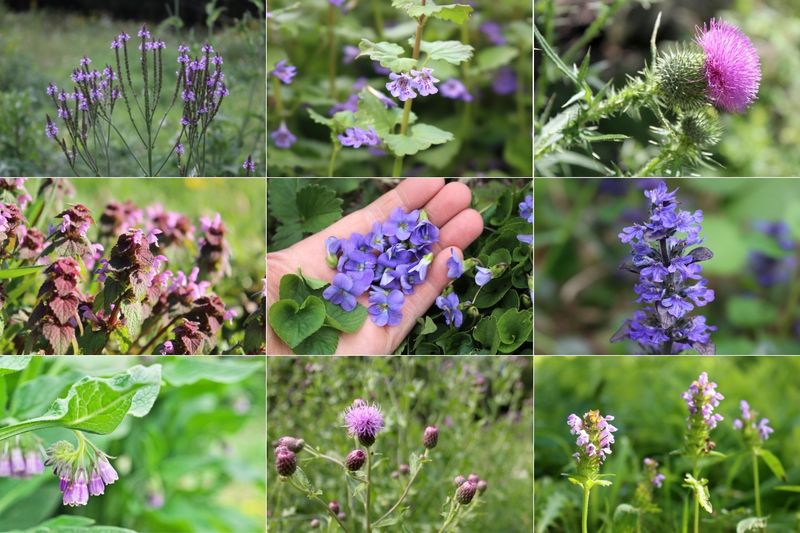
Purple is not a plant name. Across Texas lawns every spring, several completely unrelated plants bloom in shades of violet, pink-purple, and magenta, and they have almost nothing in common beyond that color. Some are introduced weeds from Europe and Asia. Others are documented Texas wildflowers.
A few are invasive plants that Texas law prohibits you from possessing or transporting. Color alone cannot tell you which one you are looking at, so reaching for the trowel the moment you spot a purple flower is a reflex worth slowing down.
Texas A&M’s plant identification resources make this point clearly: species-level identification is necessary because control recommendations differ among weeds, and what is appropriate for one plant can be wrong or even harmful for another. A purple-flowering plant that turns out to be a nonnative winter annual calls for a completely different response than one that turns out to be a native wildflower volunteering in your lawn.
The keep-or-pull decision is also shaped by what you need that patch of ground to do. A formal turf lawn, a vegetable bed, or a high-traffic walkway area has different requirements than a back corner managed loosely for wildlife. A homeowner in Central Texas with rocky caliche soil is working with different conditions than someone gardening in wet East Texas or along the Gulf Coast. Texas Parks and Wildlife describes henbit, one of the most common purple spring lawn weeds, as native to Europe, Asia, and Africa, which means its presence in your yard is not evidence of a thriving native ecosystem.
Identification comes first, and the yard’s purpose guides what you do next.
Henbit and purple deadnettle are common spring suspects
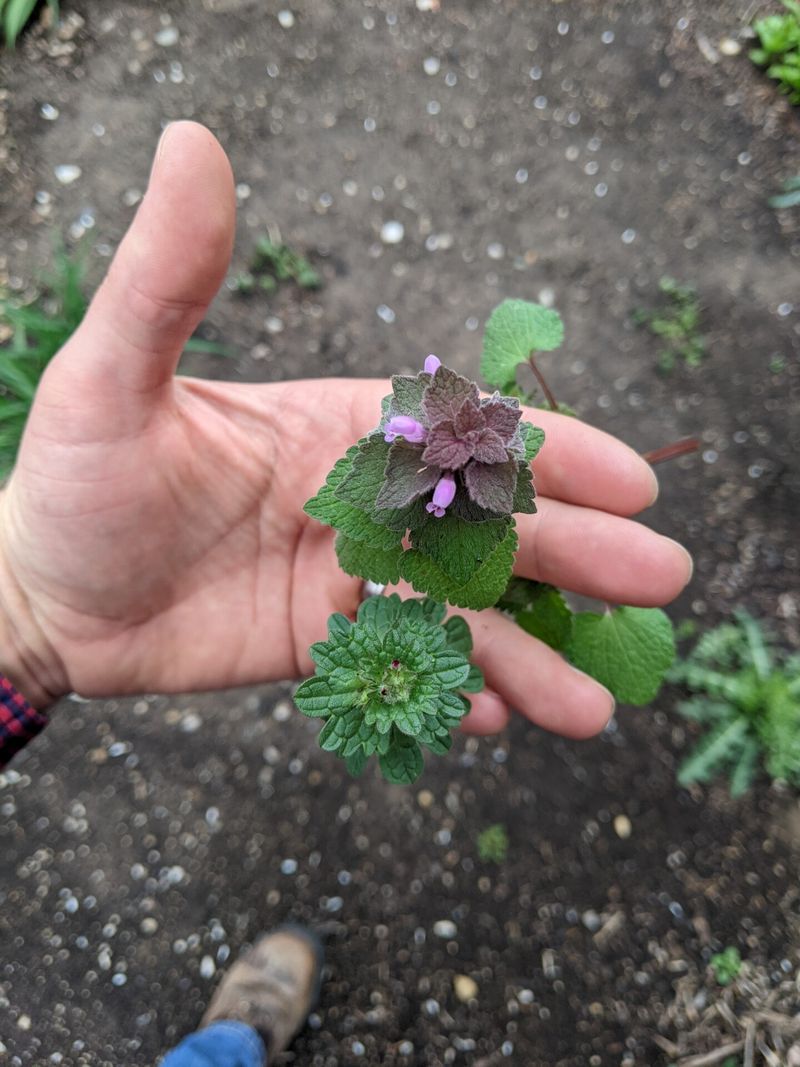
Walk across almost any Texas lawn in late winter or early spring and the two plants you are most likely to find producing purple flowers are henbit and purple deadnettle. They look similar enough that gardeners frequently confuse them, but a few field details separate the two. AggieTurf at Texas A&M describes henbit as having a square stem, triangular to ovate toothed leaves, and pink to reddish-purple flowers arranged in dense whorls. The upper leaves of henbit clasp directly around the stem with no stalk, which is one of the easiest features to check in the field.
Purple deadnettle looks related because it is – both belong to the mint family. The clearest difference is that purple deadnettle has short leaf stalks rather than stem-clasping upper leaves, and its upper leaves often have a reddish or purplish tint that gives the plant a layered, colorful appearance at the top. Penn State Extension identifies both as look-alike weeds that bloom in early spring and typically decline as temperatures climb in late spring and early summer.
Both plants are cool-season winter annuals, meaning they germinate in fall, spend the winter as low rosettes, and then flower in spring before Texas heat finishes them off. Neither one is a Texas native. Texas Parks and Wildlife’s henbit profile places its origins in Europe, Asia, and Africa. Purple deadnettle shares a similar Eurasian background.
The flowers may attract some early-season insects looking for nectar or pollen when not much else is blooming, but calling either plant a native pollinator resource overstates the case. Knowing what they are helps you decide what to do with them before the spring window closes.
Documented Texas natives can also bloom purple
Not every purple-flowering plant in a Texas lawn is an import. Three documented Texas natives can show up in or near lawn areas with purple blooms, and their physical traits are different enough from henbit and deadnettle that a careful look at the whole plant will usually separate them. Knowing these species matters because each one comes with its own regional fit, soil preference, and practical consideration.
Prairie verbena, known botanically as Verbena bipinnatifida or Glandularia bipinnatifida, is a low-growing wildflower that produces clusters of magenta-to-purple blooms. TPWD’s Hill Country Wildscapes guide describes it as a 6- to 12-inch plant that blooms from approximately March through December across most of Texas, with the exception of the Trans-Pecos. Its finely divided, almost ferny leaves look nothing like henbit’s broad toothed foliage, so a side-by-side comparison of the leaf shape resolves the question quickly.
Snakeherb, or Dyschoriste linearis, is a perennial groundcover with small purple tubular flowers. The Native Plant Society of Texas describes it as drought-tolerant once established, with value for nectar, pollen, and butterflies. Snakeherb is particularly associated with well-drained rocky, calcareous, sandy, or silty soils, which makes it a reasonable candidate in parts of Central and West Texas but less likely in heavy clay or consistently wet conditions.
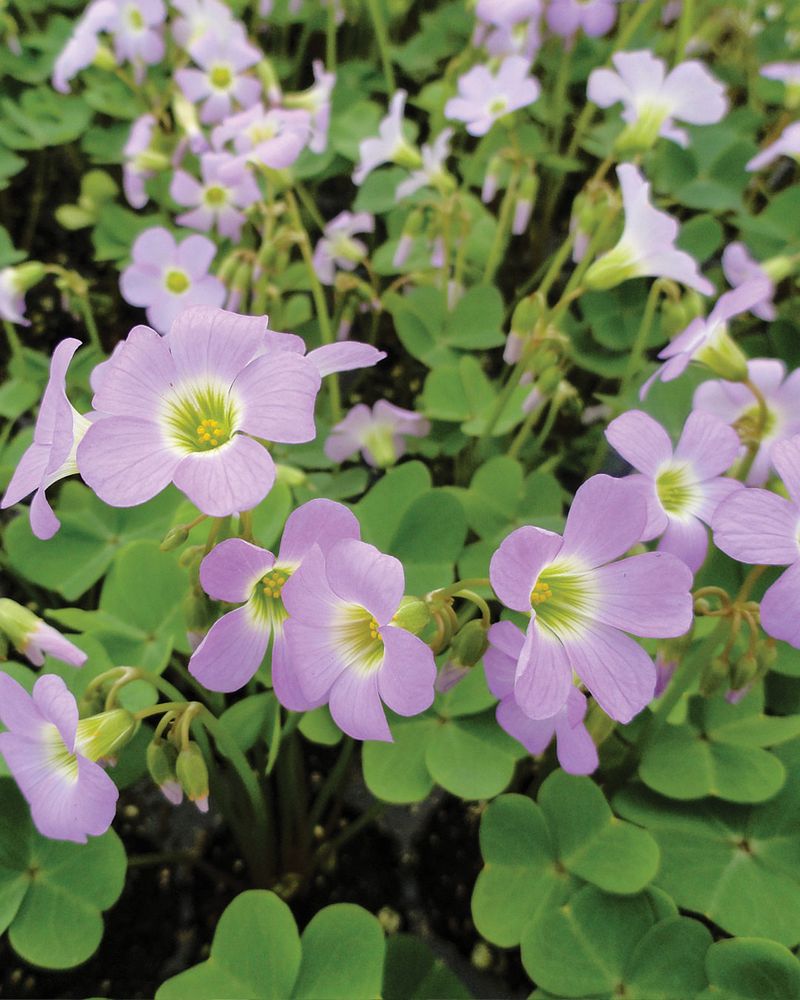
Violet woodsorrel is a third native possibility. AggieTurf lists it as a native perennial with violet-to-pinkish-purple flowers, a basal rosette habit, underground bulbs, and distinctive three-lobed leaflets that look like a clover but are not. The presence of those bulbs and the clover-like leaves immediately separates it from henbit or deadnettle, which have no bulbs. Generic references to violets as native plants are not enough here, because many violet-family plants are not native to Texas.
Identifying the actual species is the only way to know what you have.
A flower may help pollinators without being a native plant
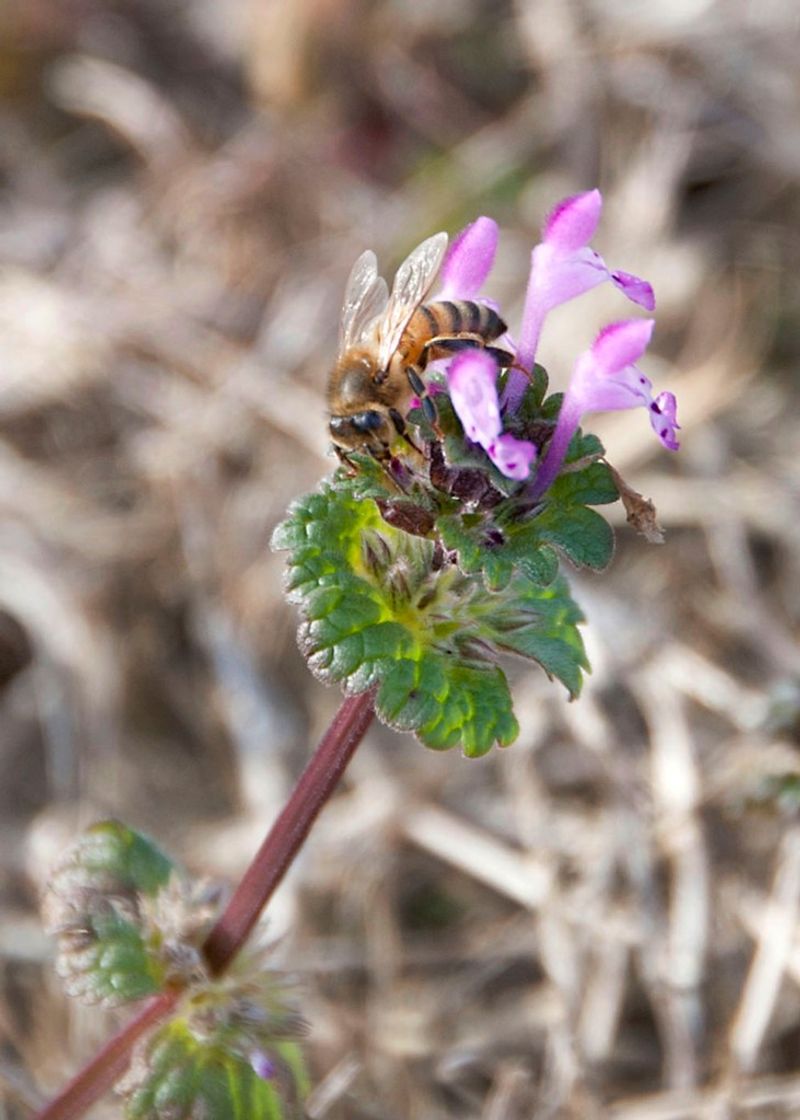
Seeing a bee land on a patch of henbit is genuinely encouraging, especially in early spring when not much else is blooming yet. That moment does not make henbit a native plant, a Texas wildflower, or a substitute for a thoughtfully planted pollinator garden. What it means is that a flower is open and an insect found it. Those two things can be true without the plant earning a permanent place in your yard.
Penn State Extension’s research on flowering lawns acknowledges that common weeds including henbit and deadnettle may provide early-season floral resources for some insects. The word “may” matters there. Early-season foragers visit what is available, and a nonnative weed in bloom is better than bare ground for that brief window. However, that limited early-season role is a far cry from the host-plant relationships, nesting resources, and sustained bloom succession that Texas pollinators actually need across a full growing season.
Texas guidance points consistently toward plant diversity rather than one volunteer species. TPWD’s native bee resources recommend incorporating native plants that bloom from early spring through fall and suggest working toward at least three flowering plant species in each season. A single unidentified purple weed does not fulfill that framework, and removing one patch of a nonnative annual does not eliminate essential habitat. The stronger move is treating a volunteer flower as a possible early-season bonus while building a more deliberate planting strategy around regionally suited natives that provide blooms, shelter, and larval host plants across the whole year.
Inspect the whole plant before deciding
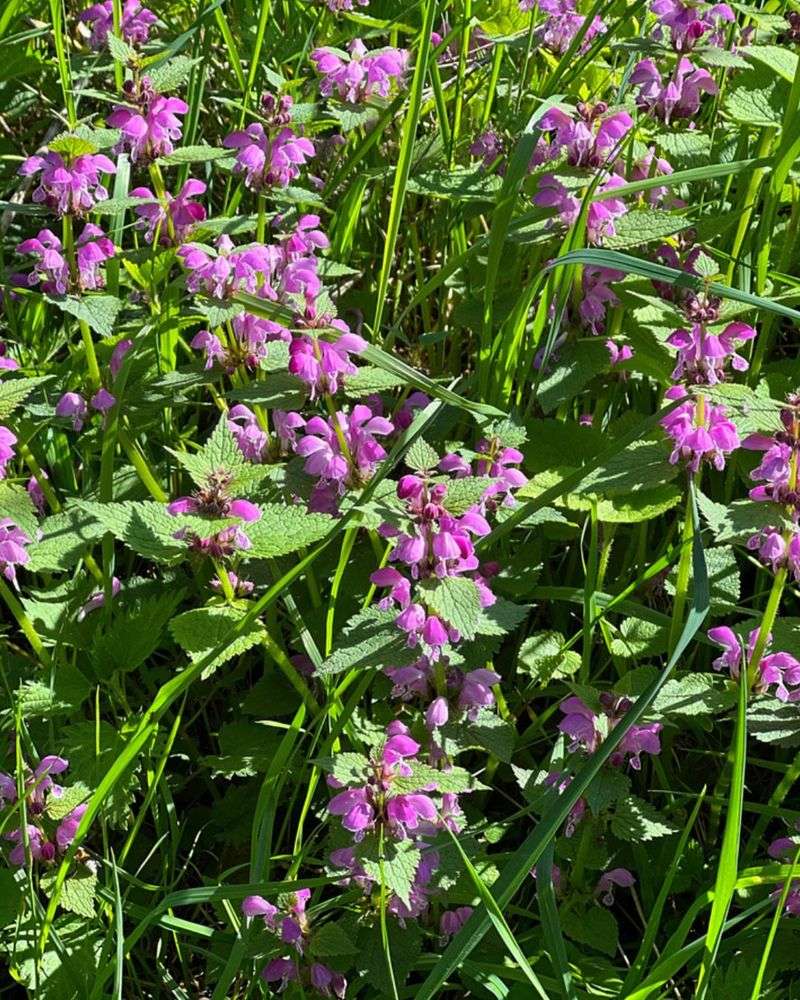
A single photo of the flower is not enough. Plant identification requires looking at the whole organism, and the features most useful for separating species are often the ones gardeners skip: stem shape, how leaves attach, what the root system looks like, and whether the plant grows from a central rosette or spreads from a creeping stem. Getting all of that information before you pull anything is what separates an informed decision from a guess.
Start by photographing the plant from multiple angles while it is still in the ground. Capture the overall growth habit, then zoom in on the stem cross-section if you can see it – a square stem points toward the mint family, which includes both henbit and deadnettle. Photograph how the leaves attach: do they clasp the stem directly, as in henbit described by AggieTurf, or do they have short stalks? If the plant has already been pulled, look at the roots.
Underground bulbs suggest violet woodsorrel, a native perennial, rather than a fibrous-rooted annual weed.
Once you have good photos, run them through a reliable Texas identification resource. Texas A&M’s Plants of Texas Rangelands tool is built specifically for this region and covers both weeds and native species. Free plant-ID apps can offer a starting point, but confirm any app result against a Texas-specific source before making a management decision. The identification step is the actual decision point.
Everything that comes after, whether that means leaving a patch alone, managing it lightly, or removing it entirely, follows from knowing what you are dealing with.
Keep a confirmed native in a compatible patch
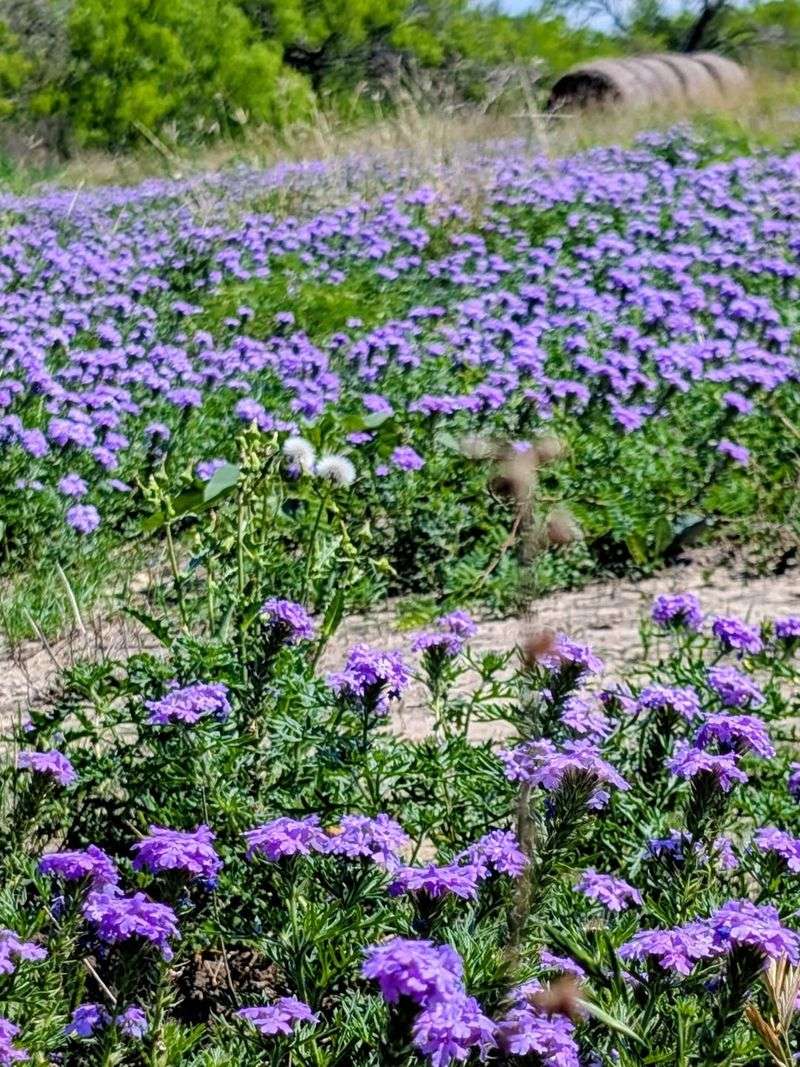
Confirming that your plant is a Texas native opens the door to a different kind of yard management, but it does not mean converting your entire lawn into a wildflower meadow. A practical starting point is leaving a small patch in a location where the plant is not blocking a path, competing with intentional garden plantings, or interfering with turf that needs to function as turf. A back corner, a slope with thin grass cover, or the edge of a bed where mowing already gets complicated are all reasonable candidates.
For intentionally managed native wildflowers, timing the first mow matters. TPWD’s wildflower seed guidance advises waiting until plants have finished blooming, dried, and had a chance to drop seed before mowing. The agency commonly references late June or early July as a general benchmark, but that timing varies by species and by where in Texas you garden. A coastal prairie plant and a Hill Country perennial do not follow the same schedule, and pushing mowing later than necessary for your specific plant and region is not always beneficial.
Regional fit matters as much as timing. TPWD’s Hill Country Wildscapes resource notes that prairie verbena occurs through most of Texas but not the Trans-Pecos. Snakeherb is particularly associated with well-drained, rocky, or sandy soils, which means it may thrive on a caliche-heavy Central Texas lot and struggle in heavier East Texas clay. A native that volunteers in your lawn may survive there temporarily without forming the stable, low-maintenance groundcover the gardening internet sometimes promises.
Soil, drainage, light, and mowing frequency all determine whether a native wildflower can hold its ground over multiple seasons.
Remove confirmed henbit before it sets seed
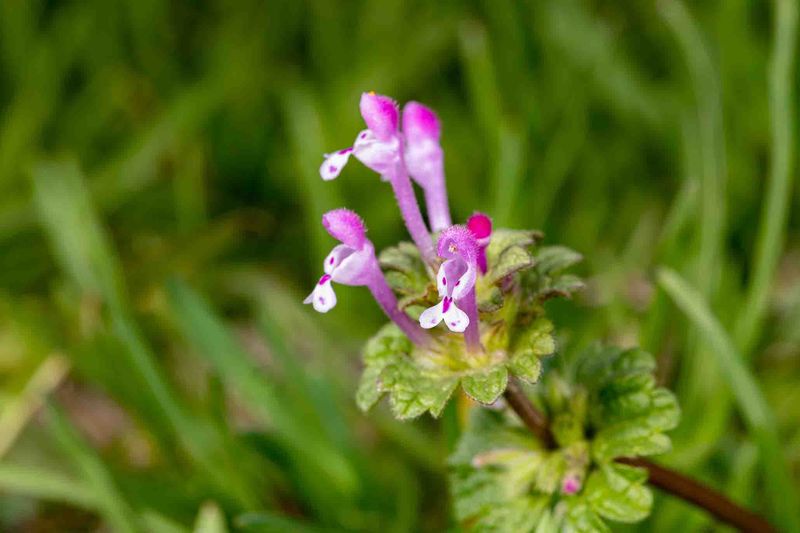
Timing is everything with henbit removal. Once you have confirmed the plant is henbit and decided it does not belong in your yard, the window to act without making next year’s problem worse is while the flowers are still open or just finishing. Texas Parks and Wildlife reports that a single henbit plant can produce as many as 2,000 seeds, so leaving a large patch in place until it fully matures and drops seed is a reliable way to guarantee a bigger flush of plants next spring.
Hand-pulling and hoeing are both effective for henbit before seed production because the plants are shallow-rooted winter annuals without underground bulbs or rhizomes. Pull the whole plant, including the stem base, and dispose of it rather than leaving pulled plants on the soil surface where mature flowers can still finish setting seed. For a large area, hoeing just below the soil surface cuts the roots cleanly and is faster than hand-pulling plant by plant.
Future prevention works better than reactive spring removal. Texas A&M’s fall preemergence guidance recommends timing applications based on soil temperature rather than a fixed calendar date, using approximately 70 degrees Fahrenheit as a reference point for fall treatments that target winter annuals like henbit before they germinate. If you prefer a chemical option for a confirmed henbit problem, herbicide choice must match the weed’s identity and life cycle. Penn State Extension notes that henbit and deadnettle are broadleaf plants, which affects product selection.
Always follow the product label completely and keep any herbicide application away from desirable plants, turf grasses that may be sensitive, and areas where runoff could reach a garden bed or water feature.
Let identification make the final call
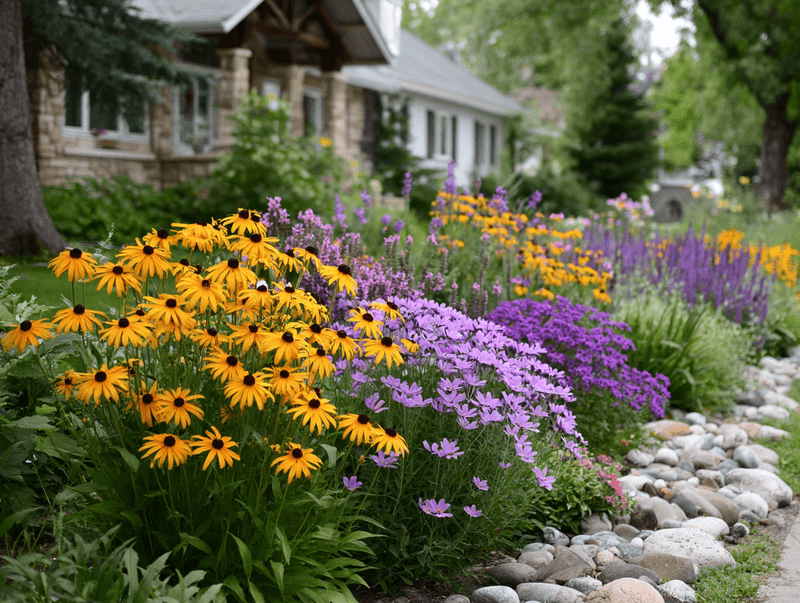
The decision framework is straightforward once you work through it in order. Photograph the whole plant. Use a reliable Texas resource to identify the species. If the identification confirms a desirable native, leave a small patch in a compatible location and manage it with appropriate mowing timing for that species and region.
If identification confirms an unwanted weed or a plant with invasive potential, remove it before seed set and plan for fall prevention.
Color alone is never enough to make that call. Texas A&M identifies purple loosestrife as a nonnative invasive plant that is illegal to possess or transport in Texas, and it blooms purple. That extreme example shows exactly why a keep-every-purple-plant approach creates real legal and ecological risk. Most Texas lawn plants are not purple loosestrife, but the identification step costs nothing and protects you from a bad decision in either direction.
The strongest Texas pollinator strategy is not built on one volunteer weed. TPWD’s native bee guidance points toward diverse, regionally suited native plantings with blooms across multiple seasons. Use Texas A&M’s plant identification tool to name what you have, and let that answer, not the flower color, decide whether your purple visitor earns a place in your yard. A plant worth keeping should be able to tell you its name first.