
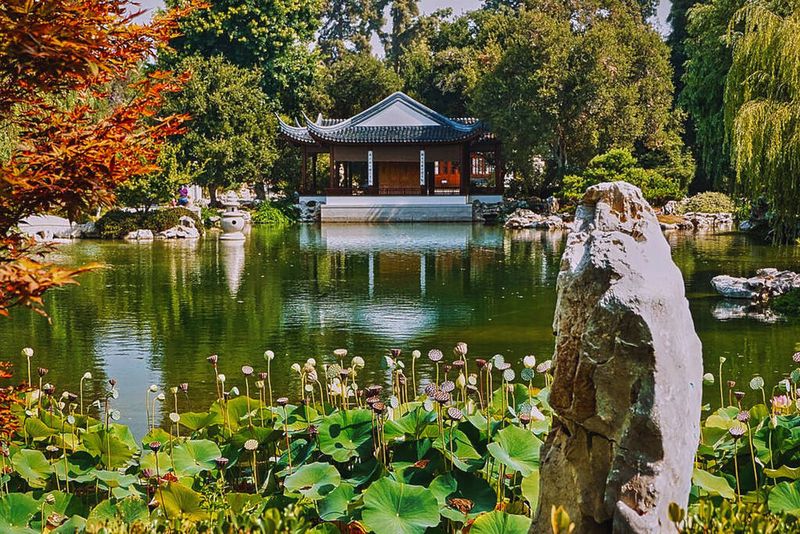
California is packed with living plant museums where you can wander through towering trees, drought-tolerant gardens, and beds full of native flowers. These arboretums are perfect weekend trips, and they also give home gardeners real ideas for building water-wise, wildlife-friendly yards back home.
Whether you live near the coast, an inland valley, or a fire-prone hillside, there is an arboretum that fits your climate and your questions. Here are nine worth the drive, plus what makes each one stand out.
1. The UC Davis Arboretum and Public Garden
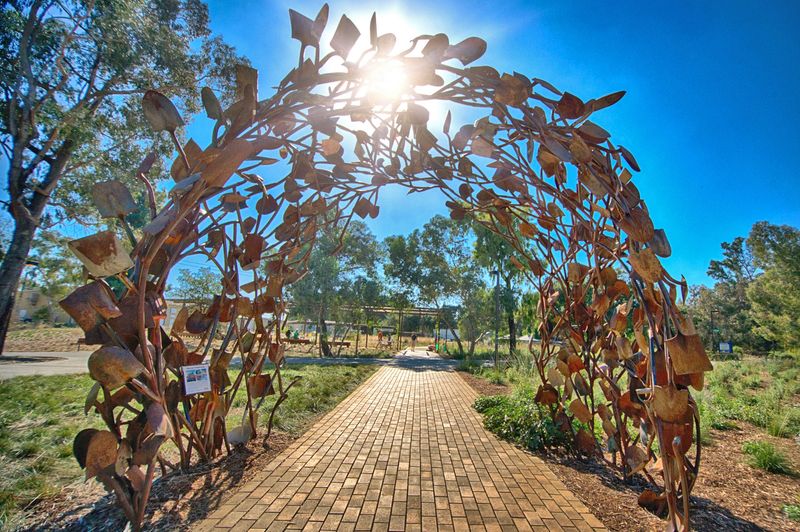
Stretched along a former creek bed in the Central Valley, the UC Davis Arboretum is basically a free outdoor classroom for anyone who wants a lower-water yard. It runs more than three miles, so you can turn a visit into a long, relaxing stroll.
What sets it apart is the Arboretum All-Stars program, a hand-picked list of tough plants proven to thrive in California’s dry summers with less fuss. You can see mature versions of each plant in the ground, which beats guessing from a nursery tag.
For inland valley homeowners baking through July and August, this place answers the big question directly. It shows exactly which flowers, shrubs, and grasses hold up to heat while still feeding bees and birds.
2. The Los Angeles County Arboretum and Botanic Garden
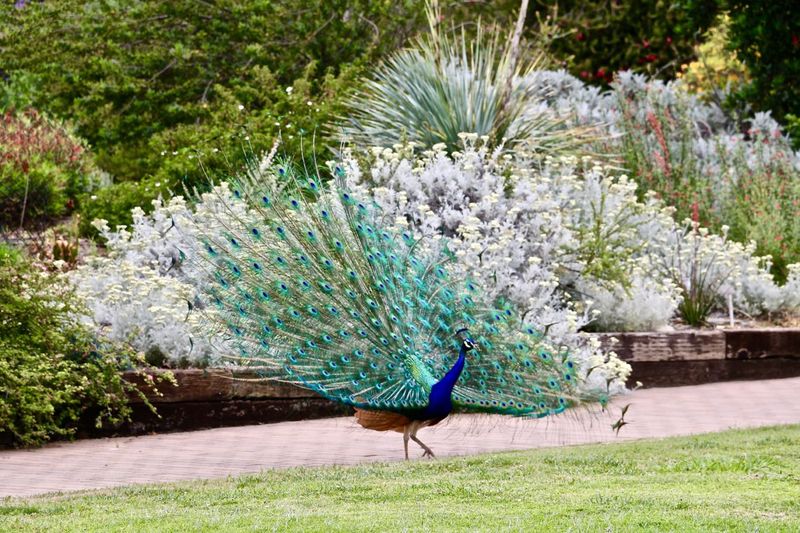
Free-roaming peacocks strutting across the lawns are the first thing most people notice here, and yes, they will pose for photos. Beyond the birds, this 127-acre garden in Arcadia is a living tour of plants from every warm corner of the world.
Movie fans might recognize the grounds from old films shot around the historic Queen Anne Cottage and the tropical lagoon. It is a garden with a genuine backstory.
For Southern California homeowners, the value is in the sprawling collections organized by region, so you can walk straight to the Mediterranean and Australian sections that match your own dry climate. Seeing mature specimens grouped this way makes it easy to picture a similar look in your front yard.
3. The Ruth Bancroft Garden
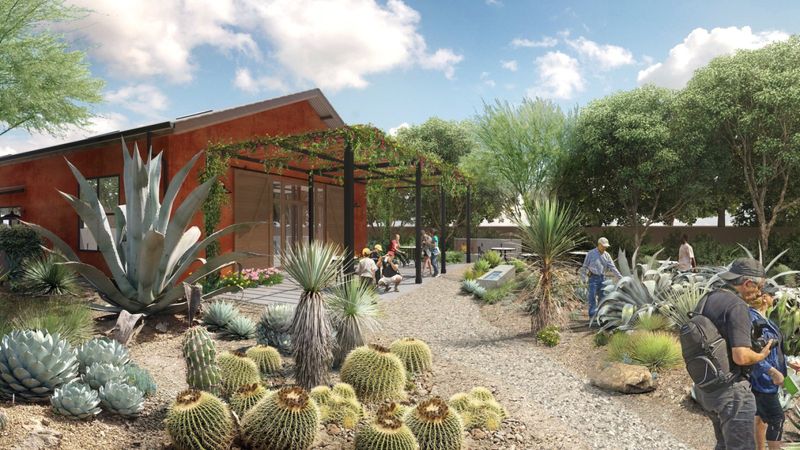
Long before drought-tolerant landscaping was trendy, Ruth Bancroft was building a jaw-dropping succulent garden in Walnut Creek back in the 1970s. It became the very first project saved by the Garden Conservancy.
Walking through feels like stepping into a sculpture park made of agaves, aloes, and barrel cacti arranged with real artistry. The shapes and colors prove that a low-water yard can look bold instead of bare.
Inland homeowners fighting summer heat and water bills get a masterclass here in spacing, texture, and gravel mulch. If you have ever wondered how to replace thirsty lawn with something striking, this garden hands you the blueprint.
4. The San Francisco Botanical Garden
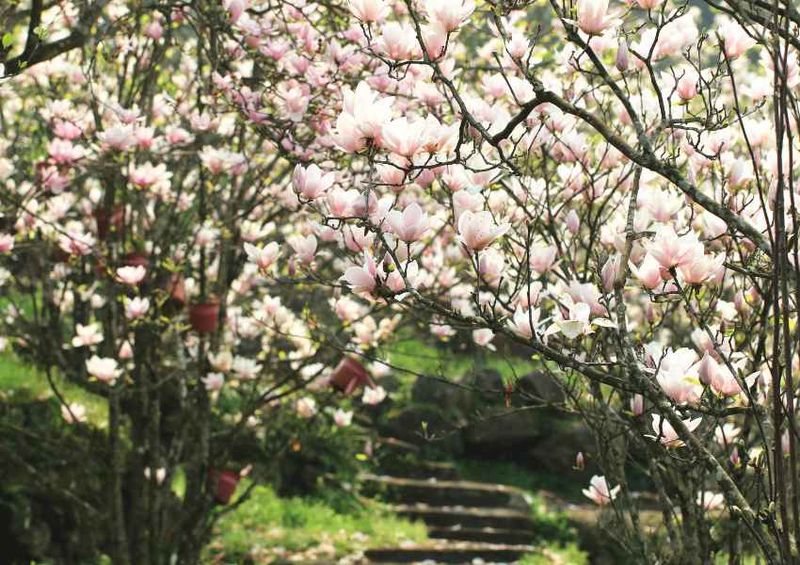
Tucked inside Golden Gate Park, this 55-acre garden takes full advantage of San Francisco’s famous fog to grow plants almost nowhere else in the country can. The cool, damp climate lets a rare high-elevation cloud forest collection flourish.
Come in late winter and you will catch one of the finest magnolia displays anywhere, with giant blooms opening while much of the country is still frozen.
Coastal California gardeners will find kindred conditions here, from mild temperatures to that steady marine layer. It is a great place to gather ideas for shady, moisture-loving corners that still respect the region’s dry-summer reality.
5. The Santa Barbara Botanic Garden
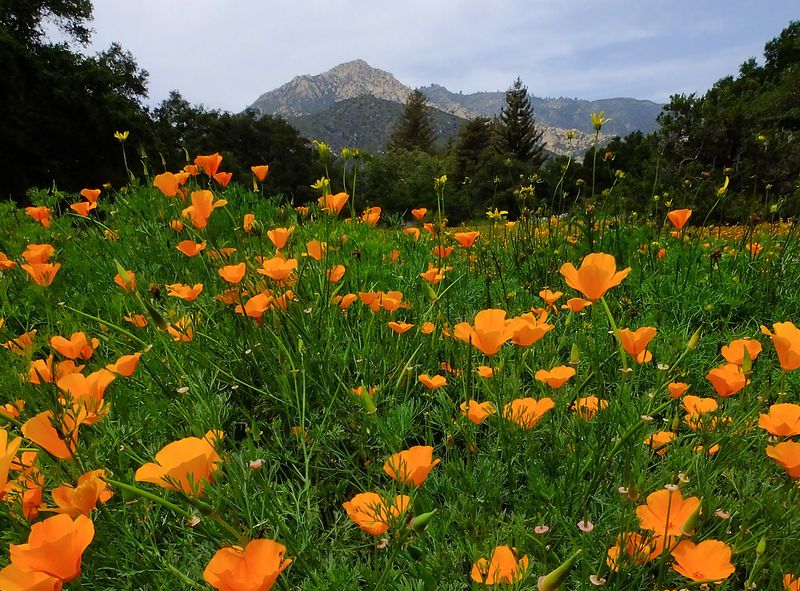
Devoted entirely to California native plants, this Santa Barbara garden is the place to go if you want your yard to genuinely belong to the landscape. Its meadows, chaparral, and redwood grove show natives in their natural settings.
Because it sits in the hills near the wildland edge, it also teaches fire-smart planting in a very real way. You can see how to build beauty and defensible space at the same time.
For hillside and fire-zone homeowners, that combination is gold. The garden pairs pollinator-friendly natives with layout ideas that lower fire risk, so you leave with a plan instead of just pretty pictures.
6. The San Diego Botanic Garden
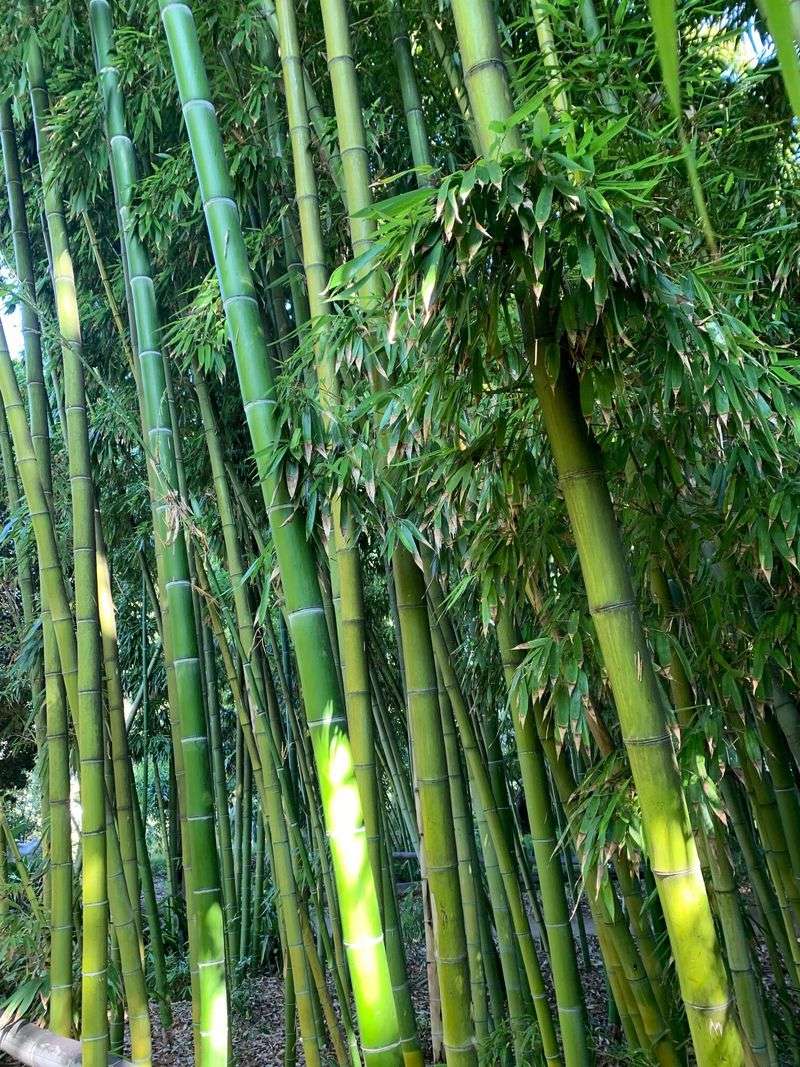
Perched on a hillside in Encinitas with peeks of the Pacific, this Encinitas garden holds one of the largest bamboo collections in the country. Rustling groves make certain corners feel like a jungle escape.
The variety of themed spaces is striking, from a desert garden to subtropical fruit trees to a beloved children’s area with a treehouse.
Southern coastal homeowners will appreciate how many of these plants thrive in mild, dry conditions with modest water. It is an easy day to gather ideas for a lush look that still respects local water limits.
7. The Huntington Botanical Gardens
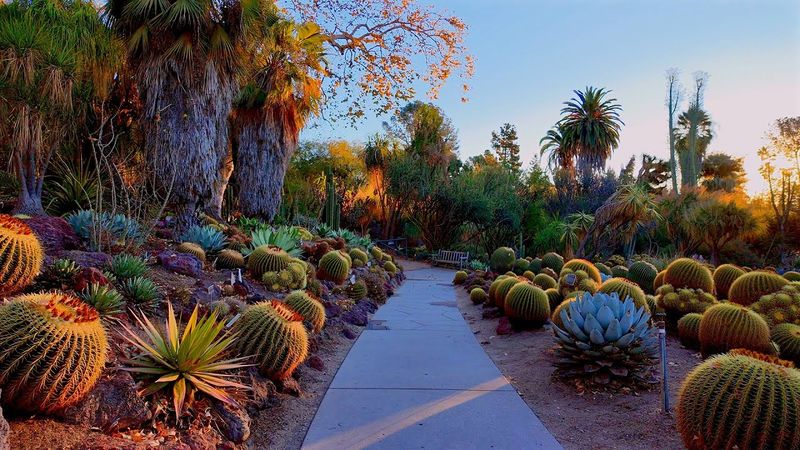
Few places on earth can match the Huntington’s Desert Garden, a ten-acre spread of cacti and succulents that looks almost otherworldly at golden hour. It holds thousands of species in one dramatic sweep.
Beyond the desert, you can wander a serene Japanese garden, a fragrant rose garden, and a peaceful Chinese garden all in one visit. There is genuinely something for every taste here in San Marino.
Homeowners in dry Southern California climates get the ultimate crash course in succulent design. Seeing how mature agaves and aloes are arranged in mass plantings makes it far easier to redo a thirsty yard with confidence.
8. The Regional Parks Botanic Garden at Tilden Park
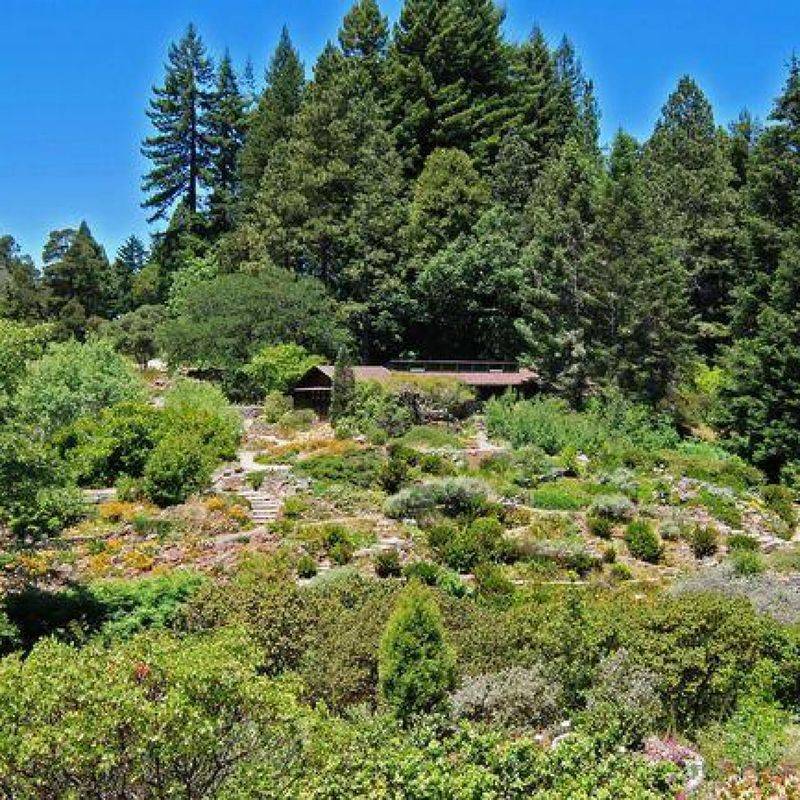
Hidden in the Berkeley hills, this Tilden Park garden grows nothing but California native plants, arranged by the state’s own wild regions. Walking through it is like touring California’s landscapes in miniature.
Spring is the showstopper, when native ceanothus bursts into electric blue and manzanitas glow with tiny pink bells. Native bees and hummingbirds show up in droves.
Bay Area homeowners curious about supporting local pollinators will find their answer in plain sight. Every bed doubles as proof that natives can be both gorgeous and genuinely helpful to the creatures already living around your home.
9. The Fullerton Arboretum
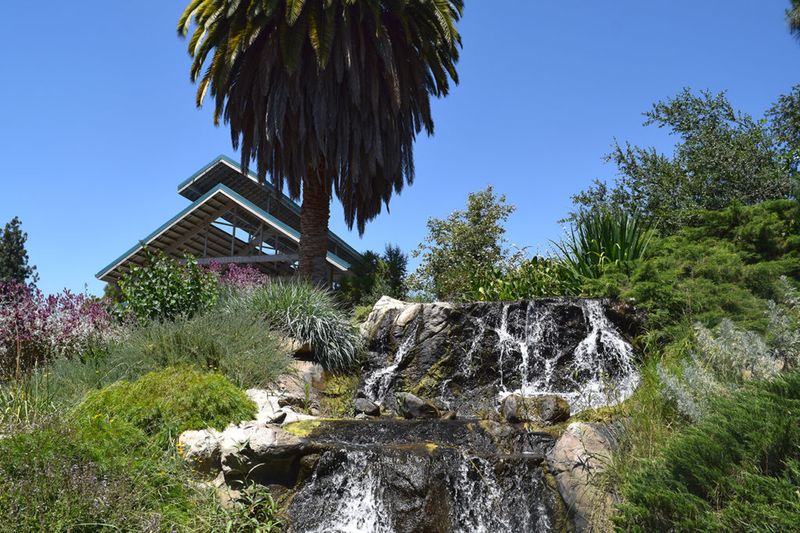
At just 26 acres, the Fullerton Arboretum proves you do not need to be huge to be worth the drive. Sitting on the Cal State Fullerton campus, it packs a rare fruit grove, a woodland lake, and a desert collection into an easy loop.
The rare fruit collection is a quiet star, showing homeowners exactly which edibles can handle Orange County’s mild, dry climate.
For suburban gardeners short on space, the smaller scale is actually the point. Every section models what you can pull off in a normal backyard, from a small pollinator patch to a few well-chosen fruit trees that thrive without heavy watering.