
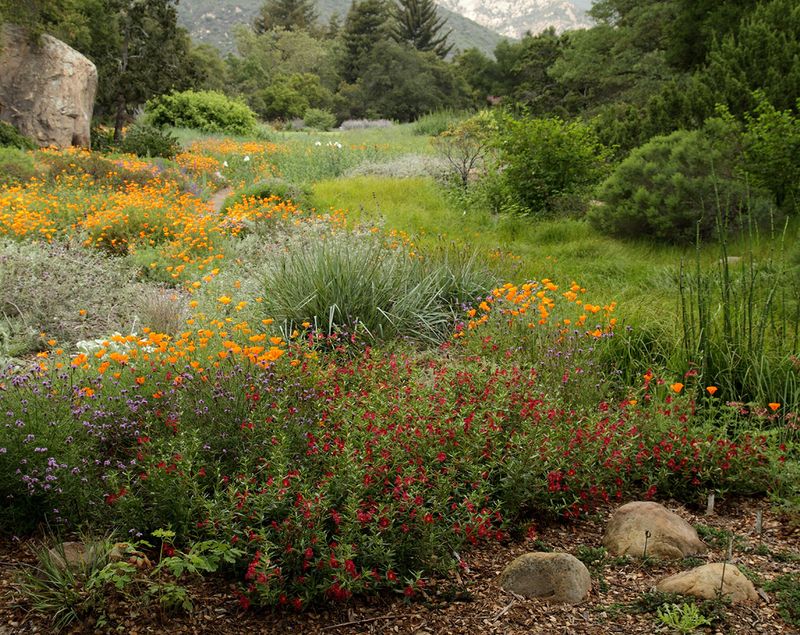
California gardeners are quietly falling in love with native plants, and the best place to learn about them is a botanical garden. Walking through these gardens shows you exactly how drought-tolerant and wildlife-friendly plants look once they settle in, so you stop guessing and start planting with confidence.
Best of all, you can copy the pairings, spacing, and layouts you see for your own yard for free. Here are nine California gardens worth the drive if you want a water-wise, pollinator-packed yard done right.
1. Theodore Payne Foundation, Sun Valley
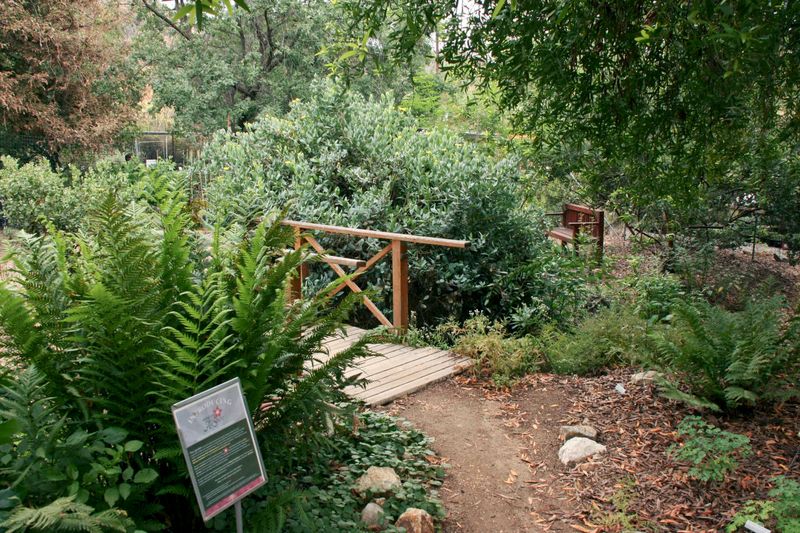
Tucked into the hills near Los Angeles, Theodore Payne feels less like a museum and more like a working classroom for native gardeners. The demonstration beds show how sages, buckwheats, and poppies actually behave over a long dry summer, not just in a glossy catalog photo.
What sets it apart is the on-site nursery packed with the exact plants you just admired. You can note a combination outside, then walk a few steps and buy the same species to recreate it at home.
Staff and volunteers here talk plainly about spacing, watering the first year, and letting things go dormant in summer. That last part surprises many homeowners who assume a brown patch means failure.
Fun bit of history: Theodore Payne was championing California natives back in the early 1900s, long before drought was a headline. If you want proof that a wild-looking yard can still feel intentional, this is the place to study it.
2. Rancho Santa Ana Botanic Garden, Claremont
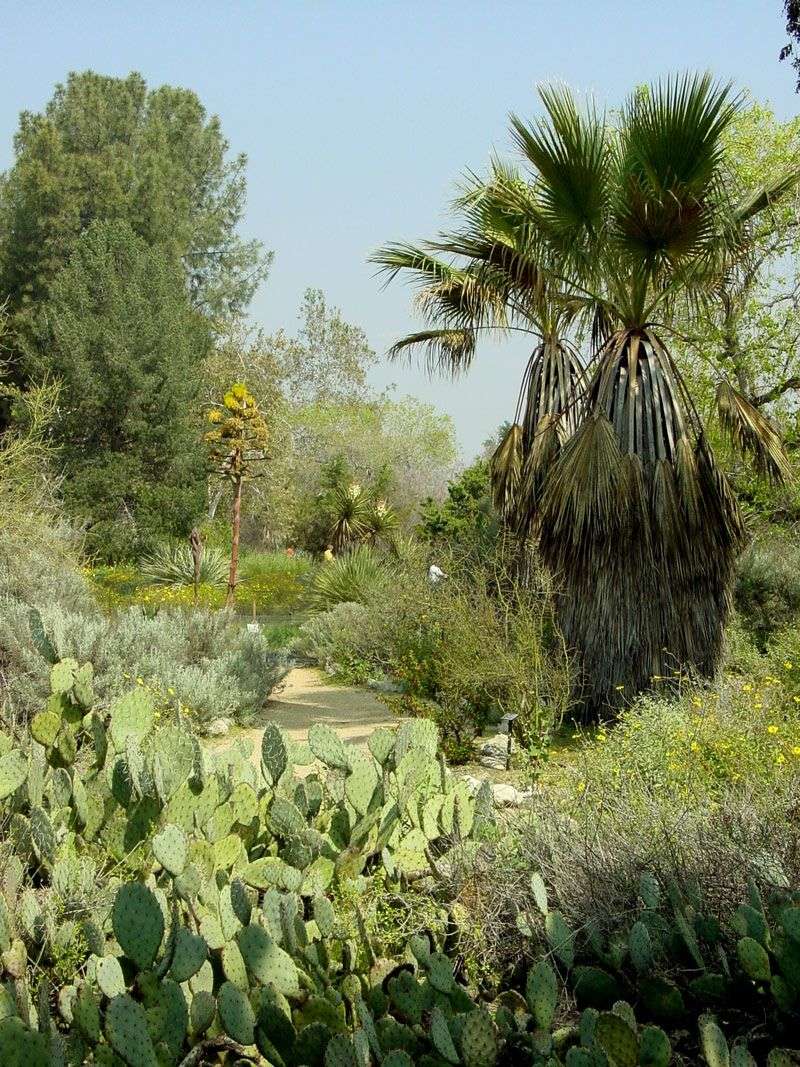
Spread across 86 acres in Claremont, this garden devotes itself entirely to California native plants, which makes it a goldmine for anyone tired of generic landscaping advice. You can wander from a wildflower meadow into an oak woodland and see how each community fits its spot.
The manzanita and ceanothus collections alone are worth the trip for hillside homeowners hunting for tough, water-wise shrubs. Seeing mature specimens helps you picture how big that cute one-gallon plant will really get.
Spring brings sheets of poppies and lupines, but the garden teaches a quieter lesson too: natives look good in every season if you plan for texture and bark, not just flowers.
Bring a notebook. The plant labels here can basically build your shopping list for a drought-friendly, bee-loving front yard.
3. Santa Barbara Botanic Garden
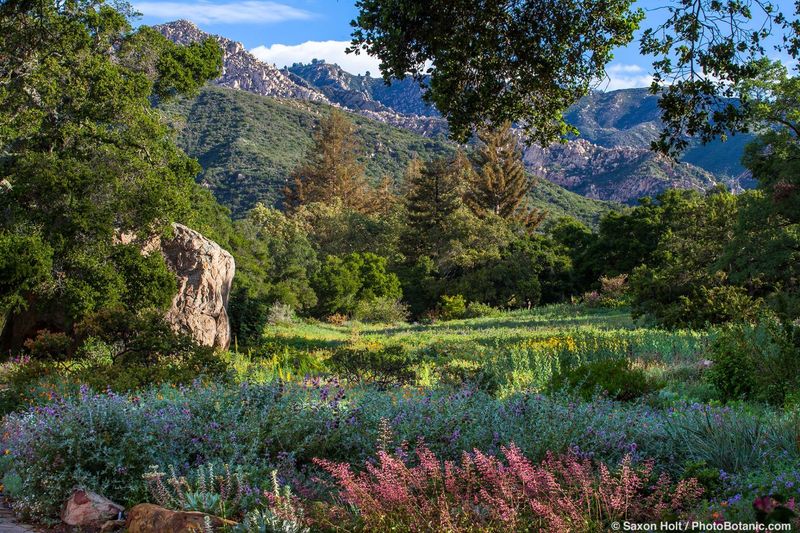
Perched above Santa Barbara with sweeping views, this garden makes native gardening look downright glamorous. A restored meadow near the entrance shows exactly how a lawn alternative can shimmer in the breeze instead of guzzling water.
Because the garden includes a shady redwood section, a sunny chaparral slope, and a creek, you can find inspiration whether your yard bakes all day or sits in dappled shade.
Fire safety gets real attention here, which matters for foothill and canyon homeowners. Interpretive signs explain defensible-space ideas using actual plantings you can study up close.
Many visitors leave rethinking their thirsty turf entirely. The meadow demonstration is quietly one of the most persuasive lawn-replacement arguments in the state.
4. University of California Botanical Garden, Berkeley
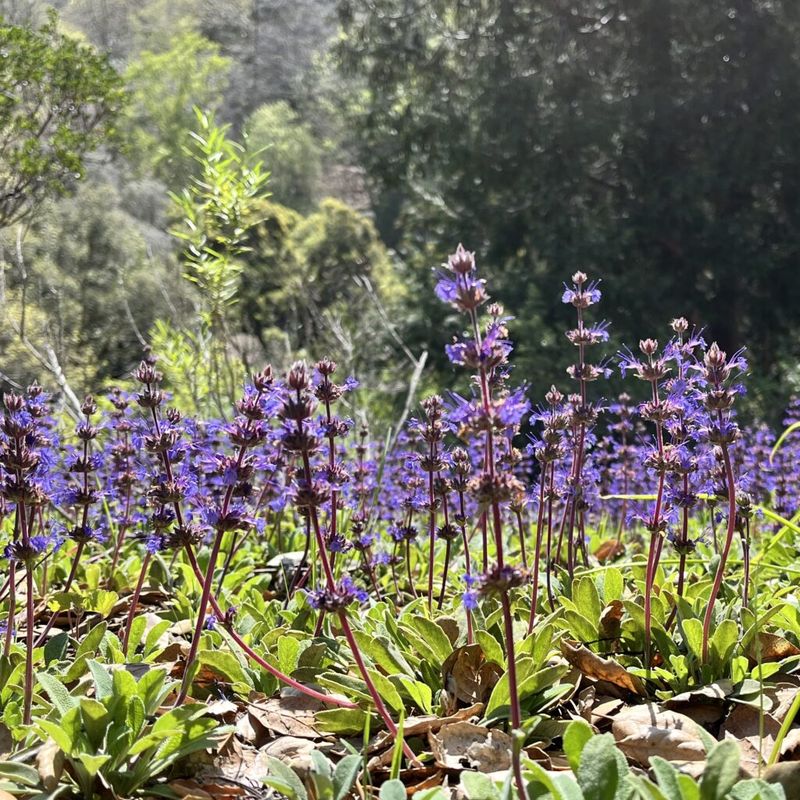
Climbing up Strawberry Canyon, the UC Berkeley garden organizes plants by region, and its California section is a compact tour of the whole state’s ecosystems. In one afternoon you can compare desert, coastal, and mountain natives without a road trip.
For Bay Area gardeners, this is a chance to see which natives handle fog, clay, and cool summers versus which ones sulk. That local matching saves a lot of wasted money at the nursery.
The plant diversity is staggering, so bring focus. Pick a theme, maybe pollinator plants or drought-tough groundcovers, and hunt only for those.
Did you know the garden has been collecting plants since 1890? Some specimens here are older than the neighborhoods around them, giving you an honest look at how natives age gracefully.
5. San Diego Botanic Garden, Encinitas
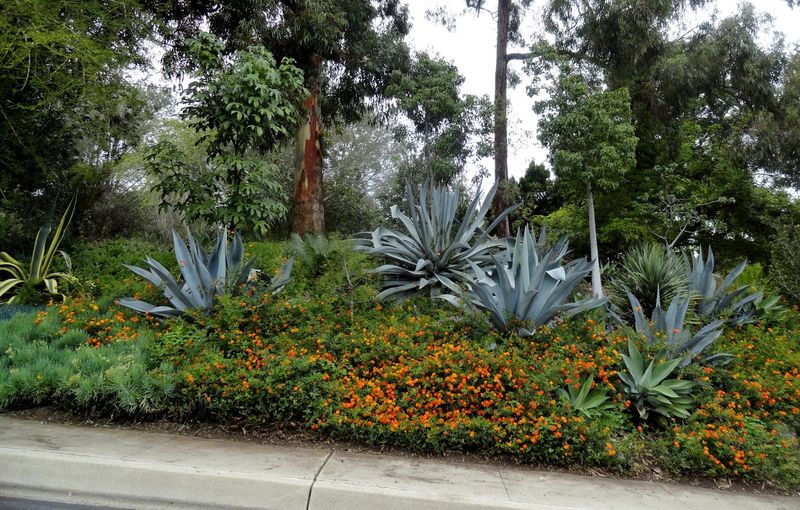
Down in Encinitas, this garden blends native plants with other Mediterranean-climate stars, which is honestly how a lot of real San Diego yards look. The mix helps you plan a low-water landscape that still has personality.
Coastal gardeners will appreciate the sections showing salt-tolerant and sandy-soil natives, plus clever ways to combine them with succulents for zero-fuss beds.
The paths wind through themed areas, so you can zero in on a firescaping display one moment and a hummingbird-friendly grouping the next. Bring the family; kids stay busy while you steal design ideas.
If your goal is curb appeal that survives a dry summer and a water bill you can live with, the plant pairings here are practically a template.
6. The Living Desert, Palm Desert
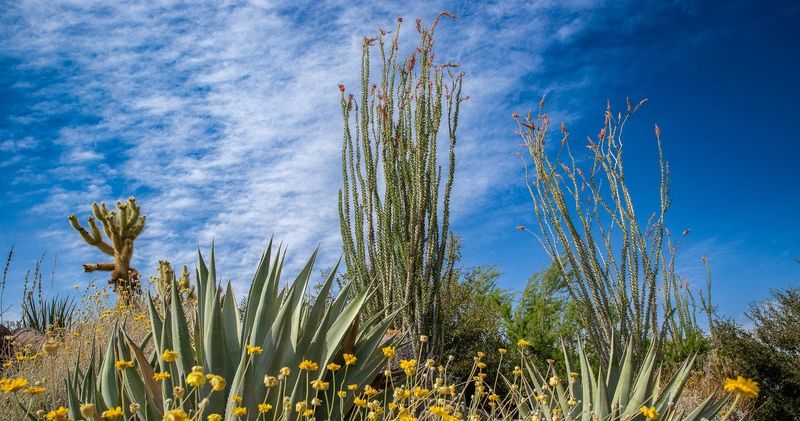
For anyone gardening in the scorching inland deserts, The Living Desert is the honest reality check you need. The plantings here thrive on brutal heat and almost no water, proving beauty does not require a green lawn.
Agaves, ocotillo, and desert wildflowers show off in artful arrangements that translate directly to a low-desert front yard. You will spot color schemes and rock work you can copy right away.
Because the garden pairs native desert species with wildlife exhibits, you also get a feel for the pollinators and birds your plantings can support.
Visit in the cooler months if you can. Spring wildflower displays here will change how you think about a
7. Regional Parks Botanic Garden, Berkeley
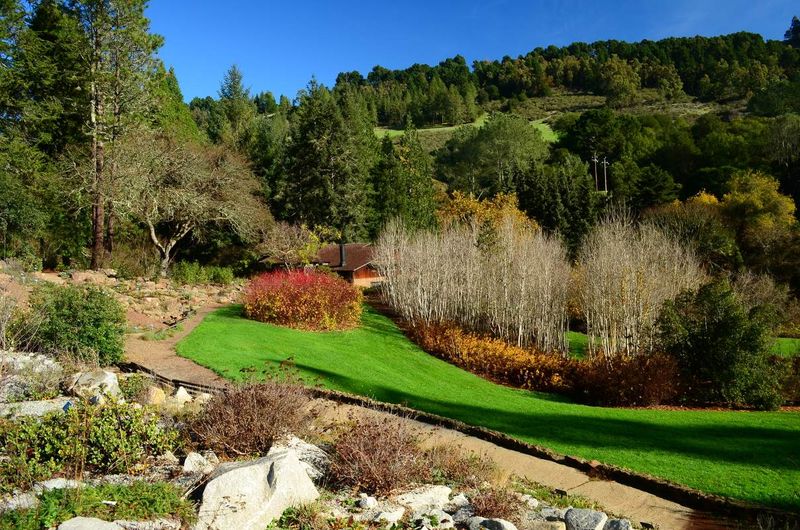
Hidden inside Tilden Regional Park, this garden grows only California native plants, arranged by the state’s natural regions. It is a quieter, wilder counterpoint to the bigger-name gardens, and that is exactly its charm.
Gardeners chasing specific natives love it because rare manzanitas and ceanothus varieties grow here in glorious maturity. Seeing the full-grown version helps you choose the right cultivar for a tight yard.
A creek runs through the grounds, so shade and streamside plant lovers finally get ideas beyond the usual sun-baked palette.
Admission is free, which fits the spirit of gardeners who come to gather inspiration without spending a dime. Pack a lunch and plan to linger.
8. Los Angeles County Arboretum, Arcadia
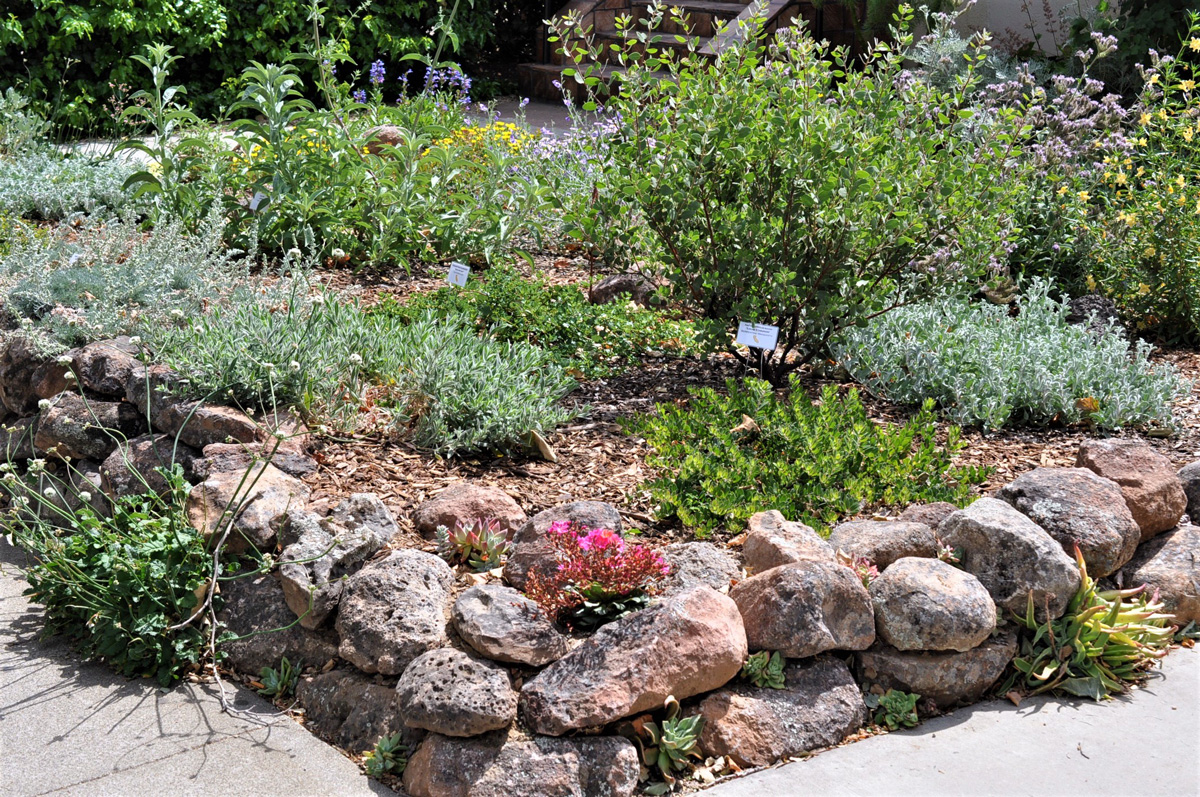
Famous for its roaming peacocks, the LA County Arboretum also hides a serious California native and drought-tolerant garden that many visitors overlook. Head there first before the flashier sections distract you.
The water-wise demonstration areas show suburban-scale plantings, meaning the beds look like something you could actually pull off in a normal Los Angeles yard, not a sprawling estate.
Because the grounds cover so many garden styles, you can compare a thirsty tropical bed right against a low-water native one and see the difference for yourself.
It is a great pick for a family outing where the gardener quietly takes notes while everyone else chases birds. Everybody wins.
9. Sacramento Valley Conservancy Native Demonstration Gardens
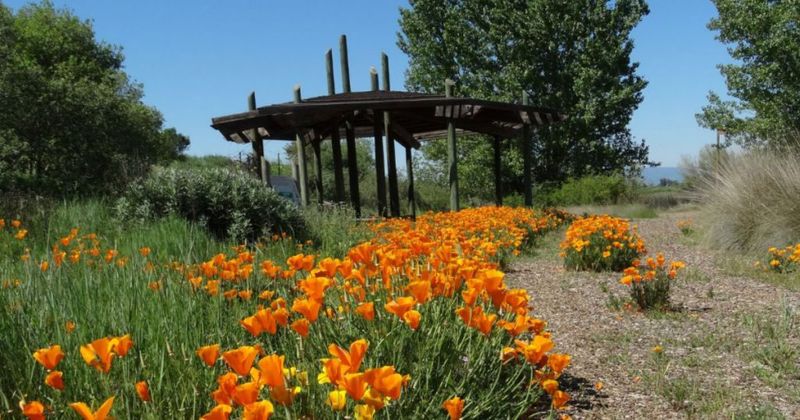
Central Valley gardeners often feel left out of coastal plant advice, so a demonstration garden built for blazing valley summers is a real gift. Plantings here shrug off triple-digit heat and heavy clay.
Valley oaks, native bunchgrasses, and tough wildflowers show inland homeowners how to build habitat that survives without constant irrigation. The lessons feel immediately usable.
Because these gardens are designed to teach, signage often explains why a plant belongs in the Sacramento region specifically, which cuts through generic gardening noise.
Check hours before you go, since demonstration sites can keep limited schedules. The payoff is a plant list truly matched to Central Valley conditions, and that saves you from expensive trial and error.