
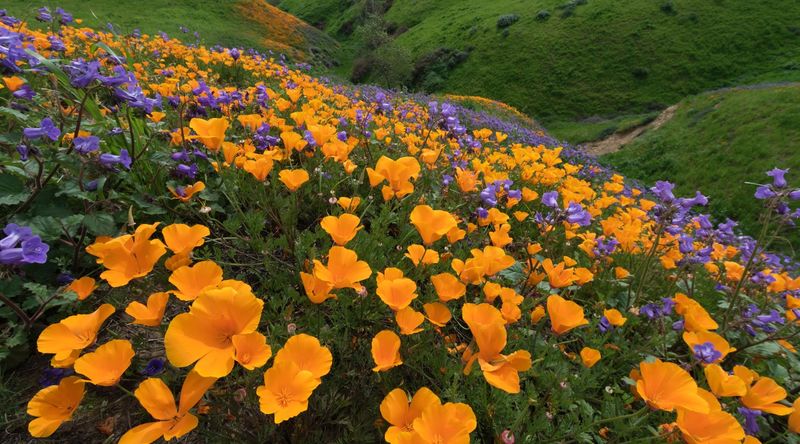
California quail are one of the most charming birds you can host in your yard, with their little head plumes bobbing as they scurry across the ground. The catch is that a tidy, thirsty lawn actually pushes them away and leaves them exposed to hawks and neighborhood cats. The good news is that a handful of California native plants can offer quail the food, cover, and safe travel routes they need to thrive, all while cutting your water use. Here are seven natives that turn an ordinary yard into a quail-friendly refuge.
1. Coyote Brush (Baccharis pilularis)
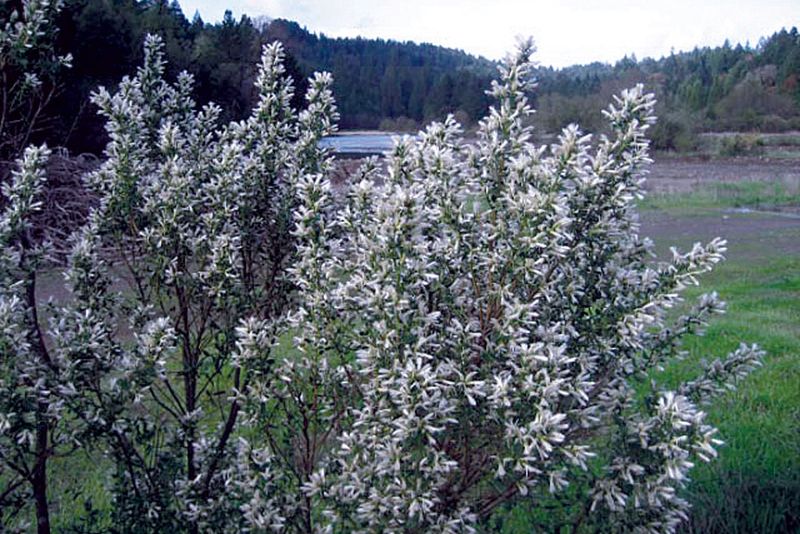
Ask any quail-watcher which shrub matters most, and coyote brush usually tops the list. Quail are ground birds that panic in the open, and this low, spreading evergreen gives them a dense roof of cover to duck under the instant a hawk shadow passes overhead.
Coyote brush shrugs off drought once established, needing almost no summer water in most California zones. That makes it a rare win where you protect wildlife and stay water-wise at the same time.
The tiny fall flowers pull in native insects, which in turn feed quail chicks that need protein early in life. If you have a fire-prone hillside, keep it pruned and spaced away from the house, since older plants can carry dead wood. A well-maintained patch, though, can become the beating heart of your covey’s daily routine.
2. California Buckwheat (Eriogonum fasciculatum)
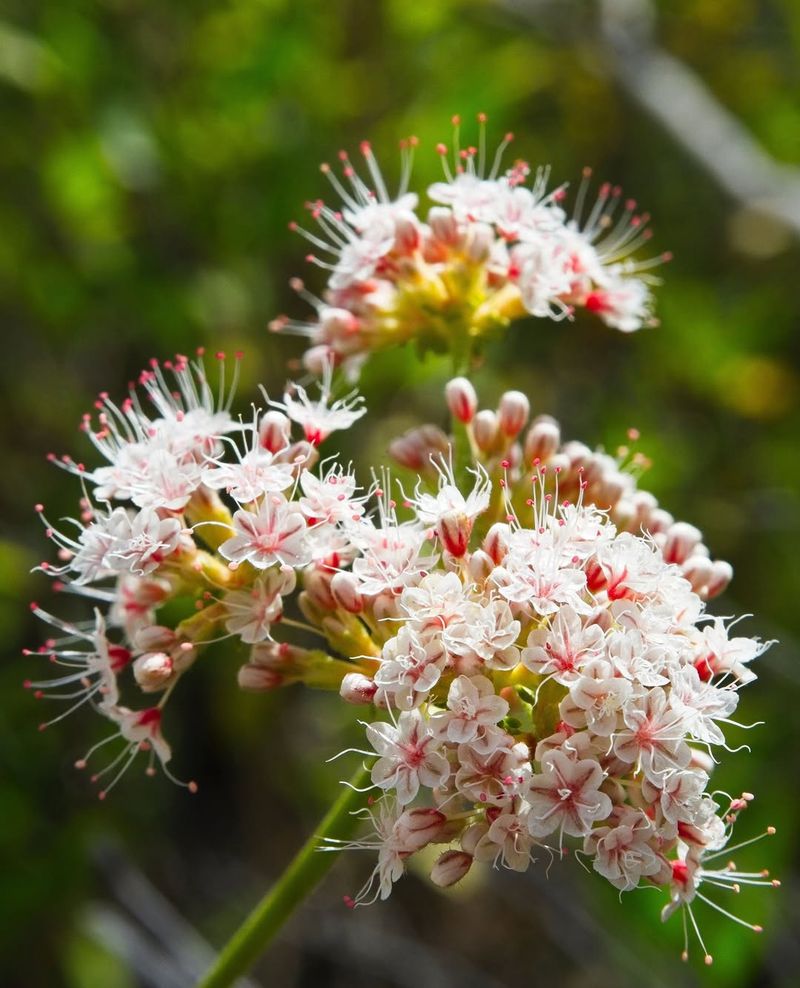
If quail had a favorite snack bar, California buckwheat would be it. The clustered flowers dry into seed heads that quail pick at through the lean late-summer and fall months, exactly when other food gets scarce.
Beyond the seeds, buckwheat is a magnet for bees, butterflies, and small insects, so it doubles as a bug buffet for growing chicks. It handles rocky, poor soil and blistering dry heat without complaint, thriving in inland valley and coastal gardens alike.
Homeowners sometimes rip out buckwheat thinking the browning summer flowers look messy, and that tidy instinct quietly removes a key food source. Leaving those faded blooms standing through winter is one of the simplest things you can do for a local covey.
3. Toyon (Heteromeles arbutifolia)
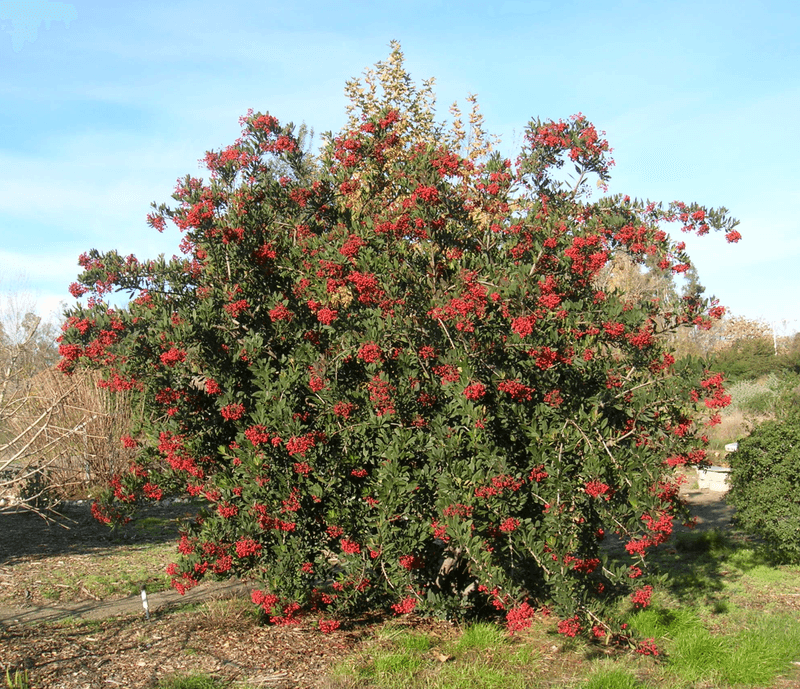
Picture a shrub draped in bright red berries just as winter arrives, and you have toyon doing its holiday best. Those berries feed quail and a long list of other native birds during the hungry cold season, sometimes called the California holly for good reason.
Growing tall and full, toyon offers something the low shrubs cannot: elevated roosting and escape cover where quail can hop up out of a predator’s reach. Its evergreen structure holds up year-round, giving your covey a reliable landmark.
Toyon is also known as a relatively fire-resilient native when properly maintained and hydrated, which matters for wildland-interface homeowners weighing every plant near their home. Space it thoughtfully, clear dead growth, and it can pull double duty as habitat and a sensible landscaping choice.
4. Purple Needlegrass (Stipa pulchra)
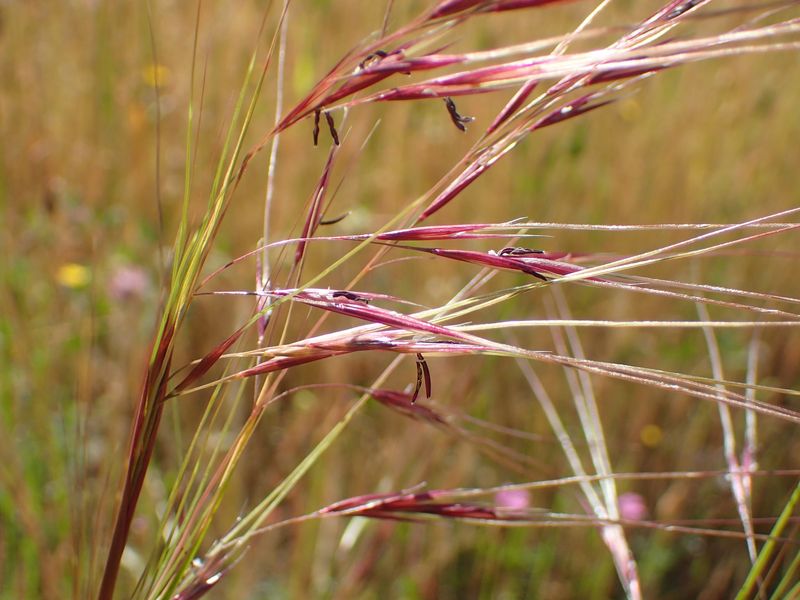
California’s state grass earns a spot here for one big reason: quail practically live in tall bunchgrasses. Purple needlegrass grows in thick clumps that hide nests, shelter chicks, and give adults a soft place to disappear when danger circles.
The seeds are edible for ground-foraging birds, and the clumping shape leaves bare gaps of soil between plants where quail can dust-bathe and scratch for food. That mix of cover and open patches is the layout quail instinctively love.
A common mistake is replacing native bunchgrasses with a smooth lawn or invasive turf, which erases both the food and the hiding spots in one weekend of landscaping. Tucking clusters of needlegrass around shrubs recreates the messy, layered ground cover a covey depends on.
5. Manzanita (Arctostaphylos species)
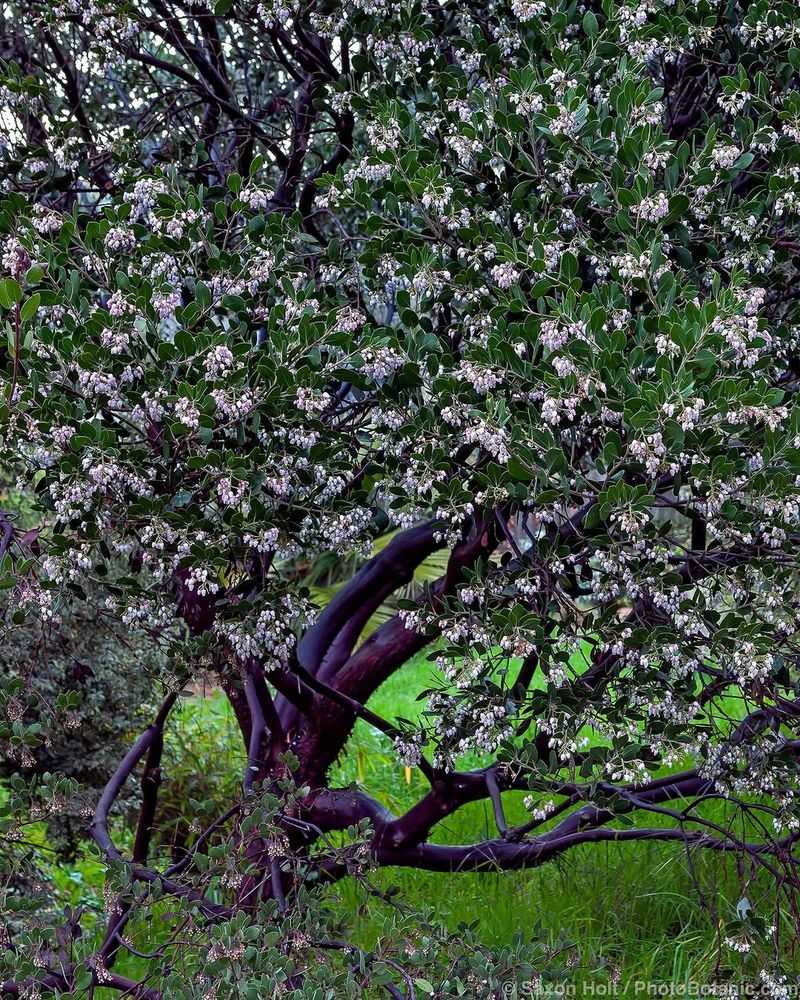
With its smooth mahogany bark twisting into sculptural branches, manzanita looks like living art, and quail treat it like a fortress. The dense, low-branching forms create tangled cover that ground predators struggle to push through.
Come late winter and early spring, urn-shaped flowers appear and later ripen into small berries, the little apples that give manzanita its Spanish name. Quail and other birds nibble the fallen fruit, adding another seasonal food source to the yard.
Manzanita asks for very little water once settled in, which suits both drought rules and forgetful gardeners. Choose a species matched to your climate zone, avoid overwatering, and you gain a striking, long-lived shelter plant that a covey can rely on for years.
6. California Sagebrush (Artemisia californica)
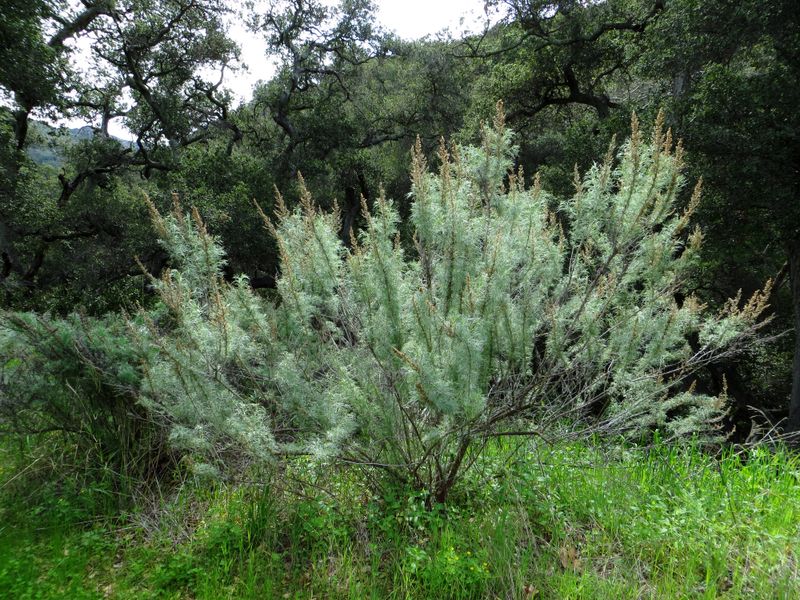
Brush your hand across California sagebrush and the soft, feathery foliage releases a scent that says coastal hills more than almost any other plant. Quail favor its airy, tangled growth as daytime loafing cover, slipping in and out of the fine branches with ease.
The lacy structure breaks up a bird’s outline, making it harder for a hawk to lock on while the covey rests. Small insects gather in the foliage too, offering an easy protein grab for chicks during nesting season.
Since it is naturally drought-adapted, sagebrush thrives on the dry-summer neglect that kills thirstier plants. Just keep it trimmed and away from structures on fire-prone lots, as aromatic oils mean it should be sited with defensible space in mind.
7. Coffeeberry (Frangula californica)
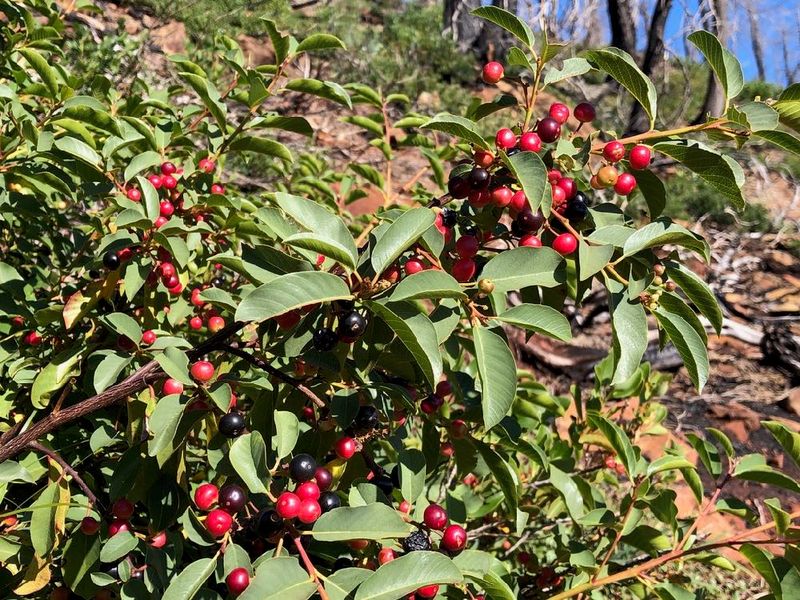
Last on the list but far from least, coffeeberry pulls its weight by feeding quail deep into the season when many plants have gone bare. Its berries shift from green to red to dark purple-black, ripening in stages so the buffet stays open for weeks.
The rounded, leafy shrub gives quail both a food supply and a comfortable pocket of mid-height cover, bridging the gap between low grasses and tall trees. Birds forage the fruit while staying tucked inside the protective canopy.
Tough, adaptable, and happy in sun or partial shade, coffeeberry handles a range of California soils with little fuss and modest water. Gardeners on fire-aware lots often appreciate that it tends to stay relatively lush, making it an easy addition to a quail-friendly, water-wise yard.