
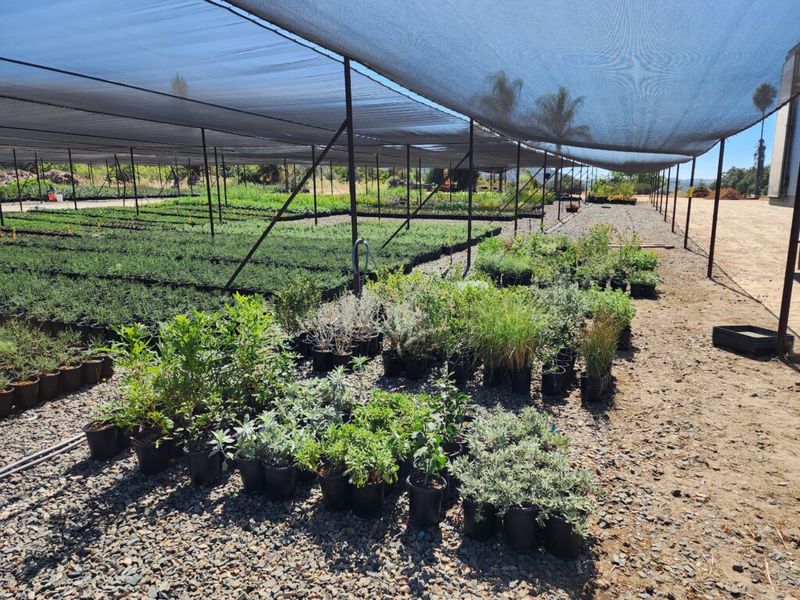
If your yard is thirsty, struggling in the summer heat, or oddly quiet without bees and birds, the plants you pick matter more than almost anything else. Southern California has a handful of native plant nurseries so good that gardeners load up their cars and drive two or three hours just to shop them. These places sell the kind of drought-tolerant, wildlife-feeding plants that actually belong here, not the water-hungry imports that struggle and fade. Here are ten nurseries worth the gas money, each with a reason it earns a spot on serious gardeners’ maps.
1. Tree of Life Nursery (San Juan Capistrano)
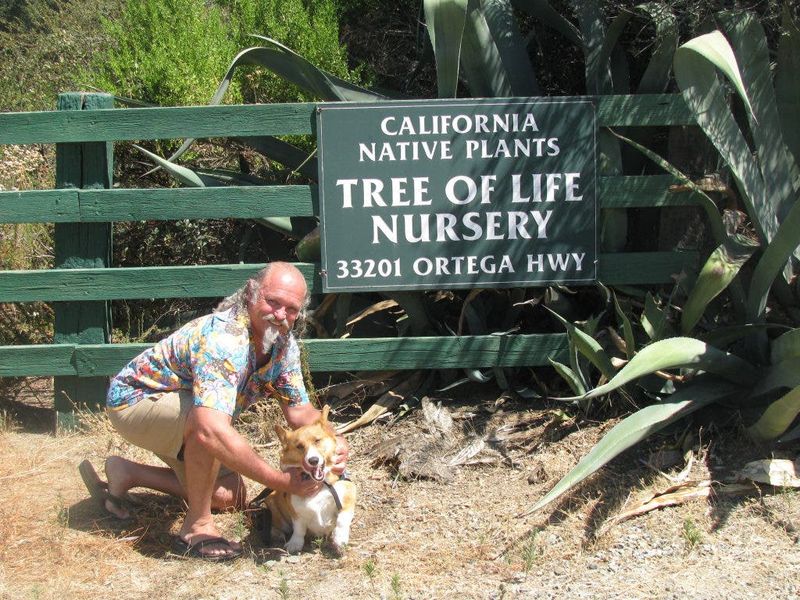
Tucked into a quiet canyon in south Orange County, Tree of Life feels less like a store and more like a living lesson in what California looked like before lawns took over. It is the largest wholesale native plant nursery in the state, and the retail yard alone can swallow an afternoon.
Gardeners come here when they want serious variety. You will find dozens of manzanitas, ceanothus, and sages, plus oaks and toyons that support native pollinators and nesting birds. The staff can steer you away from the classic mistake of overwatering a native plant to death, which quietly kills more of them than drought ever does.
There is a chapel on the grounds and a demonstration garden that shows how these plants look mature, so you are not gambling on a bare one-gallon pot. For anyone worried they have been planting the wrong things and starving local wildlife, a single visit can reset the whole approach. Bring a list, bring water, and plan to stay a while.
2. Theodore Payne Foundation (Sun Valley)
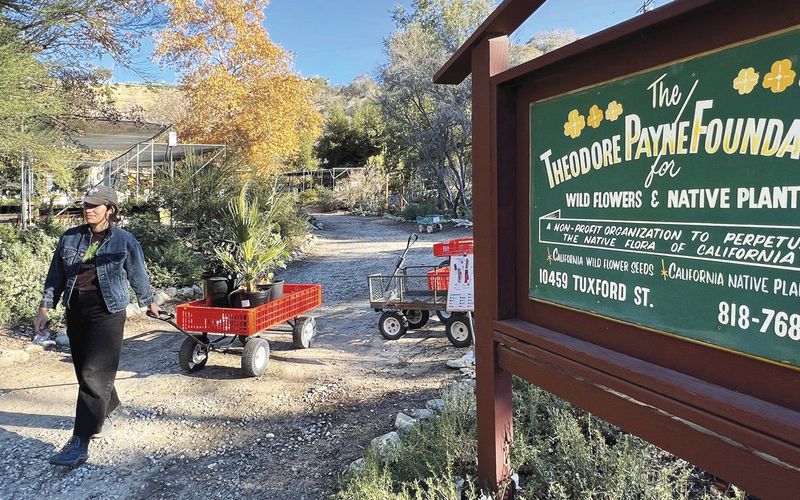
Named after the pioneering seedsman who championed California natives long before it was fashionable, the Theodore Payne Foundation is part nursery, part nonprofit, part local legend. Gardeners in the LA basin treat it as home base.
What sets it apart is the sheer depth of knowledge packed into one small property. Volunteers and staff will happily explain why your ceanothus keeps dying and how a wetter coastal species differs from an inland one. The seed room is a treasure, with native wildflower mixes that turn a bare patch into a pollinator buffet by spring.
They also run the famous spring Wildflower Hotline and a native plant garden tour, so you can see real yards that ditched the lawn and thrived. If you have been feeling guilty about a water bill or a bee-empty garden, the trip pays for itself in ideas. It stays cool in the mornings, so arrive early and browse slowly.
3. Las Pilitas Nursery (Escondido and Santa Margarita)
Ask a longtime native gardener where they learned the ropes, and Las Pilitas comes up again and again. The nursery is famous less for its footprint and more for its wildly detailed plant database, which many people study for hours before they ever drive out.
The Escondido location is the one most Southern Californians reach for. Plants here are grown hard, meaning they are raised lean and tough so they transition into your yard without pampering. That approach helps them survive the shock that kills so many coddled nursery plants.
Staff are refreshingly blunt about what will and will not work in your specific soil and sun. They will tell you if a plant is wrong for a fire-prone hillside or if it needs faster drainage than your clay can give. For homeowners trying to build a yard that feeds quail, hummingbirds, and native bees, the guidance is worth every mile of the drive.
4. Rancho Santa Ana Botanic Garden Grow Native Nursery (Claremont)
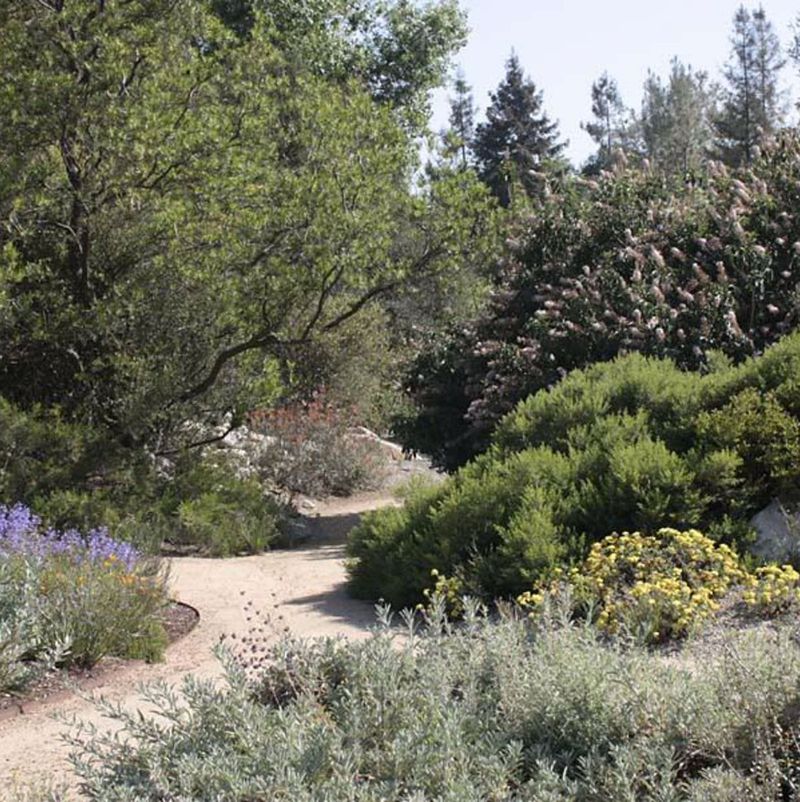
Backed by one of the most respected native plant research gardens in the country, the Grow Native Nursery in Claremont carries a quiet authority. Everything sold here connects to decades of study on what actually thrives in our region.
Selection leans toward well-vetted, garden-worthy natives, so beginners are less likely to walk out with something doomed. You can wander the surrounding botanic garden first, see a toyon or a Matilija poppy fully grown, then buy a young one with confidence. It is one of the few spots where the reference material is planted right outside.
Fall plant sales draw crowds who plan their calendars around them, since autumn is prime planting time for natives in Southern California. Volunteers will gently correct the summer-watering habits that undo new plantings. For a homeowner nervous about picking the wrong species, this pairing of garden and nursery removes a lot of the guesswork.
5. Moosa Creek Nursery (Valley Center)
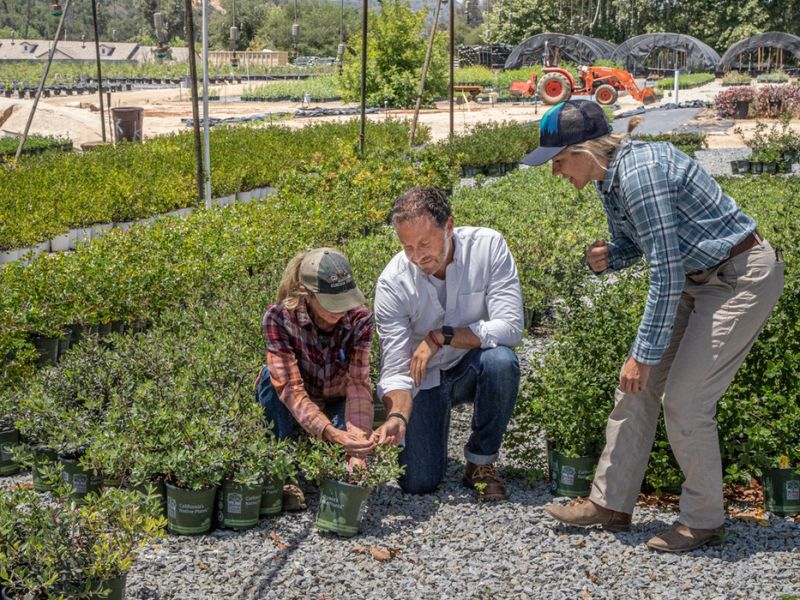
Out past the citrus groves of northern San Diego County sits Moosa Creek, a grower whose plants quietly fill many of the region’s best restoration projects and public landscapes. When cities want natives that will actually establish, they often call here.
The nursery specializes in locally sourced, regionally appropriate stock, which matters more than people realize. A ceanothus grown from local seed handles your heat and soil better than the same species collected hundreds of miles away. That local genetics angle is Moosa Creek’s calling card.
Retail hours are limited, so serious gardeners check the schedule and make the trek count. The reward is healthy, well-rooted plants and staff who understand fire-wise landscaping for the hillside neighborhoods that surround them. If your goal is a yard that resists drought, supports native insects, and does not become a fire liability, this is a smart destination.
6. Artemisia Nursery (El Sereno, Los Angeles)
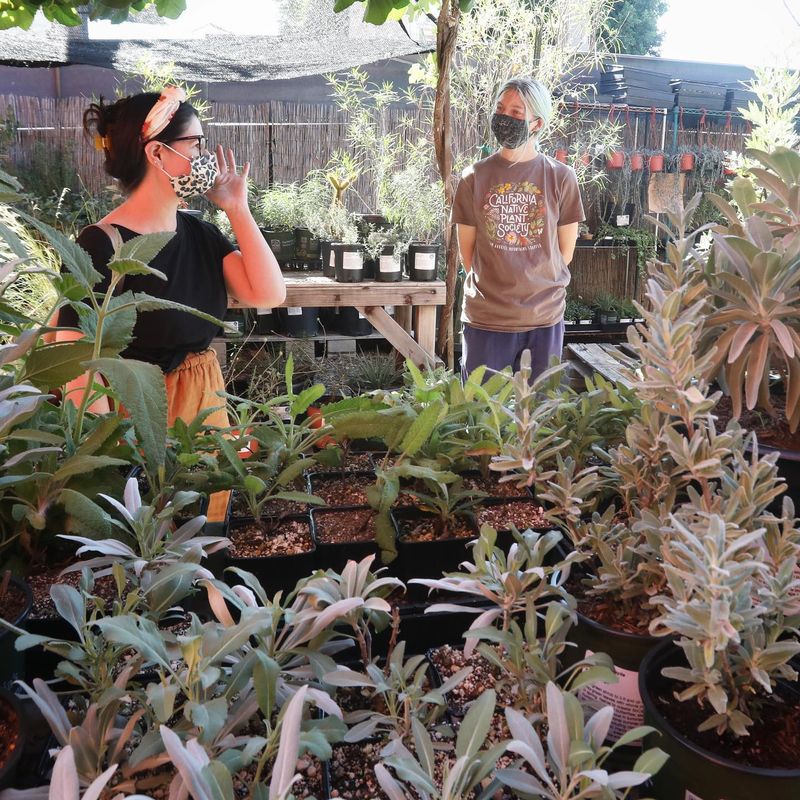
A worker-owned cooperative in northeast LA, Artemisia proves you do not need acres to matter. This small, community-minded nursery has become a favorite for city dwellers who want natives without leaving the county.
The vibe here is friendly and unpretentious, which lowers the intimidation factor for first-timers. Staff genuinely want you to succeed, so they will talk through container gardening, small parkway strips, and how to swap a lawn for something that hums with bees. Prices tend to be gentle, too.
Beyond the usual natives, they carry California-friendly companions and offer workshops that build real confidence. For an apartment-adjacent homeowner or someone with a postage-stamp yard, Artemisia shows that even a few pots of native sage and milkweed can support monarchs and local pollinators. It is proof that stewardship starts at whatever size your space allows.
7. El Nativo Growers (Azusa)
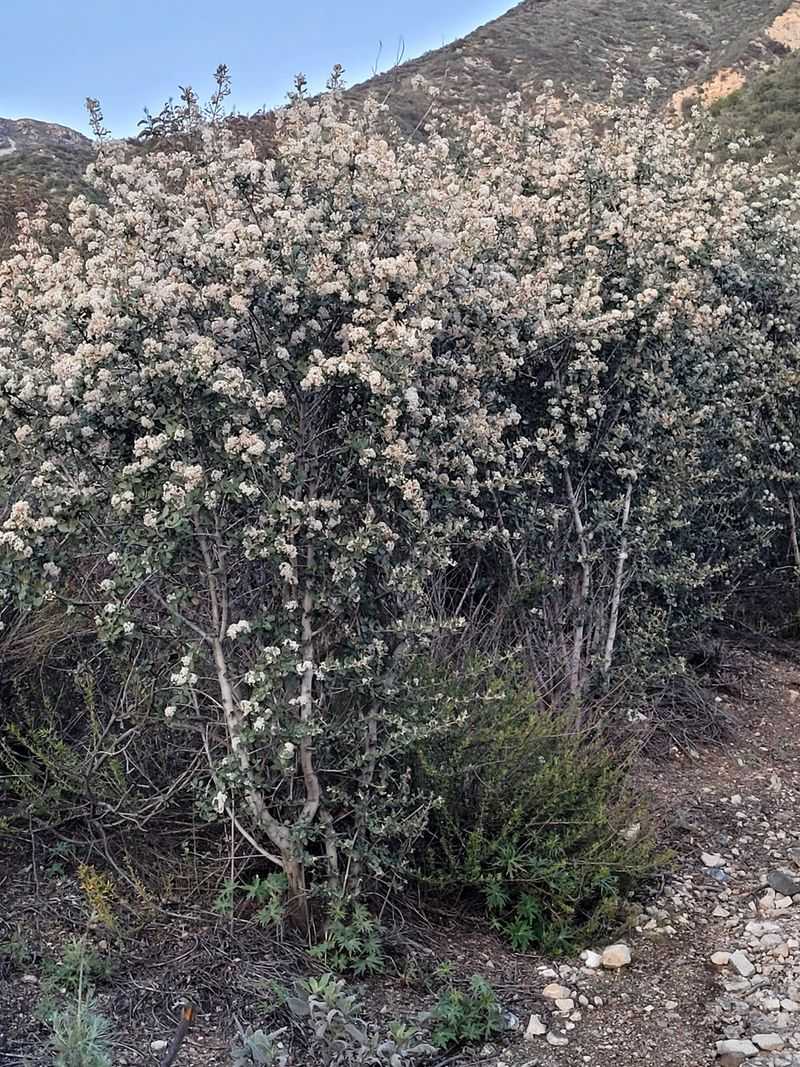
El Nativo has spent decades supplying natives and drought-tolerant plants to landscapers across the state, and word of mouth has pulled plenty of dedicated home gardeners to its Azusa base. It is a workhorse operation with serious volume.
Scale is the draw. When you need a hillside covered or a dozen matching shrubs for a hedge, few places match the inventory and consistency here. That makes it a go-to for bigger projects like lawn conversions and slope stabilization.
Because it caters heavily to the trade, calling ahead helps, and a little planning goes a long way. The payoff is dependable, healthy plants at practical prices. For a homeowner tackling a large water-wise makeover or replanting a fire-scarred slope with erosion-holding natives, El Nativo can supply the whole vision in one stop rather than piecing it together across town.
8. Recon Native Plants (San Diego)
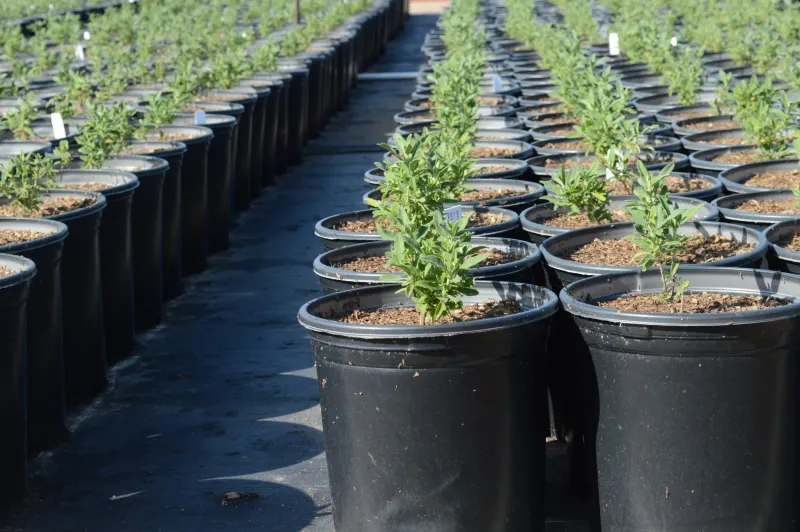
Born from an environmental consulting firm, Recon grows plants with a restorationist’s eye for what survives in the wild. That habitat-first mindset shows up in every pot on the yard.
Coastal San Diego gardeners lean on Recon for species suited to bluff, canyon, and chaparral conditions that trip up plants bred for milder climates. The stock is tough and geared toward real ecological function, not just curb appeal. Pollinators and native birds respond to it fast.
Retail access can be limited compared to the big destination nurseries, so a quick check before you go saves a wasted trip. What you gain is expertise in true restoration-grade plants and honest advice about matching species to a tricky coastal lot. For anyone worried their yard offers nothing to local wildlife, Recon helps rebuild a small piece of native habitat right at home.
9. California Botanic Garden Fall Plant Sale (Claremont)
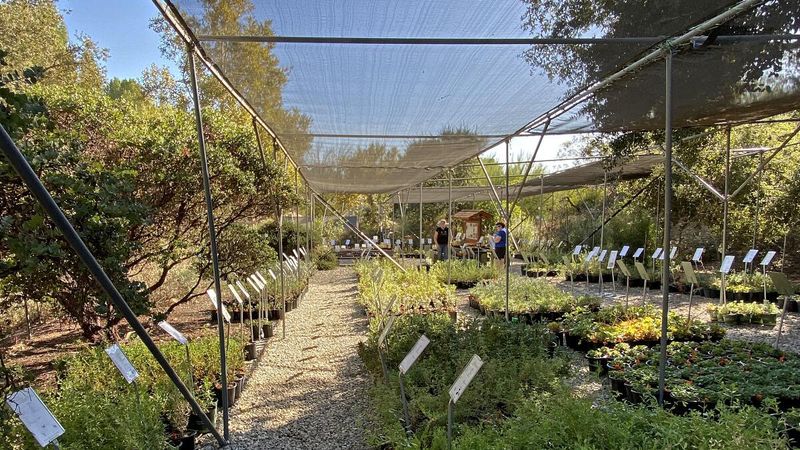
Twice-annual and legendary, the California Botanic Garden plant sales are events serious gardeners circle on the calendar months ahead. Cars fill the lot early, and the good stuff moves fast.
Rarity is the hook. Sales here surface unusual species, choice cultivars, and hard-to-find natives that rarely appear at everyday nurseries. Members get first crack, which explains why so many join just for the head start.
Beyond the plants, expert volunteers roam the tables ready to answer questions about soil, sun, and the number-one native killer: too much summer water. Timing the sale with fall planting season means your purchases root in during the cool, wet months and face summer already established. For a gardener chasing that one elusive manzanita or a whole palette of pollinator plants, no ordinary shopping trip compares.
10. Rancho Los Alamitos and Regional Native Plant Sales (Long Beach and Beyond)
Not every great source is a permanent storefront. Across Southern California, historic ranchos, chapters of the California Native Plant Society, and community gardens host seasonal sales that reward the gardener willing to travel and show up on the right weekend.
The appeal is a rotating, local-first selection. Volunteers often grow the plants from seed collected nearby, so you get genetics tuned to your exact conditions and prices that beat retail. Many of these events raise money for habitat work, so your dollars do double duty.
Because dates shift year to year, following a couple of CNPS chapters online is the trick to catching them. You will meet neighbors who have already swapped lawns for meadows and can share what worked. For a homeowner easing away from thirsty turf and toward a yard alive with bees, butterflies, and birds, these pop-up sales are the quiet insider move that seasoned gardeners never skip.