
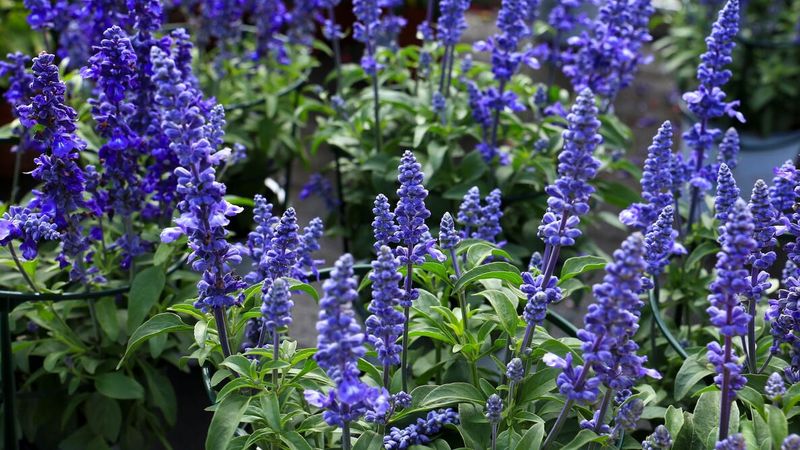
Blue flowers can do more than cool down a hot North Carolina garden. The right picks give hummingbirds a steady food source from late spring into fall while making beds, borders, and porch pots look fresh in the summer heat.
If you want a yard that feels lively, useful, and easy to enjoy, these are some of the best blue bloomers to start with.
1. Black and Blue Salvia
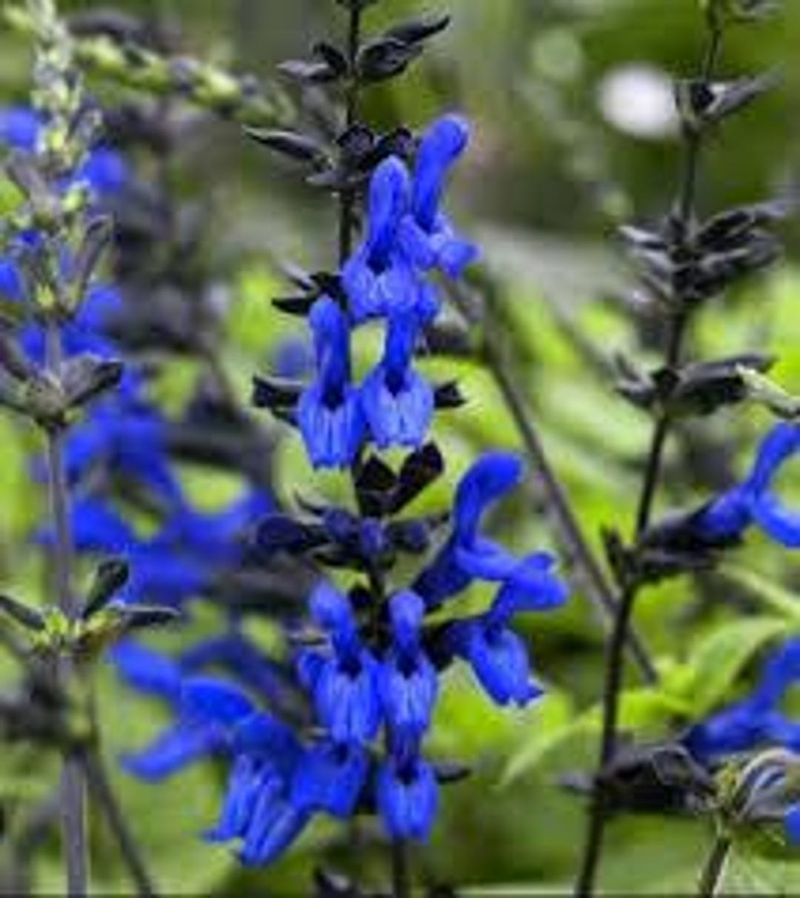
Few plants earn repeat visits quite like Black and Blue salvia. Once the weather turns warm, its tall spikes of rich blue flowers act like a hummingbird diner, especially in Piedmont and coastal plain gardens where summer heat can wear out fussier plants.
What makes it stand out is stamina. While many spring flowers finish early, this salvia keeps pushing new blooms for months if you give it full sun, decent drainage, and regular deadheading now and then.
Gardeners also love how easy it is to fit into a home landscape. Use it in the middle or back of a border, near a patio where you can watch feeding flights, or in large containers by the porch for a close-up show.
In North Carolina, it usually performs best with consistent moisture during dry spells, especially in sandy coastal soil. Deer often leave it alone, and the long bloom season can help support hummingbirds when they need reliable nectar during the hottest part of summer.
If your goal is a low-effort yard with a lot of movement, this one punches above its weight. The dark stems and electric blue flowers also read beautifully against brick, white trim, and the green backdrop common in Southern landscapes.
2. Blue Salvia
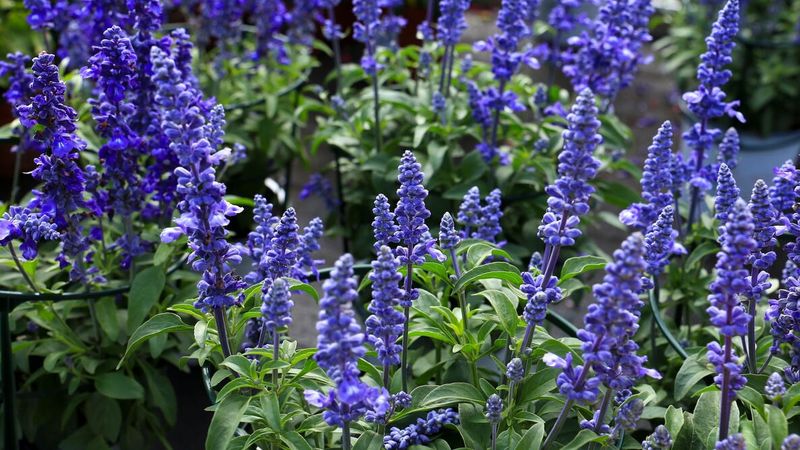
Sometimes the most useful garden plants are the ones that simply keep doing their job. Blue salvia, often sold as annual bedding salvia in garden centers, is one of those dependable bloomers that carries color from planting time well into fall.
Its big advantage is flexibility. You can tuck it into entry beds, mailbox plantings, foundation borders, or porch containers, and it still gives hummingbirds those upright nectar-rich spikes that are easy to spot from the air.
For North Carolina homeowners who want a tidy yard, this plant has a cleaner, more compact look than some sprawling perennials. That makes it especially handy in smaller suburban landscapes where every plant needs to earn its space.
Heat and humidity usually do not bother it much once established. In the warmest parts of the state, plus similar conditions in Florida and Texas, blue salvia is often valued because it keeps blooming when many cool-season flowers are long gone.
Give it full sun for the strongest flowering and shear it lightly after the first heavy flush if it starts looking tired. A quick trim often brings on a fresh round of color, which means more nectar and more reasons for hummingbirds to swing back through your yard.
3. Great Blue Lobelia
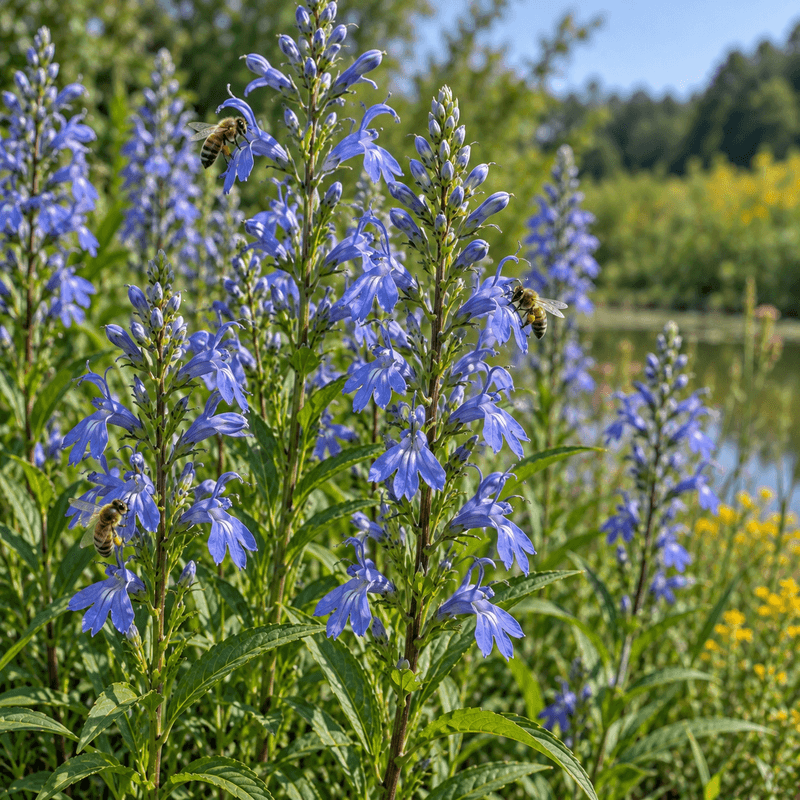
Near a downspout bed or rain garden, Great Blue Lobelia can be the plant that suddenly makes a space feel alive. Its saturated blue flower spikes rise late enough in the season to fill a gap when early nectar sources start fading.
Unlike drought-loving salvias, this native prefers moisture and richer soil, which gives it a different role in the yard. That matters in North Carolina, where many homeowners have one soggy spot that never quite suits the standard sunny-border plants.
Hummingbirds are drawn to the tubular flowers, and the plant brings a wilder, more natural look than clipped bedding plants. It works beautifully in native borders, woodland edges with partial sun, and low areas that stay evenly damp through summer.
Mountain gardeners and Piedmont homeowners alike can use it to support local wildlife without forcing a formal design. Since it is native to much of the eastern United States, it also fits the protective-steward idea of planting in a way that belongs to the landscape.
A small note of realism helps here. Great Blue Lobelia is not usually the toughest choice for dry, blazing sites, but where the moisture is right, it can become one of the most memorable blue flowers in the whole garden and a reliable late-season stop for hummingbirds.
4. Blue Cardinal Flower
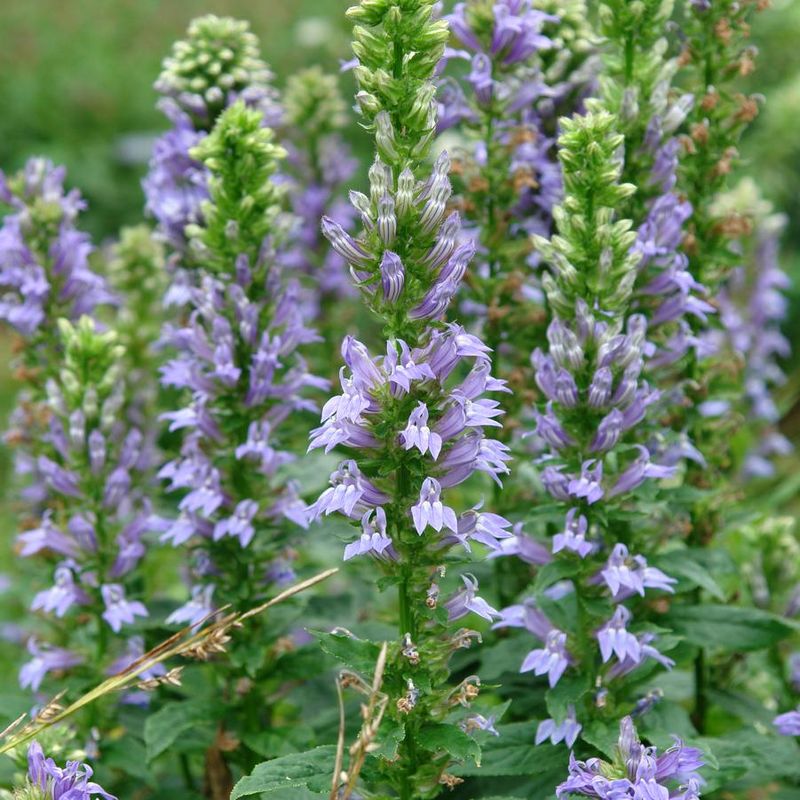
Blue Cardinal Flower has a calmer look than its bright red cousin, but do not mistake that for weakness. In the right setting, those cool blue blooms offer hummingbirds another useful nectar stop while giving the garden a softer, woodland-friendly style.
Best of all, it solves a common homeowner problem. Not every yard has a hot, dry border, and this plant is much happier in moist soil with part sun or light shade, making it a smart choice for edges of woods, damp side yards, and gentler morning-sun beds.
North Carolina landscapes often have microclimates like that, especially in older neighborhoods with mature trees. Blue Cardinal Flower helps you plant those tricky spaces on purpose instead of fighting them with flowers that always seem stressed.
The bloom shape is still well suited to hummingbird feeding, and the color mixes nicely with ferns, sedges, and other native companions. It also supports a more habitat-minded yard, which can help homeowners create beauty and ecological value at the same time.
If you are building a longer nectar season, think of this plant as a bridge between the first rush of summer flowers and the stronger late-summer performers. It may not shout from across the yard, but up close it adds a cool, refined layer that keeps the garden feeling active and alive.
5. Blue Sage
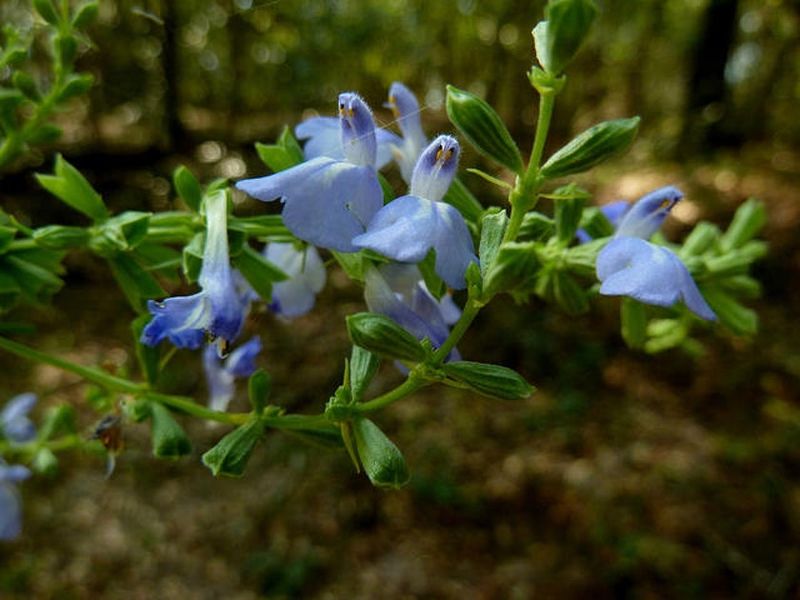
Late in the season, when some gardens start looking tired, Blue Sage steps in with a lighter, airier kind of drama. Its clear blue flowers seem to float above the foliage, and that late bloom timing can be especially helpful for hummingbirds fueling up before migration.
Because Salvia azurea is native to parts of the central and southern United States, it brings a natural, meadow-like character instead of a stiff, formal look. Homeowners who want a looser border or wildlife strip often find that it blends beautifully with native grasses and fall perennials.
One reason it deserves a place on this list is toughness. Once established, Blue Sage handles heat and periodic dryness better than moisture-loving blue flowers, which makes it practical for sunny Piedmont yards and open coastal sites with good drainage.
Its shape is different too. Rather than making a dense mound, it grows upright and somewhat open, so it layers well without swallowing smaller plants nearby.
Give it room and plenty of sun, and do not expect a tight little bedding plant. What you get instead is movement, a softer wild look, and a valuable burst of blue nectar at a time when hummingbirds are still very much on the move across North Carolina.
6. Anise Hyssop
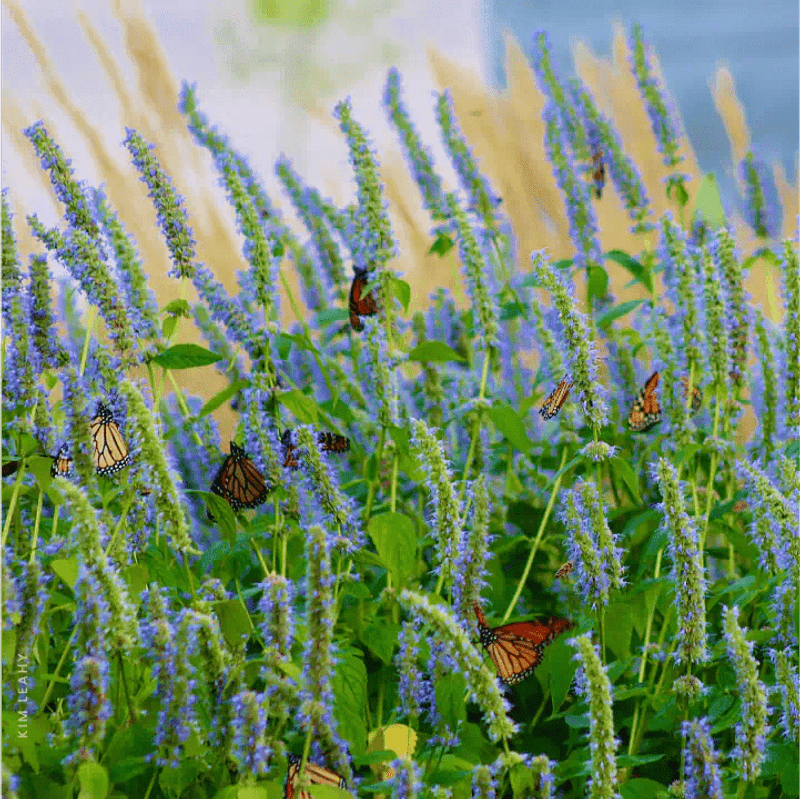
Brush past Anise Hyssop and the sweet scent gives it away before the flowers do. That herbal fragrance, paired with long spikes of blue to violet-blue blooms, makes it a charming choice for gardeners who want something useful, pretty, and busy with life.
Hummingbirds visit for nectar, while bees and butterflies often crowd in too, so one plant can make a bed feel far more active. In a family yard, that kind of visible wildlife payoff is a big part of the appeal.
Anise Hyssop also has a more relaxed cottage-garden personality than some of the bolder salvias. It looks especially good mixed with coneflowers, black-eyed Susans, and ornamental grasses, which suits many North Carolina landscapes that lean informal rather than formal.
For practical use, place it where the soil drains well and the plant can catch plenty of sun. Good air flow helps in humid summers, and deadheading can stretch the bloom window if you want more color through the warm season.
Another plus is that it brings pollinator value without asking for a high-maintenance routine. If your goal is a yard that supports wildlife, looks attractive from the porch, and keeps hummingbirds checking back, Anise Hyssop offers a cheerful middle ground between native feel and garden polish.
7. Cape Plumbago
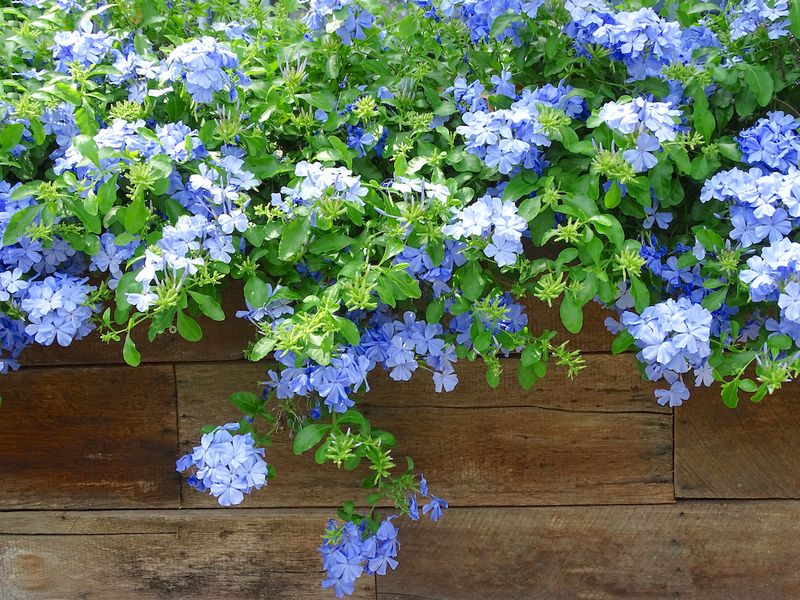
For a softer wash of blue, Cape Plumbago brings a completely different mood to the garden. Instead of tall flower spikes, it offers airy clusters of pale blue blooms that can cool down a sunny patio or foundation bed while still drawing hummingbird interest.
In North Carolina, this plant is most useful where gardeners treat it with a bit of flexibility. It can work as a warm-season container plant statewide, and in the mildest coastal areas it may perform longer outdoors than it would in colder inland spots.
That makes it a handy option for people who want porch color with wildlife value. A large pot near a sitting area lets you enjoy the flowers up close and watch hummingbirds make quick nectar stops without having to trek to the back of the yard.
Its growth habit is looser and shrubbier than salvia, so it can soften hard edges around steps, walks, or sunny corners. The flower color also pairs nicely with white houses, natural wood, brick paths, and other common Southern design elements.
Cape Plumbago is not the most cold-hardy choice on this list, but it earns its spot because it offers a long season of blue in warm weather and fills a design niche many native perennials do not. Sometimes the best garden plant is the one that solves both beauty and function in the same square foot.
8. Blue Butterfly Bush
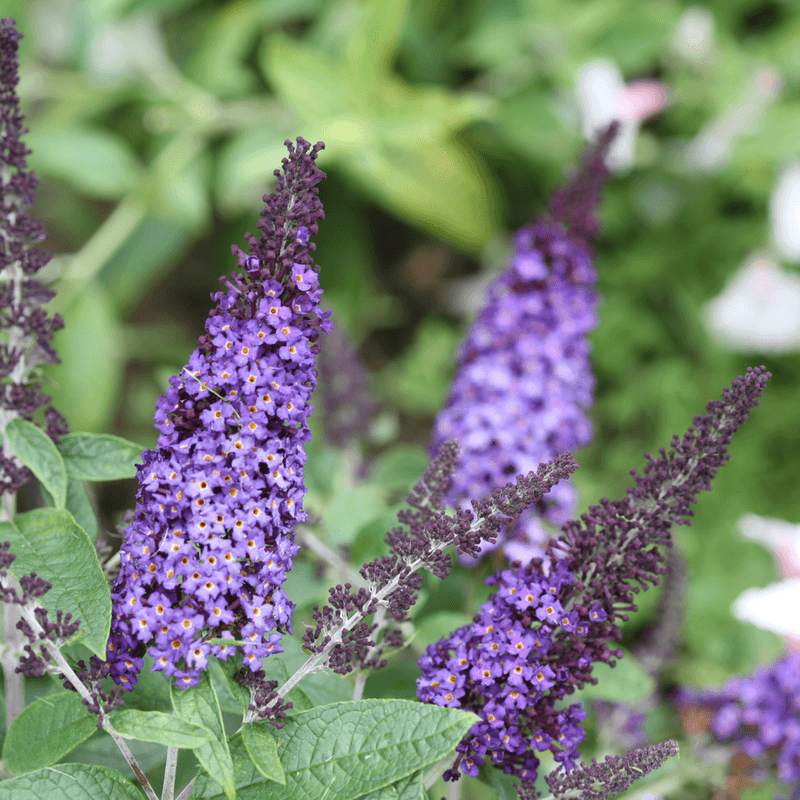
When homeowners want fast summer color, blue butterfly bush often comes up right away. The long flower panicles create a big visual splash, and hummingbirds may stop in for nectar while butterflies work the blooms through the heat of the day.
Its reason for being on this list is simple: few blue-flowering shrubs give you that much color that quickly. In a new yard or a border that still feels bare, it can fill space and create an obvious wildlife focal point in a single growing season.
Still, North Carolina gardeners should be thoughtful here. Some butterfly bush types can reseed, so it is smart to look for sterile or non-invasive cultivars sold by reputable nurseries, especially if supporting the local landscape is one of your goals.
Place it in full sun with good drainage, and plan for pruning because many varieties grow vigorously. A hard cutback in late winter or early spring often helps keep it shapely and loaded with fresh flowering stems.
Blue butterfly bush is a good fit for readers who want strong curb appeal plus visible garden activity. Used carefully and chosen well, it can add a long run of cool-toned bloom and become one more place where hummingbirds pause during their rounds.