
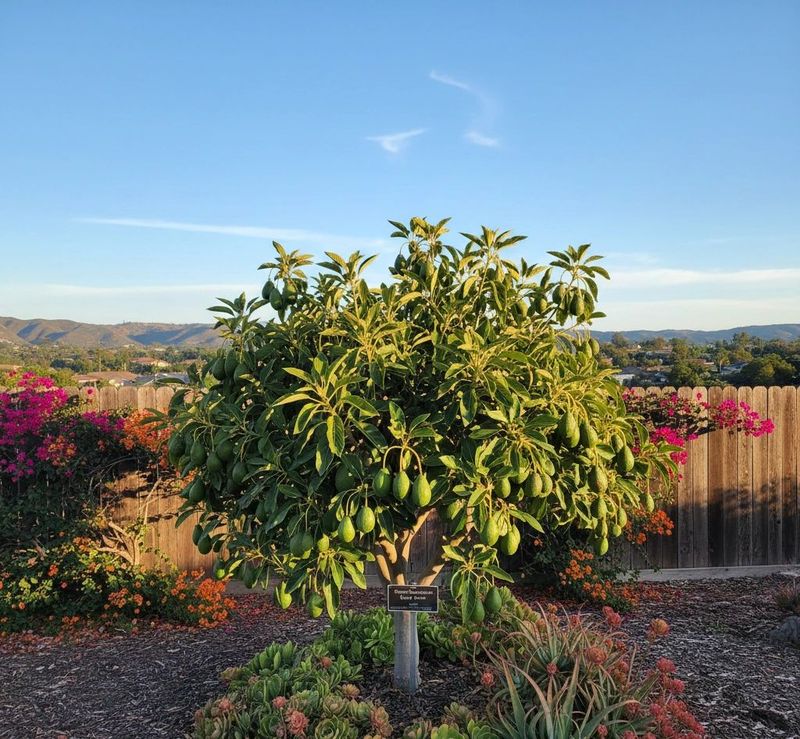
Fall is one of the smartest times to plant fruit trees in California. The soil is still warm, cooler weather puts less stress on young trees, and winter rain can help roots settle in.
Pick the right kinds now, and you can set up your yard for healthier growth, easier watering, and better harvests later.
1. Meyer Lemon
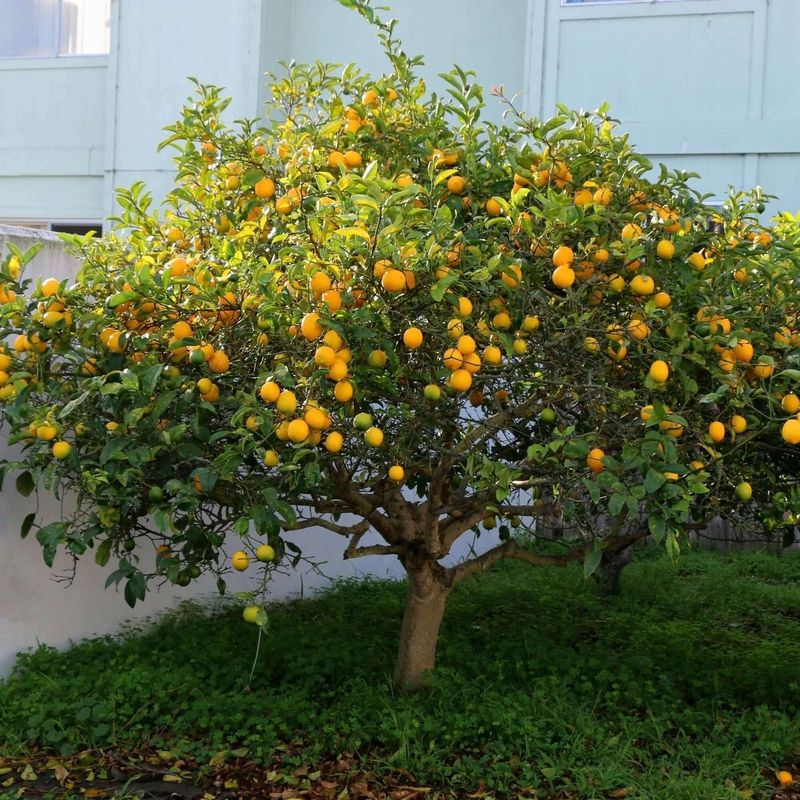
Few trees make a yard feel more alive than a lemon tree that can offer fruit for months instead of just one quick season. Meyer lemon earns its spot because it is compact, productive, and especially well suited to many milder California gardens, especially along the coast and in warmer inland neighborhoods with light frost.
Fall planting gives this tree a real head start. Warm soil helps roots grow before winter slows the top growth, and that means the tree is often better prepared for spring bloom and summer heat.
In a water-wise yard, that matters, because a well-rooted tree usually handles dry spells more steadily than one planted late in spring.
Meyer lemon also fits smaller spaces better than many fruit trees. You can grow it near a patio, in a sunny side yard, or even in a large container if your winters occasionally dip cold.
Just give it excellent drainage, regular deep watering while it establishes, and some frost protection during its first winters.
For California homeowners who want beauty and usefulness in one plant, this is a strong pick. The white blossoms smell wonderful, the fruit is less sharp than standard lemons, and the evergreen canopy keeps the yard looking full even in cooler months.
2. Fuyu Persimmon
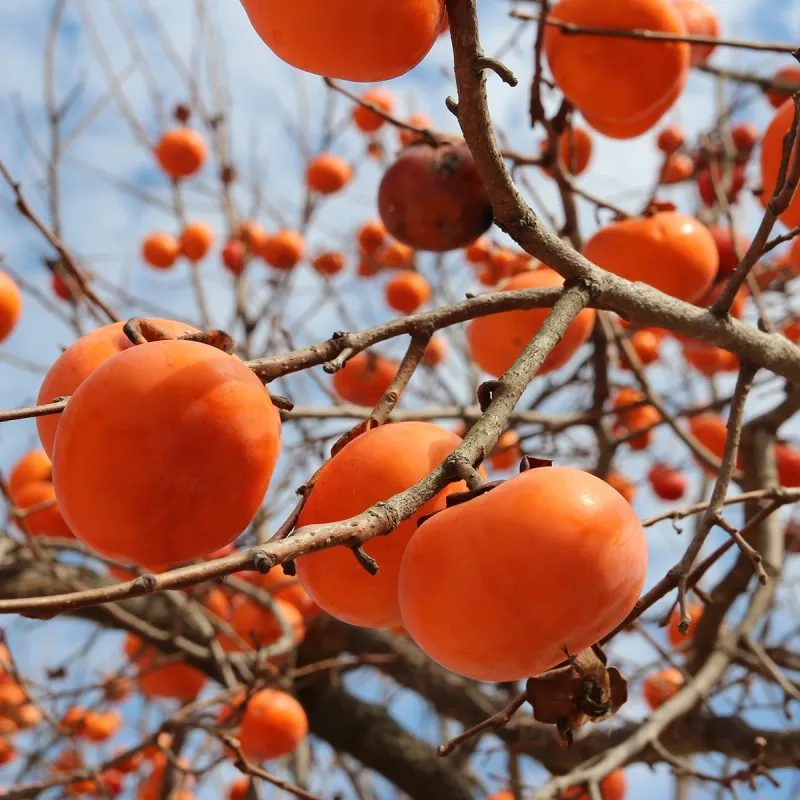
Bright orange fruit hanging like little lanterns is hard to ignore, and that is part of the charm of Fuyu persimmon. It brings strong fall color to the yard while also being one of the easier fruit trees for many California gardeners who want something dependable and a little different.
Unlike fussier trees, Fuyu persimmon can adapt to a range of California conditions if it gets sun and decent drainage. Planting in fall lets the roots settle in during cooler weather, which reduces the stress that can come with hot-season planting.
By spring, the tree is often ready to push healthy new growth without needing quite as much hand-holding.
Another reason it belongs on this list is its fruit quality. Fuyu types are eaten while still firm, so you do not have to wait for the jelly-soft stage that some astringent persimmons need.
That makes harvesting simpler for home growers, especially families who want fruit that can be sliced straight into lunches and salads.
From a landscape point of view, Fuyu is a winner too. It offers glossy summer leaves, fiery autumn color, and a tidy branch structure that fits neatly into many suburban lots.
If you want a tree that feels ornamental and edible at the same time, this one checks both boxes.
3. Anna Apple
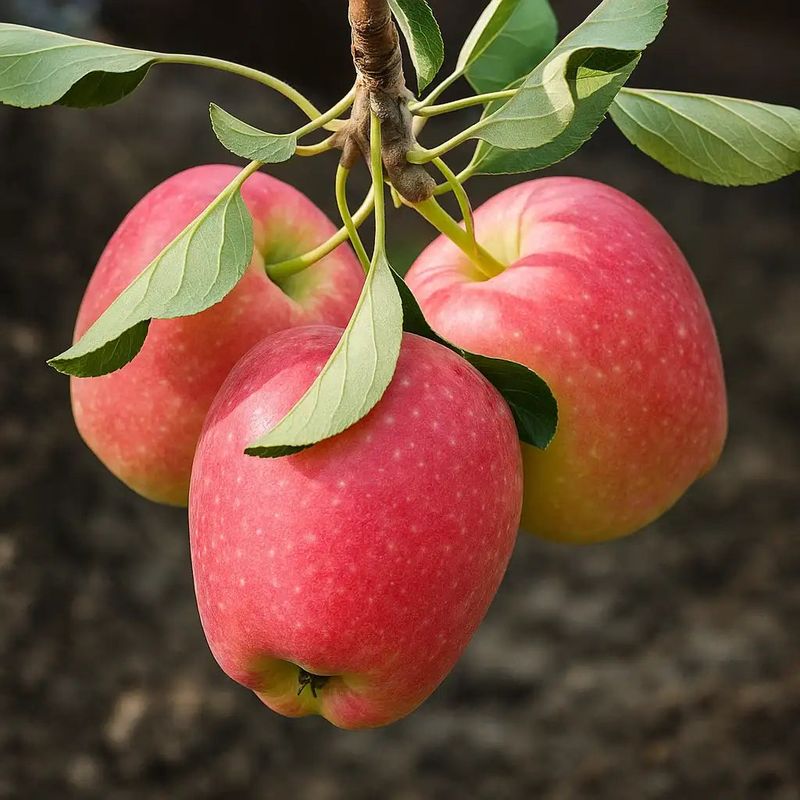
Not every apple tree makes sense in California, which is exactly why Anna deserves attention. It is known for lower chill needs than many classic apples, making it a practical option for gardeners in warmer parts of the state where traditional orchard varieties may never perform the way people hope.
Fall is a smart planting window because the tree can work on root development while the weather is cooler and more forgiving. In many California areas, that means less transplant shock and a smoother start before spring growth begins.
Home gardeners often find that a tree planted now settles in more calmly than one rushed into the ground during a hot spell.
Anna also gives you flexibility if your yard is not huge. It can be trained smaller, pruned for manageable size, and paired with another low-chill apple such as Dorsett Golden for improved pollination where needed.
That makes it more realistic for backyard growers than sprawling orchard trees that demand a lot of room.
The payoff is easy to picture. Spring flowers help support pollinators, the tree adds a familiar cottage-garden look, and crisp apples feel especially satisfying when they come from a yard that was planned around California conditions instead of wishful thinking.
4. Santa Rosa Plum
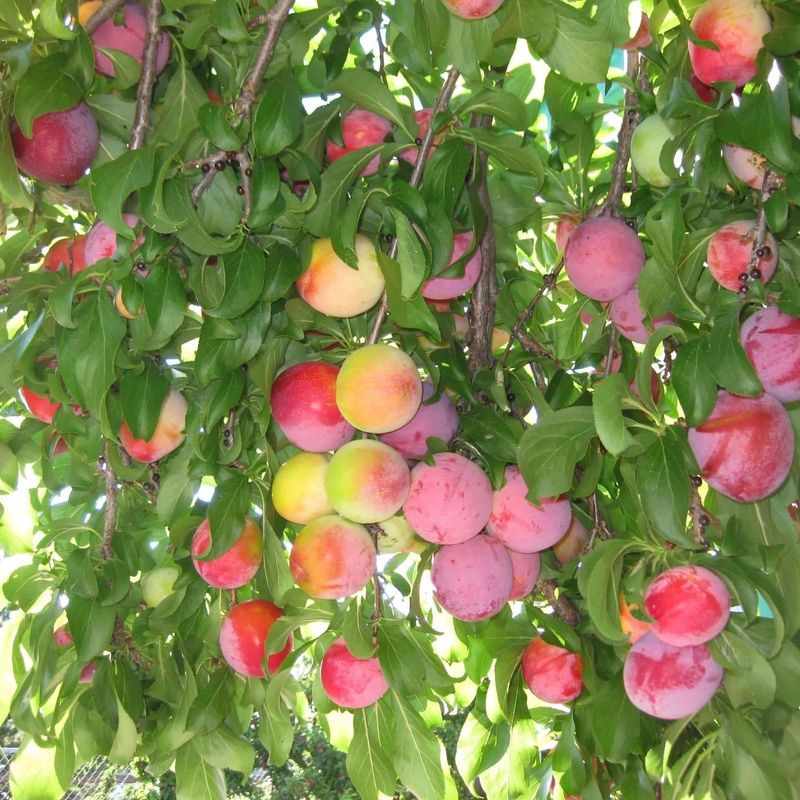
Juicy, fragrant, and far more exciting than grocery store plums, Santa Rosa plum has a reputation for rewarding backyard growers. It stands out because it combines strong flavor with broad popularity in California gardens, where it has been planted for generations.
Getting it into the ground in fall can make a noticeable difference. The tree has time to anchor itself while temperatures are milder, and winter moisture may help the soil stay evenly workable in many regions.
That early root growth can lead to better vigor once warm weather returns and the tree shifts into bloom and fruiting mode.
Santa Rosa is also a good choice for gardeners who want a tree with real ornamental value. The spring flowers are showy, the summer fruit is colorful, and the overall shape can be attractive in a front or back yard if kept pruned.
It feels less like a utility planting and more like a true landscape feature that happens to feed you.
One practical note makes it even more appealing: it has been widely grown in California, so there is a long history of home gardeners learning how it behaves in local conditions. With full sun, good air flow, and sensible pruning, it can become one of the most satisfying fruit trees in a home orchard lineup.
5. Pomegranate
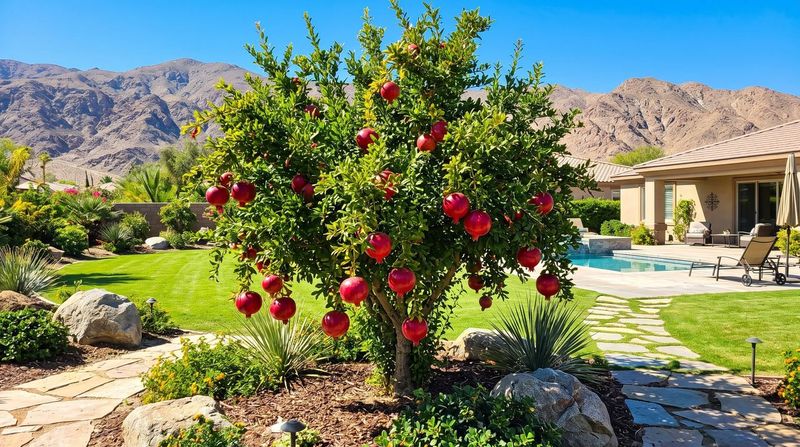
For a tree that looks dramatic without acting delicate, pomegranate is hard to beat. Its bright fruit, glowing flowers, and tolerance for dry California summers make it feel right at home in gardens built around water-wise choices.
Planting in fall gives pomegranate time to establish roots before the long dry season arrives. That is especially helpful in inland and hotter parts of the state, where a spring-planted tree can run straight into heat before it has properly settled.
Better rooting now can mean less stress and more balanced growth later.
What makes pomegranate different from many other fruit trees is its toughness. Once established, it can handle leaner conditions than thirstier orchard types, though it still benefits from deep watering for best fruit production.
For homeowners trying to reduce water use without ending up with a bare yard, that balance is a big advantage.
There is also a design bonus. Pomegranate works beautifully in Mediterranean-style landscapes, edible hedges, or mixed borders where you want structure and color.
The fruit itself brings a harvest that feels special, but even when you are not picking it, the plant adds a bold, almost glowing presence that can lift the whole yard.
6. Fig
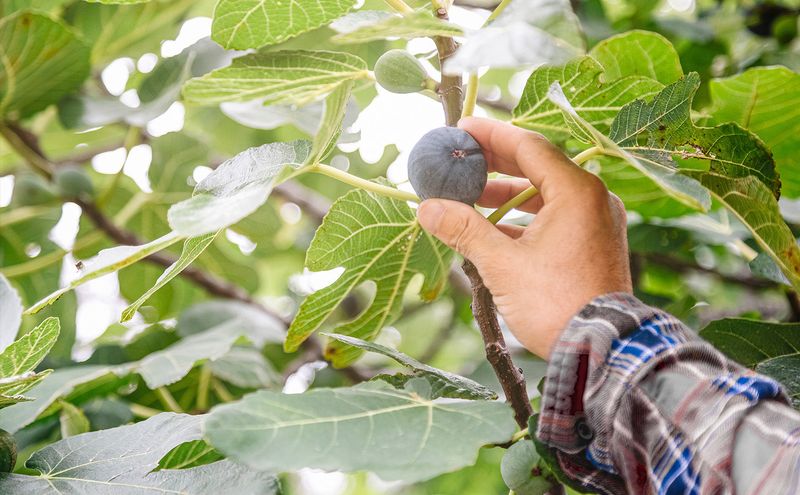
Gardeners who like a relaxed, generous tree often fall for figs fast. They have an old-world feel, they can be very productive, and in many parts of California they settle into backyard life with surprising ease.
Fall planting works well because the ground is still warm enough for root growth, yet the cooler air takes pressure off the leaves and branches. That calmer start is useful for figs, which can grow quickly once they are happy.
A tree that roots in before winter often wakes up ready to stretch when spring warmth returns.
Figs earn their place on this list for another reason too: they suit the way many Californians garden now. They can fit into edible landscapes, tolerate summer dryness once established better than some fruit trees, and create welcome shade near patios or garden edges.
Their bold leaves also add a tropical look without needing a tropical climate.
Choose a sunny spot with room to spread, and keep the soil draining well. If your goal is a backyard that feels abundant, useful, and a little bit storybook, fig is a memorable choice.
Fresh fruit straight from the branch is soft, sweet, and miles better than the packaged kind most people know.
7. Avocado
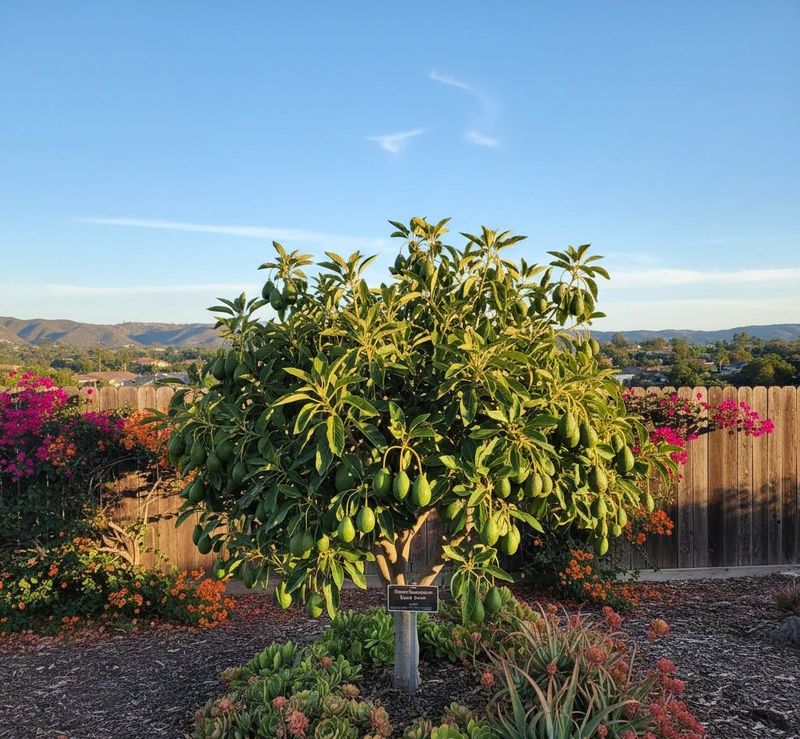
Planting an avocado tree can feel like a long game, but California gardeners know the payoff is worth waiting for. In the right climate, especially in frost-light coastal and Southern California areas, avocado can become one of the most valued trees in the yard.
Fall gives young trees a gentler start than a blazing summer planting. Roots can begin exploring the soil while temperatures are moderate, and that may help the tree face its first warm season with more confidence.
Since avocados dislike extremes, avoiding unnecessary stress early on is a smart move.
What sets avocado apart is how particular it is about placement. It wants excellent drainage, protection from harsh wind, and careful watering that keeps the root zone moist but never swampy.
Because of that, it rewards gardeners who are willing to think a little before they dig. In many California yards, a slightly raised planting area or slope can help it thrive.
There is also a lifestyle reason people keep choosing this tree. Fresh avocados are genuinely useful in everyday cooking, and a healthy tree adds lush evergreen beauty year-round.
If your microclimate is right, planting one in fall can be the beginning of a backyard staple that feels both practical and a little luxurious.
8. Loquat
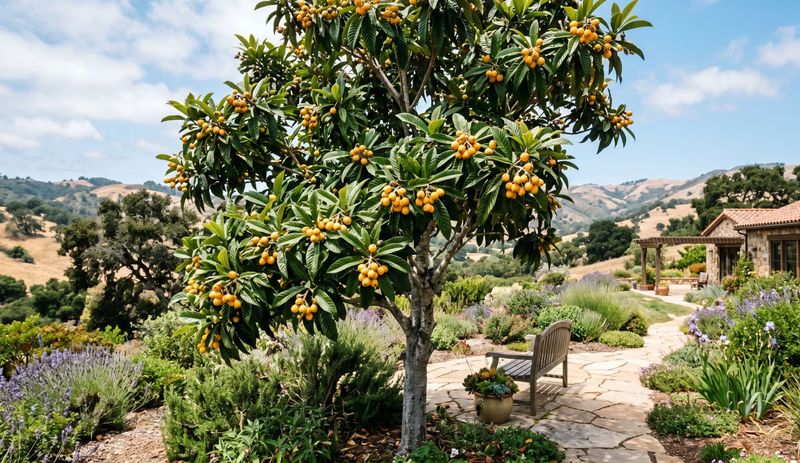
Some fruit trees stay under the radar, and loquat is one of the best hidden gems for California yards. It brings bold evergreen leaves, a subtropical look, and sweet spring fruit, all while fitting comfortably into many mild-climate gardens.
One reason loquat belongs on a fall planting list is timing. It appreciates getting established before the push of active spring growth, and California’s cooler season often gives it a smoother runway for root development.
That can be especially helpful in regions where hot, dry weather arrives fast once winter ends.
Loquat also stands apart because it pulls double duty so well. From across the yard, it reads like an ornamental tree with large textured foliage.
Up close, it offers clusters of fruit that can be eaten fresh or turned into jam. For homeowners who want an edible plant that still looks polished in the landscape, that combination is hard to ignore.
In practical terms, loquat is a strong option for small and medium yards. It can be used as a specimen near a patio or as part of a layered planting plan with other wildlife-friendly shrubs and perennials.
The blooms may also offer seasonal interest when not much else is happening, giving the garden another reason to feel active and alive.
9. Apricot
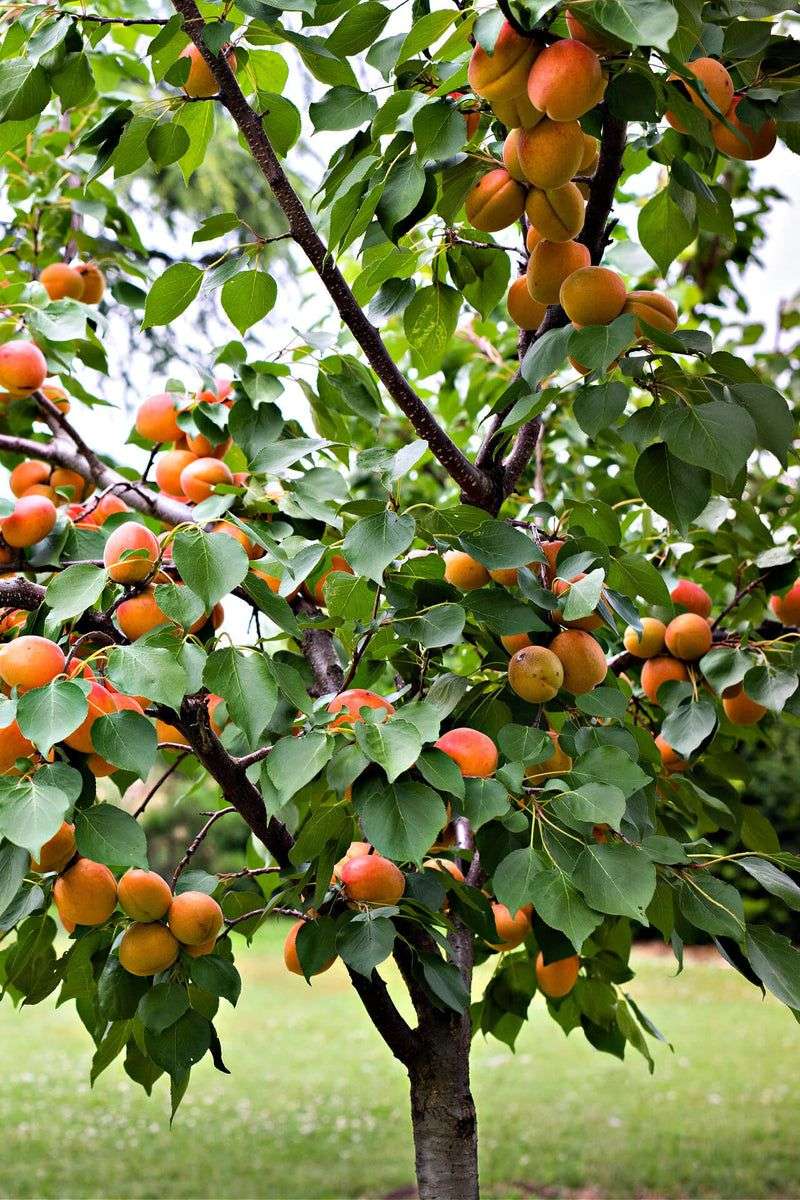
Apricots have a reputation for being a little more particular, but when they match the site, they can be unforgettable. The fruit is rich, fragrant, and fleeting in the best way, which makes a productive backyard tree feel like a real seasonal event.
For many California gardeners, fall is the right moment to get started. Planting before winter gives roots time to establish while the weather is cooler and often moister than late spring.
That can help the tree enter its first growing season with less strain, especially in inland valleys where summer heat ramps up quickly.
Apricot earns a place here because it suits classic California fruit-growing regions so well. In the right location, it can thrive in full sun with good drainage and careful pruning for air flow.
It is not the most carefree option on the list, but it rewards attention with fruit that rarely compares to store-bought versions.
There is a certain romance to apricots too. Spring bloom can be beautiful, the tree stays manageable in many yards, and the harvest feels special because it is so short-lived.
If you want a fruit tree that gives your garden character as well as flavor, apricot is a thoughtful choice for fall planting.