
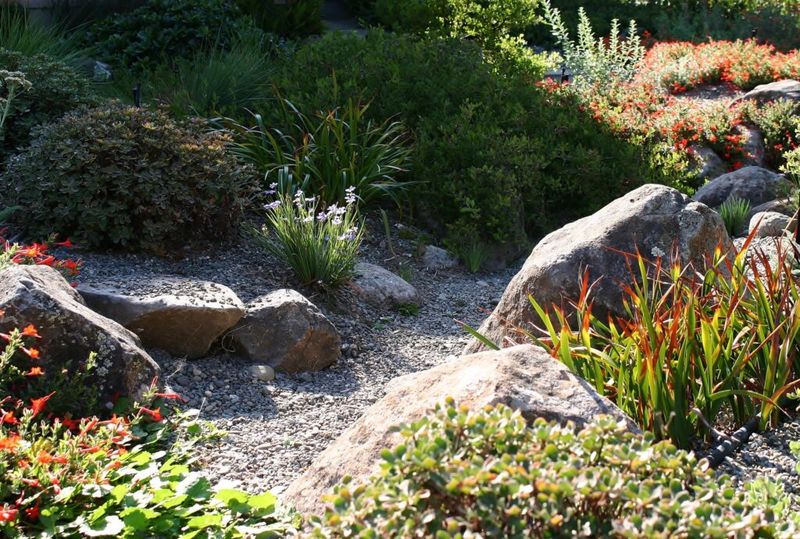
If you have a hillside in California, you have probably noticed how fast ivy or ice plant can cover bare dirt. The problem is that many of those quick-spreading favorites either choke out native plants or turn into dry fuel when fire season arrives. The good news is that California has its own native groundcovers that hold soil in place, feed local bees and butterflies, and stay low, green, and less likely to burn. Here are seven native options that blanket a slope beautifully without setting the stage for the next wildfire.
1. Coyote Brush (Baccharis pilularis ‘Pigeon Point’)
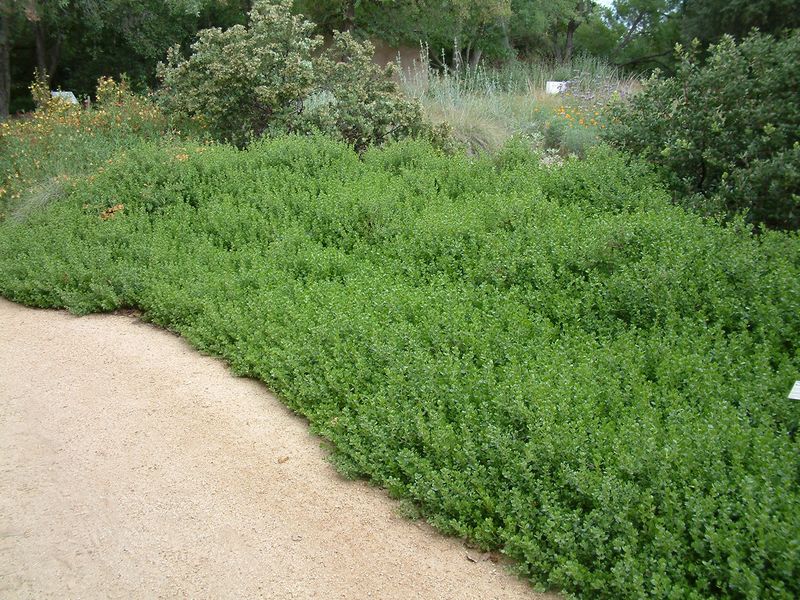
Ask any fire-conscious landscaper for a slope cover and coyote brush almost always comes up first. The low-growing ‘Pigeon Point’ variety spreads into a dense, glossy green mat that can cover eight to ten feet, gripping loose soil with a tough root system that holds a hillside together during winter rains.
What sets it apart is its reputation among firefighters. The leaves hold moisture well into the dry season, so it tends to stay greener longer than many California natives, which can slow the spread of a low ground fire when it is kept trimmed and watered occasionally.
It also earns its keep with wildlife. Tiny fall flowers pull in native bees, hoverflies, and butterflies at a time of year when little else is blooming, so you are feeding pollinators instead of starving them. Give it full sun, cut it back every few years to keep it low and lush, and clear the dead interior growth so it never becomes a nest of dry kindling.
2. Creeping Manzanita (Arctostaphylos ‘Emerald Carpet’)
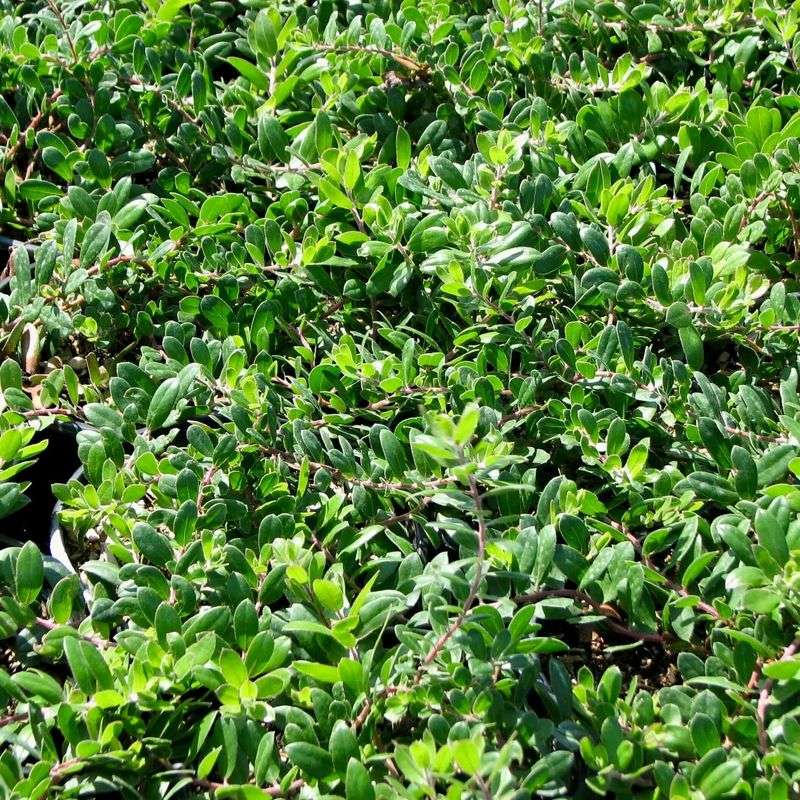
Picture a smooth, ankle-high blanket of tiny apple-green leaves flowing down a slope, and you have ‘Emerald Carpet’ manzanita. Unlike its shrubby cousins that build up woody, resin-heavy branches, this low selection stays flat and tidy, which matters a lot in a fire zone where tall, oily manzanita can act like a torch.
Its leaves are small, dense, and higher in moisture than the leggy manzanitas people warn you about. Kept irrigated a couple of times a month through summer, it holds a soft green color that resists igniting easily and rarely piles up dead wood underneath.
Come late winter, clusters of pink-tinged white bells appear, and native bumblebees and early hummingbirds go straight for them. That early nectar can support pollinators emerging before most gardens have anything to offer. Plant it in part shade to full sun with good drainage, skip the heavy pruning, and let it knit into a weed-smothering carpet that asks very little of you.
3. Yarrow (Achillea millefolium)
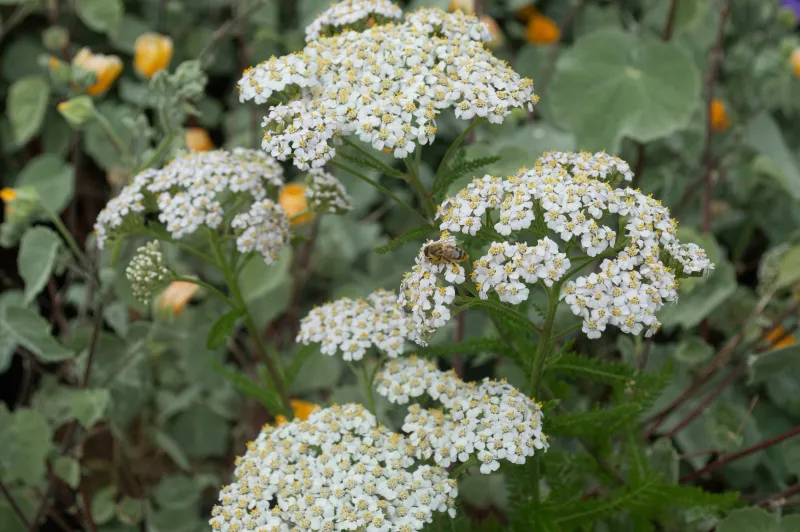
Yarrow is the scrappy underdog of the native plant world, thriving where fussier plants sulk. Its feathery green foliage spreads by underground runners into a soft, low mat that fills bare slope quickly, almost like a lawn you never have to mow.
The fire angle here is simple. Yarrow grows low, holds water in its ferny leaves, and does not build up woody, flammable material, so a mowed or trampled patch stays close to the ground and easy to keep green.
Then there is the pollinator payoff. Flat white flower heads in summer become tiny landing pads for native bees, beneficial wasps, ladybugs, and butterflies, turning a plain slope into a busy little food station.
Fun bit of history: yarrow’s Latin name honors Achilles, who legend says used it to treat soldiers’ wounds. Give it sun, cut spent flowers to keep it neat, and water lightly through the dry months to keep the mat lush rather than crispy.
4. Beach Strawberry (Fragaria chiloensis)
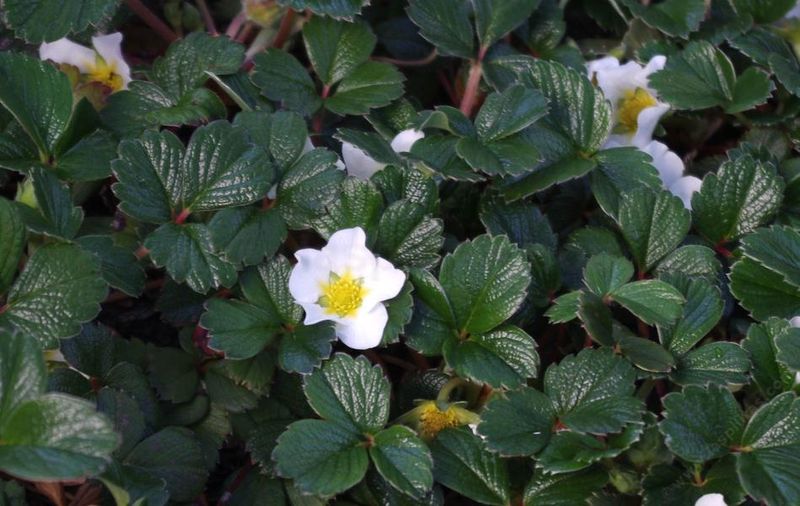
Here is a groundcover that spreads like ivy but sends out runners you will actually enjoy chasing. Beach strawberry roots wherever its runners touch down, quickly stitching together a glossy, dark-green carpet that hugs the soil and chokes out weeds on a slope.
Because it stays low and leafy with plenty of moisture in its foliage, it does not stack up the dry, woody fuel that makes some ornamental covers a fire hazard. A well-watered patch reads as a cool green ribbon across a hillside rather than a strip of tinder.
White spring flowers feed native bees, and yes, small edible strawberries sometimes follow, which the birds usually claim before you do. It handles coastal fog and inland sun alike, though it appreciates afternoon shade and regular water inland. Plant it on gentler slopes, let the runners do the spreading, and you get erosion control, pollinator food, and the occasional sweet surprise all at once.
5. Point Reyes Ceanothus (Ceanothus gloriosus)
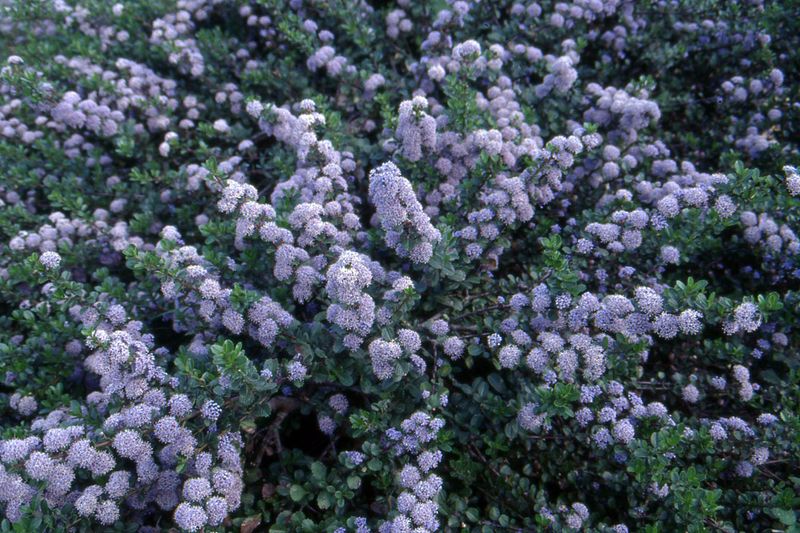
Few natives put on a show quite like ceanothus when it blooms, and the Point Reyes form does it while staying flat to the ground. Instead of the tall, brittle wild lilacs that raise fire concerns, this variety creeps outward into a leathery, dark-green mat that can blanket six to nine feet of slope.
Its thick, holly-like leaves carry more moisture than the twiggy upright ceanothus species, and its low profile means there is no tall woody mass to catch flame. Keeping the interior clear of dead twigs keeps it in the fire-friendly column.
The spring reward is unforgettable: a haze of powder-blue flowers so loaded with bees, butterflies, and beneficial insects that the whole patch seems to hum. For pollinators, it is a spring feast that native gardens depend on. Site it in full sun near the coast or light shade inland, water sparingly once established, and let those clusters spill down the hillside like a living blue waterfall.
6. Dune Sedge (Carex pansa)
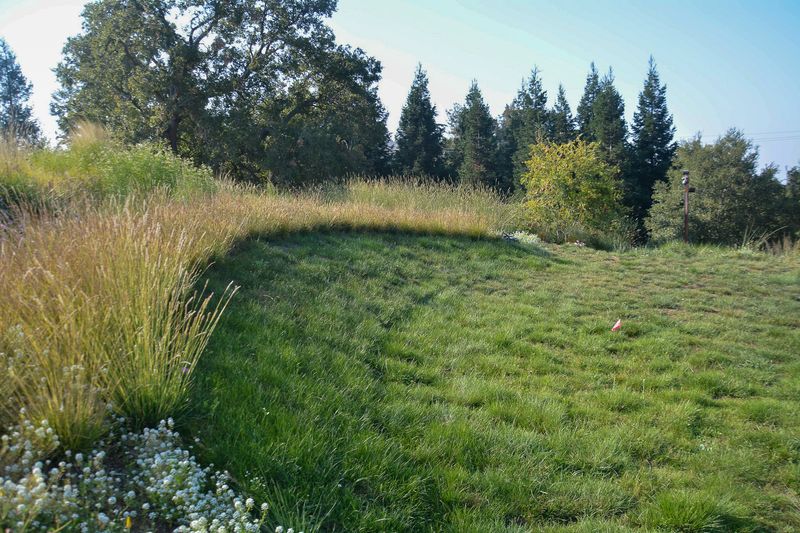
Craving that green-lawn look without the water bill or the fire worry? Dune sedge is the native answer. Its fine, grassy blades knit together into a soft, flowing meadow that can be left shaggy or mowed a few times a year, and it spreads by rhizomes to cover ground steadily.
Sedges stay low, flexible, and green, and they do not accumulate the dense, dry thatch that makes an unwatered turf lawn a real ignition risk in fire zones. A living green sedge lawn is far friendlier to a defensible-space plan than a strip of dead grass.
It also gives soil-dwelling insects and ground-foraging birds a place to work, quietly supporting the little wildlife most homeowners forget about. Dune sedge tolerates sun or part shade and gets by on much less water than a traditional lawn once its roots are deep. Use it on gentle slopes and pathways where you want that walkable, meadow feel without the guilt of a thirsty, flammable lawn.
7. Silver Carpet (Dymondia margaretae)
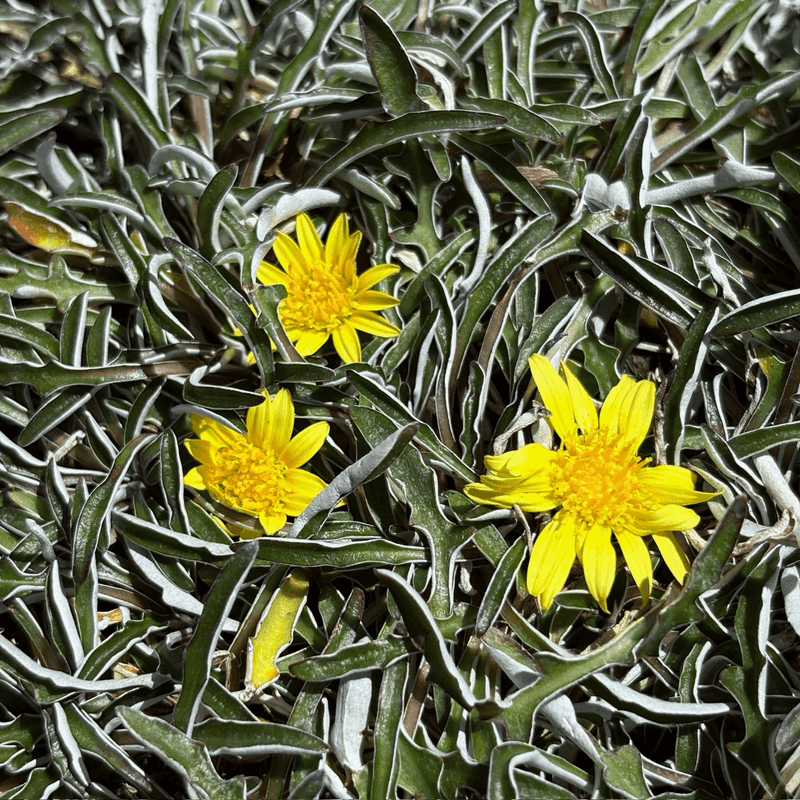
For the tight, flat spaces where nothing else seems to fit, silver carpet slips right in. This ground-hugging plant forms a dense mat barely an inch or two tall, with narrow gray-green leaves that flash silvery undersides when the wind or your footsteps turn them over.
Its whisper-low height is exactly what makes it useful near a house in fire country. There is no woody buildup and no tall growth to carry flame, so it fits neatly into the closest defensible-space zone where you want plants that stay short and hold moisture.
Small yellow daisy flowers pop up through the mat in warm months, offering a bit of nectar to passing bees, and the plant handles light foot traffic between pavers without complaint. Give it full sun, sharp drainage, and occasional summer water. On a low slope or a hot bank near the driveway, silver carpet spreads into a tough, tidy, low-fuel blanket that quietly does its job. A quick note: it is native to South Africa rather than California, so pair it with true natives where you want the strongest wildlife benefit and lean on it mainly for those tricky, tight, fire-sensitive spots.