
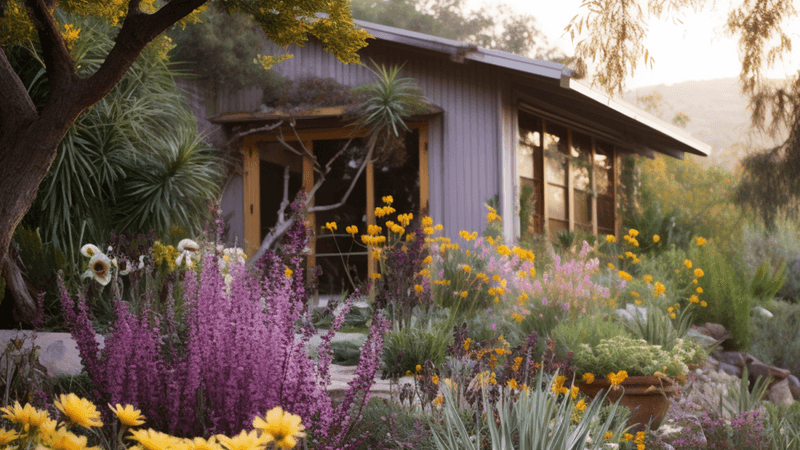
If your California yard eats up water and still looks tired by August, the problem might be that you are trying too hard. Some of the best native perennials actually do better when you back off on the watering can and let them settle into our dry Mediterranean summers.
These plants feed bees, birds, and butterflies while shrugging off drought, and many suit fire-smart yards too. Here are the natives that reward a little benign neglect with big payoff.
1. California Fuchsia (Epilobia canum)
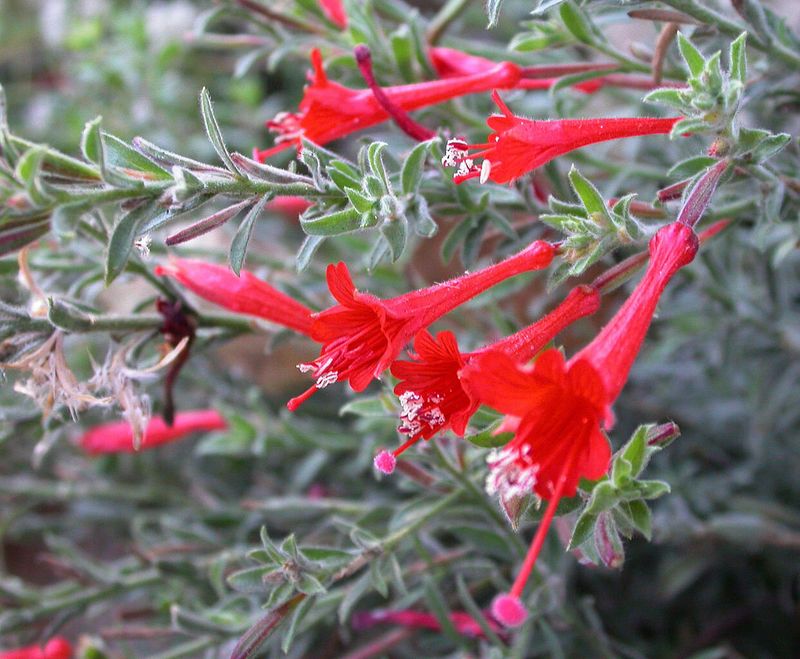
Come late summer, when half your garden looks fried and thirsty, California fuchsia decides it is showtime. Blazing scarlet-orange tubes cover this low, spreading perennial right as most flowers quit for the season.
Hummingbirds treat it like a fuel station, so if you want buzzing, darting activity near a patio, plant it where you can watch. It wants full sun, sharp drainage, and almost nothing from you once established.
Overwatering is the fastest way to kill it, which is exactly why lazy watering habits suit it fine. Cut it back hard in winter and it comes roaring back.
For inland valley and hillside yards fighting drought, it is a reliable splash of color that asks for zero fuss.
2. Cleveland Sage (Salvia clevelandii)
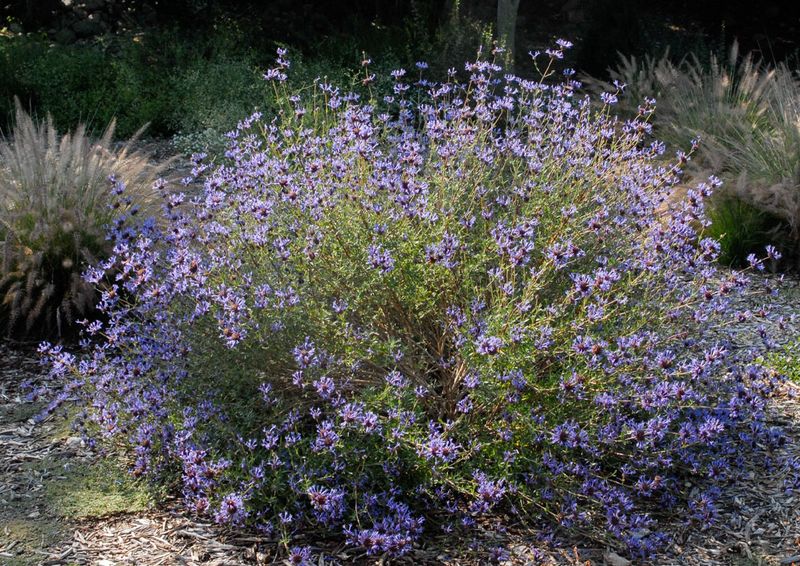
You will smell this one before you see it. Brush against Cleveland sage on a hot afternoon and the air fills with a spicy, herbal scent that clings to your hands.
Whorls of violet-blue flowers stack up on tall stems in spring and early summer, drawing native bees and the occasional hummingbird. It grows into a rounded, gray-green mound that looks handsome even when it is not blooming.
Give it full sun and lean, fast-draining soil, then step away. Summer water is its enemy, so it slots perfectly into a water-wise bed you rarely irrigate.
Gardeners in fire-prone areas like that it stays tidy and low-fuel when spent flower stalks are trimmed. Leave the dried seed heads a while and finches will pick them clean.
3. Yarrow (Achillea millefolium)
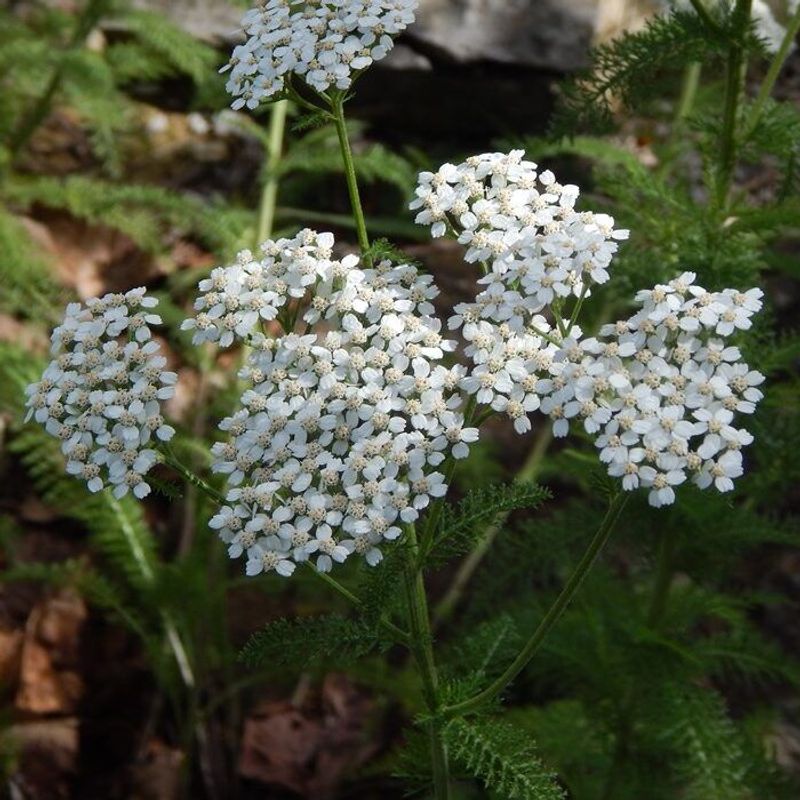
Here is a plant that tolerates almost anything you throw at it, including neglect, poor soil, and stretches with no water at all. Native yarrow spreads flat-topped clusters of white or soft pastel flowers above feathery, fern-like leaves.
Those landing-pad blooms are a magnet for tiny beneficial insects like lady beetles and native wasps that quietly keep garden pests in check. It works beautifully as a lawn alternative, taking light foot traffic and staying low if you mow it a couple times a year.
Full sun keeps it densest, and once its roots dig in, summer irrigation becomes optional. Shear off faded flowers to nudge a second flush.
For homeowners easing out of a thirsty turf lawn, yarrow is one of the gentlest first steps.
4. Douglas Iris (Iris douglasiana)
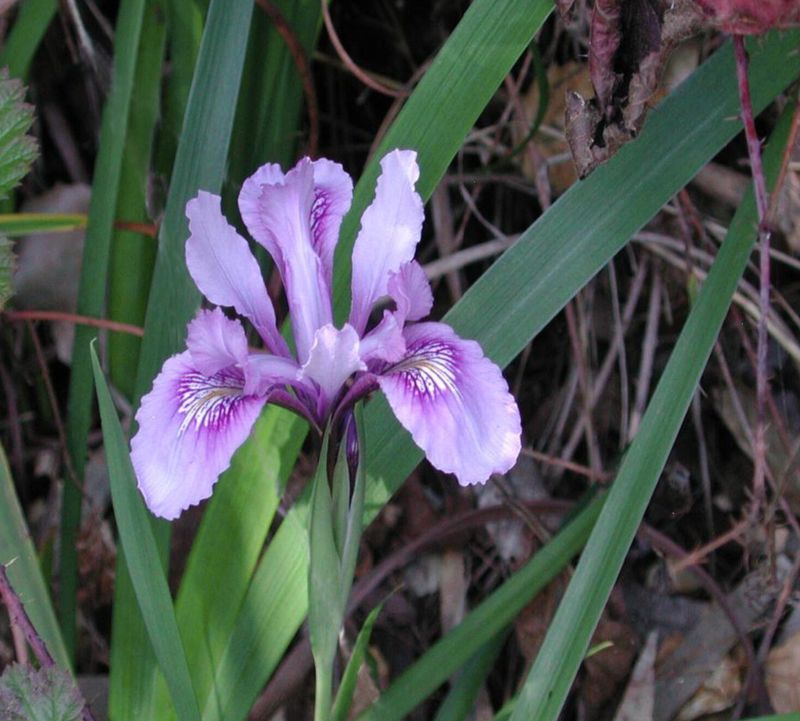
Most drought-tough natives crave blazing sun, but Douglas iris happily fills the shady, awkward spots under oaks and along north-facing fences. Its elegant purple, lavender, and cream blooms arrive in spring on clumps of strappy evergreen leaves.
Coastal gardeners especially adore it because it laughs off fog, salt air, and cool ground. Once its rhizomes settle in, it forms a lush, weed-smothering carpet that needs little more than occasional winter rain.
Deer tend to leave it alone, which is a quiet relief for hillside homeowners. Skip the summer watering and let it go semi-dormant in the driest months; it bounces back with the wet season.
A tidy clump beside a walkway gives that soft, gardened look without the maintenance.
5. Coyote Mint (Monardella villosa)
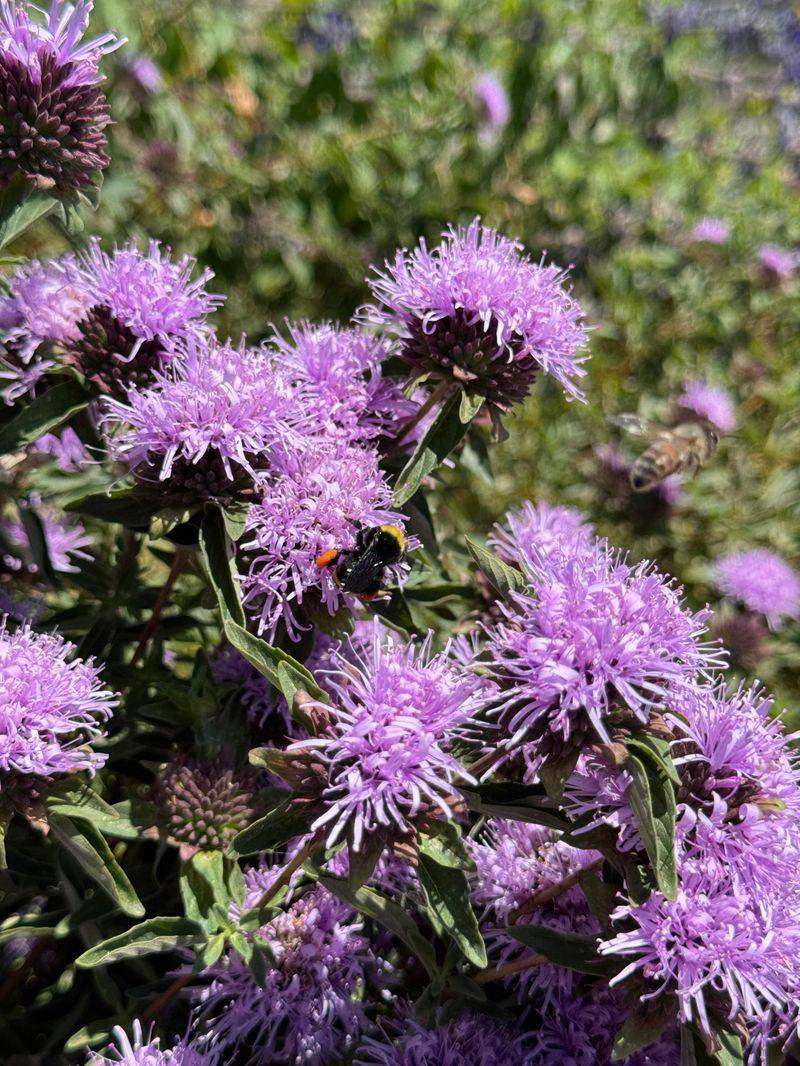
Rub a leaf and you get a burst of minty, almost peppermint fragrance that explains the name and keeps browsing deer at arm’s length. Coyote mint forms a compact, low mound topped with fuzzy lavender-pink pom-pom flowers in summer.
Butterflies and native bees swarm those tufted blooms, making it a standout for anyone building a pollinator patch. It stays modest in size, so it fits rock gardens, border edges, and tucked-in spots along a path.
Sharp drainage and full to part sun are all it really wants. Water it deeply now and then during its first summer, then let it fend for itself.
That easygoing habit, plus the herbal scent, makes it a favorite for low-maintenance slopes.
6. Sticky Monkeyflower (Diplacus aurantiacus)
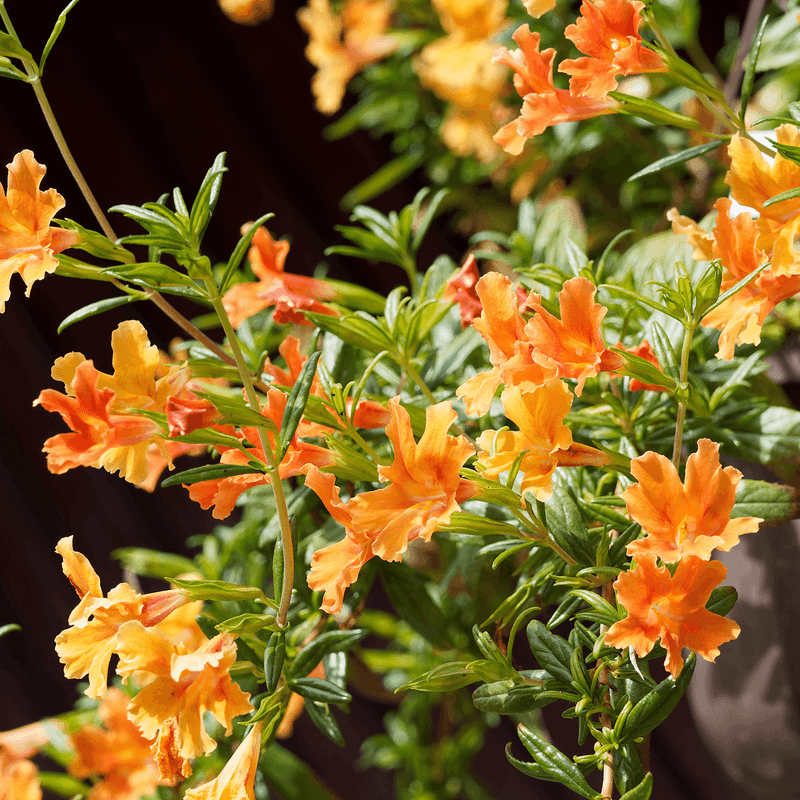
Few natives pack this much color into such a carefree package. Sticky monkeyflower throws out apricot, orange, and sometimes red trumpet-shaped blooms across a small, tidy shrub, and hummingbirds cannot resist them.
The leaves feel faintly tacky, hence the name, and that texture helps it hold up through hot, dry chaparral summers. It is a natural for fire-adapted hillsides where you want beauty without heavy fuel or heavy watering.
Give it sun to light shade and dry it out between drinks once it is established; soggy roots are its downfall. A light trim after the main bloom often earns you a second round of flowers.
Gardeners rave about how much show they get for how little they give.
7. Seaside Daisy (Erigeron glaucus)
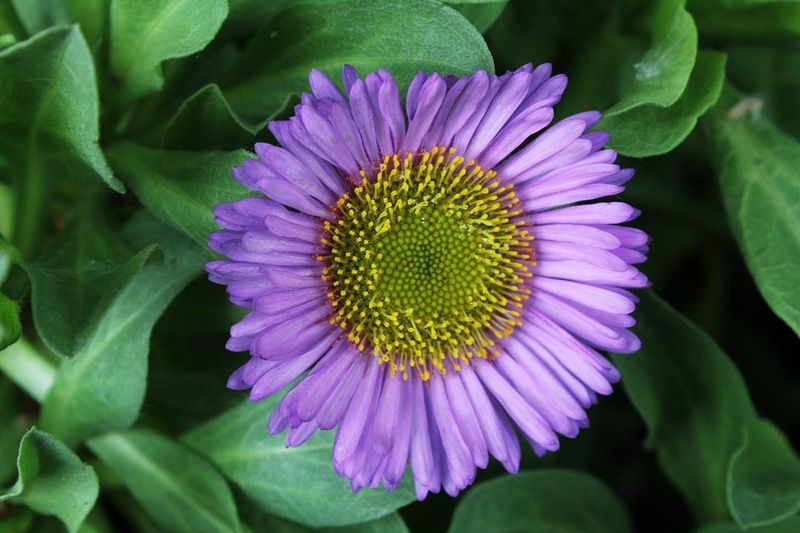
Picture a cheerful little daisy that keeps blooming for months and does not flinch at wind, salt spray, or sandy soil. Seaside daisy hugs the ground in a spreading mat of gray-green leaves topped with lavender-pink flowers and sunny yellow centers.
Coastal homeowners lean on it for that soft, cottage-garden charm in a spot where fussier plants would sulk. Bees and small butterflies drop in constantly during the long flowering stretch.
It handles part sun near the coast and appreciates a bit of afternoon shade inland. Deadhead the spent blooms and it just keeps going.
Modest water needs and a low, front-of-border height make it an easy yes for walkways and rock edges.
8. California Buckwheat (Eriogonum fasciculatum)
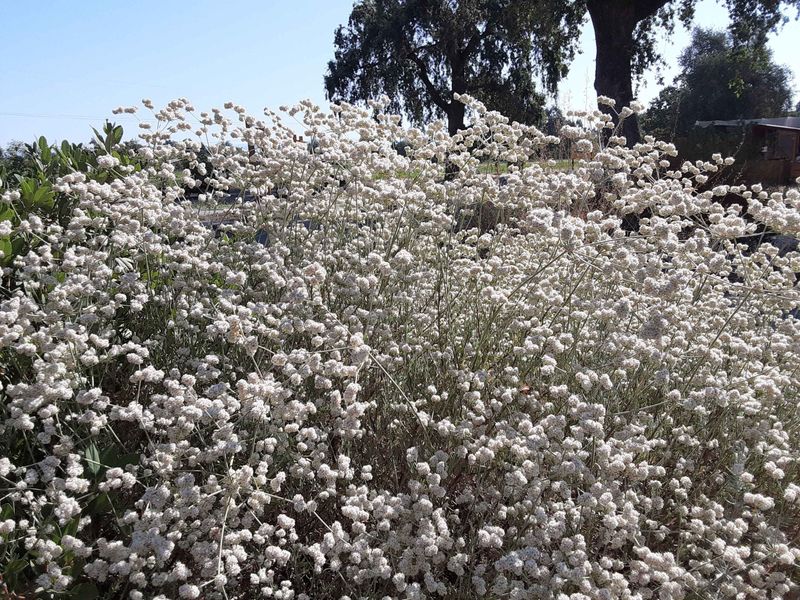
If you plant only one thing for wildlife, gardeners will point you here. California buckwheat feeds an astonishing range of native bees, butterflies, and beneficial insects, and its seeds later become bird food when the flowers fade to rusty red.
Creamy white pom-pom clusters cover this tough shrub through summer, then dry into handsome copper tones that carry the plant into fall. It thrives on baked, rocky ground and treats summer water as unnecessary, sometimes even harmful.
Fire-conscious homeowners value it as a well-behaved, drought-hardy choice for defensible-space zones when kept trimmed and spaced. Full sun and no coddling suit it best.
For a low-effort backbone plant that quietly supports the whole ecosystem, it is hard to beat.